Plant Guide
-
-
-

-
February 02,2026
-
Are the branches scorched? Fire blight is spreading rapidly!
-
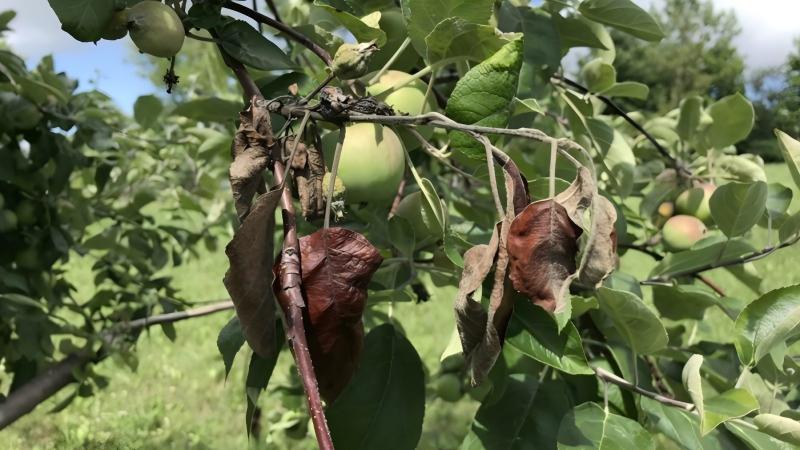
What is Fire Blight?Fire Blight is a highly contagious plant disease caused by the bacterium Erwinia amylovora. It is considered one of the most destructive bacterial diseases in horticultural and fruit tree cultivation systems across Europe and North America. First identified in North America, the disease spread to Europe and other temperate regions through the dissemination of fruit tree varieties and international nursery stock trade. It is now a plant disease under key surveillance in numerous countries.The most distinctive feature of Fire Blight is its extremely rapid progression, often causing visible wilting and necrosis within a short period. Infected plant branches, leaves, and inflorescences quickly turn black and wither, resembling scorching by flames—hence the name “Fire Blight.” Unlike many fungal diseases, fire blight does not form a visible mold layer on plant surfaces. Instead, it spreads through internal tissues, complicating early detection and control efforts.Within European and American fruit tree cultivation systems, fire blight impacts not only home orchards and ornamental plants but also inflicts severe economic damage on commercial orchards. Once the disease penetrates the trunk or main branches, it often signifies that the affected branch—or even the entire plant—is beyond salvage. Consequently, fire blight is widely regarded as a plant disease that “must be managed primarily through prevention.”Which regions are susceptible to fire blight?Fire blight primarily occurs in temperate and humid temperate climates, which coincide with the most concentrated areas of fruit tree and ornamental plant cultivation in Europe and North America. In North America, fire blight is widespread across the United States and Canada, particularly prevalent in the Great Lakes region, the Northeast, the Pacific Northwest, and parts of the Midwest. These regions experience rapid spring temperature increases and frequent rainfall, creating ideal conditions for bacterial proliferation during the flowering period.In Europe, fire blight has repeatedly erupted in countries including Germany, France, Italy, the United Kingdom, the Netherlands, and Switzerland. Particularly in areas with dense fruit tree plantings, warm and humid spring weather can enable rapid and widespread transmission of the disease within a short timeframe. Some countries have even classified fire blight as a statutory quarantine disease, mandating compulsory isolation and eradication upon detection.Additionally, certain fruit-growing regions in New Zealand and Australia, along with some Mediterranean coastal nations, have become potential high-risk areas for fire blight due to suitable climatic conditions and the introduction of susceptible fruit tree varieties. Overall, regions characterized by warm springs, high humidity, and extensive planting of Rosaceae plants possess the fundamental conditions for the occurrence and spread of fire blight.Which plants are susceptible to fire blight?Fire blight does not infect all plants but shows a marked preference for Rosaceae species. In Europe and North America, the most commonly affected plants include apple trees, pear trees, serviceberries, hawthorns, and various ornamental Rosaceae shrubs and small trees.In home gardens and landscaping, ornamental crabapples, ornamental pears, and firethorns are particularly high-risk. These plants typically produce abundant flowers during concentrated blooming periods and are often densely planted or frequently pruned, facilitating bacterial spread between plants. In commercial orchards, apples and pears are primary targets of fire blight, and once infected, they often incur significant management costs.It is crucial to note that young plants, newly planted seedlings, and vigorous young shoots are more susceptible to fire blight than mature plants. Flowers and new shoots possess soft, water-rich tissues that serve as ideal entry points for bacterial infection. Consequently, the risk significantly increases during flowering periods and rapid growth stages for these plants.What causes fire blight?The occurrence of fire blight is not accidental but results from the combined effects of multiple environmental and management factors. Within European and American horticultural and fruit tree cultivation systems, fire blight is often regarded as a “conditionally induced disease.” This means the disease rapidly erupts and spreads only when specific conditions converge simultaneously—including climate, plant growth stage, and human management practices. Understanding these triggering factors is the core prerequisite for preventing fire blight.1. Climate and TemperatureThe fire blight pathogen multiplies extremely rapidly in warm environments. When spring or early summer temperatures stabilize between 18–30°C (65–86°F), bacterial activity significantly increases, enabling massive proliferation within a very short timeframe. This temperature range coincides closely with spring conditions across most of Europe and North America, coinciding with the flowering and shoot growth stages of fruit trees and ornamental Rosaceae plants. At this time, plant tissues are tender, cell walls are not yet fully lignified, and natural defenses are relatively weak, making them more susceptible to bacterial invasion. Once warm weather persists for several days or more, fire blight can rapidly escalate from isolated infections to regional outbreaks. This explains why many growers perceive fire blight as “hitting fast and hard.”2. Humidity and RainfallHigh humidity and frequent rainfall are key environmental conditions for fire blight spread. In moist environments, fire blight bacteria not only survive longer on plant surfaces but also move more easily between tissues via water films. During rainfall, splashes generated when raindrops strike infected areas directly transfer bacteria to nearby plants' flowers, young leaves, and new shoots, enabling rapid short-distance transmission. In many regions of Europe and America, spring often brings prolonged rainy spells or heavy morning dew. This persistently humid environment significantly increases the risk of fire blight outbreaks. Compared to dry climates, fire blight is often more difficult to control under wet conditions and spreads at a faster rate.3. Infection During FloweringThe primary and most dangerous point of entry for fire blight is the flower. Bacteria typically enter through nectaries into the floral organs, then invade the vascular tissue of branches via the flower stalk. Since flowers naturally secrete sugary substances, these secretions provide an ideal breeding ground for bacteria. Once bacteria successfully enter the vascular system, they can rapidly spread downward through the xylem, causing systemic infection. Therefore, plants with concentrated flowering periods and abundant blooms face higher fire blight infection risks. In European and American orchards, the synchronized flowering periods of apples and pears are often regarded as the “critical window” for fire blight control. Even minor negligence can lead to entire trees being affected.4. Insect ActivityPollinating insects like bees and flies play a significant yet often overlooked role in fire blight transmission. These insects move frequently between flowers, inadvertently carrying fire blight bacteria while collecting nectar or pollen and spreading it from infected to healthy flowers. Due to their extensive range and high activity frequency, they can rapidly disseminate the pathogen throughout an entire tree or even an orchard. Particularly under warm, sunny conditions with persistently high humidity, insect activity intensifies, significantly accelerating the spread of fire blight.5. Pruning and Human OperationsUnsterilized pruning tools represent one of the most destructive human factors in fire blight transmission. In European and American horticultural practices, where pruning is frequent and concentrated, a single improper pruning operation—without strict sterilization protocols—can transfer bacteria from diseased branches to healthy ones within minutes, potentially infecting multiple plants. Bacteria can rapidly enter plants through pruning wounds, bypassing natural defense barriers. Thus, while pruning itself does not cause fire blight, improper techniques often create a “shortcut” for rapid disease spread.6. Excessive Nitrogen FertilizerOver-application of nitrogen fertilizer is a significant contributing factor to fire blight. High-nitrogen environments stimulate plants to produce abundant tender, succulent new shoots—precisely the vulnerable tissues most susceptible to fire blight bacterial invasion. In European and American home gardening and orchard management, an excessive pursuit of “rapid growth” and “lush foliage” is commonplace. This approach inadvertently heightens the risk of fire blight outbreaks.Typical Symptoms Following Infection with Fire BlightFire blight exhibits distinct phasic and systemic characteristics, with abnormal changes observable in nearly every part of the plant. Unlike many other diseases, fire blight rarely confines itself to a single organ but progressively spreads throughout the entire plant over time.FlowersThe earliest symptoms usually appear during flowering. Infected flowers rapidly turn from white or pink to brown, then gradually blacken and wilt. Unlike normal wilting, these flowers do not naturally fall off but remain “frozen” on the branches for extended periods. This phenomenon is often mistaken for late frost or cold damage. However, if flowers exhibit a distinct scorched appearance that doesn't fully align with temperature fluctuations, high vigilance for fire blight is warranted.Shoots and Terminal BudsAs the disease progresses, new shoots abruptly lose their upright posture, gradually bending downward to form the characteristic “shepherd's crook” shape. This symptom is considered one of the most distinctive indicators of fire blight. Infected shoots rapidly turn from healthy green to deep brown or black, appearing as if scorched by fire. As the bacteria spread through the vascular tissue, the new growth often dehydrates completely and dies within a short period.LeavesInfected leaves rapidly lose moisture, exhibiting curling, shriveling, and blackening. Unlike drought or natural aging, these leaves usually do not fall immediately but remain stiffly attached to the branches, creating a “black but not fallen” state. This appearance often leads growers to mistakenly attribute the damage to frost or mechanical injury from strong winds, delaying timely control measures.Branches and BarkAs the disease progresses, branches and bark may develop dark, irregularly edged lesions where tissue gradually necrotizes. In humid conditions, infected areas may ooze a milky white or amber-colored sticky substance. This exudate contains large numbers of active bacteria, serving as a highly contagious source of fire blight. Without prompt treatment, these areas often become centers for sustained spread.FruitOnce infected, young fruit typically cease normal development, gradually turning black and shriveled while remaining attached to branches for extended periods. These dried, shrunken fruits are not only inedible but also continue releasing pathogens into the next growing season, becoming new sources of infection. In commercial orchards, this situation directly impacts yield and increases subsequent management difficulties.How to Control and Prevent Fire Blight?Once fire blight occurs, complete cure is nearly impossible. However, through scientific and systematic management measures, disease spread can be effectively controlled and losses significantly reduced. In Europe and America, the core principle of fire blight prevention and control has always been “prevention is better than cure.”1. Reasonable Plant SpacingMaintaining good ventilation is one of the fundamental measures for preventing fire blight. By controlling planting density appropriately, humidity retention time between branches and leaves can be reduced, thereby decreasing opportunities for bacteria to survive and spread on plant surfaces. Well-ventilated environments also accelerate the drying of leaves and flowers, making it harder for pathogens to establish stable infections.2. Strict Pruning SanitationWhen pruning diseased branches, cuts should be made at least 20–30 cm below the lesion to ensure removal of potentially infected tissue. Thoroughly disinfect tools after each pruning session using methods like alcohol or diluted bleach solution. Strict pruning hygiene is crucial for preventing human-mediated transmission.3. Prompt Removal of Infected PartsImmediately prune and remove any diseased branches or severely infected areas from the planting zone for destruction. Never compost these plant debris, as bacteria may survive and spread again in the future. Prompt removal of infection sources effectively prevents disease spread.4. Control Watering MethodsAvoiding overhead watering is crucial for fire blight prevention. Switching to drip irrigation or root-zone watering significantly reduces leaf and floral wetness duration, minimizing bacterial transmission via water films. This practice is widely recommended in European and American home gardening and orchard management.5. Apply Fertilizer WiselyDuring spring and flowering periods, avoid excessive nitrogen fertilizer application to prevent the plant from producing too many susceptible new shoots. Balanced fertilization not only promotes healthy plant growth but also enhances overall disease resistance.6. Chemical Control (Prevention-Oriented)In Europe and America, copper-based compounds or approved antibiotic-based control solutions are often applied before or during flowering as preventive measures to reduce the risk of initial infection. Specific application methods and frequencies must strictly comply with local agricultural or horticultural regulations to prevent misuse.7. Selecting Disease-Resistant VarietiesWhen planting new fruit trees or landscape plants, prioritizing varieties with fire blight tolerance is one of the most effective and sustainable long-term strategies for managing the disease.Fire blight is feared not only for its rapid spread, but also because it often delivers a fatal blow to plants without warning. For horticultural enthusiasts and fruit growers in Europe and America, the most effective approach to combating fire blight lies in early symptom recognition, understanding the conditions that trigger it, and implementing preventive management measures. With proper management, fire blight is not beyond control.
-
-
May 16,2025
-
Leaves Sticky with Black Spots? Scale Insects Are Secretly Sapping the Life Out!
-
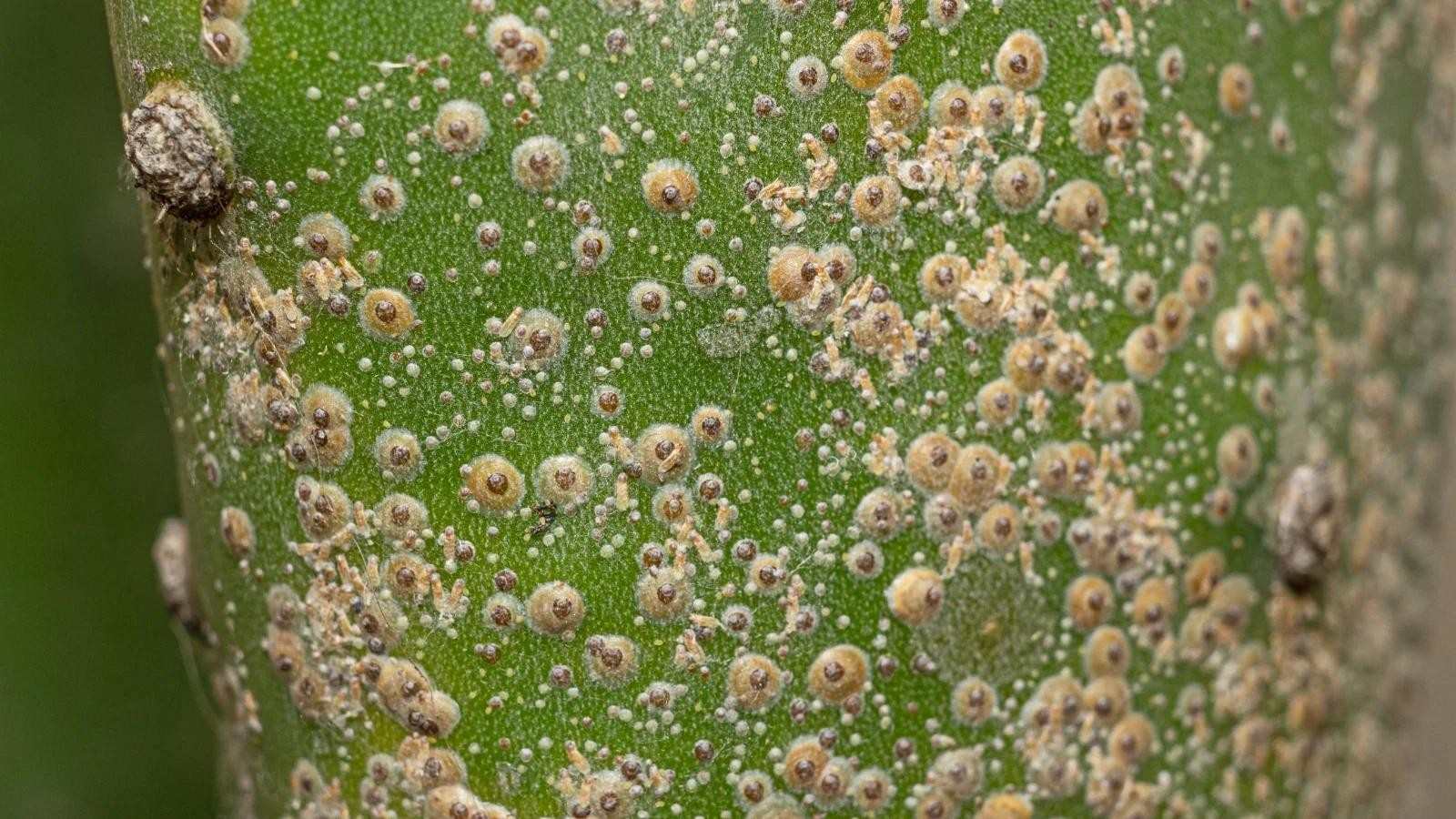
Have you ever noticed that the leaves of your plants feel sticky and have some black spots, wondering if it's gray or mold? Many people think it's just because the air is bad or they water too much, but in fact, it may be the little "vampires" - scale insects that are quietly causing trouble. Don't be fooled by it. It hides on the back of the leaves or stems, sucking the nutrients of the plant mouthful by mouthful, and leaving mucus for fungi to "hitch a ride". Once discovered, it must be dealt with quickly, because it reproduces quickly and is difficult to eradicate. If you are not careful, the whole plant will turn yellow and lose its leaves.What Are Scale insects?Scale insects are a type of pest with well-developed mouthparts that specialize in sucking plant sap. They are small, usually round, oval or hemispherical, with hard shells that look like small bumps on the bark and are not easy to spot. Depending on the species, they may be brown, gray, yellow or transparent, and covered with a waxy protective shell.These insects attach themselves to the back of leaves, stems, branches and even fruits, and survive by sucking plant sap, which can cause yellowing, early leaf fall and even death of plants in severe cases. The "honeydew" they secrete provides an ideal growth environment for mold, which can easily cause sooty mold disease and further affect photosynthesis.Which Areas Are More Likely To Be Infested By Scale Insects?Scale insects are very adaptable to climate, but they prefer warm, humid environments with poor air circulation. This means:Tropical and subtropical regions : such as Southeast Asia, South America, and parts of Africa, are areas with a high incidence of scale insects.In greenhouses in temperate zones : Whether it is a commercial greenhouse or a home balcony, scale insects are prone to breeding as long as the humidity is high and ventilation is insufficient.Indoor environment in winter : Many northern families move plants indoors in winter. It is warm but the air is not circulating, and it can easily become a hotbed.In other words, as long as the space is hot, humid and poorly ventilated, scale insects are likely to break out regardless of where you are in the north or south.Which Plants Are Most Susceptible To Scale Insects?Although scale insects eat almost everything, the following plants are particularly susceptible:Succulent plants : such as jade plant, bear's paw, white peony, etc., have thick and juicy leaves and are the favorites of scale insects.Foliage plants : such as Monstera, Pothos, Money Tree, Rubber Tree, Ficus microcarpa, etc.Fruit trees : economic crops such as citrus, grapes, apples, and pears.Flowers : orchids, roses, geraniums, azaleas, etc.Indoor potted plants : Almost all indoor plants may encounter this, especially when the environment is hot and humid.Why Do Scale Insects Occur?The frequent appearance of scale insects is closely related to the environment in which the plants live. The following factors are the "culprits":Excessive humidity : Scale insects like humid environments, and they reproduce rapidly, especially when the air humidity is high and the leaves do not dry for a long time.Poor ventilation : Closed rooms or densely placed green plants with too many leaves will cause poor air circulation, which is conducive to the breeding of pests.Insufficient light : The plants themselves do not grow healthily, their disease resistance decreases, and they are more easily targeted by scale insects.Improper fertilization : Excessive application of nitrogen fertilizer will make the branches and leaves tender and juicy, which is the "ideal meal" for scale insects.Lack of cleanliness and management : Dust accumulation and dead leaves are not cleaned up, providing hiding places for insect eggs and larvae.Plant spacing is too small : Leaves are too close to each other, and pests and diseases spread faster.To sum it up in one sentence: humidity, heat, stuffiness and weakness are the favorite environments of scale insects.What Are The Symptoms Of Scale Insects Emergent Plants?When scale insects parasitize plants, the following changes may occur:Leaves : No abnormalities are seen at first, but then yellow spots will appear on the surface, turn yellow, and fall off. There are often small hard spots attached to the back of the leaves or the base of the petiole, which are the insect bodies.The surface of leaves becomes sticky : Insects secrete honeydew, which causes the surface of leaves or the ground to become sticky, attracting ants or breeding sooty mold.Stem : Small brown or grayish white spots appear on the surface and cannot be wiped off. This may be because the adult insects are firmly attached.Flowers and fruits : If the infection is severe, the flowers will wither prematurely, the fruits will be poorly developed or even fall off.The growth of the entire plant slows down : nutrients are absorbed by insects, plant photosynthesis is restricted, leaves no longer stretch, branches become thin and weak, and the entire vitality becomes dim.How To Prevent And Control Scale Insects?Although scale insects are difficult to deal with, they are not impossible to deal with. The methods of dealing with them include physical, environmental adjustments and chemical treatments:1.Daily prevention and managementKeep ventilation : Pay attention to ventilation when caring for plants on the balcony, near windows or indoors, and try not to place the plants too close to the wall or too densely.Regular inspections : Check the back of leaves and branches every week, especially hidden places, and deal with insects promptly if found.Reasonable fertilization : Avoid excessive nitrogen fertilizer, and increase potassium fertilizer appropriately to enhance the plant's disease resistance.Clean and maintain the environment : remove withered and yellow leaves, keep the surface of the potting soil clean, and reduce the remaining insect eggs.2.Initial treatment methodManual scraping : Use a toothpick or cotton swab to gently scrape off the insects, especially when the infestation just begins.Spray with soapy water : Spray the leaves with 1:100 neutral detergent or plant-based soapy water to help wash away the insects.Wipe with alcohol cotton balls : 70% alcohol can destroy the wax shell protective layer of scale insects, and it is more effective to wipe the adult insects on stems and leaves.3.Treatment of severe infectionUse of insecticides : You can choose systemic agents such as mineral oil, rosinates or imidacloprid for spraying. It is best to use them alternately to avoid resistance.Repeat spraying : Because scale insect eggs are highly resistant to drugs, spraying must be repeated at least 2-3 times every 7-10 days.Isolate diseased plants : After discovering insect pests, isolate the affected plants immediately to prevent the pests from spreading to other potted plants.Heavy pruning and replanting : If the whole plant is severely damaged, it is recommended to cut off the severely damaged branches and leaves, or even replace new soil and pots and replant.Scale insects are like invisible, chronic killers that quietly drain nutrients from plants and attract mold, making plants weaker and weaker. They cannot fly and do not like to move, but once they settle down, they are extremely difficult to eradicate. For those of us who love plants, the best countermeasures are early detection, diligent observation, and careful care. After all, healthy plants are the most beautiful scenery.
-
-
May 16,2025
-
Sudden Plant Collapse? Root Rot Might Be Killing It
-
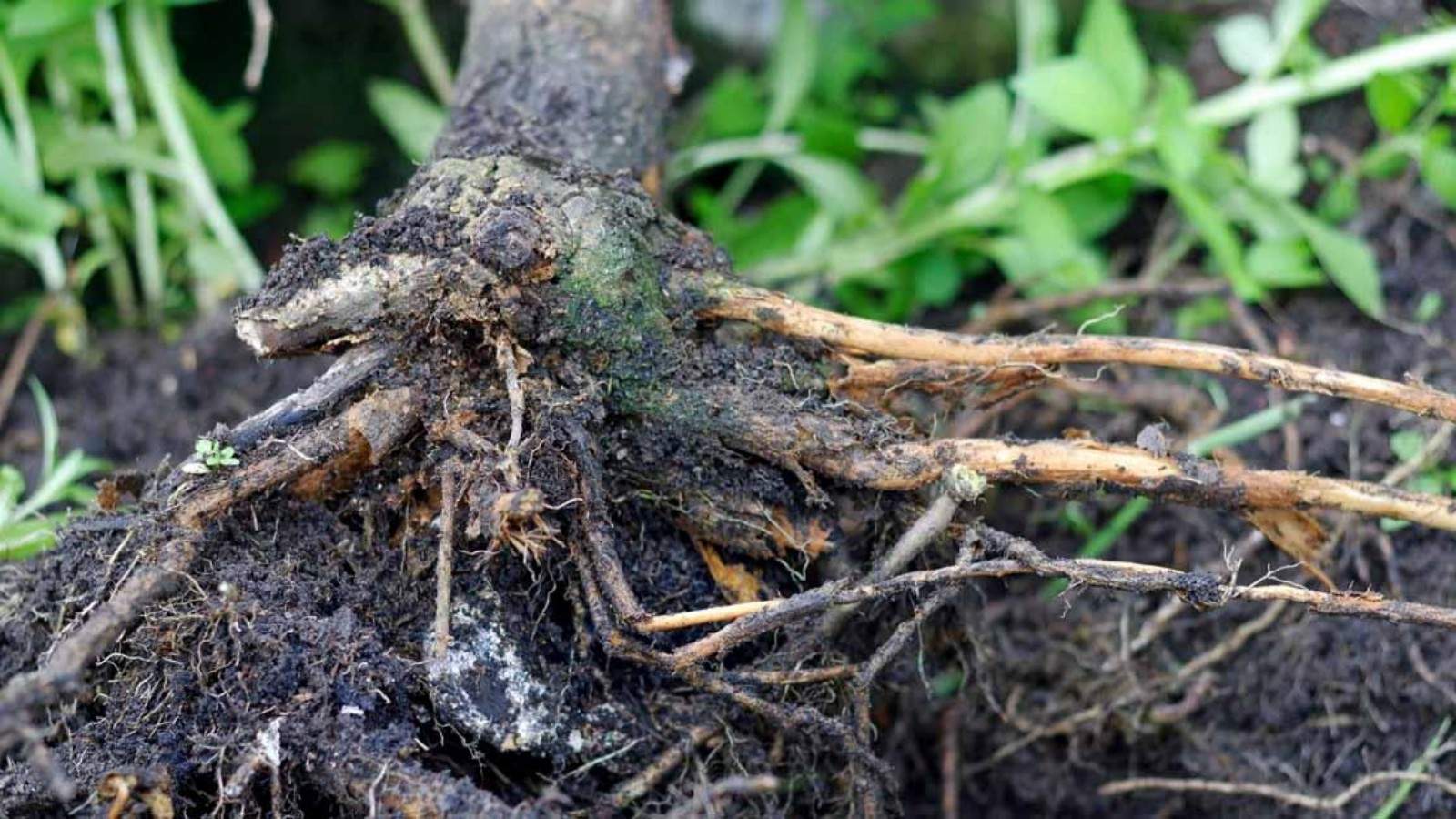
Have you ever encountered this situation: a plant you just planted a few days ago suddenly collapses, the roots and stem turn black, and the soil smells damp and foul? Even though you've been careful with watering, fertilizing, and light placement, it still silently withers and dies? If this sounds familiar, beware — your plant might be suffering from one of the most common and deadly soil-borne diseases: Root Rot.What Is Root Rot?Root Rot is a destructive root disease caused by fungi or oomycetes. The most common pathogens include Pythium spp., Phytophthora spp., and Fusarium spp. These organisms are typically soil-borne and thrive in environments with excess moisture, high humidity, and poor ventilation. Once the roots are infected, the pathogens rapidly destroy the root tissues, cutting off water and nutrient absorption, ultimately leading to plant wilting, collapse, and death.Root rot is often mistaken for “underwatering,” when in fact it's caused by overwatering — the silent killer.Where Is Root Rot Most Likely To Occur?Root rot can strike almost anywhere if the environment allows. However, certain regions and conditions are particularly high-risk:Tropical and subtropical regions: Warm, humid climates promote pathogen growth.Areas with frequent rainy seasons: Soil remains moist for extended periods, leading to oxygen-deprived roots.Low-lying or poorly drained areas, especially container gardens: Standing water encourages Pythium and other rot-causing pathogens.Greenhouses: Enclosed, high-humidity environments create a perfect breeding ground for disease.Which Plants Are Most Vulnerable?Root rot targets a wide variety of plants across horticulture, agriculture, and ornamental gardening. The most commonly affected types include:Vegetables:Tomatoes, cucumbers, eggplants, lettuce, spinach, radishes, carrotsOrnamental Flowers:Kalanchoe, geraniums, African violets, Christmas cacti, petunias, hyacinthsSucculents:Haworthia, bear paw (Cotyledon), Sedum, Graptopetalum, Aeonium (Black Rose)Fruit Trees & Woody Plants:Citrus, grapes, strawberries, bananas, figs, peachesIndoor Foliage Plants:Pothos, monstera, rubber plants, fiddle-leaf fig, ivy, peace lilies, coleusYoung seedlings, succulents, and densely packed potted plants are especially sensitive to root rot.What Causes Root Rot? Yes — root rot is often the result of overcare. The main causes and how they harm plant health include:Excess moisture, suffocated roots:Constantly wet soil deprives roots of oxygen, weakening their structure and making them vulnerable to pathogens.Poorly draining soil or pots without drainage holes greatly increase the risk.High temperatures:Warm and humid conditions, especially in summer, boost the activity of Pythium and Phytophthora fungi.Poor ventilation:In stagnant air environments, surface moisture lingers, making it easier for pathogens to spread.Nutrient imbalance:Excessive nitrogen produces soft, water-filled tissues that lower disease resistance.High salt buildup in the soil also reduces root vigor.Soil contamination & reuse:Old soil may harbor dormant pathogens. If reused without proper sterilization, it can infect new plants easily.Contaminated tools and water:Dirty gardening tools, shared pots, or infected water sources can all transmit disease to healthy plants.Symptoms Of Root RotEarly symptoms are subtle, but careful observation of the plant as a whole can reveal clues:Roots:Turn black, smell foul, become slimy or mushy;Severely infected roots disintegrate easily when touchedStems:Base of stem softens, turns brown, or appears water-soaked;In some cases, a dark ring forms near the soil line, followed by total plant collapseLeaves:Lower leaves yellow and wilt, with symptoms spreading upward;Leaf edges may dry out or show scorch-like patchesFlowers & FruitsFewer flowers, or premature blossom drop;Deformed or underdeveloped fruit, sometimes falling off earlyWhole PlantClassic “wilting that watering doesn't fix” — the plant remains limp despite moist soilWhen gently pulled, the entire plant may come out easily with severely decayed rootsHow To Control And Prevent Root Rot?Once root rot sets in, it’s very hard to cure — so prevention is key. Here are practical and effective strategies:1.Soil and Pot ManagementUse breathable substrates like perlite, coco coir, and coarse sand mixesEnsure pots have drainage holesReplace old soil each season or sterilize using heat (microwave or sun baking)2.Smart WateringDon’t water too frequently; follow a “soak and dry” approachWater in the morning to allow excess moisture to evaporateIn winter, reduce watering to avoid “wet + cold” damage to roots3.Ventilation and Temperature ControlEspecially in greenhouses or indoor settings, ensure good air flowAvoid hot, humid, stagnant conditions — open windows or use fans when needed4.Sanitization and IsolationDisinfect tools and pots before and after use (use potassium permanganate or alcohol)Immediately remove and destroy infected plants, including surrounding soil — never reuseKeep unknown plants separate from your collection to avoid cross-contamination5.Chemical Treatment (as a Supplement Only)Use fungicides like metalaxyl (mefenoxam), etridiazole, or cyazofamid for soil drenchingApply preventatively — once roots are fully decayed, fungicides won’t help6.Choose Resistant VarietiesIn high-risk areas (e.g., monoculture beds, rainy-season greenhouses), opt for resistant cultivars or grafted seedlings with stronger root systemsDon’t think “out of sight, out of mind” applies to roots — plant health starts below the soil. Root rot might not look dramatic at first, but it's a top cause of heartbreak for plant lovers. Your best weapons are proper watering, good drainage, and airflow — don’t wait until your plant collapses to take action.
-
-
May 16,2025
-
Plant Wilting Overnight? Fusarium Wilt Could Be the Culprit
-
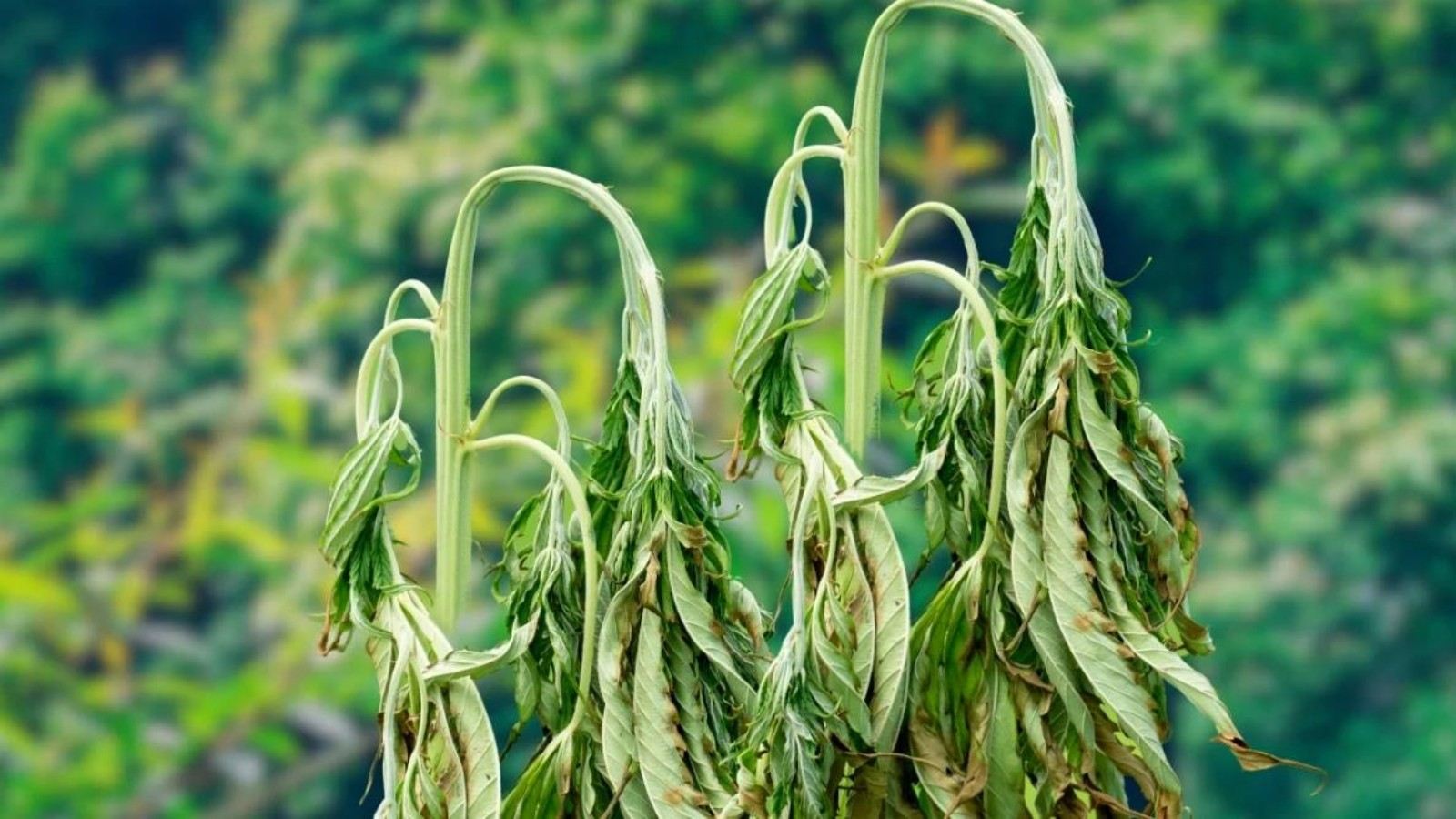
Your plant looked vibrant just yesterday, but today it's drooping, lifeless, and listless? You've watered it, fertilized it, even moved it to a breezier spot, but nothing seems to help? If you're facing such a scenario, there's a good chance that Wilt Disease is silently "killing" your plant from the roots up.What Is Wilt Disease?Wilt Disease is a systemic plant disease caused by fungi or bacteria. The primary pathogens include Fusarium oxysporum (a fungus) and Ralstonia solanacearum (a bacterium). These pathogens typically invade through the plant’s roots, clogging its vascular system and preventing water and nutrients from being transported, ultimately leading to dehydration, wilting, and even death.Once infected, the disease develops slowly but is often misdiagnosed as simple under-watering, delaying effective intervention.Where Does Wilt Disease Commonly Occur?Wilt Disease is prevalent worldwide, but certain environments are particularly vulnerable:Warm and humid regions: Temperatures between 22–30°C (72–86°F) and consistently moist soil create ideal conditions for fungal pathogens to thrive.Poor drainage areas: Waterlogging during rainy seasons makes it easy for root-invading pathogens to flourish.Greenhouses and enclosed farming spaces: Poor air circulation allows pathogens to accumulate and spread rapidly.Continuous cropping zones or old garden beds: Repeatedly planting the same crops in the same soil leads to a buildup of harmful pathogens, forming a “disease reservoir.”Which Plants Are Most Susceptible?Wilt Disease doesn’t discriminate much—it can attack many plant types. However, the following groups are especially at risk:VegetablesSolanaceae: Tomatoes, peppers, eggplants, potatoesCucurbits: Cucumbers, watermelons, melons, pumpkinsLegumes: Cowpeas, snap beans, lima beansOrnamental FlowersAnnuals: Pansies, impatiens, cinerarias, African violets, marigoldsPerennials: Geraniums, petunias, periwinklesWoody and Foliage PlantsHibiscus, bougainvillea, rubber plants, monstera, pothos, ivy, calatheasFruit Trees and Edible PlantsBananas, strawberries, grapes, citrus, peaches, pearsCauses of Wilt Disease?Wilt Disease is rarely triggered by a single issue. It’s usually the result of multiple stressors working together:High humidity & waterlogging:Soil-borne pathogens thrive in wet conditions. Poor drainage leads to oxygen-starved roots, creating entry points for infection.High temperatures:Warm weather (25–30°C / 77–86°F) boosts pathogen growth, especially in enclosed greenhouse conditions.Nutrient imbalance:Overuse of nitrogen weakens plant tissues, reducing resistance. A lack of potassium or phosphorus diminishes root defenses.Old soil & continuous cropping:Reusing soil or repeatedly planting the same species allows pathogens to accumulate, increasing infection risk.Human transmission:Contaminated soil, tools, gloves, or pots can carry pathogens to healthy plants.Typical Symptoms of Wilt DiseaseWilt Disease often masquerades as a watering issue—but watering won’t help, since the roots have already lost their ability to absorb moisture. Watch for these signs:Roots:Turn black, rot, lose elasticity;asily pulled out of the soil;May appear brown, mushy, or hollowLeaves:Begin yellowing from the bottom up;Petioles become limp, plant remains wilted despite moist soil;Sometimes only one side of the plant wilts at firstStems:Cutting open reveals brown or black vascular tissue (a key diagnostic sign);Lower stems soften, shrivel, or even crackFlowers & Fruits:Buds fail to open or dry out prematurely;Fruit development is stunted or drops earlyHow to Prevent and Manage Wilt Disease?While difficult to cure once established, Wilt Disease can be controlled effectively with a prevention-first approach:1.Smart Planting PracticesAvoid monoculture: Don’t grow the same species in the same soil year after year. Rotate crops every 3+ years.Ensure proper spacing: Allow air circulation to reduce pathogen buildup.2.Improve Soil & DrainageUse well-draining potting mix.Refresh old soil regularly or mix in new substrate.Add lime, superphosphate, or charcoal powder to suppress pathogens.3.Healthy Seedlings & Pre-treatmentChoose disease-resistant varieties.Disinfect new seedlings or seeds with potassium permanganate or fungicides like carbendazim.Avoid planting unknown or untested plants alongside your existing collection.4.Remove Infected Parts PromptlyIsolate or destroy infected plants immediately.Sterilize tools after use.If the soil is severely infected, replace or sterilize it with heat.5.Targeted Fungicide ApplicationIn early stages, use fungicides like carbendazim, chlorothalonil, thiophanate-methyl, or hymexazol as soil drenches.Rotate products to prevent resistance.Note: Fungicides work only in early stages and cannot reverse dead tissue.6.Water, Fertilizer & Environmental ControlAvoid overwatering or letting pots sit in standing water.Maintain a balanced fertilizer regimen (NPK).Provide adequate airflow and keep temperatures within plant-friendly ranges to reduce pathogen growth.When your plant suddenly wilts, don’t rush to pour more water into the pot. If the soil is still moist and the plant remains limp, Wilt Disease may be the hidden culprit. Start from the roots—check for signs of infection. Daily good practices like managing humidity, sanitizing tools, and rotating crops are your best defense against this silent plant killer.
-
-
May 16,2025
-
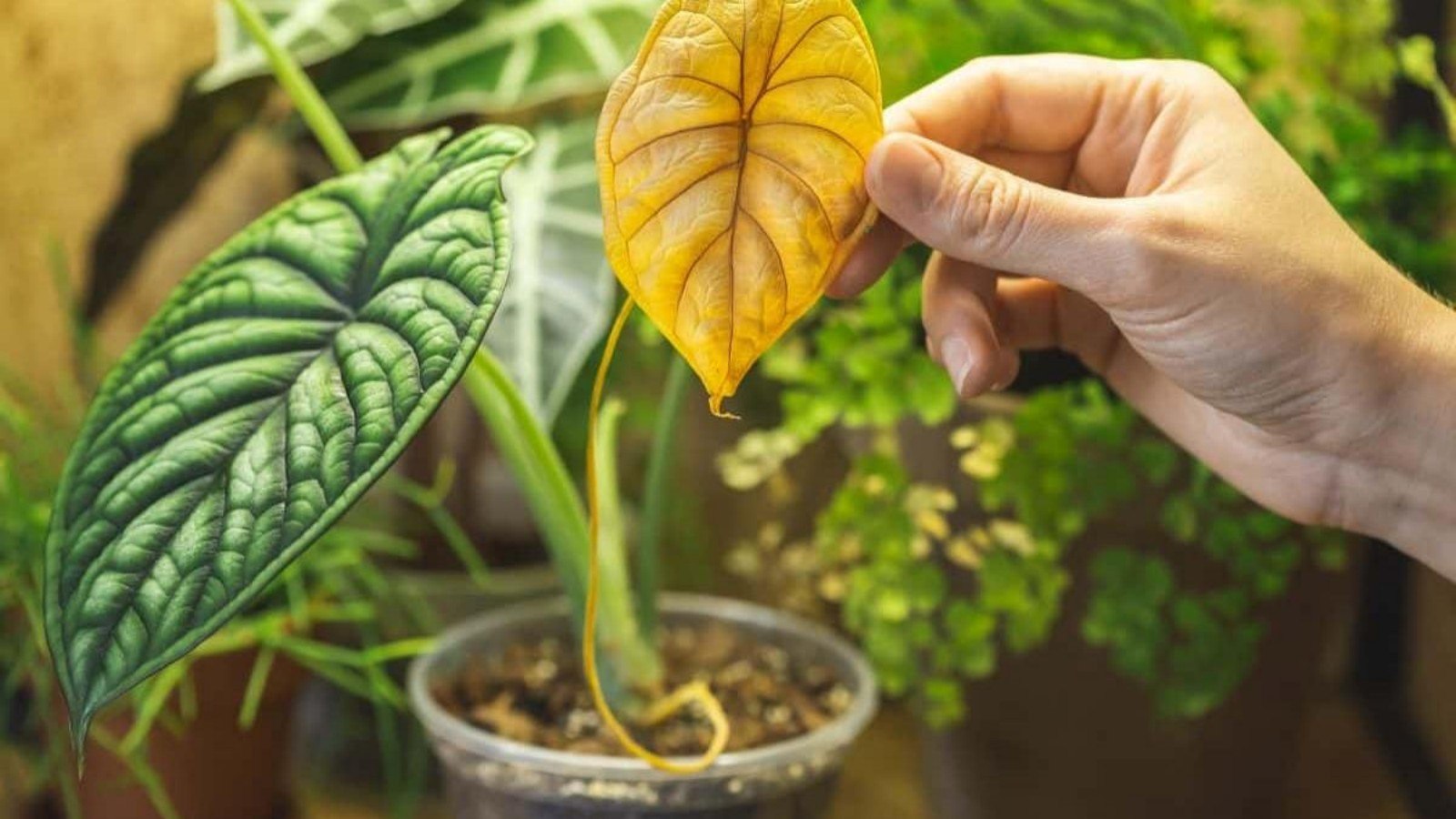
Yellowing Leaves That Won’t Stop? A Virus Might Be to Blame!
-
Have you ever had a plant whose leaves turned yellow and dropped for no clear reason, with growth slowing down noticeably? You’ve changed the soil, adjusted the lighting, and controlled the watering, yet nothing helps. Then it might be time to consider a commonly overlooked culprit—plant viral disease. Unlike fungal or bacterial infections, viral diseases are caused by extremely tiny pathogens and are notoriously difficult to cure once they take hold.What Are Plant Viral Diseases?Plant viral diseases are chronic illnesses caused by plant-infecting viruses. These viruses are so small that they can only be seen under an electron microscope. They enter plants through sap transmission, insect vectors, seeds, or contaminated soil and tools. Once infected, a plant’s cellular genes are altered, leading to mutation or degradation of normal tissue.Unlike fungal or bacterial infections, viral diseases cannot be cured—only prevented or managed. When infection becomes severe, removing and destroying the plant is usually the only viable solution.Where Are Viral Diseases Most Common?Viral diseases can occur worldwide, but they’re especially prevalent under these conditions:Tropical and subtropical regions: Warm and humid year-round, ideal for insects that spread viruses, like aphids and thrips.Greenhouses and densely planted areas: Poor airflow and plant crowding create the perfect environment for rapid virus spread.Intensively cultivated farmlands: Frequent seed exchanges and complex field management increase transmission pathways.The risk spikes in late spring to early summer, when insect activity increases or after periods of prolonged humid, rainy weather.Which Plants Are Most Vulnerable?Viral diseases can infect nearly all plant types, but the following are particularly susceptible:Vegetables:Tomatoes (e.g., Tomato Spotted Wilt Virus), peppers, cucumbers, melons, cowpeasLeafy greens like spinach, lettuce, and romaineOrnamental flowers:Tulips (Tulip Breaking Virus), lilies, aglaonema, chrysanthemums, kalanchoe, pansiesOrchids often suffer from “mosaic viruses”Common houseplants:Rubber plants, pothos, snake plants, monstera, calatheas, coleusFruit trees:Bananas (Banana Bunchy Top Virus), citrus, grapes, apples, pearsWhat Causes Plant Viral Infections?The onset of a viral disease is usually the result of multiple factors:Unstable humidity: High humidity encourages sap-sucking insects (like aphids), which are primary virus carriers. Moist leaves are also easier for insects to pierce.Sudden climate changes: Fluctuating temperatures stress plants and weaken their defenses, making them easier targets.Nutrient imbalances: Deficiencies in potassium or phosphorus weaken plant immunity. Overuse of nitrogen leads to soft, fast-growing tissue that’s easier for insects to infect.Poor airflow: Crowded, poorly ventilated spaces allow viruses to spread rapidly.Insect vectors: Aphids, thrips, and whiteflies are the most common carriers. They ingest the virus from an infected plant and inject it into the next one via their saliva.Human transmission: Contaminated tools, gloves, pots, or soil can easily transfer viruses between plants.Common Symptoms of Viral InfectionSymptoms vary, but viral diseases generally affect leaf shape, color, and plant development. They may also manifest in stems, flowers, or fruits:Leaves:Mottled or streaked color patterns (mosaic symptoms),Curling, wrinkling, deformation, or fading of color;Yellowing at the edges, eventually leading to browning and leaf drop;Uneven chlorosis or overall yellowingStems:Weak or brittle stems, elongated or shortened internodes;New shoots may elongate excessively or wilt at the tipsFlowers:Discolored, undersized, curled, or malformed petals;Irregular blooming periods or failure to flowerFruits:Misshapen development, uneven size, surface blotches or hard spots;Some viruses cause premature ripening with poor flavorOverall, viral infections cause a mix of deformation and decline, stunting growth and ultimately leading to plant death if unmanaged.How to Prevent and Manage Plant Viral Diseases?Since viral diseases cannot be cured with chemicals, management should focus on preventing spread and boosting resistance. Here’s how:1.Remove and isolate infected plants immediatelyDestroy confirmed infected plants—do not compost or place near healthy ones.Disinfect contaminated soil, pots, and tools thoroughly.2.Control sap-sucking insectsRegularly inspect plants for aphids, whiteflies, and thrips.Use low-toxicity insecticides like horticultural oils, imidacloprid, or abamectin to keep pest populations low.Hang yellow sticky traps near windows to attract and monitor flying pests.3.Maintain ventilation and hygieneSpace plants to avoid crowding and improve airflow.Avoid persistently wet leaves.Remove dead or fallen plant matter to reduce virus breeding grounds.4.Strengthen plant immunityAvoid overusing nitrogen fertilizers.Add potassium and phosphorus to support stronger cell walls and resistance.Limit physical stress and avoid unnecessary movement or pruning.5.Sanitize pruning tools rigorouslyDisinfect with 75% alcohol or potassium permanganate after pruning each plant.Avoid touching wounded plant tissue or sap with bare hands.6.Use virus-resistant cultivars (for crops)In agricultural settings, opt for virus-tolerant seeds or nursery stock as a long-term prevention strategy.Viral diseases act like silent killers—they don’t destroy your plant overnight but gradually compromise its health. So if your plant keeps developing yellowing, curling, or deformed leaves no matter how carefully you water or fertilize, consider that a virus might be to blame.
-
-
May 15,2025
-
Black Spots on Leaves? Watch Out for Black Spot Disease!
-
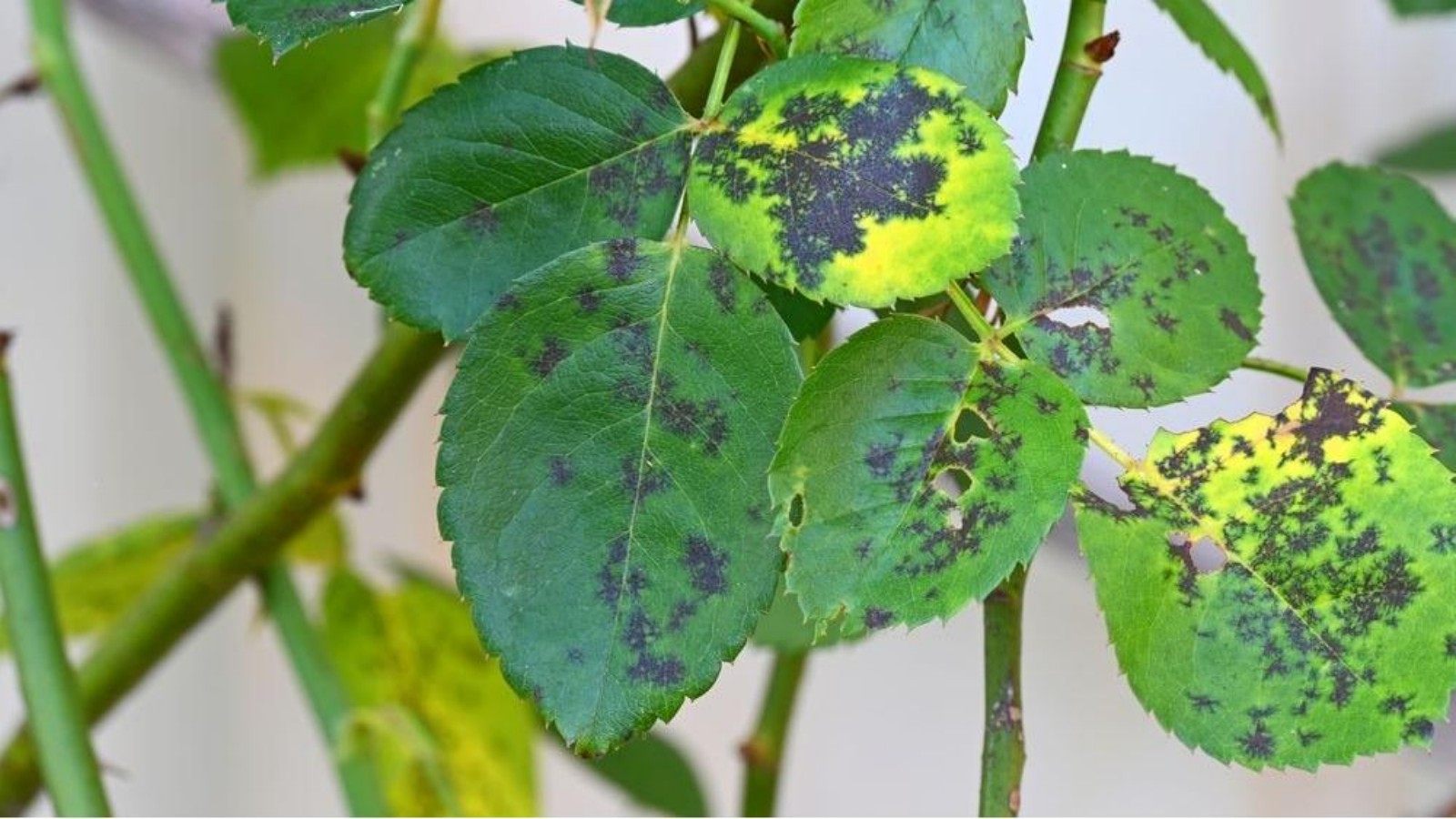
Have you noticed black circular spots appearing on your plant’s leaves, with yellowish edges, like ink spreading on paper? Some leaves may even curl, dry up, or fall prematurely. Don’t just assume it’s due to overwatering or natural aging—this could be a sign of Leaf Spot Disease quietly invading. This fungal disease not only ruins your plant’s aesthetic value but, if left untreated, can ultimately lead to plant death.What is Leaf Spot Disease?Leaf spot is a common plant disease caused by various fungi and bacteria, with typical symptoms being black, ring-shaped spots on the foliage. The most common pathogens include Alternaria and Cercospora, which primarily attack the leaves but can occasionally spread to stems and fruits.It is a fast-spreading disease with a long infectious period, particularly aggressive in warm, humid environments, making it a persistent problem in both gardening and agriculture.Where is Leaf Spot Disease Most Likely to Occur?This disease occurs worldwide, but outbreaks are especially common in the following regions and conditions:Tropical and subtropical regions: Such as Southeast Asia, South America, and central Africa—areas with consistently high temperatures and humidity.Monsoon climate zones: Like southern China, Japan, and India, where the rainy seasons and humid summers provide ideal conditions for fungal growth.Greenhouses and potted plant environments: Poor ventilation and excessive moisture make for ideal breeding grounds.Rainy seasons, monsoons, or consecutive days of warm, humid weather can cause the disease to spread rapidly.Which Plants Are Vulnerable to Leaf Spot?Leaf spot can infect almost any plant with thin foliage and dense stomata, but the following are especially susceptible:Foliage plants:Clivia, pothos, ivy, monstera, dieffenbachia, rubber treeFlowering plants:Roses (particularly vulnerable), African violets, geraniums, kalanchoe, peonies, liliesVegetables and fruits:Tomatoes, cucumbers, eggplants, strawberries, green beans, citrus trees, apple treesRose black spot is a well-known example that not only affects flowering but can cause the entire plant to decline prematurely.What Causes Leaf Spot Disease? Outbreaks are often triggered by certain environmental conditions:High humidity:Prolonged leaf wetness due to rain, misting, or poor drainage creates ideal conditions for fungal spores to germinate and spread.Mild temperatures:Fungi thrive in temperatures between 20–28°C (68–82°F), common in late spring, early summer, and autumn. Large temperature swings at night can cause condensation on leaves, promoting infection.Poor ventilation:Crowded plants or enclosed spaces reduce airflow, creating localized humidity and enabling fast pathogen transmission.Nutrient imbalance:Excessive nitrogen fertilization makes leaves softer and more prone to infection, while potassium deficiency weakens plant immunity.Surface residue and soil contamination:Dead or fallen leaves, splashed soil, or unclean pruning tools can all harbor pathogens and cause reinfection.Symptoms of Leaf Spot DiseaseSymptoms typically begin on the leaves and may spread to stems and fruits in severe cases:Leaves:Early signs include small brown or black spots that expand into dark-centered rings with yellowish edges.Spots may appear as clear or blurry concentric circles, sometimes resembling a target.Leaves turn yellow, become soft, then dry up and drop.Stems:In advanced cases, black patches may appear on stem nodes, leading to softening and dieback.Fruits:In fruit-bearing plants, sunken brown lesions and rot may occur, reducing yield and fruit quality.How to Prevent and Control Leaf Spot Disease?Although it can’t be entirely avoided, proper care can significantly reduce risk. Here are practical steps:1.Control humidity, avoid wet foliageWater in the early morning to allow drying by nightfall. Avoid evening watering.Use drip irrigation or bottom watering to prevent water from lingering on leaves.After rain, gently blot wet leaves with paper towels to remove excess moisture.2.Ensure good airflow and proper spacingPlace indoor plants near windows and open them regularly to refresh air.In outdoor planting, maintain adequate spacing between plants.Prune crowded or inner branches to improve airflow and light penetration.3.Maintain cleanliness and sanitize toolsPromptly remove fallen, old, or infected leaves and dispose of them away from the garden.Disinfect pruning tools with alcohol or potassium permanganate before and after use.4.Use fungicides (for moderate to severe cases)Apply broad-spectrum fungicides like carbendazim, chlorothalonil, or mancozeb every 7 days for 2–3 rounds.Rotate fungicides to prevent resistance buildup.5.Fertilize wisely to boost plant immunityAvoid overusing nitrogen; increase phosphorus and potassium intake to strengthen cell structure.Use seaweed extract or plant tonics monthly to enhance overall plant health.Leaf spot disease tends to creep in quietly, starting with just a few “ink drops” on the leaves and gradually turning into a full-blown crisis. But with vigilant care—balanced watering, good airflow, timely pruning—you can stop this black-ringed menace in its tracks before it takes hold.
-
-
May 15,2025
-
Fine Webbing and Speckled Leaves? Spider Mites Are Here!
-
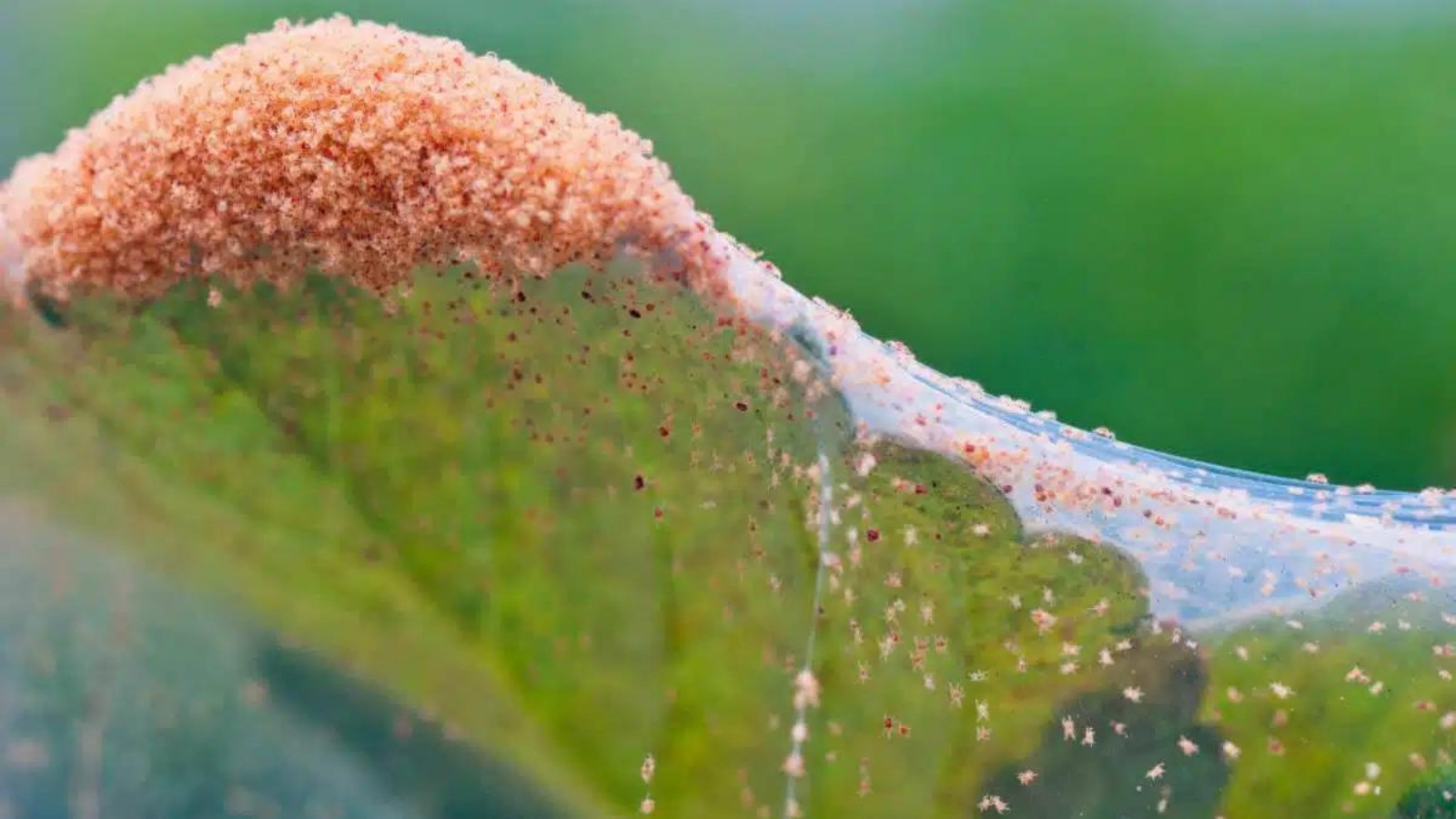
If you notice a layer of fine “grayish-white dust” on the leaves of your plant, with tiny red dots or web-like threads faintly visible on the undersides, don’t assume it’s just dust or a few spider webs. It’s likely a spider mite infestation quietly taking hold. These tiny pests are barely visible to the naked eye, yet they are among the most destructive threats to plants. When outbreaks are severe, they can cause leaf drop, wilting, and even total plant death.What Are Spider Mites?Despite their name, spider mites are not true spiders. They are tiny arachnids belonging to the order Acari, with the most common species being the Tetranychus urticae. Measuring under 0.5 mm in length, they typically reside on the undersides of leaves and feed by piercing plant cells and sucking out the contents.Spider mites are highly destructive and reproduce extremely quickly. Under favorable conditions, a single mite can lead to thousands within a month, making them a nightmare for indoor gardeners, greenhouse growers, and large-scale agriculture alike.Where Are Spider Mites Most Likely to Appear?Spider mites are found worldwide, but are especially prevalent in the following environments:Warm, dry climates: such as California, the Mediterranean, and western Australia—regions with high average temperatures and low humidityIndoor plant settings: including balconies, windowsills, rooms with heating or air conditioning—where the air is dry and poorly ventilatedGreenhouses and grow tunnels: where warmth and high planting density create ideal breeding conditionsSpider mites are particularly active from late spring through early autumn, especially during hot, dry spells.Which Plants Are Most Susceptible to Spider Mites?Spider mites are notorious generalists, but certain plants are especially vulnerable:Foliage Plants:Rubber plants, fiddle leaf figs, areca palms, ivy, pothos, spider plants, dracaenas, aloe veraFlowering Plants:Roses, bougainvillea, petunias, kalanchoe, geraniums, violets, African violetsEdible Crops:Cucumbers, eggplants, tomatoes, peppers, strawberries, beansPlants with soft tissues and broad, tender leaves are particularly attractive to spider mites.What Causes Spider Mite Outbreaks?Spider mite problems often stem from environmental imbalances and poor plant care:Temperature:Their optimal range is 25–30°C (77–86°F). Warmer temperatures accelerate their life cycle, making summer their peak season.Humidity:They thrive in dry air, especially below 50% humidity. Closed indoor environments with heating or air conditioning provide perfect conditions.Poor Air Circulation:Stagnant air and dense foliage trap heat and moisture, which encourages egg-laying and population booms.Over-fertilization:Excess nitrogen makes plants grow soft and lush—ideal feeding material for mites, which leads to faster population growth.Poor Hygiene:Unremoved fallen leaves, debris, and dust buildup on pots or leaf surfaces can harbor eggs and encourage mite colonies to spread.How to Recognize a Spider Mite Infestation?Spider mite damage starts subtly but becomes unmistakable as their numbers grow:Leaves:Tiny yellowish or gray-brown speckles appear on the underside.A “dusty” or matte appearance on the upper surface, with lost shine and rough texture.Fine silk-like webs become visible under severe infestation, often harboring mites beneath.Leaves curl, yellow, dry out, and fall off over timeStems:With high mite density, stems may also be sucked dry, causing discoloration or hardened skinFlowers and Fruits:In extreme cases, mites can deform buds or cause premature fruit dropEarly signs are often missed, so flipping leaves and inspecting the undersides regularly is crucial.How to Control and Prevent Spider Mites?The key to beating spider mites is: early detection, swift action, and consistent care. Here are practical strategies:1. Increase Humidity and Improve VentilationMist plants regularly or place trays of water nearby to raise humidityKeep air flowing—open windows or use fans to avoid stagnant conditionsDuring peak mite seasons (summer), spray leaf surfaces in the early morning to disrupt their activity2. Manual Removal and PruningWipe undersides of leaves with a damp cloth or alcohol-soaked cotton to remove mitesPrune and discard curled or heavily discolored leaves to reduce spreading3. Use Natural Mite RepellentsSpray diluted soap water (liquid soap + water) or alcohol solution to break down mite exoskeletonsApply neem oil, a plant-based product with excellent mite-repelling properties—great for regular prevention4. Chemical Treatments (For Advanced Cases)In serious infestations, use targeted miticides such as abamectin, spiromesifen, or bifenazateImportant: thoroughly spray undersides of leaves, and repeat treatment every 7–10 days to catch newly hatched mites5. Reduce Nitrogen Fertilizer and Strengthen Plant ResistanceAvoid excessive nitrogen; use balanced or phosphorus-potassium-rich fertilizers to toughen plant tissues6. Inspect Weekly for Early DetectionRegularly examine the underside of leaves for red dots or silk webbing—early intervention makes all the differenceSpider mites don’t appear overnight. They hide in plain sight, quietly feeding off your plants’ vitality from underneath. What looks like a harmless dusting may actually be a silent infestation draining your plant’s life.So next time you see a powdery layer on your leaves, look closer—your plant may be crying for help.
-
-
May 15,2025
-
Rust-Colored Spots? Your Plant Is Under Attack by Rust Disease!
-
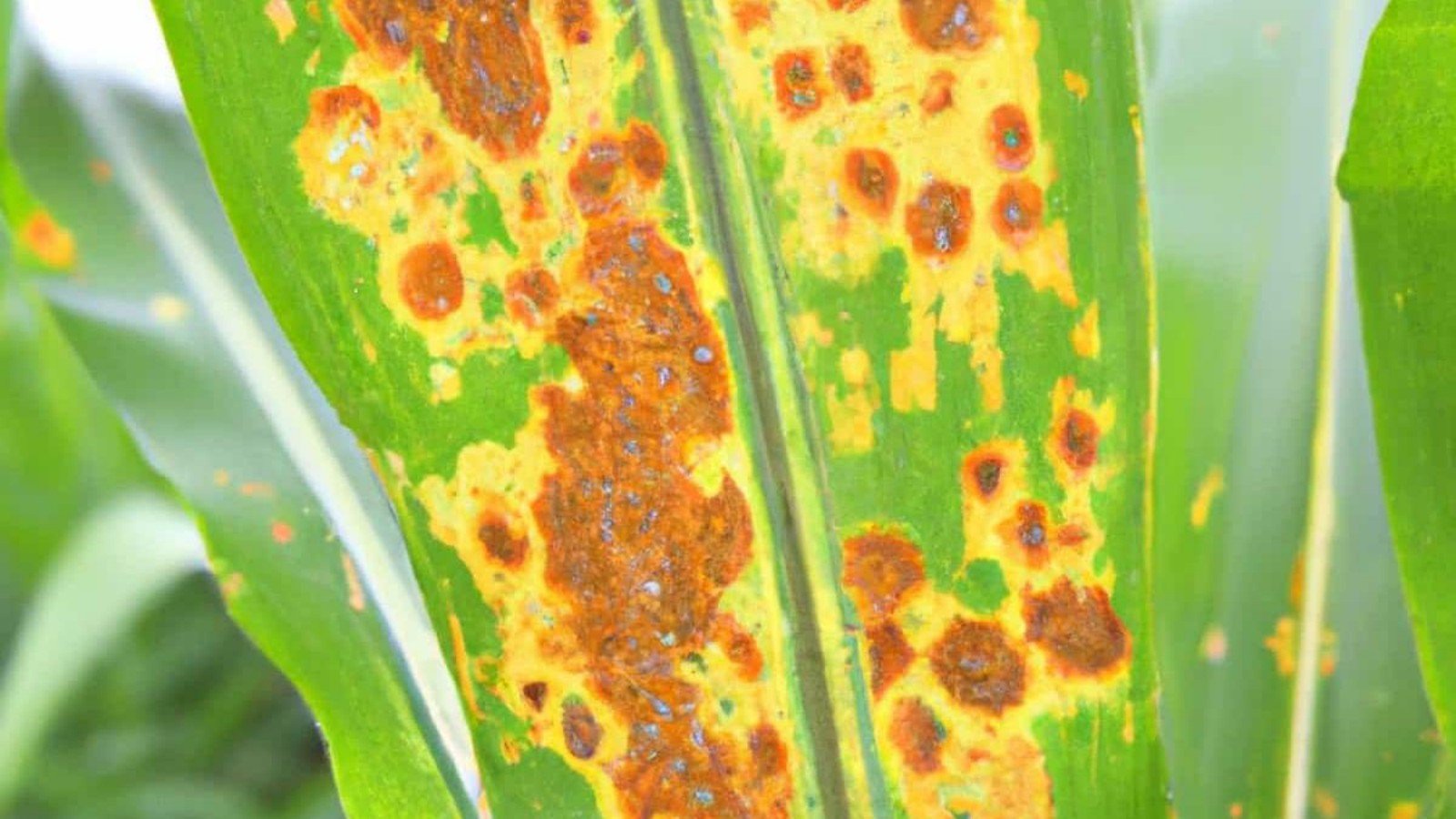
When you notice yellow-brown, orange-brown, or rust-colored “powdery spots” on your plant’s leaves, don’t mistake them for dust—this could be a sign of the destructive Rust Disease slowly invading. Rust not only damages the appearance of plants but also significantly weakens their ability to photosynthesize, leading to stunted growth, premature leaf drop, and even plant death. Just like rust corrodes metal, this disease gradually saps the vitality of your plants.What Is Rust Disease?Rust disease is caused by a group of specialized fungi known as rust fungi, with over 7,000 species making it one of the most widespread fungal diseases in plants. It is named for the characteristic powdery, rust-colored spots that form on leaves, stems, and other parts of the plant.Rust fungi spread via spores, which attach to the plant surface and invade its tissues, drawing nutrients from within. Though it rarely kills plants outright, rust causes severe defoliation, nutrient loss, and reproductive failure—especially impactful in food crops and ornamental plants.Where Does Rust Disease Occur Most Often?Rust thrives in environments with specific climatic conditions. Common outbreak zones include:Warm and humid regions: such as tropical and subtropical climates or temperate areas during the rainy seasonFields and gardens with frequent rainfall and high humidityAreas with large temperature fluctuations between day and nightGreenhouses and enclosed growing spaces with poor ventilationBecause the spores can spread via wind, rain, or insects, outbreaks can rapidly spread if not promptly managed.Which Plants Are Most Vulnerable to Rust?Rust can affect almost all plant groups, but the following are especially susceptible:Ornamentals: Roses, geraniums, hollyhocks, calendulas, chrysanthemums, irises, liliesFruit trees and shrubs: Pears, apples, plums, raspberries, azaleas, rosesVegetables: Beans, spinach, celery, onions, leeksGrains and grasses: Wheat, oats, corn—posing serious threats in agricultureSome rust fungi have dual hosts, such as pear rust, which requires both pear and juniper trees to complete its life cycle, making it harder to control.What Causes Rust Disease?Several environmental and cultivation factors contribute to rust outbreaks:High humidity: Rust spores need at least 6 hours of leaf surface moisture to germinate. Extended wet conditions from dew, fog, or rain increase infection risk.Warm temperatures: Optimal growth occurs between 18–25°C (64–77°F), making spring, summer, and early fall the most vulnerable times.Poor air circulation: Trapped moisture fosters fungal growth.Overcrowded planting: Close spacing limits airflow and light, creating a favorable environment for rust.Excessive nitrogen fertilizer: Encourages lush but tender growth that is more easily penetrated by fungal spores.Residual infected debris: Fallen leaves and old infected plant material can harbor spores and reignite infection the following season.Symptoms of Rust InfectionWhile primarily affecting foliage, rust disease symptoms may vary depending on the plant and the fungal species. Common signs include:Leaves:Yellow specks on the upper surface.Orange, reddish-brown, or rust-colored powdery pustules on the underside.Raised lesions that may release powder when touched (spores).In severe cases dry, curled, or prematurely fallen leavesStems and Branches:Lesions or discolored patches, sometimes with powdery coatings.Blackened stems or withering due to nutrient lossFlowers and Fruits:Typically less affected, but severe infections may cause discoloration, deformities, or underdeveloped fruitsRust can sometimes be mistaken for other diseases like leaf spot or anthracnose, so identifying the powdery spore masses is crucial for correct diagnosis.How to Control and Prevent Rust Disease?Though rust is difficult to completely eliminate, proper management can significantly reduce the risk and control outbreaks:1. Remove Infected Leaves and Plants PromptlyPrune and dispose of diseased foliage far from planting areas to prevent spore spreadIn late fall and winter, remove fallen leaves and infected stems to eliminate overwintering sources2. Optimize Growing ConditionsMaintain adequate spacing to improve airflowAvoid sudden, heavy fertilization; balance nutrients to build plant resistance3. Water WiselyAvoid overhead watering; opt for drip irrigation or base watering to keep foliage dryWater in the morning so leaves dry quickly during the day4. Rotate Crops and Diversify PlantingAvoid growing the same susceptible plants in the same area year after yearIntercropping with non-host species can reduce pathogen buildup5. Use Fungicidal SpraysApply broad-spectrum fungicides such as sulfur-based products, chlorothalonil, or propiconazole during early stagesUse preventative sprays during high-risk seasons (spring/fall) and rotate active ingredients to prevent resistance6. Choose Disease-Resistant VarietiesFor farming or ornamental use, select cultivars bred for rust resistance—e.g., improved pear trees resistant to pear rust, or rust-resistant bean varietiesRust disease may not leave visible “bite marks” like pests do, but its invisible army of spores spreads swiftly, silently, and thoroughly. A single infected leaf can release millions of spores—one gust of wind, and your entire garden could be under siege.So don't underestimate those rusty spots. They’re not just blemishes, but battle scars, warning you that something serious is underway. From early morning watering routines to cleaning your pruning shears, the smallest details can determine whether your plants survive the season in health or succumb to the rust.
Show More

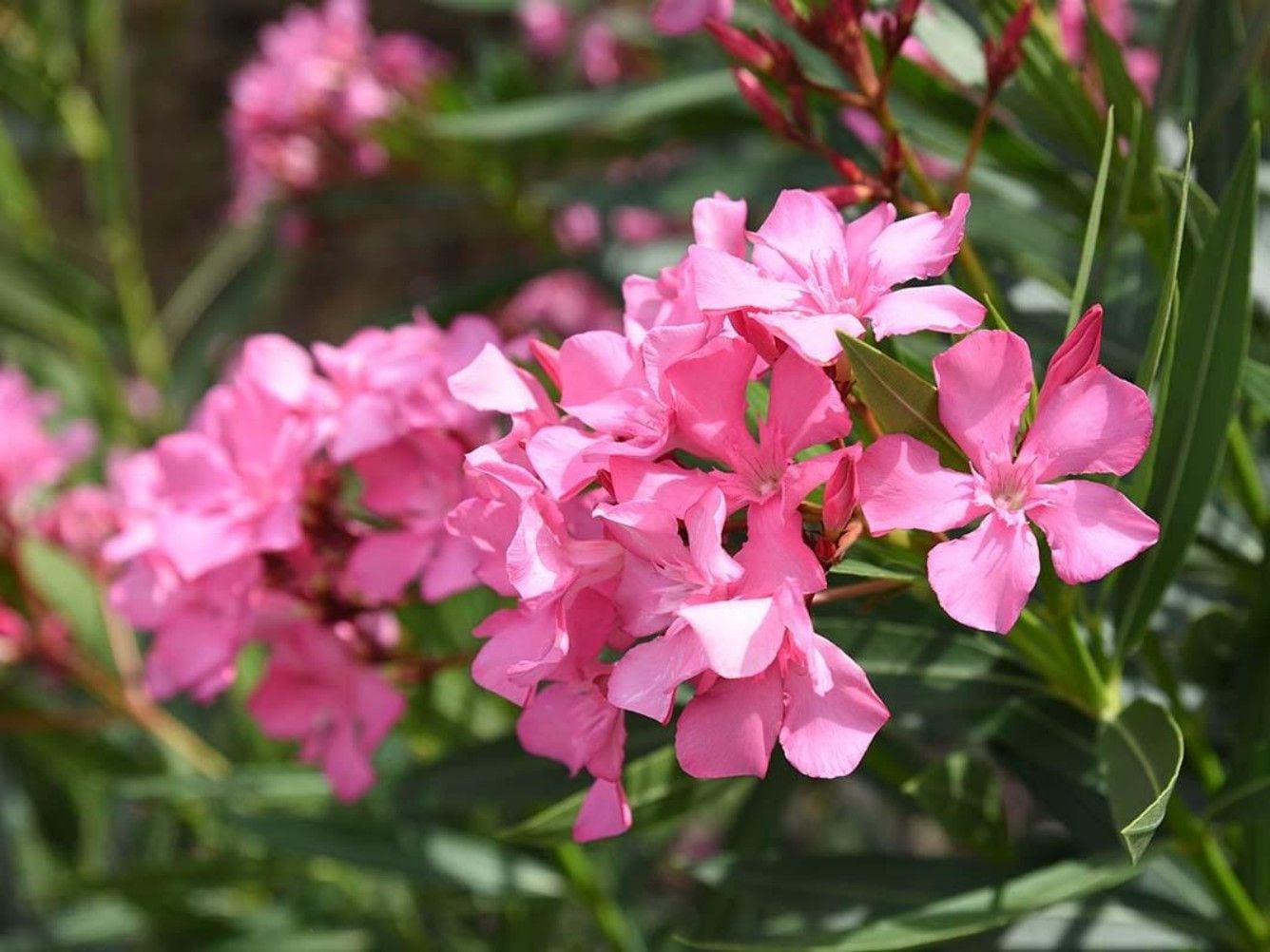
 Poisonous and danger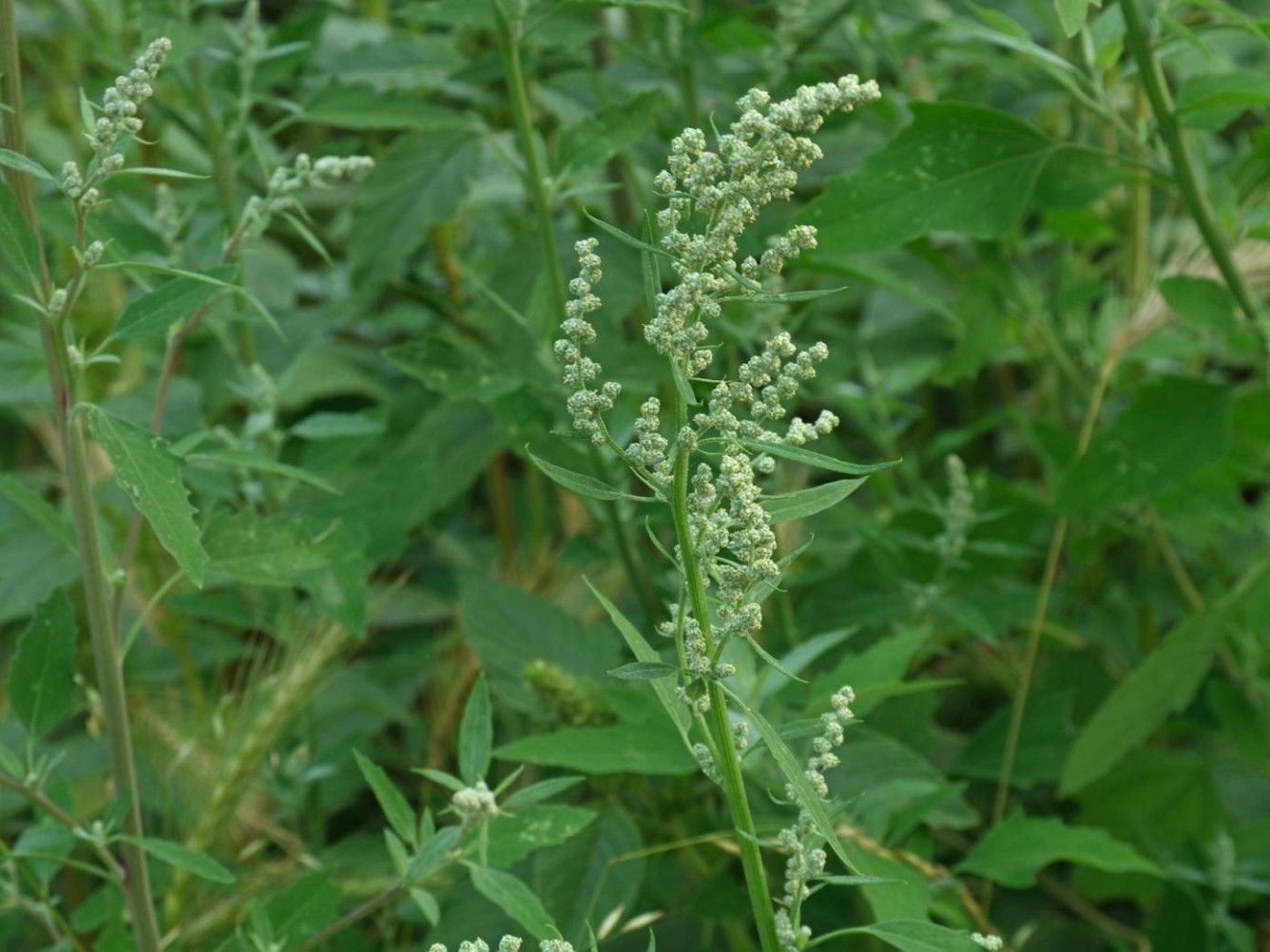
 Wild and common weed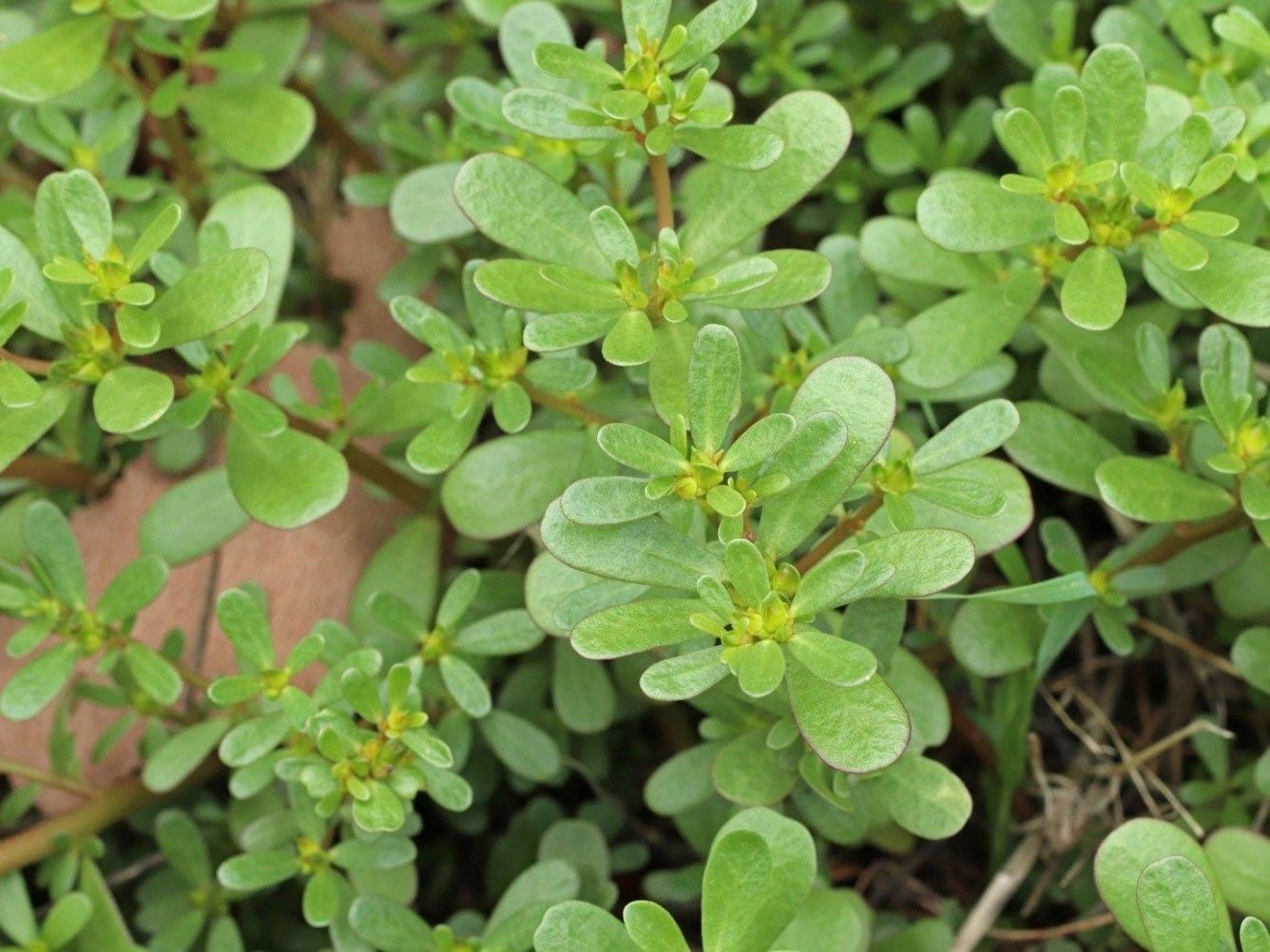
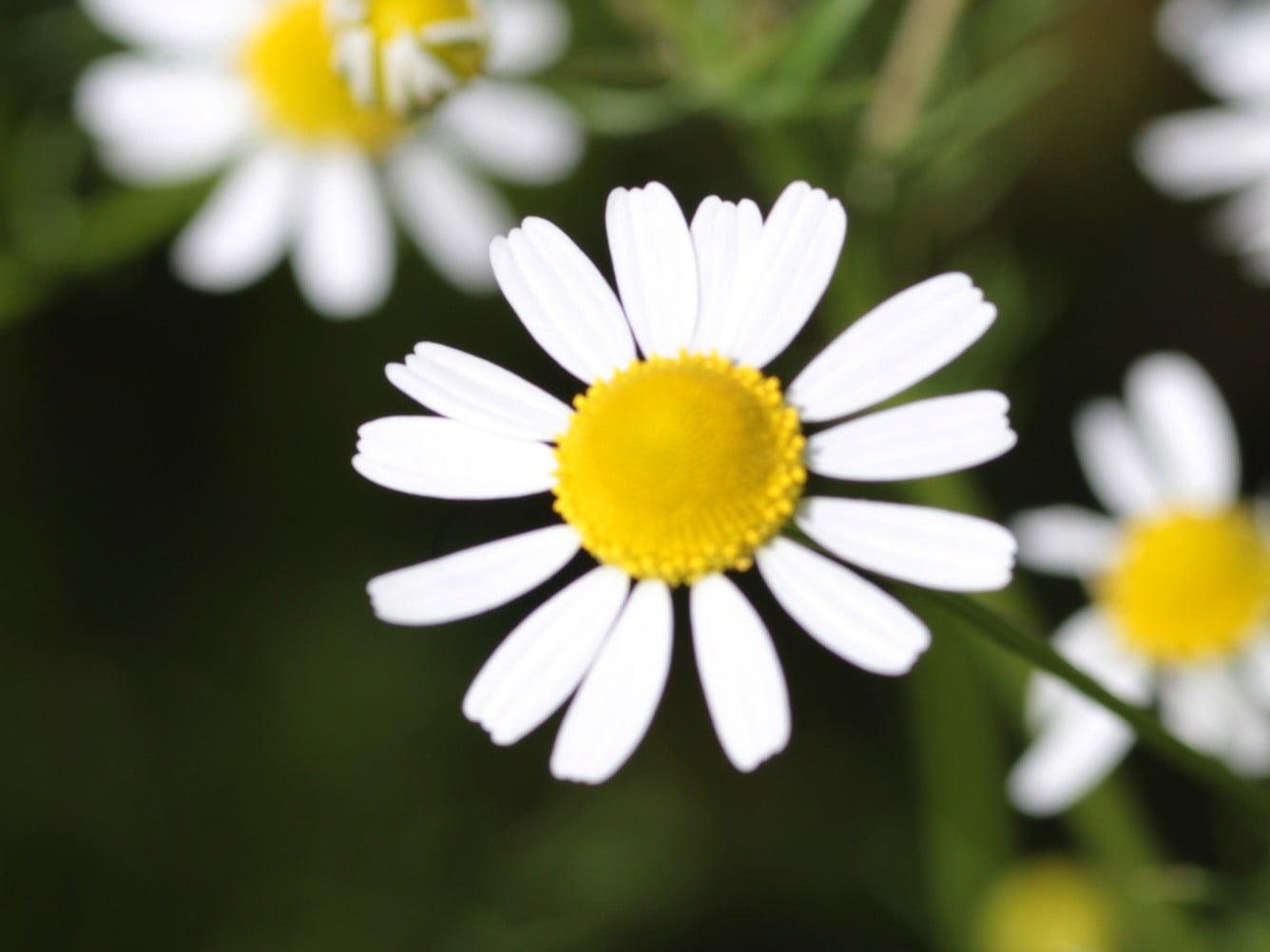
 Edible and medicinal