
Plant Wilting Overnight? Fusarium Wilt Could Be the Culprit
Advertisement
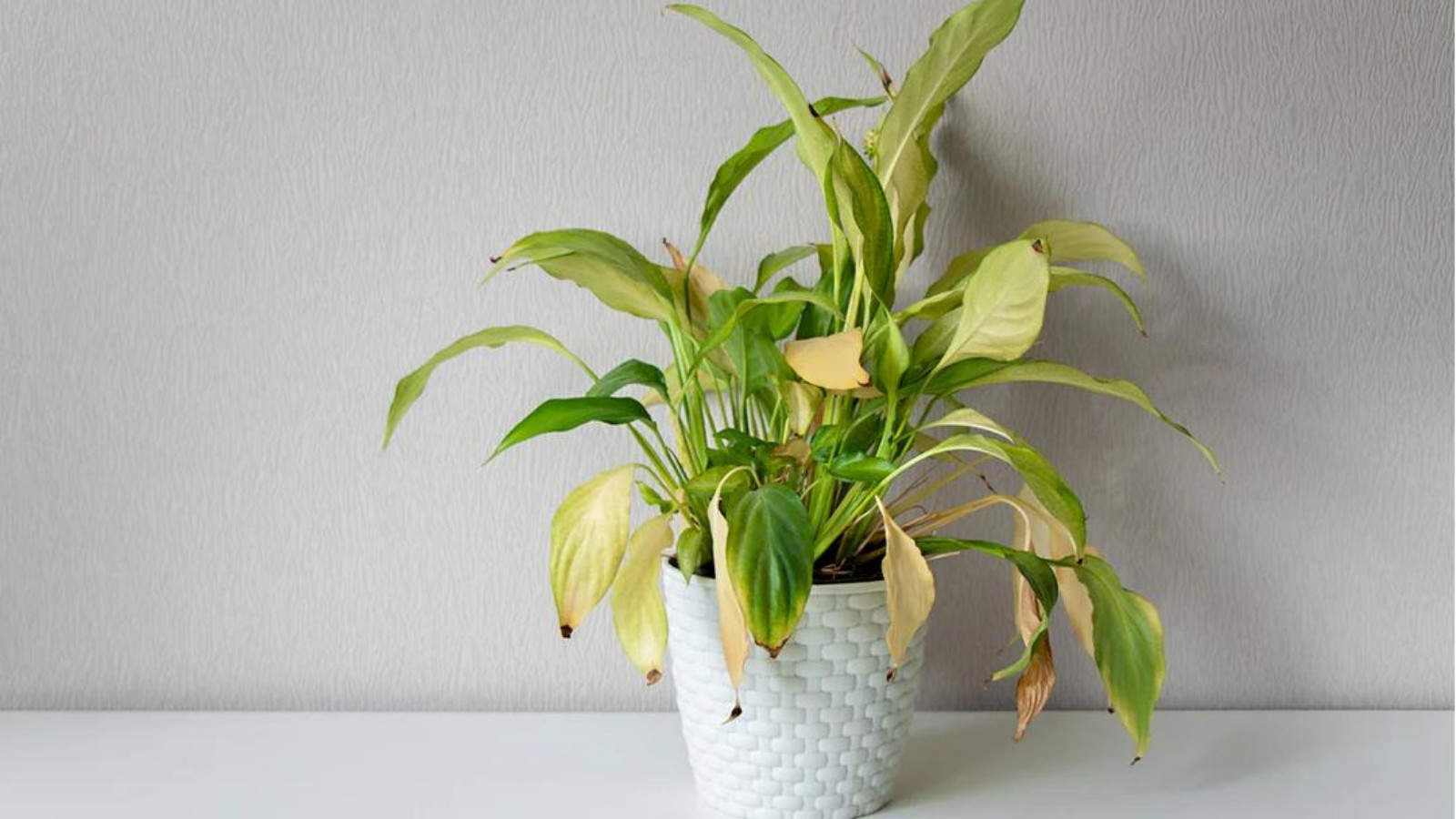
Your plant looked vibrant just yesterday, but today it's drooping, lifeless, and listless? You've watered it, fertilized it, even moved it to a breezier spot, but nothing seems to help? If you're facing such a scenario, there's a good chance that Wilt Disease is silently "killing" your plant from the roots up.
What Is Wilt Disease?
Wilt Disease is a systemic plant disease caused by fungi or bacteria. The primary pathogens include Fusarium oxysporum (a fungus) and Ralstonia solanacearum (a bacterium). These pathogens typically invade through the plant’s roots, clogging its vascular system and preventing water and nutrients from being transported, ultimately leading to dehydration, wilting, and even death.Once infected, the disease develops slowly but is often misdiagnosed as simple under-watering, delaying effective intervention.
Where Does Wilt Disease Commonly Occur?
Wilt Disease is prevalent worldwide, but certain environments are particularly vulnerable:
Warm and humid regions: Temperatures between 22–30°C (72–86°F) and consistently moist soil create ideal conditions for fungal pathogens to thrive.
Poor drainage areas: Waterlogging during rainy seasons makes it easy for root-invading pathogens to flourish.
Greenhouses and enclosed farming spaces: Poor air circulation allows pathogens to accumulate and spread rapidly.
Continuous cropping zones or old garden beds: Repeatedly planting the same crops in the same soil leads to a buildup of harmful pathogens, forming a “disease reservoir.”
Which Plants Are Most Susceptible?
Wilt Disease doesn’t discriminate much—it can attack many plant types. However, the following groups are especially at risk:
Vegetables
Solanaceae: Tomatoes, peppers, eggplants, potatoes
Cucurbits: Cucumbers, watermelons, melons, pumpkins
Legumes: Cowpeas, snap beans, lima beans
Ornamental Flowers
Annuals: Pansies, impatiens, cinerarias, African violets, marigolds
Perennials: Geraniums, petunias, periwinkles
Woody and Foliage Plants
Hibiscus, bougainvillea, rubber plants, monstera, pothos, ivy, calatheas
Fruit Trees and Edible Plants
Bananas, strawberries, grapes, citrus, peaches, pears
Causes of Wilt Disease?
Wilt Disease is rarely triggered by a single issue. It’s usually the result of multiple stressors working together:
High humidity & waterlogging:Soil-borne pathogens thrive in wet conditions. Poor drainage leads to oxygen-starved roots, creating entry points for infection.
High temperatures:Warm weather (25–30°C / 77–86°F) boosts pathogen growth, especially in enclosed greenhouse conditions.
Nutrient imbalance:Overuse of nitrogen weakens plant tissues, reducing resistance. A lack of potassium or phosphorus diminishes root defenses.
Old soil & continuous cropping:Reusing soil or repeatedly planting the same species allows pathogens to accumulate, increasing infection risk.
Human transmission:Contaminated soil, tools, gloves, or pots can carry pathogens to healthy plants.
Typical Symptoms of Wilt Disease
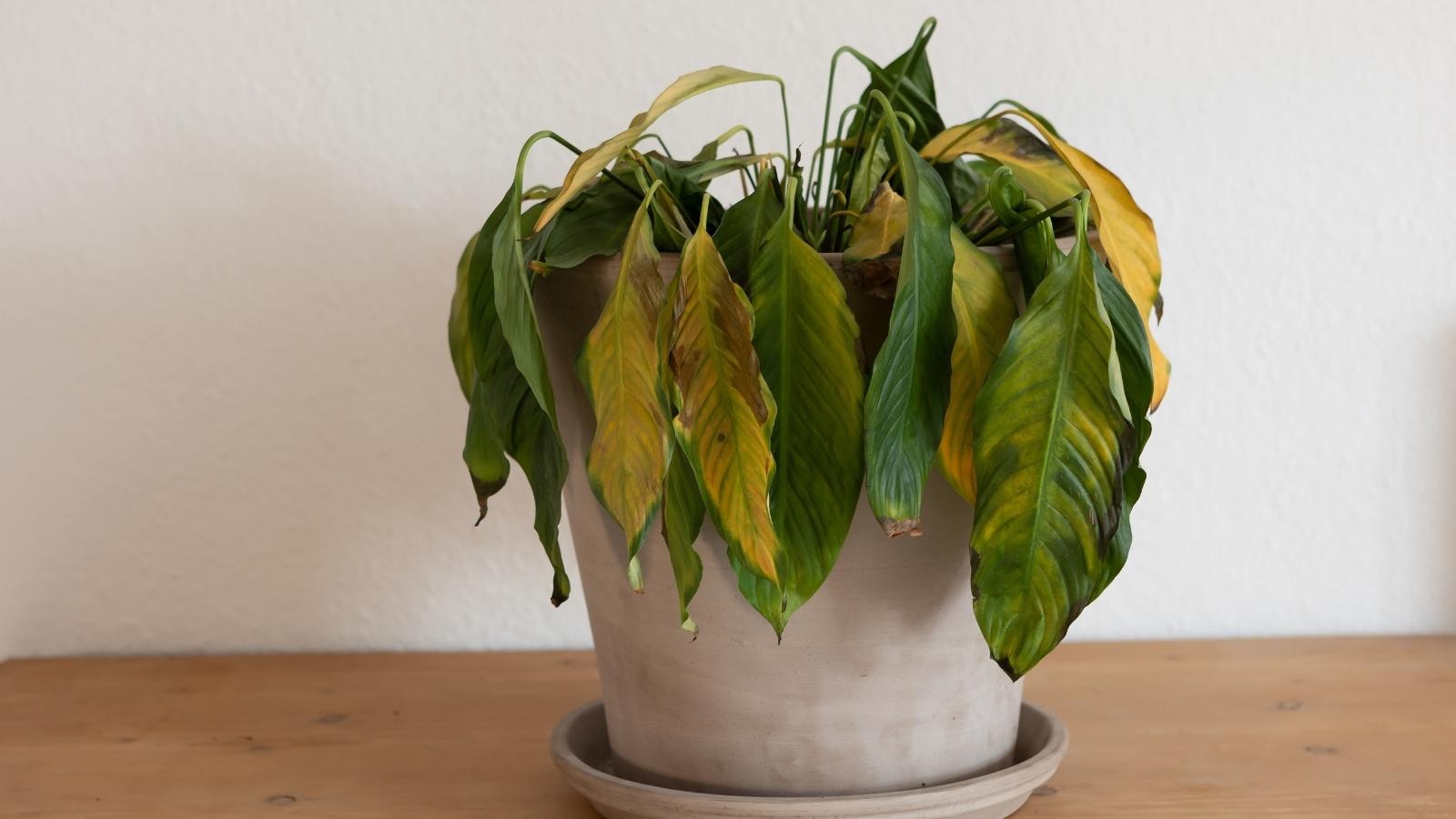
Wilt Disease often masquerades as a watering issue—but watering won’t help, since the roots have already lost their ability to absorb moisture. Watch for these signs:
Roots:Turn black, rot, lose elasticity;asily pulled out of the soil;May appear brown, mushy, or hollow
Leaves:Begin yellowing from the bottom up;Petioles become limp, plant remains wilted despite moist soil;Sometimes only one side of the plant wilts at first
Stems:Cutting open reveals brown or black vascular tissue (a key diagnostic sign);Lower stems soften, shrivel, or even crack
Flowers & Fruits:Buds fail to open or dry out prematurely;Fruit development is stunted or drops early
How to Prevent and Manage Wilt Disease?
While difficult to cure once established, Wilt Disease can be controlled effectively with a prevention-first approach:
1.Smart Planting Practices
Avoid monoculture: Don’t grow the same species in the same soil year after year. Rotate crops every 3+ years.
Ensure proper spacing: Allow air circulation to reduce pathogen buildup.
2.Improve Soil & Drainage
Use well-draining potting mix.
Refresh old soil regularly or mix in new substrate.
Add lime, superphosphate, or charcoal powder to suppress pathogens.
3.Healthy Seedlings & Pre-treatment
Choose disease-resistant varieties.
Disinfect new seedlings or seeds with potassium permanganate or fungicides like carbendazim.
Avoid planting unknown or untested plants alongside your existing collection.
4.Remove Infected Parts Promptly
Isolate or destroy infected plants immediately.
Sterilize tools after use.
If the soil is severely infected, replace or sterilize it with heat.
5.Targeted Fungicide Application
In early stages, use fungicides like carbendazim, chlorothalonil, thiophanate-methyl, or hymexazol as soil drenches.
Rotate products to prevent resistance.
Note: Fungicides work only in early stages and cannot reverse dead tissue.
6.Water, Fertilizer & Environmental Control
Avoid overwatering or letting pots sit in standing water.
Maintain a balanced fertilizer regimen (NPK).
Provide adequate airflow and keep temperatures within plant-friendly ranges to reduce pathogen growth.
When your plant suddenly wilts, don’t rush to pour more water into the pot. If the soil is still moist and the plant remains limp, Wilt Disease may be the hidden culprit. Start from the roots—check for signs of infection. Daily good practices like managing humidity, sanitizing tools, and rotating crops are your best defense against this silent plant killer.
Advertisement
Learn More
-

- October 20,2026
- Lily Disease Guide: Whats Killing Your Lilium longiflorum and How to Stop It
-
- September 17,2026
- Wax-Leaf Privet Diseases: Identification, Treatment & Prevention Guide
-
- September 1,2026
- Vinca Minor Diseases: Identification, Treatment and Long‑Term Garden Management
-
- August 18,2026
- Tree Philodendron Diseases: Identification, Treatment and Long‑Term Prevention
-
- August 6,2026
- Common Ailments of Plantago major: Identifying, Treating and Preventing Diseases in Broadleaf Plantain
-
- July 30,2026
- Zodiac-themed Bouquets Combined with Floral Language: Different Color Schemes Create More Artistic Birthday Surprises

Advertisement
 Poisonous and danger
 Edible and medicinal
 Wild and common weed