
Black Spots on Leaves? Watch Out for Black Spot Disease!
Advertisement
Have you noticed black circular spots appearing on your plant’s leaves, with yellowish edges, like ink spreading on paper? Some leaves may even curl, dry up, or fall prematurely. Don’t just assume it’s due to overwatering or natural aging—this could be a sign of Leaf Spot Disease quietly invading. This fungal disease not only ruins your plant’s aesthetic value but, if left untreated, can ultimately lead to plant death.
What is Leaf Spot Disease?
Leaf spot is a common plant disease caused by various fungi and bacteria, with typical symptoms being black, ring-shaped spots on the foliage. The most common pathogens include Alternaria and Cercospora, which primarily attack the leaves but can occasionally spread to stems and fruits.
It is a fast-spreading disease with a long infectious period, particularly aggressive in warm, humid environments, making it a persistent problem in both gardening and agriculture.
Where is Leaf Spot Disease Most Likely to Occur?
This disease occurs worldwide, but outbreaks are especially common in the following regions and conditions:
Tropical and subtropical regions: Such as Southeast Asia, South America, and central Africa—areas with consistently high temperatures and humidity.
Monsoon climate zones: Like southern China, Japan, and India, where the rainy seasons and humid summers provide ideal conditions for fungal growth.
Greenhouses and potted plant environments: Poor ventilation and excessive moisture make for ideal breeding grounds.
Rainy seasons, monsoons, or consecutive days of warm, humid weather can cause the disease to spread rapidly.
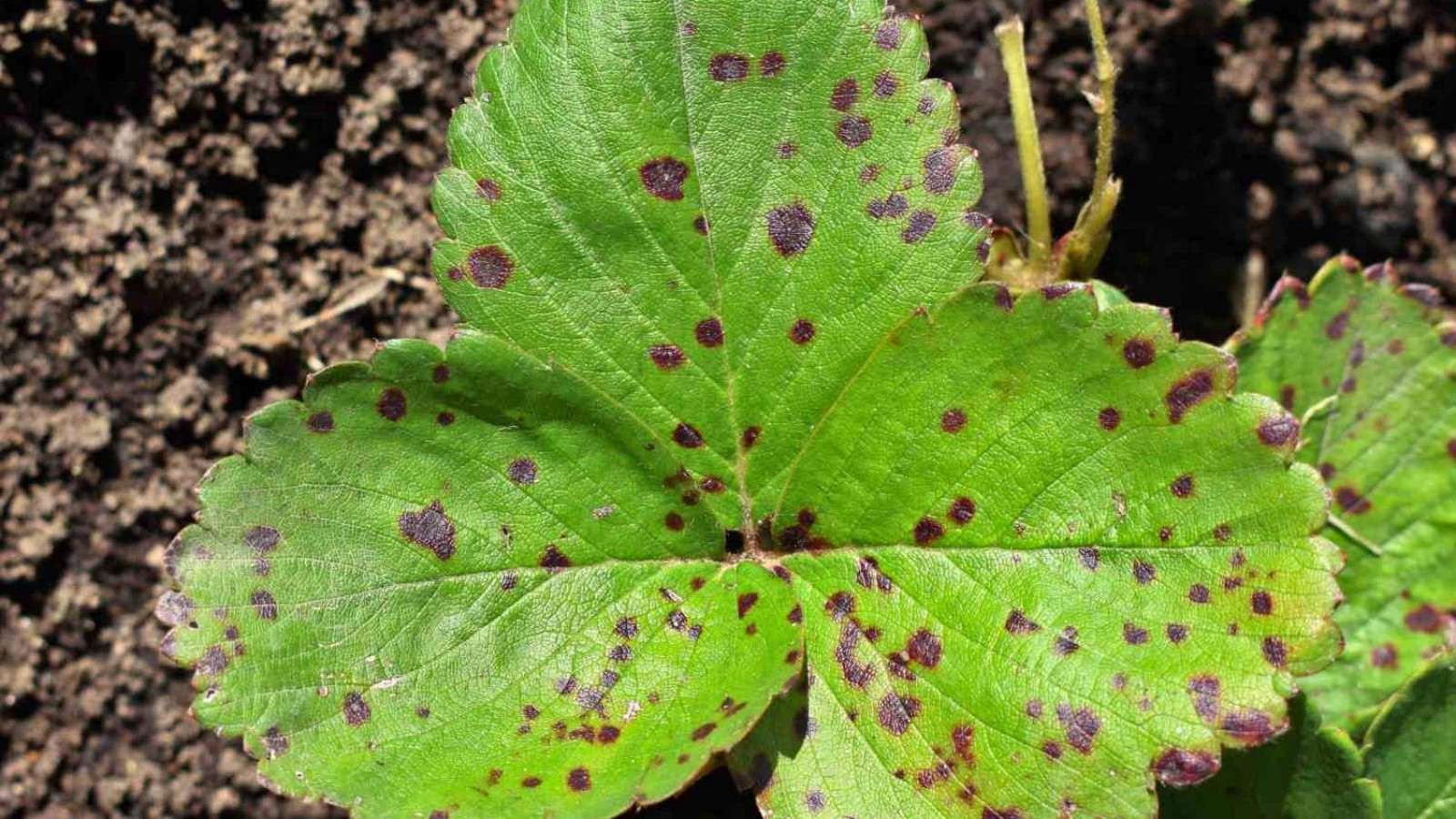
Which Plants Are Vulnerable to Leaf Spot?
Leaf spot can infect almost any plant with thin foliage and dense stomata, but the following are especially susceptible:
Foliage plants:Clivia, pothos, ivy, monstera, dieffenbachia, rubber tree
Flowering plants:Roses (particularly vulnerable), African violets, geraniums, kalanchoe, peonies, lilies
Vegetables and fruits:Tomatoes, cucumbers, eggplants, strawberries, green beans, citrus trees, apple trees
Rose black spot is a well-known example that not only affects flowering but can cause the entire plant to decline prematurely.
What Causes Leaf Spot Disease?
Outbreaks are often triggered by certain environmental conditions:
High humidity:Prolonged leaf wetness due to rain, misting, or poor drainage creates ideal conditions for fungal spores to germinate and spread.
Mild temperatures:Fungi thrive in temperatures between 20–28°C (68–82°F), common in late spring, early summer, and autumn. Large temperature swings at night can cause condensation on leaves, promoting infection.
Poor ventilation:Crowded plants or enclosed spaces reduce airflow, creating localized humidity and enabling fast pathogen transmission.
Nutrient imbalance:Excessive nitrogen fertilization makes leaves softer and more prone to infection, while potassium deficiency weakens plant immunity.
Surface residue and soil contamination:Dead or fallen leaves, splashed soil, or unclean pruning tools can all harbor pathogens and cause reinfection.
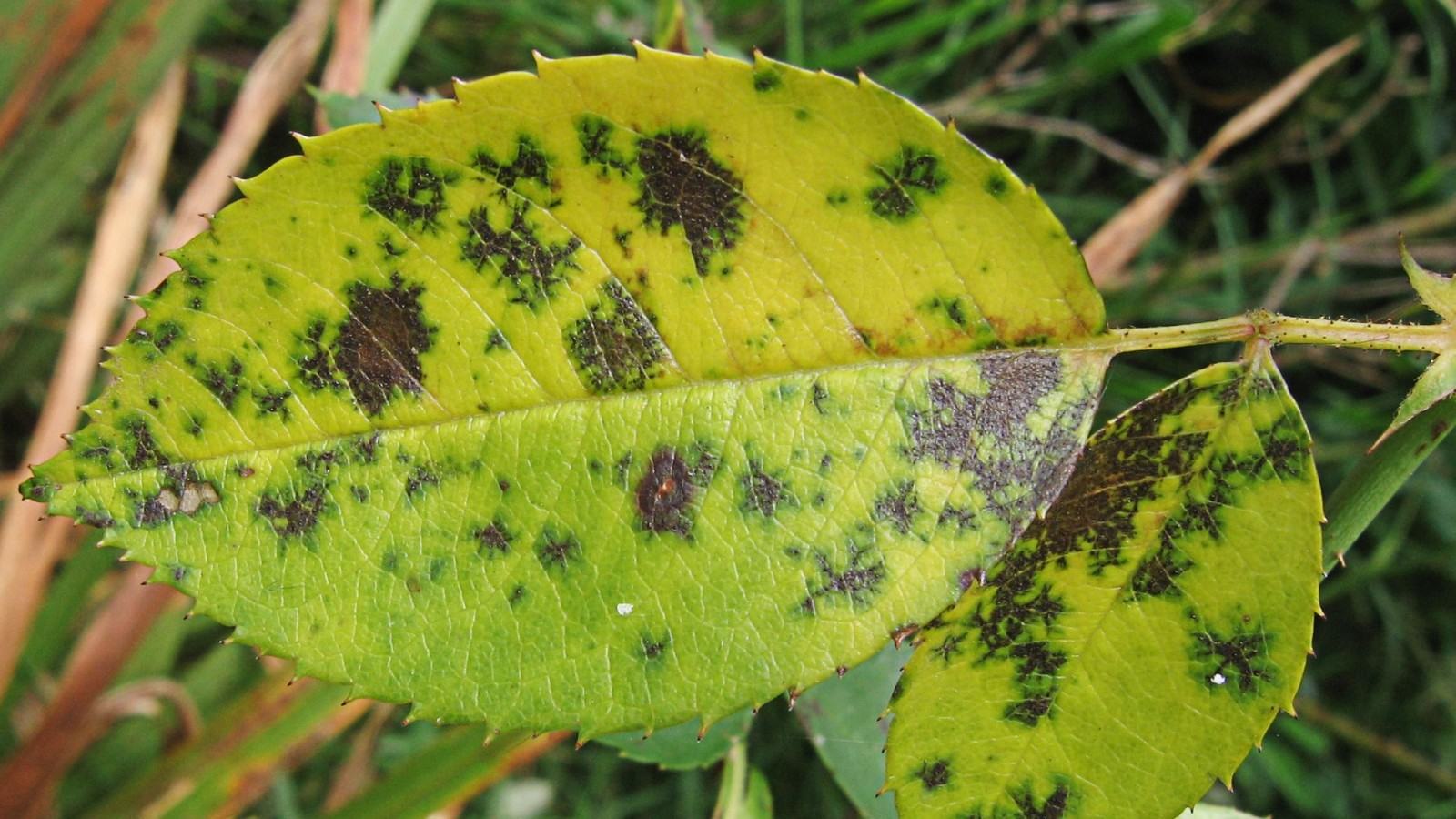
Symptoms of Leaf Spot Disease
Symptoms typically begin on the leaves and may spread to stems and fruits in severe cases:
Leaves:Early signs include small brown or black spots that expand into dark-centered rings with yellowish edges.Spots may appear as clear or blurry concentric circles, sometimes resembling a target.Leaves turn yellow, become soft, then dry up and drop.
Stems:In advanced cases, black patches may appear on stem nodes, leading to softening and dieback.
Fruits:In fruit-bearing plants, sunken brown lesions and rot may occur, reducing yield and fruit quality.
How to Prevent and Control Leaf Spot Disease?
Although it can’t be entirely avoided, proper care can significantly reduce risk. Here are practical steps:
1.Control humidity, avoid wet foliage
Water in the early morning to allow drying by nightfall. Avoid evening watering.
Use drip irrigation or bottom watering to prevent water from lingering on leaves.
After rain, gently blot wet leaves with paper towels to remove excess moisture.
2.Ensure good airflow and proper spacing
Place indoor plants near windows and open them regularly to refresh air.
In outdoor planting, maintain adequate spacing between plants.
Prune crowded or inner branches to improve airflow and light penetration.
3.Maintain cleanliness and sanitize tools
Promptly remove fallen, old, or infected leaves and dispose of them away from the garden.
Disinfect pruning tools with alcohol or potassium permanganate before and after use.
4.Use fungicides (for moderate to severe cases)
Apply broad-spectrum fungicides like carbendazim, chlorothalonil, or mancozeb every 7 days for 2–3 rounds.
Rotate fungicides to prevent resistance buildup.
5.Fertilize wisely to boost plant immunity
Avoid overusing nitrogen; increase phosphorus and potassium intake to strengthen cell structure.
Use seaweed extract or plant tonics monthly to enhance overall plant health.
Leaf spot disease tends to creep in quietly, starting with just a few “ink drops” on the leaves and gradually turning into a full-blown crisis. But with vigilant care—balanced watering, good airflow, timely pruning—you can stop this black-ringed menace in its tracks before it takes hold.
Advertisement
Learn More
-

- October 20,2026
- Lily Disease Guide: Whats Killing Your Lilium longiflorum and How to Stop It
-
- September 17,2026
- Wax-Leaf Privet Diseases: Identification, Treatment & Prevention Guide
-
- September 1,2026
- Vinca Minor Diseases: Identification, Treatment and Long‑Term Garden Management
-
- August 18,2026
- Tree Philodendron Diseases: Identification, Treatment and Long‑Term Prevention
-
- August 6,2026
- Common Ailments of Plantago major: Identifying, Treating and Preventing Diseases in Broadleaf Plantain
-
- July 30,2026
- Zodiac-themed Bouquets Combined with Floral Language: Different Color Schemes Create More Artistic Birthday Surprises

Advertisement
 Poisonous and danger
 Edible and medicinal
 Wild and common weed