
Leaves Sticky with Black Spots? Scale Insects Are Secretly Sapping the Life Out!
Advertisement
Have you ever noticed that the leaves of your plants feel sticky and have some black spots, wondering if it's gray or mold? Many people think it's just because the air is bad or they water too much, but in fact, it may be the little "vampires" - scale insects that are quietly causing trouble. Don't be fooled by it. It hides on the back of the leaves or stems, sucking the nutrients of the plant mouthful by mouthful, and leaving mucus for fungi to "hitch a ride". Once discovered, it must be dealt with quickly, because it reproduces quickly and is difficult to eradicate. If you are not careful, the whole plant will turn yellow and lose its leaves.
What Are Scale insects?
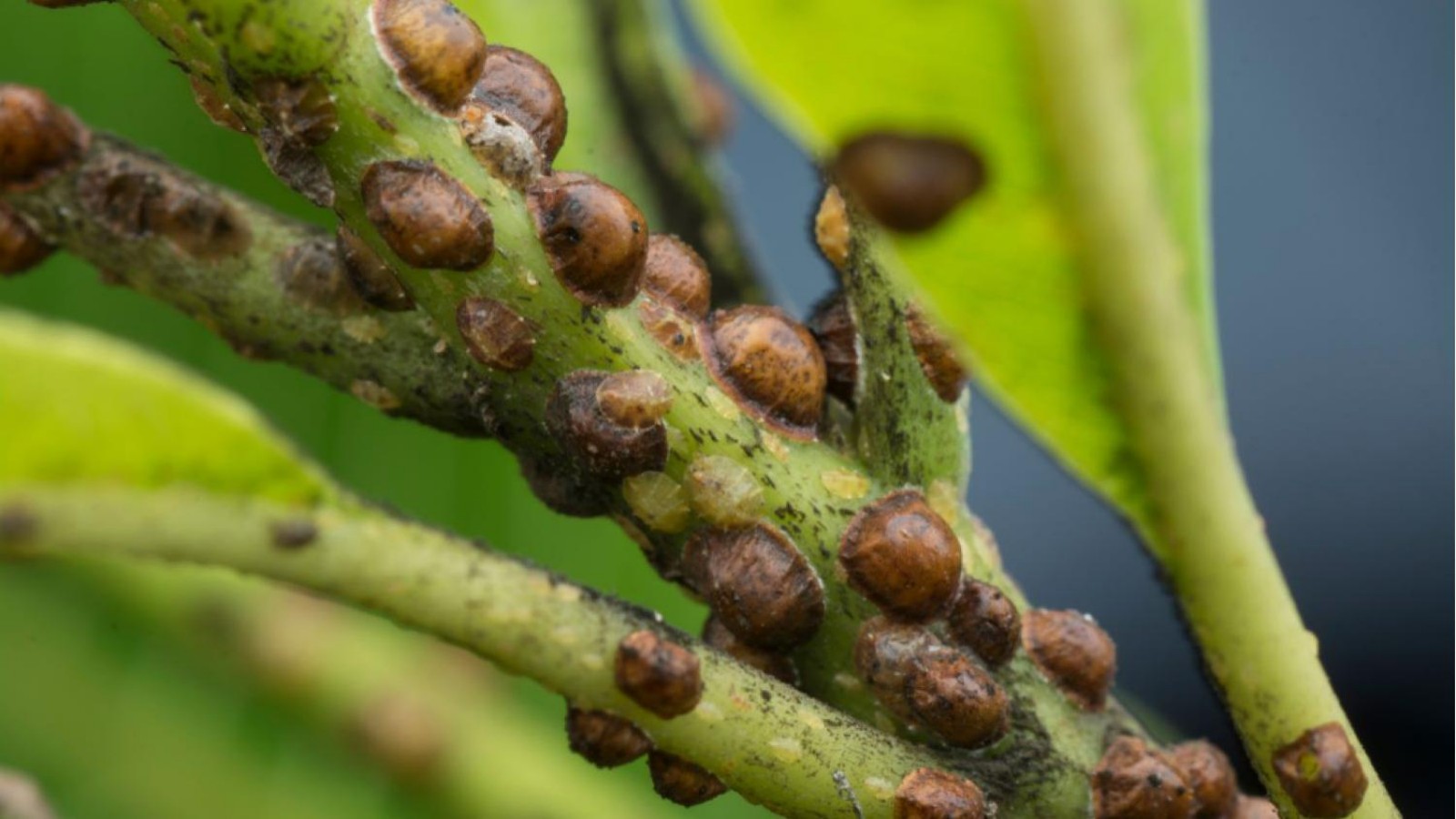
Scale insects are a type of pest with well-developed mouthparts that specialize in sucking plant sap. They are small, usually round, oval or hemispherical, with hard shells that look like small bumps on the bark and are not easy to spot. Depending on the species, they may be brown, gray, yellow or transparent, and covered with a waxy protective shell.
These insects attach themselves to the back of leaves, stems, branches and even fruits, and survive by sucking plant sap, which can cause yellowing, early leaf fall and even death of plants in severe cases. The "honeydew" they secrete provides an ideal growth environment for mold, which can easily cause sooty mold disease and further affect photosynthesis.
Which Areas Are More Likely To Be Infested By Scale Insects?
Scale insects are very adaptable to climate, but they prefer warm, humid environments with poor air circulation. This means:
Tropical and subtropical regions : such as Southeast Asia, South America, and parts of Africa, are areas with a high incidence of scale insects.
In greenhouses in temperate zones : Whether it is a commercial greenhouse or a home balcony, scale insects are prone to breeding as long as the humidity is high and ventilation is insufficient.
Indoor environment in winter : Many northern families move plants indoors in winter. It is warm but the air is not circulating, and it can easily become a hotbed.
In other words, as long as the space is hot, humid and poorly ventilated, scale insects are likely to break out regardless of where you are in the north or south.
Which Plants Are Most Susceptible To Scale Insects?
Although scale insects eat almost everything, the following plants are particularly susceptible:
Succulent plants : such as jade plant, bear's paw, white peony, etc., have thick and juicy leaves and are the favorites of scale insects.
Foliage plants : such as Monstera, Pothos, Money Tree, Rubber Tree, Ficus microcarpa, etc.
Fruit trees : economic crops such as citrus, grapes, apples, and pears.
Flowers : orchids, roses, geraniums, azaleas, etc.
Indoor potted plants : Almost all indoor plants may encounter this, especially when the environment is hot and humid.
Why Do Scale Insects Occur?
The frequent appearance of scale insects is closely related to the environment in which the plants live. The following factors are the "culprits":
Excessive humidity : Scale insects like humid environments, and they reproduce rapidly, especially when the air humidity is high and the leaves do not dry for a long time.
Poor ventilation : Closed rooms or densely placed green plants with too many leaves will cause poor air circulation, which is conducive to the breeding of pests.
Insufficient light : The plants themselves do not grow healthily, their disease resistance decreases, and they are more easily targeted by scale insects.
Improper fertilization : Excessive application of nitrogen fertilizer will make the branches and leaves tender and juicy, which is the "ideal meal" for scale insects.
Lack of cleanliness and management : Dust accumulation and dead leaves are not cleaned up, providing hiding places for insect eggs and larvae.
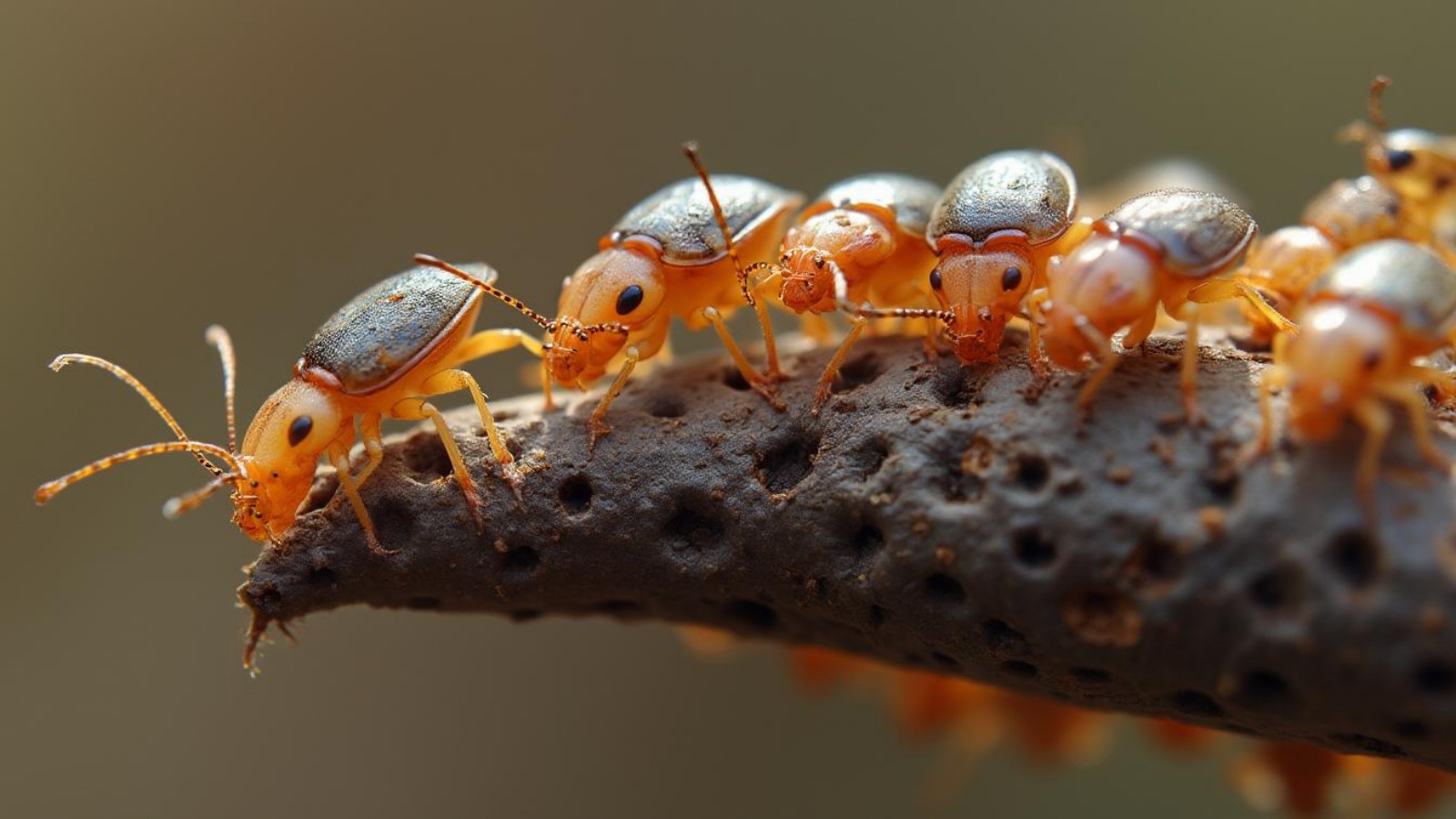
Plant spacing is too small : Leaves are too close to each other, and pests and diseases spread faster.
To sum it up in one sentence: humidity, heat, stuffiness and weakness are the favorite environments of scale insects.
What Are The Symptoms Of Scale Insects Emergent Plants?
When scale insects parasitize plants, the following changes may occur:
Leaves : No abnormalities are seen at first, but then yellow spots will appear on the surface, turn yellow, and fall off. There are often small hard spots attached to the back of the leaves or the base of the petiole, which are the insect bodies.
The surface of leaves becomes sticky : Insects secrete honeydew, which causes the surface of leaves or the ground to become sticky, attracting ants or breeding sooty mold.
Stem : Small brown or grayish white spots appear on the surface and cannot be wiped off. This may be because the adult insects are firmly attached.
Flowers and fruits : If the infection is severe, the flowers will wither prematurely, the fruits will be poorly developed or even fall off.
The growth of the entire plant slows down : nutrients are absorbed by insects, plant photosynthesis is restricted, leaves no longer stretch, branches become thin and weak, and the entire vitality becomes dim.
How To Prevent And Control Scale Insects?
Although scale insects are difficult to deal with, they are not impossible to deal with. The methods of dealing with them include physical, environmental adjustments and chemical treatments:
1.Daily prevention and management
Keep ventilation : Pay attention to ventilation when caring for plants on the balcony, near windows or indoors, and try not to place the plants too close to the wall or too densely.
Regular inspections : Check the back of leaves and branches every week, especially hidden places, and deal with insects promptly if found.
Reasonable fertilization : Avoid excessive nitrogen fertilizer, and increase potassium fertilizer appropriately to enhance the plant's disease resistance.
Clean and maintain the environment : remove withered and yellow leaves, keep the surface of the potting soil clean, and reduce the remaining insect eggs.
2.Initial treatment method
Manual scraping : Use a toothpick or cotton swab to gently scrape off the insects, especially when the infestation just begins.
Spray with soapy water : Spray the leaves with 1:100 neutral detergent or plant-based soapy water to help wash away the insects.
Wipe with alcohol cotton balls : 70% alcohol can destroy the wax shell protective layer of scale insects, and it is more effective to wipe the adult insects on stems and leaves.
3.Treatment of severe infection
Use of insecticides : You can choose systemic agents such as mineral oil, rosinates or imidacloprid for spraying. It is best to use them alternately to avoid resistance.
Repeat spraying : Because scale insect eggs are highly resistant to drugs, spraying must be repeated at least 2-3 times every 7-10 days.
Isolate diseased plants : After discovering insect pests, isolate the affected plants immediately to prevent the pests from spreading to other potted plants.
Heavy pruning and replanting : If the whole plant is severely damaged, it is recommended to cut off the severely damaged branches and leaves, or even replace new soil and pots and replant.
Scale insects are like invisible, chronic killers that quietly drain nutrients from plants and attract mold, making plants weaker and weaker. They cannot fly and do not like to move, but once they settle down, they are extremely difficult to eradicate. For those of us who love plants, the best countermeasures are early detection, diligent observation, and careful care. After all, healthy plants are the most beautiful scenery.
Advertisement
Learn More
-

- October 20,2026
- Lily Disease Guide: Whats Killing Your Lilium longiflorum and How to Stop It
-
- September 17,2026
- Wax-Leaf Privet Diseases: Identification, Treatment & Prevention Guide
-
- September 1,2026
- Vinca Minor Diseases: Identification, Treatment and Long‑Term Garden Management
-
- August 18,2026
- Tree Philodendron Diseases: Identification, Treatment and Long‑Term Prevention
-
- August 6,2026
- Common Ailments of Plantago major: Identifying, Treating and Preventing Diseases in Broadleaf Plantain
-
- July 30,2026
- Zodiac-themed Bouquets Combined with Floral Language: Different Color Schemes Create More Artistic Birthday Surprises


Advertisement


 Poisonous and danger
 Edible and medicinal
 Wild and common weed