
Fine Webbing and Speckled Leaves? Spider Mites Are Here!
Advertisement
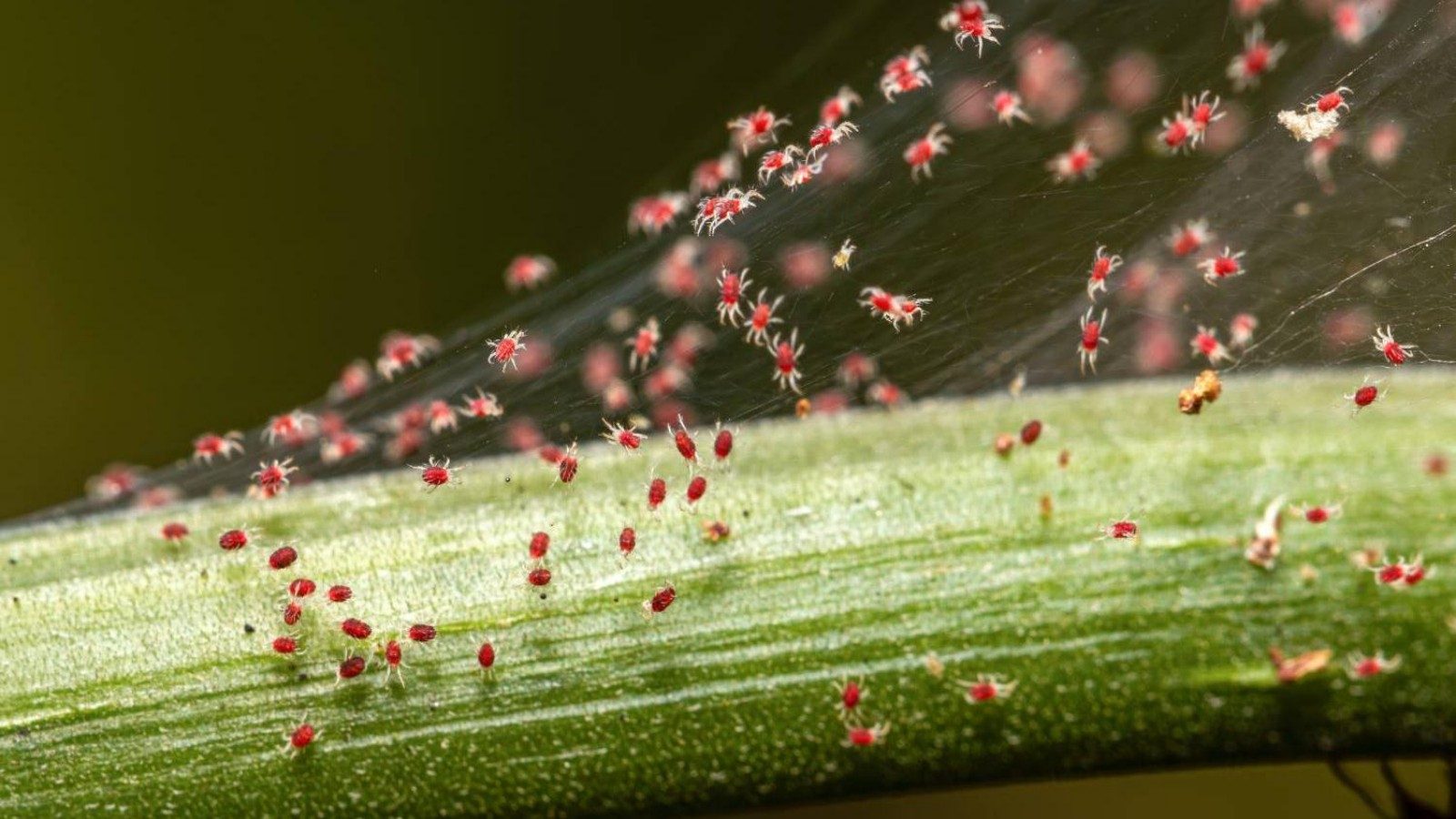
If you notice a layer of fine “grayish-white dust” on the leaves of your plant, with tiny red dots or web-like threads faintly visible on the undersides, don’t assume it’s just dust or a few spider webs. It’s likely a spider mite infestation quietly taking hold. These tiny pests are barely visible to the naked eye, yet they are among the most destructive threats to plants. When outbreaks are severe, they can cause leaf drop, wilting, and even total plant death.
What Are Spider Mites?
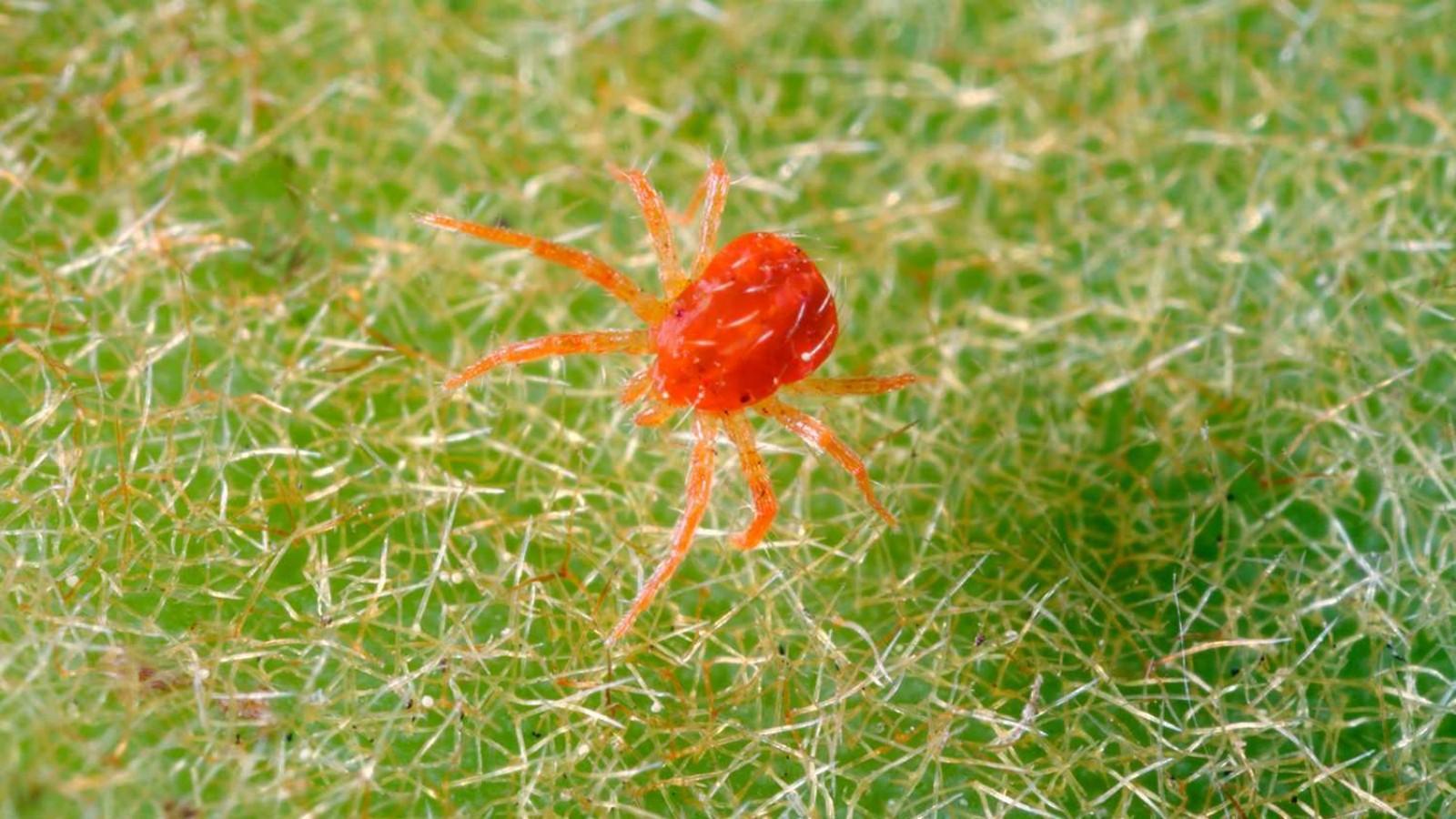
Despite their name, spider mites are not true spiders. They are tiny arachnids belonging to the order Acari, with the most common species being the Tetranychus urticae. Measuring under 0.5 mm in length, they typically reside on the undersides of leaves and feed by piercing plant cells and sucking out the contents.
Spider mites are highly destructive and reproduce extremely quickly. Under favorable conditions, a single mite can lead to thousands within a month, making them a nightmare for indoor gardeners, greenhouse growers, and large-scale agriculture alike.
Where Are Spider Mites Most Likely to Appear?
Spider mites are found worldwide, but are especially prevalent in the following environments:
Warm, dry climates: such as California, the Mediterranean, and western Australia—regions with high average temperatures and low humidity
Indoor plant settings: including balconies, windowsills, rooms with heating or air conditioning—where the air is dry and poorly ventilated
Greenhouses and grow tunnels: where warmth and high planting density create ideal breeding conditions
Spider mites are particularly active from late spring through early autumn, especially during hot, dry spells.
Which Plants Are Most Susceptible to Spider Mites?
Spider mites are notorious generalists, but certain plants are especially vulnerable:
Foliage Plants:Rubber plants, fiddle leaf figs, areca palms, ivy, pothos, spider plants, dracaenas, aloe vera
Flowering Plants:Roses, bougainvillea, petunias, kalanchoe, geraniums, violets, African violets
Edible Crops:Cucumbers, eggplants, tomatoes, peppers, strawberries, beans
Plants with soft tissues and broad, tender leaves are particularly attractive to spider mites.
What Causes Spider Mite Outbreaks?
Spider mite problems often stem from environmental imbalances and poor plant care:
Temperature:Their optimal range is 25–30°C (77–86°F). Warmer temperatures accelerate their life cycle, making summer their peak season.
Humidity:They thrive in dry air, especially below 50% humidity. Closed indoor environments with heating or air conditioning provide perfect conditions.
Poor Air Circulation:Stagnant air and dense foliage trap heat and moisture, which encourages egg-laying and population booms.
Over-fertilization:Excess nitrogen makes plants grow soft and lush—ideal feeding material for mites, which leads to faster population growth.
Poor Hygiene:Unremoved fallen leaves, debris, and dust buildup on pots or leaf surfaces can harbor eggs and encourage mite colonies to spread.
How to Recognize a Spider Mite Infestation?
Spider mite damage starts subtly but becomes unmistakable as their numbers grow:
Leaves:Tiny yellowish or gray-brown speckles appear on the underside.A “dusty” or matte appearance on the upper surface, with lost shine and rough texture.Fine silk-like webs become visible under severe infestation, often harboring mites beneath.Leaves curl, yellow, dry out, and fall off over time
Stems:With high mite density, stems may also be sucked dry, causing discoloration or hardened skin
Flowers and Fruits:In extreme cases, mites can deform buds or cause premature fruit drop
Early signs are often missed, so flipping leaves and inspecting the undersides regularly is crucial.
How to Control and Prevent Spider Mites?
The key to beating spider mites is: early detection, swift action, and consistent care. Here are practical strategies:
1. Increase Humidity and Improve Ventilation
Mist plants regularly or place trays of water nearby to raise humidity
Keep air flowing—open windows or use fans to avoid stagnant conditions
During peak mite seasons (summer), spray leaf surfaces in the early morning to disrupt their activity
2. Manual Removal and Pruning
Wipe undersides of leaves with a damp cloth or alcohol-soaked cotton to remove mites
Prune and discard curled or heavily discolored leaves to reduce spreading
3. Use Natural Mite Repellents
Spray diluted soap water (liquid soap + water) or alcohol solution to break down mite exoskeletons
Apply neem oil, a plant-based product with excellent mite-repelling properties—great for regular prevention
4. Chemical Treatments (For Advanced Cases)
In serious infestations, use targeted miticides such as abamectin, spiromesifen, or bifenazate
Important: thoroughly spray undersides of leaves, and repeat treatment every 7–10 days to catch newly hatched mites
5. Reduce Nitrogen Fertilizer and Strengthen Plant Resistance
Avoid excessive nitrogen; use balanced or phosphorus-potassium-rich fertilizers to toughen plant tissues
6. Inspect Weekly for Early Detection
Regularly examine the underside of leaves for red dots or silk webbing—early intervention makes all the difference
Spider mites don’t appear overnight. They hide in plain sight, quietly feeding off your plants’ vitality from underneath. What looks like a harmless dusting may actually be a silent infestation draining your plant’s life.So next time you see a powdery layer on your leaves, look closer—your plant may be crying for help.
Advertisement
Learn More
-

- October 20,2026
- Lily Disease Guide: Whats Killing Your Lilium longiflorum and How to Stop It
-
- September 17,2026
- Wax-Leaf Privet Diseases: Identification, Treatment & Prevention Guide
-
- September 1,2026
- Vinca Minor Diseases: Identification, Treatment and Long‑Term Garden Management
-
- August 18,2026
- Tree Philodendron Diseases: Identification, Treatment and Long‑Term Prevention
-
- August 6,2026
- Common Ailments of Plantago major: Identifying, Treating and Preventing Diseases in Broadleaf Plantain
-
- July 30,2026
- Zodiac-themed Bouquets Combined with Floral Language: Different Color Schemes Create More Artistic Birthday Surprises



Advertisement

 Poisonous and danger
 Edible and medicinal
 Wild and common weed