
Yellowing Leaves That Won’t Stop? A Virus Might Be to Blame!
Advertisement
Have you ever had a plant whose leaves turned yellow and dropped for no clear reason, with growth slowing down noticeably? You’ve changed the soil, adjusted the lighting, and controlled the watering, yet nothing helps. Then it might be time to consider a commonly overlooked culprit—plant viral disease. Unlike fungal or bacterial infections, viral diseases are caused by extremely tiny pathogens and are notoriously difficult to cure once they take hold.
What Are Plant Viral Diseases?
Plant viral diseases are chronic illnesses caused by plant-infecting viruses. These viruses are so small that they can only be seen under an electron microscope. They enter plants through sap transmission, insect vectors, seeds, or contaminated soil and tools. Once infected, a plant’s cellular genes are altered, leading to mutation or degradation of normal tissue.Unlike fungal or bacterial infections, viral diseases cannot be cured—only prevented or managed. When infection becomes severe, removing and destroying the plant is usually the only viable solution.
Where Are Viral Diseases Most Common?
Viral diseases can occur worldwide, but they’re especially prevalent under these conditions:
Tropical and subtropical regions: Warm and humid year-round, ideal for insects that spread viruses, like aphids and thrips.
Greenhouses and densely planted areas: Poor airflow and plant crowding create the perfect environment for rapid virus spread.
Intensively cultivated farmlands: Frequent seed exchanges and complex field management increase transmission pathways.
The risk spikes in late spring to early summer, when insect activity increases or after periods of prolonged humid, rainy weather.
Which Plants Are Most Vulnerable?
Viral diseases can infect nearly all plant types, but the following are particularly susceptible:
Vegetables:Tomatoes (e.g., Tomato Spotted Wilt Virus), peppers, cucumbers, melons, cowpeas
Leafy greens like spinach, lettuce, and romaine
Ornamental flowers:Tulips (Tulip Breaking Virus), lilies, aglaonema, chrysanthemums, kalanchoe, pansies
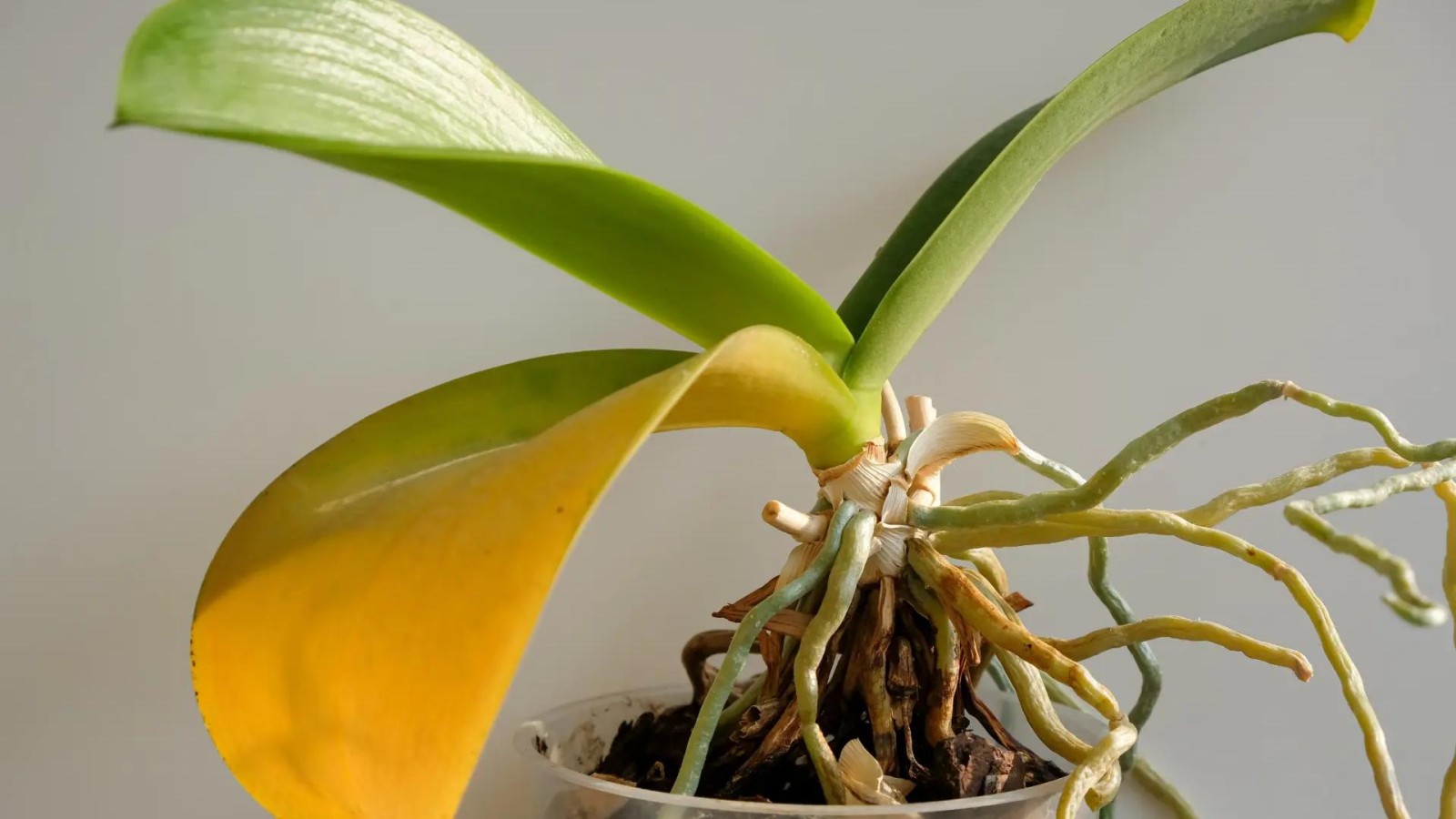
Orchids often suffer from “mosaic viruses”
Common houseplants:Rubber plants, pothos, snake plants, monstera, calatheas, coleus
Fruit trees:Bananas (Banana Bunchy Top Virus), citrus, grapes, apples, pears
What Causes Plant Viral Infections?
The onset of a viral disease is usually the result of multiple factors:
Unstable humidity: High humidity encourages sap-sucking insects (like aphids), which are primary virus carriers. Moist leaves are also easier for insects to pierce.
Sudden climate changes: Fluctuating temperatures stress plants and weaken their defenses, making them easier targets.
Nutrient imbalances: Deficiencies in potassium or phosphorus weaken plant immunity. Overuse of nitrogen leads to soft, fast-growing tissue that’s easier for insects to infect.
Poor airflow: Crowded, poorly ventilated spaces allow viruses to spread rapidly.
Insect vectors: Aphids, thrips, and whiteflies are the most common carriers. They ingest the virus from an infected plant and inject it into the next one via their saliva.
Human transmission: Contaminated tools, gloves, pots, or soil can easily transfer viruses between plants.
Common Symptoms of Viral Infection
Symptoms vary, but viral diseases generally affect leaf shape, color, and plant development. They may also manifest in stems, flowers, or fruits:
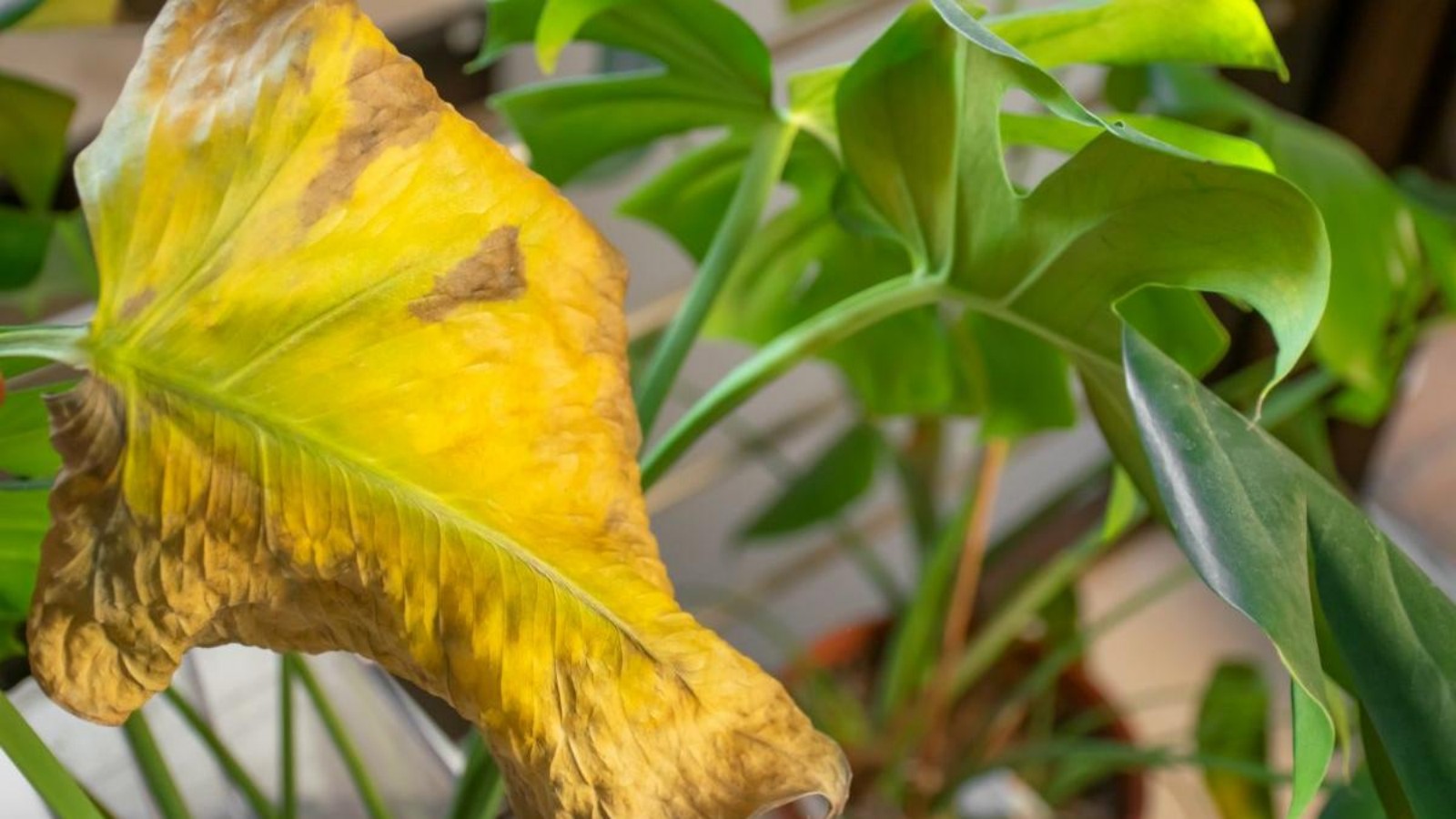
Leaves:Mottled or streaked color patterns (mosaic symptoms),Curling, wrinkling, deformation, or fading of color;Yellowing at the edges, eventually leading to browning and leaf drop;Uneven chlorosis or overall yellowing
Stems:Weak or brittle stems, elongated or shortened internodes;New shoots may elongate excessively or wilt at the tips
Flowers:Discolored, undersized, curled, or malformed petals;Irregular blooming periods or failure to flower
Fruits:Misshapen development, uneven size, surface blotches or hard spots;Some viruses cause premature ripening with poor flavor
Overall, viral infections cause a mix of deformation and decline, stunting growth and ultimately leading to plant death if unmanaged.
How to Prevent and Manage Plant Viral Diseases?
Since viral diseases cannot be cured with chemicals, management should focus on preventing spread and boosting resistance. Here’s how:
1.Remove and isolate infected plants immediately
Destroy confirmed infected plants—do not compost or place near healthy ones.
Disinfect contaminated soil, pots, and tools thoroughly.
2.Control sap-sucking insects
Regularly inspect plants for aphids, whiteflies, and thrips.
Use low-toxicity insecticides like horticultural oils, imidacloprid, or abamectin to keep pest populations low.
Hang yellow sticky traps near windows to attract and monitor flying pests.
3.Maintain ventilation and hygiene
Space plants to avoid crowding and improve airflow.
Avoid persistently wet leaves.
Remove dead or fallen plant matter to reduce virus breeding grounds.
4.Strengthen plant immunity
Avoid overusing nitrogen fertilizers.
Add potassium and phosphorus to support stronger cell walls and resistance.
Limit physical stress and avoid unnecessary movement or pruning.
5.Sanitize pruning tools rigorously
Disinfect with 75% alcohol or potassium permanganate after pruning each plant.
Avoid touching wounded plant tissue or sap with bare hands.
6.Use virus-resistant cultivars (for crops)
In agricultural settings, opt for virus-tolerant seeds or nursery stock as a long-term prevention strategy.
Viral diseases act like silent killers—they don’t destroy your plant overnight but gradually compromise its health. So if your plant keeps developing yellowing, curling, or deformed leaves no matter how carefully you water or fertilize, consider that a virus might be to blame.
Advertisement
Learn More
-

- October 20,2026
- Lily Disease Guide: Whats Killing Your Lilium longiflorum and How to Stop It
-
- September 17,2026
- Wax-Leaf Privet Diseases: Identification, Treatment & Prevention Guide
-
- September 1,2026
- Vinca Minor Diseases: Identification, Treatment and Long‑Term Garden Management
-
- August 18,2026
- Tree Philodendron Diseases: Identification, Treatment and Long‑Term Prevention
-
- August 6,2026
- Common Ailments of Plantago major: Identifying, Treating and Preventing Diseases in Broadleaf Plantain
-
- July 30,2026
- Zodiac-themed Bouquets Combined with Floral Language: Different Color Schemes Create More Artistic Birthday Surprises


Advertisement

 Poisonous and danger
 Edible and medicinal
 Wild and common weed