
Mirabilis jalapa Care Made Easy: The Right Light, Water, and Soil
Advertisement
Mirabilis jalapa is a vibrant and rewarding plant that brings color, fragrance, and charm to gardens around the world. Famous for its trumpet-shaped blooms that open in the late afternoon, this plant is not only visually striking but also surprisingly easy to care for—once you understand its basic needs.
Light Requirements: Finding the Perfect Balance
Full Sun Is Best, but Flexibility Helps
Mirabilis jalapa performs best in full sun, which means at least 6–8 hours of direct sunlight per day. Adequate light encourages strong stems, abundant flowering, and vibrant colors.
However, this plant is more forgiving than many flowering species. It can tolerate partial shade, especially in regions with intense afternoon heat. In such cases, morning sun combined with light afternoon shade can help prevent stress while still promoting healthy growth.
Signs of Improper Light
Too little light: Fewer flowers, elongated stems, and weak growth
Too much harsh sun: Leaf scorching, wilting during midday heat
If you notice reduced blooming, increasing sunlight exposure is often the quickest fix.
Watering Needs: Consistent but Not Excessive
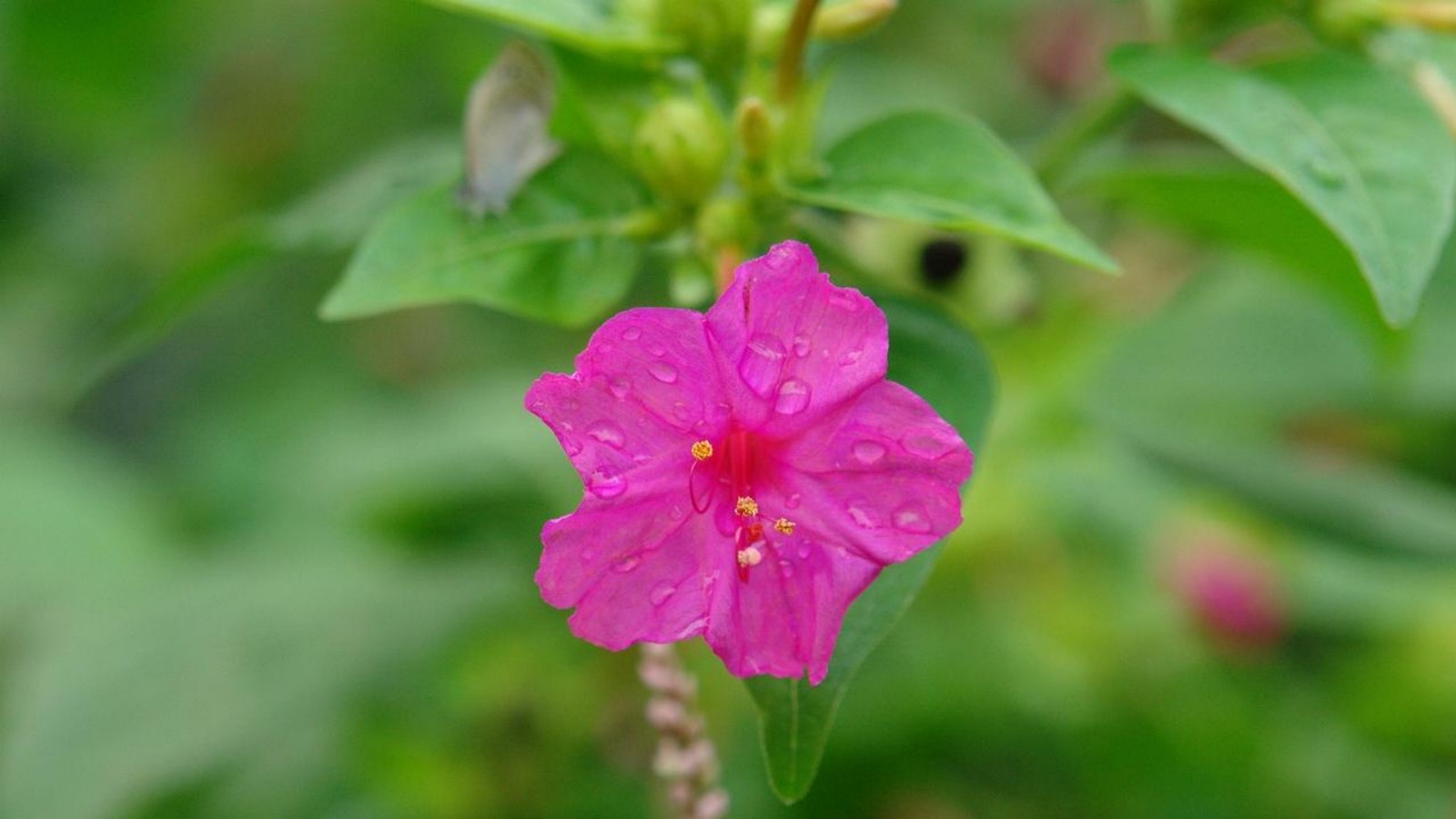
Moderate Watering Is Key
Mirabilis jalapa prefers evenly moist soil, but it does not tolerate waterlogged conditions. Once established, it shows moderate drought tolerance thanks to its tuberous root system, which stores moisture.
A good rule of thumb is to water deeply when the top layer of soil feels dry. During hot or dry periods, watering may be needed more frequently, while cooler or rainy conditions require less.
Overwatering vs. Underwatering
Overwatering can lead to root rot, yellowing leaves, and fungal diseases
Underwatering may cause wilting, stunted growth, and reduced flowering
Proper drainage is essential—standing water around the roots is one of the most common reasons Mirabilis jalapa fails to thrive.
Soil Preferences: Well-Draining and Nutrient-Rich
The Ideal Soil Type
Mirabilis jalapa grows best in loamy, well-draining soil with a slightly acidic to neutral pH (around 6.0–7.5). While it can adapt to poor soils, enriching the planting area improves overall performance.
To create optimal soil conditions:
Mix in organic compost to improve fertility
Add sand or perlite if soil tends to retain water
Avoid heavy clay unless amended for drainage
Healthy soil supports stronger roots, better water absorption, and more consistent flowering.
Fertilizing: Less Is More
Mirabilis jalapa is not a heavy feeder. In fact, excessive fertilizer can result in lush foliage with fewer flowers.
Best Fertilizing Practices
Apply a balanced, slow-release fertilizer at the start of the growing season
Alternatively, use compost or organic matter once or twice a year
Avoid high-nitrogen formulas, which promote leaf growth at the expense of blooms
If the plant is growing well and flowering regularly, additional feeding may not be necessary.
Temperature and Climate Considerations
Mirabilis jalapa thrives in warm temperatures, ideally between 18–30°C (65–85°F). It is sensitive to frost and will die back in cold conditions.
In cooler climates:
Grow it as an annual, or
Dig up and store tuberous roots indoors over winter
In warmer regions, it can survive year-round and may even self-seed easily.
Pruning and Maintenance
Encouraging More Blooms
Regular maintenance helps keep the plant tidy and encourages continuous flowering:
Remove spent flowers to redirect energy
Trim leggy growth to maintain a compact shape
Cut back the plant at the end of the growing season
Mirabilis jalapa responds well to light pruning and quickly produces new growth.
Common Problems and How to Fix Them
1. Yellowing Leaves
Often caused by overwatering or poor drainage
Improve soil conditions and reduce watering frequency
2. Few or No Flowers
Usually linked to insufficient sunlight or excess nitrogen
Increase sun exposure and reduce fertilization
3. Pests and Diseases
Generally pest-resistant
Occasional aphids or spider mites can be managed with water sprays or mild insecticidal soap
Good airflow and proper watering practices prevent most issues.
Propagation Tips
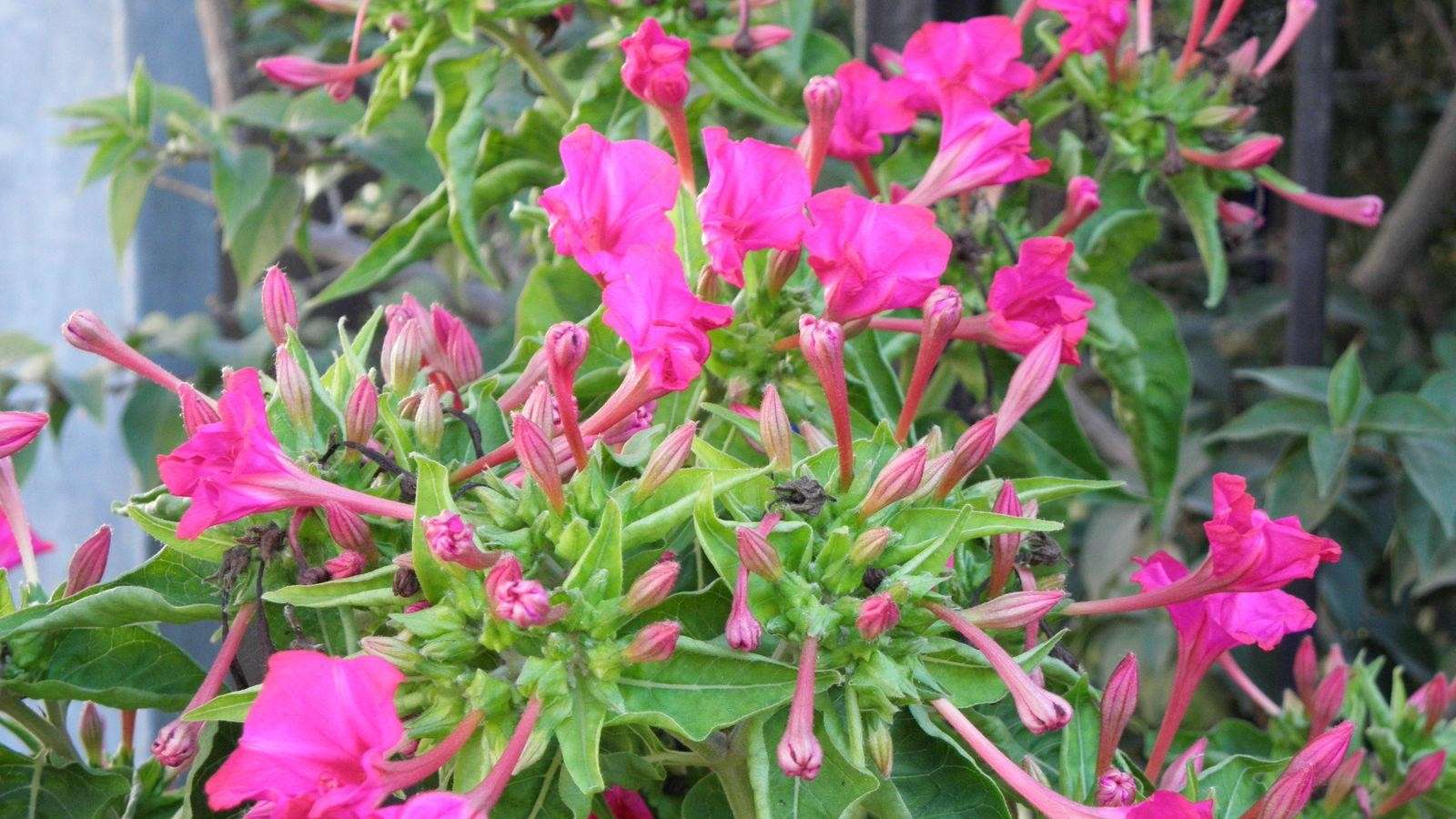
Mirabilis jalapa can be propagated easily through:
Seeds: Fast germination and high success rate
Tubers: Dig up and divide mature roots before replanting
Seed-grown plants often flower in the same season, making this one of the easiest flowering plants to propagate.
Landscaping and Garden Uses
Mirabilis jalapa is versatile and works well in:
Cottage gardens
Borders and pathways
Containers and raised beds
Its late-afternoon blooms also attract pollinators such as moths, adding ecological value to your garden.
Final Thoughts
Mirabilis jalapa proves that stunning flowers don’t have to come with complicated care routines. By focusing on the right light exposure, balanced watering, and well-draining soil, you can enjoy months of colorful blooms with minimal effort.
Whether planted in the ground or grown in containers, this adaptable plant rewards gardeners with beauty, fragrance, and resilience. With the tips in this guide, caring for Mirabilis jalapa truly becomes easy.
Advertisement
Learn More
-

- October 20,2026
- Lily Disease Guide: Whats Killing Your Lilium longiflorum and How to Stop It
-
- September 17,2026
- Wax-Leaf Privet Diseases: Identification, Treatment & Prevention Guide
-
- September 1,2026
- Vinca Minor Diseases: Identification, Treatment and Long‑Term Garden Management
-
- August 18,2026
- Tree Philodendron Diseases: Identification, Treatment and Long‑Term Prevention
-
- August 6,2026
- Common Ailments of Plantago major: Identifying, Treating and Preventing Diseases in Broadleaf Plantain
-
- July 30,2026
- Zodiac-themed Bouquets Combined with Floral Language: Different Color Schemes Create More Artistic Birthday Surprises
Advertisement
 Poisonous and danger
 Edible and medicinal
 Wild and common weed