
5 ways to make your garden soil more fertile
Advertisement
In the eyes of gardening enthusiasts, the garden is like a world full of hope, and the soil is the foundation of this world. Fertile soil can not only provide sufficient nutrients for plants, but also improve soil structure, enhance water and fertilizer retention, and allow plant roots to thrive. The following will introduce in detail 5 effective ways to make garden soil more fertile to help you create a vibrant garden.
1. Add organic fertilizers
Organic fertilizers are natural treasures for improving soil fertility. They are rich in nutrients needed by various plants, and can also increase the content of soil organic matter and improve soil structure. Common organic fertilizers include compost, manure, green manure, cake fertilizer, etc.
Compost production and use
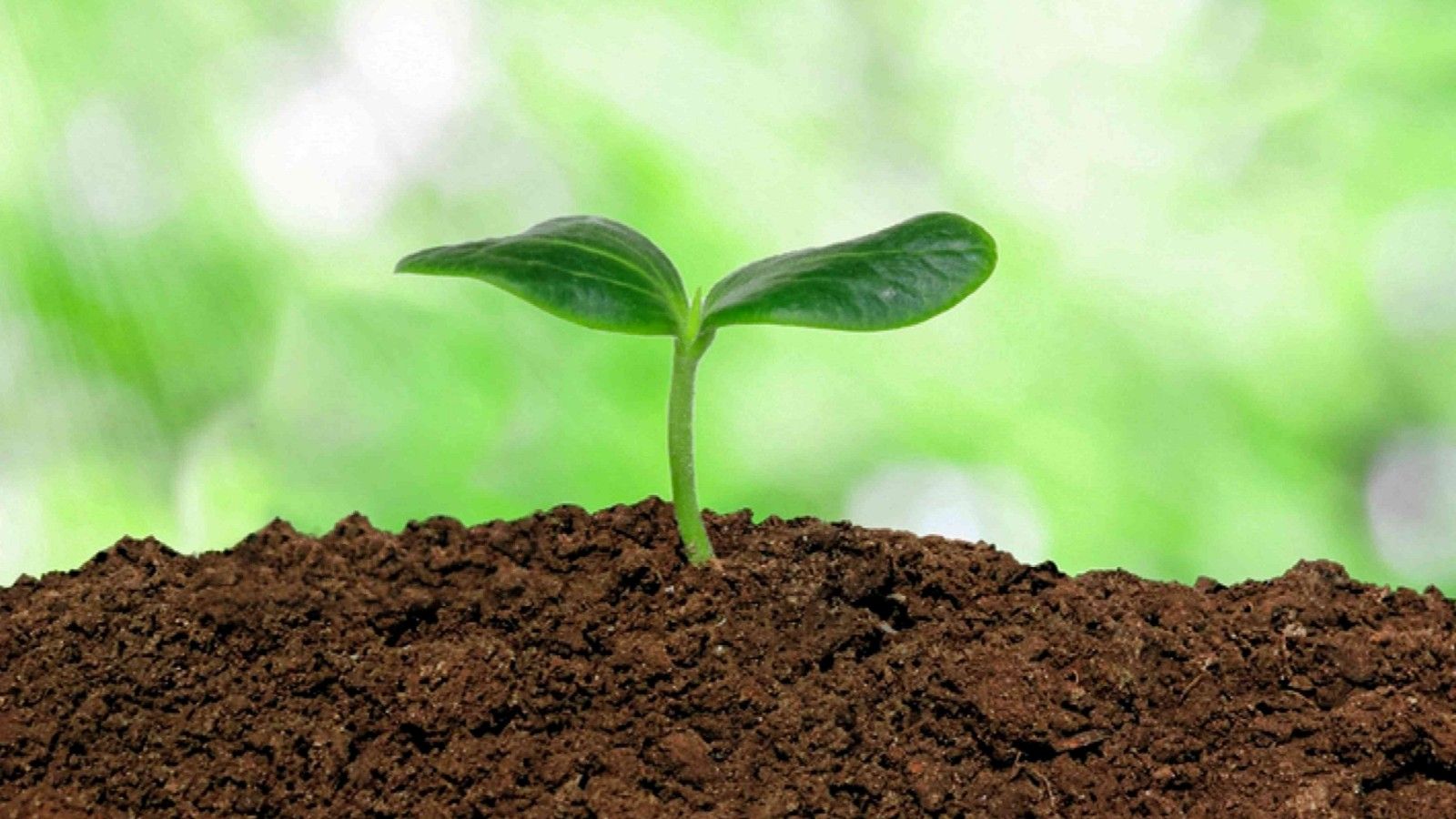
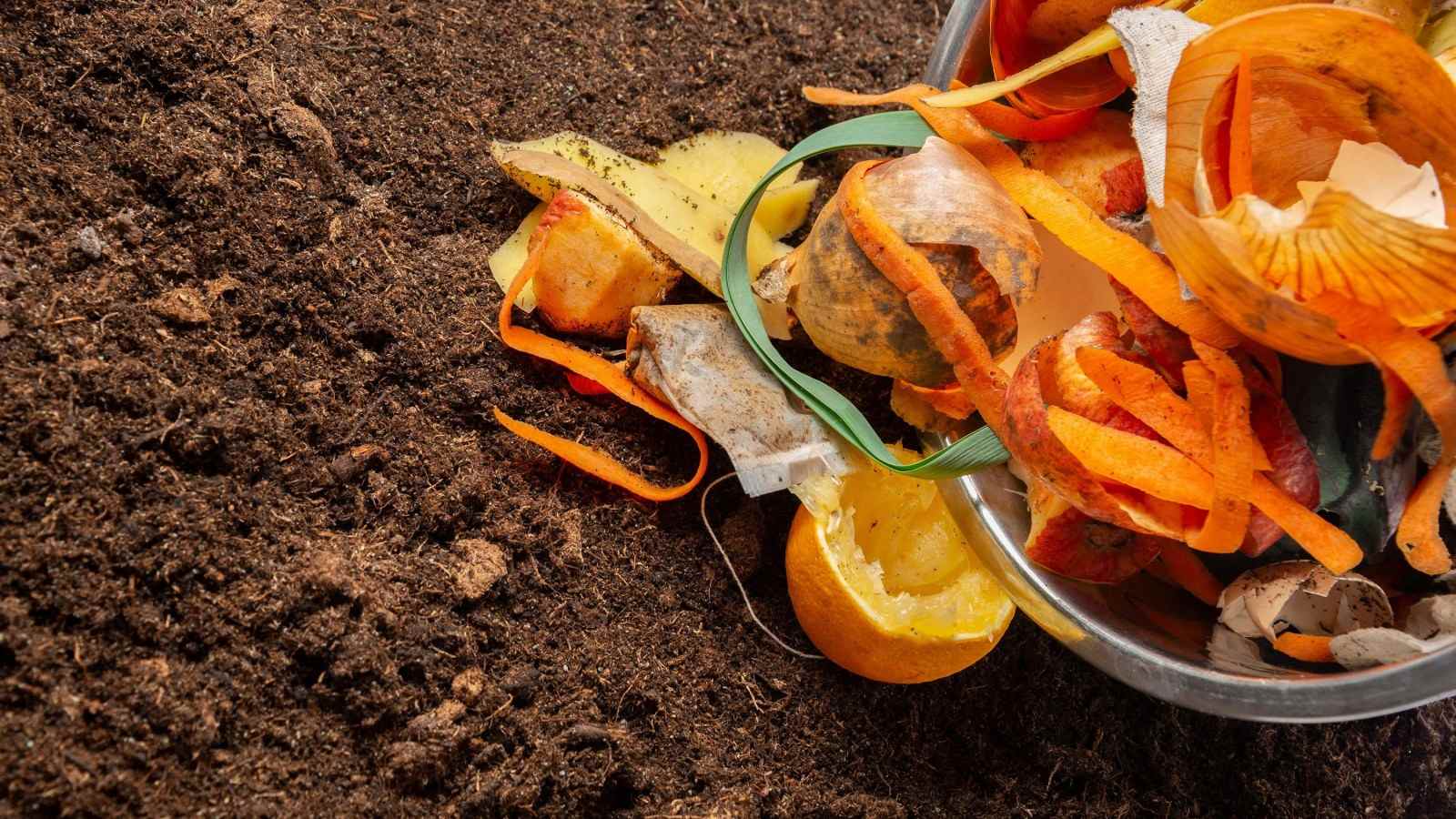
Compost is a fertilizer made from various organic wastes, such as kitchen waste (vegetable peels, leftovers), fallen leaves, weeds, straw, etc., through the decomposition of microorganisms. When making compost, first prepare a compost bin or mark an area in the corner of the garden. Cut the organic waste into small pieces for easy decomposition, and then stack them alternately in the order of a layer of carbon source (such as fallen leaves, straw) and a layer of nitrogen source (such as kitchen waste, animal feces), with each layer about 15-20 cm thick. During the composting process, maintain appropriate humidity and air permeability, and turn the compost regularly to promote microbial activity. Generally, after 2-3 months, when the compost becomes darker in color, loose in texture, and has no obvious odor, it means that the compost is fully decomposed. When using it, spread the compost evenly on the surface of the garden soil, and then plow it into the soil to a depth of about 20-30 cm, so that the compost and soil are fully mixed to provide long-term nutrients for plants.
Application of manure
Manure is a fertilizer made by mixing livestock feces and urine with bedding materials and feed residues and then acting on them by microorganisms. It contains rich nutrients such as organic matter, nitrogen, phosphorus, and potassium. Before using manure, it needs to be fully decomposed to prevent uncomposted manure from fermenting in the soil to generate heat and burn the plant roots. The decomposed manure can be applied to the soil as a base fertilizer before planting, with an application amount of about 5-10 kg per square meter, and plowed into the soil; it can also be used as a topdressing during the growth of plants, digging trenches around the plants, and then covering with soil and watering.
Planting and turning of green manure
Green manure refers to green plants that are directly buried or composted and then applied to the soil, such as astragalus, vetch, and sesbania. When planting green manure, you can choose the appropriate variety according to the local climate and soil conditions. Generally, it is sown in autumn or spring, and when the green manure grows to a certain stage, such as the early flowering stage, it is turned into the soil. The turning depth is about 15-20 cm, allowing the green manure to decompose in the soil and increase the organic matter and nutrient content of the soil. Green manure can not only improve soil fertility, but also improve soil structure and inhibit weed growth.
2. Utilization of cover crops
Cover crops refer to some plants planted in the garden to cover the soil surface. They have the function of protecting the soil and increasing soil fertility.
Choose the right cover crops
Common cover crops include clover, ryegrass, alfalfa, etc. Clover is a leguminous plant that can coexist with rhizobia, fix nitrogen in the air, and increase the nitrogen content in the soil; ryegrass grows rapidly and can quickly cover the soil surface to prevent soil erosion; alfalfa is rich in protein and minerals, and can provide rich nutrients to the soil after being pressed into the soil. When choosing cover crops, local climate conditions, soil types, and planting purposes should be considered. For example, in acidic soils, acid-resistant astragalus can be selected as a cover crop; in cold areas, cold-resistant ryegrass can be selected.
Planting and management of cover crops
Cover crops are generally planted in autumn or spring. Before sowing, the soil should be plowed and leveled, and an appropriate amount of base fertilizer should be applied. Sowing can be broadcast or drilled, and the soil should be kept moist after sowing to promote seed germination. During the growth period of cover crops, proper management should be carried out, such as timely weeding, watering, and fertilization. When the cover crops grow to a certain stage, such as the early flowering period or when they are about to set seeds, they should be cut down and covered on the soil surface, or turned into the soil. The residues of cover crops decompose in the soil, which can increase the organic matter content of the soil and improve the soil structure.
3. Add soil conditioners
Soil conditioners can improve the physical, chemical and biological properties of the soil and increase soil fertility. Common soil conditioners include lime, gypsum, humic acid, etc.
Application of lime
Lime is mainly used to adjust soil pH and is suitable for acidic soils. Applying lime in acidic soils can neutralize soil acidity, increase soil pH, improve soil structure, and increase the effectiveness of nutrients such as calcium and magnesium in the soil. The amount of lime applied depends on the acidity of the soil, generally 50-100 grams per square meter. When applying, spread the lime evenly on the soil surface, then plow it into the soil to a depth of about 20-30 cm to fully mix the lime with the soil. The application of lime should not be excessive, otherwise it will cause the soil to be too alkaline and affect plant growth.
Use of gypsum
Gypsum is mainly used to improve alkaline soil. When gypsum is applied to alkaline soil, it can combine with sodium ions in the soil to form soluble salts, which are washed out of the soil with water to reduce the alkalinity of the soil. At the same time, gypsum can also improve soil structure and increase soil permeability and water permeability. The amount of gypsum applied depends on the alkalinity of the soil, generally 100-200 grams per square meter. The application method is the same as lime, spreading gypsum evenly on the soil surface and then plowing it into the soil.
Addition of humic acid
Humic acid is an organic polymer compound that has the functions of improving soil structure, increasing soil water and fertilizer retention capacity, and promoting plant growth. Humic acid can be divided into natural humic acid and artificially synthesized humic acid. Humic acid can be added to garden soil in the form of base fertilizer or topdressing. When used as basal fertilizer, the application amount is about 50-100 grams per square meter, mixed with organic fertilizer and applied to the soil; when used as topdressing, humic acid can be made into an aqueous solution and sprayed on the leaves or irrigated with roots, with a concentration of 0.1%-0.5%.
4. Reasonable rotation and intercropping
Crop rotation and intercropping are effective ways to improve soil fertility and reduce the occurrence of pests and diseases.
Crop rotation
Crop rotation refers to the planting of different types of plants in a certain order on the same piece of land. Different plants have different requirements and absorption capacity for soil nutrients. Crop rotation can make full use of soil nutrients and reduce the imbalance of soil nutrients. For example, legumes can fix nitrogen in the air and increase the nitrogen content in the soil. Rotating with gramineous plants can improve soil fertility; rotating vegetable crops with grain crops can reduce the occurrence of pests and diseases. When rotating crops, pay attention to the type matching and planting order of plants, avoid planting the same plant continuously, and prevent the lack of certain nutrients in the soil and the accumulation of pests and diseases.
Intercropping
Intercropping refers to the planting of two or more plants on the same piece of land at the same time. Intercropping can make full use of land resources and light conditions and improve land utilization. For example, corn and soybeans are intercropped. Soybeans can fix nitrogen in the air and provide nitrogen for corn; corn provides shade conditions for soybeans, which is conducive to soybean growth. When intercropping, it is necessary to choose plant species that match each other reasonably, consider factors such as the growth habits, height, and demand for light and nutrients of the plants, and ensure that the intercropped plants promote each other and grow together.
5. Reasonable irrigation and drainage
Reasonable irrigation and drainage are essential to maintaining soil fertility.
Irrigation
Irrigation should be carried out according to the water requirements of the plants and the soil moisture conditions. Different plants have different water requirements at different growth stages. Generally, the water requirement is large during the vigorous growth period of the plants; the water requirement is small during the dormant period. Irrigation methods can be sprinkler irrigation, drip irrigation, flooding irrigation, etc. Sprinkler irrigation and drip irrigation can save water, improve water utilization, and avoid soil compaction; flooding irrigation is suitable for large gardens, but attention should be paid to controlling the amount of water to avoid water accumulation. During irrigation, avoid using water with too high a salt content to avoid soil salinization.
Drainage
A good drainage system can remove excess water from the soil in time to prevent water accumulation in the soil from causing root hypoxia and rot. When building a garden, it is necessary to plan the drainage system reasonably and set up drainage ditches or drainage pipes. For low-lying areas prone to waterlogging, the planting bed can be raised to increase soil drainage capacity. At the same time, drains and pipes should be cleaned regularly to ensure smooth drainage.
Making the garden soil more fertile requires a combination of multiple methods and long-term persistence. By adding organic fertilizers, using cover crops, adding soil conditioners, reasonable crop rotation and intercropping, and reasonable irrigation and drainage, not only can the soil fertility be improved, but also a good growth environment can be created for plants, allowing your garden to bloom with more brilliant colors.
Advertisement
Learn More
-

- October 20,2026
- Lily Disease Guide: Whats Killing Your Lilium longiflorum and How to Stop It
-
- September 17,2026
- Wax-Leaf Privet Diseases: Identification, Treatment & Prevention Guide
-
- September 1,2026
- Vinca Minor Diseases: Identification, Treatment and Long‑Term Garden Management
-
- August 18,2026
- Tree Philodendron Diseases: Identification, Treatment and Long‑Term Prevention
-
- August 6,2026
- Common Ailments of Plantago major: Identifying, Treating and Preventing Diseases in Broadleaf Plantain
-
- July 30,2026
- Zodiac-themed Bouquets Combined with Floral Language: Different Color Schemes Create More Artistic Birthday Surprises

Advertisement
 Poisonous and danger
 Edible and medicinal
 Wild and common weed