
A complete guide to plant ion: From flower shops to online shopping, there are many things to pay attention to
Advertisement
In the fast-paced modern life, more and more people choose to keep one or two pots of plants at home, which can not only beautify the home environment, but also bring psychological relaxation, air purification and other benefits. However, for you who are buying plants for the first time, there are too many choices from physical flower shops to major e-commerce platforms. How should you choose? How can you buy without stepping on thunder? This complete guide to plant selection will analyze them for you one by one, helping you transform from a "disabled player" to a "green plant expert"!
Before buying plants, ask yourself three questions
Before buying plants, first understand the conditions in all aspects of your home, then consider your personal maintenance experience, choose the right plant type, and make a reasonable budget to avoid blindly pursuing rare varieties. Therefore, before you walk into the flower shop or open the shopping app with great interest, take 1 minute to ask yourself these three things:
1. How is the lighting in your home?
The lifeline of plants is sunlight. You need to figure out the direction of your windows (east, south, west, north) and how many hours of sunlight there are every day. For example, succulents like strong light and are suitable for south windows, while ferns and Epipremnum aureum are more suitable for low-light environments, such as north windows or study corners.
2. How much time do you have to take care of plants?
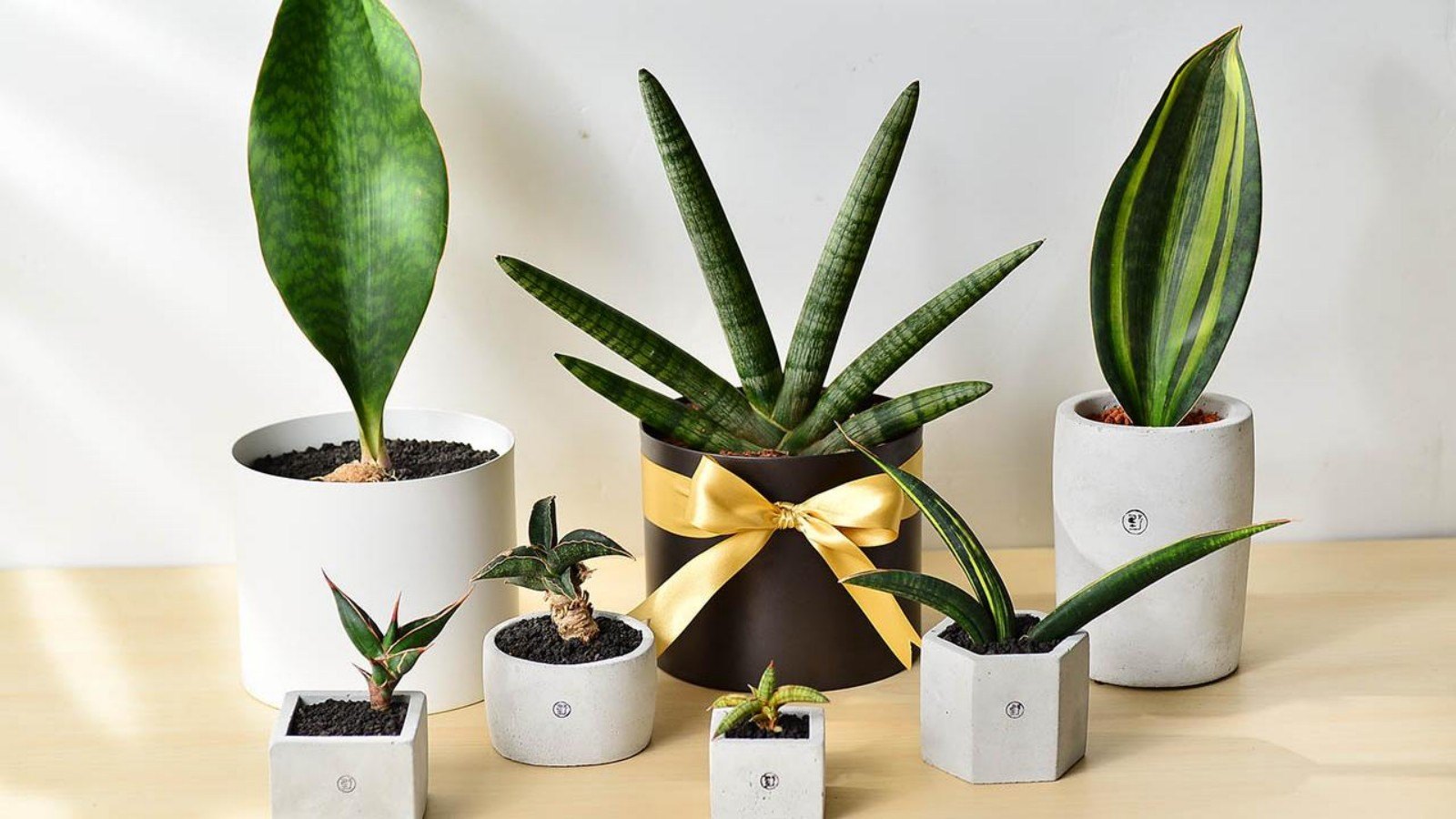
If you often travel or are a "forgetful waterer", you should choose easy-to-grow plants, such as Sansevieria trifasciata, Epipremnum aureum or Monstera deliciosa. These plants do not require much water and light, which is very suitable for beginners.
3. Do you have pets?
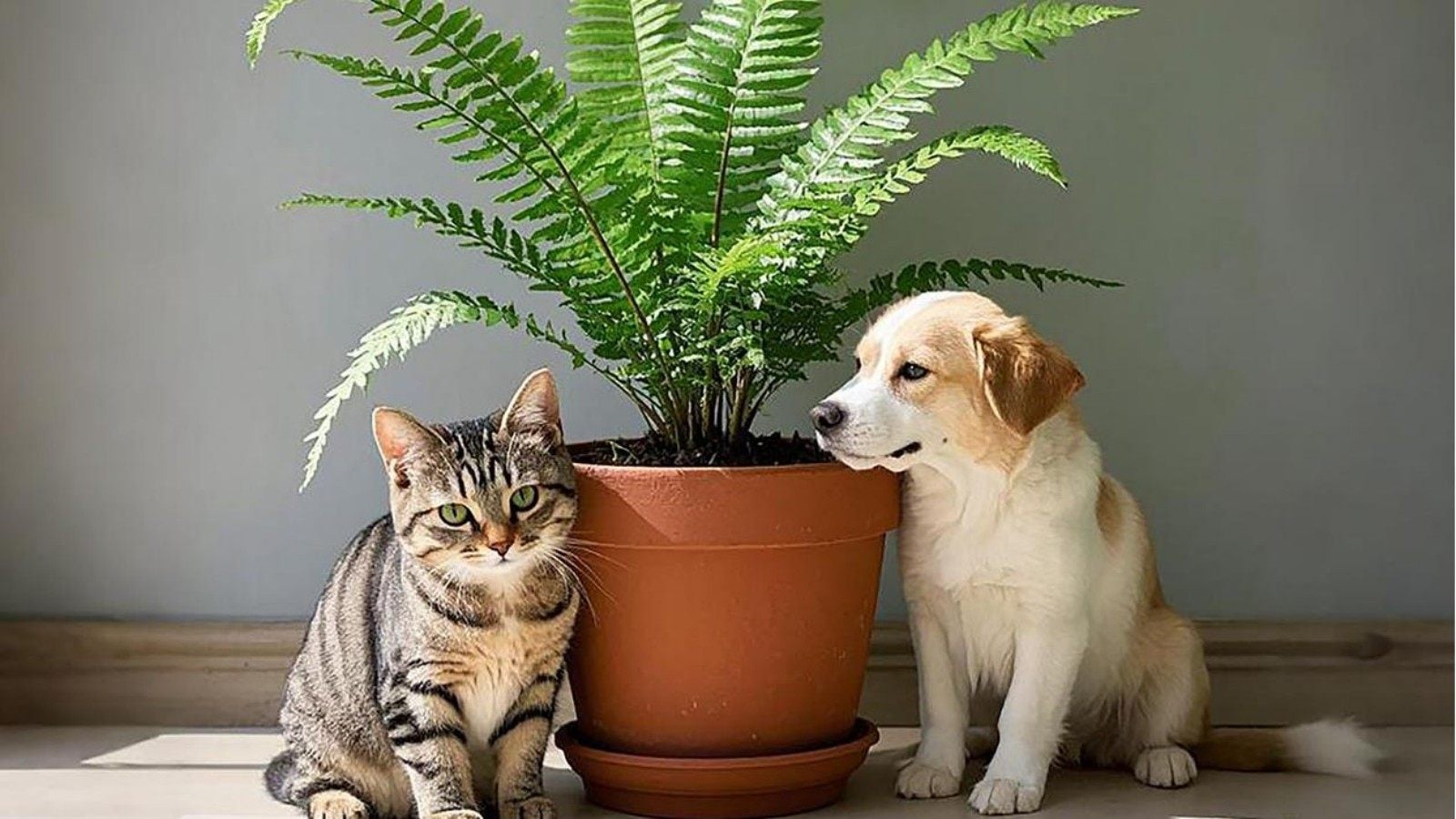
Some plants are toxic to cats and dogs, such as the weeping angel, the tiger thorn plum, and the Chlorophytum comosum. If you have furry children at home, you must give priority to pet-friendly plants, such as African violets, Hedera helix or palms.
Physical flower shop vs. online shopping: pros and cons comparison
Nowadays, there are many ways to buy flowers. You can choose in person at a physical flower shop or gardening center and observe the state of the plants up close, or you can place an order through an e-commerce website or social platform and enjoy convenient delivery services. Offline purchases can get professional advice immediately to ensure the health of the plants; while online purchases have rich choices and transparent prices, which are suitable for busy or home-based people. Different methods have their own advantages and disadvantages, and you should weigh them according to your own needs when choosing. Let's compare the two main purchase methods.
Physical flower shop / online purchase
Advantages of physical flower shops:
You can observe the state of the plants up close: whether they are healthy, whether there are pests, and whether the leaves are upright.
Guided by professionals: You can recommend suitable plants according to your living environment.
Take them home on the spot without worrying about transportation risks.
Disadvantages of physical flower shops:
Limited varieties, especially rare or special varieties may not be available.
In some areas, flower shops are more expensive and the cost performance may not be high.
Suitable for:
Beginners, those who need professional advice, or those who have high requirements for the appearance of plants.
Online purchase
Advantages of online purchase:
Rich categories, especially suitable for finding rare plants, tropical plants or new varieties.
Transparent prices, many choices, comparable prices.
Delivery to your door, very convenient.
Disadvantages of online purchase:
Unable to check the quality of plants on site, there is a possibility of receiving plants that are yellow and have insects.
Easily damaged during transportation, especially in extremely cold or hot seasons.
After-sales service varies greatly, depending on the integrity of the merchant.
Suitable for people:
Those who have certain experience, those who have specific plant needs, and those who live in remote areas.
Practical tips for online shopping of plants
If you decide to order plants online, the following tips can greatly reduce the chance of "stepping on thunder":
1. Choose a platform and seller with high credibility
Try to choose a platform with a user evaluation system, such as Etsy, Amazon, The Sill, Bloomscape or a local gardening e-commerce website. Check the comments for keywords such as "arrival picture", "packaging method", "whether there are diseases and insects"
2. Pay attention to the transportation method and weather
Many plants will go through a 2-5 day express delivery process during transportation. Make sure the seller uses professional packaging (such as carton + foam + anti-pressure structure). If you live in an area with cold winter climate, it is best to choose the "heating bag" service to prevent the plants from freezing.
3. Give priority to buying "bare root plants" or "small potted plants"
Compared with large potted plants, small pots or bare root plants are safer to transport and suitable for long-distance transportation. It is easier to survive if you repot them after arriving home.
4. Communicate with the seller
Don't be shy, take the initiative to communicate with the seller about your environmental needs, whether you are a novice, transportation details, etc. Experienced sellers will give appropriate suggestions and even choose plants with stronger adaptability according to your environment.
The first week after purchase is the "golden period" for plant survival
Whether you pick up the goods at a flower shop or receive them online, the first week after the plant arrives at home is particularly important:
Don't change the pot immediately
When the plant first arrives in a new environment, the most important thing is "adaptation". Please wait 7-10 days before repotting to avoid root damage that may cause yellowing leaves or death.
Do not expose to the sun immediately
Even light-loving plants should gradually adapt to the new environment. First place in a bright place without direct sunlight, and then slowly move to a sunny place.
Observe whether there are insect pests or diseased leaves
Check the front and back of the leaves and the soil surface for white spots, eggs, mucus and other signs as soon as possible. If there are any problems, isolate and deal with them in time.
Recommend several "beginner-friendly" plants (suitable for online/offline purchase)
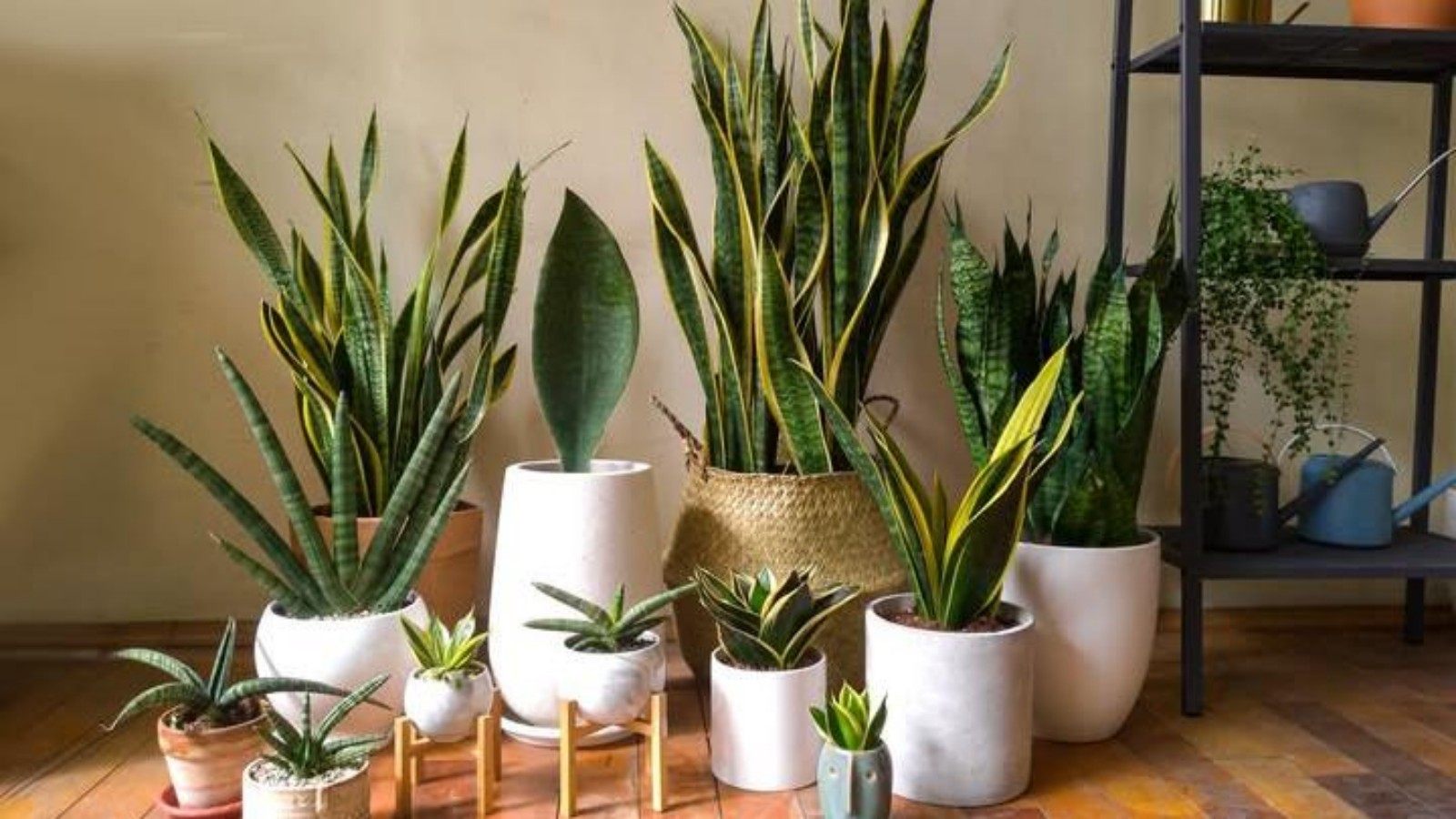
Sansevieria trifasciata: Ideal for novice maintenance. It is highly adaptable to the environment. Whether it is a corner with insufficient light or the occasional moment of forgetting to water, it can grow tenaciously and show a nearly "immortal" characteristic. Its unique leaves are upright and upward, which is not only easy to care for, but also adds a touch of greenery and vitality to the indoor space.
Epipremnum aureum: With its strong vitality and adaptability, it has become the first choice for indoor green plants. It is easy to maintain, has low requirements for light and water, and grows at an amazing speed. It can spread lush greenery in a short time, bringing freshness and vitality to the room.
Aloe Vera: As an easy-to-maintain succulent plant, it is loved for its unique healing effects and ornamental value. Compared with other plants, its maintenance is relatively worry-free, but sufficient light is the key factor for its healthy growth, which can make its leaves full and green.
Rubber tree (Ficus elastica): It is known for its broad and shiny leaves and is very ornamental. It is relatively simple to maintain and has a certain shade tolerance. It can thrive even in a slightly weak light environment, adding a tropical style to the interior.
Chlorophytum comosum: Chlorophytum comosum is an ideal choice for interior decoration with its elegant plant shape and excellent air purification ability. It is easy to maintain, and it looks more lively when hung, while silently contributing fresh air to your home environment.
How to judge whether the plant is healthy? The "look, smell, ask, and feel" rule when purchasing
When choosing plants, you should not only look at whether the variety is your favorite, but also keep your eyes open and observe carefully. The four steps to judge the health of plants can refer to "look, smell, ask, and feel":
Look: Check whether the leaves are full, shiny, without yellow spots, and without wilting; check whether the branches are upright and whether the pot soil is dry and wet.
Smell: smell it closely to see if there is a musty or corrupt smell. If there is, it means that the roots may have rotted.
Ask: Ask the seller about the plant maintenance cycle, whether it has been sprayed with pesticides, whether it has been repotted recently, and other information to understand the recent status of the plant.
Cut (which can be understood as touching): Gently touch the leaves and stems. Healthy plants feel elastic and not easy to break. The soil should not be too wet or waterlogged.
Mastering this set of "look, smell, ask, and feel" skills can greatly increase your chances of picking healthy plants and avoid the heartbreaking experience of "yellow leaves two days after buying them home".
Plant matching suggestions: not only green, but also beautiful!
A single pot of plants is certainly pleasing to the eye, but if you know how to arrange plants, your home will instantly have a "green aesthetic". Several common matching ideas are recommended as follows:
Staggered height: Place tall rubber trees or fiddle-leaf figs on the ground and combine them with plants of different levels (such as spider plants and green radish) to create a three-dimensional sense of layering.
Color contrast: Choose varieties with different leaf colors, such as green tiger tail orchids with variegated aloe and purple purple-backed arrowroot, to make the space more visually impactful.
Unified vessels: Even if there are many types of plants, choosing flower pots with the same style (such as white pottery, weaving, and metal) can also enhance the overall sense of coordination.
A group of well-matched plants is not only pleasing to the eyes and heart, but also can enhance the taste and temperament of the overall space, creating a "plant corner" that belongs to your personal style.
"Green Plant Survival Kit" for Beginners: 3 Practical Tools Recommended
Raising plants well depends not only on diligence and experience, but also on the right tools to get twice the result with half the effort. The following is a "green plant survival kit" tailored for plant novices:
Watering can: used to adjust the humidity of the leaves, especially suitable for ferns and plants with high air humidity requirements; it can also be used to lightly spray water on the soil to control humidity.
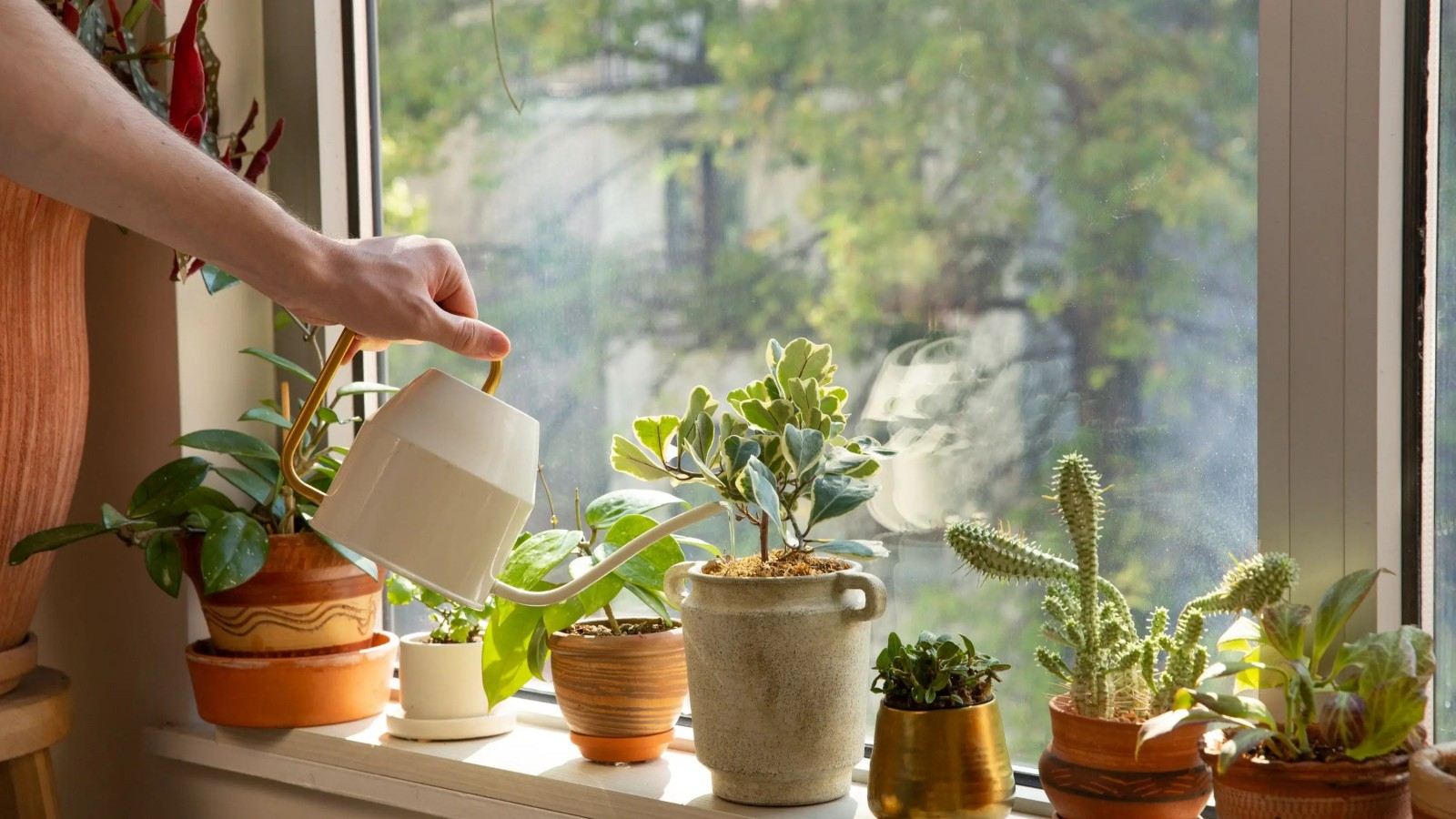
Watering can (long-mouthed pot): The slender mouth design helps to accurately control the amount of water, and will not water the ground all over the ground. It is especially friendly to hanging pots and dense plants.
Three-piece set of small gardening tools: including shovels, rakes, and transplanters, which are convenient for you to loosen the soil, change pots, fertilize and other basic operations, and avoid "hard breaking" with bare hands and causing root injuries.
After preparing these basic tools, your cultivation journey will be smoother, and you will be able to experience the "joy of planting" from it.
Start living a green life in earnest now
Choosing the right plants, like choosing the right pets and furniture, can accompany you for a long time and even become a "little happiness" in your life. Whether you like the feeling of choosing in person or prefer the convenience of ordering with just a click of a finger, this plant selection guide can help you avoid common misunderstandings and pick your favorite green plants. The next time you walk into a flower shop or open an online shopping page, I believe you are no longer a novice who makes blind choices, but a plant player with a keen eye!
If you are considering your first pot of plants, start now - a pot of plants may be the first step to start your "green life".
Advertisement
Learn More
-

- October 20,2026
- Lily Disease Guide: Whats Killing Your Lilium longiflorum and How to Stop It
-
- September 17,2026
- Wax-Leaf Privet Diseases: Identification, Treatment & Prevention Guide
-
- September 1,2026
- Vinca Minor Diseases: Identification, Treatment and Long‑Term Garden Management
-
- August 18,2026
- Tree Philodendron Diseases: Identification, Treatment and Long‑Term Prevention
-
- August 6,2026
- Common Ailments of Plantago major: Identifying, Treating and Preventing Diseases in Broadleaf Plantain
-
- July 30,2026
- Zodiac-themed Bouquets Combined with Floral Language: Different Color Schemes Create More Artistic Birthday Surprises
Advertisement

 Poisonous and danger
 Edible and medicinal
 Wild and common weed