
A Guide to Choosing Hyonic Plants: Creating a Beautiful Miniature Aquatic Landscape
Advertisement
In modern home life, green plants not only purify the air but also add vitality and comfort to the home. Hydroponic plants—plants that grow without soil, requiring only water and nutrient solution—are gradually becoming a popular choice for urban homes and offices. Hydroponics not only reduces the hassle of traditional gardening but also creates unique visual displays, filling indoor spaces with a natural ambiance. So, with so many hydroponic plants to choose from, how can you select the right varieties for your needs and create a small, beautiful, and easy-to-maintain display?
Why Choose Hydroponic Plants?
The biggest advantages of hydroponic plants are their cleanliness, ease of care, and flexibility in arrangement. Unlike traditional potted plants, hydroponic plants have no soil, eliminating the hassles of dust and pests. For busy urban dwellers, hydroponics reduces the frequency of watering; all that’s needed is to change the water and replenish the nutrient solution periodically. Additionally, hydroponic plants showcase the aesthetic appeal of transparent water and exposed root systems, adding a modern touch and a natural vibe to your home environment. Whether in the living room, study, or on your desk, a small, elegant hydroponic display can lift your spirits and relieve stress.
How to Choose the Right Hydroponic Plants?
When selecting hydroponic plants, you should consider a combination of the plant’s growth habits, light requirements, ornamental value, and your personal ability to care for them. The following types of plants are typically the top choices for beginners and enthusiasts:
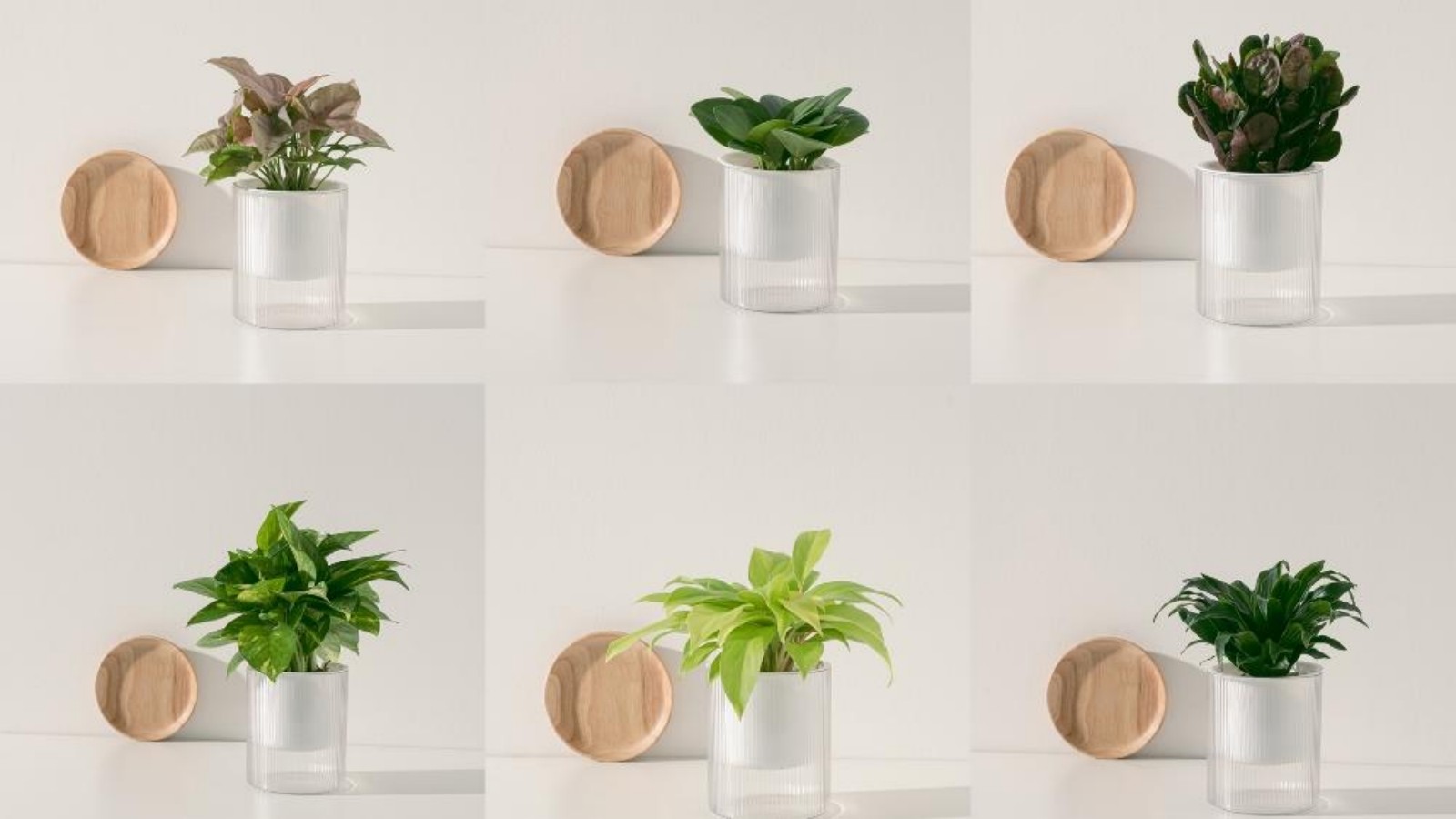
Epipremnum aureum
Epipremnum aureum is one of the most popular varieties for hydroponics. It is highly adaptable and resilient, thriving even in low-light conditions. The plant’s roots appear translucent in water, making it ideal for creating visually striking hydroponic displays. Additionally, golden Epipremnum aureum effectively absorbs harmful substances like formaldehyde and benzene from the air, making it an excellent choice for indoor air purification.
Dracaena sanderiana
Dracaena sanderiana symbolizes good luck and prosperity. It grows rapidly in hydroponic environments and is easy to shape into beautiful forms. Simply keep the water clean and add nutrient solution regularly, and Dracaena sanderiana will grow lush and vibrant. It’s perfect for placing on an office desk or in the entryway of your home, offering a simple yet elegant aesthetic.
Chlorophytum comosum
Chlorophytum comosum not only improve indoor air quality through air purification, but their uniquely cascading foliage also makes them ideal for creating small hydroponic displays. Placing spider plants in a clear glass vase, allowing the roots to interact naturally with the water, creates a light and airy visual effect.
Syngonium podophyllum
Syngonium podophyllum features rich, varied foliage that is highly ornamental. Under hydroponic conditions, it develops a robust root system and can quickly create a layered, visually striking display. It is an excellent choice for those seeking a diverse visual experience.
Narcissus spp.
Narcissus spp are bulbous plants that are well-suited for hydroponics, as they can naturally take root and sprout in water. When in bloom, they add a vibrant touch to any indoor space. Especially in winter, their bright flowers bring warmth and vitality to the home.
Light and Environment: Key to the Growth of Hydroponic Plants
Asparagus setaceus
With its graceful lines and delicate foliage, the asparagus fern makes a lovely accent when placed in a clear vase for hydroponic display. It has low light requirements but thrives in humid conditions; maintaining proper water quality and water levels helps preserve its elegant form.
The healthy growth of hydroponic plants depends on suitable light and environmental conditions. Different plants have varying light requirements. Shade-tolerant plants like pothos and spider plants thrive in indirect light, while sun-loving plants such as daffodils require ample natural sunlight or artificial lighting.
Additionally, room temperature and humidity affect plant growth. Most hydroponic plants thrive at temperatures between 18–25°C; temperatures that are too cold or too hot can cause stunted growth or yellowing leaves. If humidity is too low, you can mist the area around the hydroponic container to increase air humidity, helping the plants absorb moisture more effectively.
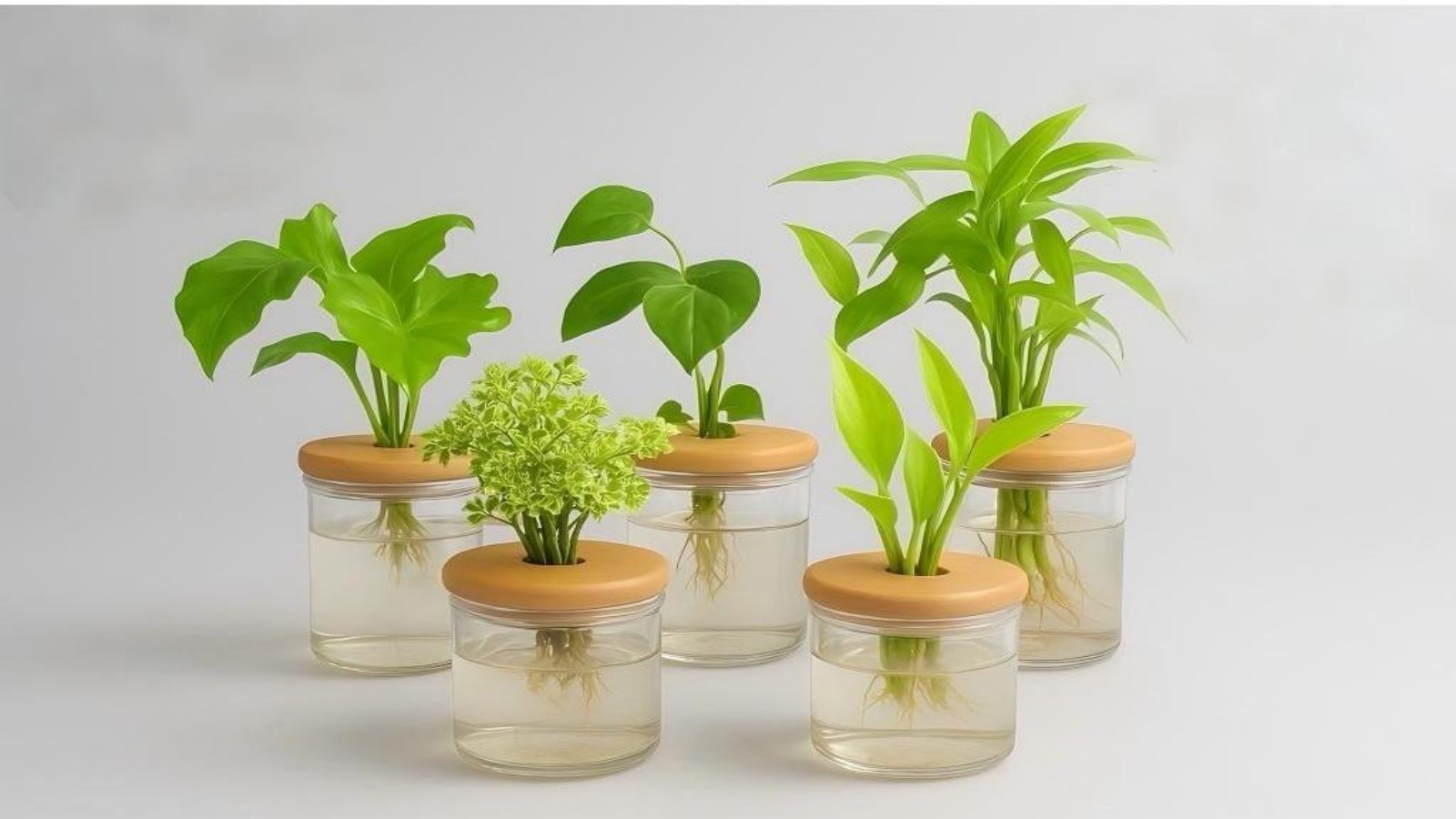
Water Quality Management: The “Lifeline” of Hydroponic Plants
Water quality management is crucial to the success of hydroponic plants. Since hydroponic plants rely on nutrients in the water for growth, poor water quality can lead to root rot. Here are some key points for water quality management:
Water Quality Management: The “Lifeline” of Hydroponic Plants
Water quality management is crucial to the success of hydroponic plants. Since hydroponic plants rely on nutrients in the water for growth, poor water quality can lead to root rot. Here are some key points for water quality management:
Change the Water Regularly
It is generally recommended to change the water every 7 to 10 days to ensure water quality remains clean. When changing the water, use clean tap water or filtered water, and avoid using water with excessively high hardness or high chlorine content.
Adding Nutrient Solution
Hydroponic plants require additional trace elements and nutrients. You can choose commercially available nutrient solutions specifically designed for hydroponics, dilute them according to the instructions, and add them regularly to prevent nutrient deficiencies that can cause leaf yellowing or slow growth.
Keep the Container Clean
Hydroponic containers are prone to algae and dirt buildup. Regularly cleaning glass bottles or vases helps maintain water clarity and reduces the risk of root diseases.
Container Selection and Layout Design
Hydroponic containers serve not only as a “home” for plant growth but also as part of home decor. Transparent glass bottles, ceramic vases, bamboo tubes, and even creative jars can all be used as hydroponic containers. When selecting a container, consider the following aspects:
Transparency
Transparent containers showcase the beauty of the roots and water, enhancing their visual appeal. They also make it easier to monitor water quality and root health.
Shape and Size
The container size should match the plant’s root system—neither too small to restrict growth nor too large to waste space. Creatively shaped containers can add interest and artistic flair to your home.
Arrangement and Layout
Combining plants of different heights, colors, and forms creates a richly layered miniature landscape. For example, pairing tall lucky bamboo with low-growing pothos creates a visually appealing arrangement with a sense of spatial depth.
Creating Creative Hydroponic Mini-Landscapes
Beyond single plants, hydroponic displays can incorporate various elements to create a unique atmosphere. For example:
Stones and Gravel: Placing colored gravel or small stones at the bottom of the container not only anchors the plants but also adds visual depth.
Floating Plants: Plants like water hyacinth and water lilies float on the water’s surface, adding movement and interest.
Lighting: At night, warm-toned lighting can create a soft, soothing ambiance.
Miniature Decorations: Small wooden bridges and mini-sculptures can make the aquascape resemble a miniature bonsai, enhancing its charm.
With thoughtful and creative arrangement, even a small space can be transformed into a natural, serene indoor water feature.
Common Issues with Aquatic Plants and Solutions
Although aquatic plants are easy to care for, you may encounter some problems:
Root Rot: Usually caused by unclean water or a container that is too deep. This can be alleviated by changing the water promptly, trimming rotten roots, and using a clean container.
Yellowing Leaves: This may be due to insufficient light or nutrient deficiency. Adjusting the lighting position and adding an appropriate amount of nutrient solution can improve this.
Algae Growth: Excessive light or unclean water can easily lead to algae growth. Controlling this can be achieved by providing appropriate shading or regularly cleaning the container.
Slow Growth: This is often due to low temperatures or insufficient nutrients. Maintaining a suitable temperature and adding nutrient solution appropriately will help the plants regain their vitality.
By paying attention to these details, even beginners can easily care for hydroponic plants and keep them looking beautiful and healthy.
Create Your Own Hydroponic Haven
Hydroponic plants are not just green decorations; they embody a modern lifestyle. From plant selection, light management, and water quality control to container pairing and creative design, every step allows you to craft a unique miniature landscape. Whether adding greenery to your home or bringing vitality to your office, hydroponic plants infuse your life with freshness and beauty. Choose plants that suit your needs, pay attention to water quality and care, and get creative with your arrangements—your hydroponic corner will become the most eye-catching natural spot in your home.
Through hydroponics, you can not only enjoy the joy of watching plants grow but also experience the tranquility and beauty of nature in your daily life. Get started now by selecting your first hydroponic plant and creating your very own little aquatic world!
Advertisement
Learn More
-

- July 16,2026
- Common Diseases & Pest-Related Disorders of Nepeta cataria: Full Identification, Organic Treatment and Long-Term Prevention Guide
-
- July 7,2026
- Potted Plants or Cut Flowers for Holidays? A Comparison of Aromatic Plant Gift Options
-
- July 2,2026
- Detailed Planting Steps for Quercus palustris in a Home Garden!
-
- June 24,2026
- Conveying Sentiments Through Floral Fragrance: The Cultural Significance of Gifting Flowers on International Holidays
-
- June 15,2026
- Why are the leaves of Prunus laurocerasus attacked by caterpillars?
-
- June 9,2026
- Fresh Flowers Bring Vitality, Dried Flowers Offer Delight: A Guide to Choosing High-Quality, Fragrant Plants for Long-Term Enjoyment

Advertisement
 Poisonous and danger
 Edible and medicinal
 Wild and common weed