
Attention, people with allergies! Avoid choosing these "high-risk" plants
Advertisement
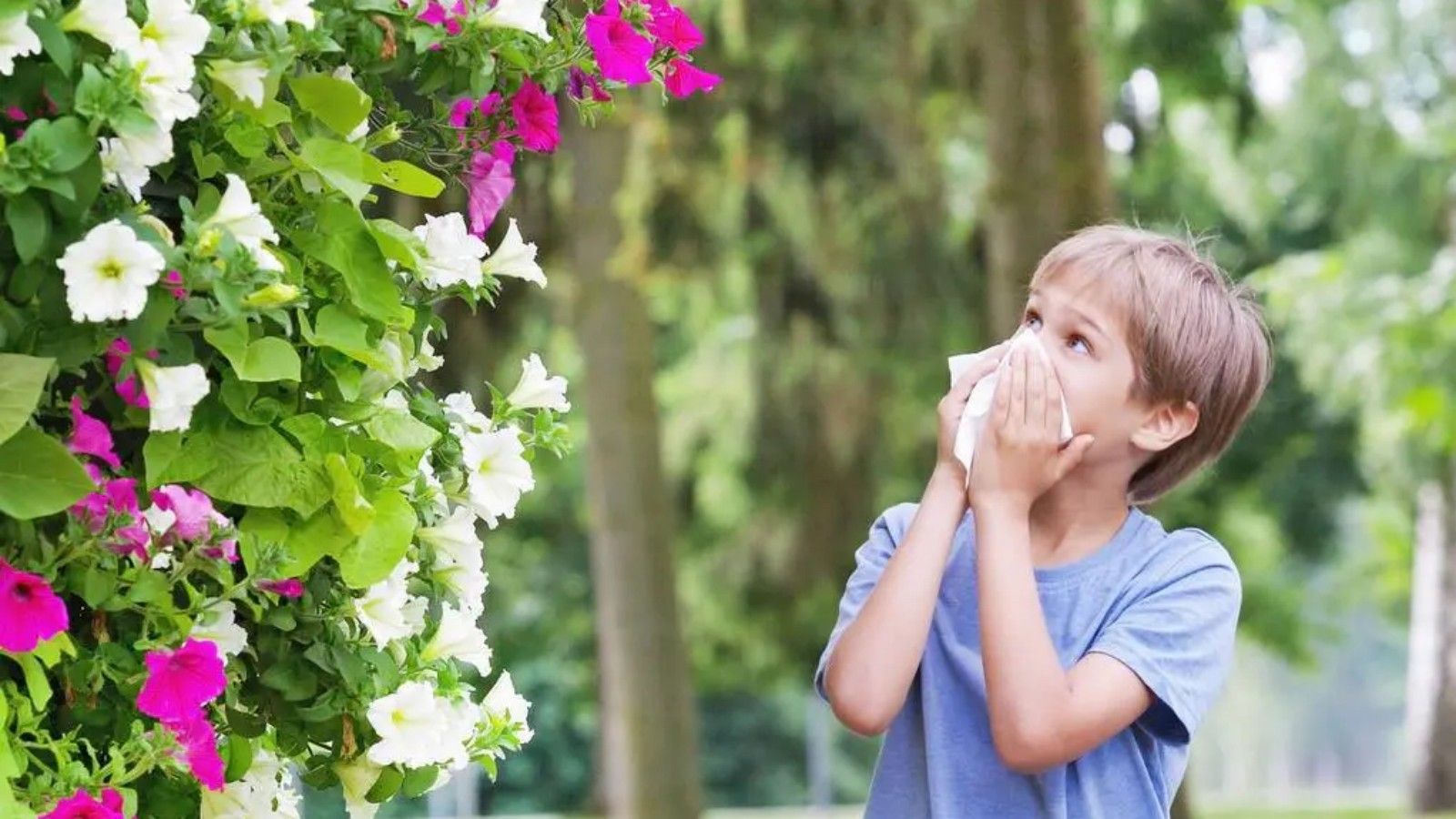
For people with allergies, indoor flower cultivation is not just about "beautifying the environment", it may also directly affect your health. A beautiful plant may quietly release allergens, causing you to have a stuffy nose, sneeze, itchy eyes, or even skin rashes. Especially during the spring and summer seasons, pollen and volatile substances in the air increase. If you choose the wrong plants, it is equivalent to placing an "allergy bomb" at home!
Today's article will reveal to you those "high-risk" plants that are extremely unfriendly to allergies, and provide safe alternative suggestions to help you create a green space that is both fresh and safe.
Avoid these plants if you have allergies!
1. Hedera helix
Although Hedera helix is tenacious and green, the volatile substances and fine hairs it releases can easily cause respiratory allergies, especially for people who are sensitive to pollen and dust mites. Some studies have also pointed out that the juice of Hedera helix contains saponins, which may cause contact dermatitis when in contact with the skin.
Allergic reactions: sneezing, itchy throat, skin rash
2. Eucalyptus
Although the essential oil components released by the eucalyptus tree have a refreshing effect on ordinary people, they are irritants for sensitive people. The volatiles of essential oils can irritate the nasal mucosa and cause asthma or headaches.
Allergic reactions: shortness of breath, chest tightness, dizziness
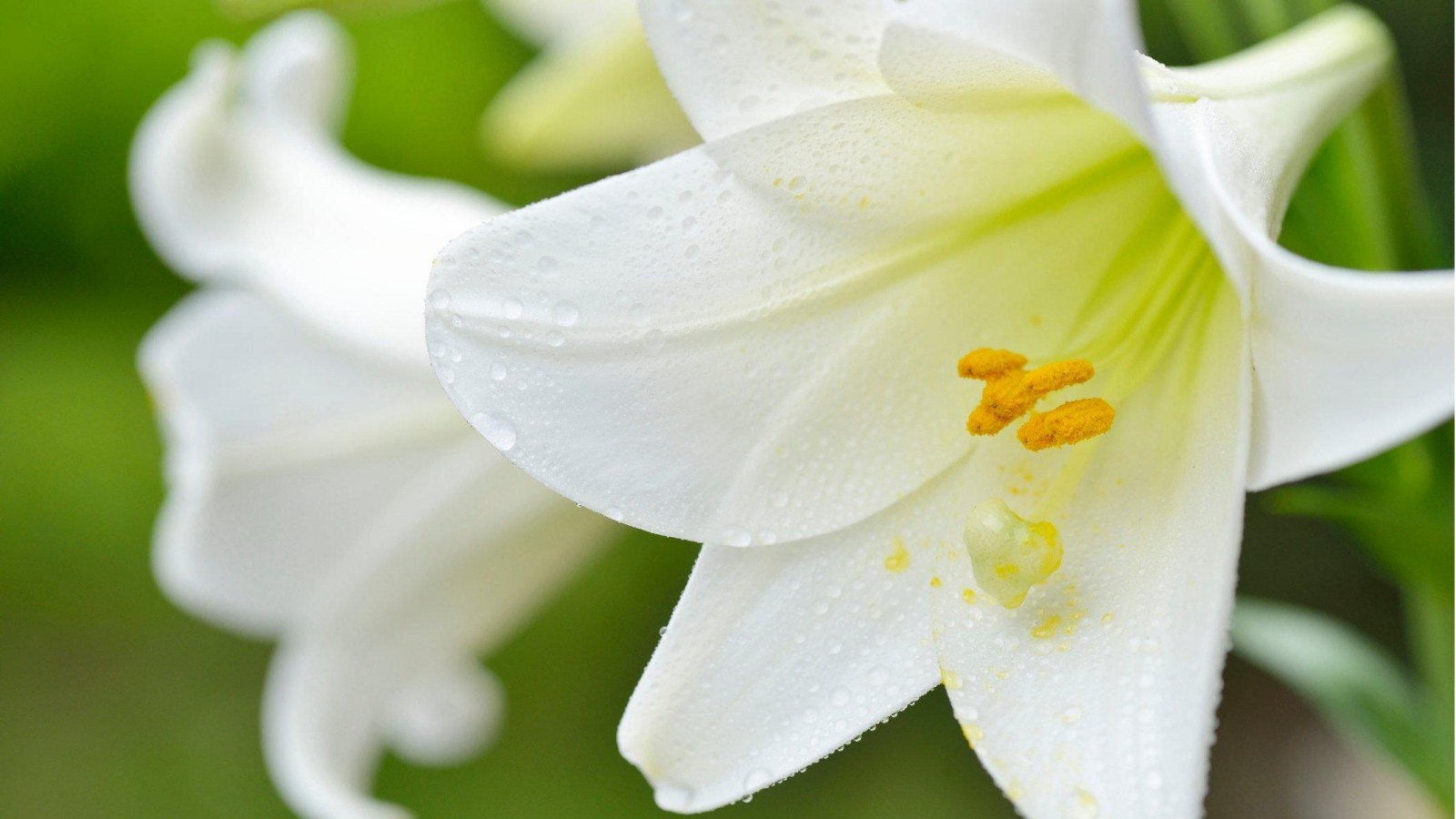
3. Lily
The strong fragrance and pollen of lily make it a "beautiful trap". Pollen is very easy to spread and irritates the nasal mucosa after inhalation. People who are allergic to pollen should stay away from it as much as possible. Even if you don't touch it directly, the floating particles in the air can become a trigger.
Allergic reactions: itchy nose, red and swollen eyes, constant sneezing
4. Ficus elastica
The leaves of the rubber tree are large and look healthy and fresh, but its milky white juice contains latex, which is the "culprit" of many allergic reactions. Once the skin is broken or volatilized into the air, it may cause an allergic reaction.
Allergic reactions: skin rash, respiratory allergies, tight throat
5. Nerium oleander
Not only is the whole plant of oleander poisonous, but its fragrance is also extremely unfriendly to sensitive constitutions. The volatile compounds and juice released by the plant may irritate the skin and respiratory system.
Allergic reactions: dizziness, nausea, eye stinging, itchy skin
Second, safe and beautiful, these plants are the best choice for "hypoallergenic"!
Don't worry, not being able to grow flowers does not mean you can't enjoy a green life. The following plants are not only pleasing to the eye, but also friendly to allergies, and are safer choices.
1. Pothos: The first choice for low-pollen air purification at home
Pothos (Epipremnum aureum) is a common indoor foliage plant with bright green leaves. It is not only beautiful, but also has excellent air purification capabilities. It can absorb harmful gases such as formaldehyde and benzene, and does not release obvious odors and produces almost no pollen, which is suitable for people who are sensitive to pollen. It is also very simple to maintain. It is shade-tolerant and drought-tolerant. You only need to keep the pot soil slightly moist. It is a safe choice for novices and people with allergies.
2. Asparagus: Elegant and fresh and rarely allergenic
Asparagus (Asparagus setaceus) has delicate and soft branches and leaves, giving people a fresh and elegant feeling. Although it is called "bamboo", it actually belongs to the fern family. Its pollen release is extremely low and basically does not cause respiratory or skin allergies. Just be careful not to accumulate water for a long time to avoid root rot and mold growth. In addition, it does not require high light, and is suitable for quiet spaces such as study rooms and living rooms. It is a green plant choice that combines beauty and safety.
3. Succulents: Small and exquisite "zero-allergy" green pets
Succulents such as jade dew and Echeveria elegans are small green plants with great ornamental value. They produce almost no pollen, have no strong smell, and will not irritate the respiratory tract or skin. They are truly "zero-allergy" plants. Succulents are also easy to maintain and are suitable for people with a fast pace of life and busy work. They only need to be watered occasionally and kept in sufficient sunlight. As decorations on desks and windowsills, they are low-risk and high-value choices.
4. Aloe vera: Healthy green plants that are both beautiful and practical
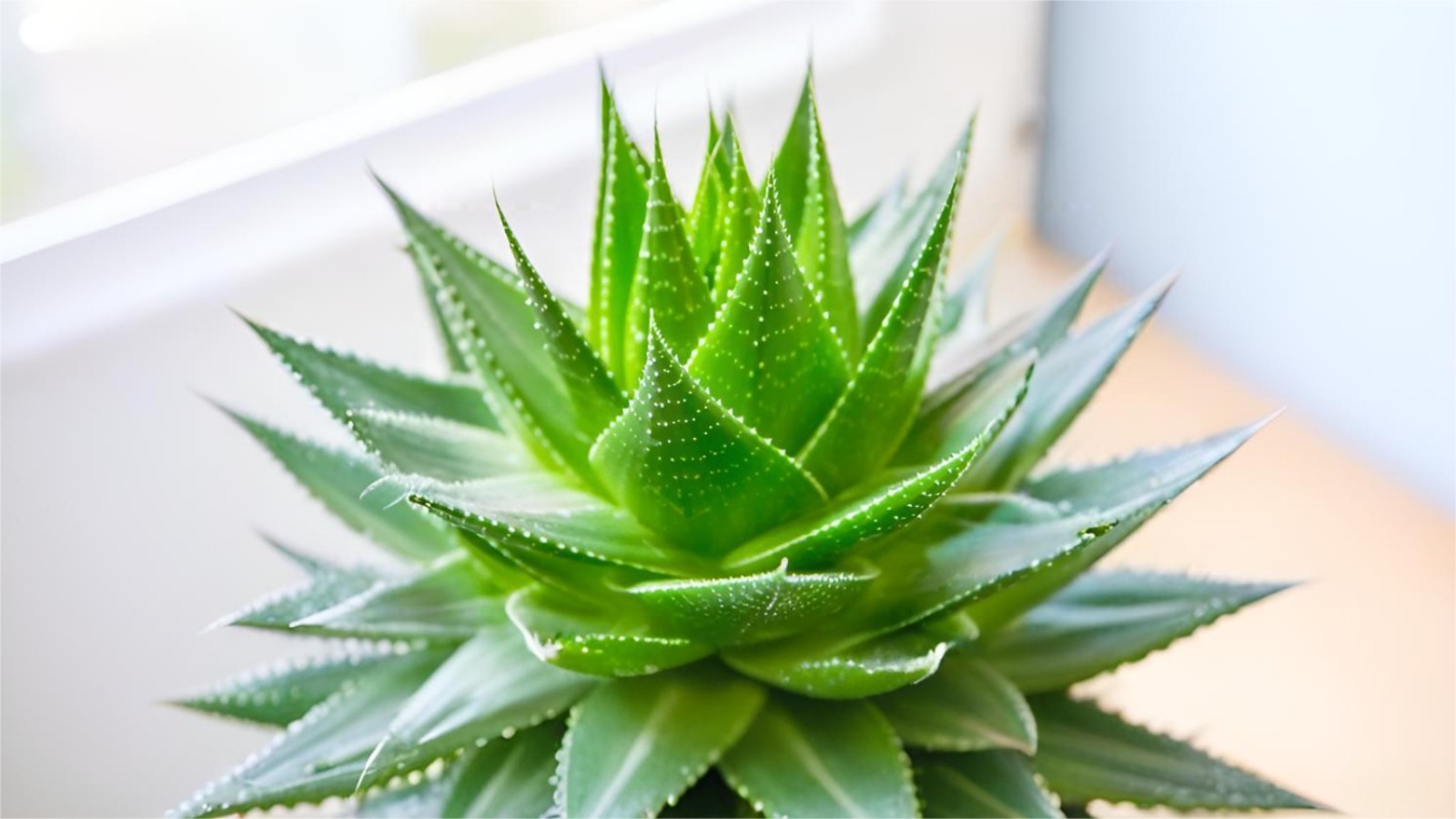
Aloe vera can not only embellish indoor spaces, but also has many practical uses. Its leaves contain gel-like substances that can be used to soothe sunburn, moisturize the skin, and have certain antibacterial functions. However, there are still a few precautions for sensitive people: it is not suitable for internal use, and avoid applying the juice directly to damaged or sensitive skin. Aloe vera has a very low pollen content and is one of the relatively mild, practical and safe indoor plants.
Indoor cultivation tips: How to reduce the risk of allergies?
Even "hypoallergenic" plants are not 100% safe. The following suggestions can effectively reduce the risk of allergies when you get along with plants:
1. Clean the dust on the leaves regularly to reduce the accumulation of allergens
The leaves of indoor plants are exposed to the air for a long time, and are prone to dust and airborne particles. If not cleaned regularly, these attachments may breed mold or absorb common allergens such as pollen and dust mites. It is recommended to gently wipe the leaves with a soft damp cloth every week and avoid using irritating detergents. Keeping the surface of the leaves clean can not only reduce allergens, but also improve the photosynthesis efficiency of plants, making plants healthier and people more at ease.
2. Control the amount of watering to prevent mold growth
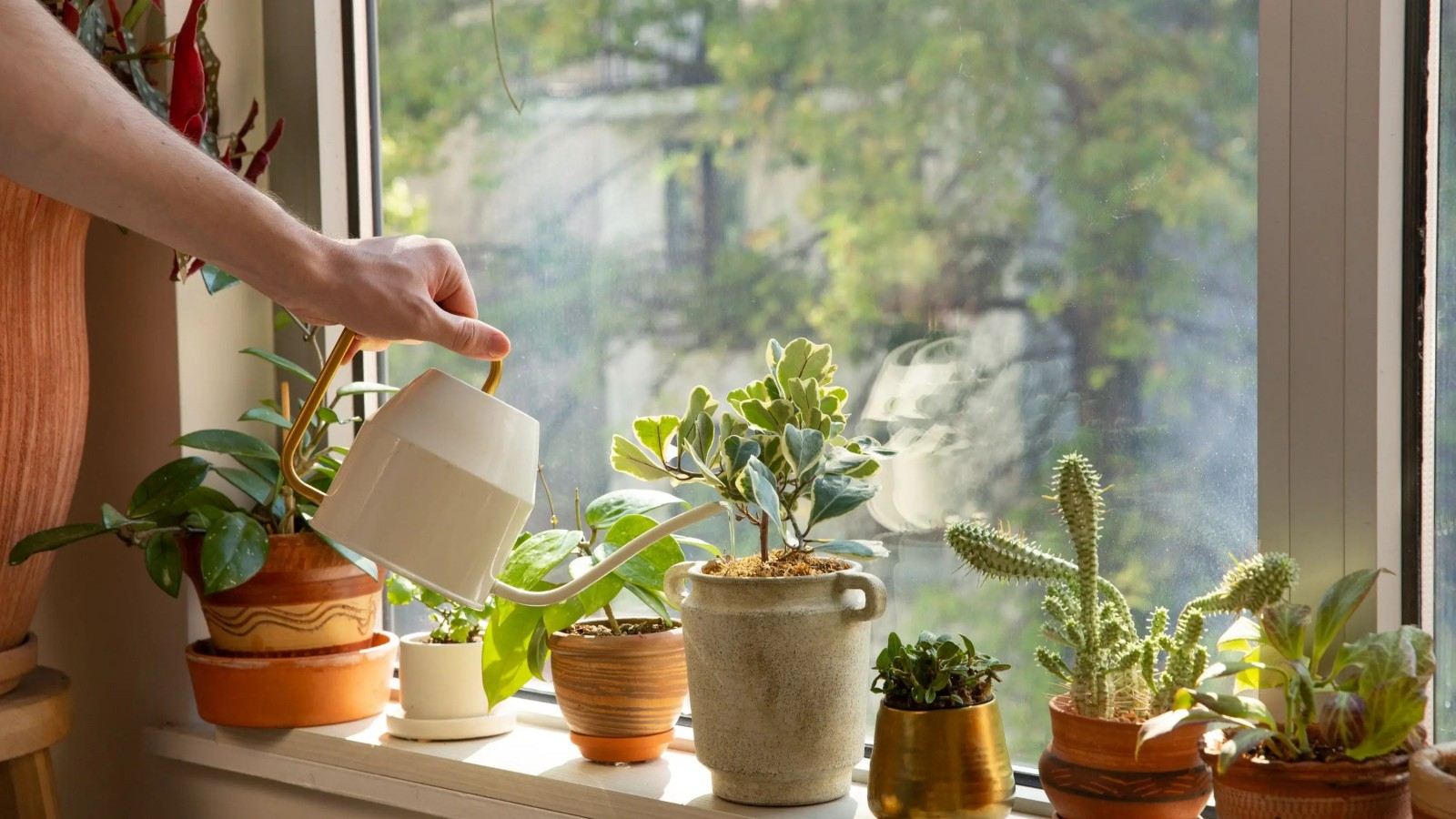
Excessive watering will cause the pot soil to be in a damp state for a long time, which is very easy to breed mold, and mold spores are a common culprit for allergies and asthma. To reduce this risk, it is recommended to use a "dry and wet" watering method and ensure that there are good drainage holes at the bottom of the flowerpot. Choosing highly breathable soil can also help keep the pot soil dry and reduce the chance of mold, thereby effectively preventing health problems caused by mold.
3. Avoid placing plants in the bedroom to reduce nighttime stimulation
Although plants are believed to purify the air, they release carbon dioxide and trace amounts of volatile organic compounds at night, which may cause respiratory discomfort or mild allergic reactions in people with sensitive constitutions. Therefore, it is not recommended to place too many plants in the bedroom, especially in closed and poorly ventilated spaces. More suitable places to place plants are well-ventilated areas such as living rooms, dining rooms or balconies, which not only beautify the space, but also reduce potential health risks caused by plants.
4. Choose non-flowering or low-pollen plants to reduce pollen allergies
Pollen is one of the most common factors causing allergies, especially for people with a history of hay fever or respiratory allergies. When purchasing plants, priority should be given to varieties that do not bloom or have a very short flowering period and release less pollen, such as ivy, green radish, and tiger tail orchid. These "green purifier" plants not only have a low risk of allergies, but also improve indoor air quality, making them an ideal choice for both beauty and health. Careful selection of plant species is the first step to prevent allergies.
5. Protection suggestions for people with allergies: Wear gloves + avoid allergy identification
For people who have a history of allergies or sensitive skin, even if they are relatively safe plants, they should maintain basic protection awareness. It is best to wear gloves when handling plants to avoid direct contact of sap and juice with the skin. At the same time, you should learn to identify allergenic plants, such as evergreens and water-dropping Guanyin in green plants, which may cause contact dermatitis. If redness, swelling, itching and other reactions occur after accidental contact, they should be rinsed with clean water immediately, and medical treatment should be sought in time if serious.
Beware of "invisible allergens": flower pots are as important as soil!
Many people pay attention to the plants themselves, but ignore the impact of "plant surroundings". In fact, some cheap or inferior plastic flower pots may release volatile organic compounds (VOCs) after high temperature or long-term use, causing irritation to people with respiratory sensitivity. At the same time, soil that has not been treated with high temperature may carry insect eggs, mold spores or mildew spots, becoming invisible allergens. Therefore, it is recommended to choose breathable flower pots made of ceramic or stainless steel, and use sterilized nutrient soil purchased through formal channels to reduce potential risks.
Growing flowers also requires "health monitoring" - the state of the plant also affects you in turn!
Once a plant shows symptoms such as yellow leaves, mildew spots, and insects, it is likely that its ecological environment has become unhealthy, which is often accompanied by an increase in the number of microorganisms and a change in odor, which can easily affect allergic constitutions. It is recommended to check the status of the plant regularly and deal with or remove the lesions in time once they are found. Especially for plants that use organic fertilizers, they should be avoided from being placed in confined spaces or in locations where they come into frequent contact with the human body.
Don't ignore the double cross-risk of "pets and plants"
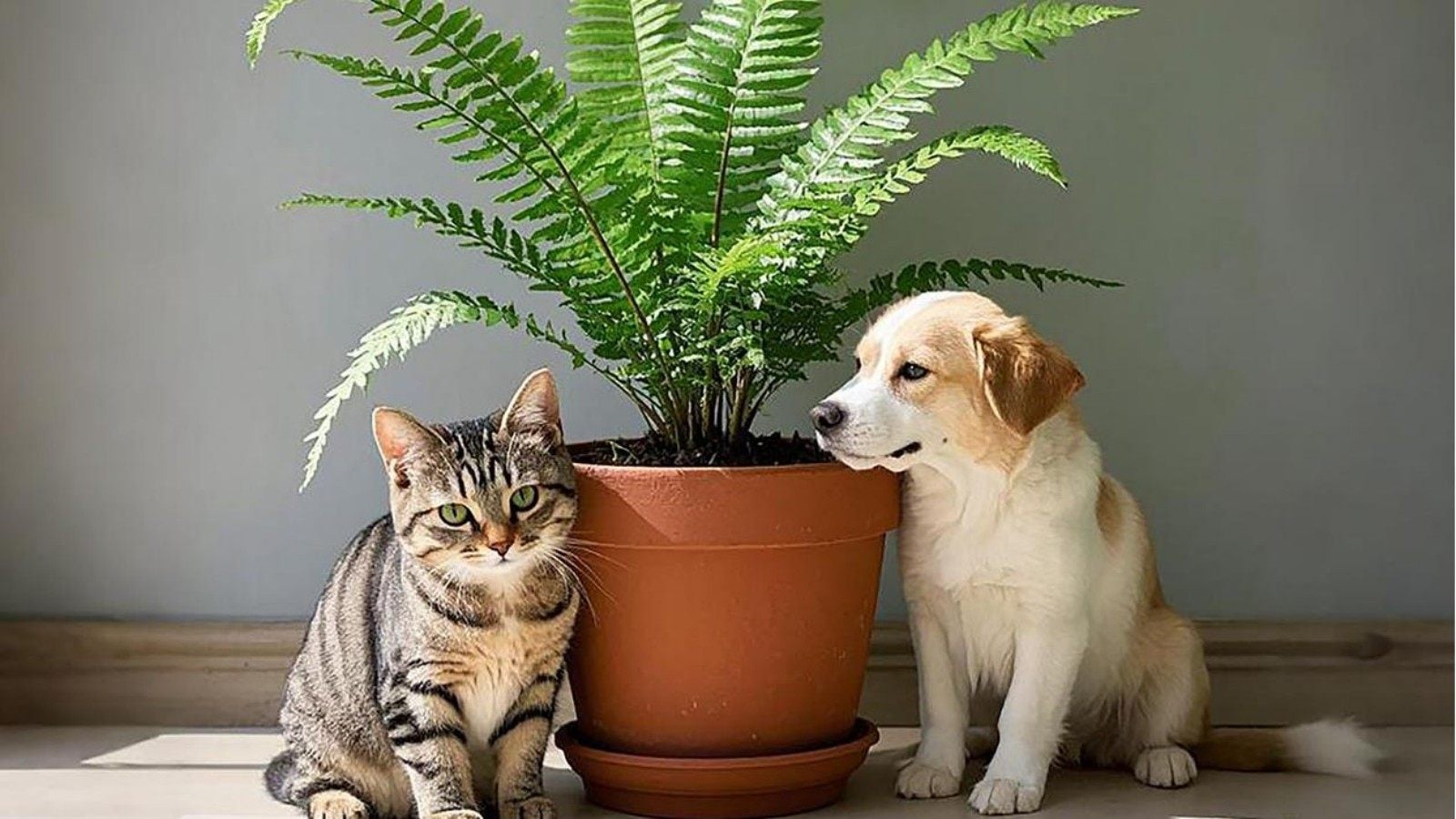
If you have furry children (such as cats and dogs) at home, you need to be more cautious in choosing plants. Some plants that are friendly to human allergies may be toxic to pets; and when pet hair combines with plant pollen and mold spores, it is easier to spread in the house, increasing the risk of allergies. For example, although aloe vera is mild to humans, it is toxic to cats and dogs. It is recommended that pet families give priority to non-toxic, low-scent, and easy-to-care plants, and try to place green plants in places where pets are not easily exposed to avoid "both people and pets are affected".
Enjoy a green life: health must be put first
While enjoying a green life, health must be put first. For people with allergies, understanding the characteristics of each plant is the first step to avoid "misstepping on the minefield". Don't let a momentary blind choice push yourself into the trouble of continuous allergies.
You can create a green environment to enhance your sense of well-being without compromising your health, and remember that everyone's allergies are different, so pay attention to your body's reactions and consult an allergist for personalized guidance. With the right knowledge and precautions, you can enjoy the beauty of plants while breathing smoother and living more comfortably. Choose wisely and let nature improve your life in a healthy and harmonious way.
Before you go to the flower market or buy green plants online next time, remember the "high-risk list" mentioned in this article and give priority to those "low-allergy options". You will find that growing flowers can actually be both beautiful and safe!
Advertisement
Learn More
-

- October 20,2026
- Lily Disease Guide: Whats Killing Your Lilium longiflorum and How to Stop It
-
- September 17,2026
- Wax-Leaf Privet Diseases: Identification, Treatment & Prevention Guide
-
- September 1,2026
- Vinca Minor Diseases: Identification, Treatment and Long‑Term Garden Management
-
- August 18,2026
- Tree Philodendron Diseases: Identification, Treatment and Long‑Term Prevention
-
- August 6,2026
- Common Ailments of Plantago major: Identifying, Treating and Preventing Diseases in Broadleaf Plantain
-
- July 30,2026
- Zodiac-themed Bouquets Combined with Floral Language: Different Color Schemes Create More Artistic Birthday Surprises
Advertisement
 Poisonous and danger
 Edible and medicinal
 Wild and common weed