
Choose plants according to the living environment: What kind of green plants are sui for your home?
Advertisement
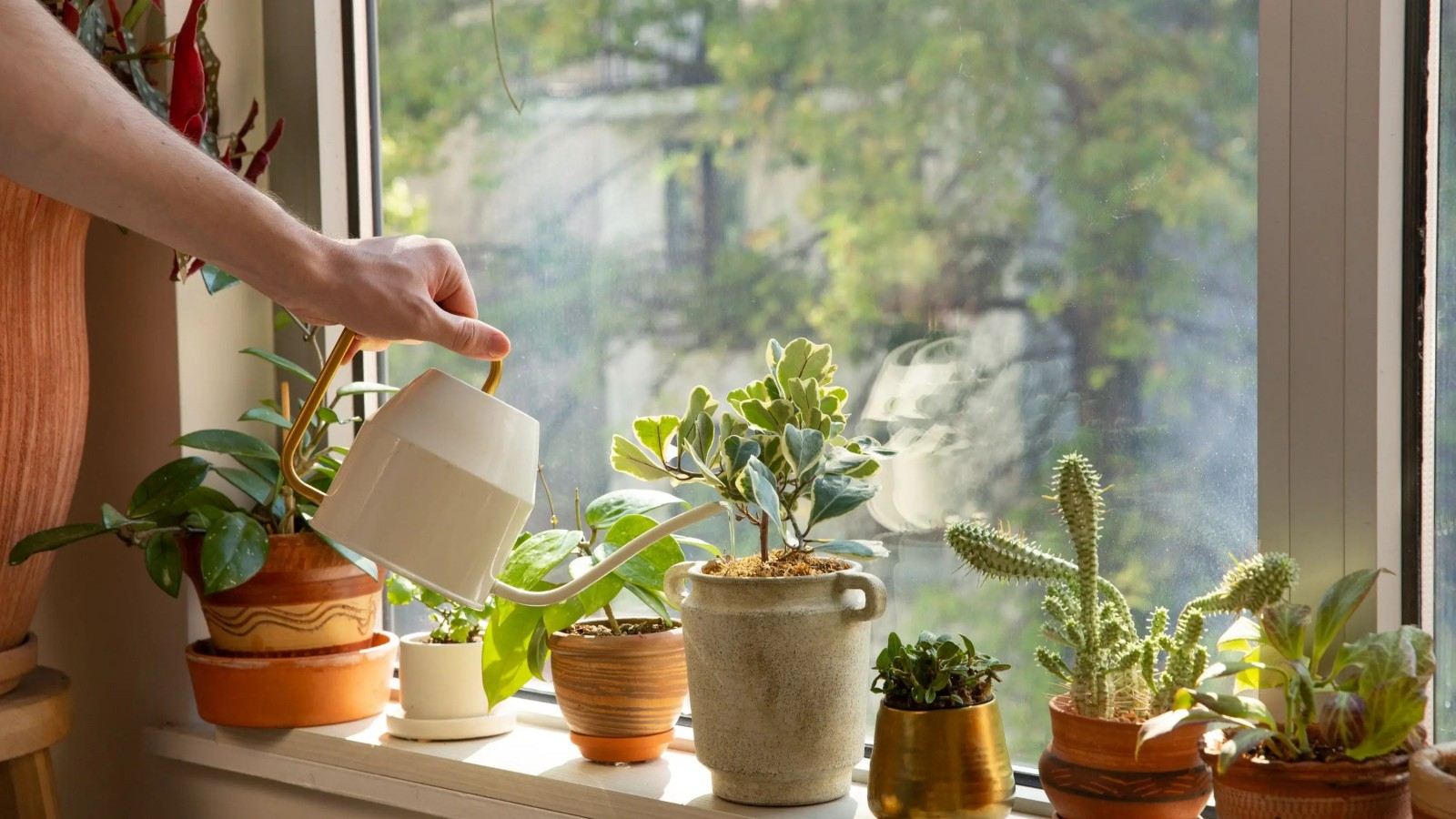
Green plants are the most vital decoration in the home. They can not only beautify the space and purify the air, but also bring spiritual comfort. But many people buy them home with enthusiasm, only to find that the plants are frequently "killed", either with yellow leaves falling or root rot. The reason is often not the plant itself, but the failure to choose the right green plants according to the living environment.
So, what kind of green plants are suitable for your home? Below, we will match the most ideal plant type for you based on several key factors of the living environment - lighting, space, humidity, temperature, and frequency of use, to create your own "green microcosm".
1. Light determines the fate of green plants: choose different plants for different lighting
Sunny home (south-facing, floor-to-ceiling windows)
If your living room or balcony can be bathed in sunlight all day, then congratulations, almost all light-loving plants can grow freely. Recommended plants:
Rubber tree: thick and shiny skin, sun-resistant and atmospheric.
Money tree: more lush when there is sufficient sunlight, and it also means to attract wealth and treasure.
Succulents: Like sun cacti and sedum, suitable for lazy people to take care of.
Murraya paniculata: It has a fragrant smell when it blooms, suitable for balconies or windowsills.
Rooms with average light (facing east or west)
This light is soft but not lasting, suitable for medium light plants:
Pothos: Strong adaptability, can be hung or hydroponically cultivated.
Chlorophytum: Tolerant to semi-shade, not demanding on air quality.
Asparagus setaceus: A little fairy, can grow well without direct sunlight.
Monstera deliciosa: Strong tropical atmosphere, likes scattered light.
Rooms with almost no sunlight (facing north, no windows)
If you live in a room with insufficient light, you don’t have to give up growing green plants, just choose the right plants:
Sansevieria trifasciata: It is simply a fighter in the plant world, tolerant to shade and drought, and can purify the air.
Ivy: Can be hydroponically cultivated, can climb, and performs well in shade-tolerant environments.
Maidenhair fern: Although delicate, it likes shade and is suitable for bathrooms or study corners.
Spathiphyllum spp: Likes moist shade and can also bloom white flowers.
2. Space determines the size of green plants: small homes cannot tolerate "big trees"
Small apartments or rentals
When space is limited, green plants should also be "exquisite and small":
Desktop green plants such as Chinese evergreen and purple-backed arrowroot;
Wall hanging plants such as air plants and staghorn ferns;
Put a mini rubber tree or dragon blood tree in the corner, which does not take up space and can embellish the atmosphere.
Large apartments or villas
The space is spacious, so you can consider larger and more decorative plants:
Bird of Paradise: Unique shape, suitable for living rooms or entrances;
Fiddle-leaf fig: "Internet celebrity" in the green plant world, with both beauty and temperament;
Olive tree: The first choice for European style, elegant and fresh.
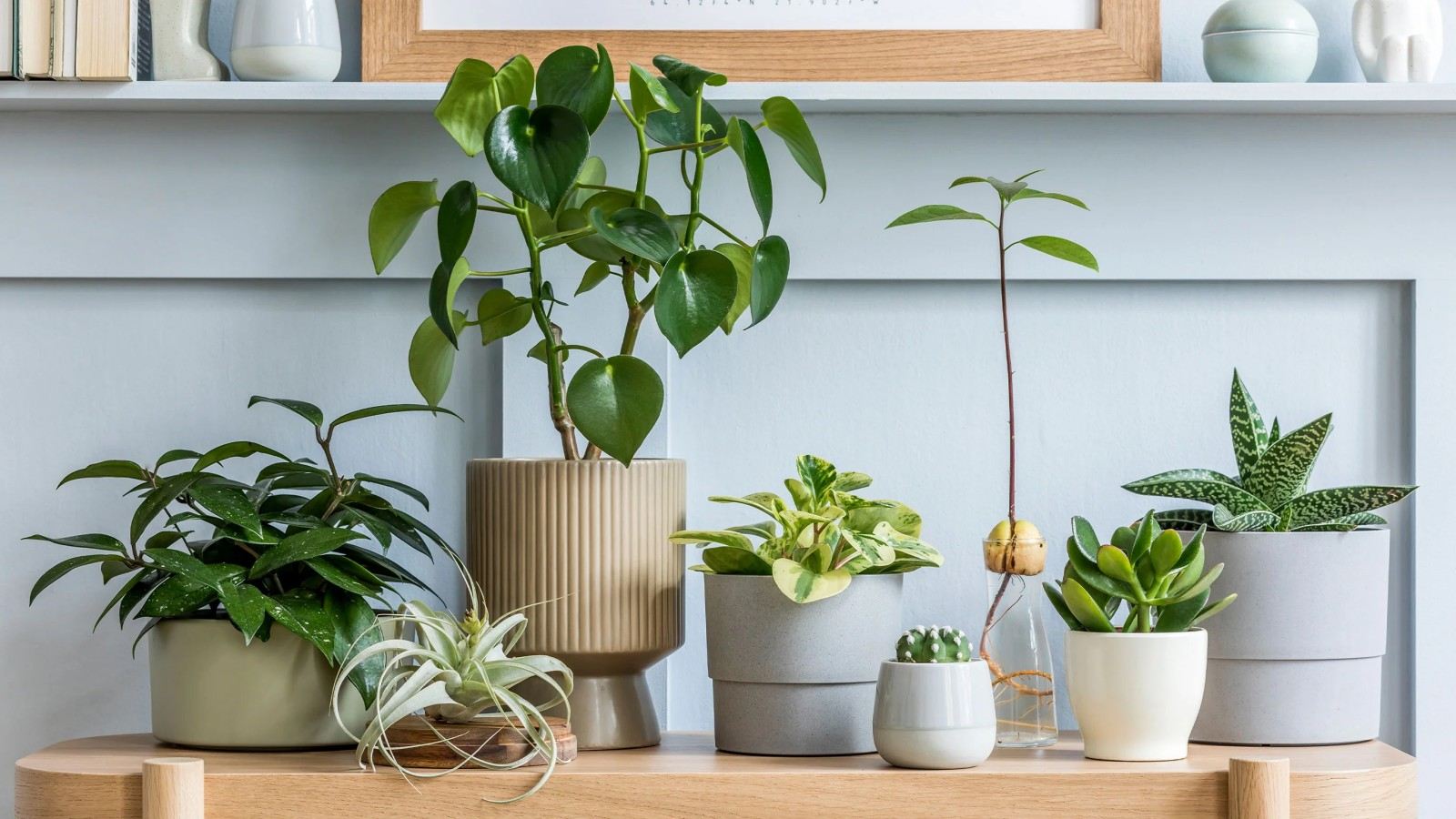
3. Humidity and temperature: Special areas need special treatment
Bathroom/kitchen - high humidity environment
Moisture-loving plants thrive here:
Ferns: Adiantum capillus-veneris, Platycerium bifurcatum, etc.; Epipremnum aureum, hydroponic ivy: can purify odors in moisture;
Air plants: strong moisture absorption capacity, no soil required.
Cold winter or air-conditioned rooms
Choose cold-resistant or adaptable plants:
Ficus elastica, tiger skin orchid, aloe vera: strong cold resistance, suitable for air-conditioned rooms;
Avoid choosing tropical rainforest plants (such as Guanyin Lotus, Monstera) directly exposed to cold wind.
4. How to match plants in functional spaces?
Living room: The place with the strongest sense of display, it is recommended to choose atmospheric and beautiful plants, such as fiddle-leaf fig, fortune tree, areca palm, etc., with ground placement or large flower pots.
Bedroom: It is recommended to choose air-purifying plants, while avoiding strong-scented plants. Recommended: green ivy, spider plant, aloe vera, tiger skin plant, which can release oxygen at night.
Study/desk: Suitable for small, quiet, and unobtrusive plants. Recommended: Chinese evergreen, succulent, lucky bamboo, mini cactus.
Entrance: The first impression is important. Choose plants that take both Feng Shui and vision into consideration, such as lucky bamboo, money tree, and lucky bamboo, to enhance the overall aura.
5. Living habits affect maintenance choices
If you are - often on business trips or have a poor memory: choose tiger skin plant, aloe vera, and succulent plants, which are drought-resistant and shade-resistant, and can survive even if left alone for a few weeks.
If you have plenty of time and like to take care of plants: you can challenge difficult ones such as orchids, cordyline, African violets, etc., and enjoy the fun of interacting with plants.
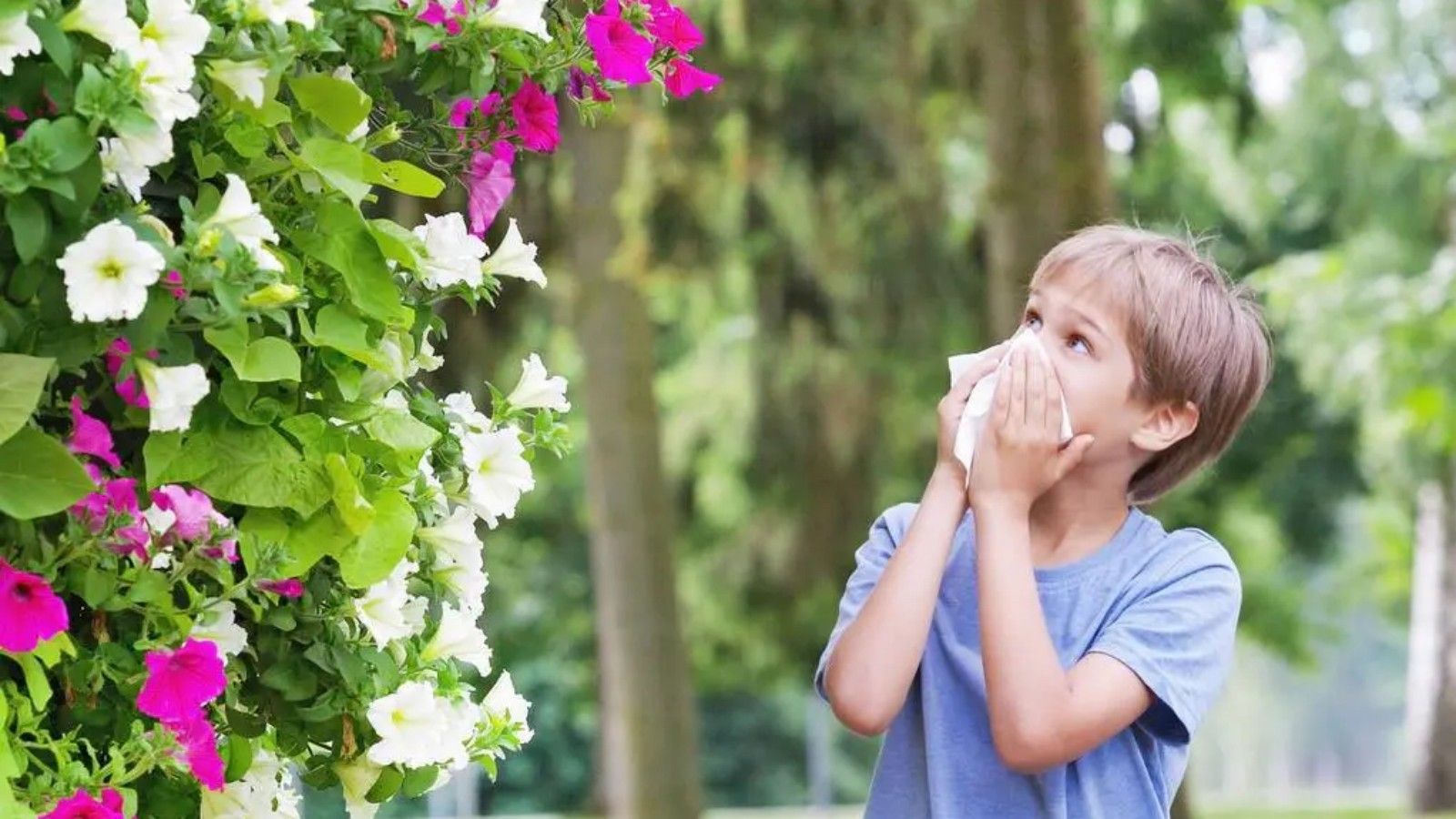
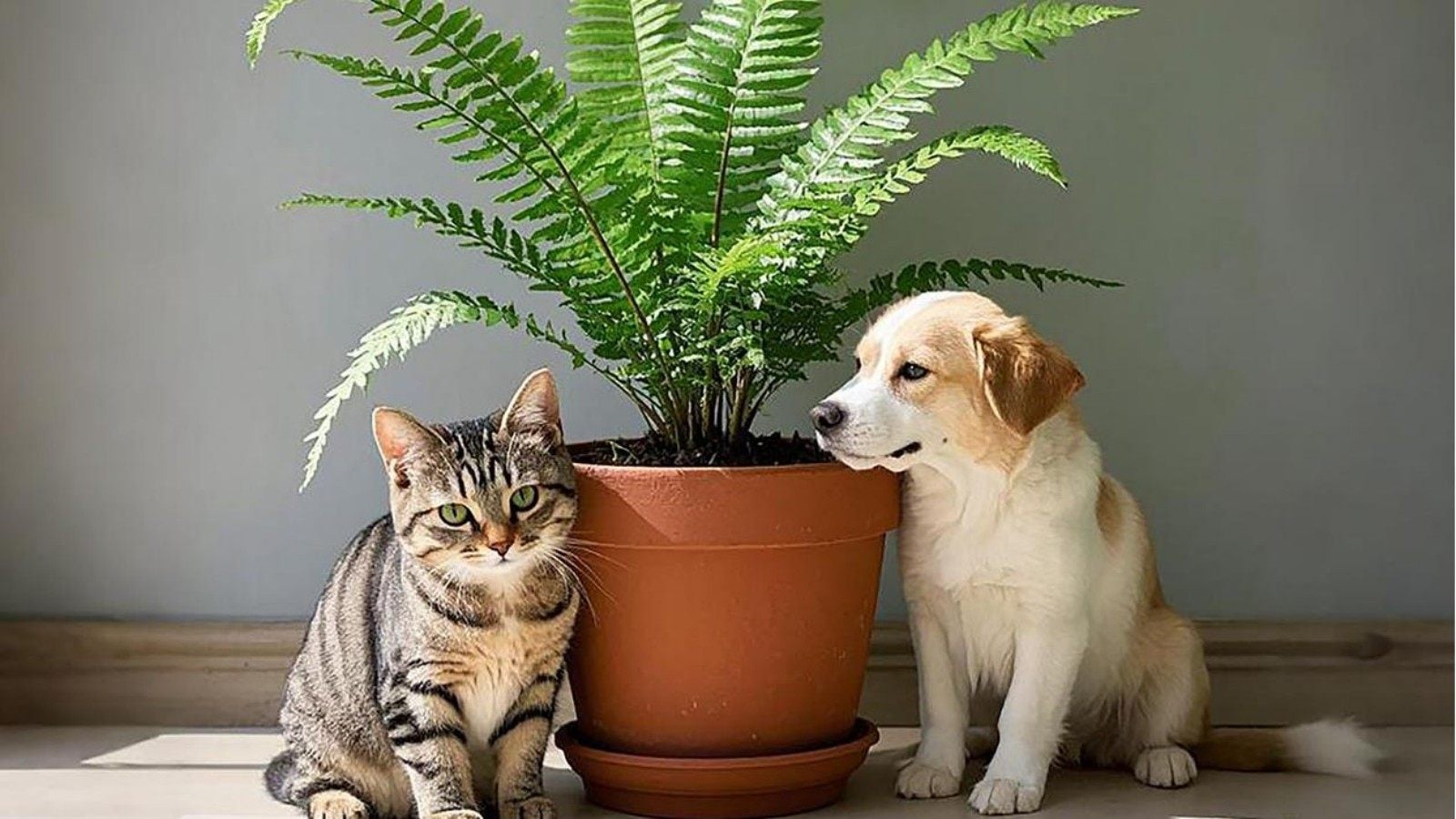
If you have pets or children: pay attention to choosing non-toxic plants to avoid accidental ingestion. For example, spider plants, ivy, Chinese evergreen, etc. have a high safety factor; avoid poisonous plants such as dripping Guanyin and calla lily.
6. Tips for renting green plants: mobile greenery
Is it inconvenient to arrange plants when renting a house? It doesn’t matter, you can use the "mobile green plant solution":
Use a flower stand with wheels to adjust the position according to the light;
Choose plants grown in hydroponics or glass containers, which are visually light and easy to carry;
Choose varieties that grow slowly and do not need to be repotted frequently, such as Monstera and small palms, which are suitable for short-term residents.
7. "Green Plant Combination Package" to Improve Air Quality
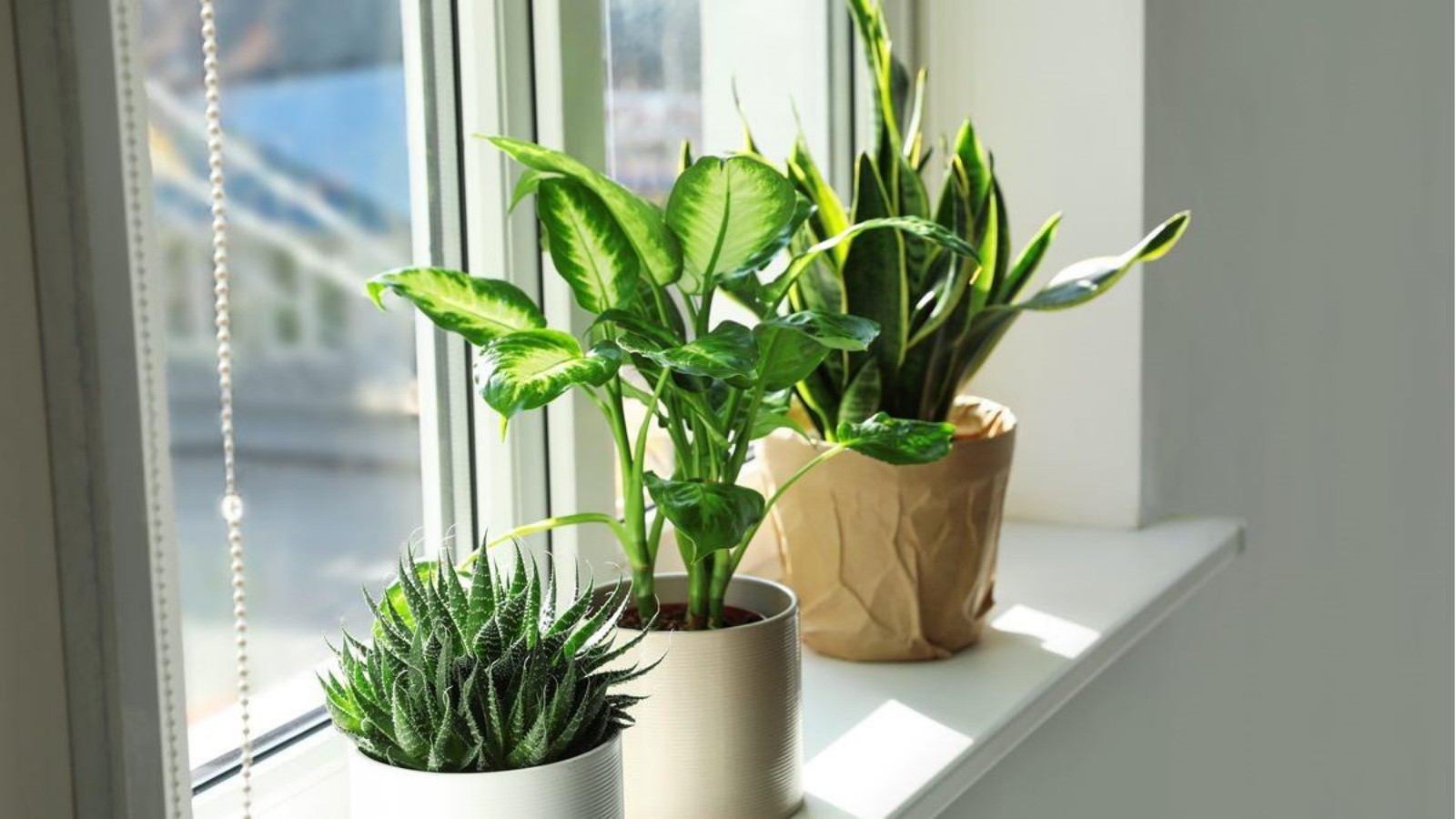
Green plants are not only beautiful, but also can purify the air, creating a "natural filter" combination:
Tiger plant + aloe + spider plant: strong absorption of formaldehyde and carbon dioxide, suitable for newly renovated families;
Ivy + green radish + lucky bamboo: purify benzene and smoke in the air;
Mini laurel + lemon balm potted plants: can emit natural fragrance, drive away odors, and refresh the mind.
8. What are the plants that can "breathe" at night?
Most plants absorb oxygen and release carbon dioxide at night, but the following are "nighttime oxygen supply experts" and are suitable for bedroom placement:
Sansevieria: continuously releases oxygen at night, excellent air filtration;
Aloe vera: releases a large amount of oxygen at night and absorbs harmful substances;
Cactus: some species have strong photosynthesis at night, which helps improve sleep.
9.Create a "style corner" for green plants: let plants also have a sense of design
Plants are not only decorations, but also a tool for expressing style:
Nordic style: paired with white ceramic pots and large fiddle-leaf figs and rubber trees, simple and advanced;
Japanese style: recommended moss balls, bean greens, and hydroponic lucky bamboo, fresh and natural;
Industrial style: use iron frames + succulent potted plants + staghorn ferns to create a personality corner with both ruggedness and greenery.
Carefully matching green plants and utensils is not only pleasing to the eye, but also shows your aesthetic taste.
10. Plants can also help you relieve stress and anxiety
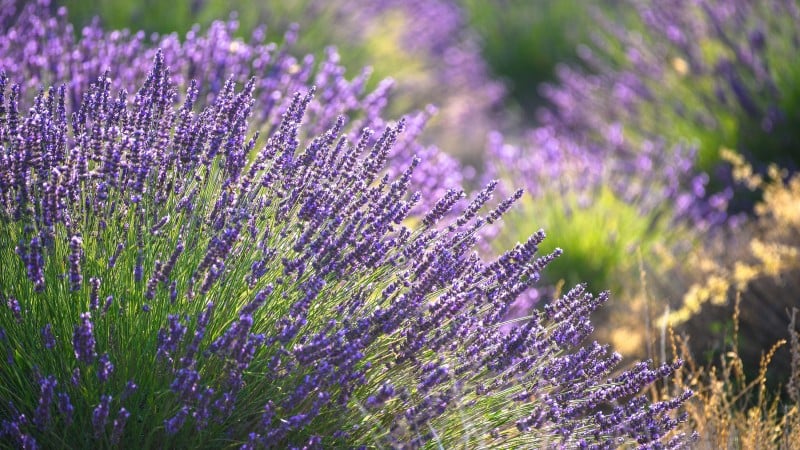
Studies have found that contact with plants can effectively reduce heart rate and stress hormones and improve anxiety. We recommend plants with aromatic functions such as lavender potted plants, rosemary, and mint, which can soothe your mood with a light sniff. Placing these plants on your desk or bedside in the bedroom can help you relax, improve your concentration, and enjoy the power of "green healing".
11. Green plants also have a "feng shui identity"
In feng shui, green plants represent vitality and energy flow. Money trees and lucky bamboo symbolize wealth and treasure; tiger tail orchids can ward off evil spirits and are suitable for placing at the door or windowsill; while cyclamen and lucky plants symbolize joy and good luck. Choosing plants according to the layout of the room is not only beautiful, but also can enhance the aura of the house and keep good luck.
12. How to create an ideal "living environment" for green plants
Plants also need a "home". Choose flower pots with good air permeability (such as ceramic pots and woven baskets) to avoid water accumulation and root rot. You can put some ceramsite or pebbles at the bottom of the pot to facilitate drainage. Avoid placing plants close to the wall or sealed corners. Keep them ventilated and turn them appropriately so that each leaf can receive light evenly.
13. Let children participate in green plant maintenance education
Raising plants is a good way for parents and children to interact. Choose green plants that are easy to maintain and grow quickly (such as green radish, small gourd vine, sunflower) and let children participate in watering and record the growth process. It can not only stimulate their observation and sense of responsibility, but also teach them in an entertaining way, so that they can learn natural knowledge and ecological concepts in life.
14. Key points for plant maintenance during seasonal changes
In spring and summer, plants grow vigorously, and the frequency of watering and fertilization should be increased appropriately; in autumn and winter, they enter a dormant period, and the amount of water should be reduced and kept warm. Pay attention to the location of the plant when changing seasons to avoid sudden cold and heat or sudden changes in sunlight intensity. Outdoor plants should be moved indoors before the cold wave arrives, and winter protection should be done.
15. How to create a "green plant wall" to create a three-dimensional beauty
If the space at home is limited, you might as well try to create a vertical green plant wall. Using wall-mounted planters, wrought iron racks, and wooden grids with climbing or drooping plants such as green ivy, pothos, and air plants not only saves space, but also brings visual layers and an atmosphere surrounded by greenery, enhancing the overall artistic sense of the home.
Choose the right plants, and your home will have a sense of life
Green plants are not simple decorations, but a reflection of your lifestyle. To live harmoniously with plants, you need to understand their "language". Starting from light, space, humidity, temperature and your own living habits, choose the green plants that are most suitable for your home, so that you can grow them easily and enjoy them.
From today, you might as well look around your living environment and start your "indoor greening life" with a small green radish, so that your home will become full of vitality and aura!
Advertisement
Learn More
-

- October 20,2026
- Lily Disease Guide: Whats Killing Your Lilium longiflorum and How to Stop It
-
- September 17,2026
- Wax-Leaf Privet Diseases: Identification, Treatment & Prevention Guide
-
- September 1,2026
- Vinca Minor Diseases: Identification, Treatment and Long‑Term Garden Management
-
- August 18,2026
- Tree Philodendron Diseases: Identification, Treatment and Long‑Term Prevention
-
- August 6,2026
- Common Ailments of Plantago major: Identifying, Treating and Preventing Diseases in Broadleaf Plantain
-
- July 30,2026
- Zodiac-themed Bouquets Combined with Floral Language: Different Color Schemes Create More Artistic Birthday Surprises
Advertisement
 Poisonous and danger
 Edible and medicinal
 Wild and common weed