
Choosing Plants for Hotel Rooms: Creating a Comfor Stay
Advertisement
1. Greenery: Adding Warmth and Healing to Standardized Rooms
For travelers, hotel rooms are more than just temporary lodgings; they are temporary havens to relieve travel fatigue and soothe the mind and body. Standardized decor and monotonous furnishings no longer meet the demands of modern consumers for quality living. Seemingly inconspicuous greenery is a key element in enhancing the warmth of a room and differentiating the overall experience. Unlike the casual arrangement of houseplants, hotel room plant selection emphasizes four core principles: aesthetics, safety, practicality, and low maintenance. Natural vitality softens the coldness of a space, allowing every guest to encounter a relaxing and healing atmosphere within the confines of their room.
As consumer experiences continue to evolve, travelers are becoming increasingly attuned to the concept of “emotional value.” A guest room incorporating natural elements is more likely to evoke a sense of belonging and relaxation. Houseplants serve not only as visual accents but also as a silent form of spatial expression; through their colors, shapes, and vitality, they convey warmth, transforming what might otherwise be a cool, rational space into one that feels soft and alive.
2. Scene Priority: The Underlying Logic of Hotel Plant Selection
The core logic of greenery selection in hotel rooms is never about piling up flowers and plants, but rather about refined design that adapts to the scene. Hotel rooms are special spaces characterized by strong enclosure, high traffic, and limited lighting. Balancing guest safety with hotel operational efficiency, the primary principle for plant selection is suitability to the room environment. Most guest rooms rely primarily on diffused indoor light, have limited ventilation, small temperature differences between day and night, and require regular cleaning and maintenance. This effectively eliminates plant varieties that thrive in bright light, strong winds, or are delicate and difficult to care for. Only shade-tolerant, drought-resistant plants that are resistant to yellowing and leaf drop and are free from pests and diseases can maintain a clean and aesthetically pleasing space in the long term.
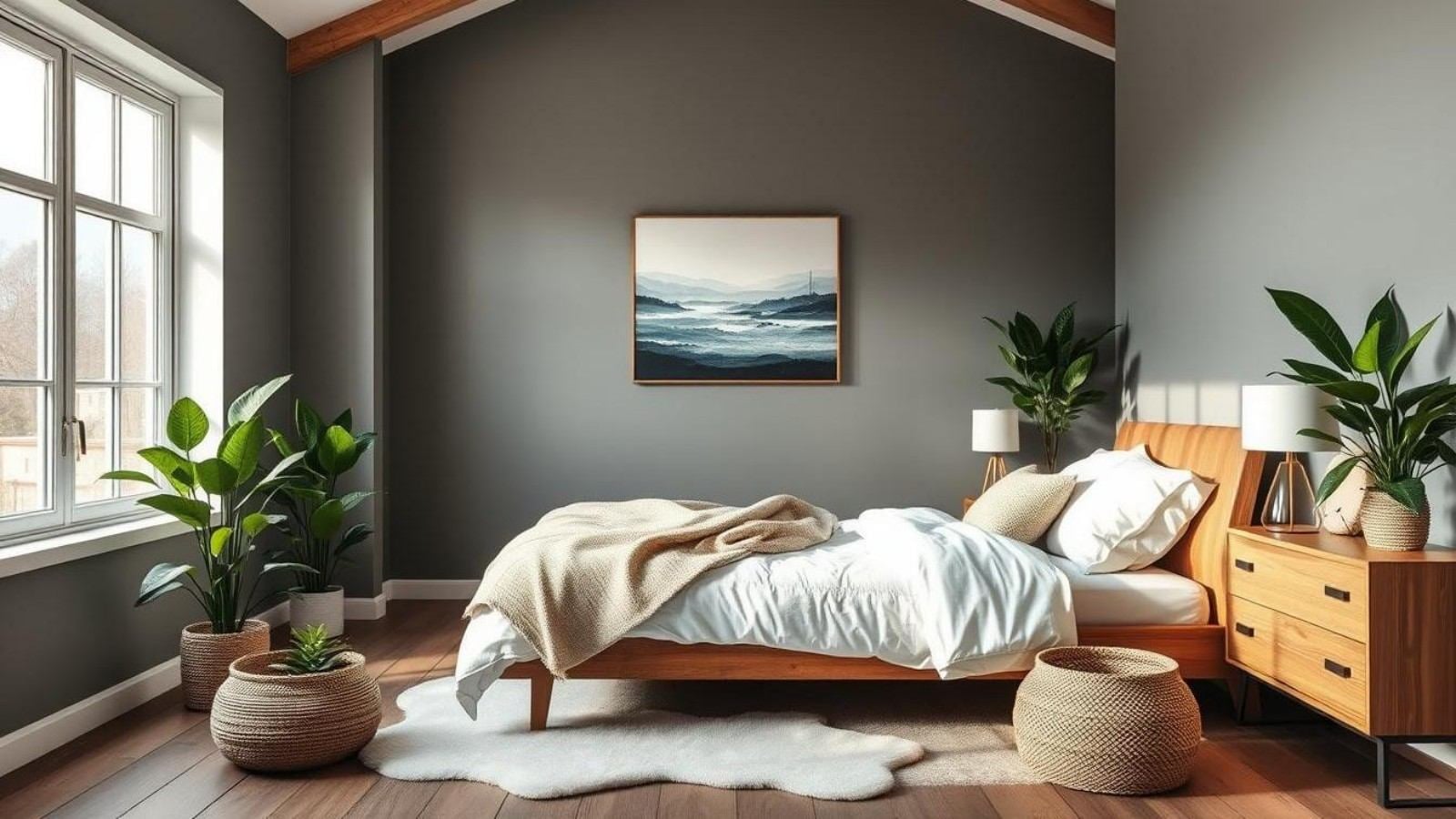
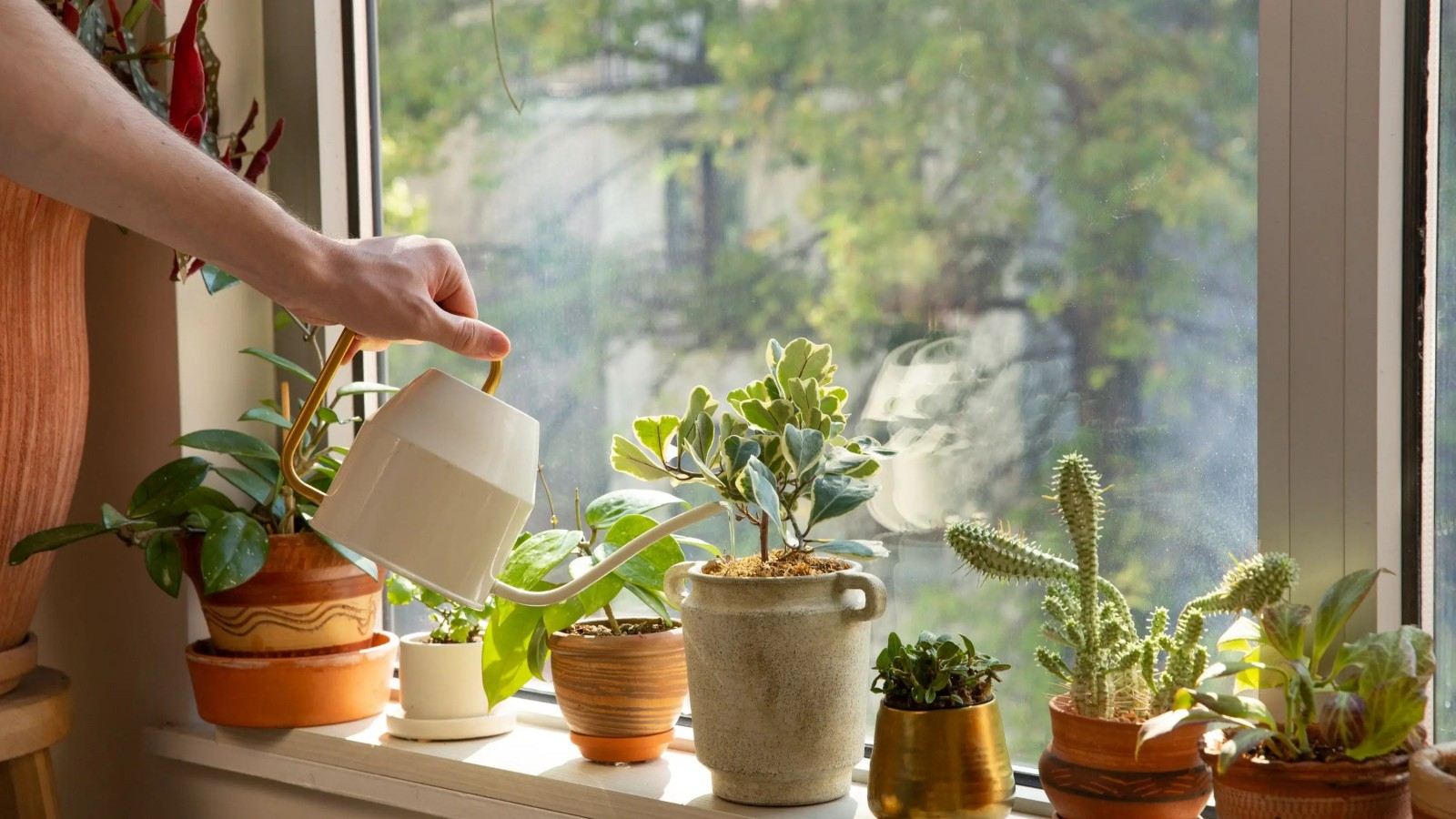
From an operational perspective, the stability of indoor plants directly impacts overall service efficiency. If plants are replaced frequently or are in poor condition, it not only increases costs but also makes the space appear “out of control.” Therefore, a standardized list should be established during the initial selection process—for example, by prioritizing species with long lifespans and strong adaptability—to strike a balance between aesthetics and cost through unified management and regular maintenance.
3. Safety Red Line: The Core Principle That Cannot Be Ignored When Choosing Green Plants for Guest Rooms
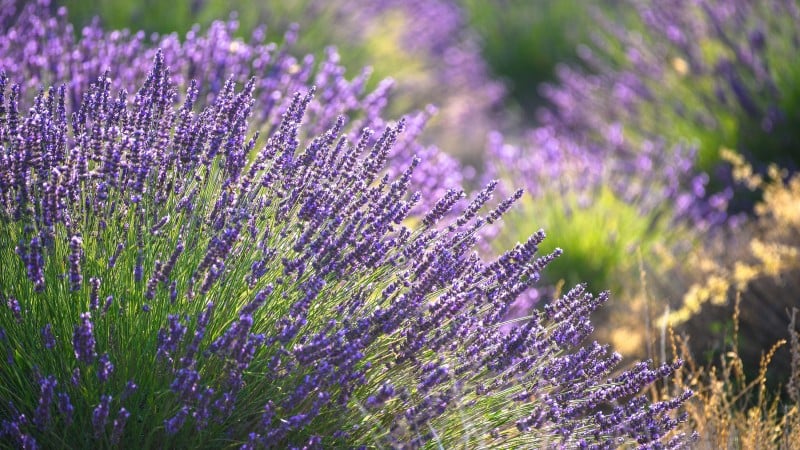
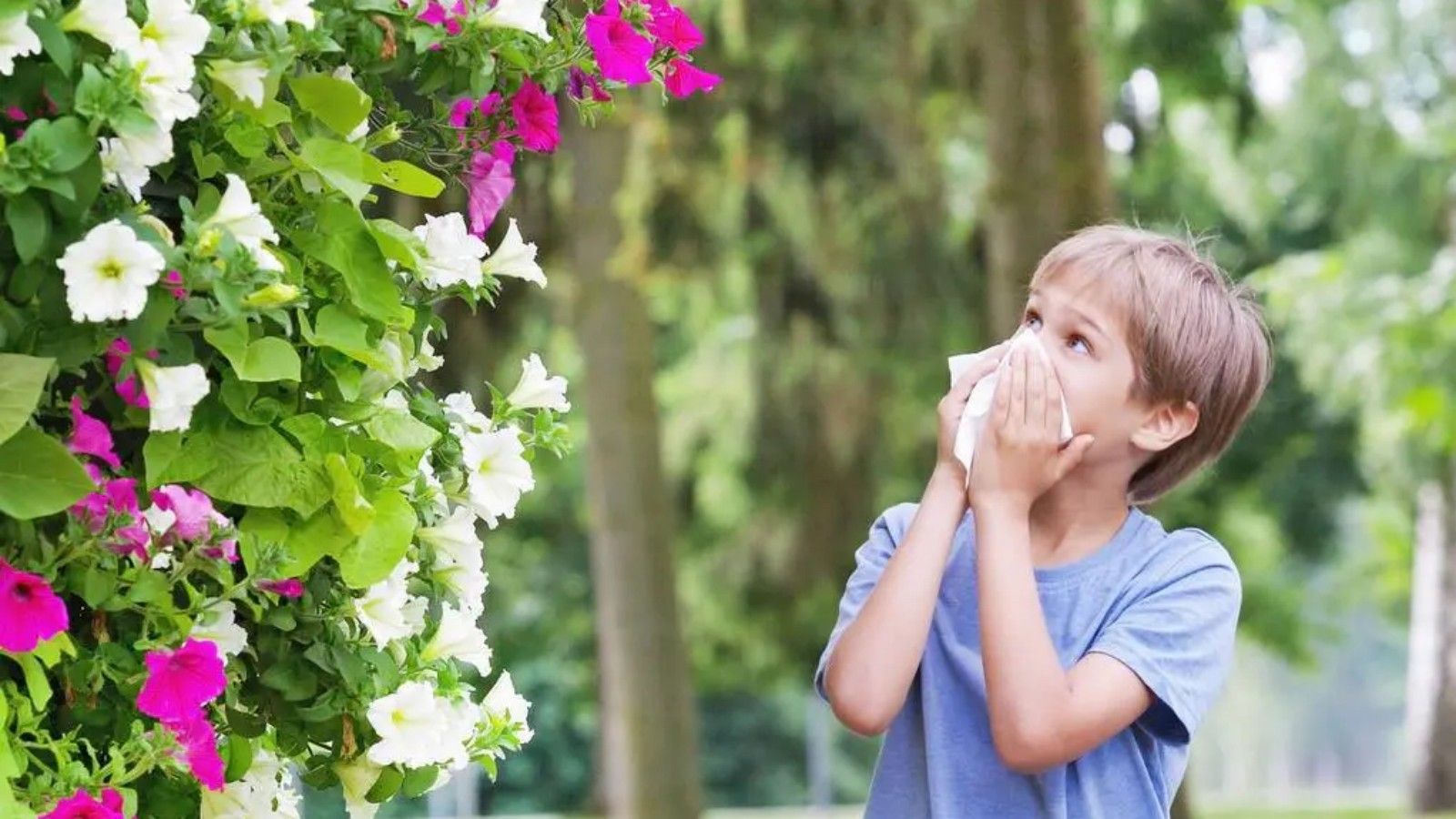
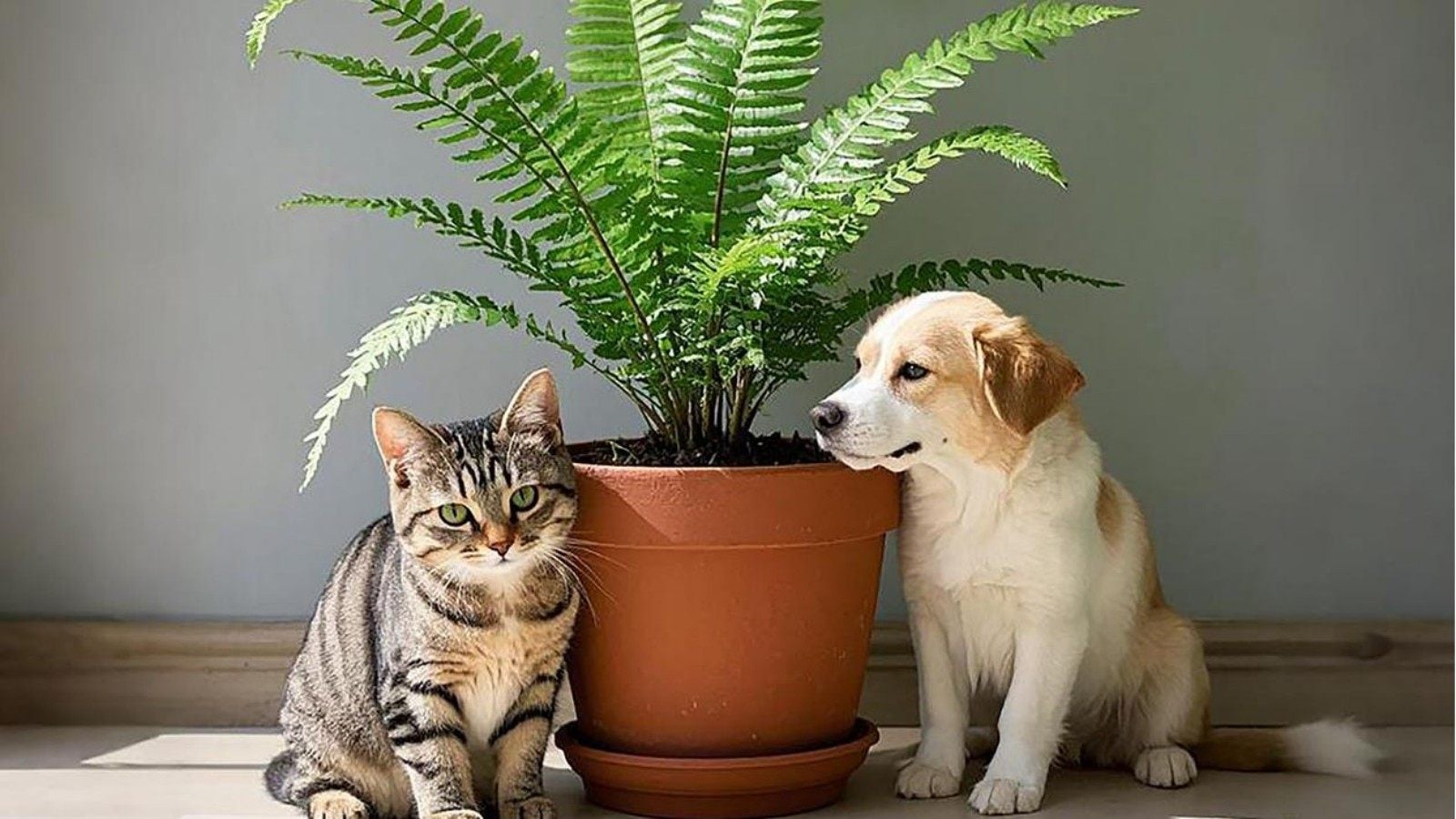
Safety is the absolute bottom line in selecting green plants for hotels, and it is also a detail that is easily overlooked. Guest rooms are areas where guests rest, touch, and move around closely, and the elderly, children, and people with allergies may all stay there. Therefore, thorny, poisonous, allergenic, and strongly odorous plants must be completely avoided. Strongly scented flowers such as lilies and night-blooming jasmine can irritate the respiratory tract, easily causing dizziness and insomnia, affecting guests' sleep; thorny plants such as cacti and crown of thorns pose a risk of injury from bumps and knocks; poisonous plants such as peace lilies and oleanders are strictly prohibited in hotel guest rooms. Safe, non-toxic, pollen-free, and with a mild scent are the basic entry standards for houseplants in guest rooms.
Based on strict selection criteria, combining houseplants with the functional zoning of guest rooms maximizes guest comfort and achieves a balance between aesthetics and practicality. Guest rooms are mainly divided into three core areas: a rest and sleep area, a work and leisure area, and a bathroom area. Each area has different functional attributes, and the logic for houseplant selection varies significantly.
4. Zoning Thinking: Reconstructing the Comfortable Guest Room Experience with Houseplants
The sleep area is the core of the guest room, emphasizing a tranquil, calming, and sleep-inducing atmosphere. Houseplant selection should focus on simplicity, elegance, and air purification. Bedside table space is limited, making small, delicate single plants ideal. Small golden-edged snake plants and miniature lucky bamboo are the best choices. Snake plants are drought-tolerant and shade-tolerant, requiring almost no maintenance. They absorb carbon dioxide and release oxygen at night without competing with humans for oxygen, making them suitable for the enclosed sleep environment. Lucky bamboo is clean and refreshing, improving stuffy indoor air, and its elegant texture complements the tranquil atmosphere of the sleep space. Abandoning elaborate floral arrangements, a touch of minimalist greenery not only embellishes blank soft furnishings but also avoids visual clutter, helping guests drift off to sleep peacefully.
Visually, the sleeping area emphasizes a “subtle presence.” Plants should not serve as the focal point but rather blend gently into the space as part of the background ambiance. By controlling the height of the plants, the density of their foliage, and their placement, one can avoid a sense of oppression, allowing the space to maintain a fresh atmosphere while exuding a natural, flowing rhythm of comfort.
5. Greenery in Office and Relaxation Areas: Visual Regulators to Relieve Fatigue
Office and relaxation areas such as guest room desks and lounge corners are spaces for guests to work or relax. Greenery should be chosen to soothe eye fatigue and promote mental clarity. Prolonged desk work and screen time can easily lead to dry and tired eyes. Small, lustrous plants like Monstera deliciosa, Nerve Plant, and Peperomia are particularly suitable. Monstera deliciosa's translucent leaves are excellent at absorbing dust and purifying the air, effectively eliminating minor indoor odors. Nerve Plant, with its small, delicate leaves and refreshing texture, has a unique aesthetic appeal and complements the minimalist modern hotel décor. The soft green can soothe eye strain, break the monotony of desks and walls, and add a touch of natural relaxation to otherwise dull office and relaxation time.
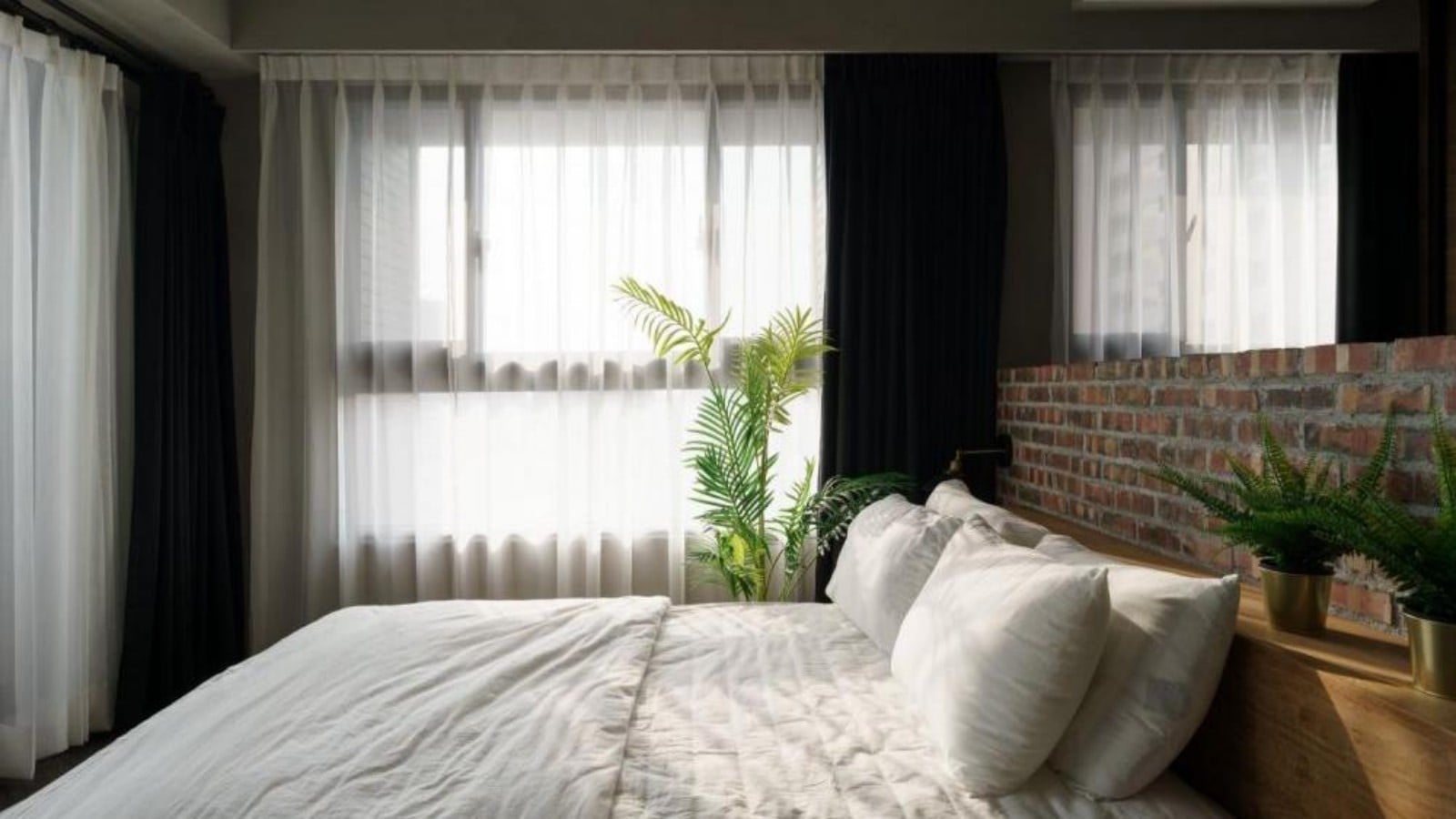
This space can also be divided into distinct zones using plants. Even within the same guest room, a single plant can subtly delineate the boundary between work and leisure, allowing guests to switch gears both visually and mentally, thereby enhancing the space’s multifunctional experience.
6. Bathroom Greenery: Key to Combating Dampness and Odors
Bathrooms are often characterized by high humidity and low light, making them prone to odors and mold. This creates a weak point in the guest room experience and is also an ideal setting for greenery to enhance the space. Peace lilies, ferns, and pothos, all well-suited to high humidity environments, are top choices for bathroom greenery. These plants are moisture- and shade-tolerant, adapting to the damp, enclosed environment of a bathroom, continuously absorbing moisture, decomposing odors, and keeping the air fresh. Peace lilies, with their elegant blooms and refreshing scent, not only purify the air but also decorate a plain bathroom countertop, freeing the small, damp space from a feeling of oppression and enhancing its refined feel.
In bathroom spaces, houseplants also serve to “soften the materials.” The cold, clinical atmosphere created by tiles, mirrors, and metal can be significantly softened by the addition of greenery, making the space feel more inviting. At the same time, carefully balancing the number and size of plants—to avoid obstructing countertops or hindering cleaning—is key to achieving both aesthetic appeal and practicality.
7. Detailed Design: Flowerpots and Placement Determine the Spatial Texture
Besides zoning and arrangement, the shape of the plants, the type of flowerpot, and the density of placement directly affect the overall texture of the guest room. Hotel guest rooms aim for cleanliness, openness, and comfort; avoid densely packed plants to prevent a cramped and oppressive visual effect. Following the principle of "less is more," each guest room should be decorated with only 2-3 green plants, creating a clear distinction between primary and secondary elements. The flowerpots should be made of rounded edges, lightweight materials, and simple colors such as frosted ceramic, matte cement, or bamboo woven pots. Their colors should match the color scheme of the guest room's soft furnishings, avoiding flashy designs and preventing color fading, dust accumulation, and tipping over, balancing aesthetics with ease of cleaning. Small, hydroponically grown plants are preferred, as they are clean, free of soil, and do not attract insects, perfectly meeting the hotel's high hygiene standards.
Consistency in details is equally important. If the style and proportions of planters lack consistency, it can easily create visual clutter. By establishing uniform design guidelines—such as specifying materials, color palettes, and size ranges—you can create a consistent brand visual language across different room types, enhancing the overall sense of sophistication and brand recognition.
8. Avoidance Guide: Common Mistakes in Hotel Greenery Selection
Many hotel greenery selections fail because they prioritize aesthetics while neglecting maintenance and guest experience. Plants that frequently yellow and shed leaves increase the cleaning burden, and scattered dead leaves easily create a poor hygiene impression on guests; plants prone to insects and mold will directly lower the guest experience; strongly scented flowers and plants can cause discomfort and allergies. Truly high-quality hotel room greenery design results in seamless guest comfort and low-cost hotel maintenance. Greenery quietly enhances the space, adding a subtle and unobtrusive touch while subtly elevating the overall quality of life.
Another common misconception is “overdesign.” Adding too many elements in pursuit of visual appeal actually undermines the comfort of the space. Hotel rooms are, by their very nature, spaces for rest, and any design should serve the purposes of relaxation and tranquility; if plants end up overshadowing the room, they defeat the original intent.
9. Differentiated Competition: Greenery Creates an Immersive Stay Experience
In the fiercely competitive hotel industry, soft furnishings have become the core of competitive differentiation. Upgrades to lighting, bedding, and bathroom fixtures have become largely standardized, but the natural vitality brought by greenery offers an irreplaceable sense of gentleness. A well-chosen plant can soften the cold edges of hard furnishings, neutralize the slight odors from building materials, and regulate the indoor microenvironment, giving standardized rooms warmth and vitality. In a space filled with greenery, the fatigue of travel and the anxiety of work are quietly dispelled, transforming a simple "stay" into an immersive "healing experience."
10. Conclusion: Upgrading a Hotel Room with "Restrained Greenery"
In summary, selecting plants for hotel rooms is never just a simple decorative touch, but a meticulous design that balances aesthetics, ergonomics, environmental hygiene, and efficient operation. With safety and comfort as the foundation, scene adaptation as the core, and simplicity and nature as the aesthetic, the right amount of greenery reconstructs the room atmosphere, not only upgrading the space's visual appeal but also directly addressing guests' core needs, creating a relaxing, reassuring, and unforgettable comfortable stay experience, making every stay a healing journey of gentle encounter with nature.
Advertisement
Learn More
-

- October 20,2026
- Lily Disease Guide: Whats Killing Your Lilium longiflorum and How to Stop It
-
- September 17,2026
- Wax-Leaf Privet Diseases: Identification, Treatment & Prevention Guide
-
- September 1,2026
- Vinca Minor Diseases: Identification, Treatment and Long‑Term Garden Management
-
- August 18,2026
- Tree Philodendron Diseases: Identification, Treatment and Long‑Term Prevention
-
- August 6,2026
- Common Ailments of Plantago major: Identifying, Treating and Preventing Diseases in Broadleaf Plantain
-
- July 30,2026
- Zodiac-themed Bouquets Combined with Floral Language: Different Color Schemes Create More Artistic Birthday Surprises
Advertisement
 Poisonous and danger
 Edible and medicinal
 Wild and common weed