
Cool vs Warm Colors: How to Choose Plants?
Advertisement
When creating an ideal home or work environment, the shape, size, and ease of care for plants are certainly important, but many people often overlook another crucial factor—color. Plants themselves act as the “silent designers” of a space. The depth of their foliage, the brightness of their blooms, and the overall tonal atmosphere they create subtly influence your mood. Whether a space feels comfortable and inviting often depends not just on furniture or layout, but on the subtle psychological effects created by plant colors. When using plants to add “vitality” to a room, considering cool versus warm color schemes allows for more precise atmosphere creation. This article systematically analyzes the characteristics, suitable settings, and pairing methods for cool-toned and warm-toned plants, empowering you to make the best choices based on your lifestyle needs and craft a space style that truly reflects you.
I. Cool-Toned Plants: Serene, Refreshing, and Rational—Establishing a Steady Spatial Foundation
Cool-toned plants typically refer to shades of blue, green, and purple, including foliage with grayish, silvery, or blue-green hues. In visual psychology, these plants possess “cooling” and “receding” properties. The first impression they convey is often one of coolness, calmness, and rationality, making them particularly suited for creating quiet, unobtrusive, and understated yet textured environments. Whether in modern minimalist spaces, Nordic-inspired interiors, wood-toned environments, or study rooms demanding deep concentration, cool-toned plants play an irreplaceable role. They not only reduce visual clutter but also make spaces appear deeper and more expansive, giving rooms a sense of “breathing room.” Amidst life's pressures and fast pace, these plants act as natural regulators, restoring order and tranquility to spaces. They are also perfect for those who appreciate understated, relaxed, and natural atmospheres.
Typical atmospheric characteristics of cool-toned plants:
Strong visual cooling effect: Instantly refreshes rooms and alleviates the oppressiveness caused by overly saturated colors.
Rational and restrained tones: Reduce visual noise, making spaces cleaner and more organized.
Enhanced spatial depth: Cool hues create a receding effect, making compact spaces appear larger.
Fostering tranquility and focus: Ideal for relaxation, reading, work, or meditation zones.
Recommended cool-toned plants:
Silver Queen, Snake Plant (Moonlight, Silver Edge), Blue Star Fern, Eucalyptus, Variegated Monstera, Holly, Dark-green Ivy, etc.
These plants are universally appealing, unobtrusive, and compatible with most interior furnishings.

Ideal spaces for cool-toned plants:
Brightly lit living rooms, Scandinavian or minimalist interiors, studies, workspaces, rooms requiring visual expansion—particularly suited for those valuing texture and tranquility.
II. Warm-toned Plants: Passion, warmth, vitality—bringing vibrancy and friendliness to spaces
Warm-toned colors include red, orange, yellow, pink, and warm-hued greens. These hues psychologically evoke a sense of “forward momentum” and “approachability,” easily capturing attention while infusing energy and vitality. Warm-toned plants typically soften spaces, adding warmth and a lived-in feel—crucial for those wanting their home to appear “more lived-in.” Even in a simple corner, placing a vibrant red anthurium or a warm pink plant instantly lifts the mood, brightening days when it's cloudy or rainy. Warm-toned plants are also perfect for creating a welcoming atmosphere, offering visitors an immediate sense of warmth—ideal for communal areas and social settings. If your space has cooler or more neutral tones, warm-toned plants can serve as “visual highlights,” adding depth and dimension to your home.
Key Atmospheric Traits of Warm-Hued Plants:
Create warmth and vitality: Especially suited for family spaces aiming for a welcoming feel.
Visual expansion: Warm colors leap forward, making plants eye-catching focal points.
Enhance interaction and sociability: Warm tones make spaces appear friendlier and more open.
Brighten dark corners: Warm hues significantly enhance illumination in low-light areas.
Recommended warm-toned plants:
Anthurium, Pink Anthurium, Money Tree, Flamingo Flower, Bird of Paradise, Variegated Bromeliad, Golden-edged Snake Plant, and orange-pink succulents.
These vibrant plants are top choices for creating cozy atmospheres.
Spaces Suited for Warm-Hued Plants:
Living rooms, entryways, dining areas, balconies, spaces with insufficient natural light, cozy small homes, etc. Warm-hued plants are ideal wherever you wish to inject vitality into a space.
III. How to Pair Cool and Warm-Toned Plants?
— Master the Golden Rules of Color Coordination: “Proportion, Zone, and Movement”
Mixing cool and warm tones can make spaces feel more natural and vibrant, but improper pairing may result in visual clutter. Following three principles establishes balanced, orderly visual harmony.
1. Color Proportion Method: 3:1 or 7:3
Cool tones dominant with warm accents: Conveys calmness and modernity, ideal for workspaces or minimalist homes.
Warm tones dominant with cool balance: Creates a cozy, gentle atmosphere, perfect for family living rooms or bedrooms.
For example:
70% cool-toned plants + 30% warm-toned plants = Refined, rational, modern
70% warm-toned plants + 30% cool-toned plants = Warm, soft, strong sense of living
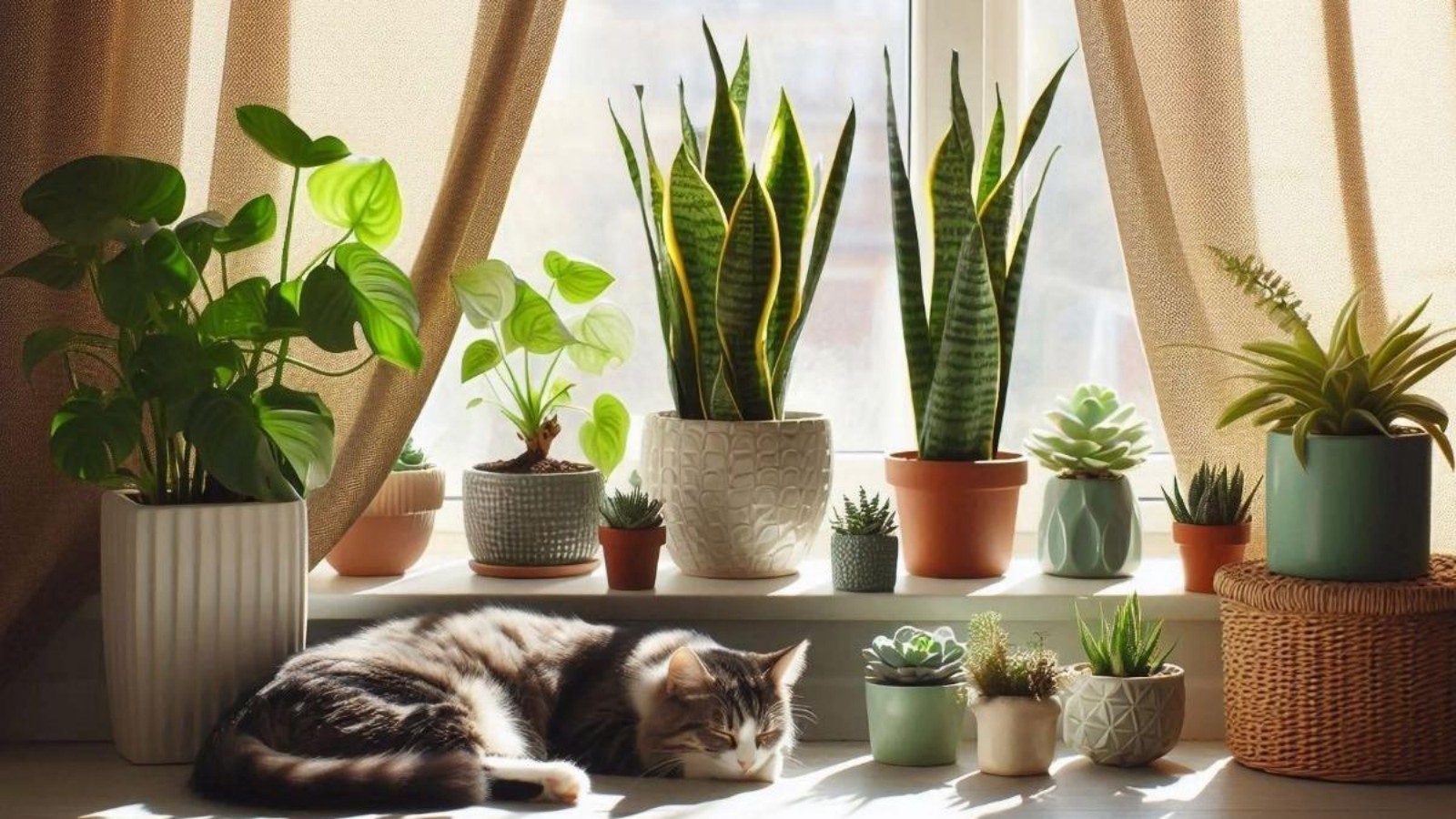
2. Zone-Specific Approach: Each space has its own color purpose
Living Room: Warm tones create a welcoming atmosphere.
Study: Cool tones stabilize mood and enhance focus.
Bedroom: Low-saturation warm or deep cool tones promote relaxation.
Balcony: Naturally mix and match to reflect outdoor layering.
Plant colors needn't be uniform throughout the home; instead, assign different spaces distinct “emotional functions.”
3. Dynamic-Static Combination: Cool tones anchor the base, warm tones provide highlights
Cool-toned plants = Background and foundation for stability
Warm-toned plants = Focal points and highlights
Example:
Deep green Monstera (cool tone) + Small red anthurium (warm tone)
→ Stability with brightness, creating layered visuals without clutter.
IV. Selecting Cool/Warm-Toned Plants Based on Living Style
Different spatial styles have inherent preferences in color schemes, materials, and visual ambiance. Thus, plant hues and forms should resonate with the overall aesthetic to achieve true visual harmony. Treat plants as “extended elements” of your space's style, and you'll discover how color not only complements the room's personality but elevates its overall tone. For instance: - Minimalist spaces require cool tones to maintain purity - Creamy interiors need warm hues for softness - Forest-inspired designs rely heavily on greenery - Industrial styles contrast deep greens with bright accents Understanding these style requirements clarifies selection criteria, avoiding random plant placement.
1. Minimalist, Nordic, Modern Styles
Cool tones anchor the space's texture, emphasizing clean lines, low saturation, and a serene atmosphere. These styles naturally lean toward white, gray, wood tones, or black, making cool greens, gray-greens, and silver-greens ideal for a clean, pure, and uncluttered feel. Plants with defined lines like snake plants or eucalyptus not only align with modern aesthetics but also echo the geometric structures of furniture. The cool-toned foliage of silver queen or blue star ferns elevates sophistication and adds depth to the space. Choosing these plants also reduces visual clutter, creating a more orderly composition—perfect for minimalist enthusiasts.
Recommended: Silver Queen, Eucalyptus, Snake Plant, Blue Star Fern.
2. Creamy Style, Japanese Muji Aesthetic
This style emphasizes softness, comfort, and a “warm sense of negative space.” Thus, plant hues should lean toward gentle, warm, light tones that aren't overly intense. Soft warm greens, creamy greens, pale pinks, and light yellow-greens blend seamlessly into the space, making the overall atmosphere feel more welcoming and homey. The soft warm green of golden pothos and variegated snake plants naturally brightens the space; pink anthuriums or variegated bromeliads add subtle, soft accents that enhance coziness without being overpowering. Additionally, warm-toned plants pair perfectly with wooden furniture, creating a smoother, more harmonious visual. If you prefer a comfortable, natural, and soft spatial tone, these plants are particularly well-suited.
Recommended: Pothos, Anthurium, Variegated Bromeliad, Variegated Snake Plant.
3. Forest-inspired and Natural Styles
Forest-inspired design prioritizes an authentic “natural feel,” making warm-cool color combinations the most organic approach, with green as the absolute protagonist. Imagine a forest's palette isn't monochromatic—it blends deep greens, light greens, teals, and fresh greens, punctuated by warm highlights from flowers or fruits. Thus, when creating a forest-inspired home, avoid forcing uniformity; instead, embrace “nature's rich layering.” Ferns lend a wild texture with their feathery fronds; pothos conveys sprawling vitality; while birds of paradise or warm-hued succulents serve as focal points, adding vibrancy while preserving organic charm. Pairing these with wicker baskets and wooden furniture further evokes the rustic ambiance of a forest cabin.
Recommended: Ferns, pothos, birds of paradise, warm-hued succulents.
4. Industrial Style & Dark Spaces
Industrial style centers on dark hues, metal, concrete, and raw textures. Plants must possess a strong presence to visually counterbalance the space. Deep green cool-toned plants excel here—they won't be swallowed by dark walls but instead create a bold, grounded contrast against blacks and grays. Large Fiddle Leaf Fig or Monstera plants serve as focal trees, establishing strong visual structure. then incorporate warm-toned plants like anthuriums or red-leafed caladiums to illuminate darker areas. This not only adds vitality but also softens the industrial style's cold, hard texture. Maintain a predominantly cool-toned palette overall, using warm accents sparingly to create tension while preserving balance.
Recommended: Fiddle-leaf fig, Monstera, Anthurium, Red-leafed caladium.
V. Selecting Color Palettes Based on Emotional Needs
—Craft Your Unique Ambiance with Plants
Spatial atmosphere influences mood, and plant colors are key elements in shaping emotions.
You need cool-toned plants if you want:
A cleaner, fresher space
Enhanced focus
A calm, grounded atmosphere
Visual expansion of the space
Reduced clutter
Cool-toned plants offer a “cooling effect on the mind,” particularly effective for modern individuals under stress.
Opt for warm-colored plants if you desire:
A warmer, more welcoming space
Brightening dim areas and gloomy days
An atmosphere brimming with vitality and liveliness
A home better suited for interaction and connection
Enhanced happiness
Warm-colored plants amplify energy, making spaces feel “lived-in, story-filled, and warm.”
VI. Practical Selection Tips: How to Make the Best Choice for You?
Observe your room's primary color scheme:
Cool-toned furniture → Prioritize cool-toned plants
Warm-toned furniture → Opt for warm-toned plants
Higher color consistency creates a more cohesive, designed space.
Start with one plant and expand gradually:
Test small-scale arrangements to observe effects before committing to a full scheme.
Avoid excessive high-contrast combinations:
Intense patterns can be visually tiring—use sparingly as accents.
Always maintain green as your foundation:
Green is a neutral color, serving as the perfect bridge between cool and warm tones.
Choosing colors you love is paramount:
Plants are companions in your life. Seeing them brings you joy—that's the right choice.
Conclusion: Color gives plants a story; style begins with selection
Cool-toned plants bring calm, rationality, and stability; warm-toned plants infuse warmth, vitality, and a welcoming atmosphere. Neither is superior—only whether they suit you. When you understand color properties, spatial needs, and personal preferences, you can select plant companions that truly resonate—making your living space more comfortable, stylish, and vibrant. Whether you favor the crispness of cool tones or the warmth of warm hues, you can craft your own color story through plants.
Advertisement
Learn More
-

- June 1,2026
- How to treat leaf spot disease in Wisteria?
-
- May 26,2026
- Choosing Plants for Hotel Rooms: Creating a Comfor Stay
-
- May 18,2026
- How to Deal with Plant Blight Disease in Duranta erecta?
-
- May 11,2026
- Edible Plant ion Guide: Common but Easily Misunderstood Plant Types in the Market
-
- May 6,2026
- How should I care for Common asparagus fern?
-
- April 27,2026
- Garden Maintenance Schedule: Perfect All Year Round



Advertisement

 Poisonous and danger
 Edible and medicinal
 Wild and common weed