
How to Deal with Plant Blight Disease in Duranta erecta?
Advertisement
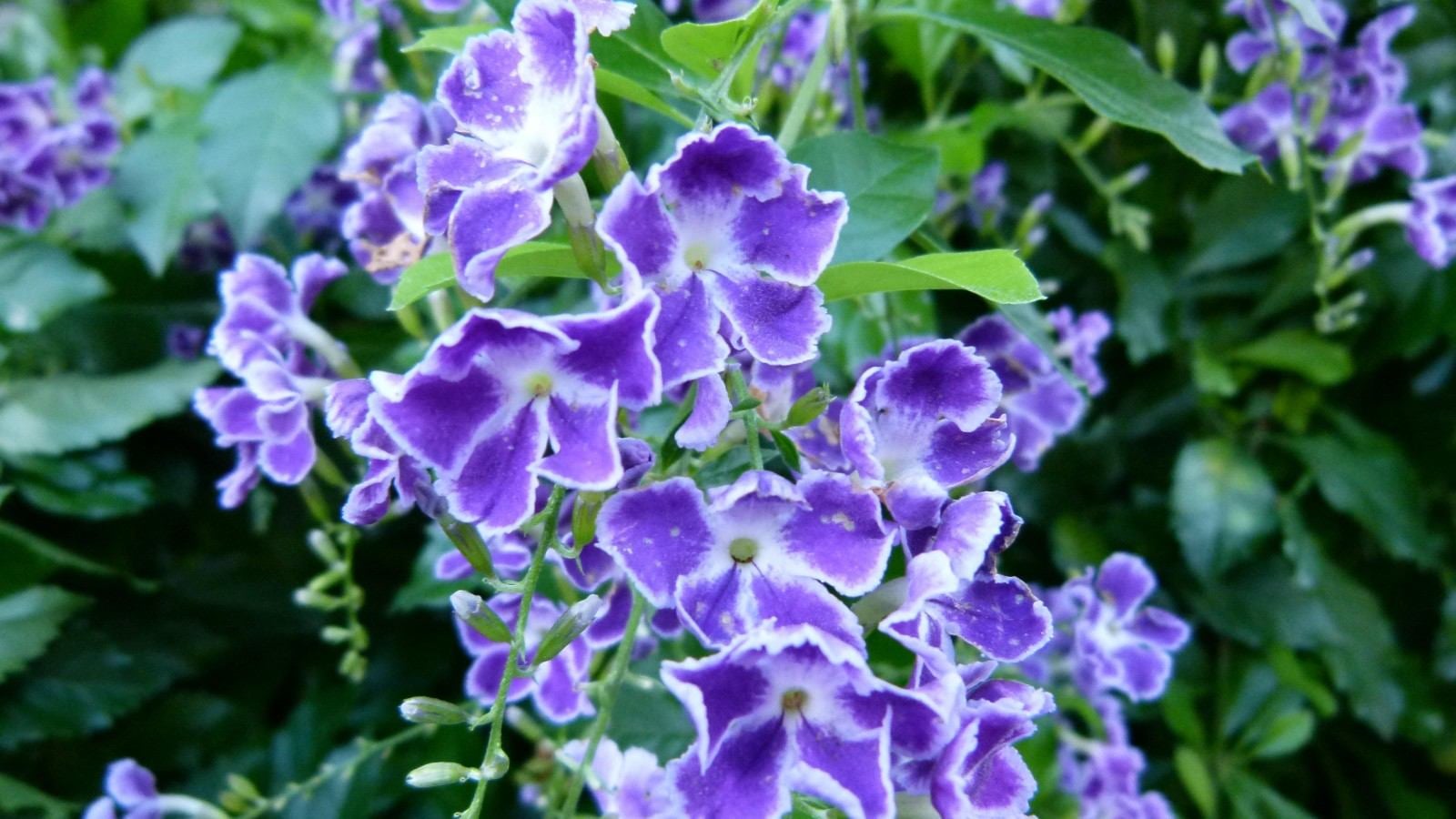
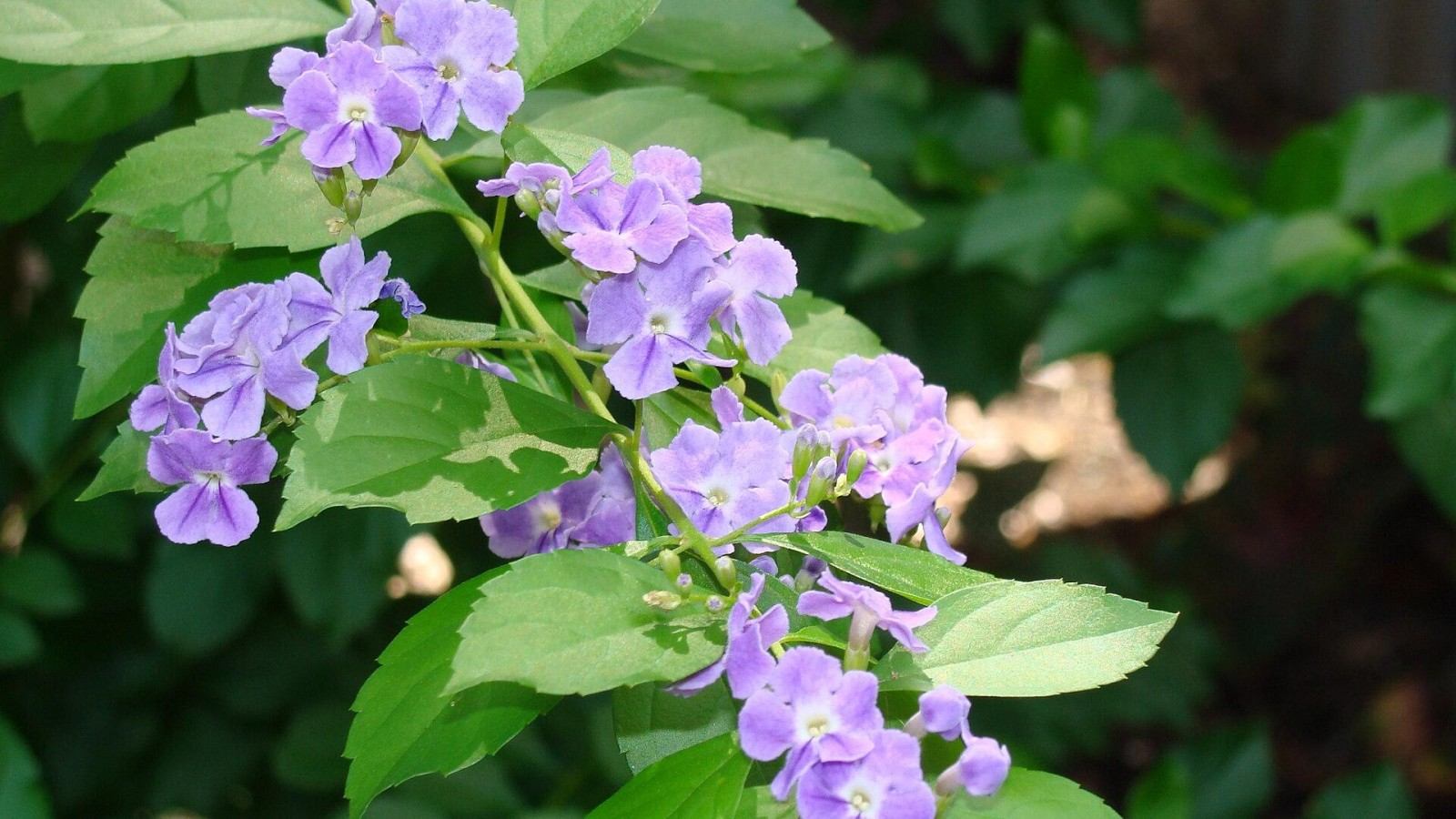
Duranta erecta, commonly known as golden dewdrop, sky flower, or pigeon berry, is a versatile and vibrant ornamental shrub that graces gardens, landscapes, and containers across tropical and subtropical regions worldwide. Native to Mexico, the Caribbean, and Central and South America, this evergreen plant—with its cascading clusters of blue, purple, or white flowers and bright golden berries—has become a favorite among gardeners, landscapers, and horticulturists for its hardiness, fast growth, and year-round visual appeal. However, like many ornamental plants, Duranta erecta is vulnerable to blight disease, a destructive condition that can mar its beauty, weaken its health, and even lead to plant death if left unaddressed. Blight in Duranta erecta manifests in several forms, driven by fungal, bacterial, or environmental stressors, and its impact is felt by home gardeners, commercial landscapers, and plant nurseries alike, regardless of location.
Blight is not a single disease but a collective term for a group of plant conditions characterized by rapid, widespread discoloration, wilting, and death of plant tissues—including leaves, stems, flowers, and berries. In Duranta erecta, blight can be caused by various pathogens, most commonly fungi like Colletotrichum (anthracnose), Botrytis (gray mold), and Cercospora, as well as bacteria such as Pseudomonas cichorii and Xanthomonas species. Environmental factors, including excessive humidity, poor airflow, overwatering, and nutrient deficiencies, often create the ideal conditions for these pathogens to thrive, making prevention as crucial as treatment. Understanding the nuances of Duranta blight—from its causes and symptoms to its management—empowers gardeners to act quickly and effectively, preserving the health and beauty of this beloved ornamental shrub. Whether you’re tending to a single Duranta in a container or managing a landscape full of these plants, this guide will equip you with the tools to tackle blight head-on.
Understanding Duranta erecta Blight: Causes and Common Pathogens
To effectively deal with blight in Duranta erecta, it’s first essential to understand its root causes and the pathogens responsible. Unlike some plant diseases that are caused by a single organism, Duranta blight is often triggered by a combination of pathogens and environmental stressors, with fungal and bacterial infections being the most prevalent. Fungi are the primary culprits, accounting for approximately 90% of known plant pathogens, and several fungal species are specifically associated with blight in Duranta erecta. The most common fungal pathogens include Colletotrichum gloeosporioides, which causes anthracnose—a widespread disease that thrives in hot, humid conditions; Botrytis cinerea, the cause of gray mold, which targets weak or damaged plant tissue; and Cercospora and Mycosphaerella species, which lead to leaf blight and wilting. Bacterial blight, though less common, is caused by pathogens like Pseudomonas cichorii and Xanthomonas species, which can produce dark necrotic leaf spots and rapid tissue decay.
Environmental conditions play a critical role in the development and spread of Duranta blight. Fungal spores are typically spread by water splashing from rain or irrigation, as well as by contaminated hands, tools, or even wind in some cases. These spores require a film of water on plant surfaces for several hours to germinate, making extended periods of wet, humid weather—common in tropical and subtropical regions—the perfect breeding ground for blight. Poor airflow, caused by overcrowding, dense foliage, or improper spacing, traps moisture around the plant, further encouraging pathogen growth. Additionally, stress factors like overwatering (which leads to root rot and weakened plant defenses), nutrient deficiencies, physical damage, and extreme temperature fluctuations can make Duranta erecta more susceptible to blight infections. Even cultural practices, such as overhead watering or using contaminated soil, can introduce pathogens and trigger blight outbreaks.
Identifying Blight Symptoms in Duranta erecta: Key Signs to Watch For
Early detection is critical for successfully managing blight in Duranta erecta, as it allows gardeners to intervene before the disease spreads to the entire plant or neighboring specimens. Blight symptoms can vary slightly depending on the pathogen involved, but there are several common signs that indicate a problem. Fungal blight, such as anthracnose, typically presents as tan to reddish-brown lesions along leaf veins, often accompanied by cupped or distorted leaves. As the disease progresses, these lesions may expand, merge, and develop dark, spore-producing structures in their centers, giving the leaves a spotted, unsightly appearance. Gray mold, caused by Botrytis cinerea, manifests as a fluffy, gray-brown mold on aging or damaged plant parts—including leaves, flowers, and berries—often leading to soft, watery rot and tissue collapse.
Bacterial blight in Duranta erecta is characterized by dark, necrotic leaf spots that may be surrounded by a yellow halo, with the spots often expanding rapidly and causing leaf drop if left untreated. In severe cases, both fungal and bacterial blight can spread to stems, causing cankers (sunken, discolored areas) that disrupt the plant’s ability to transport water and nutrients, leading to wilting, stunted growth, and even plant death. Another common symptom of blight is premature leaf drop, where infected leaves turn yellow or brown and fall off the plant, leaving it sparse and weakened. It’s important to distinguish blight from other common Duranta issues, such as nutrient deficiencies (which cause uniform yellowing) or pest infestations (which often leave visible insects or honeydew residue), as treatment methods vary significantly.
Preventative Measures: The First Line of Defense Against Blight
Preventing blight in Duranta erecta is far more effective and less costly than treating an established infection. The key to prevention lies in creating an environment that is unfavorable for pathogens while strengthening the plant’s natural defenses through proper care and cultural practices. One of the most important preventative steps is selecting the right planting location. Duranta erecta thrives in full sun (6–8 hours of direct sunlight daily) and well-draining soil, as excessive shade and waterlogged soil create the humid, moist conditions that blight pathogens love. When planting multiple Duranta shrubs, ensure proper spacing—typically 3–4 feet apart—to promote airflow and reduce moisture retention around the foliage, which helps prevent spore germination and spread.
Proper watering practices are another critical preventative measure. Avoid overhead watering, which wets the leaves and creates a film of water that encourages fungal and bacterial growth; instead, water at the base of the plant, directing the water to the root zone. Allow the top 1–2 inches of soil to dry out between waterings to prevent overwatering and root rot, which weakens the plant and makes it more susceptible to blight. Additionally, maintaining good garden hygiene is essential: regularly remove dead, diseased, or fallen leaves and debris from around the plant, as these can harbor blight pathogens over winter or during periods of dormancy. Never compost diseased plant material, as this can spread the pathogens back into the soil.
Cultural Practices to Strengthen Duranta erecta and Resist Blight
Healthy, well-nourished Duranta erecta plants are far more resistant to blight than stressed or weakened ones. Implementing proper cultural practices to support plant health is a key component of blight prevention. Fertilizing regularly with a balanced, slow-release fertilizer—formulated for ornamental shrubs—provides the nutrients Duranta needs to maintain strong foliage and robust defenses. Avoid over-fertilizing with nitrogen, as this promotes lush, tender growth that is more susceptible to blight infections; instead, opt for a fertilizer with equal parts nitrogen, phosphorus, and potassium (e.g., 10-10-10) to encourage balanced growth. Apply fertilizer in early spring and late summer, following the manufacturer’s instructions to avoid nutrient burn.
Pruning is another essential cultural practice for preventing blight. Regular pruning removes dead, diseased, or overcrowded branches, improving airflow and reducing the number of potential host sites for blight pathogens. Use clean, sharp pruning tools—disinfected with a solution of 1 part household bleach to 9 parts water or rubbing alcohol—to prevent the spread of pathogens from infected to healthy plant parts. Prune Duranta erecta in late winter or early spring, before new growth emerges, and avoid heavy pruning during periods of high humidity or wet weather, as this can create wounds that are vulnerable to infection. For gardeners in different regions, adjust pruning timing: in tropical climates, pruning can be done year-round as needed, while in cooler regions, avoid pruning in late fall or winter to prevent frost damage to new growth.
Treating Established Blight Infections: Step-by-Step Solutions
If blight is detected in Duranta erecta, prompt action is necessary to contain the infection and save the plant. The treatment method depends on the type of blight (fungal or bacterial) and the severity of the infection. For mild to moderate fungal blight infections—such as anthracnose or gray mold—start by removing all infected plant parts. Use clean, disinfected pruning tools to cut off infected leaves, stems, and flowers, cutting 2–3 inches below the visible infection to ensure all diseased tissue is removed. Place all infected material in a sealed plastic bag and dispose of it in the trash (not compost) to prevent the spread of spores. After pruning, thoroughly clean and disinfect your tools again to avoid contaminating healthy plants.
For fungal blight, apply a fungicide to the remaining plant and surrounding soil to prevent further spread. Choose a broad-spectrum fungicide labeled for use on Duranta erecta and effective against the specific pathogen (e.g., chlorothalonil for anthracnose, iprodione for gray mold). Follow the manufacturer’s instructions carefully, applying the fungicide evenly to all parts of the plant—including the undersides of leaves—and repeating the application every 7–10 days until the infection is under control. For bacterial blight, copper-based fungicides (which also act as bactericides) are the most effective treatment, as there are no dedicated bacterial sprays for home gardeners that can eliminate the pathogen entirely. Apply copper fungicides every 5–7 days during wet weather to suppress bacterial growth.
Advanced Treatment Options for Severe Blight Infections
In cases of severe blight infections—where more than half of the plant is infected, or the disease has spread to the roots—more aggressive measures may be necessary. For fungal blight that has infiltrated the soil (e.g., from infected roots or fallen debris), soil solarization is an effective organic method to kill pathogens. To solarize the soil, remove the infected plant (if necessary), till the soil thoroughly, water it well, and cover it tightly with a clear plastic tarp during the hottest part of the summer (6–8 weeks). The heat trapped under the tarp can kill blight pathogens in the top 6–12 inches of soil, reducing the risk of future infections. This method is particularly useful for home gardeners who want to avoid chemical treatments.
For severe bacterial blight or fungal infections that have spread to the root system, removing the entire plant may be the only way to prevent the disease from spreading to neighboring Duranta plants. Carefully dig up the entire plant, including the root ball, taking care not to shake soil from the roots (which can spread pathogens). Dispose of the plant in a sealed plastic bag, and sanitize the area with a bleach solution to kill any remaining pathogens. Avoid planting Duranta erecta or other susceptible plants in the same spot for at least 2–3 years, as blight pathogens can survive in the soil for extended periods. For commercial nurseries or large landscapes, professional-grade fungicides or bactericides may be necessary, but these should be applied by trained professionals to ensure safety and effectiveness.
Region-Specific Considerations for Blight Management
Duranta erecta is grown worldwide in tropical and subtropical regions, and blight management must be tailored to the unique climate and growing conditions of each region. In humid, tropical regions—such as Florida, Southeast Asia, and parts of Australia—blight is more prevalent due to year-round warm temperatures and high humidity. Gardeners in these regions should prioritize airflow, avoid overhead watering, and apply preventative fungicides during the wet season (typically spring and summer) to stay ahead of blight outbreaks. In Australia, where Duranta erecta has naturalized in some areas, gardeners should also practice responsible management to prevent the spread of blight to native vegetation, including removing berries that can be dispersed by birds in sensitive areas.
In subtropical regions with distinct wet and dry seasons—such as parts of California, the Mediterranean, and South Africa—blight is most common during the wet season, when moisture levels are high. Gardeners in these regions should adjust their watering and pruning practices seasonally: reduce watering during the dry season to avoid stress, and increase airflow through pruning before the wet season begins. In cooler subtropical regions, avoid pruning in late fall or winter, as new growth may be damaged by frost and become vulnerable to blight when spring moisture arrives. Additionally, gardeners in all regions should be aware of local regulations regarding fungicide use, as some products may be restricted or require a license in certain areas.
Common Mistakes to Avoid When Dealing with Duranta Blight
Even experienced gardeners can make mistakes when managing blight in Duranta erecta, and these mistakes can prolong the infection or spread the disease to other plants. One of the most common mistakes is delaying treatment: blight spreads rapidly, and waiting to address the problem can allow the pathogen to take hold and damage the plant beyond repair. Another common error is overwatering, which creates the moist conditions that blight pathogens thrive in—always allow the soil to dry out between waterings, and avoid wetting the foliage. Using contaminated tools is also a major mistake, as pruning tools can easily transfer blight spores from infected to healthy plants; always disinfect tools before and after use.
Over-reliance on chemical fungicides is another pitfall. While fungicides are effective for treating blight, they should be used in conjunction with cultural practices (pruning, proper watering, good hygiene) for the best results. Using fungicides without addressing the underlying environmental conditions (e.g., poor airflow, overcrowding) will only provide temporary relief, as the blight is likely to return. Additionally, using the wrong type of fungicide—e.g., a fungal fungicide for bacterial blight—will waste time and money and may not help the plant. Finally, composting diseased plant material is a critical mistake, as this allows blight pathogens to survive and spread back into the soil, infecting future plants.
Expert Insights: Advice from Horticulturists and Plant Pathologists
To gain further perspective on managing Duranta erecta blight, we spoke to leading horticulturists and plant pathologists from around the world. Dr. Sarah Chen, a plant pathologist at the University of Florida IFAS, emphasizes the importance of early detection: “Blight in Duranta erecta is much easier to manage when caught in the early stages. Gardeners should inspect their plants regularly—at least once a week—paying close attention to the undersides of leaves and new growth, where symptoms often first appear.” She also notes that cultural practices are key: “Most blight outbreaks can be prevented by simple steps like proper spacing, avoiding overhead watering, and removing dead debris. These practices create an environment that is hostile to blight pathogens while strengthening the plant’s natural defenses.”
Dr. Carlos Mendez, a horticulturist specializing in tropical ornamental plants in Mexico City, adds: “Duranta erecta is a hardy plant, but it’s not immune to blight. In tropical regions, where humidity is high, preventative fungicide applications during the wet season are a smart investment. However, it’s important to rotate fungicides to avoid pathogen resistance—using the same product repeatedly can make the blight harder to control over time.” He also advises gardeners to choose resistant varieties when possible: “Some Duranta cultivars are more resistant to blight than others. When purchasing plants, ask your nursery about resistant varieties to reduce your risk of infection.”
Conclusion: Protecting Duranta erecta from Blight for Long-Term Health
Duranta erecta is a stunning, versatile ornamental shrub that brings color and life to gardens and landscapes worldwide. While blight disease can pose a threat to its health and beauty, it is a manageable condition with the right knowledge and practices. By understanding the causes and symptoms of blight, implementing preventative measures (such as proper spacing, watering, and garden hygiene), and acting promptly to treat infections, gardeners can protect their Duranta erecta plants from blight and ensure their long-term health. Whether you’re a home gardener tending to a single plant or a professional landscaper managing a large-scale installation, the strategies outlined in this guide will help you keep your Duranta erecta healthy and vibrant.
Remember, prevention is always the best defense against blight. By creating an environment that is unfavorable for pathogens and strengthening your Duranta’s natural defenses through proper care, you can minimize the risk of blight outbreaks. If blight does occur, early detection and targeted treatment will give your plant the best chance of recovery. With patience, consistency, and the right approach, you can enjoy the beauty of Duranta erecta for years to come, free from the damage of blight disease. For international gardeners, adapting these strategies to your region’s unique climate and growing conditions will ensure the most effective blight management, allowing your Duranta erecta to thrive in any setting.
Advertisement
Learn More
-

- July 16,2026
- Common Diseases & Pest-Related Disorders of Nepeta cataria: Full Identification, Organic Treatment and Long-Term Prevention Guide
-
- July 7,2026
- Potted Plants or Cut Flowers for Holidays? A Comparison of Aromatic Plant Gift Options
-
- July 2,2026
- Detailed Planting Steps for Quercus palustris in a Home Garden!
-
- June 24,2026
- Conveying Sentiments Through Floral Fragrance: The Cultural Significance of Gifting Flowers on International Holidays
-
- June 15,2026
- Why are the leaves of Prunus laurocerasus attacked by caterpillars?
-
- June 9,2026
- Fresh Flowers Bring Vitality, Dried Flowers Offer Delight: A Guide to Choosing High-Quality, Fragrant Plants for Long-Term Enjoyment


Advertisement
 Poisonous and danger
 Edible and medicinal
 Wild and common weed