
Edible Plant ion Guide: Common but Easily Misunderstood Plant Types in the Market
Advertisement
Many people have a misconception when buying vegetables: as long as they look fresh and have a beautiful color, they must be "good plants." However, after bringing them home, they find that some vegetables taste bitter when cooked, some medicinal plants are not suitable for daily consumption, and some that look like "natural wild vegetables" can actually irritate the stomach if not handled properly. Most ordinary consumers choose edible plants based solely on their appearance, ignoring the plant's growth stage, variety, and edibility. This is the core reason why they frequently make mistakes when buying vegetables. Even if the ingredients themselves are of good quality, choosing the wrong category or growth stage will significantly diminish the taste and overall eating experience.
Especially now that more and more people are focusing on health, light meals, and natural diets, the variety of edible plants on the market is also increasing. From supermarkets to farmers' markets, many plants have sophisticated names and healthy packaging, but not everyone knows how to choose them. The variety of edible plants sold in the market is complex, with many similar-looking plants with vastly different uses mixed together. Coupled with merchants' deliberate embellishment of appearance and exaggeration of health benefits, it is easy to mislead ordinary consumers. Ordinary people often lack the knowledge to distinguish between good and bad plants, relying solely on appearance and price. This can easily lead to overpaying for ingredients unsuitable for cooking and with poor taste.
Some plants are easy to mistake, some are easy to over-ripen, and some "look similar but taste completely different." Not knowing how to choose not only affects the taste but can also waste money. Such pitfalls are very common in daily life: some mugwort is soft and sweet, while others are rough and difficult to swallow; some mint is sweet and refreshing, while others are spicy and pungent—subtle differences are difficult for the average person to discern. Inferior ingredients not only taste bad after cooking, but some improperly processed or incorrectly categorized edible plants can also burden the digestive system with long-term consumption, resulting in more harm than good. Mastering basic selection skills is crucial to avoiding common shopping traps in the market.
I. Mugwort: Not necessarily older, thicker leaves actually taste worse.
Many people, when they hear the name mugwort, immediately think "the stronger the medicinal smell, the better." Therefore, when buying mugwort, they specifically choose those with darker color and larger leaves, believing that the stronger the aroma, the more valuable it is. This is a deeply ingrained misconception among consumers: many believe that the stronger the aroma of a herb, the higher its nutritional value and the better its taste, subconsciously ignoring the edible properties of mugwort. Many vendors deliberately display large-leafed, old mugwort, exploiting this misconception and leading unsuspecting consumers to make mistakes, buying mugwort unsuitable for daily consumption.
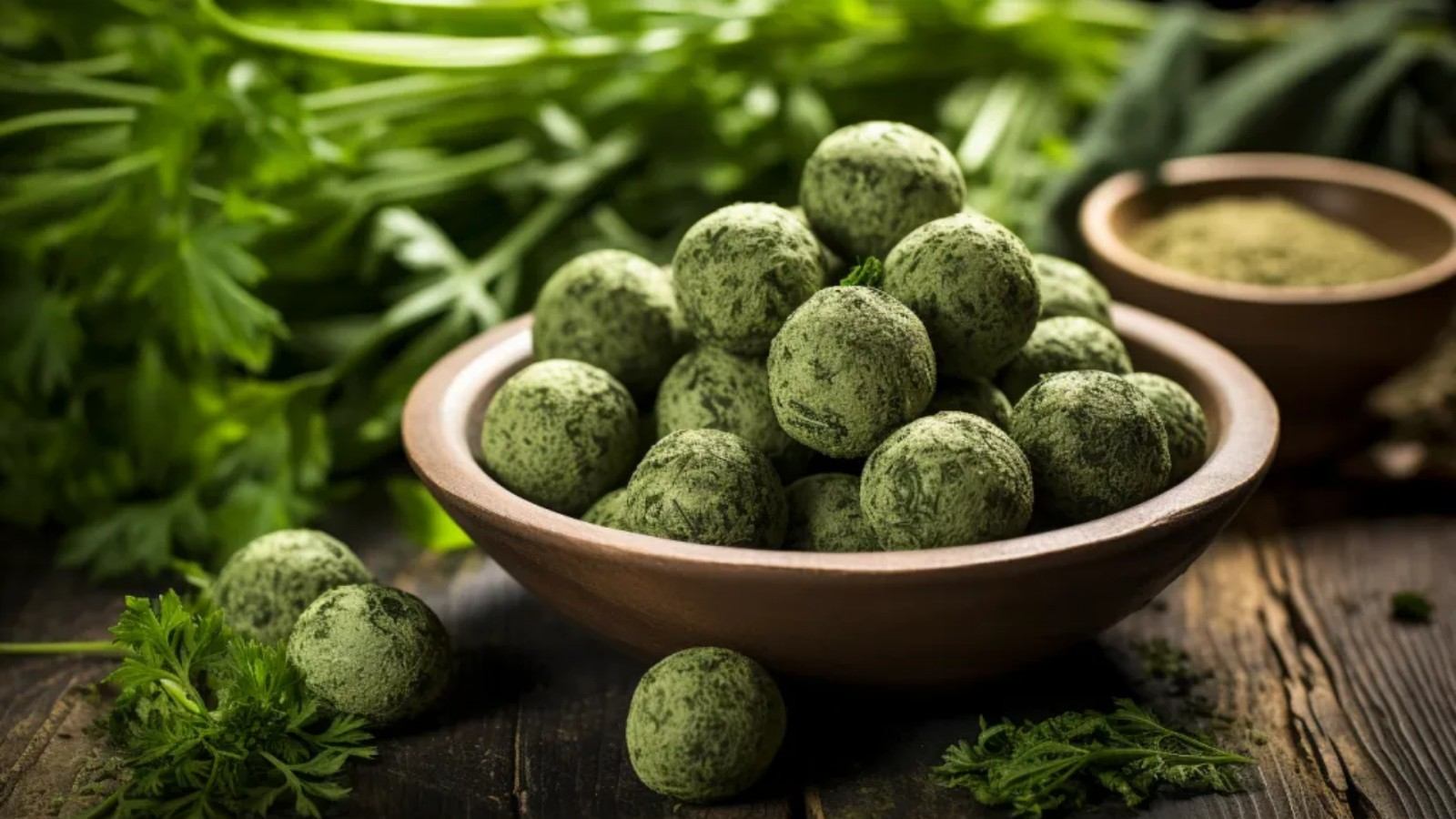
In fact, the opposite is true. The tender mugwort truly suitable for making qingtuan (green glutinous rice dumplings), mugwort cakes, and mugwort porridge typically has smaller leaves, a grayish-green color, and thinner stems. This type of mugwort has less fiber, resulting in a finer texture after crushing, without a noticeable roughness. Tender mugwort has a short growth cycle, ample moisture, and its fibers haven't hardened. It possesses a fresh herbal aroma without a pungent medicinal taste. When processed into pastries and desserts, it has a soft, smooth texture and a warm, natural color, without becoming hard or dry. It is the preferred edible mugwort for food processing.
On the other hand, old mugwort with thick leaves, large areas of whiteness, and a particularly pungent aroma is more suitable for fumigation or foot baths and is not suitable for direct consumption. Old mugwort, having grown for too long, has severely fibrous leaves with a high lignin content, making it hard and rough. Even after repeated steaming, boiling, and crushing, it still has a noticeable fibrous texture. Furthermore, its high volatile oil content gives it a strong, pungent medicinal odor, making it bitter and astringent when eaten directly. Not only does it taste terrible, but excessive consumption can also burden the body, making it only suitable for external therapeutic use.
Many people feel like they're eating grass when they first try mugwort. The problem isn't the mugwort itself, but rather that they bought the wrong stage. Edible mugwort on the market is clearly graded, with different growth stages having distinct uses. Most negative reviews stem from choosing the wrong type of mugwort. Many beginners don't understand the differences and blindly buy large-leafed, old mugwort to make dishes, ultimately concluding that the mugwort tastes bad and bitter, wasting ingredients and missing out on the fragrant taste of high-quality, tender mugwort.
Selection Tips:
Look at the tender shoots:The more tender leaves at the top, the better. A higher proportion of tender shoots indicates a shorter growth cycle, lower fiber content, and a softer, sweeter taste. Prioritize mugwort with clusters of tender leaves at the top and a short overall plant size. Avoid plants with withered tops and aging, spread-out leaves.
Touch the leaves: Soft leaves are more suitable for consumption. Gently pinch the leaves with your fingers; tender mugwort will feel soft, thin, and not easily broken. Thick, stiff leaves with a rough, hard surface indicate older mugwort with a poorer taste.
Smell the aroma: A light, fragrant aroma is better for cooking than a pungent one. High-quality edible mugwort emits a delicate herbal fragrance without a strong, spicy, or medicinal smell. Mugwort with a pungent, irritating, or eye-irritating odor has excessively high volatile oil content and is only suitable for external use.
Avoid excessively thick stems:This indicates that the fibers have aged. Mugwort with thick, hard stems and a dark green to brownish color is severely lignified, leaves a fibrous residue when chewed, and has a dry taste; it is not recommended for purchase or consumption.
Avoid excessively thick stems: This indicates that the fibers have aged. Mugwort with thick, hard stems and a dark green to brownish color is severely lignified, leaves a residue when chewed, and has a dry taste.
II. Mint: Not All Mint is Suitable for Infusion
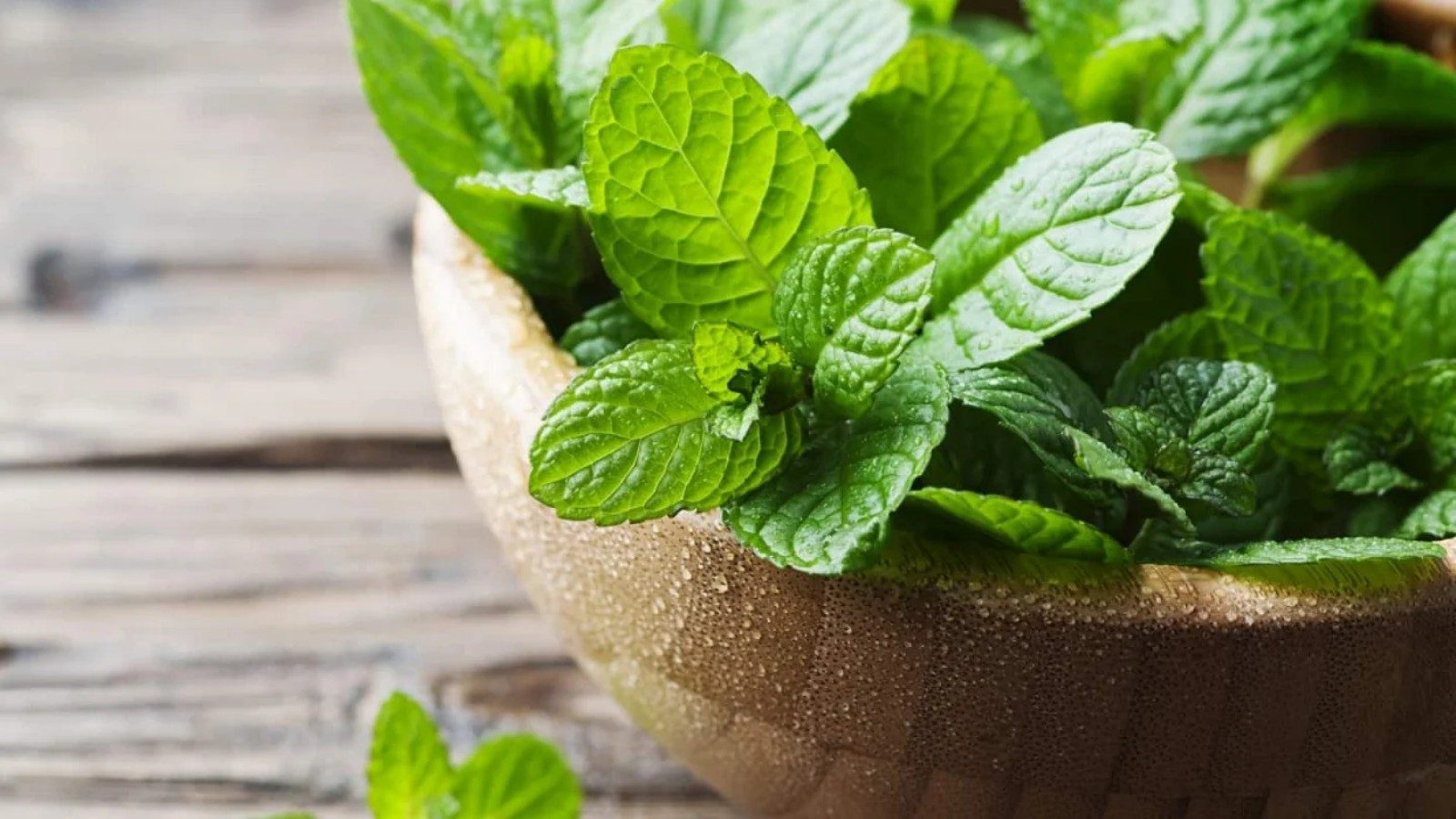
Many people buy mint simply by looking at whether it "looks like mint." However, there are actually many varieties of mint on the market. Some are suitable for drinking, while others are better suited for insect repellent or as ornamental plants. Mint varieties are diverse, with dozens of cultivated varieties worldwide. The mint sold in domestic vegetable markets, flower shops, and potted plant shops has different uses. Ornamental mint focuses on its aesthetic appearance, while spice mint focuses on its strong, spicy aroma. Not all varieties can be directly infused in water; blindly choosing can easily cause irritation.
The easiest to mistake are "spearmint" and "peppermint." These two types of mint look extremely similar, making it difficult for the average person to quickly distinguish them with the naked eye. They are also the two most widely circulated types of mint on the market. Vendors often mix them up without labeling the type, leading consumers to buy indiscriminately. Their taste and irritation differ significantly, and they are suitable for completely different cooking and drinking scenarios. Choosing the wrong type not only results in an odd flavor but can also cause physical discomfort.
Spearmint has a milder aroma with a hint of sweetness, making it suitable for fruit teas, salads, and desserts. Peppermint, on the other hand, is more pungent and has a higher menthol content. While it smells very "cool," many people find it too strong when steeped in large quantities, and it can even irritate the stomach. Spearmint is refreshing and mild, with a gentle sweetness, making it suitable for everyday cold drinks and salads, and is suitable for all ages. Peppermint has a strong cooling sensation and a high menthol content; people with sensitive stomachs may experience acid reflux or stomach pain after drinking it, and it is only suitable for small amounts for seasoning.
Another common misconception is that the larger the leaves, the better. In fact, many large-leafed mints are grown in greenhouses, resulting in insufficient aroma. Truly aromatic mint usually has relatively small leaves. Greenhouse-cultivated large-leafed mint has excessive water content and grows too quickly, resulting in insufficient accumulation of aromatic substances, a weak and tasteless aroma, and is prone to rotting. Naturally grown small- to medium-sized leafed mint has a rich and mellow aroma, is more durable for storage, and has a better taste.
Selection Tips: Choose mint leaves with a natural, slightly greenish hue, avoiding overly bright colors. Naturally grown mint leaves have a matte, dark green color with a warm, moist appearance. Leaves that are glossy, glaring, or bright green are often due to hormone-induced growth and have a weak aroma.
The stems should not be blackened. Fresh mint stems are bright green and translucent, without blackening, shriveling, or rotten spots. Blackened or soft stems indicate prolonged storage, internal spoilage, and increased susceptibility to bacterial growth.
Gently rub the leaves; a naturally released aroma is better. High-quality mint will have a delicate, lingering, and evenly distributed aroma after rubbing. Mint with a pungent aroma that dissipates quickly is of lower quality.
Avoid "moist" mint, as it doesn't keep well. Mint with plump, swollen leaves and excessive surface moisture has too high a moisture content and will rot and mold within 1-2 days, making it difficult to preserve.
III. Perilla: Red and green perilla have completely different uses.
Many people refer to perilla as simply "perilla leaves," but it actually comes in many varieties. The most easily confused types are red and green perilla. There's a common misconception that perilla only comes in purple, judging quality solely by color intensity, without understanding the different varieties. Both types are often sold together in the market, looking similar and priced alike, making it difficult for the average person to distinguish them. They also lack awareness of their culinary versatility, easily leading to purchase errors.
Red perilla has a stronger aroma and is often used for pickling, removing fishy odors, and soaking plums; while green perilla has a milder flavor, making it more suitable for wrapping meat, cold dishes, or everyday side dishes. Red perilla is rich in anthocyanins and has a high content of volatile aromatic substances, making it extremely effective at removing fishy odors and enhancing flavor. It can withstand long periods of pickling and soaking, making it suitable for heavily processed dishes; green perilla has a mild flavor, a naturally fresh and sweet aftertaste, thin and tender leaves, and a smooth texture, making it suitable for simple cooking and preserving its original fragrance.
Some people buy red perilla for stir-frying, only to find the entire dish has a strong herbal taste; others use green perilla for pickling and find that the color and aroma are insufficient. These cooking mishaps are all due to a lack of understanding of the proper uses of different types of perilla, not a problem with the quality of the ingredients themselves. Red perilla's strong aroma is unsuitable for light, quick stir-fries, easily masking the natural flavors of the ingredients; green perilla has a weak aroma, and its flavor is severely diminished after prolonged pickling, failing to achieve the desired effect of removing fishy smells and adding color.
The problem isn't a lack of cooking skills, but rather the different uses of the plants themselves. Perilla varieties are clearly categorized, with different varieties suited to different cooking methods—a long-established principle in Chinese cuisine. Understanding the characteristics of these two types of perilla and choosing accordingly will maximize the benefits of the ingredient, avoiding incongruous flavors and strange textures, and allowing you to easily create authentic and delicious home-style dishes.
Selection Tips: Red perilla is a darker red, not a bright purple. Naturally ripened red perilla has a deep, warm color with a fine white bloom on the leaves; artificially dyed or artificially colored perilla is a bright, glaring purple that easily rubs off when touched, and is not recommended for purchase.
The better the leaves are intact and without black edges. High-quality perilla leaves are flat and spread out, without scorched edges, rotten edges, or insect holes. Blackened and curled leaves indicate that they have been stored for too long, oxidized, and spoiled, resulting in a poor taste.
The aroma should be distinct but not overly pungent. Fresh perilla has a delicate, spicy aroma when you get close, without any sour or rotten smell. Perilla with a strong, pungent aroma and a fermented, sour smell has spoiled.
The stems should be crisp and tender to indicate freshness. Gently bend the stems; fresh perilla will break easily. Soft, resilient stems that are difficult to break indicate that it has been stored for a long time and is not fresh enough.
IV. Patchouli (Pogostemon cablin): Seemingly an ordinary herb, it is one of the plants most easily "bought for the wrong purpose."
When seeing patchouli in the market, many people's first reaction is, "Isn't this a mosquito repellent?" or "It smells a bit medicinal; it should be used for tea." It is precisely this "familiar yet unfamiliar" impression that makes patchouli one of the most easily misunderstood edible plants.
The true characteristic of Pogostemon cablin is not simply its "fragrance" or "bitterness," but rather its incredibly complex aroma—a touch of minty coolness mixed with a deep, earthy and woody fragrance. If you choose the right young leaves, the taste will be refreshing and sweet; however, if you buy older leaves or improperly stored plants, it's likely to have a pronounced "herbal pungent smell," even a slightly astringent taste.
The first common mistake many people make when buying Pogostemon cablin is believing that "the bigger the leaves, the better." In reality, overly large leaves often indicate aging fibers, resulting in a heavy, even suffocating aroma, making them more suitable for incense or extraction than for tea or cooking. Pogostemon cablin truly suitable for everyday consumption or seasoning typically has smaller, softer leaves with a natural grayish-green color, rather than a dark, shiny green.
Another common misconception is that "the stronger the fragrance, the better." Some patchouli on the market has its aroma artificially intensified, smelling extremely strong. However, this "pungent fragrance" is often unnatural and indicates excessive volatile oils or prolonged storage. If not handled properly, it can overpower the natural flavor of the ingredients.
Key points for choosing patchouli:
Leaves: Prioritize soft and tender leaves; avoid thick, hard, large leaves.
Aroma: A cool, herbaceous scent is best; avoid a pungent medicinal smell.
Color: Natural grayish-green is more stable than dark green.
Stems: Tender stems that are not overly woody are more suitable for consumption.
Those who truly understand patchouli don't just see it as a "fragrant plant," but as an ingredient that modifies flavor profiles. It can make oily flavors lighter and sweet flavors more layered, but the prerequisite is—you must first choose the right patchouli for that perfect taste.
Those who truly know how to buy plants don't just look at "freshness."
Many people, when buying vegetables, focus primarily on color and leaf size. But those who truly understand plants pay attention to growth stage, aroma, moisture content, fiber maturity, and suitable cooking methods. Many commercially available edible plants are artificially ripened and watered for aesthetic purposes, appearing bright and appealing, but often lacking aroma and taste. Choosing plants based solely on appearance will lead to endless pitfalls in food selection.
The same plant can have completely different tastes and uses at different stages. Some are suitable for salads, others for stews; some are good for small amounts of seasoning, while others shouldn't be consumed in large quantities or for extended periods. Each edible plant has its own optimal consumption period; the taste, nutrition, and contraindications differ drastically between young shoots, mature plants, and older plants. For example, only the young shoots of mugwort are edible. Understanding these characteristics is crucial for proper consumption.
More and more people are now valuing natural diets, but "natural" doesn't mean "anything goes." Even natural edible plants vary in quality, growth, and suitability for different environments. Wild plants are not necessarily healthy plants, and similar appearances do not equate to identical uses. Abandoning the mistaken habit of blindly following trends and buying vegetables based solely on appearance, and rationally assessing the quality of ingredients, is the foundation of healthy eating and prevents harmful health consequences from unhealthy practices and improper consumption.
Learning to select plants is not just about improving culinary skills, but also about understanding food itself. Each edible plant has its own growth cycle and nutritional value. Respecting the characteristics and understanding the state of ingredients is crucial to maximizing their flavor and nutritional value. Grocery shopping is no longer a simple purchase, but a process of understanding nature and respecting ingredients, ensuring every meal is healthy, delicious, and free of waste.
Next time you go to the market, slow down. Smell, touch, and observe the plants. Slowing down your shopping pace helps you avoid misleading marketing tactics. Relying on touch, smell, and appearance to assess the quality of ingredients can help you avoid most shopping pitfalls. Consistent, scientific selection not only improves the taste of your cooking but also cultivates healthy and rational food purchasing habits.
You'll find that truly savvy shoppers aren't necessarily those who buy the most expensive items, but rather those who understand when a food is at its best. The quality of ingredients never depends on price or appearance, but on their growth stage and suitable usage. Master this guide to selecting edible plants, avoid common grocery shopping mistakes, spend less money, and buy better-tasting, higher-quality natural ingredients to protect your family's dietary health.
Advertisement
Learn More
-

- October 20,2026
- Lily Disease Guide: Whats Killing Your Lilium longiflorum and How to Stop It
-
- September 17,2026
- Wax-Leaf Privet Diseases: Identification, Treatment & Prevention Guide
-
- September 1,2026
- Vinca Minor Diseases: Identification, Treatment and Long‑Term Garden Management
-
- August 18,2026
- Tree Philodendron Diseases: Identification, Treatment and Long‑Term Prevention
-
- August 6,2026
- Common Ailments of Plantago major: Identifying, Treating and Preventing Diseases in Broadleaf Plantain
-
- July 30,2026
- Zodiac-themed Bouquets Combined with Floral Language: Different Color Schemes Create More Artistic Birthday Surprises


Advertisement

 Poisonous and danger
 Edible and medicinal
 Wild and common weed