
Garden Maintenance Schedule: Perfect All Year Round
Advertisement
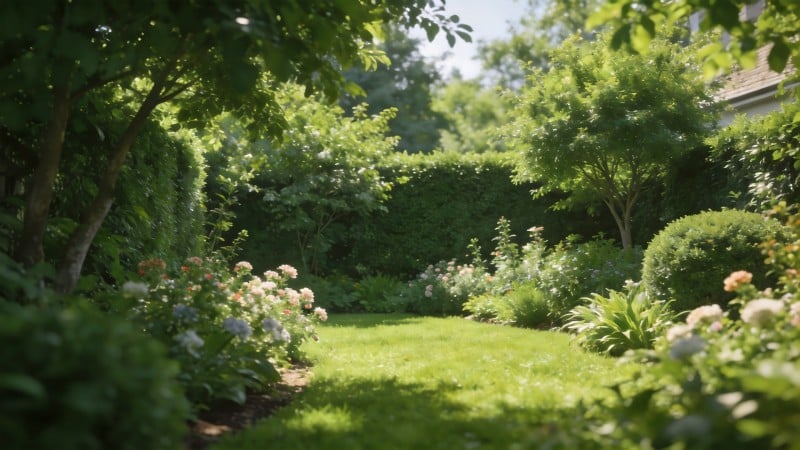
Many people envy others' gardens that offer beauty in every season: Springtime bursts with vibrant colors, pink, red, and yellow adorning the branches, their fragrance carried on the breeze; summer brings lush greenery, dense foliage providing shade, occasionally accompanied by the chirping of cicadas, a testament to life; autumn paints the landscape in fiery hues, maple leaves turning red, ginkgo leaves yellow, fallen leaves carpeting golden paths, creating a breathtaking atmosphere; even winter doesn't feel desolate, with bare branches adorned with a thin layer of frost, pines and bamboos standing tall, possessing a simple yet elegant beauty. However, when it comes to actually maintaining the garden themselves, they often find themselves in a chaotic mess—neglecting pruning leads to unruly, haphazard growth that blocks sunlight for other plants; forgetting to fertilize results in stunted growth, yellowing and wilting leaves; and by the time pests, diseases, or soil compaction are discovered, it's often too late to salvage the situation. In fact, garden maintenance isn't as complicated as you might think. It doesn't require advanced professional knowledge. All you need is a clear "seasonal timetable," understanding the core tasks for each season, and a little patience and observation to monitor plant growth. Over the year, your garden will naturally become more and more beautiful, even gradually developing its own unique style, becoming the most soothing corner in your home.
This year-round maintenance guide helps you clearly understand and prioritize tasks for each season, eliminating redundant information and focusing on core maintenance actions. It also includes practical details, such as the differences in care for different plants, the correct use of tools, and emergency handling for common problems. These seemingly small details will make you more adept in practice, avoiding detours and wasted effort. Whether you're a beginner or have some experience, you can follow along and find the guide useful, easily managing your garden's year-round maintenance, ensuring the healthy growth of every plant and keeping your garden consistently beautiful.
I. Spring: The Key Period for Awakening the Garden (March-May)
Spring is the most crucial stage in garden maintenance, essentially a season for "laying the foundation," much like how a person needs to nourish their body in spring for year-round health. During this period, temperatures gradually rise, snow melts, soil thaws, and all things revive. All plants awaken from dormancy, sprouting new buds, branches, and leaves—the period of fastest and most vigorous plant growth. Proper care during this stage makes maintenance much easier in the following three seasons, and noticeable changes are more easily observed. It not only helps plants quickly recover but also lays a solid foundation for subsequent flowering and fruiting, preventing problems such as poor growth and frequent pests and diseases later on. Conversely, if spring maintenance is inadequate, no amount of remedy later will restore the garden to its ideal state.
Cleaning and Revival After a long winter's chill, gardens accumulate fallen leaves, broken branches, and weeds. This buildup not only affects the garden's tidiness but also becomes a breeding ground for pests and diseases. Residual pathogens and insect eggs will multiply rapidly once temperatures rise, harming plant growth. The first step is a thorough cleanup. Use garden shears to prune withered branches and spent flowers, and use a rake to collect all fallen leaves and weeds for centralized disposal or composting to prevent pest and disease infestation. At the same time, carefully inspect the growth of each plant, paying particular attention to whether branches are damaged by frost or have died, and whether leaves show signs of rot or yellowing. Cut off any damaged or dead branches from the base to reduce nutrient consumption and allow new buds sufficient space to grow. This process is not just simple tidying; it's more like "awakening the garden's vitality," allowing each plant to start fresh and enter a rapid growth phase.
Soil Turning and Improvement
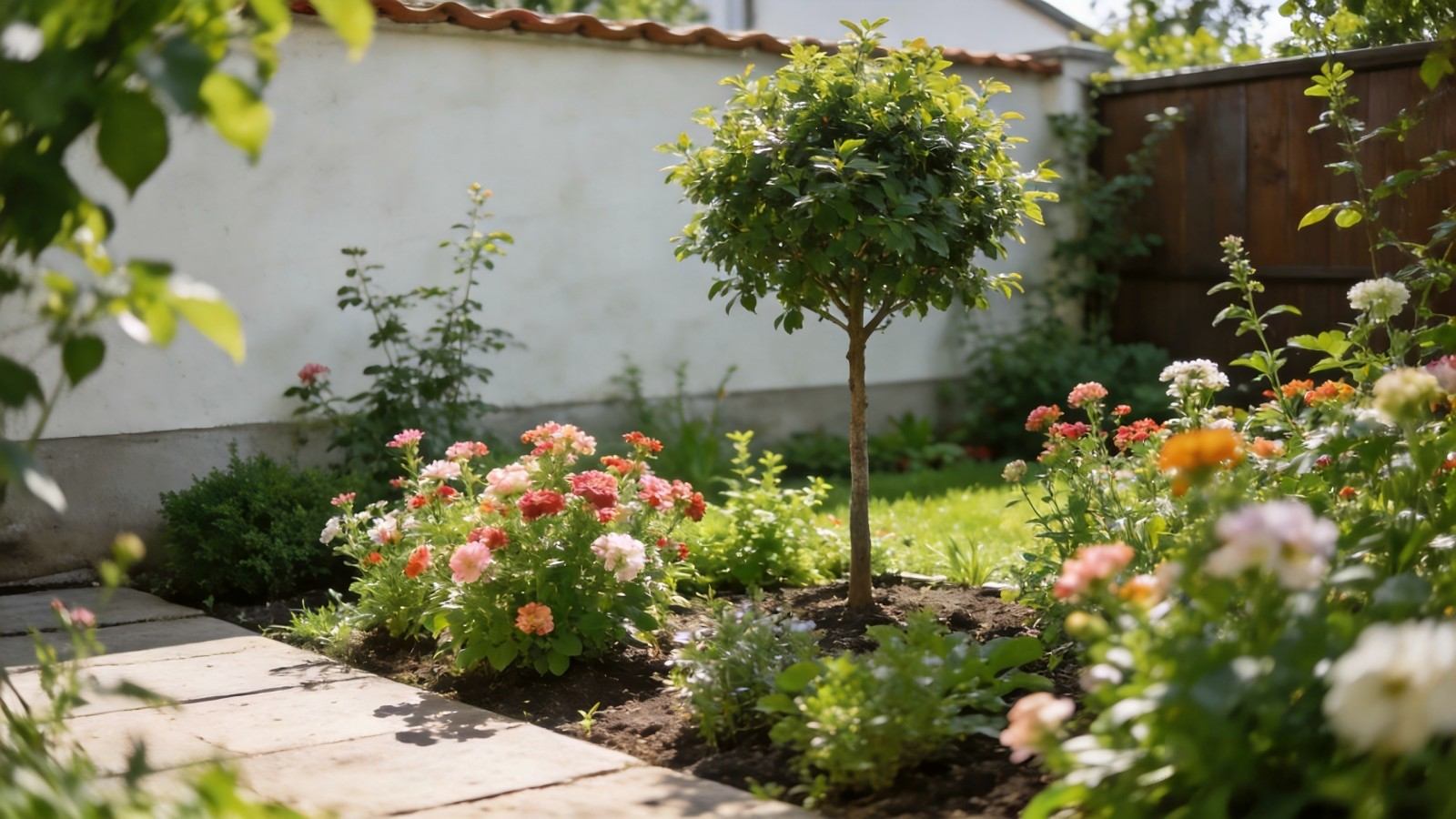
Spring is an excellent time to improve soil structure. After the winter freeze, the soil becomes compacted, with reduced aeration and drainage, hindering root respiration and growth. Root health directly determines plant growth. Use a shovel or rake to turn the soil appropriately, to a depth of 15-20 cm. This breaks up the compacted soil layer, increases aeration, and allows for better contact between the soil and air, promoting microbial activity. During turning, add appropriate amounts of organic fertilizer or humus, such as well-rotted sheep manure, chicken manure, or leaf compost. These organic fertilizers improve soil fertility, supplement micronutrients needed for plant growth, and further improve soil structure. If the soil is too hard, too clayey, or has poor drainage, mix in appropriate amounts of sandy materials, such as river sand or perlite, to adjust soil looseness and drainage. Healthy soil is essential for robust root development, enabling better absorption of water and nutrients; this step often determines the overall growth quality throughout the season.
Fertilization and Watering
As temperatures gradually rise, plants enter a rapid growth phase, with new buds sprouting and leaves unfurling, increasing their demand for nutrients and water. Timely replenishment of nutrients and water is crucial to meet these growth needs. Nitrogen fertilizer is recommended as it effectively promotes leaf and branch growth, resulting in lush foliage. Examples include urea and well-rotted soybean cake fertilizer. When fertilizing, follow the principle of "light and frequent application" to avoid over-fertilizing and burning the roots. Keep the soil moist but avoid waterlogging, as this can lead to root hypoxia and rot, especially in newly sprouted buds which are less resistant to waterlogging. You can determine watering needs by observing the surface moisture of the soil. Insert your finger 2-3 cm into the soil; if it feels dry, water thoroughly. If the soil is moist, watering is unnecessary. Also, pay attention to the timing of watering; choose sunny mornings or afternoons, avoiding the midday heat to minimize evaporation.
Planting and Replanting
Spring is the golden time for sowing and transplanting. At this time, the temperature is suitable, the soil is moist, there is ample sunlight, and the temperature difference between day and night is small, resulting in a very high survival rate for plants. Whether it's annual flowers, perennial herbs, lawns, or small shrubs, all are suitable for replanting or adjusting the layout during this stage. When sowing, choose the appropriate soil and sowing depth according to the different flower varieties. After sowing, cover with a thin layer of soil, gently compact it, and keep the soil moist until germination. When transplanting, take care to protect the plant's root system and avoid root damage. After transplanting, water thoroughly to help the roots adapt quickly to the new environment. At the same time, according to the overall style of the garden, rationally combine plants with different flowering periods and colors, such as peach blossoms, cherry blossoms, and tulips that bloom in spring; roses and lotus flowers that bloom in summer; and chrysanthemums and osmanthus flowers that bloom in autumn. This will ensure that the garden continues to be beautiful for the next few months, avoiding the situation of "one season of prosperity, three seasons of desolation."
II. Summer: Stability and Protection in Balance (June-August)
The most prominent characteristics of summer are high temperatures and strong sunlight, often accompanied by frequent rainfall in some areas. This hot and humid environment poses a significant challenge to plant growth. The key during this period is to protect plants and prevent them from stagnation or even wilting due to environmental stress. Many plants enter a semi-dormant state in summer, slowing their growth. At this time, the focus is no longer on promoting growth, but rather on providing shade, cooling, watering, and preventing pests and diseases to help plants survive the intense heat. Improper summer care can easily lead to leaf burn, wilting, and outbreaks of pests and diseases, affecting not only the plant's appearance that year but also its growth the following year.
Watering Should Be Scientific
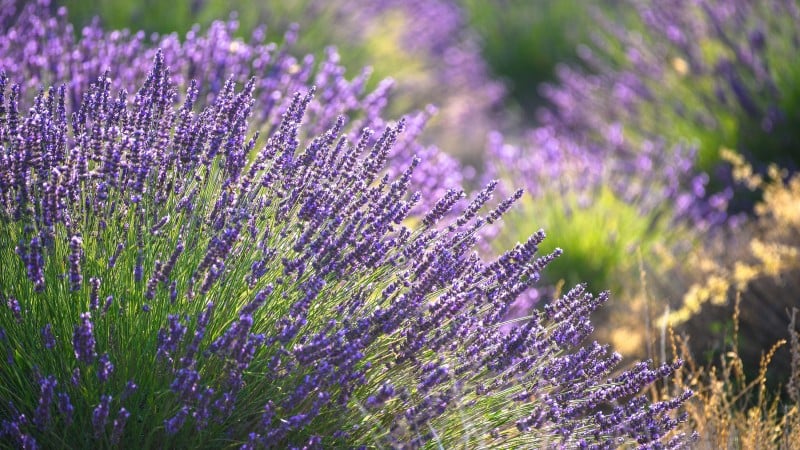
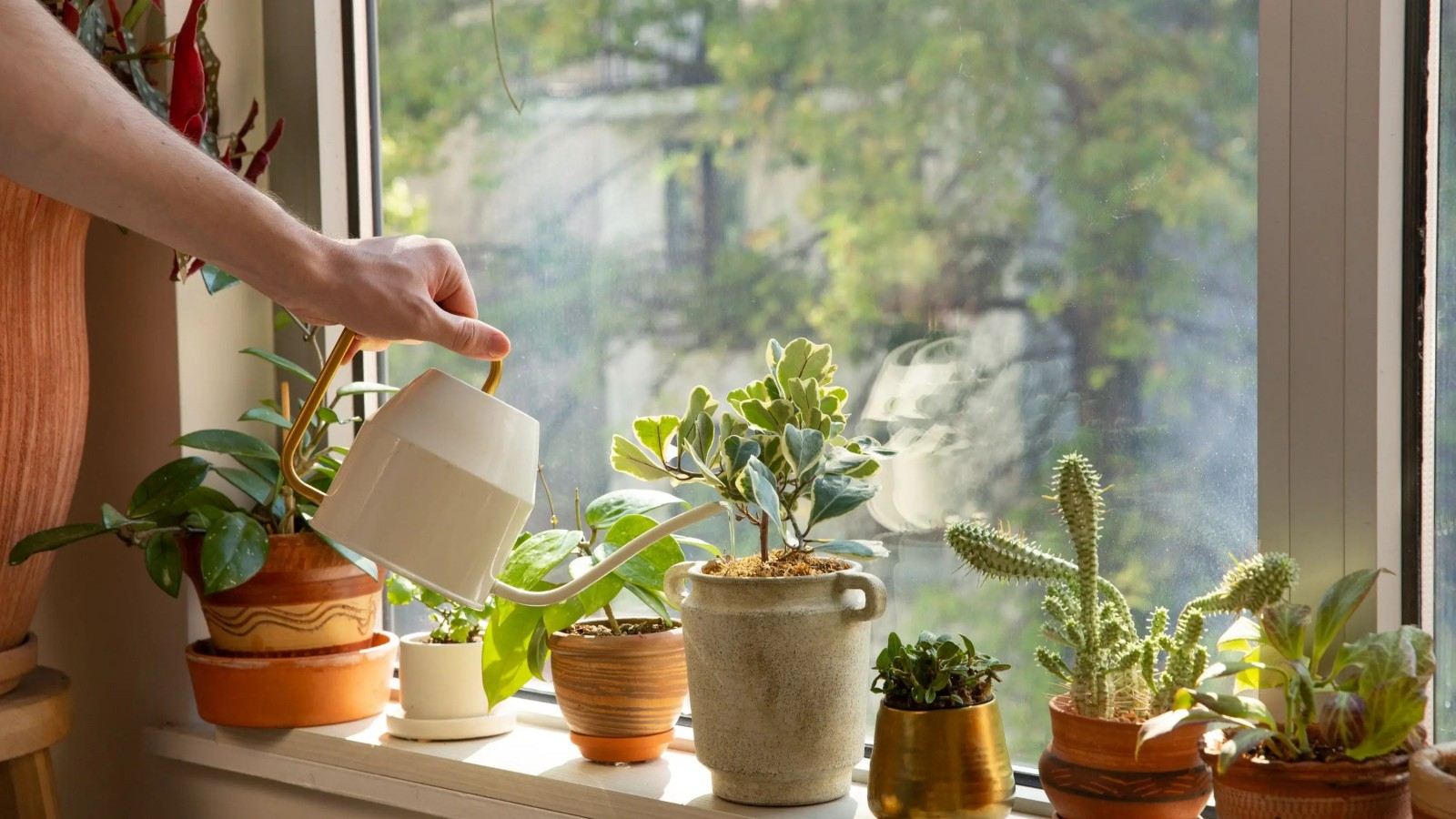
Many people like to water heavily in summer, believing that plants evaporate water quickly in the high temperatures and that more water is needed. However, this approach is not necessarily correct and may actually harm the plants. The key to watering in summer is "science." The correct approach is to water in the early morning and late afternoon, avoiding the hottest hours between 10 am and 4 pm. Watering during this time not only wastes water but can also damage the plant roots due to the large temperature difference between the water and soil. The watering frequency should also be adjusted according to the plant species. Drought-tolerant plants such as cacti, succulents, and lavender do not need frequent watering; keep the soil slightly dry. Moisture-loving plants such as pothos, lotus, and monstera require more frequent watering, but waterlogging should be avoided. Potted plants and those planted in the ground also have different needs. Potted plants have a smaller soil volume and evaporate water quickly, so they can be watered more frequently. Plants in the ground have better water retention, so the watering frequency can be reduced. It's important to be flexible and avoid a one-size-fits-all approach.
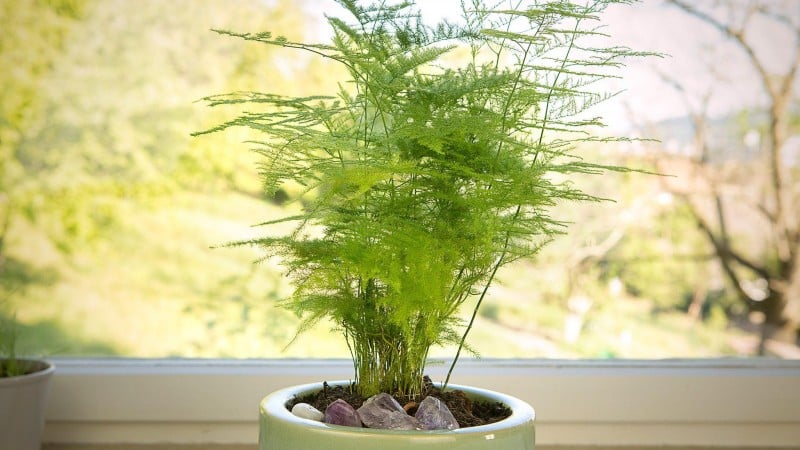
Shading and Cooling: For some plants that are intolerant of strong sunlight, such as azaleas, gardenias, asparagus ferns, and ferns, prolonged exposure to strong light can easily lead to problems like yellowing, scorching, and drying of leaves. In such cases, it's necessary to use shade netting, with a shading rate of around 50%-70%. This will block strong sunlight while still ensuring some light exposure, preventing the plants from growing excessively tall. Alternatively, tall plants in the garden, such as trees and large shrubs, can be used to create a natural shaded environment, allowing these light-sensitive plants to grow under the shade—a solution that is both environmentally friendly and aesthetically pleasing. Furthermore, mulching (such as bark, gravel, or pine needles) can lower the surface temperature. Mulching reduces soil moisture evaporation, keeps the soil moist, and also inhibits weed growth—a multi-benefit approach. For potted plants, move them to a well-ventilated, shady location, avoiding direct sunlight. If necessary, spraying water on the leaves can increase humidity and achieve a cooling effect.
Pruning and Shaping: Summer is a season of vigorous plant growth, especially for shrubs and vines. If not pruned regularly, the branches will grow unruly, affecting the garden's appearance, leading to overly dense foliage, poor ventilation and light penetration, increased susceptibility to pests and diseases, and wasting nutrients, ultimately hindering healthy plant growth. Regular pruning maintains the plants' aesthetic shape, making the garden neater and more organized. Removing overly dense, overgrown, and weak branches reduces nutrient waste, allowing the plant to focus its energy on healthy growth, improving ventilation and light penetration, and reducing the likelihood of pests and diseases. Use sharp gardening shears for pruning, making clean cuts to avoid tearing the branches. For flowering plants, promptly remove spent blooms to encourage secondary flowering and prolong the blooming period.
Pest and Disease Control: Hot and humid environments are the peak season for pests and diseases. At this time, pathogens and insect eggs multiply extremely rapidly. Common pests and diseases include aphids, spider mites, powdery mildew, and black spot. These pests and diseases suck plant sap, damage leaves, and in severe cases, cause plants to wither and die. During maintenance, regularly check the undersides of leaves, branch junctions, and leaf buds—hidden areas where pests and diseases easily breed. Once signs of pests or diseases are found, treat them promptly to prevent their spread. For example, if aphids are found, spray the leaves with soapy water or use a low-toxicity insecticide; if powdery mildew is found, spray with a carbendazim solution for control. Prevention is often more important than treatment. Regularly spray fungicides and insecticides to prevent infection, maintain good ventilation and light in the garden, and promptly remove fallen leaves and dead branches to reduce breeding grounds for pests and diseases.
III. Autumn: A Key Period for Nutrient Storage (September-November)
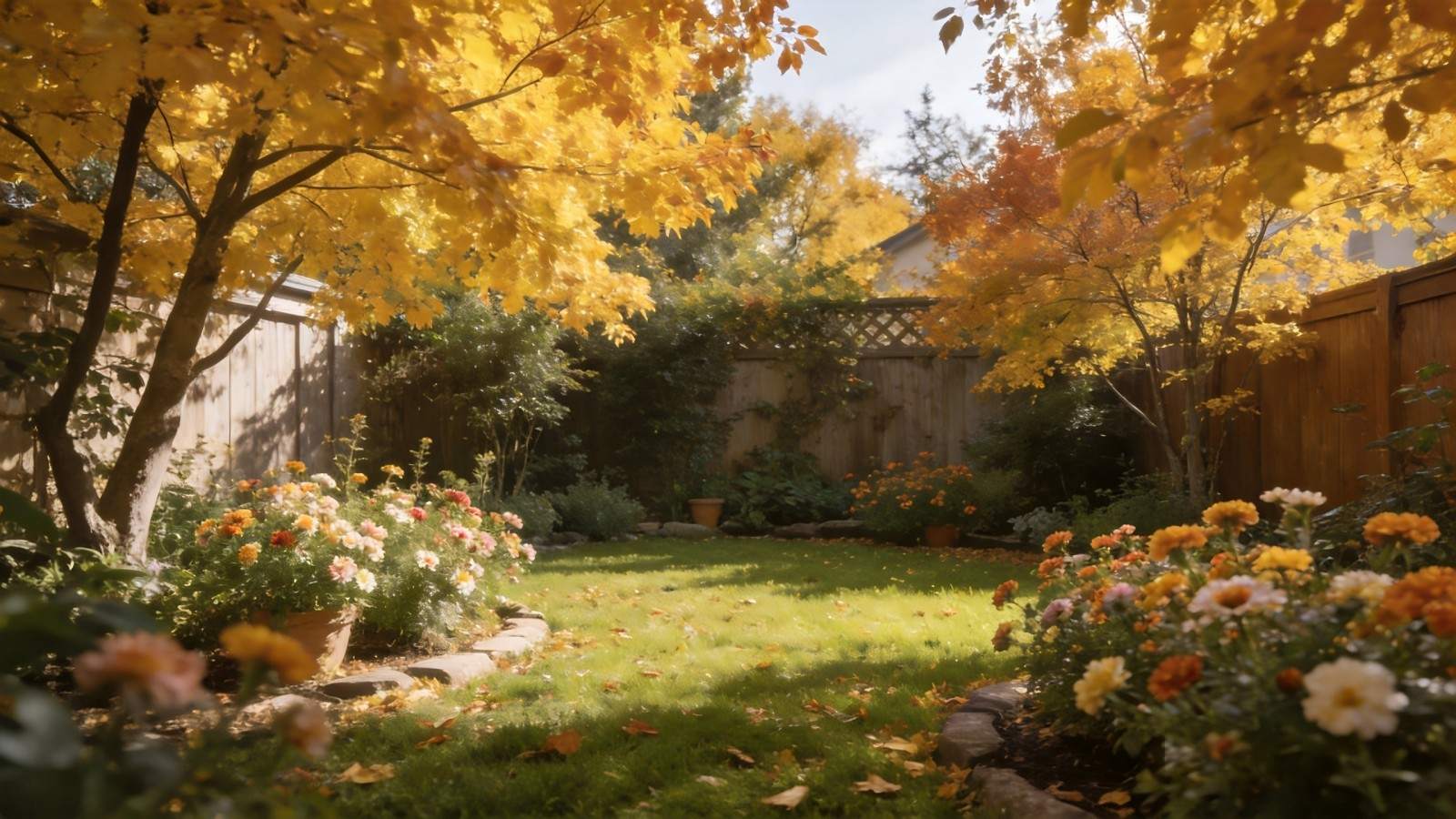
Many people mistakenly believe that once garden plants begin to shed their leaves in autumn, they can relax and stop meticulous care. This is a misconception. Autumn is a crucial period for plants to store nutrients for winter dormancy and a vital stage influencing their growth the following year. Proper care during this time helps plants enhance their cold resistance, successfully overwinter, and lays a good foundation for sprouting and flowering in the spring. As autumn temperatures gradually decrease, sunlight becomes gentler, and the temperature difference between day and night is greater, slowing plant growth. The core of care at this time is "replenishing nutrients, tidying up the plants, and preparing for winter." This involves ensuring plants accumulate sufficient energy while promptly removing dead branches and leaves to prevent pests and diseases.
Adjusting Fertilization Strategy
In autumn, the focus of plant growth shifts from "leaf and branch growth" to "nutrient storage." Fertilization strategies should be adjusted at this time, reducing the use of nitrogen fertilizer. Nitrogen fertilizer promotes excessive vegetative growth, leading to insufficient lignification of branches, weakened cold resistance, and increased susceptibility to frost damage in winter. Increase the use of phosphorus and potassium fertilizers. These fertilizers help plants enhance their cold resistance, promote root development, and make the roots grow stronger and more robust. They also promote flower bud differentiation, preparing the plant for flowering the following year. For example, you can apply well-rotted phosphorus and potassium fertilizers or wood ash. When fertilizing, follow the principle of "light and frequent application" to avoid burning the roots. Fertilize on sunny mornings or afternoons, and water promptly afterward to help the plant absorb nutrients. In addition, you can apply organic fertilizer appropriately to supplement soil fertility, improve soil structure, and provide a good soil environment for the plant to overwinter.
Moderate pruning is also important. Autumn pruning is mainly about "tidying up," unlike the growth-promoting pruning in spring and the shaping pruning in summer. The purpose of autumn pruning is to make the plant structure healthier, reduce nutrient consumption, help the plant overwinter successfully, and prepare for growth in the following year. When pruning, focus on removing overly dense branches, weak branches, diseased branches, and dead branches. These branches not only waste nutrients but may also carry pathogens and insect eggs, making them prone to rotting in the low temperatures of winter, affecting the plant's health. At the same time, excessively long branches can be pruned appropriately to maintain the plant's shape, but avoid drastic pruning, especially for deciduous plants. Drastic pruning will lead to excessive nutrient loss, affecting overwintering. Also, avoid pruning non-lignified new branches, as these branches are less cold-resistant and easily damaged by frost after pruning. After pruning, promptly clean up and dispose of the pruned branches to prevent pest and disease residue.
Lawn and Ground Cover Maintenance
Autumn is a good time for lawn recovery. After the high temperatures and heat of summer, lawns are prone to problems such as yellowing, bald patches, and overgrown weeds. Timely maintenance at this time can help the lawn quickly recover its vitality, become even and compact, and improve its cold resistance, allowing it to overwinter successfully. Reseeding can be done on the lawn. Choose lawn seeds suitable for the local climate, clean up bald patches, loosen the soil, sow the seeds, cover with a thin layer of soil, gently compact, keep the soil moist, and wait for the seeds to germinate. Meanwhile, timely mowing is essential, following the "one-third rule": each mowing should not exceed one-third of the grass height, leaving a stubble height of 6-8 cm. This maintains the lawn's appearance and promotes tillering, resulting in a denser lawn. Proper fertilization can also improve the lawn's cold resistance. Use primarily phosphorus and potassium fertilizers, reducing nitrogen fertilizer to prevent excessive vegetative growth. Water promptly after fertilizing to help the lawn absorb nutrients.
Collecting and reusing fallen leaves: Autumn is the season of falling leaves, resulting in a large accumulation of leaves in the garden. Many people dispose of these as trash, but fallen leaves are actually excellent organic fertilizer. Utilizing fallen leaves properly is environmentally friendly and saves on garden maintenance costs, creating a virtuous cycle. Collect fallen leaves and pile them in a corner of the garden, adding appropriate amounts of soil and water, sealing them for composting. After several months of fermentation, the leaves will transform into fertile humus, which can be used the following spring to improve the soil and provide abundant nutrients for plants. When composting, be sure to turn the leaves regularly to maintain ventilation and prevent unpleasant odors from rotting leaves. Also, avoid mixing in leaves infested with pests or diseases to prevent the accumulation of pathogens and insect eggs. Additionally, a small amount of fallen leaves can be placed around the plant roots as a mulch, which helps maintain soil moisture and increases soil fertility.
IV. Winter: Dormancy and Protection (December-February)
While a winter garden may seem like there's "nothing to do," with most plants dormant, foliage withered, and growth stagnant, winter care is actually an essential part of overall garden maintenance and a crucial period for preparing for the coming year. Winter temperatures are extremely low, and some areas experience frost and snowfall, making plants highly susceptible to frost damage and death. The core of care at this time is "protecting plants, cleaning the environment, and planning for the coming year." This involves both providing protection from the cold to help plants survive the winter and using the winter downtime to tidy up the garden and plan its layout, preparing for the maintenance work in the coming year.
Winter Protection Measures The core task of winter care is cold protection, especially for plants that are not cold-hardy, such as southern flowers, potted plants, and newly planted seedlings. These plants have weak cold resistance and are easily damaged by low temperatures, resulting in frostbite on leaves, wilting of branches, and even death of the entire plant. Several methods can be used for protection. For trees and large shrubs, wrap the trunks with insulating cloth or straw ropes, and cover the roots with soil and mulch to keep them warm and prevent frost damage and cracking. For small shrubs and herbaceous plants, build a small greenhouse with plastic film or cover them with straw, pine needles, etc., to provide insulation and cold protection. Potted plants are especially vulnerable to low temperatures and require special attention. Move them to warm, well-ventilated places such as indoors or on a balcony, avoiding placing them in cold outdoor environments. Maintain the indoor temperature above 5℃ to ensure proper dormancy and prevent frost damage.
Controlling Watering: Plants grow slowly in winter, sometimes even entering dormancy. Their metabolism slows significantly, reducing their water needs. Overwatering at this time not only wastes water but also leads to waterlogging, root hypoxia, and rot. Especially in low temperatures, the soil is prone to freezing, and waterlogging exacerbates the risk of root damage. Strictly control the frequency and amount of watering, following the principle of "water only when dry, and water thoroughly." Reduce the number of waterings and use appropriate amounts each time to avoid waterlogging. Water during warmer times, such as midday on sunny days, when the temperature difference between water and soil is smaller, preventing root irritation. Loosen the soil after watering to prevent compaction and freezing. For dormant deciduous plants, water even less, keeping the soil slightly dry to prevent root rot.
Cleaning and Inspection: Winter provides an opportunity to thoroughly clean and inspect the garden during the plants' dormancy period. This prepares for next year's maintenance and helps prevent potential hazards. First, clear away fallen leaves, broken branches, and weeds from the garden. These accumulated materials easily breed pests and diseases and also affect the garden's tidiness. After clearing, dispose of them properly or compost them. At the same time, inspect the garden structure, such as flower stands, fences, drainage systems, and irrigation equipment, checking for damage, looseness, or blockages. Repair or reinforce them promptly, such as fixing loose fences, clearing blocked drainage pipes, and checking the irrigation equipment to ensure it is in good working order to avoid problems next year. Also, check the plants' growth status, looking for frost damage, pest or disease residue, and address any issues promptly to prepare for next year's growth.
Planning Next Year's Layout: Winter is a season for "thinking outside the box." With the plants bare and the view open, it's an ideal time to redesign the garden layout and plan new planting schemes. You can combine your own preferences with the actual conditions of your garden to consider how to optimize its visual appeal. For example, you can add a combination of tall trees, medium-sized shrubs, and low-growing herbs to make the garden more three-dimensional; you can also adjust the color scheme, choosing plants with different colors and flowering periods to ensure the garden is beautiful in all four seasons; you can also add horticultural elements, such as flower boxes, artificial hills, and paths, to enhance the garden's aesthetics and practicality. When planning, you can refer to some excellent garden design examples and, based on the size and terrain of your own garden, develop a detailed planting and layout plan. This will give your maintenance work for the following year more goals and direction, and will also make your garden more refined and beautiful.
V. Year-Round Useful Tips
In addition to scheduling specific maintenance work according to the seasons, there are some year-round maintenance principles and tips. These tips can help you avoid detours, improve maintenance efficiency, and make garden maintenance easier. They can be used in any season, protecting the healthy growth of plants while saving maintenance time and costs. They are suitable for all gardeners, especially beginners. Mastering these tips can quickly improve your maintenance skills and easily cultivate your ideal garden.
Observation is more important than operation. The core of garden maintenance is not "blind operation," but "careful observation." Many plant problems actually show signs early on, but we just haven't noticed them in time. For example, yellowing leaves, slow growth, curled leaves, and spots are all signs that the plant may be lacking nutrients or water, or being attacked by pests or diseases. By carefully observing and spending a few minutes each day checking the plant's growth, paying attention to changes in leaves, branches, and soil, we can detect problems early and take timely measures to prevent them from escalating and reduce losses. For example, yellowing leaves may indicate a lack of nitrogen fertilizer or overwatering leading to root rot. Timely identification and targeted treatment will allow the plant to recover quickly, saving time and effort compared to waiting until the problem becomes severe.
Don't over-maintain. Many people believe that maintaining plants means "watering more and fertilizing more," thinking that the more they invest, the better the plants will grow. This is a misconception. Over-maintaining plants can actually harm them, a common mistake made by beginners. Overwatering leads to waterlogged soil, causing root rot and oxygen deprivation. It's like constantly soaking a succulent with its own "water reservoir"—it only accelerates its death. Similarly, excessive or frequent fertilization results in nutrient overload, burning the roots, causing excessive vegetative growth, hindering normal plant development, and even leading to wilting. The core of plant care is "moderation," not "the more the better." The frequency and amount of watering and fertilizing should be rationally controlled according to the plant variety, growth stage, and seasonal changes, following the principle of "frequent light fertilization and watering only when dry." Providing sufficient growing space is crucial for healthy plant growth.
Adjusting to Climate: This care schedule is a general guideline suitable for most regions. However, climate differences are significant. For example, southern regions have warm winters, while northern regions have harsh winters; southern regions have rainy summers, while northern regions have dry summers. Therefore, the schedule should not be rigidly followed; the care rhythm should be adjusted flexibly according to the local climate. For example, in southern regions where spring temperatures rise quickly, cleaning, fertilizing, and planting can be carried out earlier; in northern regions where spring temperatures rise slowly, maintenance should be delayed to avoid the plants being affected by late frosts. In the rainy summers of the south, drainage is crucial to prevent waterlogging; in the dry north, watering frequency should be increased appropriately. In autumn, temperatures drop slowly in the south, so pruning and fertilizing can be delayed; in the rapidly cooling north, frost protection should be prepared in advance. Flexible adjustments will ensure that maintenance work better meets the plant's growth needs.
Establishing Your Own Maintenance Record
Garden maintenance is a long-term process. Every garden has different plant varieties, soil conditions, and growing environments, so there is no uniform maintenance standard. Therefore, establishing your own maintenance record is very important. You can prepare a notebook or use your phone to record simple details such as the time and amount of each fertilization, pruning, and watering, as well as the plant's flowering time, growth status, problems encountered, and solutions. Gradually, you'll discover that the plants in your garden have their unique growth patterns. For example, you'll learn the annual flowering time of certain flowers and the optimal watering frequency for certain plants. By recording and summarizing your experiences, you can find the most suitable maintenance rhythm for your garden, avoiding blind operations and making subsequent maintenance more targeted and easier. It also allows you to record the growth of your garden and witness its changes.
As you follow this seasonal timeline step by step, gradually accumulating experience, you'll find that the garden is no longer a burden, but a way to relax. A few minutes each day tending to the garden allows you to escape the hustle and bustle, calm your mind, and appreciate the growth and changes of the plants, reaping a great sense of accomplishment. Spring brings the anticipation of new buds, summer the vitality of lush shade, autumn the harvest of falling leaves, and winter the sedimentation of withered branches adorned with frost—each season has its own beauty and its own joy.
If you persist for a year and continuously fine-tune your maintenance methods based on actual conditions, combining your own observations and experience to optimize your maintenance strategies, your garden will surely quietly transform, with more lush foliage, more vibrant flowers, and beautiful scenery to enjoy in all four seasons. It will become an enviable corner of your life and a sanctuary for your soul, offering healing and beauty amidst your busy life.
Advertisement
Learn More
-

- June 1,2026
- How to treat leaf spot disease in Wisteria?
-
- May 26,2026
- Choosing Plants for Hotel Rooms: Creating a Comfor Stay
-
- May 18,2026
- How to Deal with Plant Blight Disease in Duranta erecta?
-
- May 11,2026
- Edible Plant ion Guide: Common but Easily Misunderstood Plant Types in the Market
-
- May 6,2026
- How should I care for Common asparagus fern?
-
- April 27,2026
- Garden Maintenance Schedule: Perfect All Year Round


Advertisement

 Poisonous and danger
 Edible and medicinal
 Wild and common weed