
How to treat leaf spot disease in Wisteria?
Advertisement
Wisteria is one of the most beloved climbing vines across temperate regions worldwide, celebrated for its cascading clusters of fragrant purple, blue and white blossoms, vigorous growth and elegant ornamental value. It decorates garden pergolas, courtyard walls, archways and outdoor pavilions, bringing romantic scenery to residential gardens, public parks and landscape projects. As a long-lived perennial vine, wisteria is generally tough and resistant to most plant ailments. However, when growing in improper environments or receiving inadequate daily care, it will be vulnerable to various fungal and bacterial diseases, among which leaf spot disease is the most common and troublesome issue for home gardeners.
Leaf spot disease does not usually kill mature wisteria vines directly in a short time, but it causes continuous damage to foliage year after year. In mild cases, scattered dark spots appear on leaves, affecting the plant’s ornamental look. In severe infections, large areas of leaves turn yellow, wither and drop prematurely. Since leaves are the core organ for photosynthesis, massive leaf loss will greatly reduce the vine’s ability to produce nutrients. Over time, weakened wisteria will grow slowly, produce fewer flower buds, bloom sparsely, and become more susceptible to other pests and diseases. For young saplings and newly transplanted wisteria, severe leaf spot disease can even hinder root development and lead to stunted growth or seedling death.
For every wisteria grower, learning to identify, prevent and treat leaf spot disease correctly is an essential part of daily maintenance. This comprehensive guide will walk you through every detail about wisteria leaf spot disease: including its causes, typical symptoms, major inducing factors, step-by-step treatment solutions, long-term prevention strategies, and targeted care skills for infected vines. Whether you are a beginner gardener with limited experience or an experienced landscape enthusiast, you can follow these scientific methods to control leaf spot disease effectively and keep your wisteria lush, healthy and full of blooms all year round.
Part 1: Basic Knowledge of Wisteria Leaf Spot Disease
1.1 Pathogens and Common Types of Leaf Spot Disease on Wisteria
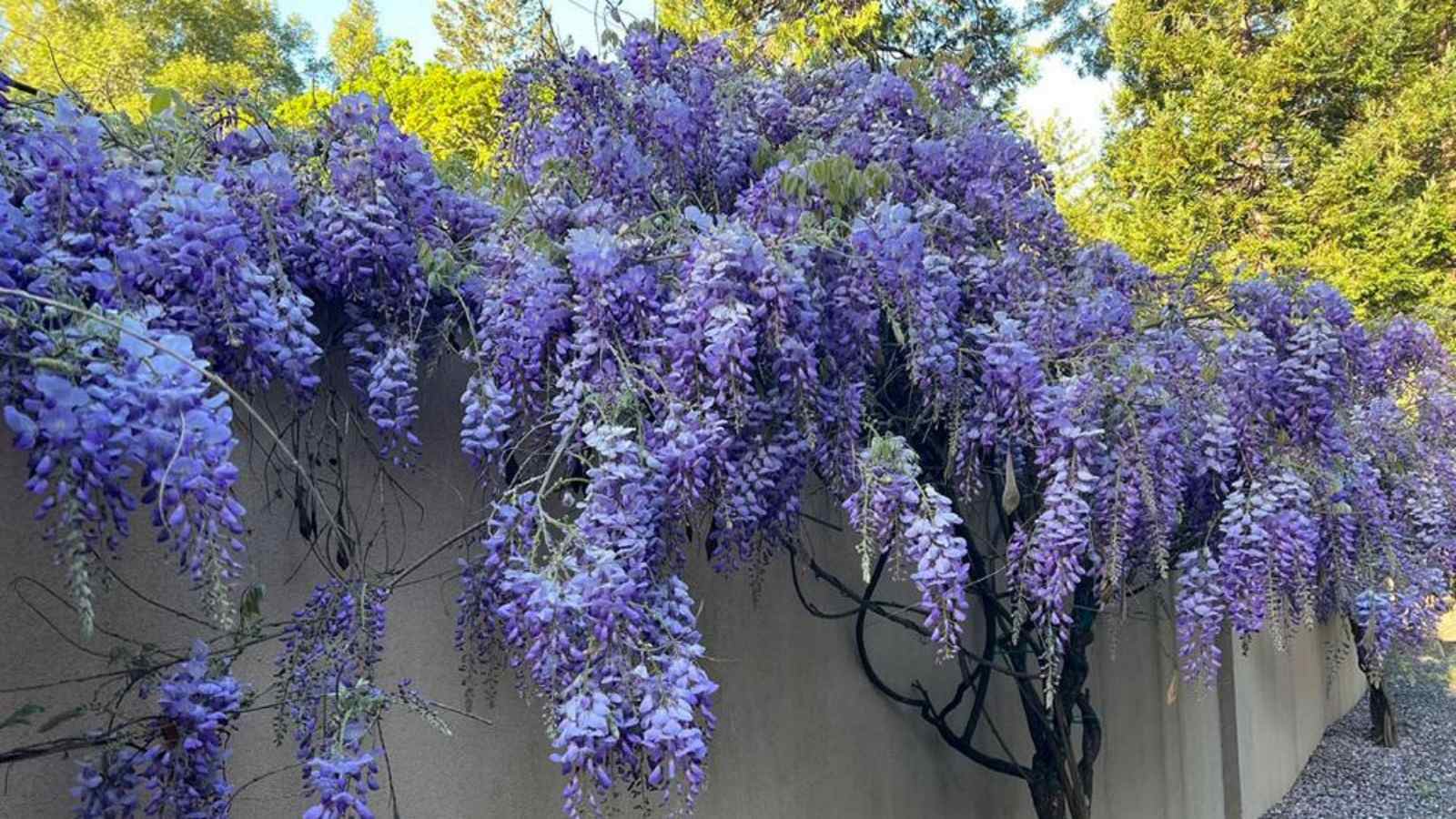
Wisteria leaf spot disease is mainly caused by fungal pathogens, and a small number of cases are triggered by bacterial infections. The most prevalent fungi include Cercospora, Alternaria and Phyllosticta, which are widespread in soil, fallen leaves and garden debris. These fungal spores can survive through cold winters and remain active for a long time in humid environments. Bacterial leaf spot, though less frequent, often occurs in hot and rainy summer seasons, and spreads faster than fungal variants.
Different pathogens lead to slightly different spot shapes and colors, which helps gardeners make a preliminary judgment. Fungal leaf spots usually start as tiny water-soaked dots on leaf surfaces, then gradually expand into round or irregular lesions. The center of mature spots turns dark brown, black or gray, with a distinct yellow halo around the edge. Alternaria-caused spots tend to have concentric ring patterns, while Cercospora lesions are smaller and more densely distributed. Bacterial leaf spots appear as angular dark brown patches. When the air humidity is high, a thin translucent bacterial exudate will form on the surface of infected leaves, which is a key feature to distinguish it from fungal disease.
It is worth noting that leaf spot disease is highly contagious. Fungal and bacterial spores spread easily via wind, rain splashes, watering water, gardening tools, insects and even human contact. Once one leaf is infected, the disease can quickly spread to the whole vine, nearby plants and other vegetation in the garden within one to two weeks, especially in crowded planting areas. Therefore, early detection and isolation are extremely critical.
1.2 Typical Symptoms at Different Infection Stages
Recognizing symptoms at different stages allows you to take action at the earliest moment, which can greatly improve the cure rate. We divide the development of wisteria leaf spot disease into three clear stages for easy identification.
The early stage of infection is the easiest to ignore. Tiny pale yellow or light brown pinpoint spots emerge on the upper surface of young and mature leaves. At this time, the spots are small, flat and have no obvious depressions or rot. The plant’s overall growth state looks normal, with no yellowing or leaf drop. Many gardeners mistake these tiny spots for dust, insect bites or natural leaf blemishes and miss the best treatment window. If you check the leaves on the inner side of dense branches or the lower foliage that lacks sunlight, you will find more early lesions, because poor ventilation is where the disease first breaks out.
In the middle stage, the lesions expand rapidly. The small spots merge into larger irregular patches, and the color deepens to dark brown or charcoal black. The tissue inside the spots becomes dry and brittle, and the surrounding leaf area gradually turns yellow. Individual infected leaves start to curl slightly at the edges. At this stage, the disease spreads to adjacent leaves and new shoots. The whole vine still maintains basic vitality, but the ornamental effect is obviously damaged. If treated promptly here, the vine can fully recover without lasting impact.
In the severe late stage, large areas of leaves are covered with lesions. Most foliage turns yellow from the edge to the center, then withers and falls off in large quantities. The bare branches cannot carry out normal photosynthesis. Newly sprouted young leaves are infected soon after growing out, resulting in sparse and weak new growth. The whole wisteria vine looks withered, flower bud differentiation is severely suppressed, and the number of blooms in the coming spring will decrease sharply. In the worst cases, the disease spreads to petioles and tender stems, causing stem rot and endangering the survival of the whole plant.
Part 2: Main Causes and Inducing Environmental Factors
2.1 Primary Causes of Disease Outbreak

The fundamental cause of leaf spot disease is the invasion of pathogenic fungi and bacteria, but pathogens cannot infect healthy wisteria easily. They only take advantage when the plant’s resistance declines or the growing environment becomes suitable for their reproduction.
First of all, excessive humidity and poor air circulation are the top inducing factors. Wisteria is a climbing vine with dense foliage. If it is planted too close to walls, fences or other plants, or the branches are never pruned, the inner canopy will form a closed, humid microclimate. When it rains heavily or you use overhead watering, water droplets stay on the leaf surface for hours. Fungal and bacterial spores germinate and penetrate leaf tissues quickly in such moist conditions. This is why leaf spot disease always breaks out frequently in rainy spring and summer.
Secondly, unscientific watering habits greatly increase infection risks. Many gardeners like to spray water directly onto leaves and branches when watering, which is a wrong practice for wisteria. Splashing water not only carries soil-borne pathogens up to foliage, but also keeps leaves wet for a long time. Watering in the evening is another common mistake. The temperature drops rapidly after sunset, and water on leaves cannot evaporate overnight, creating a perfect breeding ground for pathogens.
Thirdly, unreasonable fertilization weakens the plant’s disease resistance. Applying too much nitrogen fertilizer will promote excessive growth of tender leaves and branches. Such soft tissues are far more vulnerable to pathogen invasion. On the contrary, long-term nutrient deficiency will make the whole vine grow weak, and its immune system cannot resist fungal and bacterial attacks. In addition, accumulated fallen leaves and garden debris around the root zone are major pathogen carriers. Infected leaves left on the ground will release a large number of spores continuously, triggering repeated infections year after year.
2.2 High-risk Growing Conditions and Seasonal Rules
Wisteria leaf spot disease has obvious seasonal and regional rules, which gardeners need to master for targeted prevention. The high-incidence period starts in late spring, when the temperature rises steadily above 18°C, and lasts throughout summer until early autumn. Warm temperatures between 20°C and 28°C plus frequent rainfall create the most favorable environment for pathogen reproduction. In tropical and subtropical regions with high annual humidity, the disease may even occur in winter.
Planting locations also determine the risk level. Wisteria planted in low-lying areas where water accumulates after rain has a much higher infection rate. Places blocked by tall buildings or big trees that lack full sunlight are also high-risk zones. Wisteria requires at least 6 to 8 hours of direct sunlight every day. Shaded growth not only reduces flowering, but also slows down the evaporation of water on leaves, accelerating the spread of leaf spot disease.
Potted wisteria faces unique risks. Containers with no drainage holes or poor drainage lead to waterlogged soil, damaging the root system. A weak root system cannot absorb nutrients normally, and the plant’s overall resistance drops sharply. Meanwhile, potted vines are usually placed on balconies or small terraces with limited space, resulting in poor ventilation among leaves. Therefore, potted wisteria is more likely to suffer from leaf spot disease than ground-planted ones, and needs more careful daily management.
Part 3: Step-by-Step Treatment for Infected Wisteria
3.1 Emergency On-site Treatment (For Mild and Moderate Infection)
Once you find leaf spot lesions on wisteria, carry out manual cleaning immediately, which is the foundation of all treatment measures. This step applies to both mild scattered spots and moderate large-area infections, and must be completed before using any pesticides.
First, prune and remove all infected leaves. Use a pair of sharp, disinfected pruning shears to cut off every leaf with spots, including slightly yellowed foliage around infected areas. Do not pull leaves off by hand, because this will cause leaf tissue wounds and let pathogens invade more easily. For severely infected small branches and tender shoots, prune them off completely. After pruning, collect all fallen infected leaves, branches and debris at once. Do not leave them on the soil surface, and never put diseased plant waste into compost piles, as pathogens will survive in compost. Seal all waste in garbage bags and dispose of them away from the garden.
Next, improve ventilation and light transmission. Thin out overly dense inner branches, crossed branches and weak spindly shoots to open up the canopy. This allows sunlight and wind to reach the inner leaves, accelerating water evaporation and inhibiting pathogen reproduction. Adjust the vine’s climbing direction properly to avoid close contact with walls or other plants. For potted wisteria, move the pot to an open, well-ventilated spot with full sunlight right away.
Finally, adjust the watering method temporarily. Stop all overhead spraying and only water the soil at the base of the vine. Control the watering volume to keep the soil slightly moist but never waterlogged. In the infection period, water only in the early morning, so that accidental water splashes on leaves can evaporate completely before noon. After finishing all manual cleaning and environment adjustment, observe the vine for 2 to 3 days. If no new spots appear, it means the mild infection has been controlled; if new lesions keep emerging, proceed to chemical treatment.
3.2 Chemical Control Solutions (For Moderate to Severe Infection)
When manual pruning cannot stop the spread of leaf spot disease, use targeted fungicides and bactericides. We divide the medicines into organic options suitable for home gardens and conventional chemical agents for severe infections, to meet different gardeners’ needs.
For organic gardening users who avoid strong chemicals, choose plant-based and low-toxicity fungicides. Copper-based fungicides such as copper sulfate and Bordeaux mixture are classic choices for fungal and bacterial leaf spot diseases. They have broad-spectrum sterilization effects and work well on wisteria. Prepare the solution according to the product instructions, and spray it evenly on the front and back of all leaves, as well as branch surfaces. Another excellent organic option is neem oil. Dilute pure neem oil with water and a small amount of emulsifier, then spray the whole vine. Neem oil can kill existing pathogens and form a protective film on leaves to prevent re-infection. It is safe for plants, pets and beneficial insects when used correctly. Spray organic preparations once every 7 days, and continue for 3 to 4 consecutive rounds until the disease is fully controlled.
For severe infection with rapid spread, use professional conventional fungicides. For fungal leaf spots, select products containing mancozeb, chlorothalonil or propiconazole. These high-efficiency fungicides can quickly inhibit spore germination and kill active pathogens. For confirmed bacterial leaf spot, use agents containing streptomycin sulfate. Pay attention to rotating different types of medicines during use, to prevent pathogens from developing drug resistance.
No matter which pesticide you use, follow universal safety rules. Spray on calm, cloudy mornings or evenings, avoid spraying under strong sunlight to prevent liquid evaporation and leaf burn. Wear gloves, masks and long-sleeve clothes during operation. Do not spray medicines before expected rain, otherwise the liquid will be washed away and lose efficacy. Strictly follow the dilution ratio on the product label; excessive concentration will burn wisteria leaves and cause secondary damage.
3.3 Post-treatment Care for Recovering Wisteria
After the disease is completely eliminated, targeted care is needed to help the wisteria restore vitality and strengthen its disease resistance. This stage lasts about one month, and detailed maintenance determines whether the disease will recur.
First, adjust the fertilization plan. Stop applying nitrogen fertilizer temporarily. Instead, apply phosphorus and potassium compound fertilizer. Phosphorus promotes the recovery of damaged tissues, while potassium enhances the toughness of leaves and the plant’s overall immunity. You can also spray diluted foliar fertilizer on leaves to supplement trace elements, helping yellowed foliage turn green quickly. Do not over-fertilize in the recovery period; moderate nutrition is the key.
Second, continue to optimize the growing environment. Keep the canopy well-pruned all the time, and regularly clean up fallen leaves and weeds around the root area to cut off pathogen sources. Maintain the correct base watering method, and always prevent water from staying on leaf surfaces. For potted wisteria, check the drainage holes frequently to ensure smooth water flow and avoid root rot.
Third, carry out regular health checks. Inspect the leaves and branches of the vine every 3 to 5 days, focusing on the inner canopy and lower leaves. Once a tiny new spot is found, remove it immediately. During the recovery period, the plant’s resistance is still weak, and a small amount of residual pathogens may cause a second outbreak. With careful observation and timely intervention, the wisteria will gradually return to a healthy state and grow new lush foliage.
Part 4: Long-term Prevention Strategies to Avoid Recurrence
4.1 Daily Pruning and Canopy Management
Scientific pruning is the most effective long-term prevention method for wisteria leaf spot disease. Form a fixed pruning routine every year. Conduct major pruning in late winter during dormancy: cut off overlong vines, aged branches and dense inner shoots to shape a reasonable framework. Do light trimming every two weeks in the growing season, removing newly grown messy tendrils, overlapping branches and weak shoots.
A well-pruned wisteria canopy has reasonable gaps between branches, ensuring full sunlight and smooth air circulation for every leaf. This fundamentally destroys the humid environment that pathogens rely on for survival. When pruning, always use disinfected tools. You can wipe shears with alcohol or diluted bleach before and after use, to avoid cross-transmission of pathogens between plants. In addition, control the growth range of wisteria vines, and do not let them climb too densely on walls or trellises.
4.2 Standardized Watering, Soil and Fertilizer Management
Standardize daily watering habits as a permanent rule. Stick to base watering only in early morning, keep the soil moderately moist, and never overwater. Improve soil drainage for ground-planted wisteria: mix coarse sand and organic compost into heavy clay soil to avoid water accumulation. For potted vines, choose large containers with multiple drainage holes, and use loose, breathable potting soil. Replace the potting soil every 2 to 3 years to prevent soil compaction and pathogen accumulation.
Build a balanced fertilization system. Use a small amount of balanced compound fertilizer in early spring to support basic growth. Increase phosphorus and potassium fertilizer before and after the blooming period to strengthen the vine and promote flower bud formation. Reduce nitrogen fertilizer use throughout the growing season to prevent overly soft foliage. Adding a small amount of organic humus every year can improve soil activity and root health, so that wisteria can maintain strong natural disease resistance all the year round.
4.3 Garden Sanitation and Regular Precautionary Spraying
Keep the garden environment clean all year round. Clean up all fallen leaves, withered flowers, weeds and plant debris around the wisteria root zone every week, especially after rain and in autumn. In late autumn, thoroughly clean all fallen leaves before winter comes, because these wastes are the main overwintering place of leaf spot pathogens.
For wisteria that suffered from leaf spot disease in previous years, do regular preventive spraying before the high-incidence season. Spray diluted low-toxicity copper fungicide or neem oil once in late spring, and repeat every 10 days in early summer. Preventive spraying can form a protective layer on leaves, which can effectively block pathogen invasion and greatly reduce the probability of disease outbreak. Meanwhile, isolate wisteria from other susceptible plants in the garden to avoid cross infection.
Wisteria leaf spot disease is a common but controllable plant problem. Its occurrence is closely linked to humid environments, poor ventilation, unscientific daily care and accumulated pathogens. From early identification of symptoms, timely manual removal of infected parts, targeted chemical treatment, to post-disease recovery care and long-term prevention, every link is indispensable.
For gardeners, the best way to deal with leaf spot disease is not passive treatment after infection, but active daily prevention. A well-pruned canopy, reasonable watering and fertilization habits, clean growing environment and regular health checks can keep wisteria away from leaf spot disease for most of the time. Even if individual leaves are infected occasionally, early intervention can stop the disease from spreading without causing large-scale damage.
A healthy wisteria vine can accompany your garden for decades, presenting stunning floral scenery every spring. By mastering the knowledge and skills in this guide, you can effectively fight against leaf spot disease, protect the vitality of your wisteria, and let this beautiful climbing vine thrive vigorously, grow lush green leaves and bloom brilliant flower clusters year after year.
Advertisement
Learn More
-

- October 20,2026
- Lily Disease Guide: Whats Killing Your Lilium longiflorum and How to Stop It
-
- September 17,2026
- Wax-Leaf Privet Diseases: Identification, Treatment & Prevention Guide
-
- September 1,2026
- Vinca Minor Diseases: Identification, Treatment and Long‑Term Garden Management
-
- August 18,2026
- Tree Philodendron Diseases: Identification, Treatment and Long‑Term Prevention
-
- August 6,2026
- Common Ailments of Plantago major: Identifying, Treating and Preventing Diseases in Broadleaf Plantain
-
- July 30,2026
- Zodiac-themed Bouquets Combined with Floral Language: Different Color Schemes Create More Artistic Birthday Surprises


Advertisement
 Poisonous and danger
 Edible and medicinal
 Wild and common weed