
How should I care for Common asparagus fern?
Advertisement
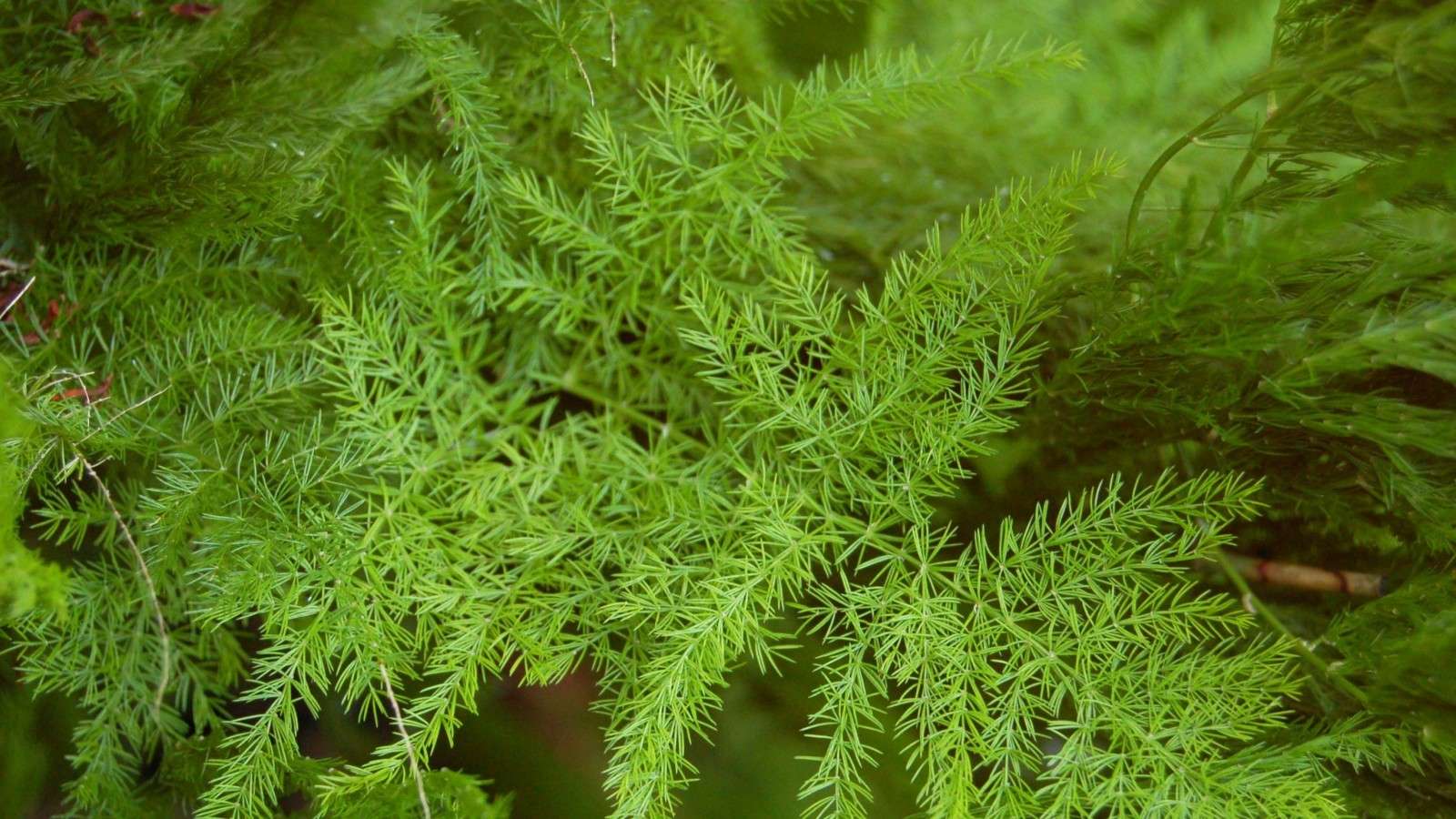
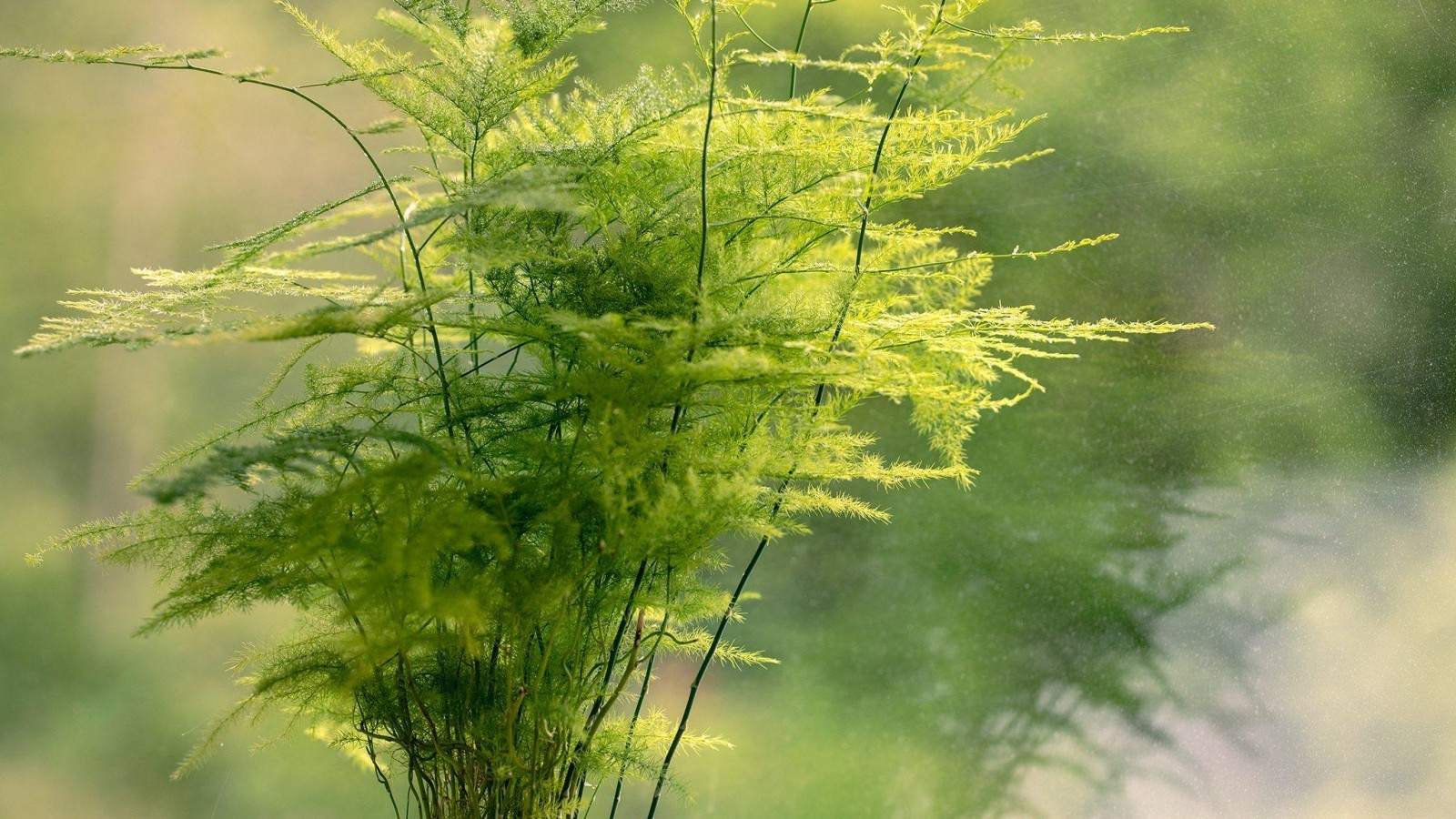
The Common asparagus fern (Asparagus setaceus), also known as lace fern or asparagus grass, is a beloved houseplant and outdoor ornamental celebrated for its delicate, feathery foliage and easygoing nature. Despite its name, it is not a true fern—instead, it belongs to the Asparagaceae family, closely related to edible asparagus. Native to South Africa, this versatile plant thrives in both indoor and outdoor settings (in suitable climates), adding a touch of softness and greenery to any space. Whether you’re a beginner gardener or a seasoned plant parent, mastering the care of Common asparagus fern is straightforward once you understand its specific needs.
One of the reasons the Common asparagus fern is so popular is its adaptability. Indoors, it grows well in hanging baskets, on shelves, or as a tabletop plant, where its cascading fronds can trail beautifully. Outdoors, it thrives in shaded or partially shaded gardens, borders, or as ground cover in warm climates (USDA zones 9–11). While it is relatively low-maintenance, it does have specific requirements for light, water, and humidity to avoid common problems like yellowing fronds, root rot, or pest infestations.
1. Light Requirements: Finding the Perfect Spot
Light is one of the most critical factors in caring for Common asparagus fern, as it directly impacts its growth, foliage color, and overall health. In its native habitat, asparagus fern grows under the canopy of larger plants, receiving dappled, indirect sunlight. This means it prefers bright, indirect light when grown indoors or outdoors—direct sunlight can be harmful, while too little light will cause leggy growth and faded foliage.
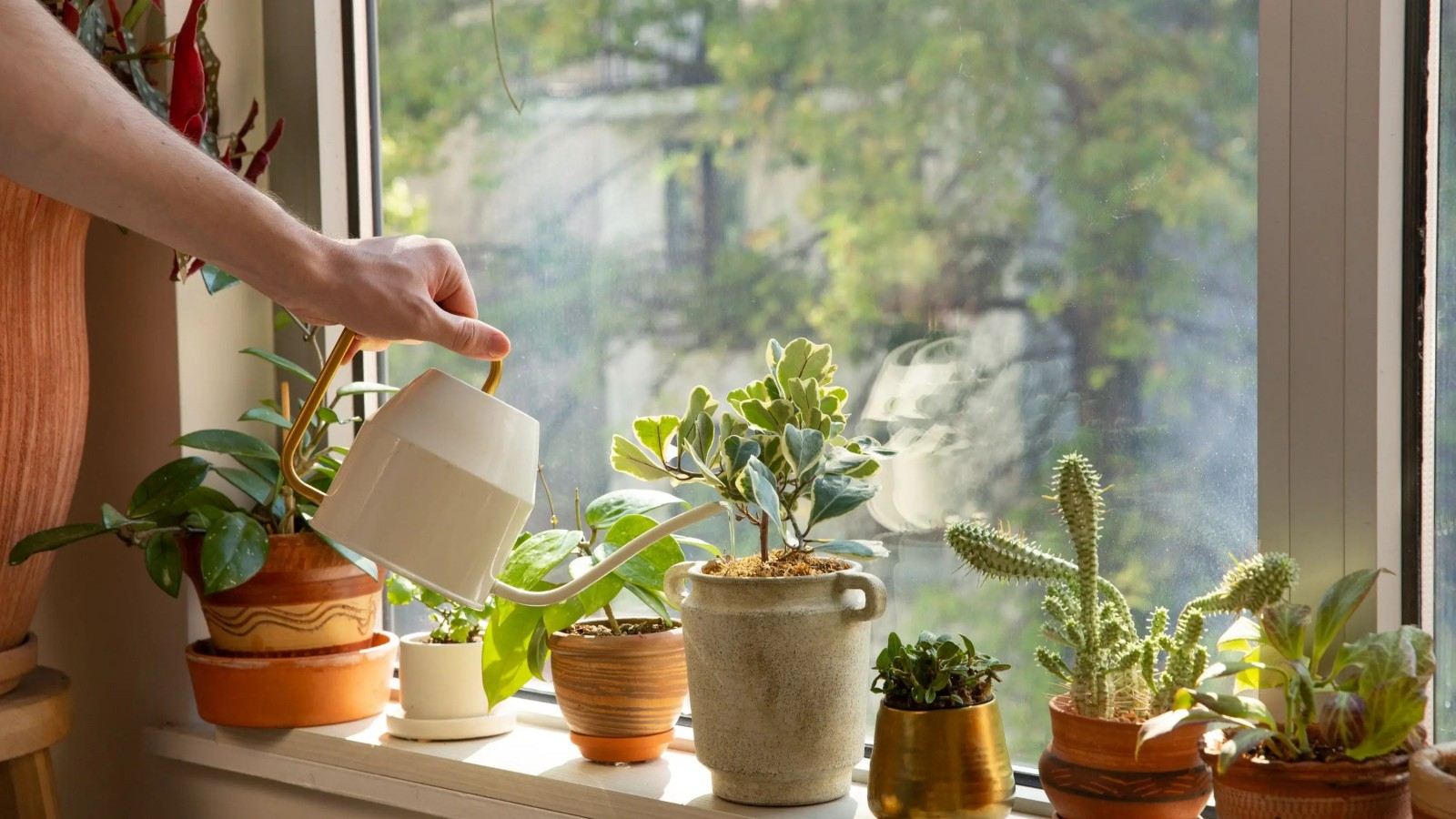
Indoors, the ideal spot for your asparagus fern is near a window that receives bright, filtered light. East or west-facing windows are perfect, as they provide gentle morning or afternoon light without the harsh midday sun. If you have a south-facing window, place the plant a few feet back from the glass or use a sheer curtain to filter the light, as direct sunlight can scorch the delicate fronds, causing brown, crispy tips or yellowing leaves. North-facing windows may not provide enough light, leading to sparse growth and pale foliage—if this is your only option, consider supplementing with a grow light set to 12–14 hours per day. Outdoors, asparagus fern thrives in partial shade or dappled sunlight; avoid planting it in full sun, especially in hot climates, as this will damage the foliage. In cooler regions, it can tolerate a few hours of morning sun, but afternoon shade is essential.
2. Watering: Balancing Moisture and Drainage
Common asparagus fern prefers consistently moist soil, but it is highly susceptible to root rot if overwatered. Finding the right balance between keeping the soil moist and avoiding waterlogging is key to its health. The plant’s water needs vary depending on factors like light, temperature, humidity, and the size of the pot, so it’s important to check the soil regularly rather than following a strict schedule.
To water your asparagus fern correctly, stick your finger 1–2 inches into the soil. If the top inch of soil feels dry, it’s time to water. Water thoroughly until the water drains out of the bottom of the pot, then empty the saucer to prevent the roots from sitting in standing water—this is crucial, as stagnant water will cause root rot. During the growing season (spring and summer), when the plant is actively growing, you may need to water every 2–3 days, depending on the conditions. In fall and winter, when growth slows down, reduce watering to once a week or less, allowing the soil to dry out slightly more between waterings. Avoid using cold water, as this can shock the roots; room-temperature water is best. Additionally, if your tap water is hard (high in minerals), consider using filtered or distilled water, as mineral buildup can damage the plant over time.
3. Soil and Potting: Creating the Ideal Growing Medium
Common asparagus fern thrives in well-draining, nutrient-rich soil that is slightly acidic to neutral (pH 6.0–7.0). The soil should retain moisture without becoming waterlogged, as the plant’s roots need both water and oxygen to thrive. A poor-quality or heavy soil will lead to root rot, so it’s important to choose the right potting mix or create your own.
For indoor plants, a high-quality potting mix designed for ferns or tropical plants works well. You can also create a custom mix by combining equal parts peat moss (or coco coir), perlite, and potting soil. Peat moss or coco coir retains moisture, while perlite improves drainage, preventing waterlogging. Adding a small amount of compost or worm castings will provide essential nutrients to support healthy growth. When potting, choose a pot with drainage holes at the bottom to ensure excess water can escape. The pot should be slightly larger than the plant’s root ball—too large a pot will hold too much moisture, increasing the risk of root rot. Repot your asparagus fern every 1–2 years, or when you notice the roots growing out of the drainage holes, using fresh potting mix to replenish nutrients.
4. Temperature and Humidity: Mimicking Its Native Habitat
As a tropical plant native to South Africa, Common asparagus fern prefers warm temperatures and high humidity. It is not frost-tolerant, so it’s important to protect it from cold temperatures, especially if you’re growing it outdoors. Understanding its temperature and humidity needs will help you keep your plant healthy year-round.
The ideal temperature range for Common asparagus fern is 60–75°F (15–24°C). It can tolerate temperatures as low as 50°F (10°C) for short periods, but prolonged exposure to temperatures below 50°F will cause yellowing fronds and stunted growth. Frost will kill the plant, so if you live in a climate with cold winters (USDA zones below 9), grow your asparagus fern indoors or bring it indoors before the first frost. In summer, avoid placing the plant near air conditioning vents or drafty windows, as sudden temperature changes can stress the plant. Humidity is equally important—aspagus fern thrives in humidity levels of 50–70%. Indoors, dry air (especially duringwinter) can cause the fronds to turn brown and crispy. To increase humidity, you can mist the plant regularly with room-temperature water, place a tray of water and pebbles near the plant (the water will evaporate, adding moisture to the air), or use a humidifier. Grouping plants together can also help create a more humid microclimate.
5. Fertilizing: Feeding for Healthy Growth
Common asparagus fern benefits from regular fertilization during the growing season to support its lush foliage and active growth. However, it is not a heavy feeder, so over-fertilizing can cause fertilizer burn, leading to brown tips and leaf drop. Choosing the right fertilizer and following a consistent schedule will ensure your plant gets the nutrients it needs without harm.
During the growing season (spring and summer), fertilize your asparagus fern every 2–4 weeks with a balanced, water-soluble fertilizer (such as 10-10-10 or 20-20-20) diluted to half strength. This will provide a steady supply of nitrogen, phosphorus, and potassium, which are essential for healthy foliage and root growth. Avoid fertilizing in fall and winter, when the plant is dormant—feeding during this time can stress the plant and lead to nutrient buildup in the soil. If you notice yellowing fronds or slow growth, this may be a sign of under-fertilization, but always check the soil moisture first, as overwatering can cause similar symptoms. Additionally, every 6 months, you can add a small amount of compost or worm castings to the top of the soil to replenish organic nutrients.
6. Pruning: Maintaining Shape and Health
Pruning is an important part of Common asparagus fern care, as it helps maintain the plant’s shape, remove dead or damaged foliage, and promote new growth. The plant can become leggy over time, with long, sparse stems and faded fronds, so regular pruning will keep it looking lush and compact.
To prune your asparagus fern, use clean, sharp pruning shears or scissors. Remove any yellow, brown, or dead fronds at the base of the stem—this will redirect the plant’s energy to healthy growth. You can also trim back leggy stems to encourage bushier growth; cut the stems just above a node (the point where a leaf or frond attaches to the stem). Pruning can be done at any time of year, but it’s most effective during the growing season (spring and summer), when the plant is actively producing new growth. Avoid over-pruning, as this can stress the plant—never remove more than one-third of the foliage at once. After pruning, dispose of the cuttings properly, as they can be toxic to pets if ingested.
7. Propagation: Growing New Plants
If you want to expand your collection of Common asparagus fern or share it with friends, propagation is a simple and cost-effective method. The plant can be propagated by division or from seeds, with division being the easiest and most reliable method for beginners.
Propagation by division is best done in spring, when the plant is actively growing. Carefully remove the plant from its pot and gently separate the root ball into two or more sections, ensuring each section has a healthy cluster of roots and fronds. Use your hands or a sharp knife to divide the root ball—be careful not to damage the roots. Plant each division in a new pot with fresh potting mix, water thoroughly, and place in a bright, indirect light. Keep the soil moist but not waterlogged until the new plants become established (usually 2–4 weeks). Propagation from seeds is more time-consuming: collect seeds from the plant’s berries (which turn red when ripe), remove the pulp, and plant them in a pot with moist potting mix. Cover the pot with plastic wrap to retain moisture, place in a warm, bright spot, and keep the soil moist. Germination can take 2–4 weeks, and the new plants will take several months to mature.
8. Pest and Disease Control: Troubleshooting Common Issues
Common asparagus fern is relatively resistant to pests and diseases, but it can still be affected by a few common problems. Early detection and treatment are key to preventing serious damage, so it’s important to inspect your plant regularly for signs of trouble.
The most common pests that affect asparagus fern are spider mites, mealybugs, and aphids. Spider mites are tiny, red or brown pests that thrive in dry conditions, causing yellow spots and webbing on the fronds. Mealybugs appear as white, cottony masses on the stems and undersides of leaves, while aphids are small, green or black insects that suck sap from the plant. To treat these pests, wipe the fronds with a damp cloth to remove the insects, then spray the plant with a solution of water and mild dish soap (1 teaspoon per quart of water) or neem oil. For severe infestations, use an insecticidal soap or horticultural oil, following the instructions on the label. The most common disease is root rot, caused by overwatering or poor drainage. Signs of root rot include yellowing fronds, mushy roots, and a foul odor. If you suspect root rot, remove the plant from its pot, trim away any rotted roots, and repot in fresh, well-draining soil. Reduce watering and ensure the pot has proper drainage to prevent recurrence.
9. Outdoor Care: Growing Common Asparagus Fern in Gardens
In warm climates (USDA zones 9–11), Common asparagus fern can be grown outdoors year-round as a ground cover, border plant, or in hanging baskets. It thrives in partial shade or dappled sunlight, making it ideal for gardens with filtered light (such as under trees or near tall shrubs).
When planting outdoors, choose a spot with well-draining soil and amend it with compost or peat moss to improve moisture retention and drainage. Space plants 12–18 inches apart to allow for growth, as asparagus fern can spread quickly. Water regularly during the first few weeks to help the plant establish roots, then reduce watering once established (it is drought-tolerant once rooted). Fertilize once in spring with a balanced, slow-release fertilizer to support growth. In cooler regions, you can grow asparagus fern outdoors as an annual, planting it in spring and removing it before the first frost. Alternatively, dig up the plant and pot it indoors for the winter, placing it in a bright, cool spot (50–60°F) and reducing watering.
10. Toxicity: Keeping Pets and Children Safe
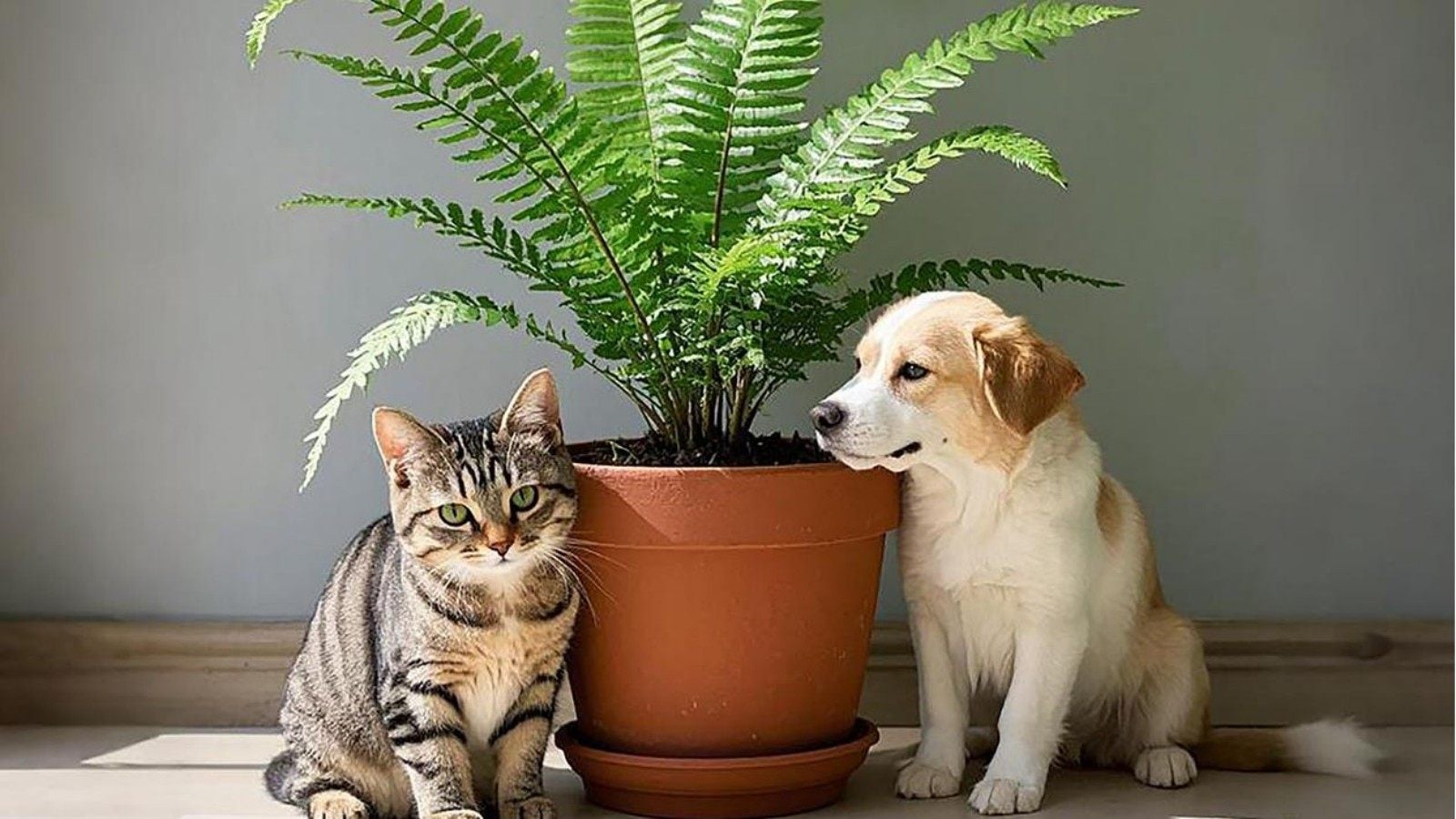
It’s important to note that Common asparagus fern is toxic to cats, dogs, and humans if ingested. The plant contains sapogenins, which can cause vomiting, diarrhea, and abdominal pain in pets, and mouth irritation, nausea, and vomiting in humans. The berries are particularly toxic, so it’s important to keep the plant out of reach of pets and small children.
If you have pets, place your asparagus fern in a location they cannot access (such as a high shelf or hanging basket). If you suspect your pet has ingested any part of the plant, contact your veterinarian immediately. For humans, wash your hands thoroughly after handling the plant, especially if you have cuts or scrapes on your hands, as the sap can cause skin irritation in some people.
Conclusion: Enjoying Your Lush, Healthy Common Asparagus Fern
Caring for Common asparagus fern is a rewarding experience, as this beautiful plant adds a touch of elegance and greenery to any space. By following the guidelines in this article—providing bright, indirect light, consistent moisture, well-draining soil, warm temperatures, and regular care—you can keep your asparagus fern healthy and vibrant for years to come. Whether you’re growing it indoors as a houseplant or outdoors in a garden, its delicate fronds and easygoing nature make it a perfect choice for both beginner and experienced gardeners.
Remember to check your plant regularly for signs of stress, pests, or disease, and adjust your care routine as needed. With a little attention and care, your Common asparagus fern will thrive, bringing joy and beauty to your home or garden. Whether you’re looking to add a trailing plant to your hanging basket, a lush ground cover to your garden, or a simple tabletop plant to your home, the Common asparagus fern is a versatile and stunning choice that is sure to impress.
Advertisement
Learn More
-

- October 20,2026
- Lily Disease Guide: Whats Killing Your Lilium longiflorum and How to Stop It
-
- September 17,2026
- Wax-Leaf Privet Diseases: Identification, Treatment & Prevention Guide
-
- September 1,2026
- Vinca Minor Diseases: Identification, Treatment and Long‑Term Garden Management
-
- August 18,2026
- Tree Philodendron Diseases: Identification, Treatment and Long‑Term Prevention
-
- August 6,2026
- Common Ailments of Plantago major: Identifying, Treating and Preventing Diseases in Broadleaf Plantain
-
- July 30,2026
- Zodiac-themed Bouquets Combined with Floral Language: Different Color Schemes Create More Artistic Birthday Surprises


Advertisement
 Poisonous and danger
 Edible and medicinal
 Wild and common weed