
Do you have a cute pet at home? Choose these plants that are pet-friendly and safe!
Advertisement
More and more people like to grow green plants at home to beautify the environment, purify the air, and even adjust their mood. But if you are a "poop shoveler", you have to pay extra attention - some seemingly harmless plants may cause serious poisoning reactions to cats or dogs!
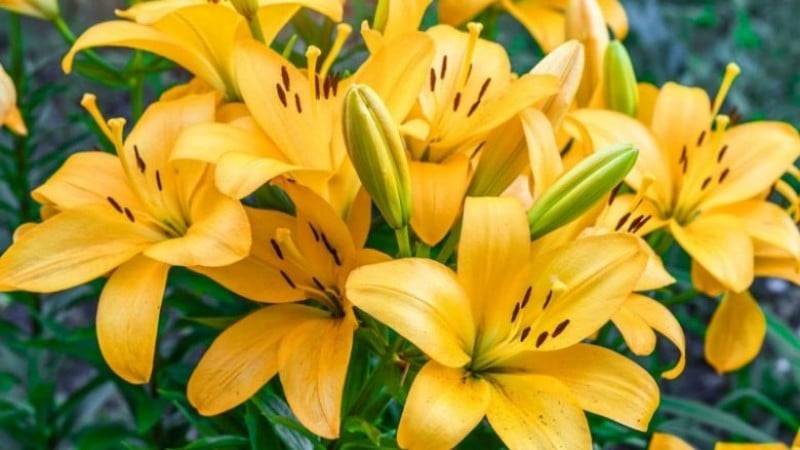
Yes, green plants are good, but not all of them are pet-friendly. Some common plants such as tiger lily, green radish, and white peace lily are actually "poisonous weeds" for pets - ingestion may cause oral burning, vomiting, diarrhea, and even life-threatening in severe cases.
But don't panic, today we will tell you: which plants are both beautiful and safe, and you can live with your fur children with confidence. Let you have an ideal home environment of "greenery + pet-free"!
Why are plants toxic to pets?
In the ecological chain of nature, many plants have evolved defense mechanisms to protect themselves, such as releasing toxins or bitterness to avoid being eaten by animals. These toxins may be harmless to humans, but they can be deadly to smaller cats and dogs with different metabolic systems.
Common toxic ingredients include:
Calcium oxalate crystals (such as green radish, Spathiphyllum spp): irritate the mouth and digestive tract;
Alkaloids (such as agave): may cause neurological problems;
Glycosides (such as dripping angel): may cause liver and kidney poisoning.
Therefore, choosing the right plants is a must for pet families!
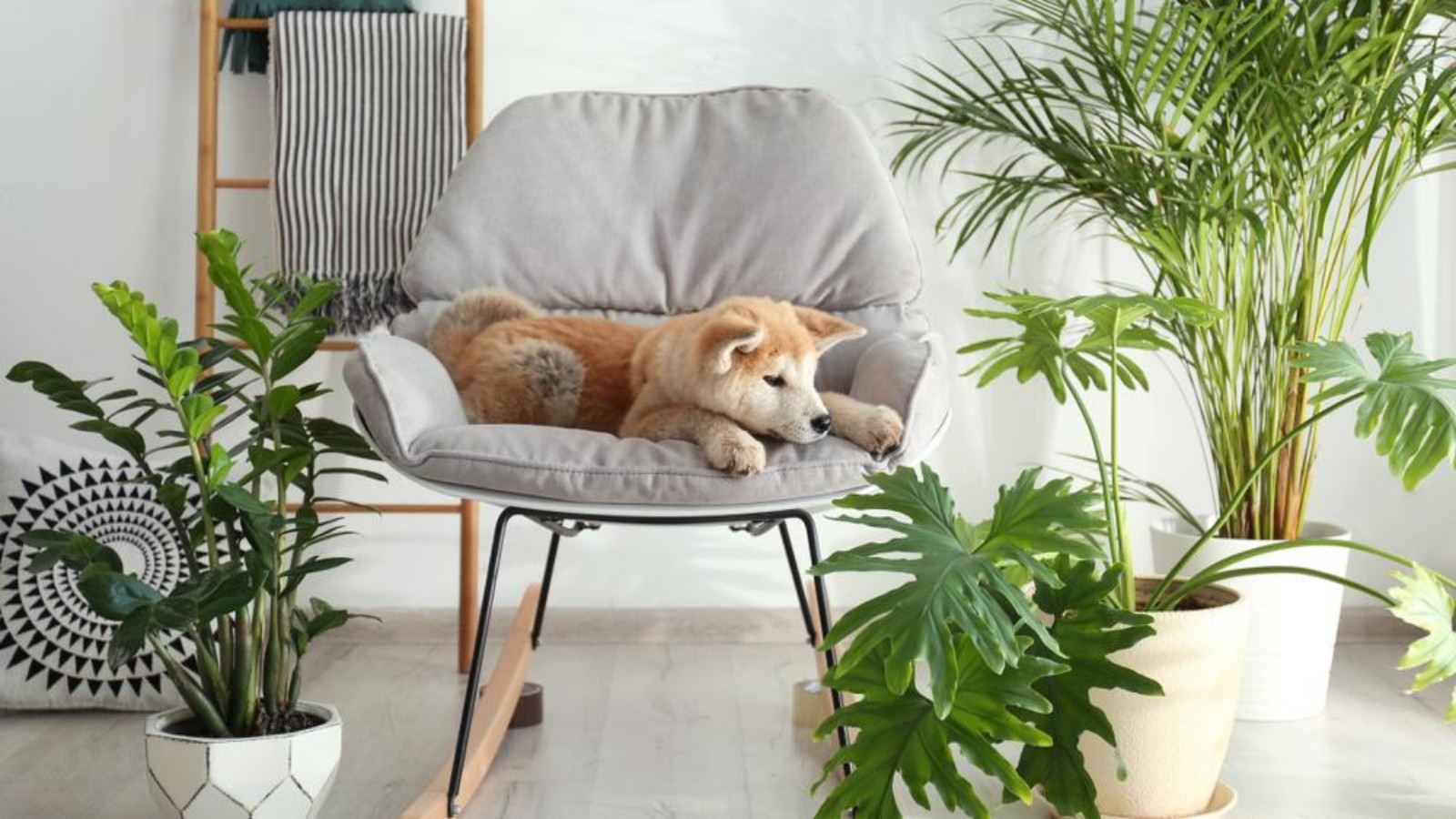
Pet-friendly plant recommendations: beautiful and safe
The following plants are widely considered safe for pets in most cases. Of course, the premise is that they have not been sprayed with fertilizers or pesticides, and pets will not eat the whole pot of plants in large mouthfuls (you know, even safe plants can cause gastrointestinal discomfort if eaten too much).
1. Peperomia obtusifolia
Peperomia obtusifolia is a very suitable foliage plant for indoor cultivation. The leaves are round and thick, and look like cute "succulent beans", which are very healing. And the most important thing is-it is non-toxic to cats and dogs!
Not only is the Chinese evergreen plant friendly to pets, it is also known as the "king of office green plants". It is small, beautiful, green and fresh, and is the first choice for "novice growers + cute pet families".
2. African Violet
African violets are popular for their small and delicate flowers and easy maintenance. They have rich colors, ranging from purple, blue to pink and white, which can add a touch of bright color to the home. What's more gratifying is that African violets are non-toxic to pets. You can safely place a few pots on the windowsill or desk, as if bringing spring into the home. Even if pets accidentally touch it, there will be no toxic reaction.
3. Boston Fern
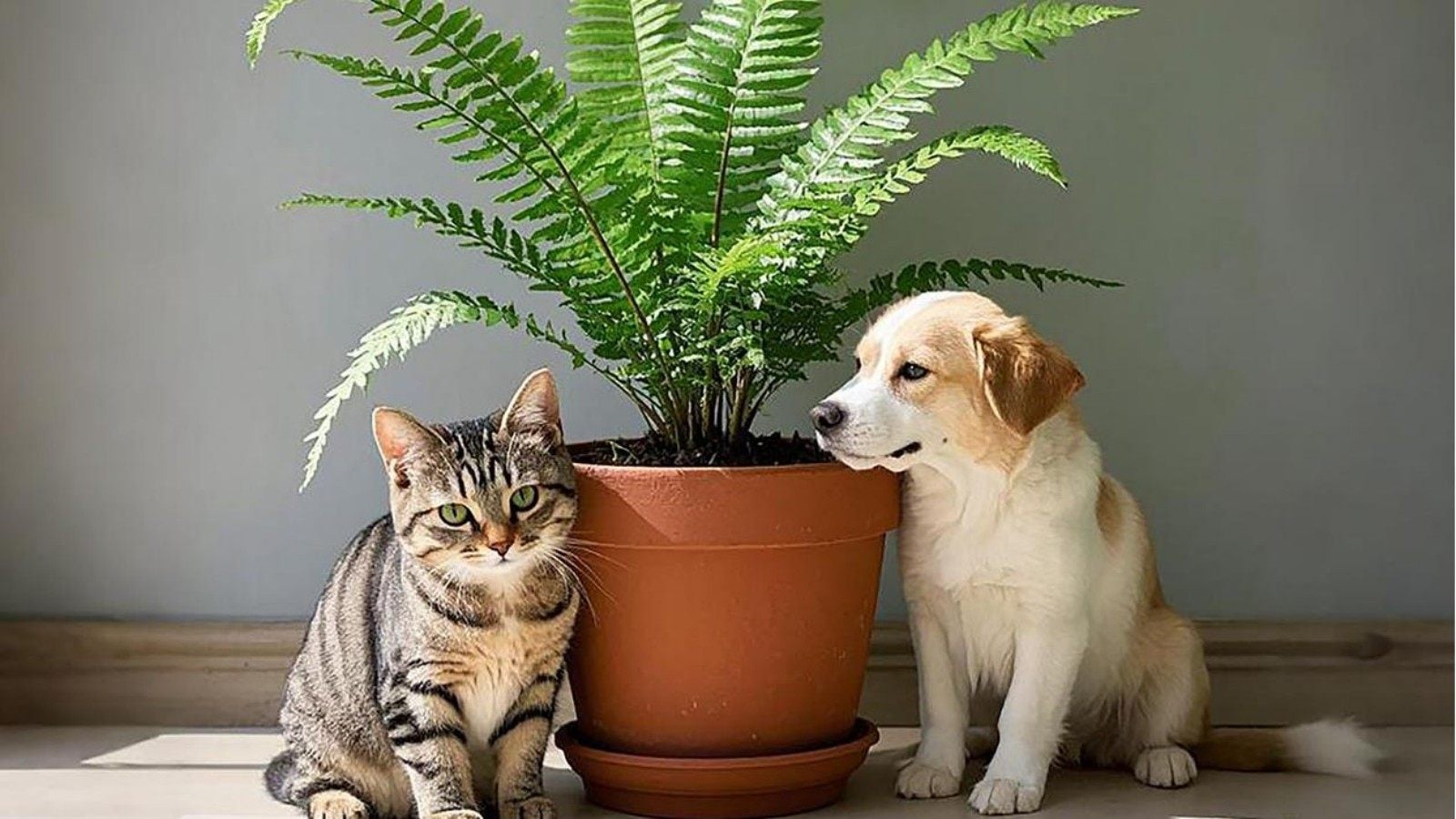
Ferns: Ferns come in many species and shapes. They have emerald green leaves and elegant lines, making them ideal for creating a fresh and natural atmosphere. Most common indoor ferns, such as Boston fern, Staghorn fern (Platycerium bifurcatum), bird's nest fern, etc., are safe for pets. They like warm and humid environments, and are suitable for being placed in places with bright light but avoiding direct sunlight.
And it is one of the air purifying plants, which has a good absorption effect on harmful gases such as formaldehyde and is completely safe for pets.
4. Parlor Palm
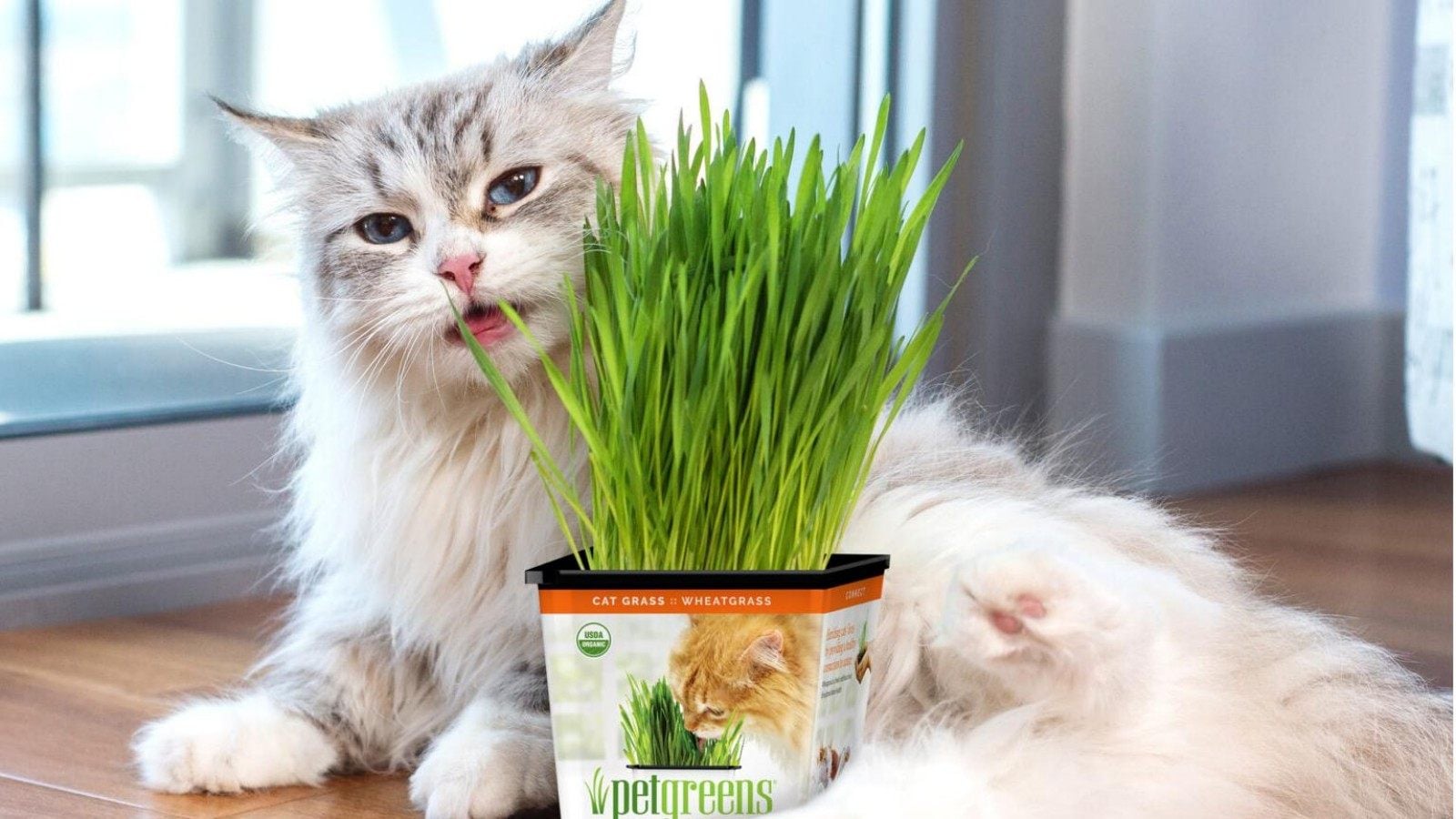
Parlor Palm is not only a classic "beauty" in the indoor green plant world, but also a gentle guardian for pets. As one of the very few indoor plants that are completely non-toxic to cats and dogs, Parlor Palm is the preferred green plant partner for many shit shovelers. Its soft feathery leaves will not only not scratch pets, but also bring a tropical natural atmosphere. Even if the furry children occasionally rub, sniff or even bite it mischievously, there will be no risk of poisoning. What's even better is that it has low requirements for light and is easy to keep. It is very suitable for placing in the corners of the living room or bedroom where pets often appear, making the home safe and full of greenery.
5. Cat Grass, usually oats and wheat seedlings
Cat grass is not the name of a specific plant, but a general term for grass that cats can eat safely. Among them, oat grass, wheat grass, and ryegrass are the most common, and their safety level is very high and they are completely pet-friendly.
Placing a pot of cat grass in a small corner of the balcony or next to the cat climbing frame can not only help cats vomit hair balls, but also satisfy their habit of chewing tender leaves. Placing a pot of cat grass on the balcony is both greening and taking care of the cat's "appetite".
Cat grass is not only non-toxic, but also a "healthy snack" that cats like to chew. It can help vomit hair balls and reduce gastrointestinal discomfort.
6. Mint & Catnip
If you like plants with fragrance and are worried about your pet eating them by mistake, mint plants are a good choice. Plants such as lemon balm, apple mint, and lemon balm are not only safe, but also can repel insects and refresh the mind, making the home fresh and natural.
Mint plants have a fresh smell and can be used for cooking and making tea. Catnip has a natural attraction to cats and is often used to train or entertain cats.
Some cats may be particularly fascinated by mint plants and will rub and bite them, but they are not toxic and will not cause any problems even if they ingest a small amount.
Note: A small amount is safe, but cats and dogs consuming large amounts of mint or essential oil extracts may cause vomiting or diarrhea, so it still needs to be controlled in moderation.
7. Chlorophytum comosum
Chlorophytum comosum is one of the most popular indoor plants. It is not only tenacious and easy to maintain, but also has the function of purifying the air. Its drooping leaves and creeping growth characteristics also make it an ideal choice for decorating high or hanging potted plants. Most importantly, Chlorophytum comosum is safe for cats and dogs, and even if they occasionally gnaw on it, it will not cause harm.
Inspiration for interesting green plant arrangements suitable for pet interaction
Not only is it safe, some plants can also become small interactive props between you and your furry children. For example, combine cat grass with cat climbing frames to create a "cat green plant corner"; or arrange a row of fragrant bee balm and lemongrass on one side of the dog's activity area to create a relaxing and natural little world for them. You can even use small potted plants to spell the name of your pet, which is both personalized and interesting. Many pet owners will also set up a "pet-exclusive small garden" on the balcony, plant a few pots of safe plants, place water basins and toys, so that pets can enjoy the sunshine in the greenery and spend a lazy and healing time.
What should I do if my pet accidentally eats plants? Emergency treatment guide
Even if you choose safe plants, it is difficult to guarantee that your pet will not accidentally eat green plants or weeds that it has come into contact with elsewhere. Therefore, it is also important to understand some emergency treatment measures. Once you find that your pet has symptoms such as oral inflammation, vomiting, drooling, and mental depression, you should remove the plants that may cause poisoning as soon as possible and contact a veterinarian as soon as possible. When taking your pet to the doctor, bring photos or labels of the plants to help the doctor determine toxicity and medication more quickly. You can also prepare some activated carbon tablets on a daily basis in case of emergency. At the same time, develop the habit of "prevention is better than cure" and reduce risks from the source, which is the deepest love for your furry children.
Tips for creating a pet-friendly green space
In addition to choosing plants that are safe for pets, some maintenance tips can also help you better create a pet-friendly green space:
Place it out of reach of pets: For some plants that are less toxic but may still cause discomfort (such as green ivy), it is best to place them high, hang them, or use closed pots to prevent pets from contacting them.
Provide pet-specific "chewing toys": In order to satisfy the pet's desire to chew, you can provide them with some safe chewing toys, such as cat grass, dog chews, etc., to divert their attention from the plants.
Pay attention to pet behavior: Regularly observe whether your pet shows excessive interest or chewing behavior in the plants at home, and take timely measures to intervene.
Understand common poisonous plants: Familiarize yourself with some common indoor plants that are toxic to pets, such as lilies, azaleas, oleanders, ivy, etc., and avoid planting them at home. If you are not sure whether a plant is safe for pets, it is best to check before purchasing.
Use safe fertilizers and pesticides: When caring for plants, choose organic fertilizers and biological pesticides that are harmless to pets, and avoid using fertilizers and pesticides containing chemical ingredients to prevent pets from accidentally ingesting and poisoning.
Do you know why pets love to chew plants?
Many pets love to chew green plants. In fact, this is not "mischief", but may be due to instinct or physical needs. For example, cats chew grass to clean their stomachs, and dogs may be relieving anxiety or lack of certain nutrients. So if you find them chewing plants, don't rush to blame them. First observe whether you need to adjust their diet or increase interaction, and then provide more suitable alternatives, such as cat grass or chewing toys.
New inspiration for creating a "green plant + pet" style home
If you are a life aesthetics enthusiast who likes to decorate your home, you might as well try the "pet-friendly plant corner" design. For example, hanging spider plants on the balcony, placing bean green on the windowsill, arranging a pot of Boston fern in the corner of the living room, and then matching it with a pet nest, rattan toys and cushions, the overall style is both natural and warm. Not only is it pleasing to the eye, but it also allows pets to live freely. It is the most in-home aesthetics trend!
Small potted plant DIY: Plant a pot of exclusive green plants for your pets
Use a small ceramic pot, plant cat grass or apple mint, and add a small name tag written by you, it is a small garden exclusively for your furry child. You can also DIY pots with degradable materials, which are environmentally friendly and creative. This small project can not only enhance your intimacy with your pet, but also enhance children's environmental awareness. It is a good way for parent-child interaction and accompanying pets.
New attempt at pet social area + green plant arrangement
If there are more than two pets at home, you can try to set up green plant partitions in their "social area" - the living room and balcony where they usually move around. Using tall and short safe plants to separate spaces is not only beautiful, but also helps to reduce friction in the fight for space. At the same time, it can absorb odors and purify the air, and the "public rest area" for pets can also become more comfortable and natural.
Pet-friendly plants can also enhance the sense of happiness in life
Have you found that when the sun shines on the furry children through the leaves of green plants, the picture is like a fairy tale? Pet-friendly plants not only ensure safety, but also create a warm and healing living atmosphere. When you wake up every day and see plants growing and pets rolling, your mood will become better. A green life and a furry friend will accompany you through the four seasons.
Do furry children also love sunbathing? Green window space is super healing
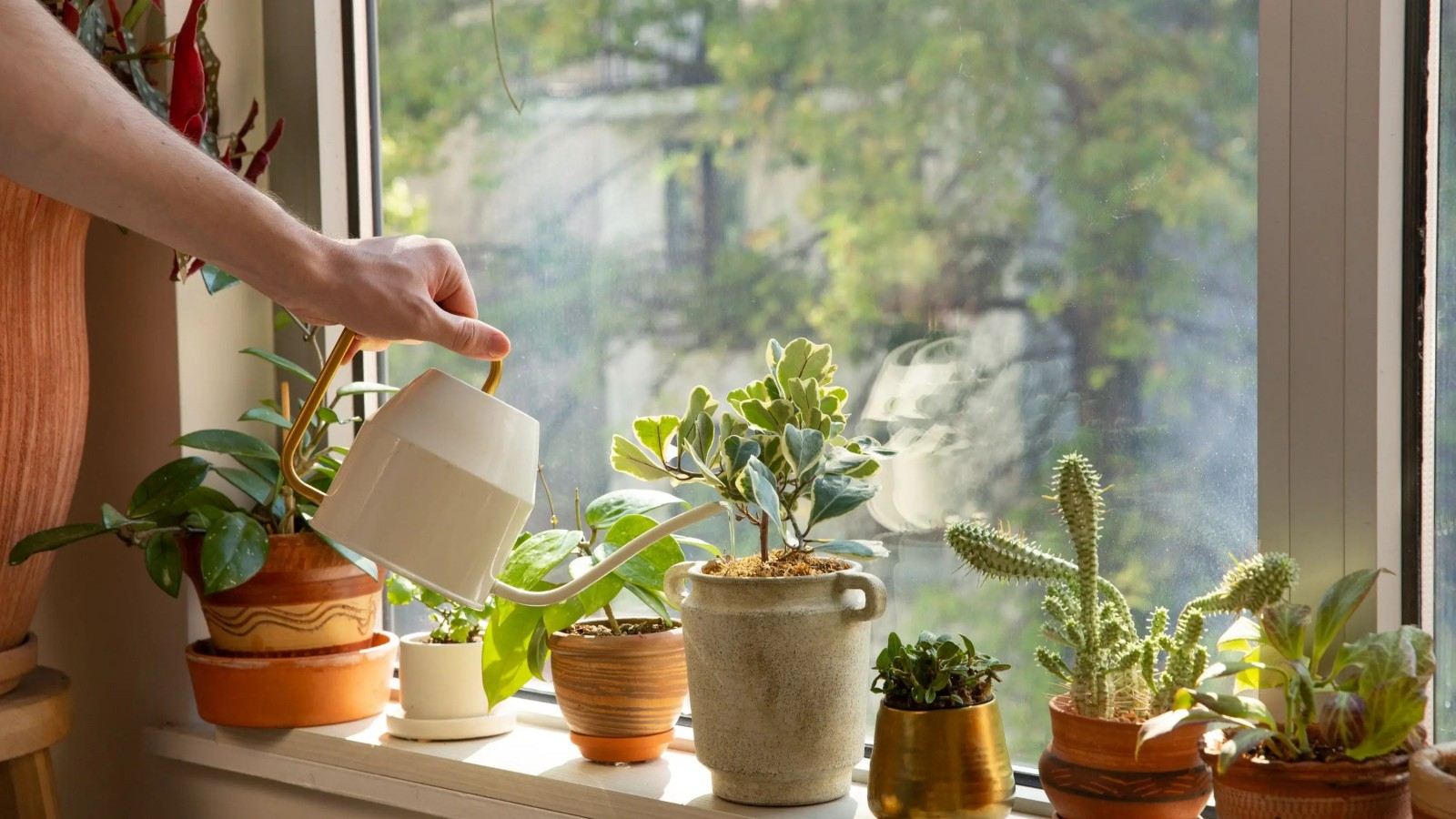
Many pets like to nap by the window where the sun shines. This is their most relaxing moment. If you place a few pots of pet-friendly green plants by the window, it can not only block light and regulate temperature, but also provide a natural "oxygen bath" space for your furry friends. Basking in the sun in the morning and smelling the fragrance of plants, isn't this the ideal life?
Let green plants and pets live in harmony, which is an aesthetic
Raising a pet is a responsibility, pets make the home warmer, and raising plants is a life attitude. The combination of the two is a more beautiful and more secure lifestyle. Starting today, don't ignore the feelings of your little furry child. Create a green, safe and loving home for your furry child and yourself! Let green and pets coexist harmoniously and compose a beautiful life movement together!
Advertisement
Learn More
-

- October 20,2026
- Lily Disease Guide: Whats Killing Your Lilium longiflorum and How to Stop It
-
- September 17,2026
- Wax-Leaf Privet Diseases: Identification, Treatment & Prevention Guide
-
- September 1,2026
- Vinca Minor Diseases: Identification, Treatment and Long‑Term Garden Management
-
- August 18,2026
- Tree Philodendron Diseases: Identification, Treatment and Long‑Term Prevention
-
- August 6,2026
- Common Ailments of Plantago major: Identifying, Treating and Preventing Diseases in Broadleaf Plantain
-
- July 30,2026
- Zodiac-themed Bouquets Combined with Floral Language: Different Color Schemes Create More Artistic Birthday Surprises
Advertisement
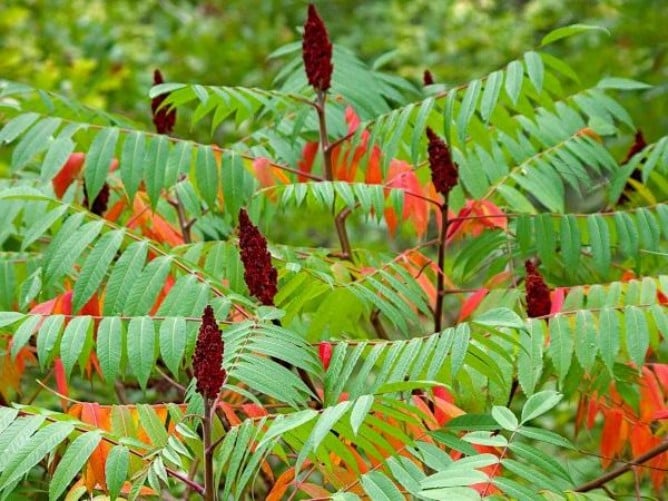
 Poisonous and danger
 Edible and medicinal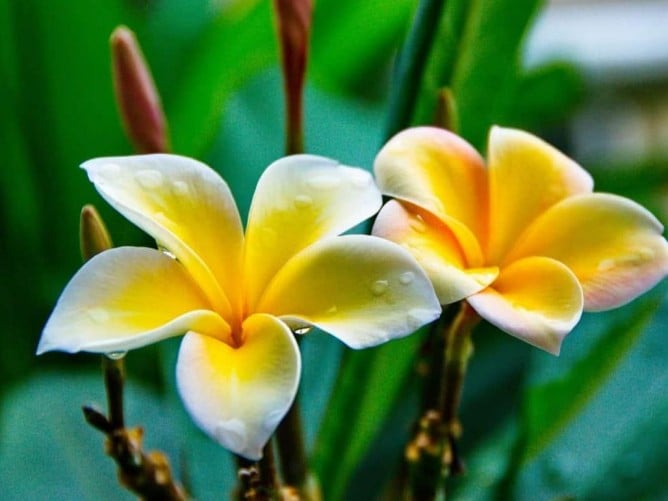
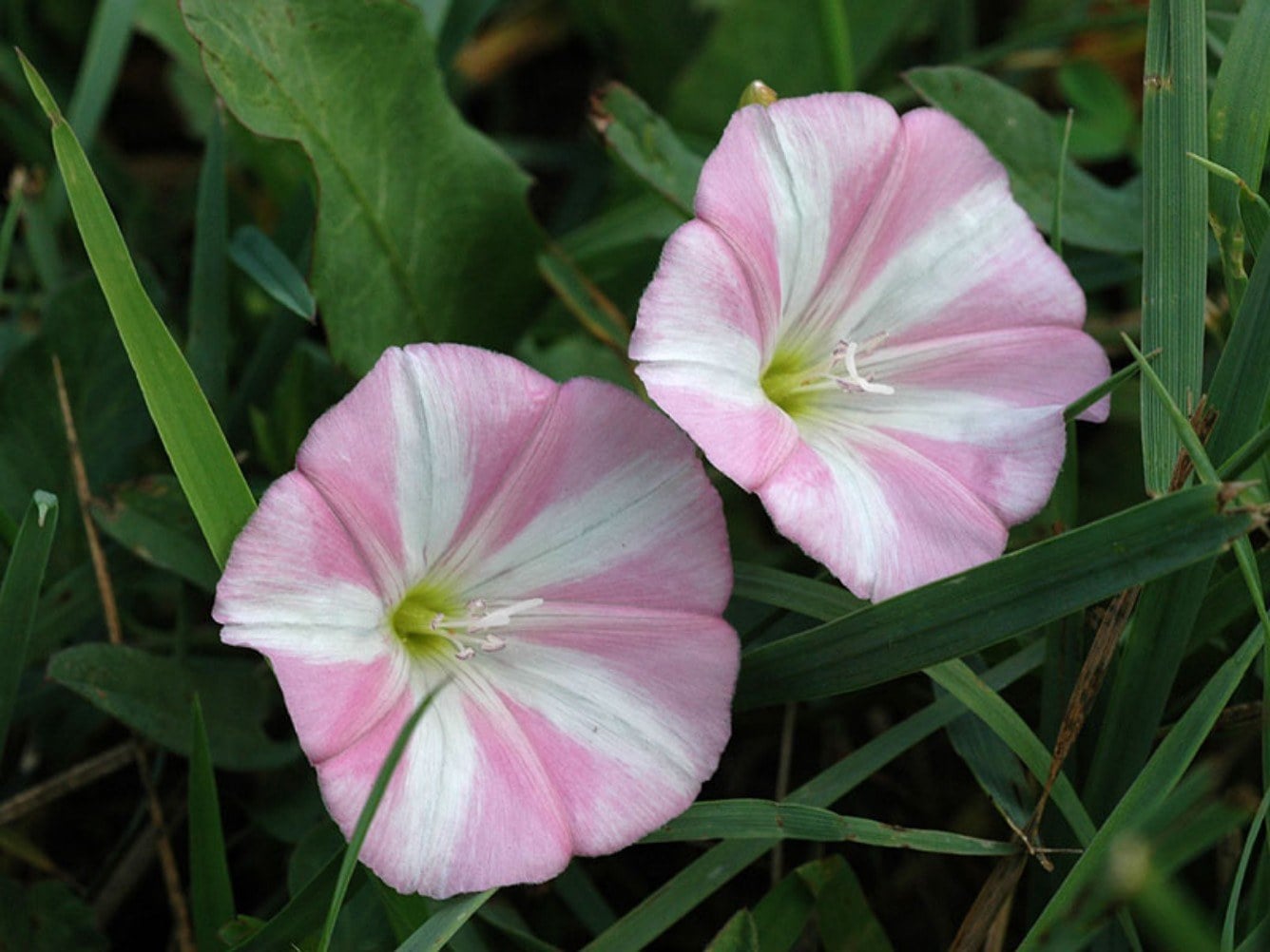
 Wild and common weed