
Epipremnum aureum care tips: How to avoid root rot and soil compaction?
Advertisement
Epipremnum aureum, commonly known as the Golden Pothos or Devil's Ivy, is a beloved houseplant around the world, cherished for its lush green foliage and air - purifying qualities. However, two common issues that many plant enthusiasts face when caring for this plant are root rot and soil compaction. Understanding the causes and implementing effective prevention strategies can keep your Epipremnum aureum thriving in your home. Here’s a detailed guide on how to avoid these problems and maintain a healthy, vibrant plant.
Root Rot
Root rot in Epipremnum aureum is primarily caused by overwatering. When the soil remains waterlogged for an extended period, the roots are deprived of oxygen, leading to the growth of harmful fungi and bacteria. These pathogens attack the roots, causing them to turn brown, mushy, and eventually rot. Poor drainage, using the wrong type of soil, or a container without adequate drainage holes can exacerbate the issue. Additionally, low light conditions can slow down the plant’s metabolism, reducing its ability to absorb water efficiently, which further increases the risk of root rot.
Soil Compaction
Soil compaction occurs when the soil particles are pressed together, reducing the pore space that is crucial for air and water movement. This can happen due to several reasons. Using heavy, clay - based soils that naturally have a tendency to compact over time is a common culprit. Frequent and excessive watering can also break down the soil structure, leading to compaction. Moreover, using containers that are too small for the plant’s root system can cause the roots to grow densely, pushing against the soil and compacting it.
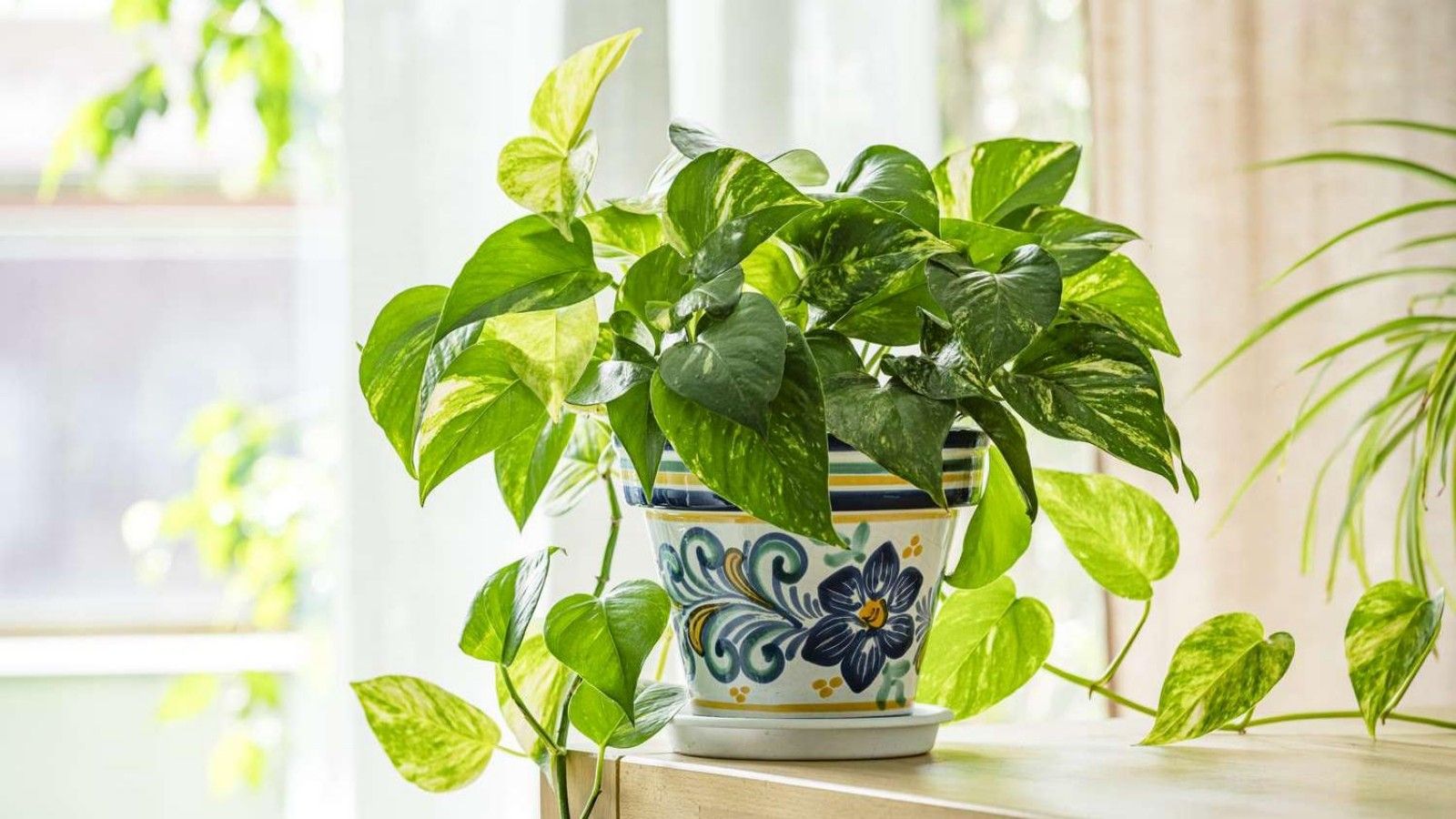
The “Check - Before - Watering” Rule
Before watering your Epipremnum aureum, always check the moisture level of the soil. You can do this by inserting your finger about 2 - 3 inches (5 - 7.5 cm) into the soil. If it still feels wet, hold off on watering; if it feels dry, it’s time to hydrate your plant. Another option is to use a soil moisture meter, which provides a more accurate reading of the soil’s moisture content. In regions with high humidity, you may need to water less frequently, while in drier climates, you might need to increase the frequency slightly, but always ensure the soil has a chance to dry out between waterings.
Choosing the Right Watering Method
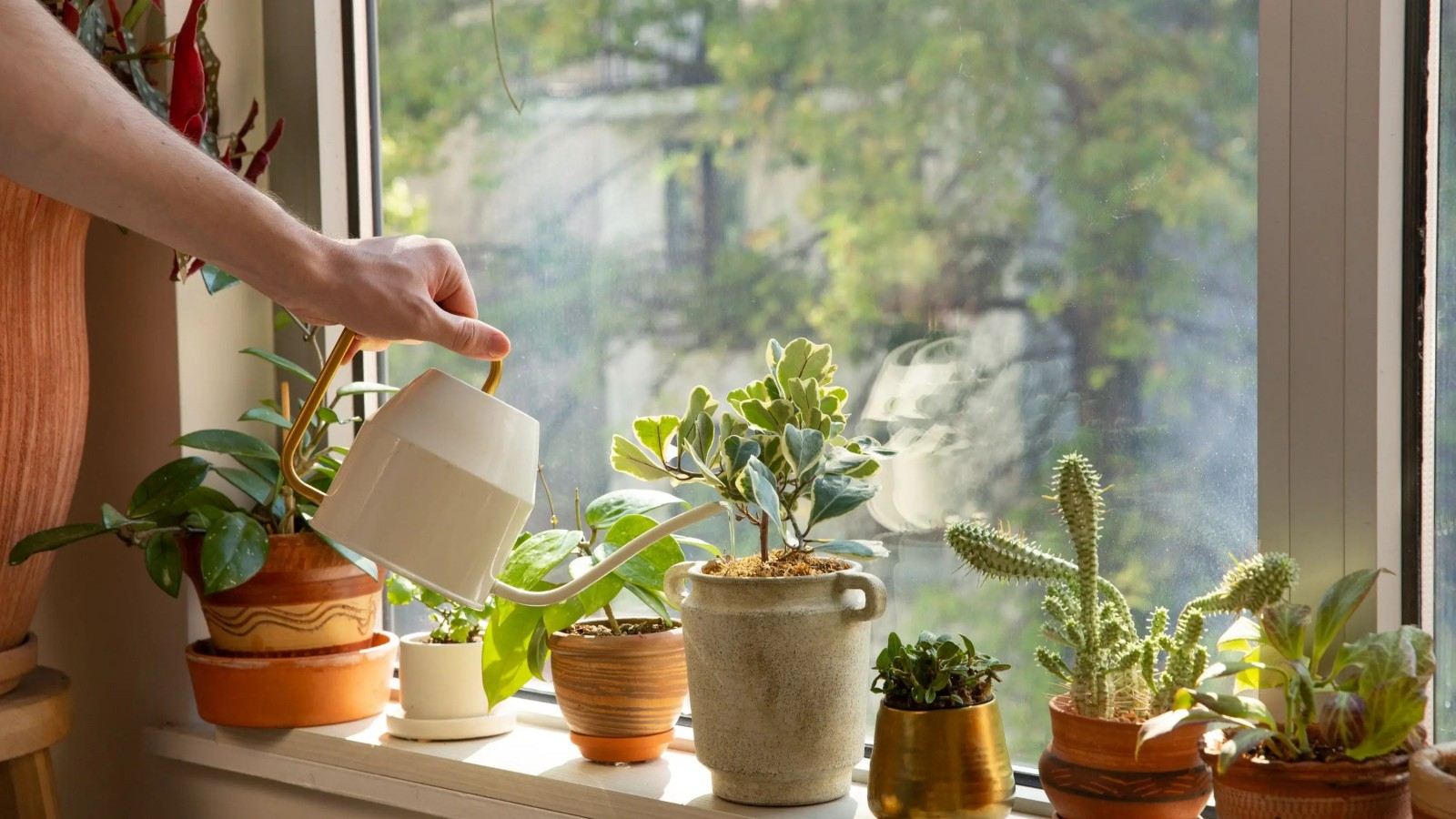
Rather than pouring water rapidly, water your plant slowly and evenly. This allows the water to penetrate deep into the soil and reach the roots without causing excessive runoff. A watering can with a long, narrow spout is ideal for precision watering. If you prefer using a hose, use a gentle spray attachment. Avoid overhead watering, as wetting the leaves can increase the risk of fungal diseases. Instead, aim the water directly at the base of the plant.
Adjusting Watering Based on the Season
In the growing season (spring and summer), Epipremnum aureum actively absorbs water and nutrients, so you may need to water it more frequently, usually once or twice a week. During the dormant season (fall and winter), when the plant’s growth slows down, reduce the watering frequency to once every two to three weeks. However, always monitor the soil moisture, as indoor heating systems can dry out the air and soil more quickly during the winter months.
Selecting the Right Pot
Choose a pot that is slightly larger than the current root ball of your Epipremnum aureum, with at least one large drainage hole at the bottom. Terra - cotta pots are an excellent choice as they are porous and allow excess moisture to evaporate through the walls. If you prefer plastic or ceramic pots, make sure they have sufficient drainage holes and consider placing a layer of small stones or broken pottery at the bottom of the pot to improve drainage further. Avoid using decorative cachepots without drainage holes as permanent planters; instead, place the potted plant inside the cachepot and remove it for watering to prevent waterlogging.
Using Well - Draining Soil Mixes
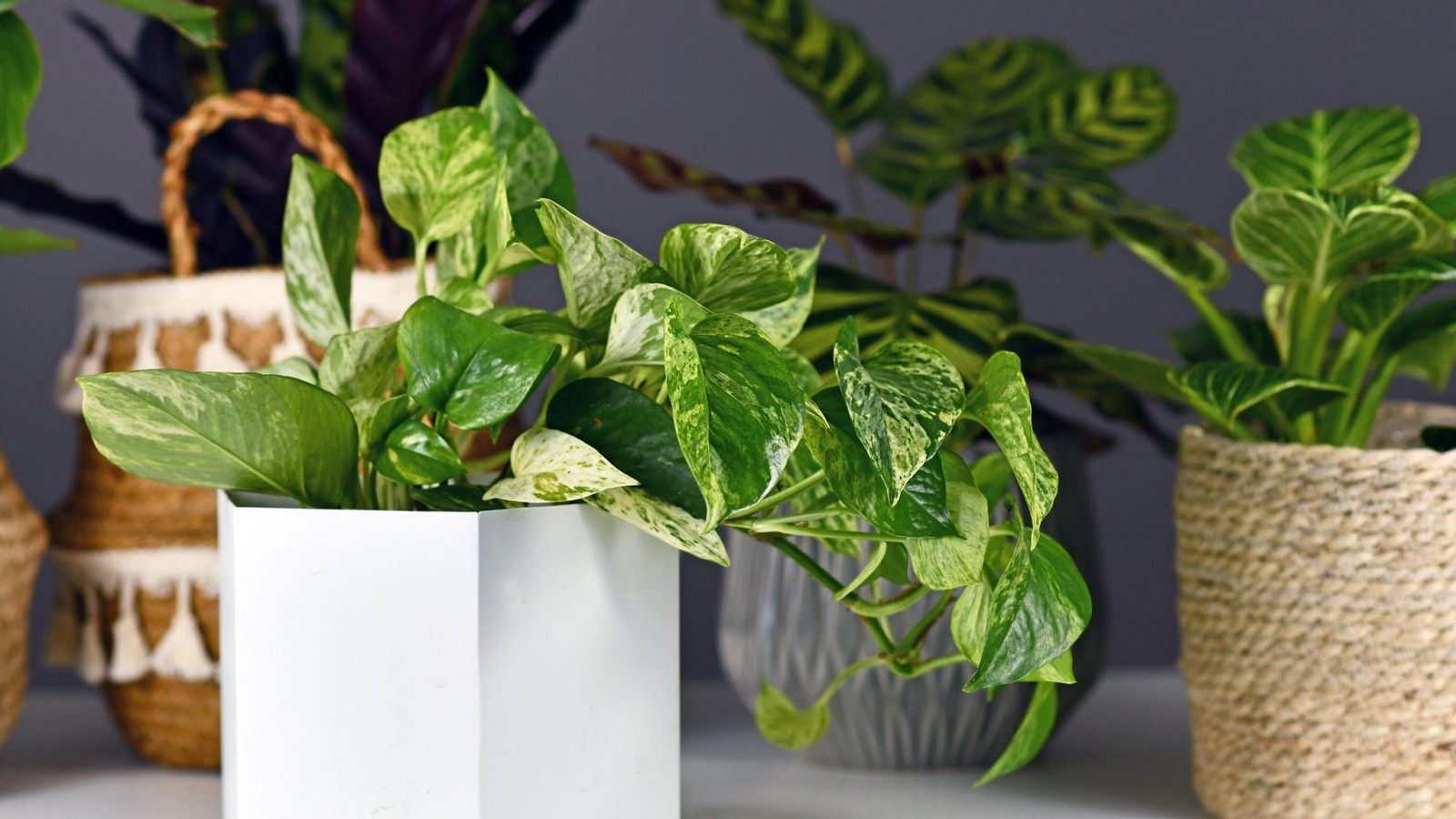 A well - draining soil mix is essential for preventing root rot. A good combination for Epipremnum aureum is a mixture of peat moss, perlite, and vermiculite in a ratio of 2:1:1. Peat moss retains some moisture while providing a light texture, perlite improves aeration and drainage with its lightweight, porous nature, and vermiculite helps with water retention. You can also add a small amount of compost to enrich the soil with nutrients. Avoid using garden soil, as it is often too heavy and prone to compaction when used indoors.
Preventing Soil Compaction
Periodically aerating the soil helps to loosen it and improve air circulation. You can use a small garden fork or a chopstick to gently insert into the soil around the plant, being careful not to damage the roots. Make several holes, about 2 - 3inches (5 - 7.5 cm) deep, to allow air to penetrate the soil. This process should be done every few months, especially if you notice the soil starting to feel hard or compacted. Another option is to top - dress the soil with a thin layer of coarse sand or small pebbles, which can help prevent the soil surface from crusting over and improve water infiltration.
Applying the Right Fertilizer
Over - fertilizing can contribute to soil compaction, so it’s important to use a balanced, slow - release fertilizer formulated for houseplants. Apply the fertilizer according to the package instructions, usually once every two to three months during the growing season. Avoid using fertilizers high in salts, as they can accumulate in the soil over time and cause compaction. Liquid fertilizers can also be used, but make sure to dilute them properly to prevent burning the roots.
Adding Organic Matter
Incorporating organic matter into the soil is an effective way to improve its structure and prevent compaction. Every six months, add a thin layer of compost or well - rotted manure on top of the soil and gently work it into the top 1 - 2 inches (2.5 - 5 cm) of the soil. Organic matter helps to bind soil particles together, creating larger pores for better air and water movement. It also enriches the soil with beneficial microorganisms that break down organic matter and improve soil fertility.
Root Rot
If you suspect root rot, carefully remove the plant from its pot and inspect the roots. Healthy roots are white or light brown and firm, while rotted roots are dark brown, mushy, and may have a foul odor. Trim away any rotted roots using clean, sharp pruning shears, making sure to sterilize the shears with rubbing alcohol between cuts to prevent spreading the infection. Repot the plant in fresh, well - draining soil and a clean pot, and reduce the watering frequency. Monitor the plant closely for signs of recovery, and if the problem persists, consider using a fungicide treatment specifically designed for root rot.
Soil Compaction
When you notice soil compaction, start by aerating the soil as described above. If the compaction is severe, you may need to repot the plant. Gently remove the plant from its pot, loosen the root ball carefully to break up any dense, compacted roots, and replant it in fresh soil with better drainage properties. Water the plant thoroughly after repotting to help it settle into its new environment.
By following these comprehensive tips on watering, potting, soil management, and problem - solving, you can effectively prevent root rot and soil compaction in your Epipremnum aureum. With proper care, your Golden Pothos will reward you with lush, trailing vines and a healthier, more vibrant appearance, adding a touch of natural beauty to your indoor space.
Advertisement
Learn More
-

- October 20,2026
- Lily Disease Guide: Whats Killing Your Lilium longiflorum and How to Stop It
-
- September 17,2026
- Wax-Leaf Privet Diseases: Identification, Treatment & Prevention Guide
-
- September 1,2026
- Vinca Minor Diseases: Identification, Treatment and Long‑Term Garden Management
-
- August 18,2026
- Tree Philodendron Diseases: Identification, Treatment and Long‑Term Prevention
-
- August 6,2026
- Common Ailments of Plantago major: Identifying, Treating and Preventing Diseases in Broadleaf Plantain
-
- July 30,2026
- Zodiac-themed Bouquets Combined with Floral Language: Different Color Schemes Create More Artistic Birthday Surprises

Advertisement
 Poisonous and danger
 Edible and medicinal
 Wild and common weed