
Flower ion Strategies and Recommended Plant Species for Different Climates
Advertisement
Across different countries and regions worldwide, climatic conditions exhibit significant variations influenced by latitude, elevation, ocean currents, topography, and monsoons. Temperature extremes, precipitation levels, air humidity, daylight duration, and seasonal rhythms all directly determine the growth performance of flowering plants. Consequently, when planning horticultural projects or home gardens, “climate adaptation” must be the core principle, with scientific selection based on the ecological habits of plants in their native habitats. Blindly pursuing trendy varieties or focusing solely on flower color often leads to low survival rates, high maintenance costs, and short ornamental cycles. Below, we systematically analyze flower selection approaches based on different typical climate types and recommend suitable plants for representative countries.
I. Selection Criteria and Recommendations for Flowers in Tropical Climates
Tropical climates are prevalent in Southeast Asia, Brazil, Indonesia, and parts of Africa. These regions experience consistently high temperatures year-round, with annual averages typically exceeding 25°C (77°F). They feature intense sunlight, high humidity, and concentrated rainfall often accompanied by distinct rainy seasons. When selecting flowers for such climates, prioritize heat tolerance, strong light resistance, and ability to withstand humid heat. Root systems must adapt well to drainage to prevent waterlogging and rot during rainy seasons.
Recommended flowers include: Frangipani, Hibiscus, Bougainvillea, Bird of Paradise, Canna, and Tropical Water Lilies. Frangipani boasts a rich fragrance and thrives in courtyards; Hibiscus offers long blooming periods, vibrant colors, and exceptional heat tolerance; Bougainvillea thrives in drought and full sun, making it ideal for urban green walls or balconies; Bird of Paradise features broad leaves with a strong tropical flair; Canna is suited for waterfronts or humid environments; Tropical water lilies complement water features. Designs can pair large-leafed plants with vibrant blooms to emphasize tropical exuberance while ensuring adequate ventilation and drainage.
II. Floral Selection Principles and Recommendations for Subtropical Climates
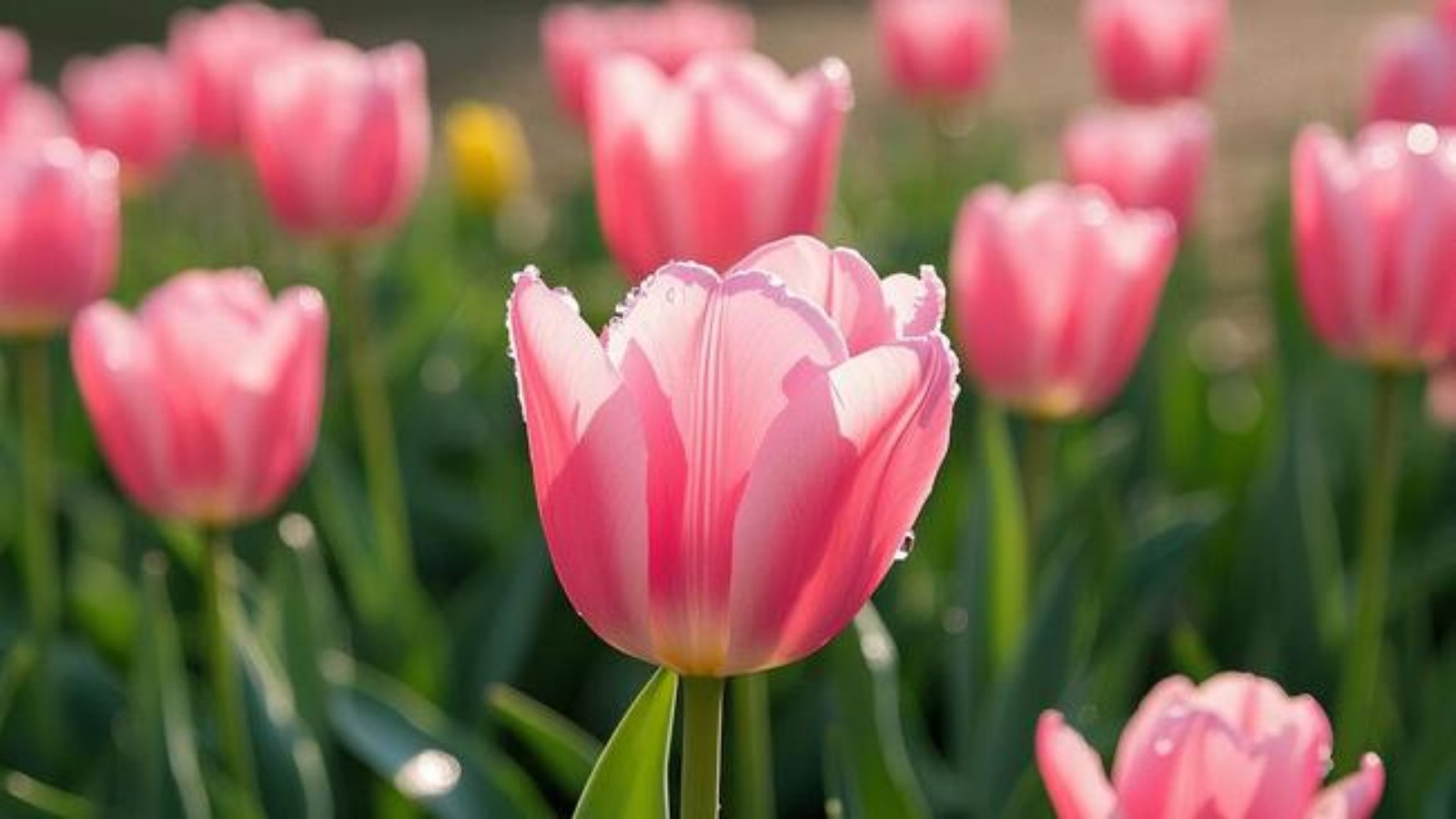
Subtropical climates span southern China, southern Japan, southern United States, and southern Spain, featuring distinct seasons with mild winters and distinctly hot, humid summers. Floral selections for these regions emphasize seasonal continuity and disease resistance, particularly preventing fungal infections during rainy seasons.
Spring selections include cool-tolerant tulips, hyacinths, and primroses; summer favorites are hydrangeas, gardenias, cosmos, and petunias; Autumn features chrysanthemums, carnations, and coleus. For winters where temperatures remain above freezing, camellias and daffodils can be incorporated. Hydrangeas thrive in partially shaded, moist environments and perform exceptionally well in subtropical climates. Gardenias, with their rich fragrance, are well-suited for courtyard planting. Camellias, tolerant of shade and humidity, serve as important ornamental plants for winter. Overall design should emphasize layered variation to ensure year-round floral interest.
III. Flower Selection Principles and Recommendations for Temperate Climate Countries
Temperate climates are common in most European countries, northern China, and the central-northern United States, characterized by distinct seasons with cold winters and warm summers. Flower selection in such regions should prioritize cold hardiness and overwintering methods. Many perennials require low-temperature dormancy to bloom properly, necessitating careful planning of flowering periods and variety combinations.
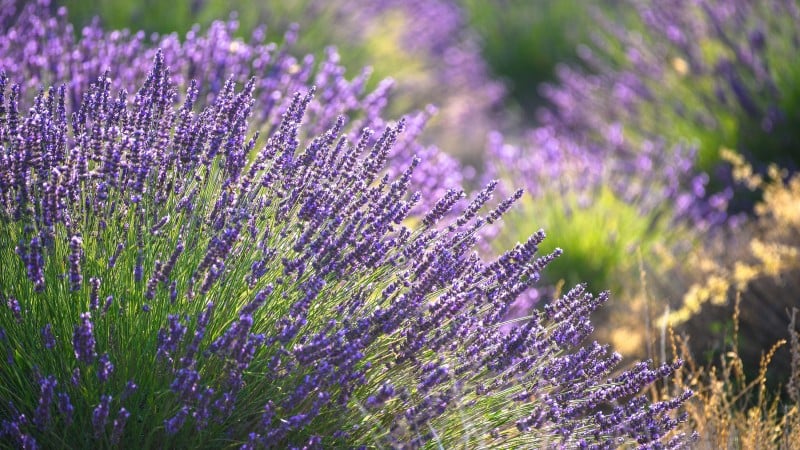
Recommended flowers include: peonies, tree peonies, tulips, irises, lavender, roses, lupines, etc. Peonies and tree peonies boast strong cold tolerance and magnificent blooms; tulips and hyacinths are ideal spring bulb flowers; irises suit border designs; lavender thrives in sun and drought, making it ideal for summer planting; roses boast long blooming periods and strong adaptability, serving as core plants for temperate gardens. Designs should integrate herbaceous plants with shrubs, leveraging concentrated spring and summer blooms to create visual peaks.
IV. Floral Selection Principles and Recommendations for Cold Regions and High-Latitude Countries
Cold climates span Northern Europe, northern Canada, and similar areas, characterized by long, frigid winters and brief growing seasons. Flower selection must prioritize extreme cold hardiness and rapid growth, while also considering frost resistance.
Suitable plants include: marigolds, petunias, pansies, carnations, alpine azaleas, and columbines. Pansies are cold-hardy and frost-tolerant, offering spring and fall interest; carnations exhibit strong cold resistance; Alpine azaleas suit high-latitude gardens; columbines feature distinctive blooms and thrive in cool, temperate environments. In such regions, greenhouses can extend flowering periods, or raised planters can improve drainage and soil temperature. Pairing with evergreen conifers helps fill winter landscape gaps.
V. Floral Selection Strategies and Recommendations for Arid and Desert Climates
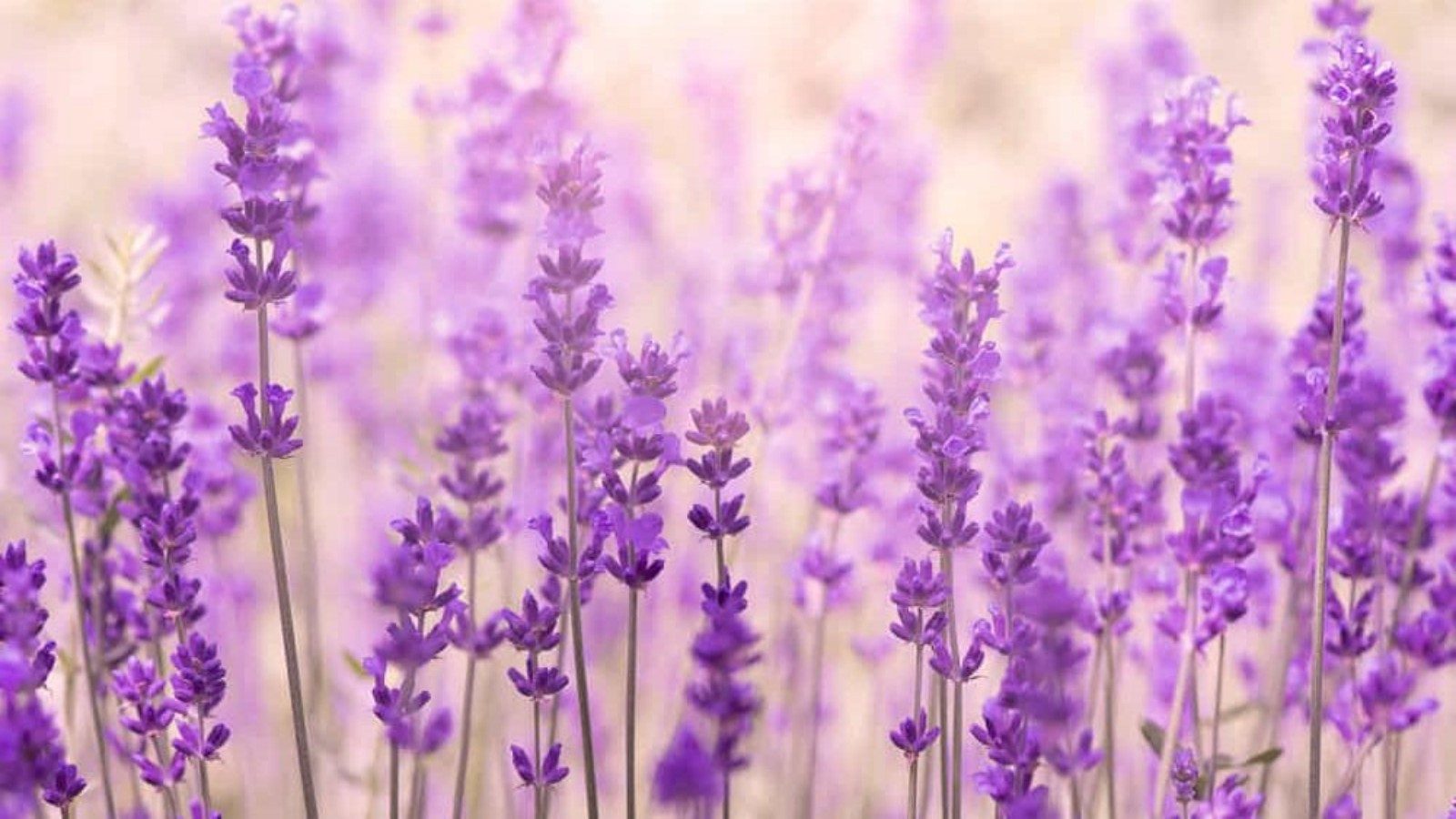
Regions like the Middle East, Australia's interior, and parts of North Africa experience arid climates with scarce rainfall and significant diurnal temperature fluctuations. Plant selections must prioritize drought tolerance, high light tolerance, and adaptability to poor soils, while promoting water conservation principles.
Recommended plants include: cacti, succulents, verbena, lavender, agave, sage, etc. Cacti and succulents excel at water storage and offer diverse forms; verbena thrives in drought and full sun; agave provides sculptural interest; sage adapts well to arid conditions. Mulching with gravel during planting reduces evaporation, improves soil structure, and enhances water retention. Landscape design should emphasize simplicity, natural aesthetics, and regional character.
VI. Flower Selection Principles and Recommendations for Countries with Oceanic Climates
Countries like the United Kingdom and New Zealand feature oceanic climates characterized by year-round mild temperatures, consistent humidity, minimal temperature fluctuations, and gentle sunlight. While a wide variety of flowers can thrive in such regions, prolonged dampness may lead to disease outbreaks.
Suitable plants include roses, hydrangeas, wisteria, snapdragons, campanulas, and foxgloves. Roses enjoy extended blooming periods in mild climates; wisteria thrives on trellises; foxgloves' tall, slender blooms complement English garden aesthetics; campanulas and snapdragons work well in flowerbed arrangements. Design approaches should prioritize naturalistic planting to create layered, softly colored horticultural effects.
VII. Flower Selection Principles and Recommendations for Mountainous and High-Altitude Regions
Mountainous countries or regions feature significant diurnal temperature fluctuations, intense UV radiation, and nutrient-poor soils. Plant selection should prioritize low-growing, wind-resistant, and cold-tolerant species.
Recommended plants include: Alpine primrose, Sedum, Edelweiss, Alpine carnation, Gentian, etc. These species feature dense root systems adapted to poor soils and strong winds. Designs should follow natural topography, minimizing large-scale land preparation. Integrate rocks with plants to create distinctive mountain landscapes.
Overall, climate variations across countries dictate floral selection strategies. Success hinges on scientifically analyzing local temperature ranges, precipitation patterns, and light conditions. Simultaneously, comprehensive assessments must consider soil quality and maintenance capabilities. Amid global climate change trends, prioritizing adaptable, stress-tolerant plants is crucial. Only through rational planning that respects natural laws can floral landscapes achieve enduring beauty and sustainable development.
Advertisement
Learn More
-

- July 16,2026
- Common Diseases & Pest-Related Disorders of Nepeta cataria: Full Identification, Organic Treatment and Long-Term Prevention Guide
-
- July 7,2026
- Potted Plants or Cut Flowers for Holidays? A Comparison of Aromatic Plant Gift Options
-
- July 2,2026
- Detailed Planting Steps for Quercus palustris in a Home Garden!
-
- June 24,2026
- Conveying Sentiments Through Floral Fragrance: The Cultural Significance of Gifting Flowers on International Holidays
-
- June 15,2026
- Why are the leaves of Prunus laurocerasus attacked by caterpillars?
-
- June 9,2026
- Fresh Flowers Bring Vitality, Dried Flowers Offer Delight: A Guide to Choosing High-Quality, Fragrant Plants for Long-Term Enjoyment

Advertisement
 Poisonous and danger
 Edible and medicinal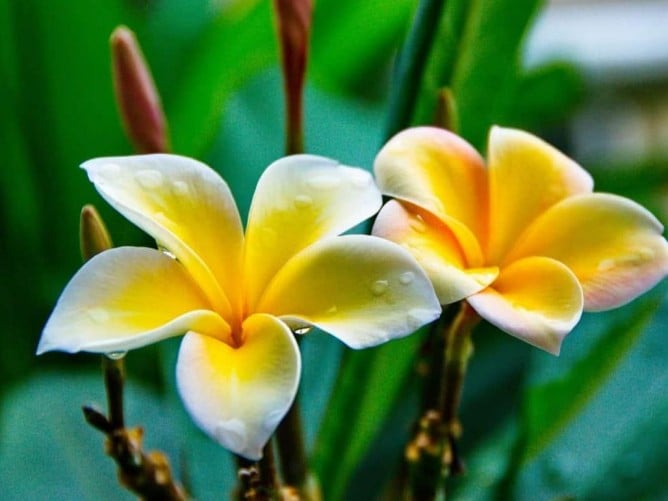
 Wild and common weed