
Help Your Child Fall in Love with Nature by Choosing These Flowers
Advertisement
In today's world where electronic screens are nearly ubiquitous, many parents share a common concern: children prefer staring at tablets rather than stepping outdoors; they can skillfully control game characters but struggle to tell roses from hybrid tea roses. The truth is, children aren't averse to nature—they simply lack an engaging entry point. Flowers, however, serve as the gentlest and most effective bridge connecting children to the natural world.
Nature education doesn't necessarily require long trips to forests or grasslands. A single potted plant, a small balcony, or a community flower bed is enough to help children gradually fall in love with nature.
Flowers are the first key children use to unlock the mysteries of nature.
Compared to abstract concepts of nature, flowers possess vivid colors, diverse forms, and an observable growth process, making them an ideal starting point for children to engage with the natural world. The complete life cycle—sprouting, leafing, blooming, and withering—is both tangible and full of wonder for young minds.
As children observe the daily changes in flowers, they begin to understand:
Life grows and changes
Time leaves its mark
Care and effort yield responses
This understanding runs deeper than any lecture could ever achieve.
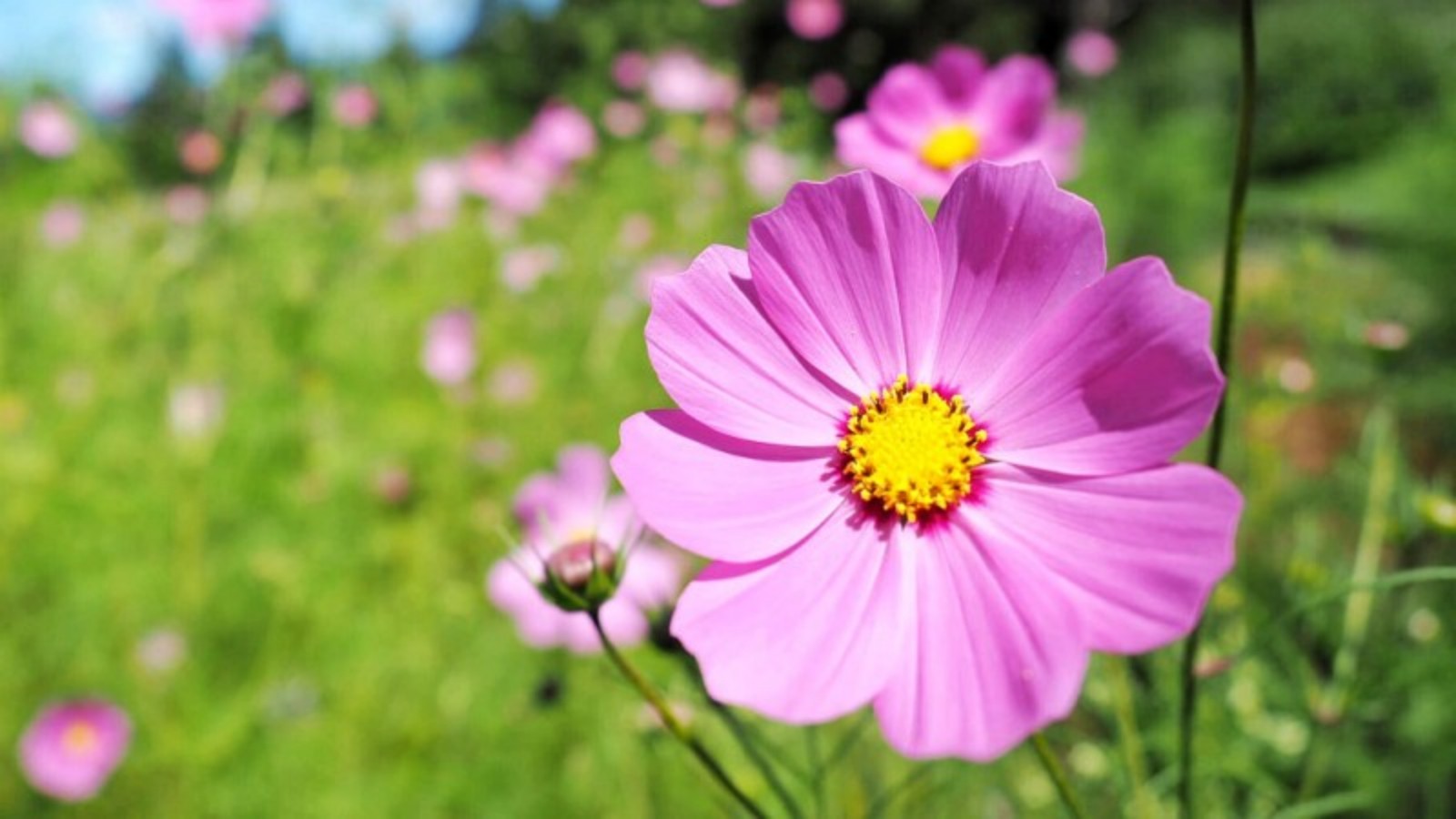
When choosing flowers for children, the key lies not in their price, but in finding the right ones.
Not all beautiful flowers are suitable for children to care for. Flowers that truly spark interest often share several common traits: they are easy to grow, show noticeable growth changes, offer strong interactivity, and are safe and non-toxic.
Sunflowers are a classic choice. Their rapid growth, large blooms, and sun-seeking nature make for a compelling story. Children can clearly witness the entire process from tiny sprout to towering plant, easily fostering a sense of accomplishment—“I grew this!”
Sunflowers, petunias, and periwinkles—with their frequent blooms and vibrant colors—are also excellent for younger children. Witnessing new flowers emerge nearly every day provides continuous positive reinforcement.
If space permits, direct-sow flowers like cosmos and zinnia allow children to participate in the entire process from seed to bloom, enhancing their sense of involvement and responsibility.
By engaging their senses with nature, children are more likely to fall in love with it.
Children explore the world not just through sight, but through a holistic experience involving touch, smell, and sound. Flowers perfectly fulfill this need.
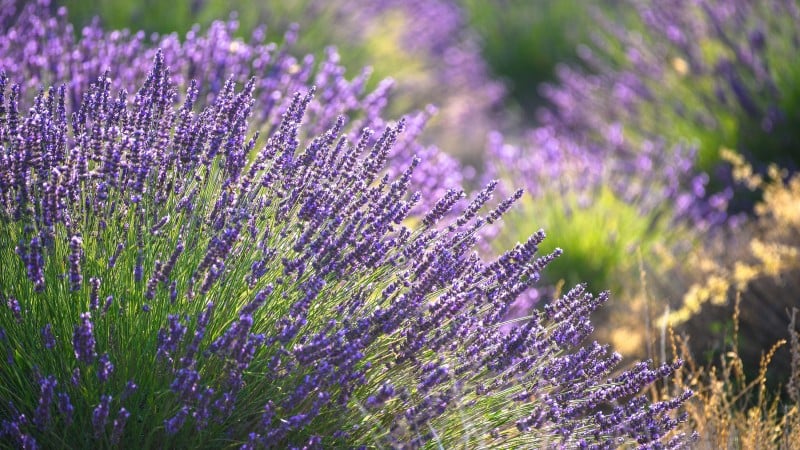
Aromatic plants like mint, rosemary, and lavender make excellent choices for natural discovery. Gently touching their leaves and noticing the scent change helps children realize plants aren't “static decorations,” but responsive, living beings with their own personalities.
Scented geraniums are like responsive friends—a gentle touch releases their fragrance, easily sparking children's curiosity and desire to explore.
Through these experiences, children naturally form an emotional connection: “I interact with plants.”
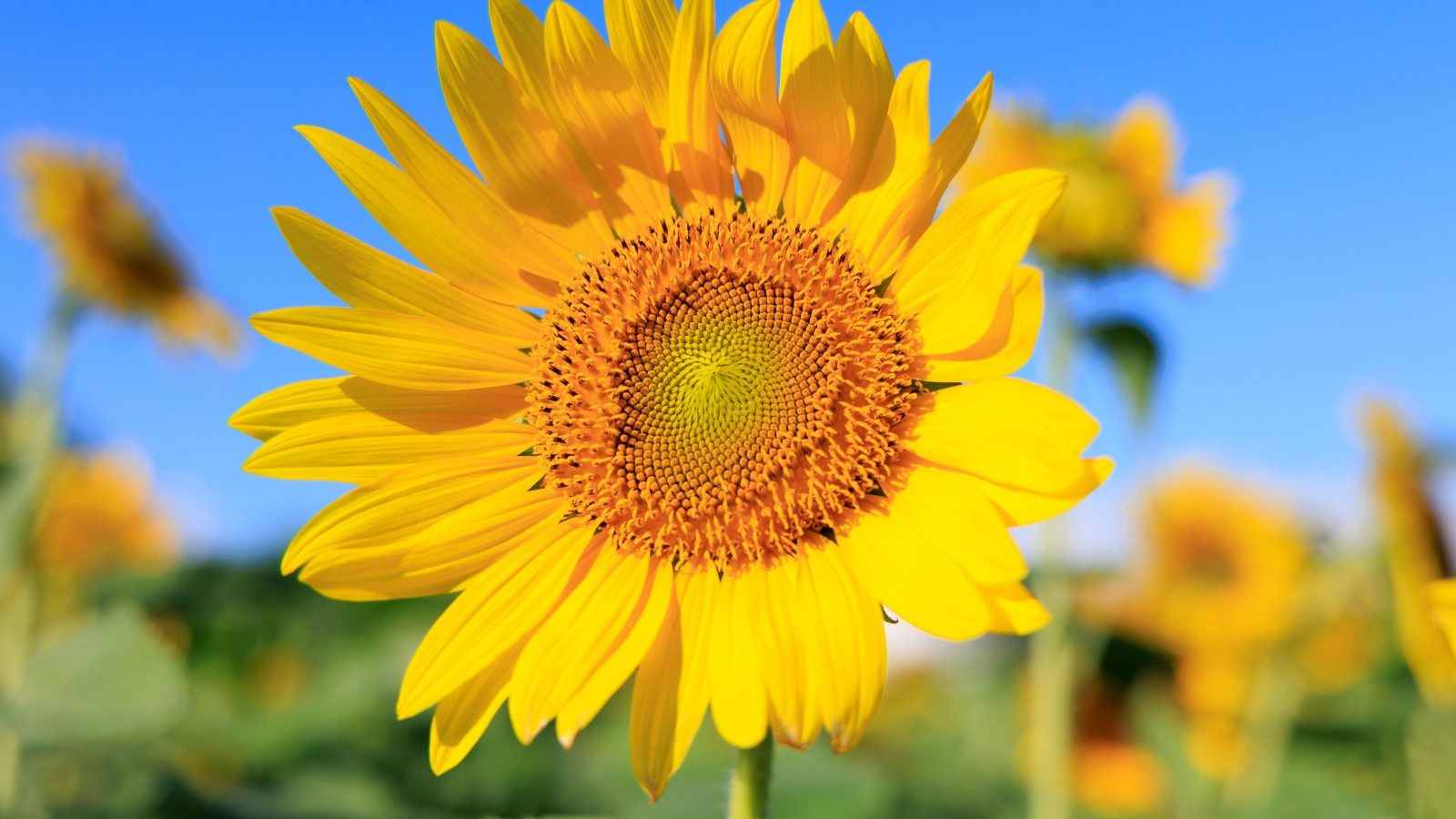
Flowers are the best teachers of patience.
In our fast-paced lives, patience has become a rare virtue, and gardening serves as a natural classroom for cultivating it.
Flowers won't bloom overnight just because a child is impatient, nor will they wither instantly if neglected. They teach children to wait, observe, and persevere at their own pace.
When children discover, “The bud that wasn't open yesterday has truly bloomed today,” this surprise brought by time teaches them to respect nature's laws rather than chase instant gratification.
This accumulated patience quietly transfers to other aspects of learning and life.
Turn gardening into a shared language between parents and children
Flowers are not only nature's teachers for children but also bridges for parent-child communication.
Together, choose seeds, water the plants, and record the dates of blooming. These seemingly simple activities subtly bring parents and children closer. Children become more willing to share their discoveries, while parents slow down their pace through shared moments.
Try these activities with your child:
Name the flowers
Record weekly changes
Document growth through drawings or photos
When flowers become part of family life, they naturally become part of your child's world.
From a single flower, step into the wider world of nature.
Once children develop an interest in nature through flowers, they will naturally extend their curiosity:
“Why are the flowers in the park different?”
“Why do some flowers only bloom at night?”
“Why do bees come?”
This is the ideal state of nature education—not imparting knowledge, but awakening interest.
Starting with a single potted plant, children may gradually develop an affection for insects, weather patterns, seasonal changes, and even begin to grasp the concepts of ecology and environmental protection. This passion born from within is the most enduring kind.
The sooner you plant the seeds of nature, the better.
Getting children to love nature is never a grand undertaking. It can be simple, part of everyday life—even happening in a corner of the windowsill.
A single flower, a little patience, and a moment of shared care are enough to plant a seed of love for nature in a child's heart. Years later, they may not recall the flower's name, but they will remember—that they once tended to a living thing with genuine care.
And this memory will be what makes them pause for nature again, someday in the future.
Advertisement
Learn More
-

- June 1,2026
- How to treat leaf spot disease in Wisteria?
-
- May 26,2026
- Choosing Plants for Hotel Rooms: Creating a Comfor Stay
-
- May 18,2026
- How to Deal with Plant Blight Disease in Duranta erecta?
-
- May 11,2026
- Edible Plant ion Guide: Common but Easily Misunderstood Plant Types in the Market
-
- May 6,2026
- How should I care for Common asparagus fern?
-
- April 27,2026
- Garden Maintenance Schedule: Perfect All Year Round

Advertisement
 Poisonous and danger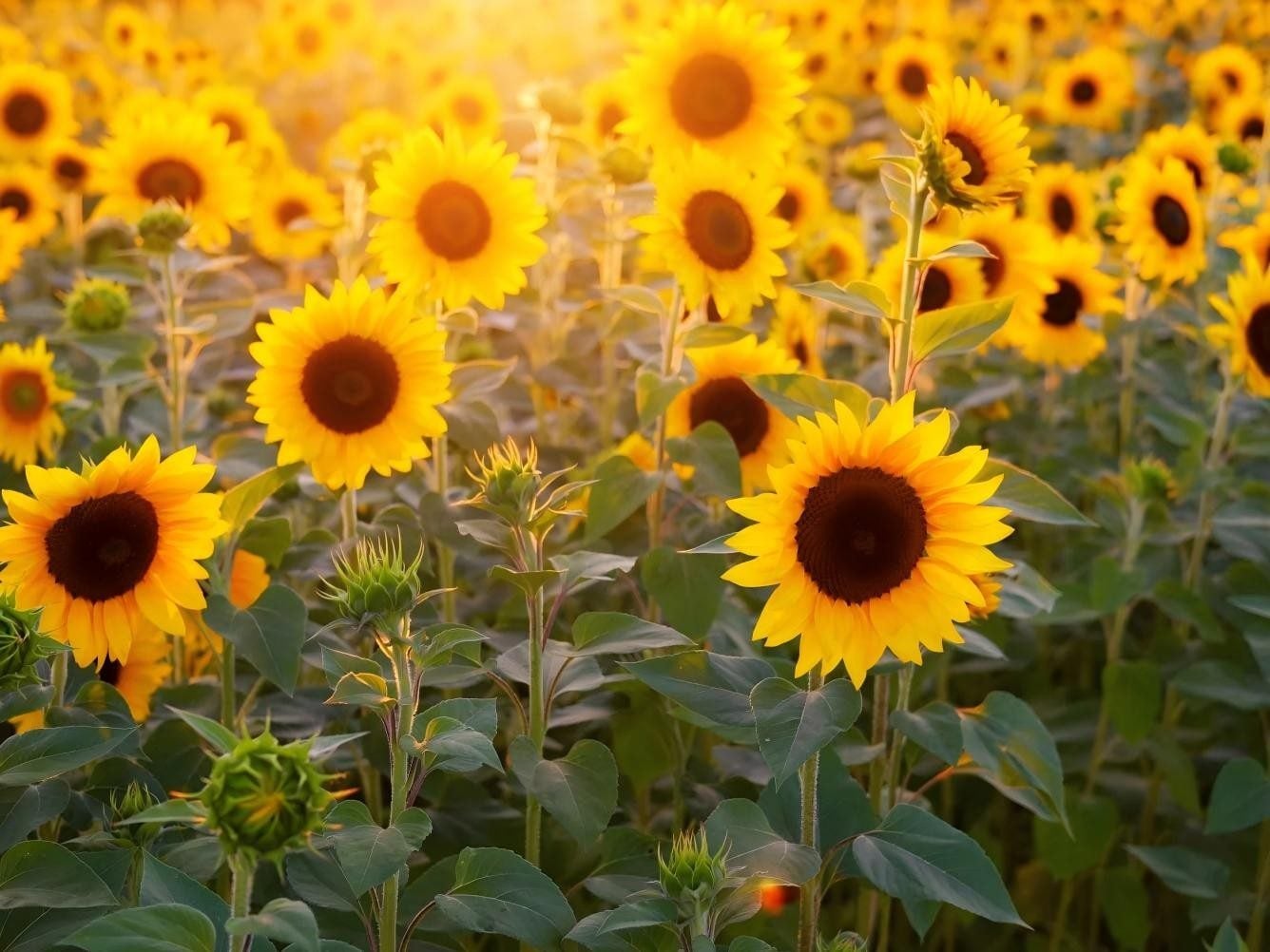
 Edible and medicinal
 Wild and common weed