
How to Care for Euphorbia milii in Winter?
Advertisement
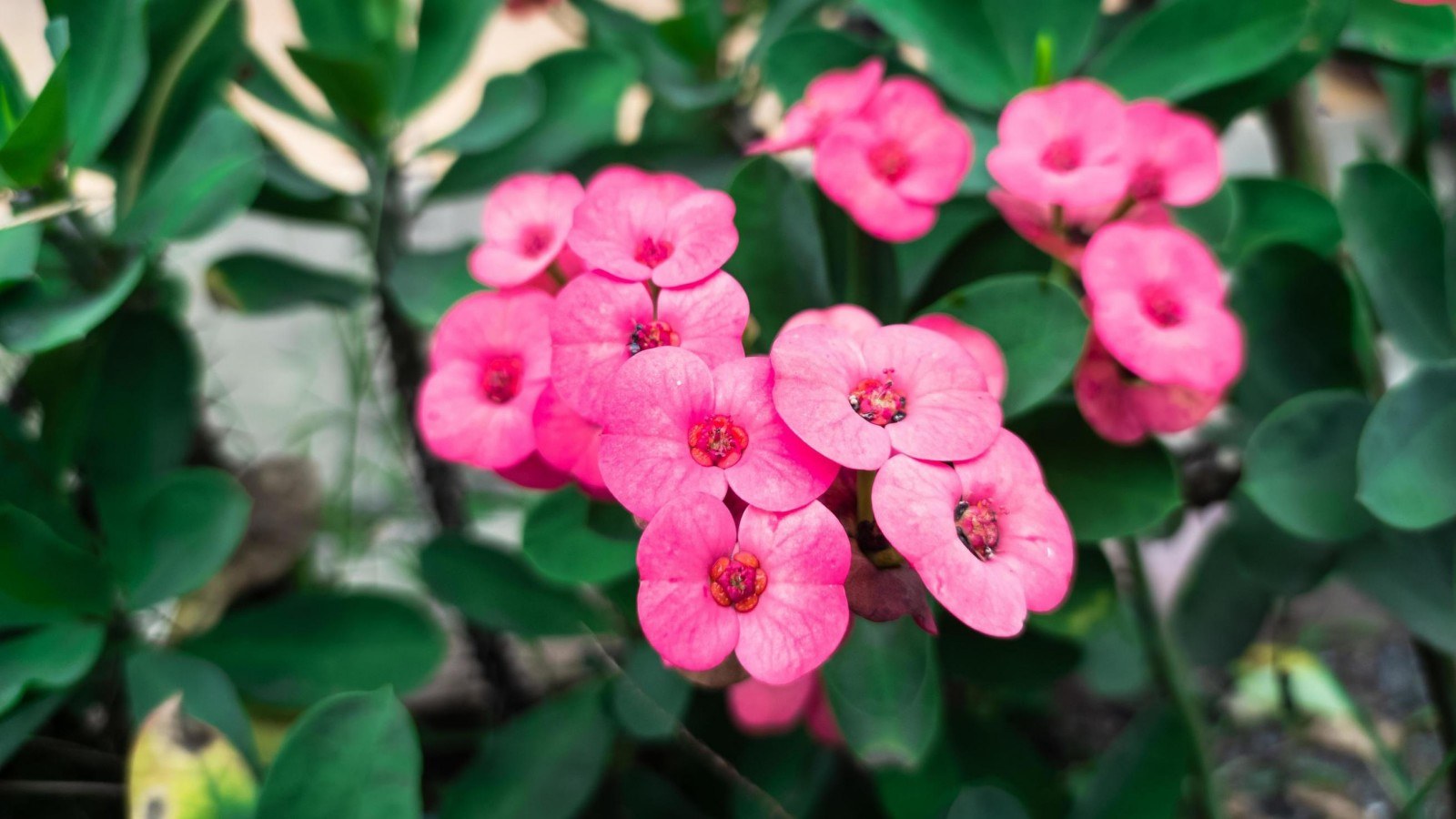
Euphorbia milii, a perennial succulent shrub belonging to the Euphorbiaceae family and the Euphorbia genus, is a common indoor and outdoor ornamental plant due to its vibrant, ever-blooming small flowers, unique fleshy stems, and strong adaptability.
However, Euphorbia milii originates from tropical Africa and prefers warm, dry environments. It is not very cold-hardy, and improper winter care can easily lead to leaf drop, root rot, and delayed flowering.
I. Temperature Control: The Core Defense Against Frost Damage
The optimal growing temperature for Crown of Thorns (Euphorbia milii) is 15-25℃. Growth slows when winter temperatures drop below 10℃, and below 5℃ it is highly susceptible to frost damage, causing leaves to yellow and fall off, and in severe cases, the entire plant to wither. Therefore, temperature control in winter is paramount.
For outdoor-grown crown of thorns (Euphorbia milii), in northern regions, it needs to be moved indoors before the first frost (mid-to-late October). In southern regions, if winter temperatures occasionally drop below 5℃, protective measures are also necessary. When placing it indoors, choose a warm area such as a south-facing windowsill or balcony, away from doors, windows, and air conditioner vents where cold drafts blow directly on the plant to avoid sudden temperature drops that could shock it. If the indoor temperature is low, a simple greenhouse can be built, wrapping the plant with transparent plastic film to raise the local temperature, but be sure to leave ventilation openings to prevent stuffiness and humidity.
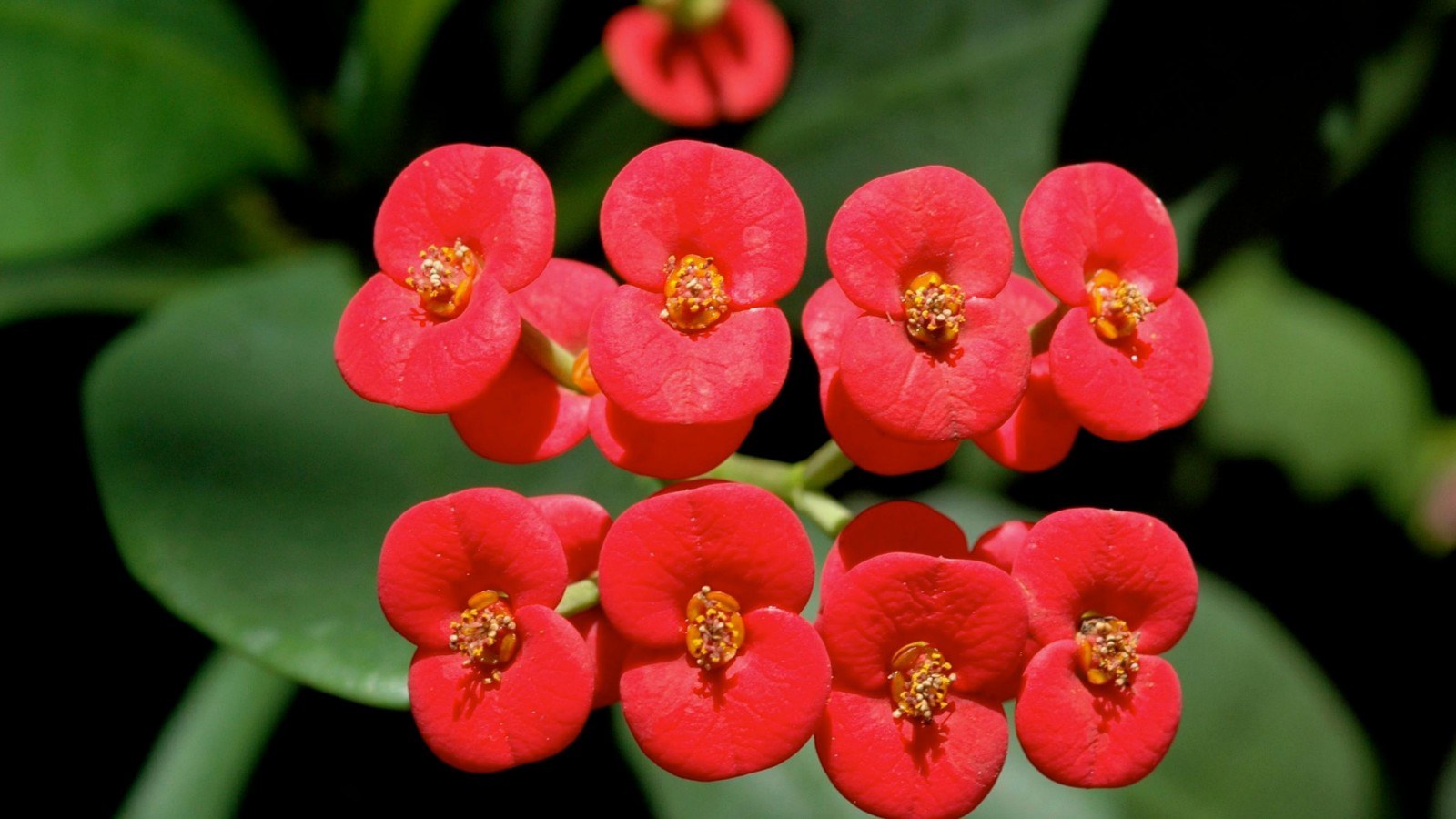
It is worth noting that while crown of thorns needs warmth in winter, it should not be placed in excessively hot environments (such as near radiators or underfloor heating). When the temperature exceeds 25℃, the plant will prematurely break dormancy, consuming too many nutrients and affecting flowering the following year. It is recommended to maintain a stable indoor temperature of 10-15℃, which can prevent frost damage and allow the plant to enter a moderate dormancy state to accumulate energy.
II. Light Management: Ample Sunlight for Guaranteed Flowering
Crown of thorns is a typical sun-loving plant. In winter, the short duration and weak intensity of sunlight can cause problems such as etiolation, sparse leaves, and reduced flowering. Therefore, it's essential to provide ample sunlight in winter to meet its photosynthetic needs.
When keeping it indoors, prioritize a south-facing sunny location, ensuring at least 4-6 hours of direct sunlight daily. If indoor lighting is poor, use a plant grow light, holding it 30-50cm away from the plant and running it for 6-8 hours daily to simulate natural light and promote flower bud differentiation. Note that in winter, the low angle of sunlight and window glass may block some ultraviolet rays. Regularly move the plant to a window or rotate the pot every 1-2 weeks to ensure even light exposure and prevent uneven growth.
Furthermore, dry indoor air in winter, combined with insufficient light, can easily lead to mold growth. While maintaining a comfortable temperature, ensure proper ventilation by opening windows to maintain air circulation and reduce the growth of pathogens. However, avoid direct drafts of cold air when ventilating. Ventilate on a sunny day at midday when temperatures are higher, for 15-20 minutes each time.
III. Water and Fertilizer Control: Better Dry Than Wet, Less Fertilizer Required
Crown of thorns has fleshy stems that can store a large amount of water, making it extremely drought-tolerant. In winter, low temperatures and slow evaporation reduce the plant's metabolism, significantly decreasing its need for water and fertilizer. Overwatering or frequent fertilization can easily lead to root rot. Therefore, winter water and fertilizer management should follow the principle of "better dry than wet, and less fertilizer."
Regarding watering, reduce the frequency and amount of watering. Water only when the potting soil is completely dry. When watering, pour slowly along the edge of the pot, avoiding direct contact with the roots and base of the stem, and prevent waterlogging. To check if the soil is dry, insert your finger or a wooden chopstick 2-3 cm into the soil. If the soil feels dry, then water. In winter, it is recommended to water on a sunny day at midday, when the water temperature is close to room temperature, avoiding cold water stimulating the roots. Furthermore, crown of thorns dislikes waterlogging; ensure the drainage holes in the pot are clear in winter. If the soil has poor aeration, place a layer of clay pebbles or gravel at the bottom of the pot to improve drainage.
Regarding fertilization, the plant enters a semi-dormant state in winter, so frequent fertilization is unnecessary to avoid fertilizer burn. If the plant is growing well, apply a diluted, well-rotted liquid fertilizer or compound fertilizer once in early November to replenish nutrients and build up energy reserves for winter. After that, do not fertilize again until the temperature rises in spring (mid-to-late March). When fertilizing, pay attention to the concentration; avoid using concentrated or raw fertilizer. Water sparingly after fertilizing to help the roots absorb the nutrients.
IV. Pruning and Shaping: Thinning Branches to Promote Flowering and Maintain Plant Shape
Winter is one of the best times to prune Crown of Thorns. Proper pruning reduces nutrient consumption and promotes branching, resulting in more flowers and a more aesthetically pleasing plant shape the following year. Pruning should be done when the temperature is consistently above 10℃ to avoid wounds from slow healing due to low temperatures.
When pruning, first remove diseased, weak, dead, and overly dense branches to reduce nutrient waste and improve ventilation and light penetration. For excessively long, overly vigorous shoots, prune 1/3 to 1/2 to encourage lateral branch growth and a fuller plant shape. Crown of Thorns flowers mostly bloom on new shoots, so be sure to retain healthy new shoots during pruning to lay the foundation for flowering the following year.
It is particularly important to note that the stems and leaves of Crown of Thorns contain a milky white sap, which is poisonous. Contact with skin can cause redness, swelling, and itching; ingestion may lead to nausea, vomiting, and other symptoms of poisoning. Wear gloves when pruning to avoid direct contact with sap, and wash tools and hands promptly after pruning. Apply carbendazim powder or wood ash to the pruning wounds to prevent infection and promote healing.
V. Pest and Disease Control: Prevention First, Timely Treatment
In winter, the enclosed and poorly ventilated indoor environment makes crown of thorns plants susceptible to pests such as scale insects and aphids, as well as diseases like root rot and leaf spot. It is essential to adhere to the principle of "prevention first, combined with control" and to effectively manage pests and diseases.
Regarding pest control, scale insects and aphids are common winter pests. They suck the plant's sap, causing leaves to yellow and wither. For prevention, regularly wipe the leaves and stems with a damp cloth to remove dust and insect eggs. If a small number of insects are found, they can be manually removed or their bodies can be treated with alcohol using a cotton swab. If the infestation is severe, spray with diluted imidacloprid or dimethoate insecticides every 7-10 days, for 2-3 consecutive applications.
Regarding disease control, root rot is often caused by overwatering and waterlogged soil, manifesting as root rot and wilting leaves. For prevention, the key is to control watering and keep the potting soil dry and well-draining. If root rot symptoms are found, the plant should be removed from the pot immediately, the rotten roots cut off, and the roots disinfected by soaking in a carbendazim solution. Then, replant in fresh, loose, and well-draining potting soil. Leaf spot disease manifests as brown spots on the leaves, which gradually enlarge and cause leaf drop. Prevention involves maintaining good ventilation and avoiding prolonged dampness of the leaves. After infection, fungicides such as methyl thiophanate or chlorothalonil can be sprayed to control the disease.
VI. Other Precautions
Avoid frequent moving: After the crown of thorns plant adapts to its environment in winter, it's best to avoid frequently moving the pot, as this can negatively impact growth and cause leaf drop. If moving is necessary, choose a sunny day with suitable temperature to avoid drastic temperature fluctuations.
Potting soil selection: For winter care, choose loose, well-draining, slightly acidic soil. A good mix is leaf mold, garden soil, and river sand in a 2:1:1 ratio, with a small amount of well-rotted organic fertilizer added as a base fertilizer to improve soil fertility.
Avoid touching: The crown of thorns has sharp thorns on its stems. During winter, avoid touching it, especially if there are children or pets in the house. Place the plant in a location where it's not easily touched to prevent injury.
Spring recovery management: After winter, as temperatures rise, the crown of thorns gradually resumes growth. Gradually increase the frequency and amount of watering. Begin fertilizing in mid-to-late March to promote new shoot growth and flowering.
In summary, the key to winter care for crown of thorns (Euphorbia milii) is proper temperature control, light management, water and fertilizer management, pruning and shaping, and pest and disease control. Following the plant's growth habits and creating a warm, dry, and well-lit environment is essential. With proper care, crown of thorns can not only safely overwinter but also continue to bloom, adding a touch of brightness to the cold winter days.
Advertisement
Learn More
-

- October 20,2026
- Lily Disease Guide: Whats Killing Your Lilium longiflorum and How to Stop It
-
- September 17,2026
- Wax-Leaf Privet Diseases: Identification, Treatment & Prevention Guide
-
- September 1,2026
- Vinca Minor Diseases: Identification, Treatment and Long‑Term Garden Management
-
- August 18,2026
- Tree Philodendron Diseases: Identification, Treatment and Long‑Term Prevention
-
- August 6,2026
- Common Ailments of Plantago major: Identifying, Treating and Preventing Diseases in Broadleaf Plantain
-
- July 30,2026
- Zodiac-themed Bouquets Combined with Floral Language: Different Color Schemes Create More Artistic Birthday Surprises



Advertisement


 Poisonous and danger
 Edible and medicinal
 Wild and common weed