
How to control the rampant growth of wild mint?
Advertisement
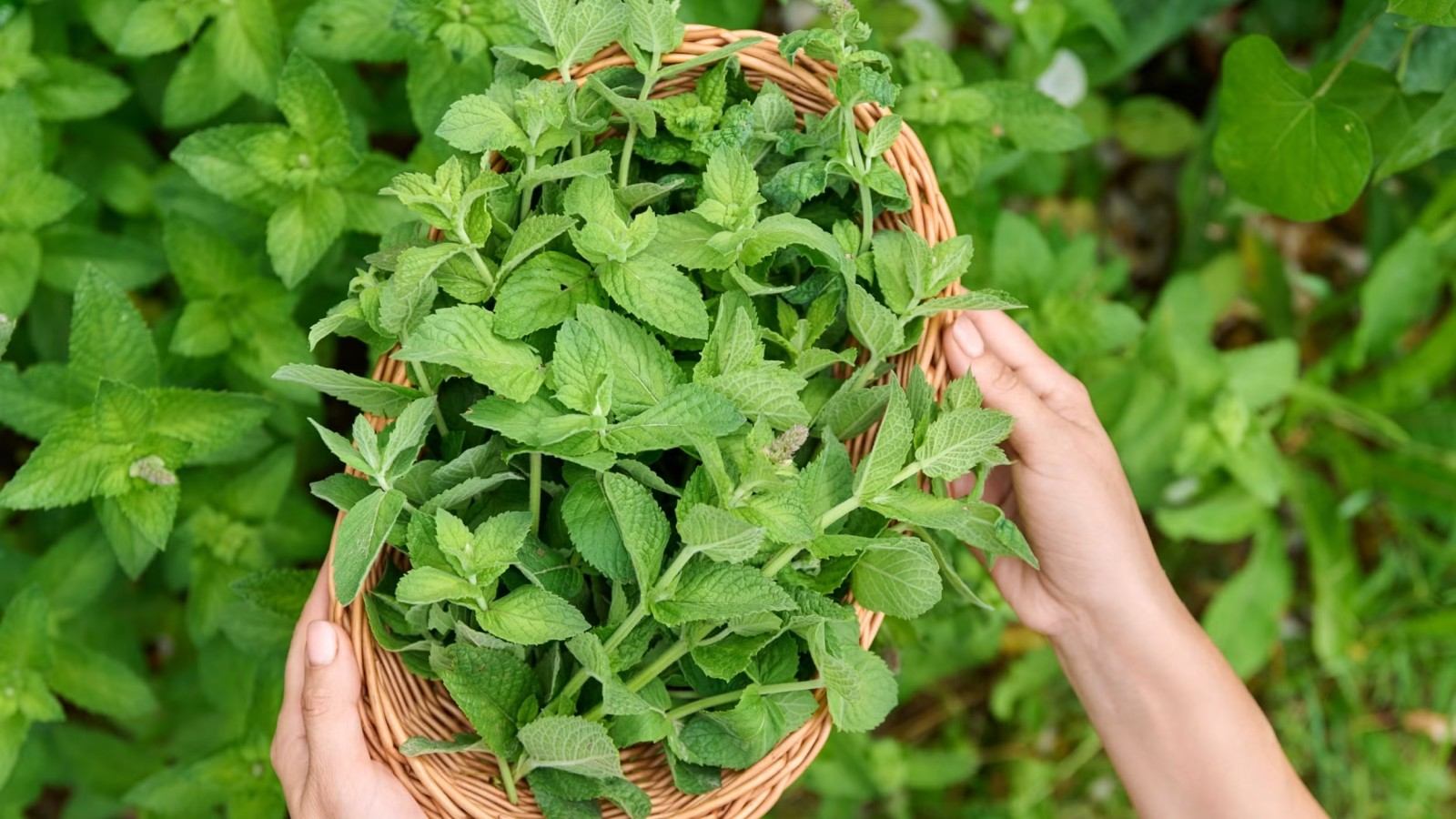
Wild mint is a perennial herb of the genus Wild mint in the Lamiaceae family. It has become a popular choice for home planting because of its fresh fragrance, wide range of uses (tea, cooking, medicinal) and strong vitality. However, many gardening enthusiasts will soon find that Wild mint grows very fast and is very easy to spread. If it is not controlled, it may quickly invade the entire garden and even the adjacent flower pots, crowding out other plants.
Why does Wild mint grow wildly? How to effectively control its spread without harming the plant? This article will deeply analyze the growth habits of Wild mint and provide scientific control methods such as physical isolation, pruning management, potting restrictions, and ecological regulation to help you enjoy the fragrance of Wild mint while preventing it from becoming a "garden overlord."
Why is Wild mint so prone to growing wildly?
1. Strong reproductive ability
Wild mint has various ways of reproduction, including:
Underground stem (rhizome) spread: grow horizontally, expand rapidly in the soil, and new plants can sprout at each node.
Seed propagation (some varieties): strong self-seeding ability, can germinate as soon as it falls to the ground.
Cutting propagation: stem segments can take root when they touch the soil or water.
2. Strong environmental adaptability
Cold and heat resistance: most varieties can tolerate temperatures of -15℃~40℃.
Resistant to barrenness: low soil requirements, but more vigorous growth in fertile and moist environments.
Light-loving and shade-tolerant: grows faster under full sunlight, and can survive in semi-shaded areas.
3. Lack of natural enemy constraints
In a home planting environment, Wild mint is less threatened by pests and diseases, which further fuels its expansion momentum.
6 scientific methods to control the growth of wild mint
Method 1: Physical isolation method (most effective)
Applicable scenario: planting Wild mint in the ground
Operation steps:
Bury root barrier before planting:
Bury hard materials (such as plastic plates, metal plates, special root barriers) 30~40cm deep around the planting hole.
Ensure that the barrier is seamless to prevent the rhizomes from breaking through horizontally.
Check the boundary regularly:
Observe whether there are "escaped" rhizomes outside the isolation zone every month and remove them in time.
Advantages: Once and for all, no frequent management is required.
Disadvantages: Advance planning is required, and digging is required to transform the flooded Wild mint.
Method 2: Potted restriction method
Applicable scenario: Balcony and terrace planting
Operation suggestions:
Choose a deep and narrow pot (such as Qingshan pot): limit the lateral expansion of the rhizomes.
Regular root pruning and potting: Remove the plant from the pot every spring, cut off 1/3 of the old roots, and replace new soil.
Avoid direct ground planting: Place a tray at the bottom of the pot to prevent the rhizomes from drilling into the ground through the drainage hole.
Note: Wild mint roots may grow from the bottom of the pot, so they need to be checked and pruned regularly.
Method 3: Pruning control method
Key principle: "Remove the top to promote lateral growth and inhibit reproductive growth"
Operation steps:
Frequent topping during the growth period:
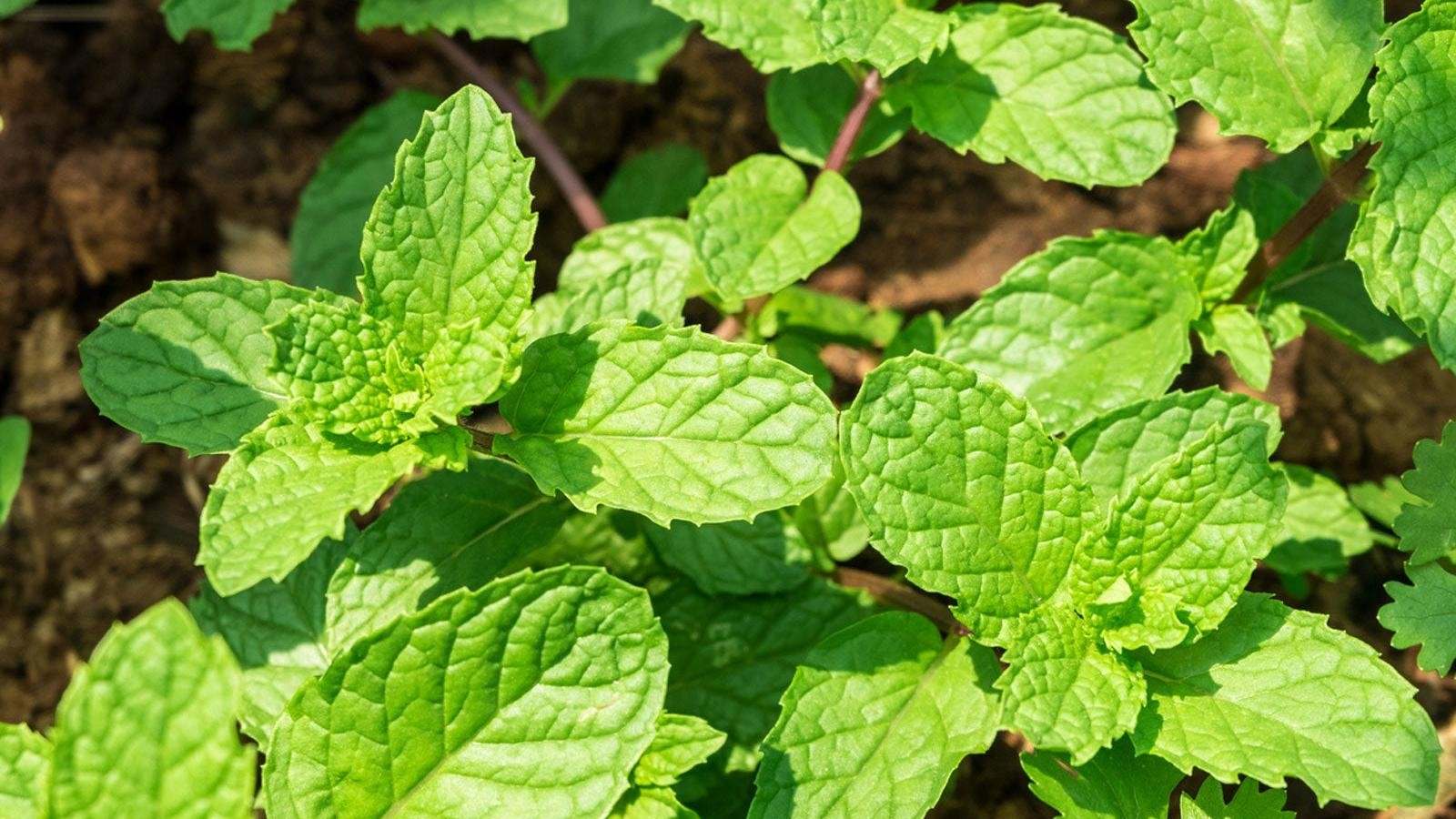
When the plant grows to 15-20cm, cut off the top buds to promote the germination of side branches and avoid excessive growth.
Heavy pruning before flowering:
Flowering of wild mint will consume nutrients and accelerate seed spread. When buds appear, cut the roots to a height of 5cm.
Clean up fallen leaves and branches:
Remove fallen leaves in time to avoid rooting after contact with the soil.
Effect: Delay the expansion rate and keep the plant compact.
Method 4: Ecological competition method
Principle: Inhibit the spread of Wild mint by planting competitive plants.
Recommended matching plants:
Strong herbs: such as rosemary and sage (roots secrete antibacterial substances).
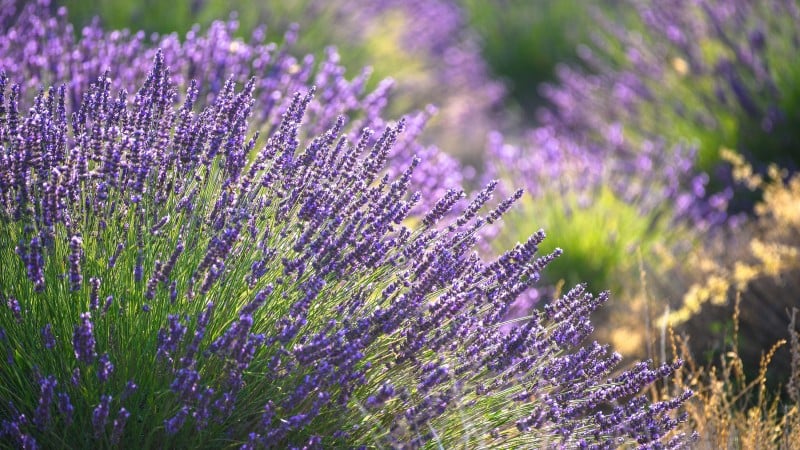
Deep-rooted plants: such as shrubs (lavender) and trees (roots occupy deep resources).
Note: Avoid mixed planting with weak plants (such as basil and coriander), otherwise Wild mint will still win.
Method 5: Water and nutrient regulation
Water control: Keep the soil slightly dry (water after the surface 2cm is completely dry) to reduce root and stem vitality.
Reduce nitrogen fertilizer: Nitrogen fertilizer promotes the growth of branches and leaves, and high phosphorus and potassium fertilizers (such as flowering fertilizers) are used to inhibit vegetative growth.
Method 6: Chemical agents (use with caution)
Applicable scenarios: Wild mint has seriously invaded other areas
Optional solutions:
Local spraying of glufosinate: Targeted treatment of escaped plants to avoid contact with the main body.
Soil treatment: Spray agents that inhibit root growth after turning the soil.
Risks: May accidentally damage other plants, so use strictly according to the instructions.
Frequently Asked Questions
Q1: Wild mint has already spread, how to completely remove it?
Physical excavation:
Dig the soil more than 50cm deep and completely remove the root fragments.
Use a screen to filter the residual roots in the soil.
Covering and suffocation method:
Lay black plastic film or thick cardboard on the surface for more than 6 months to block light and air.
Q2: Which wild mint varieties are less aggressive?
Apple wild mint (Mentha suaveolens): grows slowly.
Chocolate wild mint (Mentha × piperita ‘Chocolate’): highly ornamental and easy to control.
Spearmint (Mentha spicata): suitable for potted plants.
Q3: How to use the pruned wild mint stems and leaves?
Edible: make tea, make wild mint sauce, and mix drinks (such as mojito).
Cutting propagation: water or soil cuttings, roots can be taken in 2 weeks.
Composting: high temperature fermentation is required to kill the activity of the rhizomes.
Plant rationally and enjoy the freshness
The crazy growth of Wild mint is both an advantage and a challenge. Through strategies such as isolated planting, scientific pruning, and ecological regulation, "controllable prosperity" can be achieved. It is recommended that novices give priority to potted plants, and experienced gardening enthusiasts can try ground planting isolation, which can not only enjoy the practical value of Wild mint, but also avoid the imbalance of garden ecology.
There is no Wild mint that cannot be controlled, only the wrong method!
Advertisement
Learn More
-

- October 20,2026
- Lily Disease Guide: Whats Killing Your Lilium longiflorum and How to Stop It
-
- September 17,2026
- Wax-Leaf Privet Diseases: Identification, Treatment & Prevention Guide
-
- September 1,2026
- Vinca Minor Diseases: Identification, Treatment and Long‑Term Garden Management
-
- August 18,2026
- Tree Philodendron Diseases: Identification, Treatment and Long‑Term Prevention
-
- August 6,2026
- Common Ailments of Plantago major: Identifying, Treating and Preventing Diseases in Broadleaf Plantain
-
- July 30,2026
- Zodiac-themed Bouquets Combined with Floral Language: Different Color Schemes Create More Artistic Birthday Surprises

Advertisement
 Poisonous and danger
 Edible and medicinal
 Wild and common weed