
How to Grow & Care for Satin Pothos Scindapsus pictus
Advertisement
With its trailing vines draped in heart-shaped leaves splashed with silvery variegation, the Satin Pothos (Scindapsus pictus) has become a favorite among houseplant lovers—especially beginners. Often mistaken for a true pothos (Epipremnum aureum), this tropical evergreen from Southeast Asia (native to countries like Thailand, Malaysia, and Indonesia) is actually a member of the Scindapsus genus. What makes it stand out? Its leaves have a soft, satiny sheen that catches light beautifully, adding a touch of elegance to shelves, hanging baskets, or mantels. Best of all, it’s low-maintenance, tolerates minor care mistakes, and thrives in typical indoor conditions—making it perfect for busy plant parents or those new to growing tropical plants. This guide will walk you through everything you need to know to keep your Satin Pothos lush, healthy, and growing strong, from light and water needs to propagation and troubleshooting common issues.
1. Get to Know Your Satin Pothos: Key Varieties & Growth Habits
Before diving into care, it’s helpful to recognize the Satin Pothos and its popular varieties—this way, you can tailor your care to its specific traits.
First, distinguish it from true pothos: Satin Pothos leaves are smaller (usually 2–4 inches long) with a thinner, more delicate texture, and their variegation is silvery-gray or white, often appearing as spots, streaks, or edges (not the bright gold of Golden Pothos). Its vines grow slowly to moderately, reaching 6–10 feet long indoors with proper care, making it ideal for hanging planters or training up a moss pole (though it doesn’t cling as aggressively as pothos or philodendron).
The most common Satin Pothos varieties you’ll find in nurseries or online include:
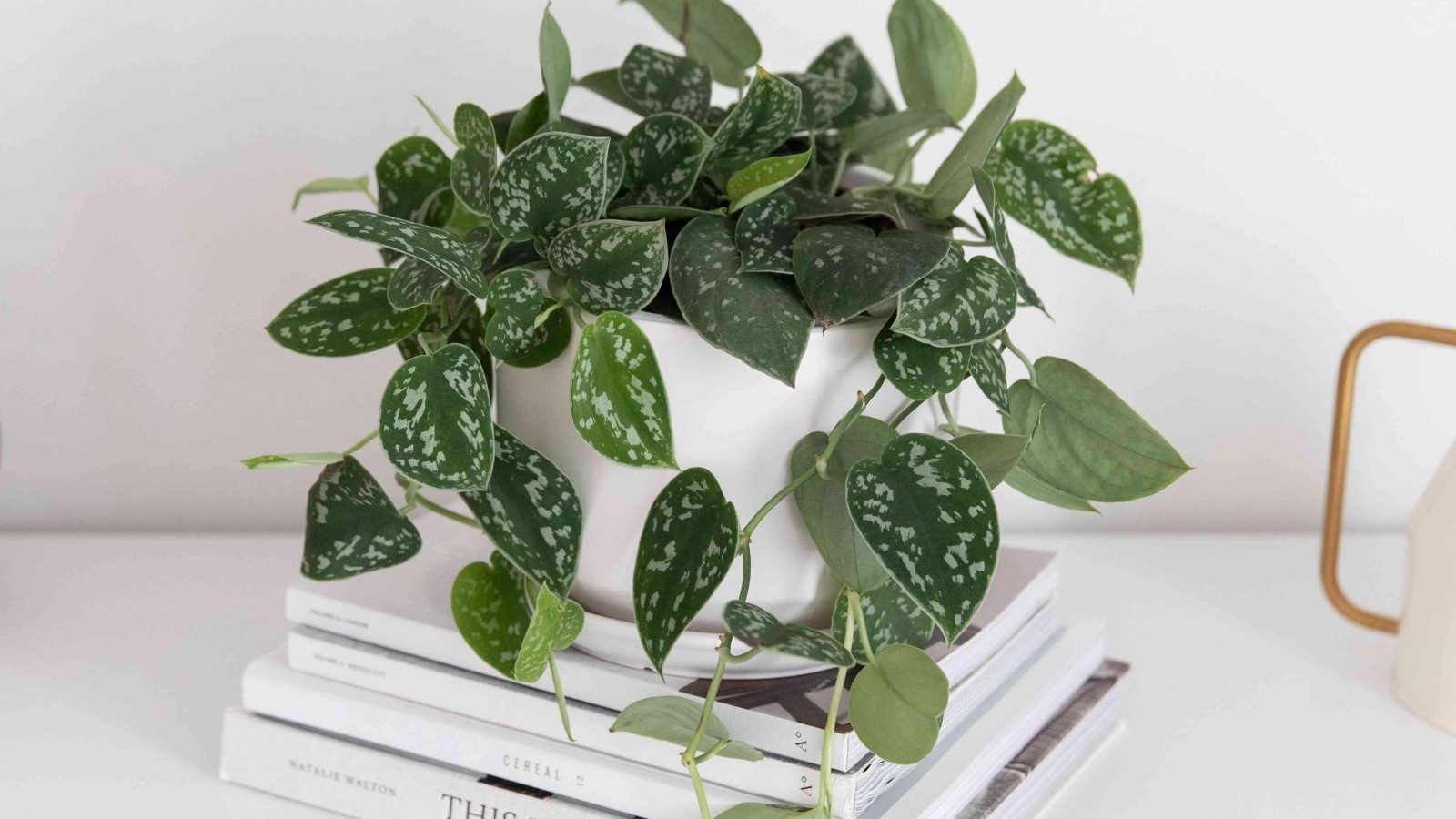
Scindapsus pictus ‘Argyraeus’: The classic variety, with small heart-shaped leaves dotted with silvery spots (like someone sprinkled glitter on the foliage).
Scindapsus pictus ‘Exotica’: Has larger leaves (up to 6 inches long) with bolder variegation—silvery patches cover more of the leaf surface, sometimes almost entirely masking the deep green base.
Scindapsus pictus ‘Silvery Ann’: A newer variety with delicate, fine silvery streaks along the leaf veins, giving it a more subtle, elegant look than ‘Exotica’.
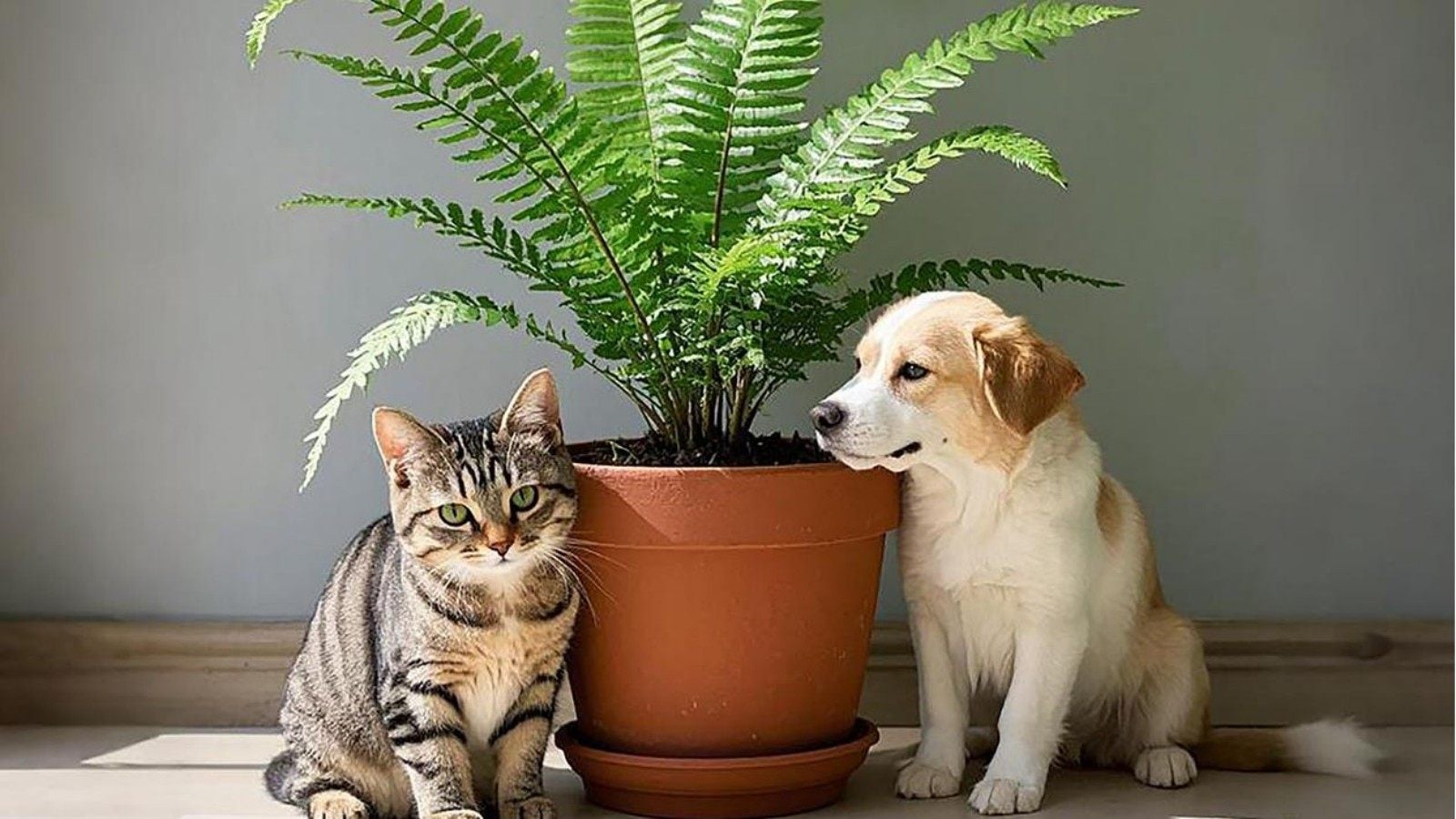
All varieties share the same basic care needs, so once you master the fundamentals, you can grow any type successfully. Keep in mind: Satin Pothos is toxic to pets (cats and dogs) if ingested, as its leaves contain calcium oxalate crystals. Place it out of reach of curious furry friends to avoid irritation or discomfort.
2. Light: The Secret to Vibrant Variegation
Light is one of the most critical factors for Satin Pothos—too little, and its silvery variegation fades; too much, and its leaves scorch. The key is to find a balance of bright, indirect light—mimicking the dappled sunlight it receives under the canopy of tropical forests.
Ideal Light Conditions
Best spot: Near an east- or north-facing window. East-facing windows get gentle morning sun (which won’t burn the leaves) and bright indirect light the rest of the day—perfect for encouraging strong variegation. North-facing windows provide consistent, soft indirect light year-round, though growth may slow slightly in winter.
Avoid these: Direct afternoon sun (especially from west- or south-facing windows in summer). The intense heat will cause the silvery patches to turn brown or crispy, and leaves may develop sunburn spots. If your only option is a south-facing window, use a sheer curtain to filter the light—this softens the rays while still providing brightness.
Low-light tolerance: Satin Pothos can survive in low light (e.g., a room with no windows but overhead lighting), but it will pay a price. Variegation will fade to plain green (the plant produces more chlorophyll to compensate for lack of light), vines will grow leggy (long gaps between leaves), and new growth will be small. If you have to keep it in low light, rotate the pot every 2–3 weeks to ensure even growth, and consider adding a grow light (set to 12–14 hours a day) to boost health.
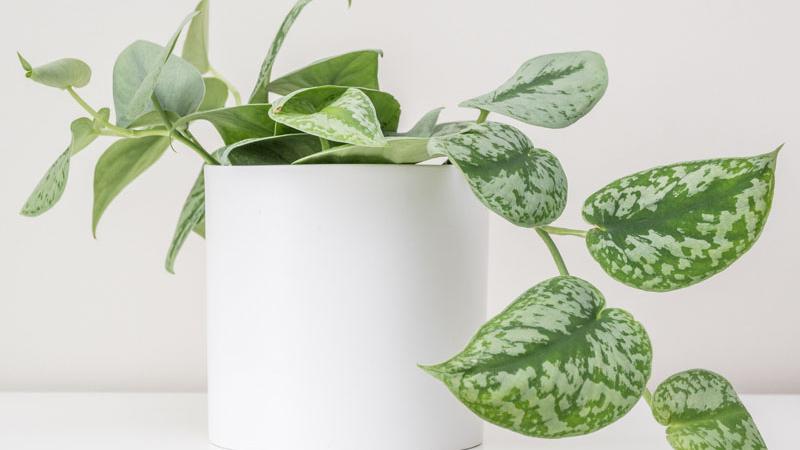
Pro tip: If you notice your Satin Pothos leaning toward the light, rotate the pot ¼ turn weekly—this keeps the plant full and balanced, with vines growing evenly in all directions.
3. Watering: Avoid Root Rot (the #1 Killer)
Overwatering is the most common mistake new Satin Pothos owners make. Like many tropical plants, it prefers moist but not soggy soil—its roots need oxygen to thrive, and sitting in water will cause them to rot (a fatal issue if not caught early).
How to Water Correctly
Check first: Before watering, stick your finger 1–2 inches into the soil. If the top 1–2 inches are dry, it’s time to water. If the soil still feels damp, wait 2–3 days and check again. In winter, when growth slows, the plant needs less water—you may only need to water every 2–3 weeks (vs. every 7–10 days in summer).
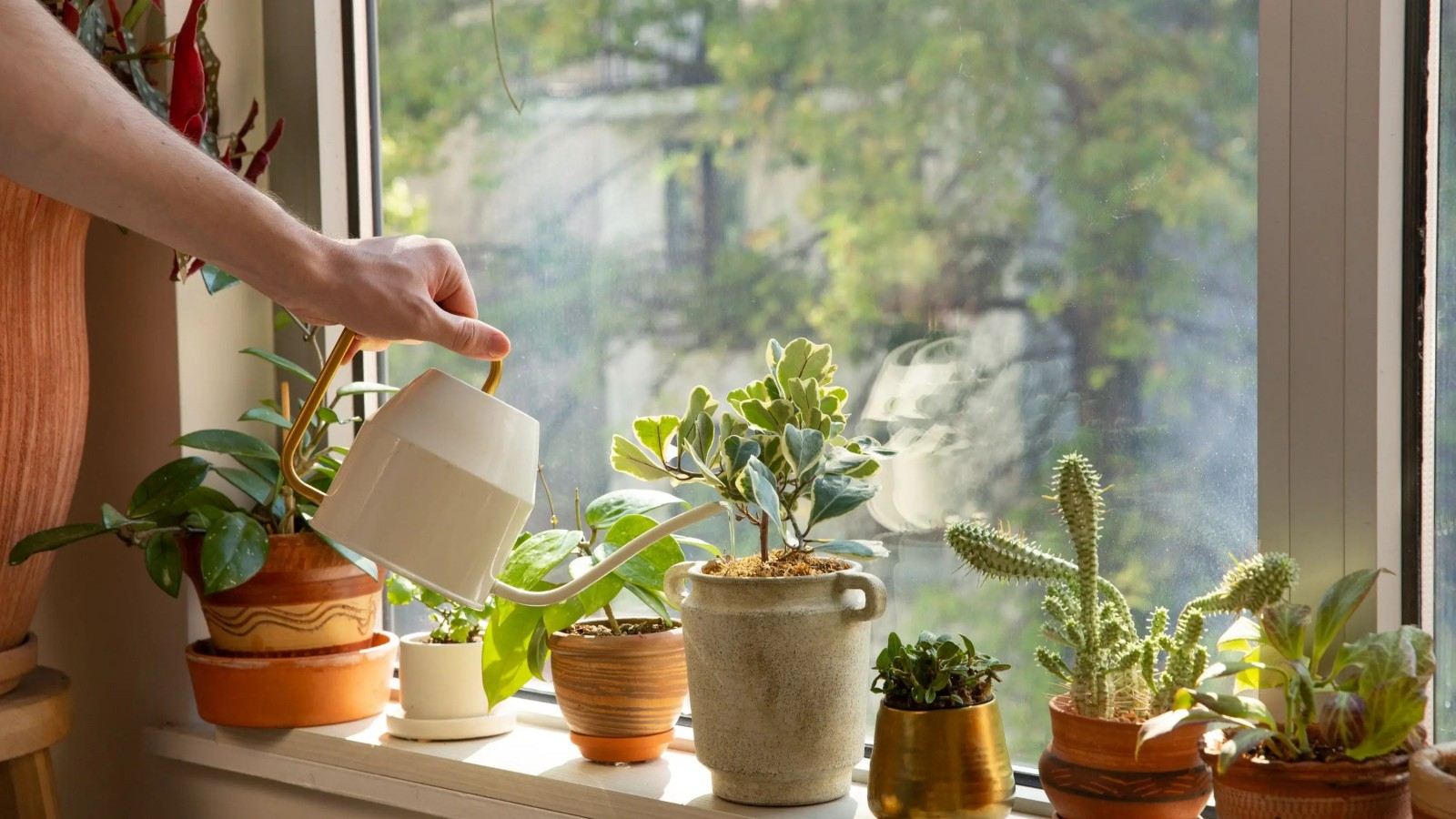
Water thoroughly: When it’s time to water, pour room-temperature water slowly over the soil until it drains out the bottom of the pot. This ensures the entire root ball gets hydrated (avoid just sprinkling the topsoil, which leaves roots dry). Discard any water that collects in the saucer after 30 minutes—never let the pot sit in standing water.
Water quality: Use room-temperature water to avoid shocking the roots (cold water can slow growth or cause leaf drop). If you have hard tap water (high in chlorine or fluoride), let it sit in a bucket overnight before using—this allows chemicals to evaporate. Alternatively, use filtered or rainwater for the healthiest growth.
Signs You’re Watering Wrong
Overwatering: Yellow leaves (soft and mushy, not crispy), a sour or musty smell from the soil, or wilting even though the soil is wet. If you see these signs, stop watering immediately, remove the plant from its pot, and trim any brown/soft roots (use clean, sharp scissors). Repot in fresh, well-draining soil (see Section 4) and a pot with drainage holes.
Underwatering: Crispy, brown leaf edges, leaves that feel thin and papery, or vines that wilt and droop. To fix, water thoroughly and mist the leaves (see Section 5) to boost humidity—avoid giving a “sip” of water, which only hydrates the topsoil.
4. Soil & Potting: Let Roots Breathe
Satin Pothos needs well-draining soil to prevent root rot. A heavy, compact soil mix (like garden soil straight from the yard) will hold too much moisture, so opt for a lightweight, airy blend that drains quickly but still retains some moisture.
Best Soil Mix
You can buy a pre-made potting mix or make your own. Here are two great options:
Store-bought shortcut: Use a commercial “indoor plant potting mix” (avoid outdoor garden soil) and add 1 part perlite or orchid bark to 3 parts mix. This adds air pockets to improve drainage.
DIY mix: Combine 2 parts peat moss (or coco coir, a more sustainable alternative), 1 part perlite, and 1 part potting soil. Peat moss/coco coir retains moisture without waterlogging, perlite adds drainage, and potting soil provides nutrients.
Potting Tips
Drainage is non-negotiable: Always use a pot with drainage holes in the bottom. Terra cotta pots are ideal—they’re porous, so they absorb excess moisture from the soil, reducing the risk of root rot. Plastic pots work too, but be extra careful not to overwater (they hold moisture longer).
Pot size: Don’t repot into a pot that’s too big. Satin Pothos likes to be “slightly root-bound”—meaning its roots fill the current pot but aren’t tightly packed. When repotting (usually every 1–2 years, in spring), choose a pot that’s 1–2 inches larger in diameter than the current one. A pot that’s too big will have too much extra soil, which stays wet longer and increases root rot risk.
Repotting steps: Gently remove the plant from its old pot, loosen the root ball (tease apart any tangled roots), and place it in the new pot. Fill in around the roots with fresh soil, pressing lightly to eliminate air pockets. Water thoroughly after repotting to help the plant settle, and keep it in bright indirect light for 1–2 weeks (avoid direct sun) while it adjusts.
5. Humidity & Temperature: Mimic Tropical Homes
Satin Pothos hails from humid tropical forests, so it grows best in moderate to high humidity (40–60%). While it can tolerate average indoor humidity (20–30%, common in heated or air-conditioned homes), low humidity will cause issues like crispy leaf edges or slow growth.
Boost Humidity Easily
Mist regularly: Mist the leaves 2–3 times a week with room-temperature water. Focus on the undersides of leaves (where pores absorb moisture) and avoid misting if the room is cool or dark (this can lead to fungal spots).
Pebble tray: Fill a saucer with pebbles, add water until it reaches just below the top of the pebbles, and set the pot on the pebbles. As the water evaporates, it increases humidity around the plant. Refill the tray when water evaporates.
Group plants: Place your Satin Pothos near other tropical plants (like ferns, calatheas, or pothos). Plants release moisture through transpiration, creating a more humid microclimate.
Humidifier: For the easiest, most consistent humidity, use a small humidifier near the plant. Set it to 40–60% and run it during dry months (winter heating or summer air conditioning).
Ideal Temperature Range
Satin Pothos thrives in 65–85°F (18–29°C)—typical indoor temperatures for most homes. Avoid temperatures below 60°F (15°C): cold drafts (from windows, doors, or air conditioners) or sudden temperature drops will cause leaf yellowing, wilting, or drop. Keep it away from heat vents (dry, hot air dries out leaves) and cold windowsills (winter chill can damage roots).
6. Fertilizing: Feed for Lush Growth
Satin Pothos doesn’t need much fertilizer, but regular feeding during the growing season (spring and summer) will encourage lush vines and vibrant variegation. It’s a “light feeder”—too much fertilizer will burn roots or cause leaf tip burn.
Fertilizer Tips
When to feed: Fertilize every 4–6 weeks from March to September (growing season). Stop fertilizing in fall and winter, when growth slows—fertilizer during dormancy can build up in soil and damage roots.
What to use: Choose a balanced, water-soluble fertilizer for indoor plants (e.g., 10-10-10 or 20-20-20). Dilute it to half the recommended strength (e.g., if the label says 1 tsp per gallon, use ½ tsp per gallon). This reduces the risk of fertilizer burn.
How to apply: Water the plant first (dry soil absorbs fertilizer too quickly, burning roots), then pour the diluted fertilizer over the soil. Avoid getting fertilizer on the leaves—if you do, wipe it off with a damp cloth to prevent leaf damage.
Pro tip: If you prefer organic options, use a diluted fish emulsion or worm castings tea. These are gentle on roots and provide slow-release nutrients.
7. Pruning & Propagation: Keep It Full & Share the Love
Pruning keeps your Satin Pothos full and prevents leggy growth, while propagation lets you create new plants (to expand your collection or give to friends). Both are easy—even for beginners.
Pruning Steps
When to prune: Prune in spring or summer (growing season), when the plant is actively growing and can recover quickly.
How to prune: Use clean, sharp scissors or pruning shears to cut vines just above a leaf node (the small bump where a leaf grows from the stem). Cutting above a node encourages new growth to sprout from that point, making the plant bushier.
What to prune: Trim leggy vines (long stems with few leaves), dead or yellow leaves, and any vines that are growing outside your desired shape (e.g., too long for a hanging basket). You can prune up to ⅓ of the plant at once—this won’t harm it and will stimulate new growth.
Propagation: Grow New Plants from Cuttings
Satin Pothos is one of the easiest plants to propagate from stem cuttings. Here’s how:
Take cuttings: Cut a 4–6 inch stem from a healthy vine, making sure it has at least 2–3 leaf nodes (nodes are where roots will grow). Remove the leaves from the bottom 1–2 nodes (leave the top leaves intact—they’ll photosynthesize to feed the cutting).
Root in water: Place the cutting in a glass jar filled with room-temperature water, making sure the bottom nodes are submerged (leaves should stay above water to avoid rot). Place the jar in bright indirect light, and change the water every 2–3 days to keep it clean. Roots will start to grow in 2–4 weeks.
Plant in soil: Once roots are 1–2 inches long (they’ll be white and fuzzy), gently transplant the cutting into a small pot with well-draining soil (see Section 4). Water thoroughly and keep it in bright indirect light for 1–2 weeks to acclimate.
Alternative: Propagate in soil: You can also plant the cutting directly in moist soil (dip the cut end in rooting hormone first to speed up growth). Cover the pot with a plastic bag (leave a small opening for air) to boost humidity, and keep the soil moist but not soggy. Roots will form in 3–4 weeks.
8. Troubleshooting Common Problems
Even with the best care, your Satin Pothos may run into issues. Here’s how to identify and fix the most common problems:
Brown leaf tips: Usually caused by low humidity or underwatering. If tips are crispy and dry, boost humidity (mist, pebble tray, or humidifier) and check soil moisture more often. If tips are brown and mushy, it’s overwatering—cut back on water and ensure proper drainage.
Yellow leaves: Soft, mushy yellow leaves = overwatering (fix with repotting and less water). Crispy yellow leaves = too much direct sun (move to a shadier spot).
Leggy growth: Caused by low light. Move the plant to brighter indirect light, prune leggy vines, and rotate the pot weekly for even growth.
Pests: Satin Pothos is relatively pest-resistant, but it can attract mealybugs (white cottony spots on leaves/stems) or spider mites (tiny red bugs, webbing on undersides of leaves). Treat with insecticidal soap or neem oil: spray the entire plant (including undersides of leaves) every 7–10 days until pests are gone.
Variegation fading: Too little light. Move the plant to brighter indirect light—variegation may not return to old leaves, but new growth will be variegated again.
Final Thoughts
The Satin Pothos is a forgiving, beautiful plant that rewards even basic care with lush, silvery vines. By focusing on bright indirect light, well-draining soil, and careful watering (avoiding root rot!), you’ll keep it healthy for years. Whether you hang it in a sunny window, train it up a moss pole, or propagate it to share with friends, this tropical gem will add a touch of satin-like elegance to any indoor space. With the tips in this guide, you’re ready to grow a thriving Satin Pothos—enjoy watching its vines cascade and its variegated leaves shine!
Advertisement
Learn More
-

- October 20,2026
- Lily Disease Guide: Whats Killing Your Lilium longiflorum and How to Stop It
-
- September 17,2026
- Wax-Leaf Privet Diseases: Identification, Treatment & Prevention Guide
-
- September 1,2026
- Vinca Minor Diseases: Identification, Treatment and Long‑Term Garden Management
-
- August 18,2026
- Tree Philodendron Diseases: Identification, Treatment and Long‑Term Prevention
-
- August 6,2026
- Common Ailments of Plantago major: Identifying, Treating and Preventing Diseases in Broadleaf Plantain
-
- July 30,2026
- Zodiac-themed Bouquets Combined with Floral Language: Different Color Schemes Create More Artistic Birthday Surprises




Advertisement


 Poisonous and danger
 Edible and medicinal
 Wild and common weed