
How to make efficient compost from kitchen waste?
Advertisement
In an era where environmental consciousness and sustainable living are more crucial than ever, transforming kitchen waste into nutrient - rich compost has emerged as a practical and eco - friendly solution. Composting not only reduces the amount of organic waste sent to landfills but also enriches your garden soil, promoting healthy plant growth.
Understanding the Basics of Composting
Composting is a natural biological process that involves the decomposition of organic materials by microorganisms, such as bacteria, fungi, and earthworms. These microorganisms break down the complex organic compounds in kitchen waste into simpler substances, releasing nutrients like nitrogen, phosphorus, and potassium in the process. The end product, compost, is a dark, crumbly, and earthy - smelling material often referred to as “black gold” by gardeners due to its ability to improve soil structure, retain moisture, and provide essential nutrients for plants.
Gathering the Right Materials
Green Materials
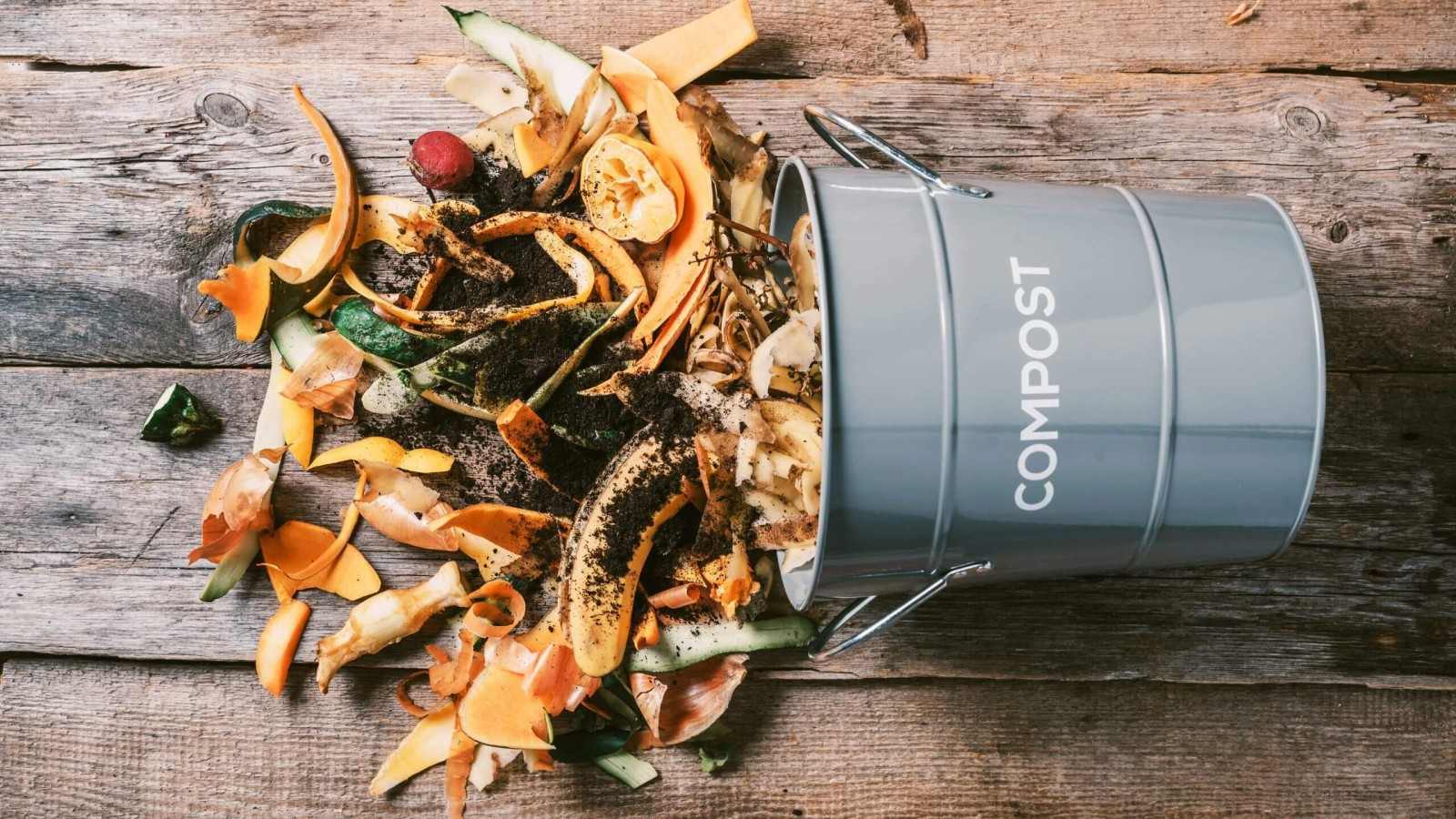
Green materials are rich in nitrogen, which is essential for the growth and activity of the composting microorganisms. Common kitchen - based green materials include:
Fruit and Vegetable Scraps: Peels, cores, bruised fruits, and vegetable trimmings are excellent sources of nitrogen. However, avoid adding citrus peels, onions, and garlic in large quantities as they can slow down the decomposition process due to their acidic nature and strong odors.
Coffee Grounds and Tea Bags: Coffee grounds are not only a great source of nitrogen but also help to aerate the compost. Tea bags, especially those made from natural materials, can be added as well.
Eggshells: Crushed eggshells provide calcium to the compost and also help to balance the pH levels. Rinse them thoroughly to remove any residual egg white to prevent odors.
Brown Materials
Brown materials are high in carbon and serve as the energy source for the composting microorganisms. They also help to improve the structure of the compost, preventing it from becoming too compact and anaerobic. Examples of brown materials from your kitchen or household include:
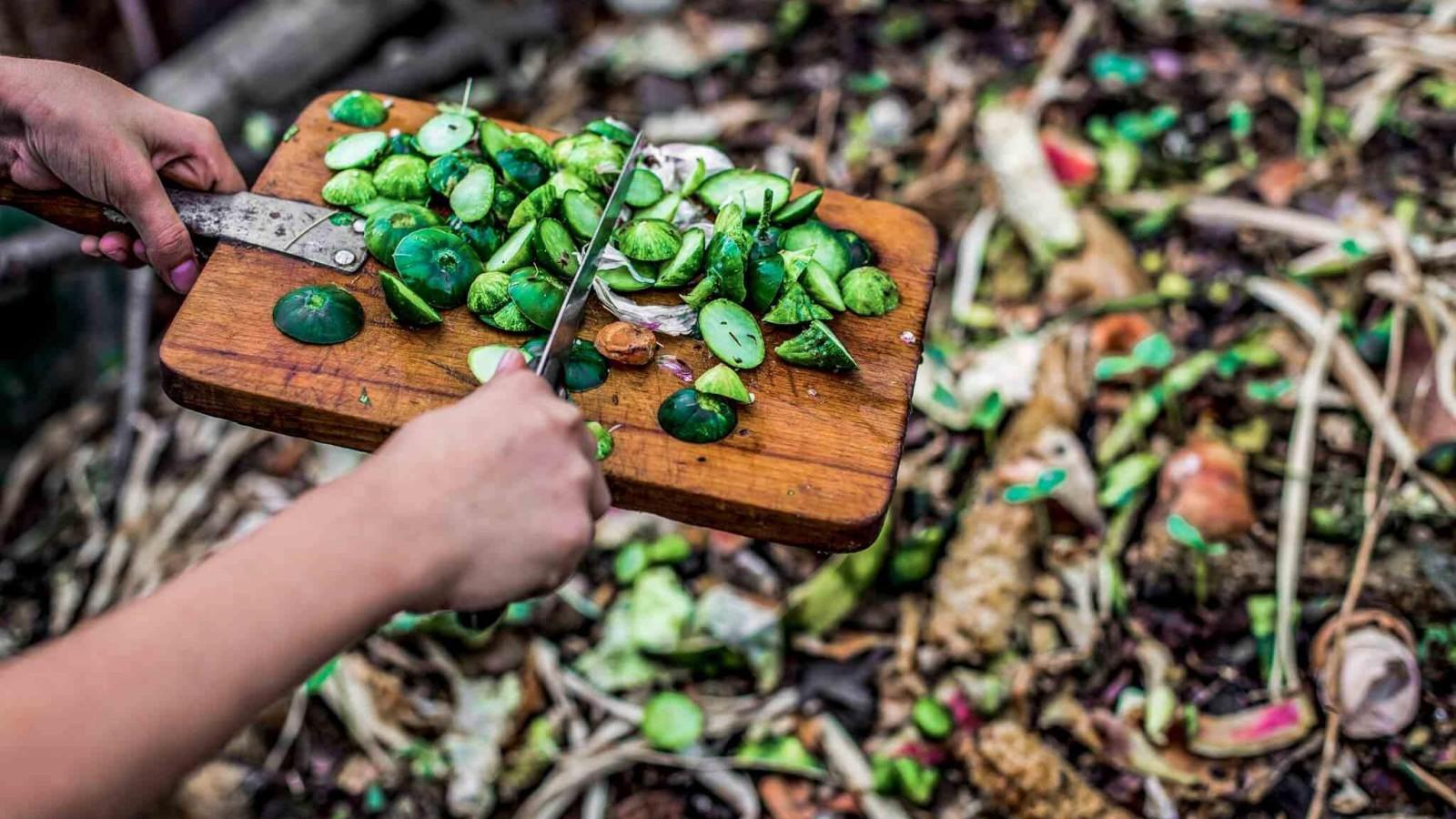
Dried Leaves and Twigs: Collect fallen leaves and small twigs from your garden. Shred or break them into smaller pieces to speed up the decomposition process.
Newspaper and Cardboard: Tear newspaper and cardboard into small strips. Avoid using glossy or coated paper as they may contain chemicals that are not suitable for composting.
Paper Towels and Napkins: As long as they are not contaminated with grease or food residues, paper towels and napkins can be added to the compost pile.
Other Additives
Compost Starter or Worms: If you want to kick - start the composting process, you can add a commercial compost starter, which contains beneficial microorganisms. Alternatively, introducing earthworms to your compost bin can significantly accelerate decomposition, especially in a vermicomposting setup.
Water: Maintaining the right moisture level is crucial for composting. The compost pile should be moist, similar to a damp sponge. Add water as needed during the process to ensure optimal conditions for the microorganisms.
Setting Up Your Composting System
Compost Bins
There are several types of compost bins available, each with its own advantages:
Open - Pile Composting: This is the simplest method, where you pile the compost materials directly on the ground in a chosen area of your garden. It allows for easy access and turning but may attract pests and is less aesthetically pleasing.
Closed - Bin Composting: These bins come in various shapes and sizes, including plastic, metal, or wooden models. Closed bins help to contain odors, keep pests out, and can be more visually appealing. Some models also have built - in aeration systems to promote better decomposition.
Vermicomposting Bins: Specifically designed for worm composting, these bins use earthworms to break down the organic materials. Vermicomposting is ideal for smaller households and produces a high - quality, nutrient - rich compost known as vermicompost.
Location
Choose a location for your compost bin that is well - ventilated, partially shaded, and close to a water source. Avoid placing it near windows or doors to prevent odors from entering your home. If you live in an apartment or have limited outdoor space, consider using a small indoor compost bin or a balcony - friendly model.
The Composting Process
Layering the Materials
Start by placing a layer of brown materials at the bottom of the compost bin to provide good aeration. This layer also helps to prevent the compost from becoming waterlogged. Then, add a layer of green materials on top. Aim for a ratio of about 3 parts brown materials to 1 part green materials. This carbon - to - nitrogen (C:N) ratio is crucial for efficient decomposition. If the ratio is too high in carbon, the composting process will be slow; if it’s too high in nitrogen, the pile may become smelly and anaerobic.
Building the Pile
Continue layering the brown and green materials, alternating between the two. As you build the pile, try to keep it as uniform as possible. Each layer should be about 4 - 6 inches thick. If you have larger items, such as whole fruits or thick branches, break them into smaller pieces before adding them to the pile.
Maintaining the Pile
Moisture: Check the moisture level of the compost pile regularly. Insert your hand into the pile; if it feels dry, add water. If it feels too wet, add more brown materials to absorb the excess moisture.
Aeration: Turn the compost pile every 1 - 2 weeks using a pitchfork or a compost turner. Aeration helps to supply oxygen to the microorganisms, which is essential for aerobic decomposition. It also helps to speed up the process and prevent odors.
Temperature: A healthy compost pile will generate heat as the microorganisms break down the organic materials. The temperature inside the pile can reach 130 - 160°F (54 - 71°C) during the active decomposition phase. Monitor the temperature with a compost thermometer. If the temperature drops too low, it may indicate that the pile is too wet, too dry, or lacks sufficient aeration.
Signs of Compost Readiness
After several weeks to several months, depending on the size of the pile, the materials, and the environmental conditions, your compost will be ready to use. Look for the following signs:
Appearance: The compost should be dark brown or black, crumbly, and have an earthy smell. The original materials should no longer be recognizable.
Temperature: The compost pile should have cooled down to near ambient temperature, indicating that the decomposition process has slowed down.
Texture: It should feel like a rich, moist soil. If there are still large pieces of un - decomposed materials, you may need to continue the composting process or sift them out.
Using Your Compost
Once your compost is ready, it can be used in a variety of ways in your garden:
Soil Amendment: Incorporate the compost into your garden beds at a rate of about 2 - 3 inches deep. This will improve the soil structure, increase its water - holding capacity, and provide essential nutrients for your plants.
Top Dressing: Spread a thin layer of compost on the surface of your flower beds, vegetable gardens, or around shrubs and trees. This helps to suppress weeds, retain moisture, and gradually release nutrients into the soil.
Potting Mix: Mix compost with peat moss, perlite, and vermiculite to create a nutrient - rich potting mix for your potted plants.
Troubleshooting Common Composting Problems
Odors: If your compost pile smells bad, it may be too wet or lacking in oxygen. Add more brown materials, turn the pile more frequently, and make sure there is enough aeration. Avoid adding materials that are high in fats, oils, or meat, as they can cause unpleasant odors.
Pests: Insects, rodents, and other pests may be attracted to your compost pile. To deter them, keep the pile moist but not wet, cover it with a layer of brown materials, and avoid adding food scraps that are likely to attract pests, such as meat, dairy products, and oily foods.
Slow Decomposition: If the composting process is taking too long, check the C:N ratio, moisture level, and aeration. Add more green materials if the ratio is too high in carbon, adjust the moisture as needed, and turn the pile more frequently to improve aeration.
By following these steps and tips, you can effectively transform your kitchen waste into high - efficiency compost, contributing to a more sustainable lifestyle while nurturing your garden. Composting is not only a practical gardening technique but also a rewarding way to reduce your environmental footprint and make a positive impact on the planet.
Advertisement
Learn More
-

- October 20,2026
- Lily Disease Guide: Whats Killing Your Lilium longiflorum and How to Stop It
-
- September 17,2026
- Wax-Leaf Privet Diseases: Identification, Treatment & Prevention Guide
-
- September 1,2026
- Vinca Minor Diseases: Identification, Treatment and Long‑Term Garden Management
-
- August 18,2026
- Tree Philodendron Diseases: Identification, Treatment and Long‑Term Prevention
-
- August 6,2026
- Common Ailments of Plantago major: Identifying, Treating and Preventing Diseases in Broadleaf Plantain
-
- July 30,2026
- Zodiac-themed Bouquets Combined with Floral Language: Different Color Schemes Create More Artistic Birthday Surprises


Advertisement
 Poisonous and danger
 Edible and medicinal
 Wild and common weed