
Hydrangea is not blue, how to adjust the soil?
Advertisement
Hydrangea, with its rich and varied flower colors, from dreamy blue to romantic pink to pure white, always brings visual enjoyment to people. Especially the charming blue color, which makes many flower lovers fall in love with it. However, in the process of cultivating Hydrangea, the flower color is often not blue, which makes many flower lovers confused and distressed. In fact, the flower color of Hydrangea is mainly affected by soil conditions, especially the pH value and aluminum ion concentration of the soil. Next, let's take a detailed look at how to make Hydrangea bloom beautiful blue flowers by adjusting the soil.
1. The principle of Hydrangea color change
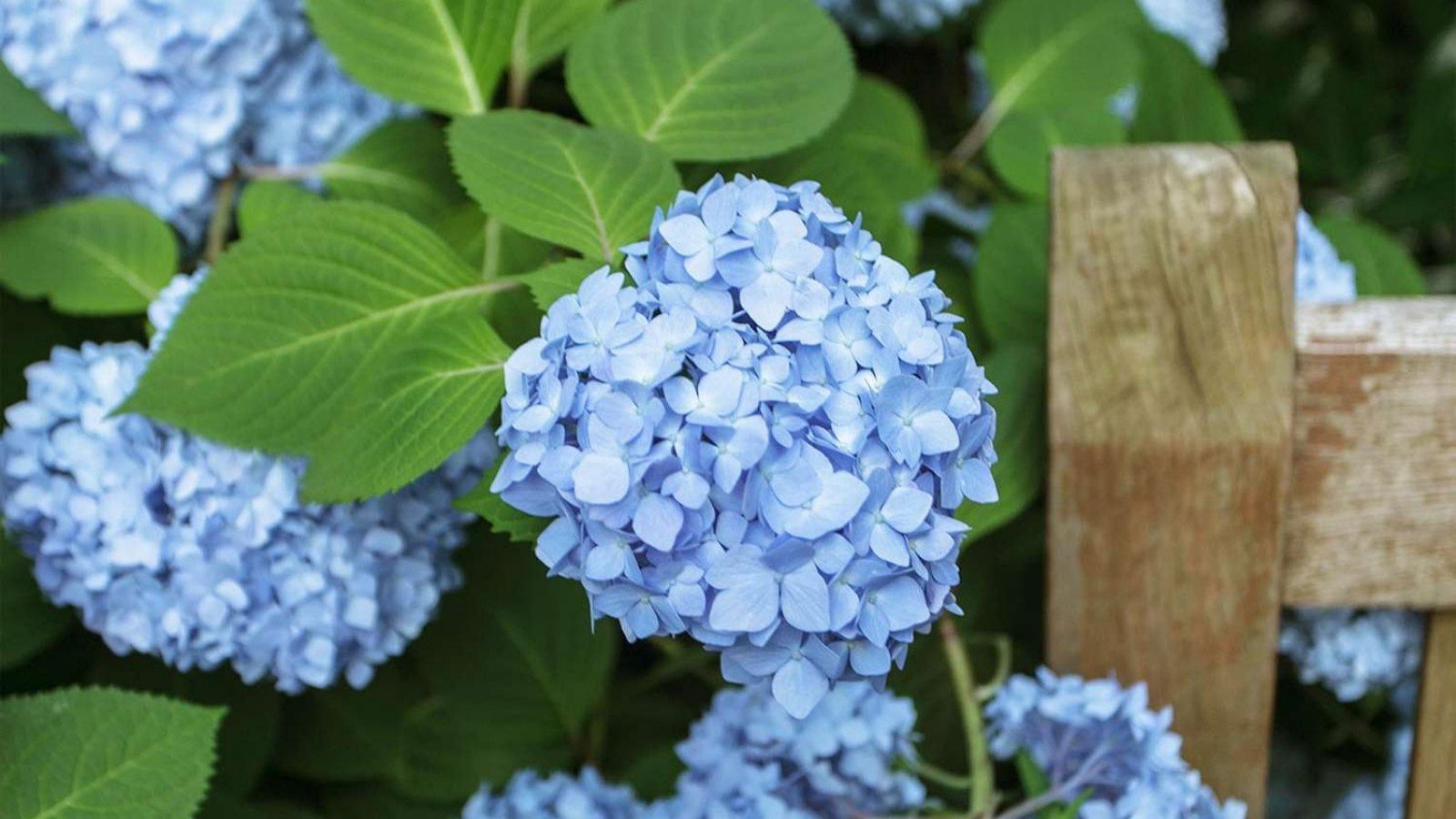
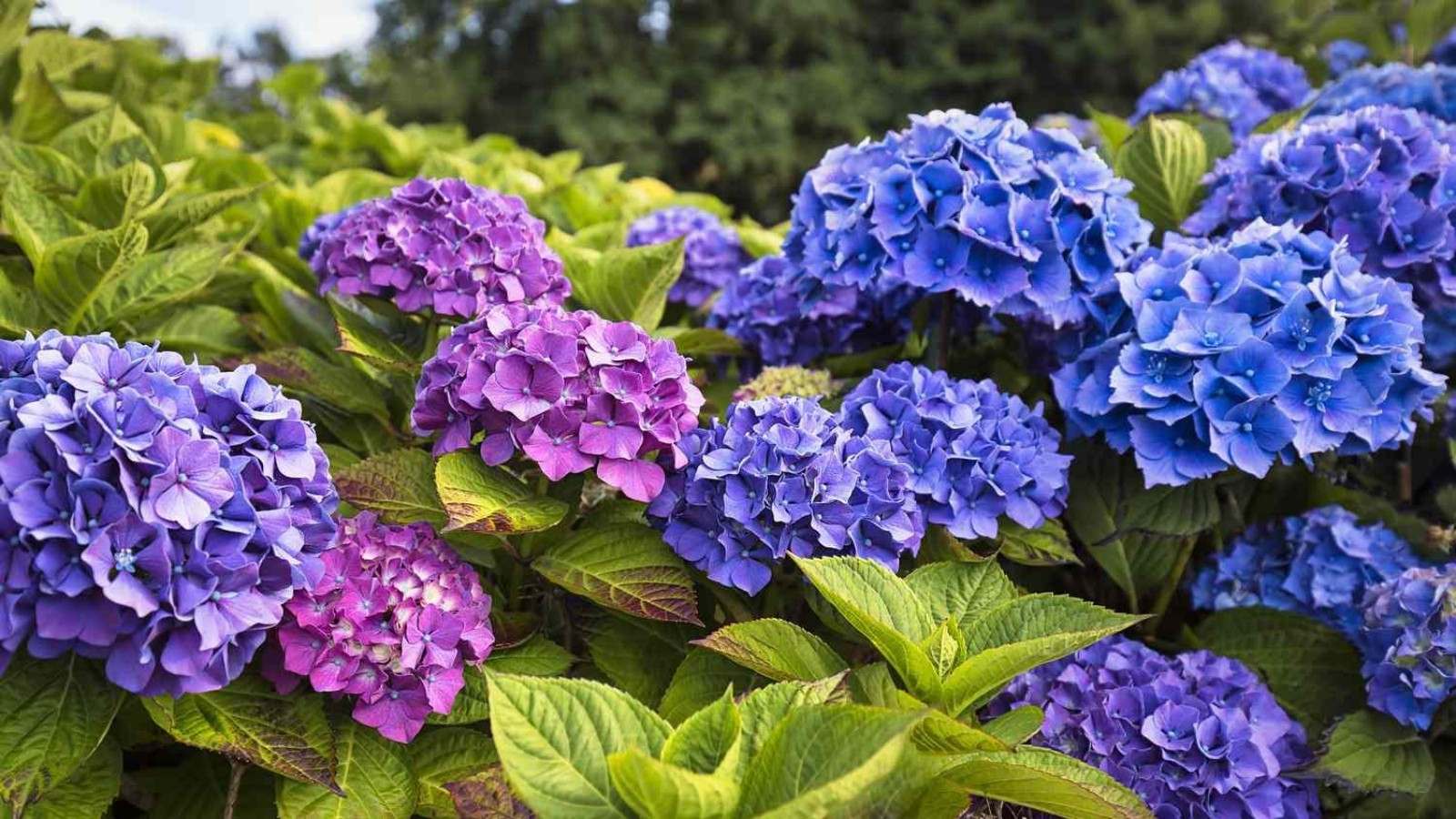
The reason why the color of Hydrangea can change is mainly because the pigment in its flowers, anthocyanin, will appear blue after combining with aluminum ions in the soil. When aluminum ions are lacking, anthocyanin will appear pink or red in neutral or alkaline soil. Therefore, the pH of the soil and the content of aluminum ions are the key factors that determine the color of Hydrangea.
Generally speaking, when the pH value of the soil is less than 7, it is acidic, which is conducive to the dissolution and absorption of aluminum ions, and Hydrangea will appear blue; when the pH value of the soil is between 7-7.5, it is neutral, and the color of Hydrangea will be between blue and pink; when the pH value of the soil is greater than 7.5, it is alkaline, and aluminum ions will form insoluble compounds that are difficult to be absorbed by Hydrangea. At this time, Hydrangea will appear pink or red.
2. Soil conditioning methods
(I) Adjusting soil pH
Increasing soil acidity (making the flower color blue)
Applying sulfur powder: Sulfur powder is a commonly used acidic soil conditioner that can slowly lower the pH value of the soil. Before planting Hydrangea, or when the soil is relatively moist in spring and autumn, sprinkle sulfur powder evenly on the soil surface, and then gently till the soil to fully mix the sulfur powder with the soil. The amount of sulfur powder should be determined according to the initial pH value of the soil and the desired pH value. Generally speaking, applying 5-10 grams of sulfur powder per square meter of soil can reduce the pH value of the soil by 0.5-1 unit. It should be noted that the effect of sulfur powder is relatively slow, and it usually takes 2-3 months to take effect, so it needs to be applied in advance.
Applying aluminum sulfate: Aluminum sulfate can not only lower the pH value of the soil, but also provide aluminum ions to the soil, which is an ideal choice for regulating Hydrangea soil. During the growth period of Hydrangea, aluminum sulfate can be dissolved in water to prepare a 0.1%-0.2% solution, and then the soil can be irrigated every 1-2 weeks. The amount of each irrigation should be appropriate to moisten the soil, not too much, so as not to cause water accumulation in the soil. It should be noted that aluminum sulfate solution cannot be mixed with alkaline substances to avoid neutralization reaction and reduce the effect.
Apply organic fertilizer: Organic fertilizers such as well-rotted compost, well-rotted chicken manure, well-rotted cow dung, etc. can not only improve the structure and fertility of the soil, but also increase the acidity of the soil. Before planting Hydrangea, apply organic fertilizer evenly to the soil, and then plow the soil to fully mix the organic fertilizer with the soil. During the growth period of Hydrangea, organic fertilizer can also be applied every once in a while to maintain the acidity of the soil.
Use acidic water for irrigation: If the local water quality is alkaline, acidic water can be used to irrigate Hydrangea. Acidic water can be adjusted by adding a small amount of ferrous sulfate or edible vinegar to the water to keep the pH value of the water between 5-6. It should be noted that the amount of ferrous sulfate or edible vinegar added should be appropriate, not too much, so as not to damage Hydrangea.
Increase soil alkalinity (make the flower color pink or red)
Apply lime: Lime is a commonly used alkaline soil conditioner that can quickly increase the pH value of the soil. Before planting Hydrangea, or when the soil is relatively moist in spring and autumn, spread the lime evenly on the soil surface, and then gently plow to fully mix the lime with the soil. The amount of lime to be used should be determined based on the initial pH value of the soil and the desired pH value. Generally speaking, applying 10-20 grams of lime per square meter of soil can increase the pH value of the soil by 0.5-1 unit. It should be noted that the application of lime should not be excessive, so as not to cause the soil alkalinity to be too high and affect the growth of Hydrangea.
Applying plant ash: Plant ash is an alkaline fertilizer rich in potassium. It can increase the pH value of the soil and provide potassium for Hydrangea to promote its growth and flowering. During the growth period of Hydrangea, the plant ash can be evenly sprinkled on the soil surface, and then gently tilled to fully mix the plant ash with the soil. The amount applied each time should not be too much, so as not to cause the soil to be too alkaline.
Use alkaline water for irrigation: If the local water quality is acidic, alkaline water can be used to irrigate Hydrangea. Alkaline water can be adjusted by adding a small amount of quicklime or edible alkali to the water to keep the pH value of the water between 7.5-8. It should be noted that the amount of quicklime or edible alkali added should be appropriate, not too much, so as not to cause damage to Hydrangea.
(II) Increase the concentration of aluminum ions in the soil
Even if the soil pH value is low and acidic, if there is a lack of aluminum ions in the soil, Hydrangea will hardly appear blue. Therefore, while adjusting the soil pH, it is also necessary to increase the concentration of aluminum ions in the soil.
Applying aluminum sulfate: As mentioned earlier, aluminum sulfate can not only lower the pH value of the soil, but also provide aluminum ions to the soil, which is an effective way to increase the concentration of aluminum ions in the soil.
Adding aluminum-containing organic fertilizers: Some organic fertilizers such as decomposed peat soil, decomposed pine needle soil, etc. contain a certain amount of aluminum ions, which can be added to the soil when planting Hydrangea to increase the concentration of aluminum ions in the soil.
Avoid using calcium-containing fertilizers: Calcium will combine with aluminum ions to form insoluble compounds, thereby reducing the concentration of aluminum ions in the soil. Therefore, when planting Hydrangea, avoid using calcium-containing fertilizers such as superphosphate, calcium magnesium phosphate fertilizer, etc.
3. Timing of soil conditioning
(I) New shoot germination period
During the new shoot germination period of Hydrangea, that is, March to April in spring, is the best time to condition the soil. At this time, the root system of Hydrangea begins to be active and is more sensitive to soil changes. Timely soil conditioning can lay a good foundation for its growth and flowering.
(II) Flower bud differentiation period
The flower bud differentiation period of Hydrangea is generally in June and July in summer. At this time, soil conditioning can affect the differentiation and development of flower buds, thereby affecting the color of flowers. During the flower bud differentiation period, maintaining the acidity of the soil and the appropriate aluminum ion concentration can promote the combination of anthocyanins and aluminum ions, making the flowers appear blue.
(III) Before flowering
Before the flowering period of Hydrangea, that is, April to May in spring, soil conditioning can also be carried out. At this time, soil conditioning can make the flowers present ideal colors when they bloom, but attention should be paid to the intensity and method of adjustment to avoid affecting the opening of flowers.
(IV) Growth period
During the growth period of Hydrangea, that is, from spring to autumn, appropriate adjustments can also be made according to the conditions of the soil. If it is found that the pH value or aluminum ion concentration of the soil does not meet the requirements, it can be adjusted in time to ensure the normal growth and flowering of Hydrangea.
4. Precautions for soil adjustment
(I) Control the amount of adjustment
When adjusting the pH value and aluminum ion concentration of the soil, pay attention to controlling the amount and do not apply excessive acidic or alkaline substances to avoid damage to the soil and Hydrangea. Excessive application of acidic substances will lead to soil acidification, affecting the activity of microorganisms in the soil and the effectiveness of nutrients; excessive application of alkaline substances will lead to soil salinization, affecting the root growth and absorption function of Hydrangea.
(II) Regular soil testing
In order to ensure the effect of soil conditioning, it is necessary to regularly test the pH value and aluminum ion concentration of the soil. You can use pH test paper or pH meter to test the pH value of the soil, and use aluminum ion detection kit to test the concentration of aluminum ions in the soil. According to the test results, adjust the adjustment method and dosage in time.
(III) Reasonable watering and fertilization
In the process of adjusting the soil, attention should be paid to reasonable watering and fertilization. Watering should be appropriate to avoid waterlogging or drought in the soil; fertilization should choose fertilizers suitable for the growth of Hydrangea, and avoid using fertilizers containing too much calcium, magnesium and other elements, so as not to affect the concentration of aluminum ions in the soil.
(IV) Adjust according to varieties
Different varieties of Hydrangea may have different requirements for soil pH and aluminum ion concentration. Therefore, when adjusting the soil, it is necessary to adjust according to the characteristics of the Hydrangea variety planted to achieve the best flower color effect.
(V) Pay attention to environmental factors
In addition to soil conditions, environmental factors such as light, temperature, humidity, etc. will also affect the flower color of Hydrangea. While adjusting the soil, it is also necessary to provide Hydrangea with suitable environmental conditions, such as sufficient light, suitable temperature and humidity, etc., to ensure its normal growth and flowering.
In the process of adjusting the soil, attention should be paid to mastering the correct methods and timing, controlling the dosage, regular testing, reasonable watering and fertilization, and adjustments according to the variety and environmental factors. I believe that as long as you take good care of it, your Hydrangea will bloom with a charming blue glow.
Advertisement
Learn More
-

- October 20,2026
- Lily Disease Guide: Whats Killing Your Lilium longiflorum and How to Stop It
-
- September 17,2026
- Wax-Leaf Privet Diseases: Identification, Treatment & Prevention Guide
-
- September 1,2026
- Vinca Minor Diseases: Identification, Treatment and Long‑Term Garden Management
-
- August 18,2026
- Tree Philodendron Diseases: Identification, Treatment and Long‑Term Prevention
-
- August 6,2026
- Common Ailments of Plantago major: Identifying, Treating and Preventing Diseases in Broadleaf Plantain
-
- July 30,2026
- Zodiac-themed Bouquets Combined with Floral Language: Different Color Schemes Create More Artistic Birthday Surprises

Advertisement
 Poisonous and danger
 Edible and medicinal
 Wild and common weed