
Indoor Rhododendron Care Guide
Advertisement
Rhododendrons, with their vibrant and profuse blooms, are a popular choice for adding a splash of color and elegance to indoor spaces. However, these beautiful plants have specific requirements that, if not met, can lead to wilting, yellowing leaves, and a lack of blooms. To ensure your indoor rhododendron thrives and graces your home with its stunning flowers year after year, this comprehensive guide covers all aspects of its care, from choosing the right variety to dealing with common issues.
Selecting the Right Rhododendron Variety for Indoor Growing
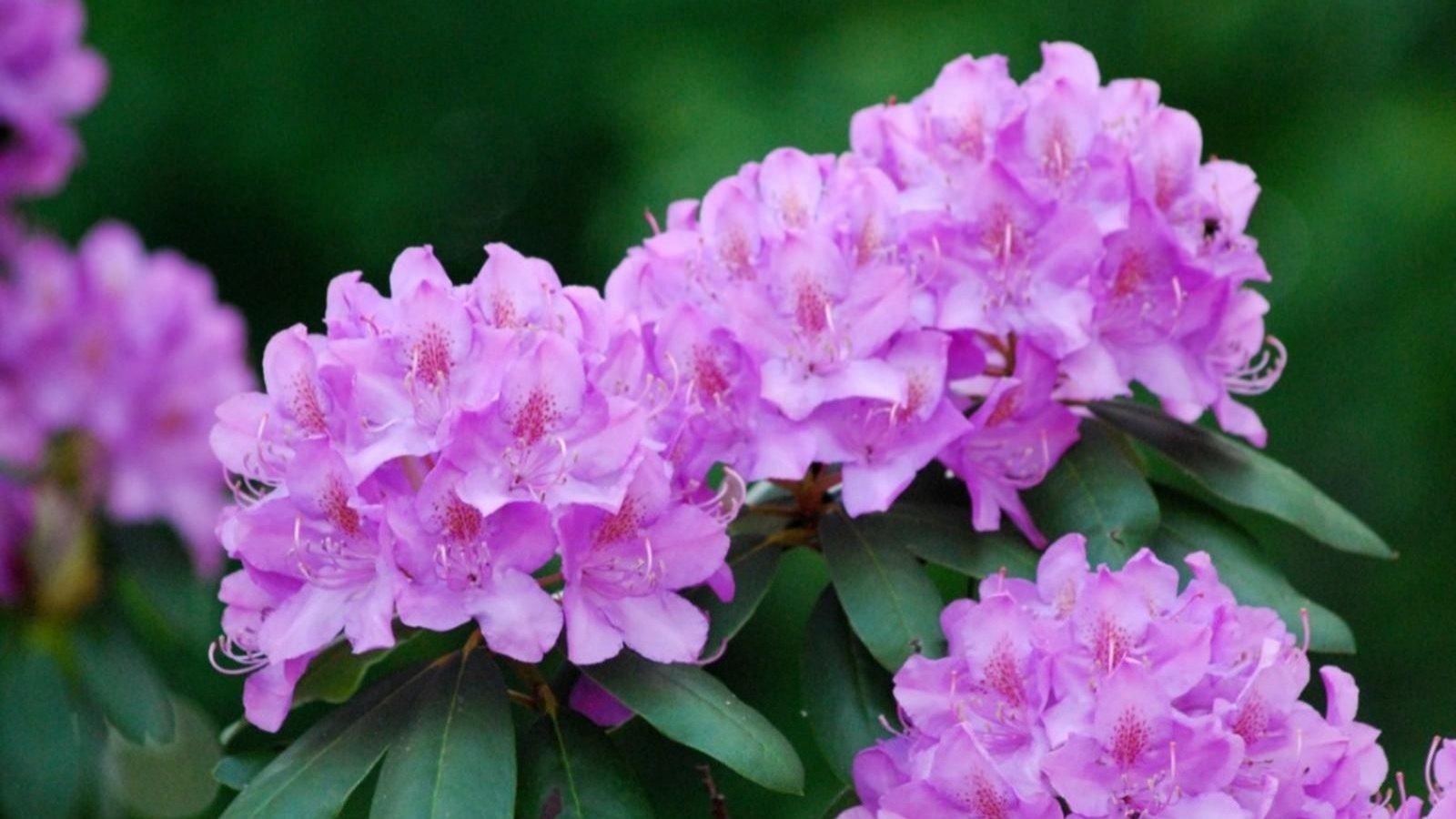
Not all rhododendron varieties are suitable for indoor cultivation. When choosing an indoor rhododendron, opt for smaller - growing types that can adapt to the limited space and controlled environment. Azalea, a subgroup of rhododendrons, is particularly well - suited for indoor use. Varieties like the Satsuki Azalea, known for its compact size and a wide range of flower colors, or the Kurume Azalea, which offers early - blooming and dense foliage, are excellent choices. Additionally, consider the hardiness and tolerance of the variety to indoor conditions. Some hybrids have been specifically bred to tolerate lower light levels and drier air, making them more adaptable to typical indoor environments.
Creating the Ideal Growing Environment
Light Requirements
Rhododendrons prefer bright, indirect light. Place your indoor rhododendron near a window with filtered sunlight, such as a north - facing or east - facing window. Avoid direct sunlight, especially during the intense afternoon hours, as it can scorch the leaves. If you don't have a suitable natural light source, you can use artificial grow lights. LED grow lights are energy - efficient and can provide the right spectrum of light for the plant's growth. Position the lights about 12 - 18 inches above the plant and keep them on for 12 - 14 hours a day to mimic natural daylight.
Temperature and Humidity
Rhododendrons thrive in cool to moderate temperatures. The ideal temperature range for indoor rhododendrons is between 60 - 65°F (15 - 18°C) during the day and slightly cooler, around 50 - 55°F (10 - 13°C) at night. Avoid placing the plant near heat sources like radiators, heaters, or fireplaces, as sudden temperature changes and dry heat can stress the plant.
Humidity is crucial for rhododendrons, as they prefer a humid environment. Indoor air is often dry, especially during the heating season. To increase humidity, you can place the plant on a humidity tray. Fill a shallow tray with pebbles and water, and place the rhododendron pot on top of the pebbles, ensuring the water level is below the bottom of the pot. This way, as the water evaporates, it increases the humidity around the plant. Another option is to use a room humidifier, especially if you have multiple indoor plants. Misting the plant with water can also help, but be careful not to wet the flowers, as this can cause them to rot.
Air Circulation
Good air circulation is essential for preventing fungal diseases and promoting healthy growth. Ensure that the area around your rhododendron is well - ventilated. You can use a small fan to gently circulate the air, but avoid placing the fan directly on the plant, as strong air currents can damage the delicate leaves and flowers.
Potting and Soil
Choosing the Right Pot
Select a pot that is slightly larger than the root ball of your rhododendron, with good drainage holes at the bottom. Clay or terracotta pots are a great choice as they are porous and allow the soil to breathe, preventing waterlogging. However, if you prefer plastic or ceramic pots, make sure they have sufficient drainage holes. When repotting, choose a pot that is only one size larger than the previous one to avoid over - potting, which can lead to water retention and root rot.
Soil Mix
Rhododendrons require acidic soil with a pH between 4.5 and 5.5. A suitable soil mix for indoor rhododendrons can be made by combining peat moss, pine bark, and perlite in a ratio of 2:1:1. Peat moss helps to acidify the soil, pine bark provides good aeration and drainage, and perlite improves the soil structure. You can also add a small amount of slow - release, acid - based fertilizer to the soil mix to provide essential nutrients. Avoid using garden soil, as it may not have the right pH and can be too heavy for indoor pots.
Watering and Fertilizing
Watering
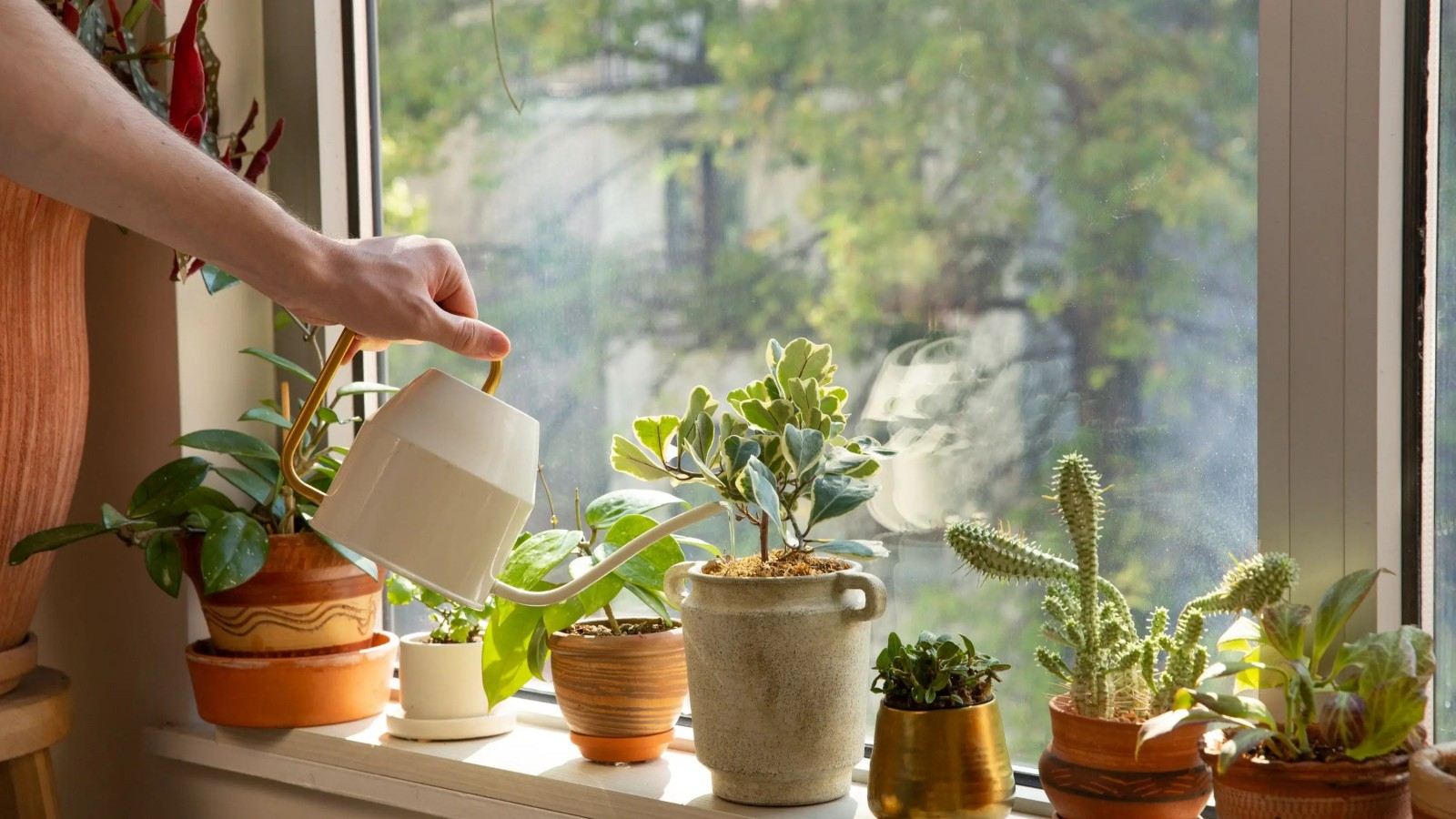
Proper watering is crucial for the health of indoor rhododendrons. These plants prefer their soil to be evenly moist but not waterlogged. Water the plant thoroughly when the top inch of the soil feels dry to the touch. Use room - temperature water, as cold water can shock the roots. When watering, make sure the water penetrates deep into the soil to reach the root system. However, avoid letting the plant sit in standing water, as this can cause root rot. In the winter, when the plant is less active, reduce the frequency of watering, but still ensure the soil doesn't dry out completely.
Fertilizing
Fertilize your indoor rhododendron during the growing season, which is typically from spring to early fall. Use a slow - release, acid - based fertilizer specifically formulated for rhododendrons and azaleas. Follow the package instructions for the correct dosage. Over - fertilizing can lead to salt build - up in the soil, which can damage the roots. You can also use organic fertilizers like fish emulsion or compost tea, which provide nutrients in a more natural and gentle way. Apply organic fertilizers every 2 - 3 weeks during the growing season.
Pruning and Maintenance
Pruning
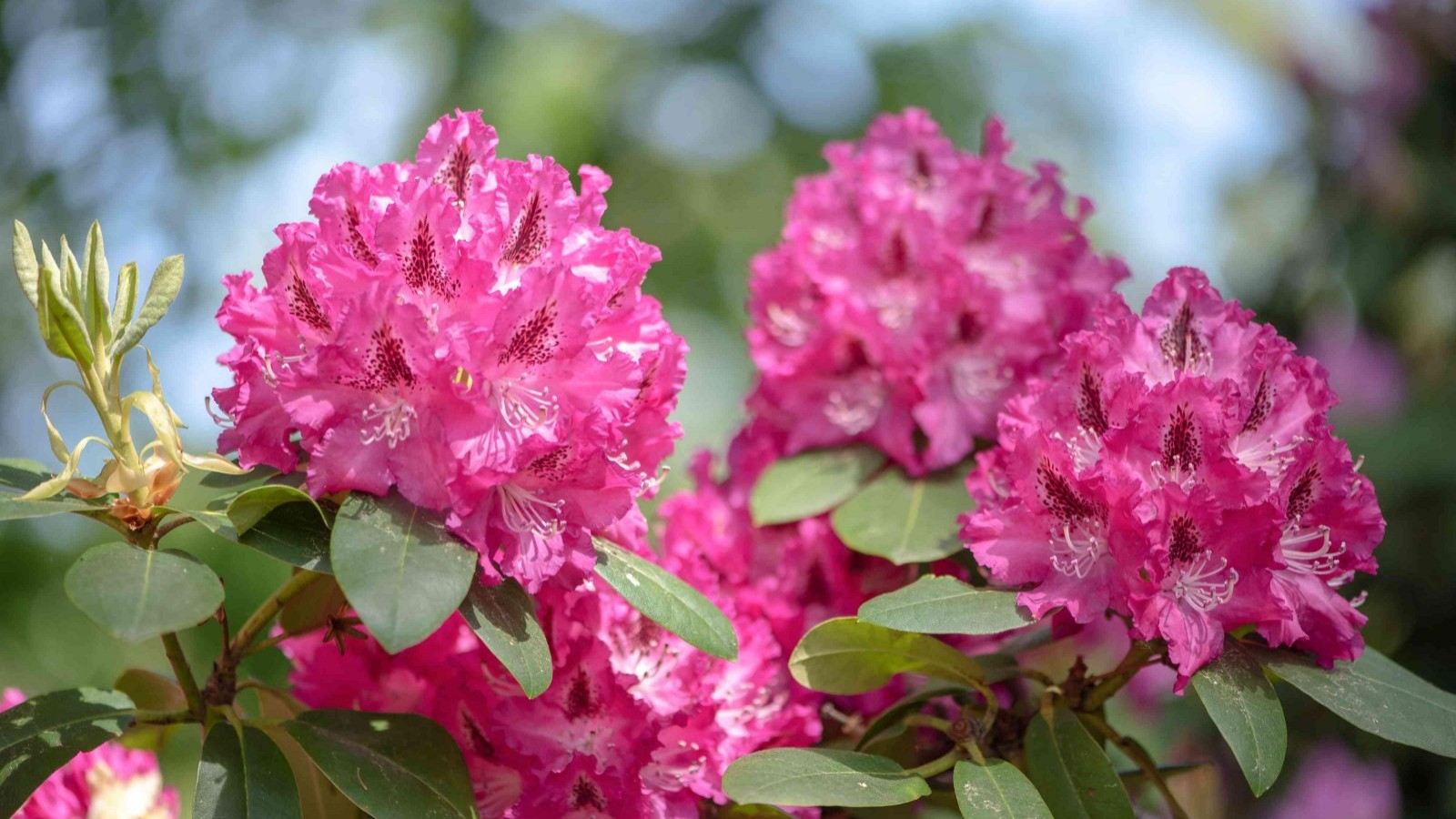
Pruning helps to maintain the shape and size of your indoor rhododendron and encourages new growth and blooming. Prune the plant after it has finished blooming, usually in late spring or early summer. Remove any dead, damaged, or diseased branches using clean, sharp pruning shears. You can also prune back any overgrown branches to control the plant's size and shape. When pruning, make clean cuts just above a leaf node or bud to promote new growth.
Deadheading
Deadheading, or removing spent flowers, is important for conserving the plant's energy and promoting continuous blooming. As soon as the flowers start to fade, pinch them off at the base of the flower stalk. This prevents the plant from putting energy into producing seeds and encourages it to produce new flower buds.
Pest and Disease Control
Common pests that can affect indoor rhododendrons include aphids, spider mites, and whiteflies. These pests can be controlled by regularly inspecting the plant for signs of infestation, such as distorted leaves, sticky residue, or tiny webs. If you notice pests, you can try using insecticidal soap or neem oil, which are natural and safe for indoor use. Spray the affected parts of the plant thoroughly, making sure to cover the undersides of the leaves where pests often hide.
Rhododendrons are also susceptible to fungal diseases like powdery mildew and leaf spot. To prevent these diseases, ensure good air circulation around the plant, avoid overhead watering, and keep the leaves dry. If you notice signs of disease, such as white patches on the leaves or brown spots, remove the affected leaves immediately and treat the plant with a fungicide labeled for rhododendrons.
Overwintering Indoor Rhododendrons
As the temperature drops in the winter, your indoor rhododendron may enter a period of dormancy. During this time, reduce the frequency of watering and fertilizing. Keep the plant in a cool, well - lit area, away from drafts and heat sources. You may notice some leaf drop during the winter, which is normal. However, if the plant loses a large number of leaves or shows signs of distress, check the temperature, humidity, and watering conditions and make adjustments as needed.
By following these detailed guidelines for indoor rhododendron care, you can create a nurturing environment for your plant and enjoy its beautiful blooms for many seasons. With a little attention and care, your indoor rhododendron will become a stunning centerpiece in your home, bringing the beauty of nature indoors.
Advertisement
Learn More
-

- October 20,2026
- Lily Disease Guide: Whats Killing Your Lilium longiflorum and How to Stop It
-
- September 17,2026
- Wax-Leaf Privet Diseases: Identification, Treatment & Prevention Guide
-
- September 1,2026
- Vinca Minor Diseases: Identification, Treatment and Long‑Term Garden Management
-
- August 18,2026
- Tree Philodendron Diseases: Identification, Treatment and Long‑Term Prevention
-
- August 6,2026
- Common Ailments of Plantago major: Identifying, Treating and Preventing Diseases in Broadleaf Plantain
-
- July 30,2026
- Zodiac-themed Bouquets Combined with Floral Language: Different Color Schemes Create More Artistic Birthday Surprises
Advertisement
 Poisonous and danger
 Edible and medicinal
 Wild and common weed