
Maintenance Tips for Potted Lemon Trees
Advertisement
Lemon trees have become a popular choice for potted plants for many gardening enthusiasts with their evergreen leaves, fragrant white flowers, and golden and attractive fruits. Whether it is to decorate the balcony or beautify the courtyard, a healthy potted lemon tree can bring unique vitality and vigor. However, if you want the potted lemon tree to thrive and bear fruit, it is essential to master scientific maintenance techniques.
1. Varieties and pot preparation
Variety selection
When choosing a lemon tree variety, you need to consider whether it is suitable for potting. Common varieties suitable for potting include Eureka lemon, which has large fruits, high acidity and strong aroma; Fino lemon, which has oval fruits, thin peels, juicy and sour taste. These two varieties have strong adaptability and are suitable for novice planting. In addition, Lisbon lemon is also good, with larger fruits, high yields and strong disease resistance. When choosing, try to choose seedlings with strong plants, no diseases and pests, well-developed and evenly distributed root systems, to lay a good foundation for later maintenance.
Flower pot and soil preparation
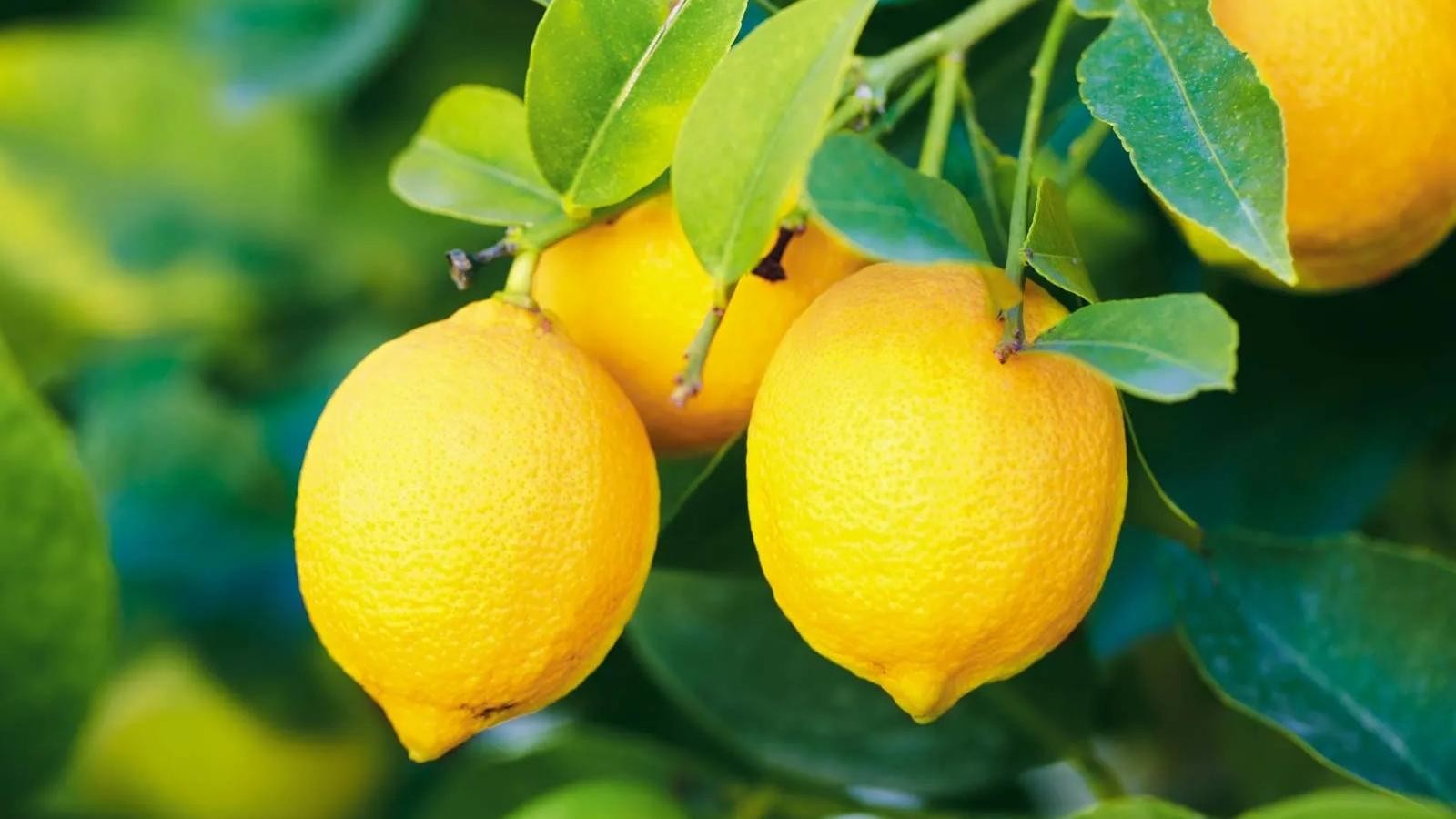
A suitable flower pot is the guarantee for the healthy growth of the lemon tree root system. It is recommended to choose a flower pot with a diameter of 25-35 cm and a depth of 30-40 cm. In terms of material, a clay pot or a purple sand pot with good air permeability is better, which can effectively avoid water accumulation. If a plastic pot is used, it is necessary to make more drainage holes at the bottom to enhance drainage.
In terms of soil, lemon trees grow best in loose, fertile, well-drained and slightly acidic soil. You can mix leaf mold, garden soil, peat soil and perlite in a ratio of 3:2:2:1, and add an appropriate amount of decomposed organic fertilizer, such as chicken manure, sheep manure, etc., about 2-3 kg per pot to increase soil fertility, adjust soil pH, and create a suitable growth environment for lemon trees.
2. Daily maintenance and management
Light and temperature
Lemon trees are light-loving plants that need at least 6-8 hours of sufficient light every day. It is best to place them in a south-facing balcony, window or courtyard with good light. When the temperature is high in summer, shade them appropriately at noon to avoid direct sunlight from burning leaves and fruits. You can use a shade net and control the shade degree at 30%-50%. When the temperature is low in winter, lemon trees are not cold-resistant. When the temperature is below 5℃, they need to be moved to a warm place indoors in time to keep the indoor temperature above 5-10℃ to prevent frost damage.
Watering and fertilization
Watering follows the principle of "see dry and see wet". Water thoroughly each time, and wait until the soil surface is dry before watering again. Water every 2-3 days in spring and autumn; water once in the morning and evening every day when the temperature is high and the water evaporates quickly in summer; water once every 7-10 days in winter when the growth is slow. When watering, try to keep the water temperature close to the room temperature to avoid excessive temperature differences that may stimulate the root system. To determine the dryness and wetness of the soil, insert your finger 2-3 cm into the soil. If it feels dry, water it. You can also use a soil moisture meter to assist in the judgment.
In terms of fertilization, during the vigorous growth period (March-September), apply thin liquid fertilizer every 15-20 days, such as decomposed cake fertilizer water, with a dilution ratio of 1:10-1:15. Before flowering, add phosphorus and potassium fertilizers. You can use potassium dihydrogen phosphate, diluted into a 0.2%-0.3% solution for foliar spraying or root irrigation, once every 7-10 days to promote flower bud differentiation and flowering and fruiting. During the fruiting period, apply compound fertilizer 1-2 times, with a dosage of 10-15 grams per pot, to ensure the nutrients required for fruit growth. Stop fertilizing in winter to avoid fertilizer damage.
Pruning and shaping
Pruning is an important means to maintain the good shape of potted lemon trees and promote growth and fruiting. During the sapling stage, shaping is the main method. When the lemon tree grows to 30-40 cm in height, the trunk is fixed, and 3-4 evenly distributed and strong main branches are retained. 2-3 side branches are retained on each main branch. Excess branches are cut off to promote the formation of the crown.
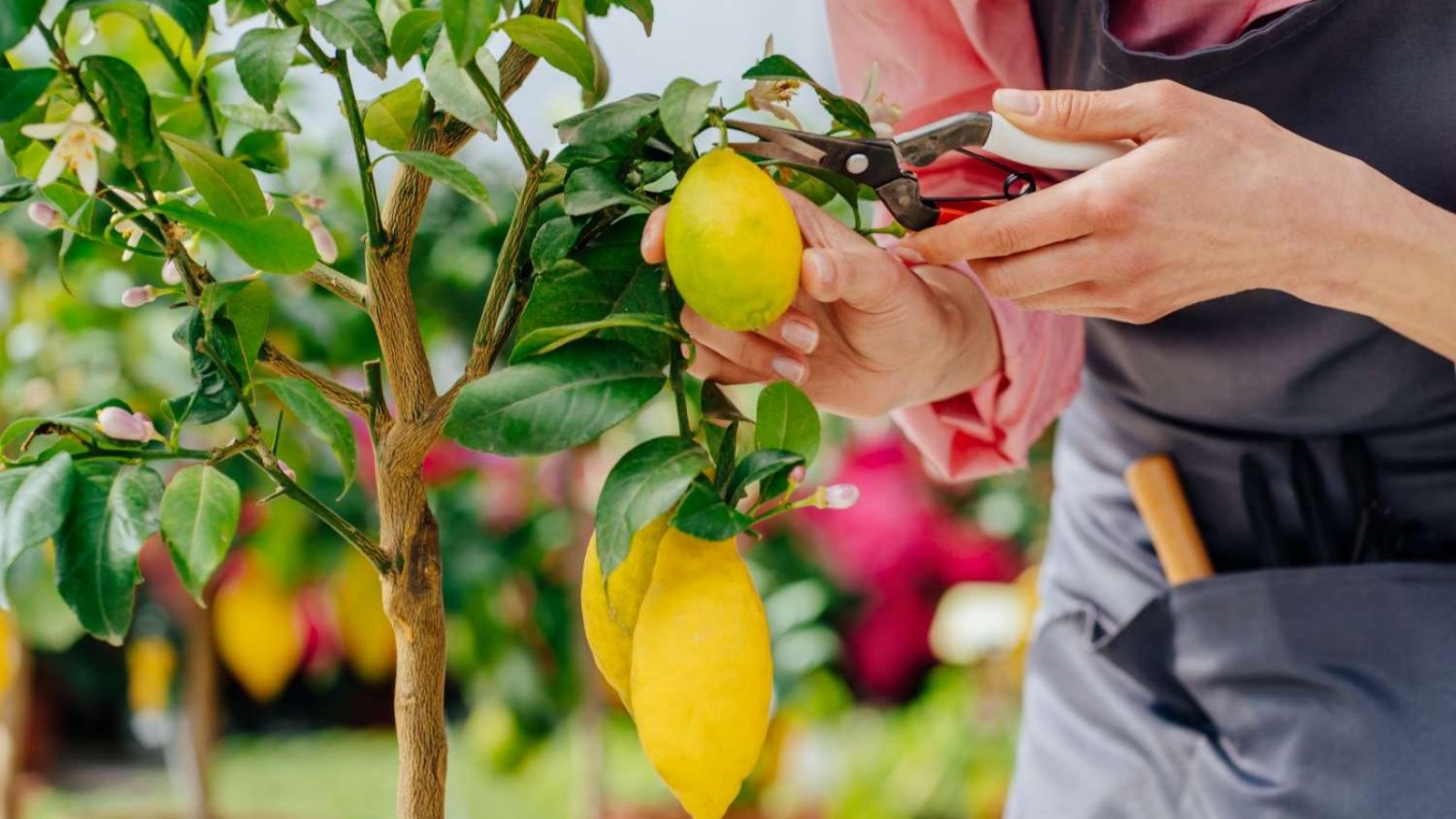
For adult tree pruning, before spring budding, dead branches, diseased branches, cross branches, overlapping branches and overly dense branches are cut off to improve ventilation and light transmission conditions. During the flowering period, excessive flower buds are removed in time, and 2-3 strong flower buds are retained on each fruiting branch to reduce nutrient consumption. During the fruit expansion period, underdeveloped, undersized or deformed fruits are removed to ensure fruit quality. The wounds after pruning can be coated with plant ash or healing agents to prevent infection with bacteria.
3. Disease and Pest Control
Common diseases and prevention and control
Common diseases of lemon trees include anthracnose and scab. In the early stage of anthracnose, brown spots appear on the leaves, and the spots expand in the later stage, causing the leaves to wither and fall off. When preventing and controlling, remove diseased leaves and branches in time, and strengthen ventilation and light transmission; spray 70% methyl thiophanate wettable powder 800-1000 times diluted in the early stage of the disease, spray once every 7-10 days, and spray 2-3 times continuously.
Scab will cause spots on leaves and fruits, affecting the quality of the fruit. The prevention and control method is to spray 0.5%-0.8% Bordeaux mixture once during the spring shoot germination period and when 2/3 of the flowers have fallen, or spray 50% carbendazim wettable powder 800 times diluted for prevention and treatment.
Common Pests and Control
The main pests are red spiders and aphids. Red spiders feed on leaf juice, causing the leaves to turn yellow and curl. When a small number of red spiders are found, wipe the leaves with a damp cloth; when the pest is serious, spray 20% dicofol emulsifiable concentrate at a dilution of 1000-1500 times for prevention and control, spray once every 5-7 days, and spray 2-3 times in a row.
Aphids gather on tender shoots and leaves, hindering the growth of plants. Yellow sticky insect boards can be used to trap and kill aphids; 10% imidacloprid wettable powder at a dilution of 2000 times can also be used for spraying prevention and control, spray once every 7-10 days, and spray 2-3 times in a row.
4.Fruit Harvest and Management
When the lemon fruit is fully expanded, the color changes from green to yellow, and the peel is shiny, it can be harvested. When harvesting, use scissors to cut the fruit from the fruit stalk to avoid damaging the branches. If the harvested fruit is not eaten immediately, it can be stored in a cool, dry, ventilated place, or processed, such as making lemon juice, lemon jam, etc.
Maintaining potted lemon trees requires patience and care, from variety selection to daily management, to pest control and fruit harvesting, every link cannot be ignored. As long as you master these maintenance techniques and take good care of them, your potted lemon tree will be lush and fruitful, adding a touch of freshness and sweetness to your life.
Advertisement
Learn More
-

- October 20,2026
- Lily Disease Guide: Whats Killing Your Lilium longiflorum and How to Stop It
-
- September 17,2026
- Wax-Leaf Privet Diseases: Identification, Treatment & Prevention Guide
-
- September 1,2026
- Vinca Minor Diseases: Identification, Treatment and Long‑Term Garden Management
-
- August 18,2026
- Tree Philodendron Diseases: Identification, Treatment and Long‑Term Prevention
-
- August 6,2026
- Common Ailments of Plantago major: Identifying, Treating and Preventing Diseases in Broadleaf Plantain
-
- July 30,2026
- Zodiac-themed Bouquets Combined with Floral Language: Different Color Schemes Create More Artistic Birthday Surprises

Advertisement
 Poisonous and danger
 Edible and medicinal
 Wild and common weed