
Matricaria chamomilla does not bloom, what is the problem?
Advertisement
Matricaria chamomilla, also known as Roman Matricaria chamomilla and German Matricaria chamomilla, has a small and cute plant shape, fresh and elegant flowers, and a faint fragrance. It not only has a high ornamental value, but is also widely used in gardening, tea, skin care products and other fields. However, in the process of planting Matricaria chamomilla, it is often encountered that the plant grows luxuriantly but does not bloom for a long time, which confuses many gardening enthusiasts and growers. This article will deeply analyze the reasons why Matricaria chamomilla does not bloom from multiple aspects, and provide corresponding solutions to help everyone make Matricaria chamomilla bloom beautiful flowers.
1. Improper variety selection
(I) Cause analysis
There are many varieties of Matricaria chamomilla, and different varieties have certain differences in their requirements for growth environment and flowering conditions. Some varieties may be more suitable for flowering under specific climate, soil and other conditions. If the selected variety does not match the local planting environment, it may lead to non-flowering. For example, some varieties require a longer sunshine time to induce flower bud differentiation, while some varieties are not sensitive to sunshine duration. If you plant varieties that require long days in short-day areas, or if you plant varieties that are not cold-resistant in cold areas, it may affect the flowering of Matricaria chamomilla.
(II) Solutions
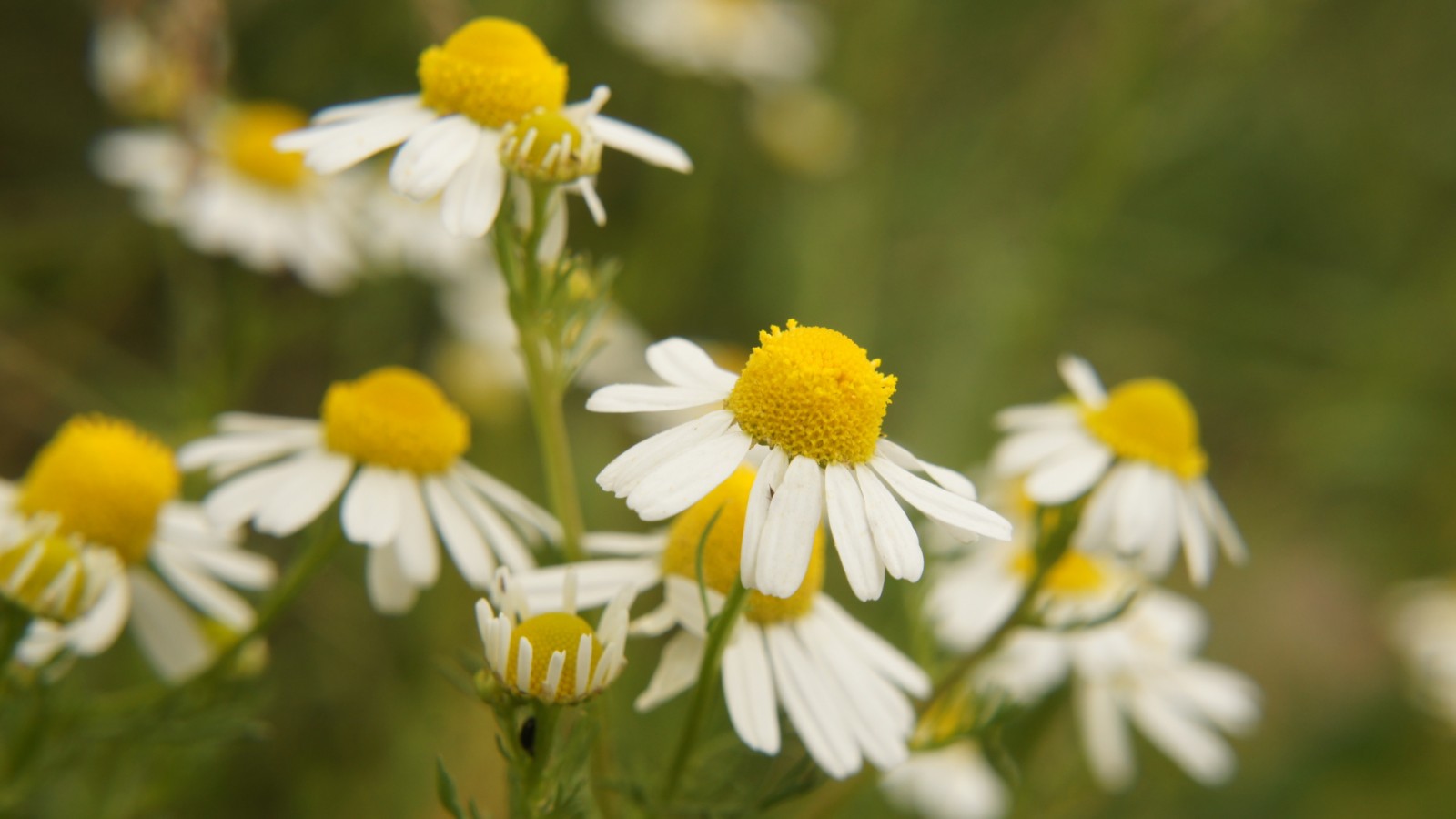
Before planting Matricaria chamomilla, you must fully understand the characteristics and growth requirements of different varieties. According to local climatic conditions (such as temperature, light duration, rainfall, etc.), soil conditions (such as soil type, fertility, pH, etc.) and planting purposes (whether for viewing, tea or other purposes), choose varieties suitable for local planting. You can consult local horticultural experts and flower growers, or refer to reliable horticultural information to select Matricaria chamomilla varieties that have been verified in practice, suitable for the local environment and easy to bloom, such as the common Roman Matricaria chamomilla, German Matricaria chamomilla and other varieties, which are generally easier to bloom under suitable conditions.
2. Insufficient light
(I) Cause analysis
Matricaria chamomilla is a light-loving plant, and sufficient light is one of the important conditions for its flowering. Light not only provides energy for the photosynthesis of Matricaria chamomilla, promotes plant growth and nutrient accumulation, but also affects flower bud differentiation and flowering time. If the planting environment does not have enough light, such as being in the shade of trees for a long time, being blocked by buildings, or the planting density is too high, resulting in mutual shading between plants, the photosynthesis of Matricaria chamomilla will be inhibited, the plant will grow weak, the leaves will turn yellow and thin, and the flower bud differentiation will be blocked, resulting in no flowering or sparse flowering.
(II) Solution
Choose a suitable planting location: Plant Matricaria chamomilla in a place with sufficient light, ensuring at least 6-8 hours of direct sunlight every day. When planting in the courtyard, choose a sunny plot and avoid planting in the shadow of tall trees or buildings. When planting on a balcony or indoors, it can be placed on a south-facing or east-facing windowsill or balcony to ensure sufficient light.
Reasonable close planting: According to the characteristics and growth habits of Matricaria chamomilla varieties, the planting density should be reasonably determined. Generally speaking, the plant spacing is kept at about 20-30 cm, and the row spacing is 30-40 cm to avoid plants being too dense and shading each other. For plants that have been planted too densely, thinning or transplanting should be carried out in time, adjusting the plant spacing and improving the lighting conditions.
3. Temperature discomfort
(I) Cause analysis
Matricaria chamomilla likes warm climates, and the suitable temperature for growth is 15-25℃. Too high or too low temperature will have an adverse effect on its growth and flowering. When the temperature is higher than 30℃, the growth of the plant will be inhibited, the leaves are prone to yellowing and withering, the differentiation of flower buds is hindered, and the flowering is delayed or does not bloom; when the temperature is lower than 5℃, the plant grows slowly and may even suffer frost damage, and the flower buds may be frostbitten, resulting in failure to bloom. In addition, too large or too small a temperature difference between day and night may also affect the flowering of Matricaria chamomilla. A suitable temperature difference between day and night helps the plant accumulate nutrients and promote flower bud differentiation.
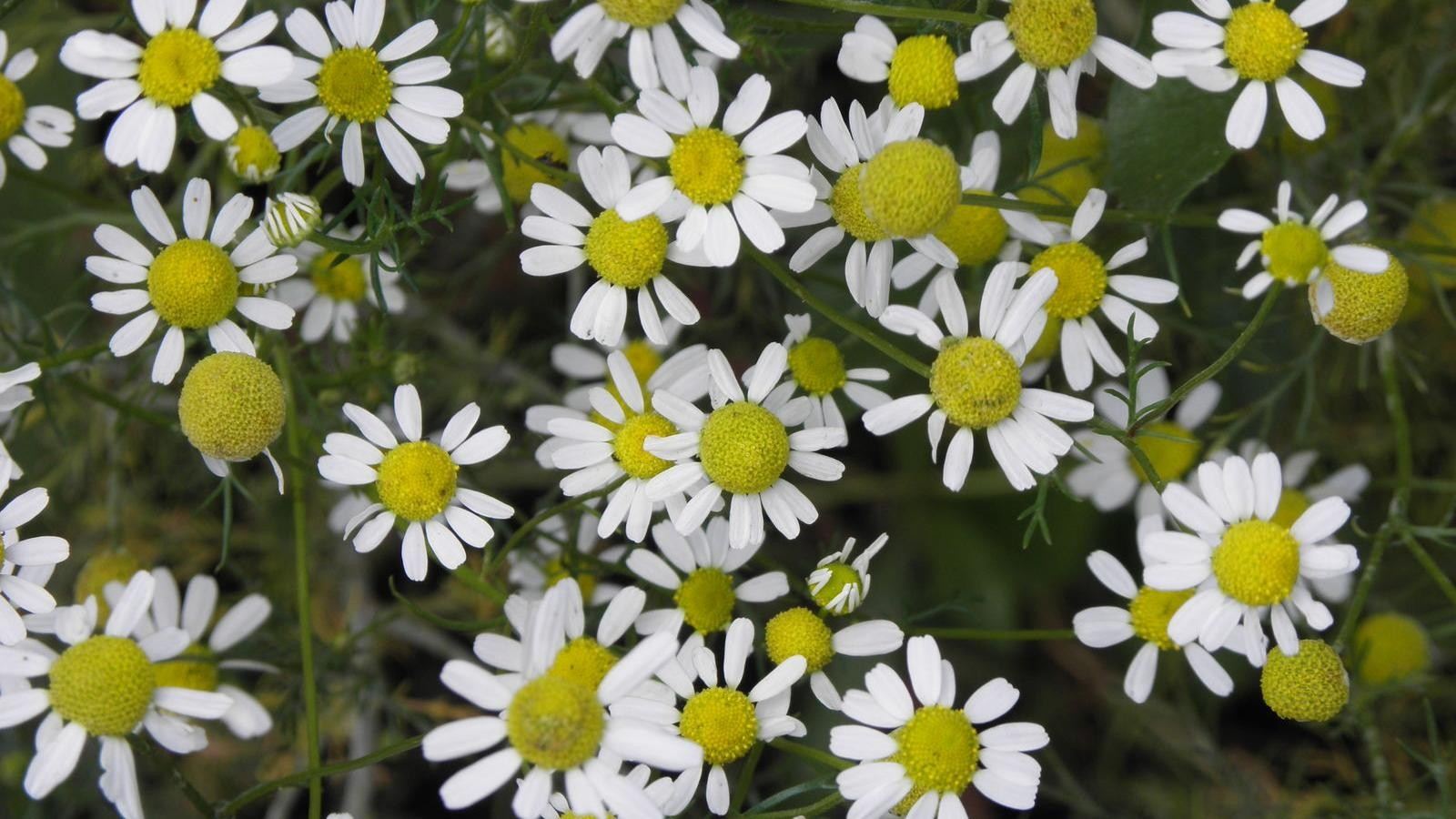
(II) Solutions
Control the temperature of the planting environment: In high temperatures in summer, measures such as shading, water spraying, and ventilation can be taken to reduce the temperature of the planting environment. For example, a sunshade net can be built in the planting area to block part of the sunlight and reduce the high temperature caused by direct sunlight; water can be sprayed around the plant regularly to reduce the temperature through water evaporation; ventilation can be strengthened to promote air circulation and take away excess heat. In cold winters, the temperature of the planting environment can be increased by covering with insulation materials (such as straw, mulch, cold-proof cloth, etc.), building greenhouses or sheds, etc., to protect the plants from frost damage. For potted Matricaria chamomilla, it can be moved to a warm and sunny place indoors in winter for maintenance, keeping the temperature above 5°C.
Choose a suitable planting time: According to local climatic conditions, choose a suitable planting time to avoid planting Matricaria chamomilla in extreme temperature seasons. Generally speaking, spring and autumn are the best times to plant Matricaria chamomilla, as the temperature is just right for plant growth and flowering.
4. Poor soil conditions
(I) Cause analysis
Soil is the basis for the growth of Matricaria chamomilla. The soil fertility, pH, air permeability and drainage directly affect the growth and flowering of the plant.
Insufficient soil fertility: If the soil is poor and lacks necessary nutrients (such as nitrogen, phosphorus, potassium, calcium, magnesium, etc.), Matricaria chamomilla plants will grow thin, the leaves will turn yellow, and the flower bud differentiation will lack sufficient nutrient support, resulting in no flowering or poor flowering quality.
Unsuitable soil pH: Matricaria chamomilla is suitable for growing in slightly acidic to neutral soils, and the soil pH value is more suitable between 6.0-7.0. If the soil is too acidic (pH value is lower than 6.0) or too alkaline (pH value is higher than 7.0), it will affect the root system's absorption and utilization of nutrients, resulting in poor plant growth and difficulty in flowering.
Poor soil permeability and drainage: Matricaria chamomilla has a shallow root system and is not tolerant to waterlogging. If the soil is heavy, compacted, and has poor air permeability and drainage, it is easy to cause root hypoxia and rot, affecting the normal growth and flowering of the plant.
(II) Solutions
Improve soil fertility: Before planting Matricaria chamomilla, improve the soil. You can apply well-rotted organic fertilizers (such as compost, manure, chicken manure, etc.) to increase the organic matter content of the soil and improve soil fertility. Organic fertilizers can not only provide comprehensive nutrients for plants, but also improve soil structure and enhance the soil's ability to retain water and fertilizer. During the growth period of the plant, topdressing should be done in time according to the growth situation. Nitrogen, phosphorus and potassium compound fertilizers can be applied to promote plant growth and flower bud differentiation. When topdressing, pay attention to thin fertilizers and frequent application to avoid excessive fertilization and root burn.
Adjust soil pH: If the soil is too acidic, apply an appropriate amount of lime powder or wood ash to increase the soil pH; if the soil is too alkaline, apply sulfur powder or well-rotted organic fertilizers (such as pine needles, sawdust, etc.) to reduce the soil pH. When adjusting the soil pH, do it gradually to avoid over-adjustment at one time, which will affect plant growth. After adjustment, you can use pH test paper or soil pH tester to test the soil pH value to ensure that it is within the appropriate range.
Improve soil permeability and drainage: For heavy clay soil, you can add appropriate amounts of river sand, perlite, decomposed sawdust, etc. to improve soil structure and increase soil permeability and drainage. When planting, you can use high ridges or ridges to improve soil drainage and avoid water accumulation.
5. Improper water management
(I) Cause analysis
Matricaria chamomilla has a moderate demand for water and is neither drought-resistant nor waterlogged.
Insufficient watering: If watering is insufficient for a long time, the soil will be dry, the growth of the plant will be inhibited, the leaves will curl and turn yellow, and the differentiation of flower buds will be blocked, resulting in no flowering or delayed flowering.
Excessive watering: Excessive watering or poor soil drainage will cause the root system to be in a state of waterlogging for a long time, causing root rot, reduced ability to absorb water and nutrients, weak plant growth, and inability to bloom normally.
(II) Solution
Reasonable watering: Water according to the dry and wet conditions of the soil and weather conditions. Generally speaking, it is advisable to keep the soil moist but not waterlogged. In spring and autumn, the temperature is suitable and the plant grows vigorously, so the number of watering can be appropriately increased; in summer when the temperature is high, the water evaporates quickly, so water can be applied in the morning and evening, and avoid watering at noon; in winter when it is cold, reduce the number of watering and keep the soil slightly dry. When watering, be careful to avoid watering the leaves and flowers to avoid causing diseases.
Strengthen drainage: If the planting area is prone to water accumulation, drainage measures should be taken in time, such as digging drainage ditches and laying drainage pipes, to ensure that excess water can be discharged in time. For potted Matricaria chamomilla, choose a flowerpot with drainage holes at the bottom. A layer of broken tiles or expanded clay can be placed at the bottom of the pot to improve drainage.
6. Unreasonable fertilization
(I) Cause analysis
Fertilization is an important guarantee for the growth and flowering of Matricaria chamomilla, but improper fertilization will lead to unbalanced plant growth and affect flowering.
Too much nitrogen fertilizer: During the growth of the plant, if too much nitrogen fertilizer is applied, the plant will grow too long, the branches and leaves will be lush, but the differentiation of flower buds will be inhibited, and the phenomenon of only growing leaves but not flowering will occur.
Lack of phosphorus and potassium fertilizers: Phosphorus and potassium fertilizers play a key role in flower bud differentiation and flowering. When phosphorus and potassium fertilizers are lacking, the root system of the plant is poorly developed, and it is difficult to bloom. Even if it blooms, the flowers are small, the color is dull, and the flowering period is short.
Improper fertilization time: Matricaria chamomilla has different fertilizer requirements at different growth stages. If too much nitrogen fertilizer is applied during the flower bud differentiation period, or too much fertilizer is applied during the flowering period, it will have an adverse effect on flowering.
(II) Solution
Reasonable fertilizer matching: Follow the principle of "combination of nitrogen, phosphorus and potassium, and combination of organic fertilizer and inorganic fertilizer". In the early stage of plant growth, nitrogen fertilizer is mainly used to promote the growth of branches and leaves; in the flower bud differentiation period and before flowering, increase the application of phosphorus and potassium fertilizers, such as potassium dihydrogen phosphate, superphosphate, etc., to promote flower bud differentiation and flowering. At the same time, regularly apply decomposed organic fertilizer to improve the soil environment and provide comprehensive nutrition for the plant.
Master the time and method of fertilization: When planting Matricaria chamomilla, the base fertilizer should be sufficient, mainly decomposed organic fertilizer. During the growth period, topdressing should be timely and appropriate, generally applying thin fertilizer every 10-15 days. During the flower bud differentiation period, 0.2%-0.3% potassium dihydrogen phosphate solution can be sprayed on the leaves to promote flower bud differentiation. When applying fertilizer, be careful to avoid contact between fertilizer and the roots and leaves of the plant to avoid burning the roots or leaves.
7. Untimely pruning
(I) Cause analysis
Matricaria chamomilla has a strong branching ability. If it is not pruned in time, the plant will grow too densely, the branches and leaves will be intertwined, and a large amount of nutrients will be consumed, resulting in a lack of sufficient nutrient supply for flower bud differentiation. At the same time, the ventilation and light conditions will deteriorate, which is easy to cause diseases and pests and affect flowering. In addition, for some perennial Matricaria chamomilla, old and weak branches will consume nutrients, inhibit the growth of new branches and flower bud differentiation, resulting in no flowering or reduced flowering.
(II) Solution
Timely pruning: During the growth period of Matricaria chamomilla, it is necessary to pinch and prune in time to promote branch growth, control plant height, and improve ventilation and light conditions. When the plant grows to 10-15 cm in height, the first pinching is performed to remove the top growth point to promote the germination of side branches; when the side branches grow to a certain length, the second pinching can be performed to make the plant fuller. After flowering, cut off the remaining flowers and dead branches in time to avoid nutrient waste and promote the formation of new flower buds. For the perennial Matricaria chamomilla, a heavy pruning is performed before germination in spring every year to cut off old branches, weak branches and diseased and insect-infested branches, retain strong branches, and lay the foundation for new growth and flowering.
Reasonably control the plant density: through pruning, keep a certain distance between plants to ensure that each Matricaria chamomilla can get sufficient light and nutrients to avoid overcrowding that affects flowering.
8. Pest and disease invasion
(I) Cause analysis
Pests and diseases are one of the important factors affecting the flowering of Matricaria chamomilla. Common diseases include powdery mildew, gray mold, root rot, etc. These diseases will harm the leaves, stems and roots of the plant, causing the plant to grow weak, photosynthesis to be blocked, flower bud differentiation to be affected, and thus no flowering or reduced flowering quality. Common pests include aphids, red spiders, thrips, etc., which will suck the sap of the plant, causing the leaves to curl, turn yellow, and fall off. In severe cases, the plant will die and will not be able to bloom.
(II) Solution
Prevention is the priority: Strengthen planting management, keep the planting environment clean and hygienic, remove weeds and fallen leaves in time, and reduce the breeding grounds for pests and diseases. Reasonable dense planting, strengthen ventilation and light transmission, reduce air humidity, and create environmental conditions that are not conducive to the occurrence of pests and diseases. Before planting, disinfect the soil and seeds. For example, the soil can be exposed to high temperature or disinfected with pesticides, and the seeds can be soaked in warm water or mixed with pesticides to reduce the infection source of pests and diseases.
Timely prevention and control: Once pests and diseases are found, timely prevention and control measures should be taken. For diseases, appropriate pesticides can be selected according to the type of disease for prevention and control. For example, powdery mildew can be sprayed with pesticides such as fenbuconazole and methyl thiophanate; gray mold can be sprayed with pesticides such as cyproconazole and procymidone; root rot can be irrigated with pesticides such as carbendazim and benomyl. For insect pests, a combination of physical prevention and control (such as manual killing, hanging yellow board trapping, etc.) and chemical prevention and control can be used. For example, aphids can be sprayed with pesticides such as imidacloprid and acetamiprid; red spiders can be sprayed with pesticides such as avermectin and pyridamole. When using pesticides, strictly follow the instructions, pay attention to the concentration and number of uses of the pesticide, and avoid pesticide damage and resistance.
9. Growth cycle has not yet arrived
(I) Cause analysis
Matricaria chamomilla requires a certain growth cycle from sowing to flowering. Different planting methods (such as sowing, cuttings, division, etc.) and varieties will also have different growth cycles. If the planting time is short, the plant is still in the vegetative growth stage and has not yet reached the physiological maturity stage of flowering, it will not bloom. In addition, for some perennial Matricaria chamomilla, in the first year after planting, it may not bloom or bloom less because the root system is not fully developed and the plant grows weakly.
(II) Solution
Be patient and wait for the plant to grow and mature, and don't rush for success. During the growth period of the plant, do a good job of various management work, such as reasonable watering, fertilization, pruning, prevention and control of diseases and pests, etc., to promote the healthy growth of the plant, accumulate sufficient nutrients, and enter the flowering stage as soon as possible. For perennial Matricaria chamomilla, when planting in the first year, it is necessary to focus on the cultivation of the root system and strengthen management to lay a good foundation for flowering in the second year.
In short, the failure of Matricaria chamomilla to bloom may be caused by a combination of factors. During the planting process, we should carefully observe the growth of the plant, analyze possible problems, and take targeted solutions. At the same time, we should master the growth habits and planting techniques of Matricaria chamomilla, create a suitable growth environment, and do a good job of daily management, so that Matricaria chamomilla can bloom smoothly and bloom beautiful flowers, adding color and fragrance to our lives.
Advertisement
Learn More
-

- October 20,2026
- Lily Disease Guide: Whats Killing Your Lilium longiflorum and How to Stop It
-
- September 17,2026
- Wax-Leaf Privet Diseases: Identification, Treatment & Prevention Guide
-
- September 1,2026
- Vinca Minor Diseases: Identification, Treatment and Long‑Term Garden Management
-
- August 18,2026
- Tree Philodendron Diseases: Identification, Treatment and Long‑Term Prevention
-
- August 6,2026
- Common Ailments of Plantago major: Identifying, Treating and Preventing Diseases in Broadleaf Plantain
-
- July 30,2026
- Zodiac-themed Bouquets Combined with Floral Language: Different Color Schemes Create More Artistic Birthday Surprises
Advertisement
 Poisonous and danger
 Edible and medicinal
 Wild and common weed