
Mottled Leaves Tie-Dye? Mosaic Virus Can’t Be Cured But It Can Be Contained!
Advertisement
If your plant’s leaves begin showing strange “mottled patterns,” like someone spilled a paint palette on them, don’t celebrate just yet—this might not be a fancy new variegated variety. Instead, your plant may be suffering from Mosaic Virus, a persistent and widespread plant disease.Caused by various viruses, this condition is common in gardens and greenhouses worldwide. Unlike insect infestations, mosaic virus isn’t always obvious at first, but it slowly saps your plant’s energy, hinders flowering and fruiting, and in severe cases, leaves no option but to discard the plant.
What Is Mosaic Virus?
Mosaic virus is a group of viral diseases caused by different pathogens, including Cucumber Mosaic Virus (CMV), Tobacco Mosaic Virus (TMV), and Tomato Mosaic Virus (ToMV). Infected plants develop mottled green and light-colored leaf patterns, crinkled edges, or distorted growth. Though they might appear decorative, these markings are actually a result of tissue damage and abnormal pigment metabolism. Unfortunately, there is no cure, and management focuses solely on prevention and containment.
Where Does It Commonly Occur?
Mosaic virus can strike in almost any region but tends to flourish under the following conditions:
Temperate and subtropical climates during spring and summer: Warm and humid weather accelerates virus replication and insect vector populations.
Greenhouses and dense planting areas: Close contact between plants facilitates rapid virus transmission.
Regions with heavy planting of susceptible species: Such as vegetable seedbeds or tobacco fields.
Additionally, the virus can spread through seeds, soil, tools, and even bare hands—meaning both indoor and outdoor plants are at risk once exposed.
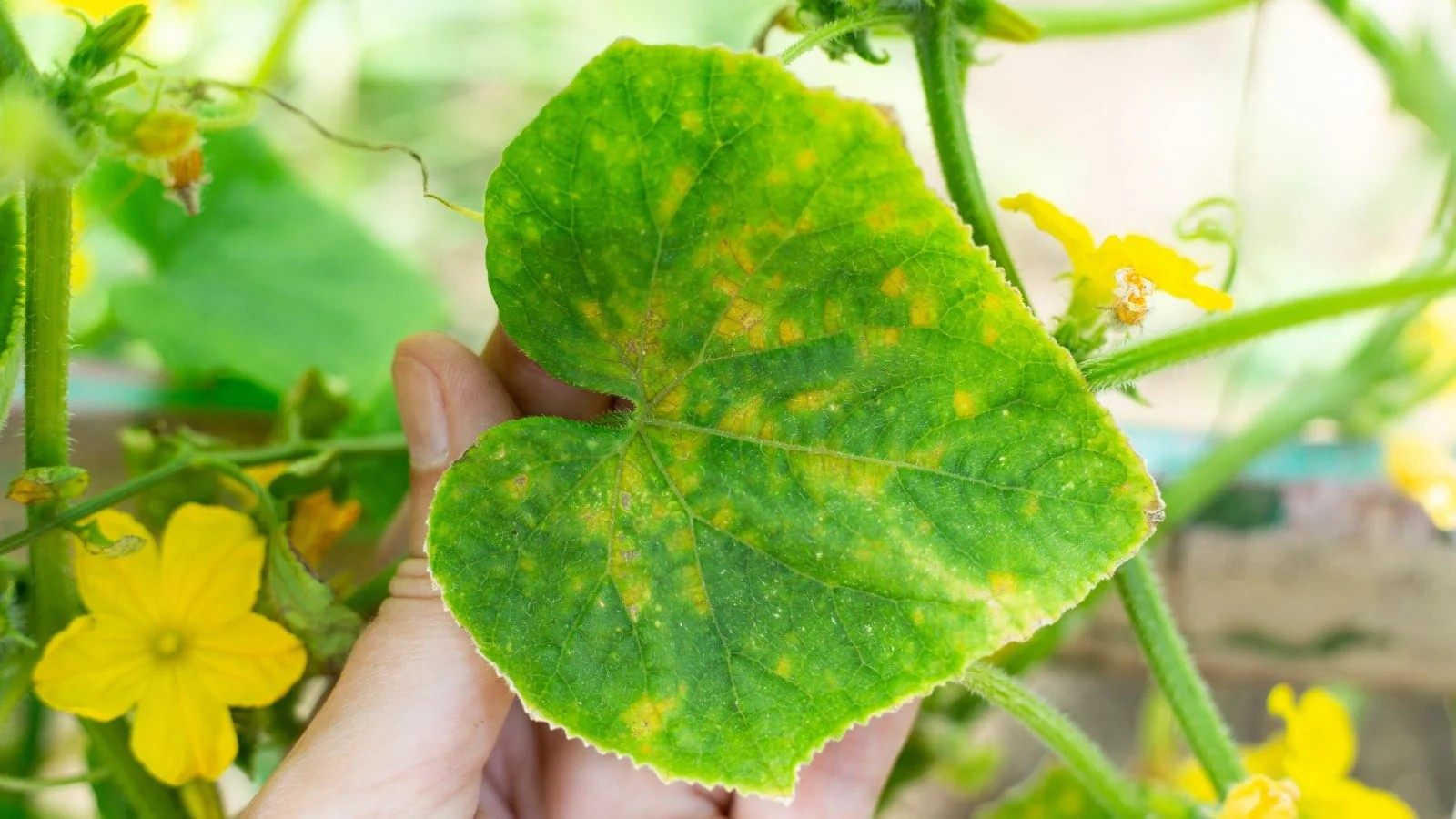
Which Plants Are Most Susceptible?
The virus has an exceptionally wide host range. Particularly vulnerable groups include:
Fruits and vegetables: Tomatoes, peppers, cucumbers, squash, melons, and legumes.
Ornamental plants: Geraniums, morning glories, chrysanthemums, dahlias, and begonias.
Potted greenery: Ivy, rubber plants, mint, and bromeliads.
Flowering annuals: Marigolds, salvias, violets, and more.
Mosaic viruses are primarily spread by aphids, thrips, nematodes, and contaminated pruning tools. A single infected plant can quickly lead to an outbreak in a closely planted area.
What Causes Mosaic Virus to Spread?
While the virus itself is the root cause, environmental and cultivation conditions heavily influence its spread and severity:
High Humidity: Encourages the proliferation of sap-sucking insects like aphids, which are primary vectors.
Warm Climates with Big Temperature Swings: These conditions weaken plant immunity, making them more susceptible to viral invasion.
Nutrient Imbalance: Overuse of nitrogen or lack of micronutrients causes softer tissues, which are easier for viruses to penetrate.
Poor Air Circulation: Increases insect congregation and makes it easier for viruses to transmit.
Frequent Pruning or Transplanting: Without disinfecting tools, this can spread the virus from plant to plant.
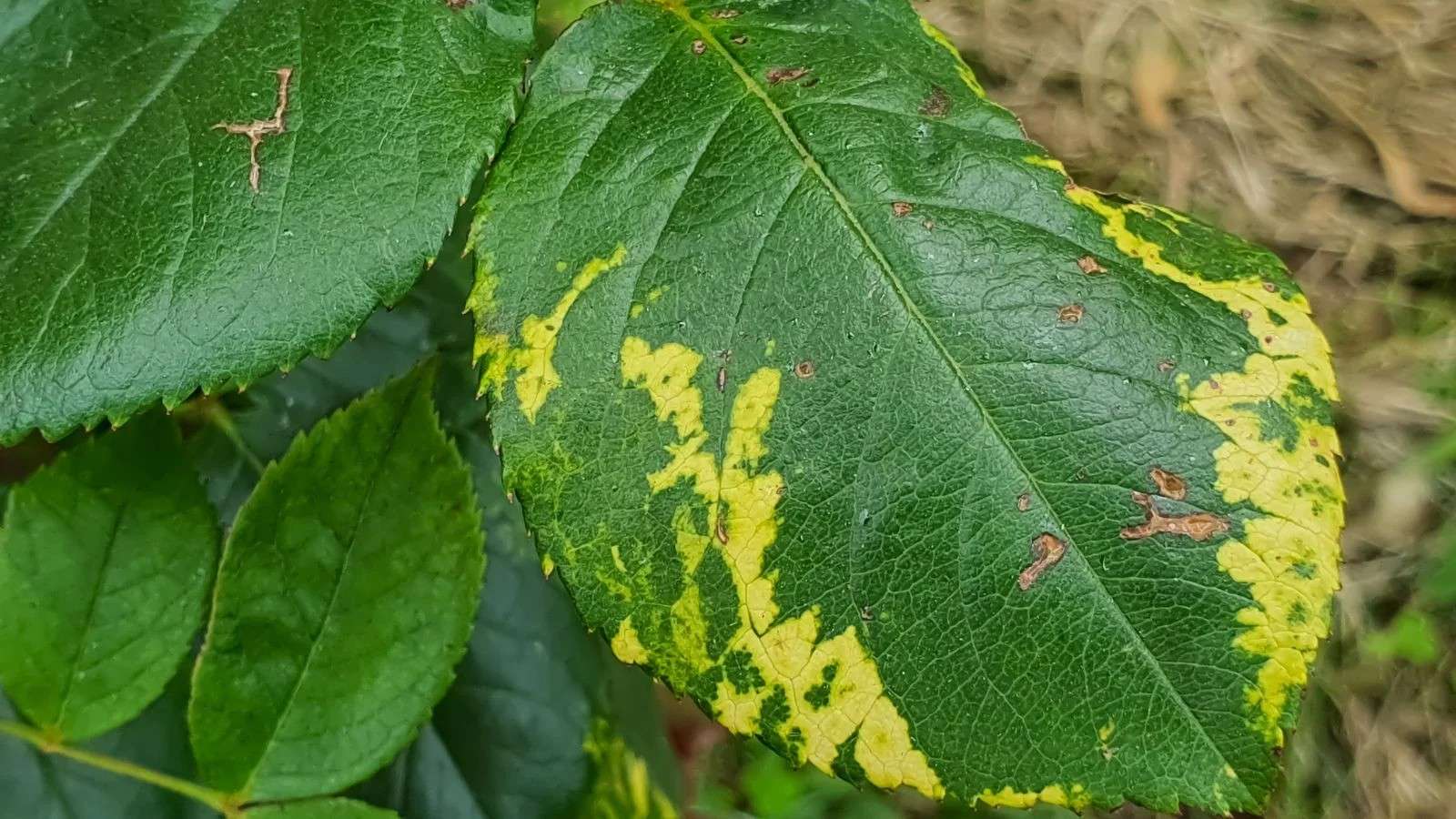
What Are the Symptoms of Mosaic Virus?
Symptoms vary depending on the plant and specific virus strain, but common signs include:
Leaves (most noticeable):Light and dark green mottled patterns.Translucent veins, wrinkled edges, curled or distorted leaves.Yellowing with green patches forming a stark contrast.
Stems:Slowed growth, shortened internodes in new growth.Water-soaked streaks or soft rot due to damaged vascular tissue
Flowers & Fruits:Faded flower colors or unusual streaks.Misshapen, shriveled, underdeveloped fruits that may fall off prematurely.In tomatoes, you may see dark spots or partial rot on the fruit
Roots:Rarely affected directly, but long-term infection can stunt root development.
How to Control and Prevent Mosaic Virus?
Since there's no cure for mosaic virus, early prevention and isolation are key to protecting your garden. Here's how to do it effectively:
1.Managing Infected Plants
Isolate Immediately: Remove any suspect plants from your garden or growing area as soon as possible.
Remove Severely Affected Plants: If multiple plants are infected or symptoms are advanced, it's best to discard the entire plant—preferably by burning or sealing it in a bag.
Prune Affected Leaves: For light infections, remove symptomatic leaves, but always disinfect tools and wash your hands thoroughly.
2.Environmental & Cultivation Practices
Pest Control Is Critical:Use yellow sticky traps or reflective mulch to deter aphids.Apply biological agents like Bacillus thuringiensis (Bt) or horticultural oils to control insect vectors.
Tool Sanitation:Disinfect pruning tools after every use with alcohol or diluted bleach to prevent spreading the virus.
Avoid Monoculture and Overcrowding:Repeated planting of the same species encourages virus buildup in soil and pests.Maintain sufficient spacing to reduce contact-based transmission.
Healthy Seed and Plant Selection:Use certified virus-free seeds and disease-inspected seedlings to prevent introduction of the virus.
Balanced Fertilization:Avoid excessive nitrogen and supplement with potassium and calcium to strengthen plant immunity.
The mottled patterns of mosaic virus may look stunning at first glance—but they’re the plant’s cry for help, not a sign of rare beauty. This incurable disease is a ticking time bomb in any garden or greenhouse. However, by adopting proactive management, strict hygiene, and a prevention-first mindset, you can reduce the risk and preserve a thriving, virus-free growing space.
Advertisement
Learn More
-

- October 20,2026
- Lily Disease Guide: Whats Killing Your Lilium longiflorum and How to Stop It
-
- September 17,2026
- Wax-Leaf Privet Diseases: Identification, Treatment & Prevention Guide
-
- September 1,2026
- Vinca Minor Diseases: Identification, Treatment and Long‑Term Garden Management
-
- August 18,2026
- Tree Philodendron Diseases: Identification, Treatment and Long‑Term Prevention
-
- August 6,2026
- Common Ailments of Plantago major: Identifying, Treating and Preventing Diseases in Broadleaf Plantain
-
- July 30,2026
- Zodiac-themed Bouquets Combined with Floral Language: Different Color Schemes Create More Artistic Birthday Surprises




Advertisement




 Poisonous and danger
 Edible and medicinal
 Wild and common weed