
Peony: How to Plant and Care for It Successfully?
Advertisement
Peony is known as the "king of flowers" and is loved by gardening enthusiasts for its gorgeous flowers, rich fragrance and long life. Whether it is used as a garden focal point or cut flower decoration, peony can bring unparalleled beauty. However, to successfully grow and care for peonies, you need to master some key gardening skills.
1. Understand the varieties of peonies
Before planting peonies, you first need to understand its main varieties so that you can choose the type that best suits your garden environment. Peonies are mainly divided into three categories:
(1) Herbaceous Peonies
The most common variety, the above-ground part withers in winter and sprouts again in spring.
The flowering period is usually in late spring and early summer (May-June).
Representative varieties: 'Sarah Bernhardt' (pink double petals), 'Festiva Maxima' (white with red stripes).
(2) Tree Peonies
Wooden plants, do not wither in winter, and the plants can grow to 1-2 meters high.
The flowers are larger and bloom slightly earlier than herbaceous peonies (April-May).
Representative varieties: 'High Noon' (bright yellow), 'Shimane Chojuraku' (deep pink).
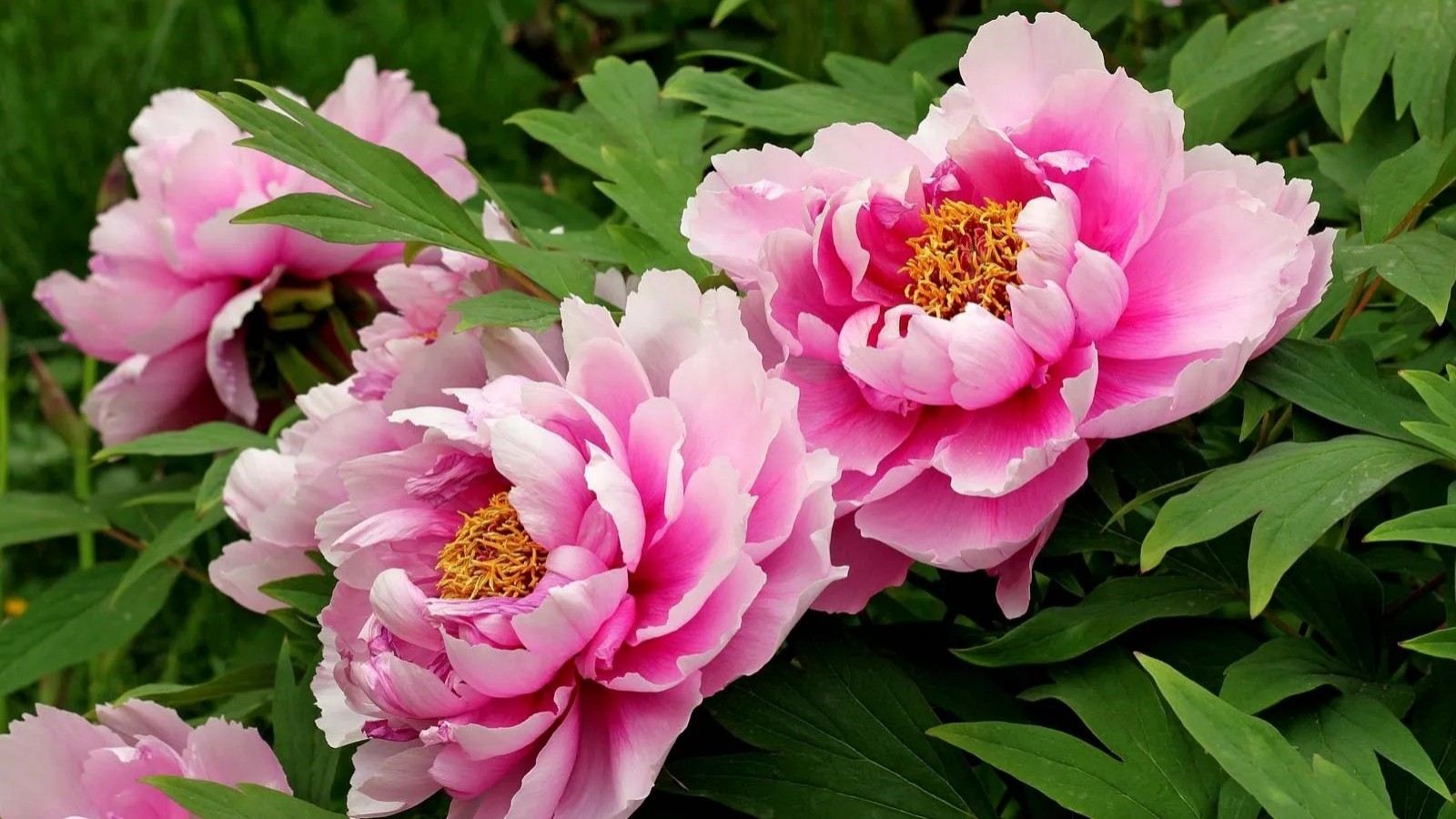
(3) Itoh Peonies
A hybrid of herbaceous and tree peonies, it combines the advantages of both.
The plant is short but the flowers are large and bloom for a long time.
Representative varieties: 'Bartzella' (lemon yellow), 'Cora Louise' (white with purple heart).
After choosing the right variety, the next step is planting.
2. How to plant peonies
(1) Choose a suitable location
Sunlight: Peonies need at least 6 hours of full sunlight per day, especially in the morning.
Soil: Prefers fertile, well-drained soil with a pH of 6.5-7.5.
Ventilation: Avoid planting in confined spaces to reduce the risk of disease.
(2) Planting time
Best planting season: Autumn (September-November), when the soil is still warm and conducive to root growth.
Spring planting: If you must plant in spring, do it as early as possible and keep the soil moist.
(3) Planting steps
Digging a hole: The depth and width should be about 50-60 cm to ensure that the roots can stretch.
Improving the soil: Mix humus, compost and a small amount of bone meal (to provide phosphorus to promote flowering).
Placement of plants:
Herbaceous peony: The bud point ("eye") should be buried 2-5 cm below the soil. Too deep may result in no flowering.
Tree peony: The grafting point should be 10-15 cm below the soil surface to promote self-rooting.
Filling and watering: Gently compact the soil, water thoroughly, and cover with a layer of organic mulch (such as pine needles or bark) to keep it moist.
3. Daily care of peony
(1) Watering
Growing period: Keep the soil moist but not waterlogged, water 1-2 times a week (depending on the weather).
After flowering: Reduce the frequency of watering to avoid root rot.
(2) Fertilization
Early spring: Apply low-nitrogen and high-phosphorus-potassium fertilizer (such as 5-10-10) to promote flowering.
After flowering: Add a balanced fertilizer (10-10-10) to help recovery.
Autumn: Use organic fertilizer (such as well-rotted compost) to enhance wintering ability.
(3) Support and pruning
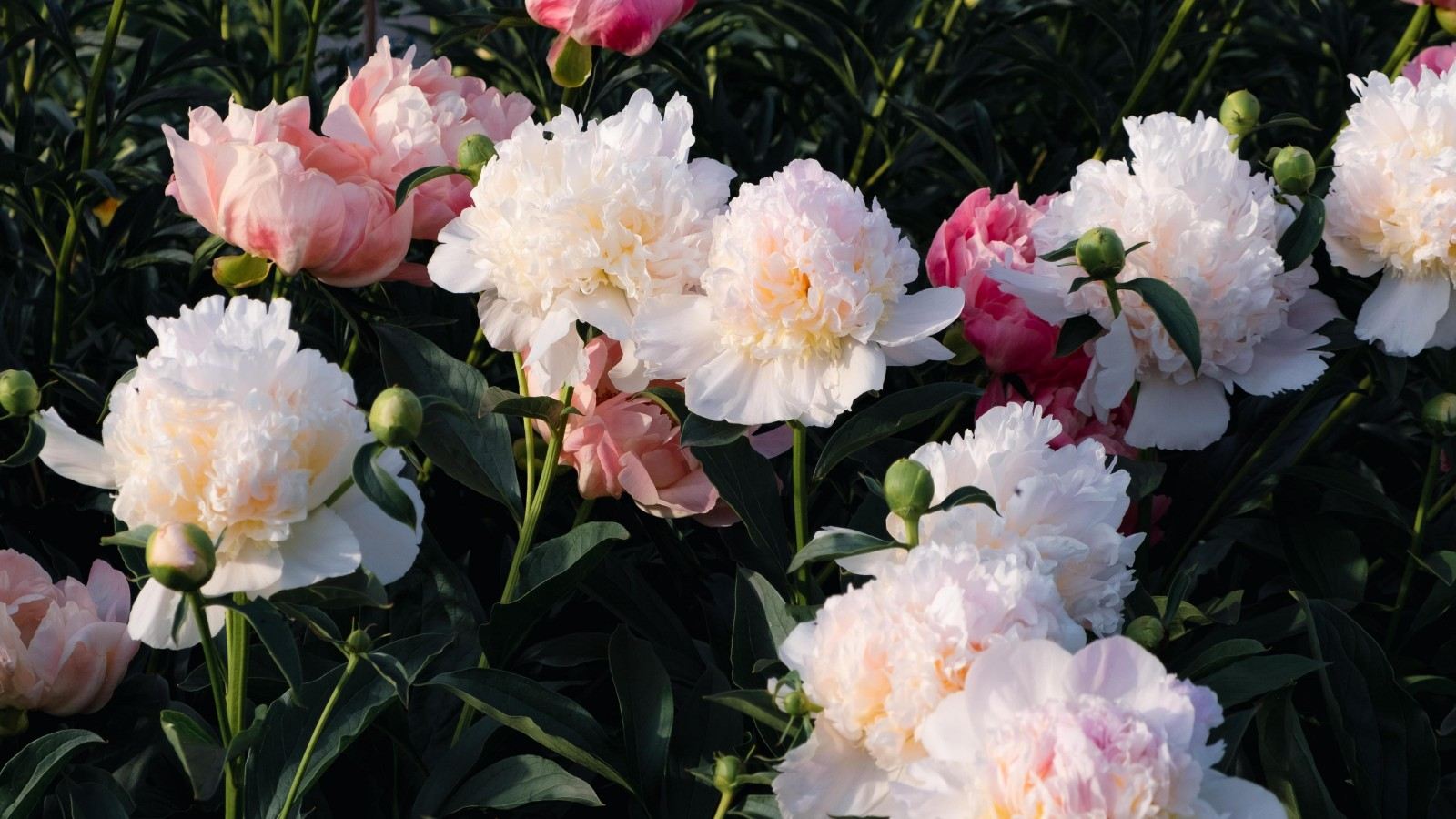
Support: Double-petal varieties are prone to lodging, so they can be supported by a circular flower rack.
Pruning:
Herbaceous peony: Cut dead branches to the ground in autumn.
Tree peony: Only lightly prune diseased and weak branches, and avoid excessive pruning that affects flowering.
(4) Disease and pest control
Common diseases:
Botrytis: Symptoms include black rot of buds and browning of petals, which can be controlled with fungicides.
Powdery mildew: If white powder appears on the leaves, improve ventilation and spray sulfur powder.
Common pests:
Aphids: Spray with soapy water or imidacloprid.
Nematodes: Rotate crops or use biological control (such as applying beneficial nematodes).
4. Tips to promote flowering of peonies
(1) Avoid planting too deep
If the buds of herbaceous peonies are buried more than 5 cm in the soil, it may lead to "blind branches" (only leaves grow but no flowers).
(2) Reasonable division
Divide every 5-10 years (in autumn) to stimulate new root growth and improve flowering quality.
(3) Remove side buds
For large-flowered varieties, the main buds at the top can be retained and the side buds can be removed to concentrate nutrients.
5. Winter protection of peonies
Herbaceous peonies: After cutting off the dead branches, cover with 5-10 cm mulch (such as straw or fallen leaves) to prevent frostbite.
Tree peonies: Wrap the stems with burlap to prevent frostbite and animal gnawing.
6. FAQ
Q1: Why does the peony not bloom?
Possible reasons: planting too deep, insufficient light, excessive nitrogen fertilizer, immature plants (newly planted peonies take 2-3 years to bloom).
Q2: What should I do if the leaves of the peony turn yellow?
Check for water shortage, iron deficiency (chelated iron fertilizer can be applied) or poor soil drainage.
Q3: Can peonies be potted?
Yes, but you need to choose a large pot (at least 40 cm in diameter), breathable soil, and ensure sufficient sunlight.
Although peonies grow slowly, once they take root, they can bloom for decades and even become heirlooms in family gardens. With the right planting methods, reasonable maintenance and patience, you can also cultivate amazing peonies. Whether as the protagonist of the garden or as a cut flower decoration, the elegance of peonies is worth your careful care.
Advertisement
Learn More
-

- October 20,2026
- Lily Disease Guide: Whats Killing Your Lilium longiflorum and How to Stop It
-
- September 17,2026
- Wax-Leaf Privet Diseases: Identification, Treatment & Prevention Guide
-
- September 1,2026
- Vinca Minor Diseases: Identification, Treatment and Long‑Term Garden Management
-
- August 18,2026
- Tree Philodendron Diseases: Identification, Treatment and Long‑Term Prevention
-
- August 6,2026
- Common Ailments of Plantago major: Identifying, Treating and Preventing Diseases in Broadleaf Plantain
-
- July 30,2026
- Zodiac-themed Bouquets Combined with Floral Language: Different Color Schemes Create More Artistic Birthday Surprises


Advertisement

 Poisonous and danger
 Edible and medicinal
 Wild and common weed