
Pest-free gardening: 6 natural insect-repellent plant combinations
Advertisement
In the world of gardening, dealing with pests can be a constant challenge. While chemical pesticides offer a quick fix, they often come with negative impacts on the environment, beneficial insects, and even human health. Embracing natural pest control through strategic plant combinations not only safeguards your garden's ecosystem but also creates a harmonious and sustainable outdoor space.
1. The Mosquito - Repellent Trio: Citronella Grass, Lavender, and Rosemary
Combination Rationale
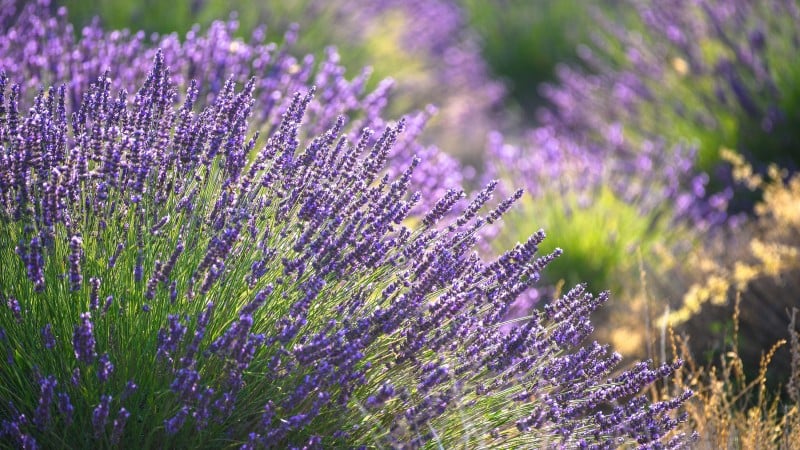
Mosquitoes are not only a nuisance during outdoor activities but also pose health risks by transmitting diseases. Citronella grass, lavender, and rosemary each possess unique scents that act as powerful mosquito deterrents. Citronella grass contains citronellal and geraniol, which are well - known for their mosquito - repelling properties. Lavender's soothing aroma and rosemary's aromatic compounds create an environment that mosquitoes find unappealing. Moreover, these plants add visual appeal to the garden with their diverse colors and forms: the tall, slender blades of citronella grass, the delicate purple spikes of lavender, and the needle - like leaves and blue - purple flowers of rosemary.
Planting Tips
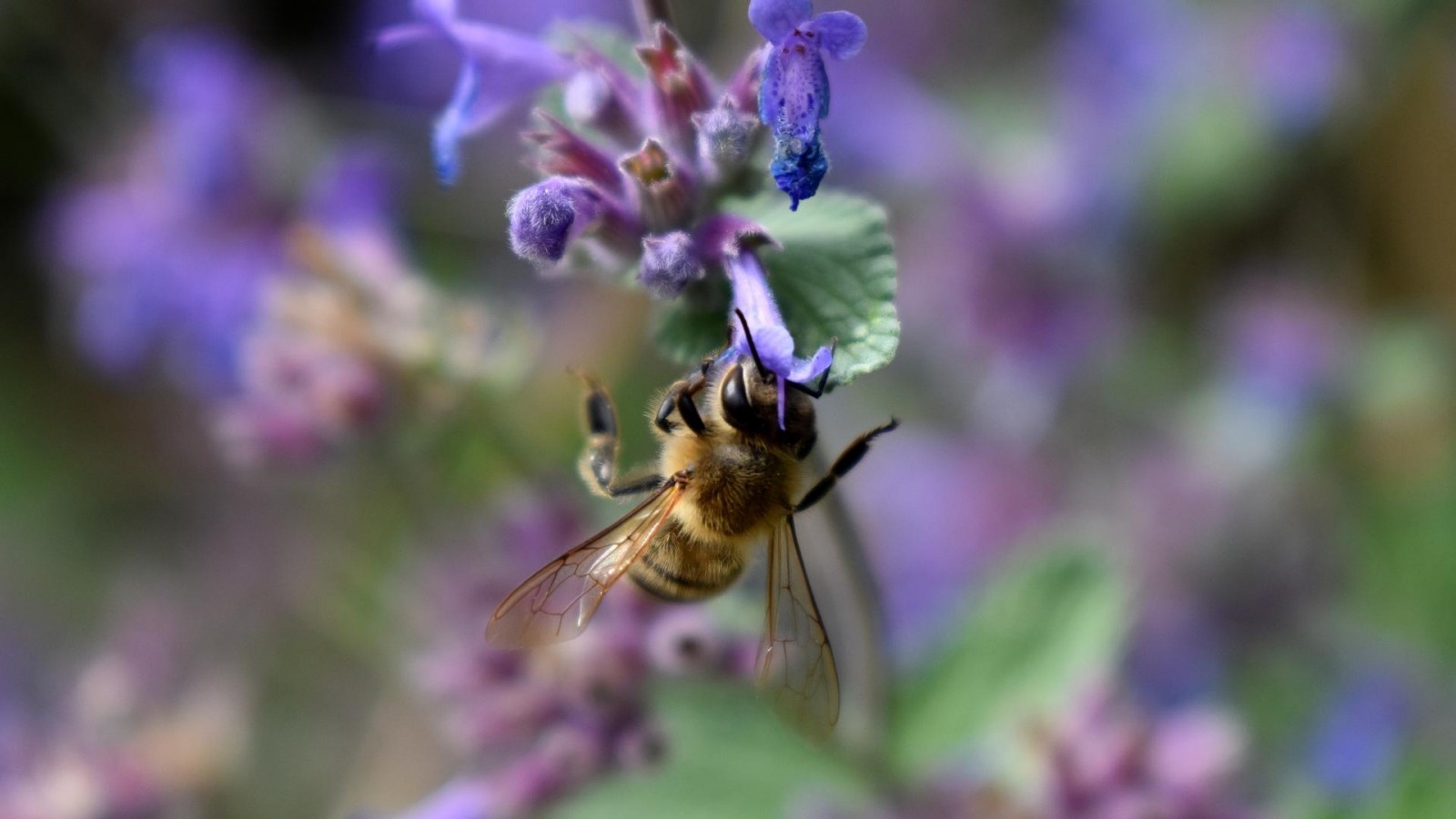
All three plants thrive in full sun and well - drained soil. A soil mixture of 3 parts compost, 1 part perlite, and 2 parts garden soil provides an ideal growing medium. Citronella grass can be quite vigorous and may spread aggressively, so it's advisable to plant it in large containers to prevent it from overtaking other plants. For lavender and rosemary, maintain a spacing of 12 - 16 inches when planting them in the ground. Water moderately, ensuring the soil doesn't become waterlogged, and apply a slow - release organic fertilizer once a month during the growing season to promote healthy growth.
2. The Aphid Defense Squad: Marigolds, Garlic, and Nasturtiums
Combination Rationale
Aphids are common garden pests that suck the sap from plants, causing stunted growth and distorted leaves. Marigolds release a chemical into the soil that repels nematodes and also emit a scent that deters aphids. Garlic, with its pungent sulfur - containing compounds, is a natural aphid repellent. Nasturtiums not only have a strong smell that aphids dislike but also act as a "trap crop," attracting aphids away from more valuable plants. Their vibrant orange, yellow, and red flowers add a splash of color to the garden.
Planting Tips
Marigolds and nasturtiums prefer warm, sunny locations with a temperature range of 60 - 75°F (15 - 24°C). Garlic can tolerate partial shade and is more adaptable to different soil conditions. Marigolds and nasturtiums can be directly sown from seeds in the spring. Sow the seeds on the soil surface, cover them lightly with about ¼ inch of soil, and keep the soil moist. They usually germinate within 7 - 10 days. Plant marigolds 8 - 12 inches apart and nasturtiums 10 - 15 inches apart. Garlic cloves should be planted about 2 - 3 inches deep and 4 - 6 inches apart. Regularly remove any dead or diseased leaves from all three plants to maintain good air circulation and prevent the spread of pests and diseases.
3. The Cabbage Worm Protection Team: Basil, Parsley, and Chrysanthemums
Combination Rationale
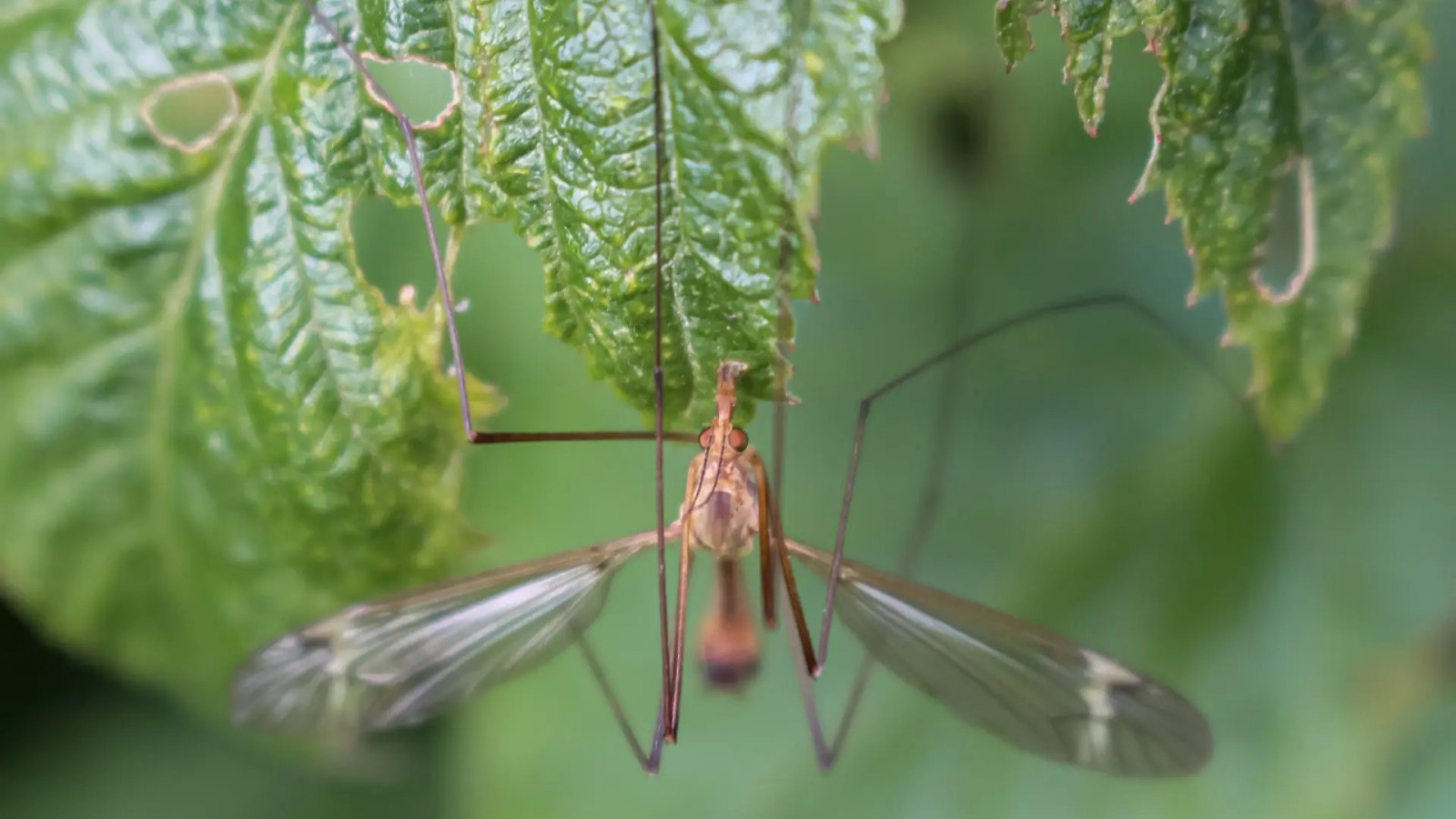
In vegetable gardens, cabbage worms can cause significant damage to leafy greens. Basil emits an aroma that disrupts the cabbage worm's sense of smell, making it difficult for them to locate their host plants. Parsley's unique scent also repels these pests. Chrysanthemums contain pyrethrins, natural insecticidal compounds that can kill or repel a wide range of insects, including cabbage worms. The combination of these plants provides both olfactory and chemical protection for your vegetables.
Planting Tips
Basil and parsley thrive in warm, humid conditions and full sun, although they can tolerate some light shade. Chrysanthemums prefer well - drained soil and plenty of sunlight. Basil and parsley can be started from seeds indoors 4 - 6 weeks before the last frost date and then transplanted outdoors when the weather warms up. Space basil plants 10 - 12 inches apart and parsley plants 6 - 8 inches apart. Chrysanthemums can be planted in the spring or fall, with a spacing of 18 - 24 inches. Feed basil and parsley with a liquid organic fertilizer every 2 - 3 weeks during the growing season. For chrysanthemums, apply a balanced fertilizer once a month from spring to mid - summer.
4. The Whitefly Combatants: Tomato Plants, Lemon Balm, and Calendula
Combination Rationale
Whiteflies are tiny, sap - sucking insects that can cause yellowing and wilting of leaves and transmit plant viruses. Tomato plants release volatile compounds that can repel whiteflies to some extent. Lemon balm's strong lemon - like scent confuses and deters these pests. Calendula not only has a pleasant smell that whiteflies dislike but also attracts beneficial insects such as ladybugs, which are natural predators of whiteflies, creating a balanced ecosystem in the garden.
Planting Tips
Tomatoes, lemon balm, and calendula all require full sun and fertile, well - drained soil. Tomatoes can be grown from seedlings purchased from a nursery or started from seeds indoors 6 - 8 weeks before the last frost. When transplanting tomatoes, space them 24 - 36 inches apart depending on the variety. Lemon balm can be propagated by division or cuttings. Plant lemon balm 12 - 18 inches apart. Calendula can be directly sown from seeds in the spring or fall. Space calendula plants 10 - 12 inches apart. Provide support for tomato plants as they grow, such as stakes or cages. Water all three plants deeply but infrequently, allowing the soil to dry out slightly between waterings.
5. The Ant - Deterrent Blend: Mint, Chives, and Sage
Combination Rationale
Ants may not directly harm plants, but they often "farm" aphids and other pests for their honeydew, indirectly causing damage. Mint and chives have strong, pungent scents that ants find offensive, effectively keeping them away from your garden beds. Sage also has an aromatic quality that deters ants. In addition, sage's beautiful gray - green leaves and purple or blue flowers add an interesting texture and color contrast to the garden.
Planting Tips
Mint, chives, and sage are relatively easy to grow. Mint is very vigorous and can quickly spread, so it's best to plant it in containers to control its growth. Chives can be grown from seeds or divided from existing clumps. Plant chives 6 - 8 inches apart. Sage can be started from seeds, cuttings, or purchased as young plants. Space sage plants 12 - 18 inches apart. All three plants prefer well - drained soil and full sun, although they can tolerate some light shade. Harvest mint and chives regularly to encourage new growth. Prune sage in the spring to maintain its shape and promote bushier growth.
6. The All - Round Pest - Repellent Mix: Neem Tree, Catnip, and Pennyroyal
Combination Rationale
The neem tree contains azadirachtin, a powerful natural insecticide that can repel and disrupt the life cycles of a wide variety of pests, including aphids, whiteflies, and caterpillars. Catnip not only repels mosquitoes, flies, and ants but also attracts cats, adding an element of fun to the garden. Pennyroyal has a strong minty scent that is effective against fleas, ticks, and ants. Together, these plants form a comprehensive pest - control system.
Planting Tips
The neem tree is a tropical plant that requires warm temperatures and plenty of sunlight. It can be grown in large containers in cooler climates and brought indoors during the winter. Catnip and pennyroyal are hardy perennials that prefer full sun and well - drained soil. Catnip can be grown from seeds or cuttings. Space catnip plants 18 - 24 inches apart. Pennyroyal is also best planted in containers as it can be invasive. Space pennyroyal plants 12 - 15 inches apart. Water neem trees deeply once a week, and catnip and pennyroyal moderately, allowing the soil to dry out between waterings. Fertilize catnip and pennyroyal with a slow - release organic fertilizer in the spring.
By strategically combining these natural insect - repellent plants, you can create a beautiful, healthy, and pest - free garden. Remember to consider your local climate, soil conditions, and the specific needs of your garden when implementing these combinations. With a little planning and care, you can enjoy a lush, vibrant garden without the need for harmful chemicals.
Advertisement
Learn More
-

- October 20,2026
- Lily Disease Guide: Whats Killing Your Lilium longiflorum and How to Stop It
-
- September 17,2026
- Wax-Leaf Privet Diseases: Identification, Treatment & Prevention Guide
-
- September 1,2026
- Vinca Minor Diseases: Identification, Treatment and Long‑Term Garden Management
-
- August 18,2026
- Tree Philodendron Diseases: Identification, Treatment and Long‑Term Prevention
-
- August 6,2026
- Common Ailments of Plantago major: Identifying, Treating and Preventing Diseases in Broadleaf Plantain
-
- July 30,2026
- Zodiac-themed Bouquets Combined with Floral Language: Different Color Schemes Create More Artistic Birthday Surprises
Advertisement

 Poisonous and danger
 Edible and medicinal
 Wild and common weed