
Rust-Colored Spots? Your Plant Is Under Attack by Rust Disease!
Advertisement
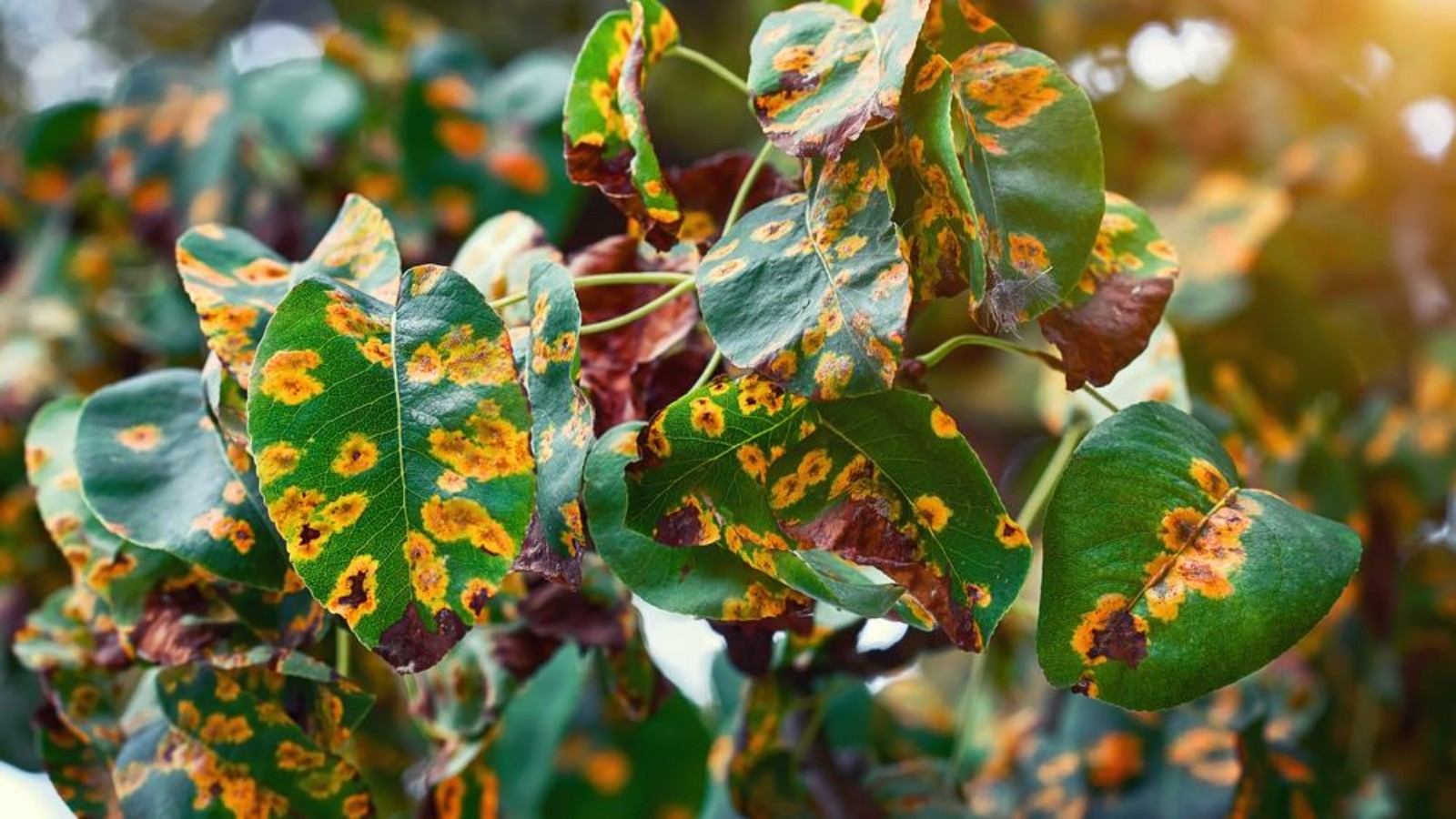
When you notice yellow-brown, orange-brown, or rust-colored “powdery spots” on your plant’s leaves, don’t mistake them for dust—this could be a sign of the destructive Rust Disease slowly invading. Rust not only damages the appearance of plants but also significantly weakens their ability to photosynthesize, leading to stunted growth, premature leaf drop, and even plant death. Just like rust corrodes metal, this disease gradually saps the vitality of your plants.
What Is Rust Disease?
Rust disease is caused by a group of specialized fungi known as rust fungi, with over 7,000 species making it one of the most widespread fungal diseases in plants. It is named for the characteristic powdery, rust-colored spots that form on leaves, stems, and other parts of the plant.
Rust fungi spread via spores, which attach to the plant surface and invade its tissues, drawing nutrients from within. Though it rarely kills plants outright, rust causes severe defoliation, nutrient loss, and reproductive failure—especially impactful in food crops and ornamental plants.
Where Does Rust Disease Occur Most Often?
Rust thrives in environments with specific climatic conditions. Common outbreak zones include:
Warm and humid regions: such as tropical and subtropical climates or temperate areas during the rainy season
Fields and gardens with frequent rainfall and high humidity
Areas with large temperature fluctuations between day and night
Greenhouses and enclosed growing spaces with poor ventilation
Because the spores can spread via wind, rain, or insects, outbreaks can rapidly spread if not promptly managed.
Which Plants Are Most Vulnerable to Rust?
Rust can affect almost all plant groups, but the following are especially susceptible:
Ornamentals: Roses, geraniums, hollyhocks, calendulas, chrysanthemums, irises, lilies
Fruit trees and shrubs: Pears, apples, plums, raspberries, azaleas, roses
Vegetables: Beans, spinach, celery, onions, leeks
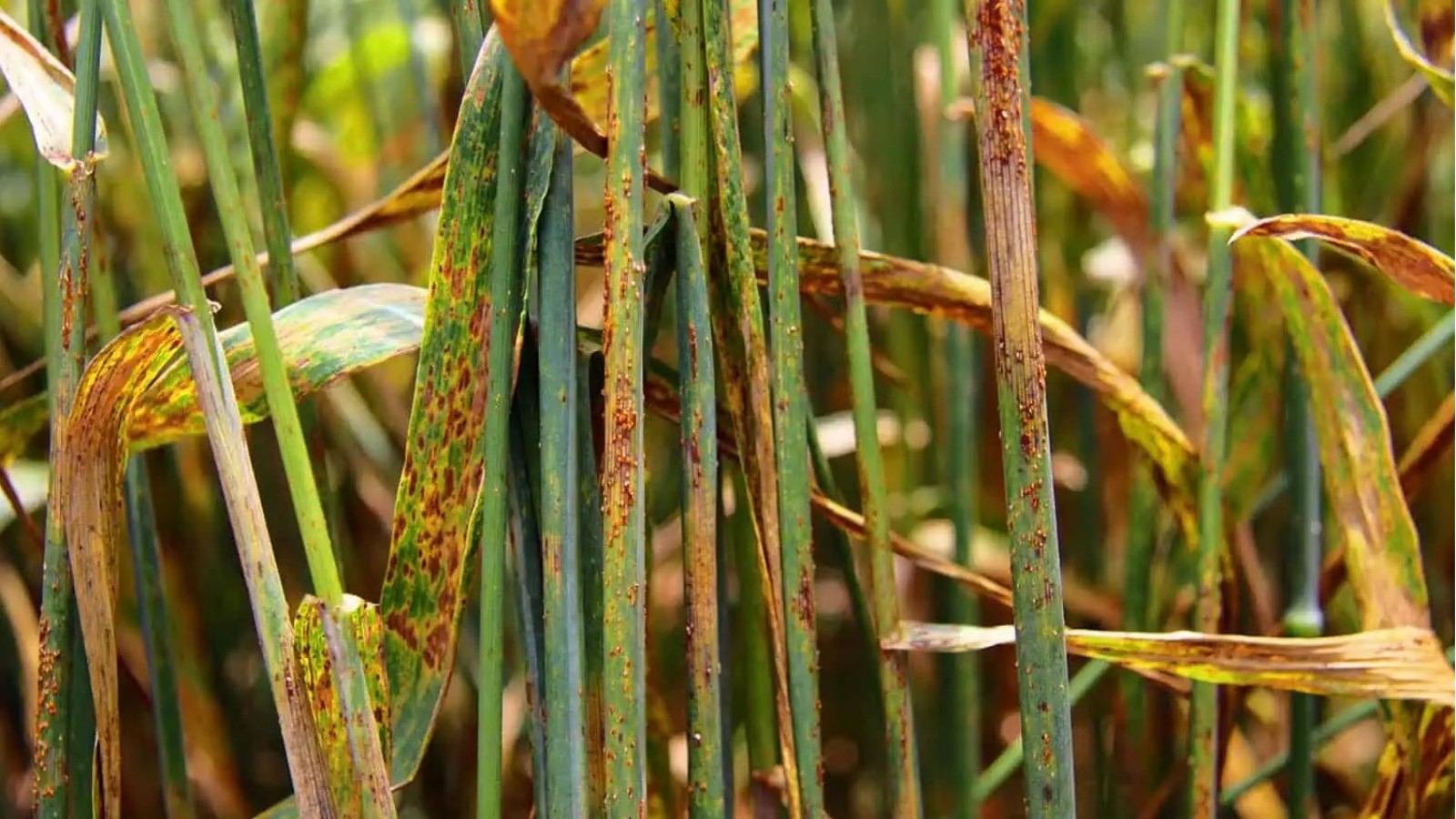
Grains and grasses: Wheat, oats, corn—posing serious threats in agriculture
Some rust fungi have dual hosts, such as pear rust, which requires both pear and juniper trees to complete its life cycle, making it harder to control.
What Causes Rust Disease?
Several environmental and cultivation factors contribute to rust outbreaks:
High humidity: Rust spores need at least 6 hours of leaf surface moisture to germinate. Extended wet conditions from dew, fog, or rain increase infection risk.
Warm temperatures: Optimal growth occurs between 18–25°C (64–77°F), making spring, summer, and early fall the most vulnerable times.
Poor air circulation: Trapped moisture fosters fungal growth.
Overcrowded planting: Close spacing limits airflow and light, creating a favorable environment for rust.
Excessive nitrogen fertilizer: Encourages lush but tender growth that is more easily penetrated by fungal spores.
Residual infected debris: Fallen leaves and old infected plant material can harbor spores and reignite infection the following season.
Symptoms of Rust Infection
While primarily affecting foliage, rust disease symptoms may vary depending on the plant and the fungal species. Common signs include:
Leaves:Yellow specks on the upper surface.Orange, reddish-brown, or rust-colored powdery pustules on the underside.Raised lesions that may release powder when touched (spores).In severe cases dry, curled, or prematurely fallen leaves
Stems and Branches:Lesions or discolored patches, sometimes with powdery coatings.Blackened stems or withering due to nutrient loss
Flowers and Fruits:Typically less affected, but severe infections may cause discoloration, deformities, or underdeveloped fruits
Rust can sometimes be mistaken for other diseases like leaf spot or anthracnose, so identifying the powdery spore masses is crucial for correct diagnosis.
How to Control and Prevent Rust Disease?
Though rust is difficult to completely eliminate, proper management can significantly reduce the risk and control outbreaks:1. Remove Infected Leaves and Plants Promptly
Prune and dispose of diseased foliage far from planting areas to prevent spore spread
In late fall and winter, remove fallen leaves and infected stems to eliminate overwintering sources
2. Optimize Growing Conditions
Maintain adequate spacing to improve airflow
Avoid sudden, heavy fertilization; balance nutrients to build plant resistance
3. Water Wisely
Avoid overhead watering; opt for drip irrigation or base watering to keep foliage dry
Water in the morning so leaves dry quickly during the day
4. Rotate Crops and Diversify Planting
Avoid growing the same susceptible plants in the same area year after year
Intercropping with non-host species can reduce pathogen buildup
5. Use Fungicidal Sprays
Apply broad-spectrum fungicides such as sulfur-based products, chlorothalonil, or propiconazole during early stages
Use preventative sprays during high-risk seasons (spring/fall) and rotate active ingredients to prevent resistance
6. Choose Disease-Resistant Varieties
For farming or ornamental use, select cultivars bred for rust resistance—e.g., improved pear trees resistant to pear rust, or rust-resistant bean varieties
Rust disease may not leave visible “bite marks” like pests do, but its invisible army of spores spreads swiftly, silently, and thoroughly. A single infected leaf can release millions of spores—one gust of wind, and your entire garden could be under siege.So don't underestimate those rusty spots. They’re not just blemishes, but battle scars, warning you that something serious is underway. From early morning watering routines to cleaning your pruning shears, the smallest details can determine whether your plants survive the season in health or succumb to the rust.
Advertisement
Learn More
-

- October 20,2026
- Lily Disease Guide: Whats Killing Your Lilium longiflorum and How to Stop It
-
- September 17,2026
- Wax-Leaf Privet Diseases: Identification, Treatment & Prevention Guide
-
- September 1,2026
- Vinca Minor Diseases: Identification, Treatment and Long‑Term Garden Management
-
- August 18,2026
- Tree Philodendron Diseases: Identification, Treatment and Long‑Term Prevention
-
- August 6,2026
- Common Ailments of Plantago major: Identifying, Treating and Preventing Diseases in Broadleaf Plantain
-
- July 30,2026
- Zodiac-themed Bouquets Combined with Floral Language: Different Color Schemes Create More Artistic Birthday Surprises


Advertisement
 Poisonous and danger
 Edible and medicinal
 Wild and common weed