
Seasons also matter! Which plants are sui for spring, summer, autumn and winter?
Advertisement
In the world of gardening, timing is everything. Just like we wear clothes according to the changing seasons, the planting of plants also pays attention to "planting in time". Different seasons not only have different temperature, light and precipitation conditions, but also different types of plants are suitable for planting. If you plant the wrong plant in the wrong season, no matter how diligently you take care of it, you may get half the result with twice the effort. So, what plants are suitable for spring, summer, autumn and winter? Today, I will show you: which plants are suitable for planting in spring, summer, autumn and winter, respectively, to help you grow green scientifically and fill your house with flowers!
Spring: All things come back to life, it is the golden season for sowing and planting
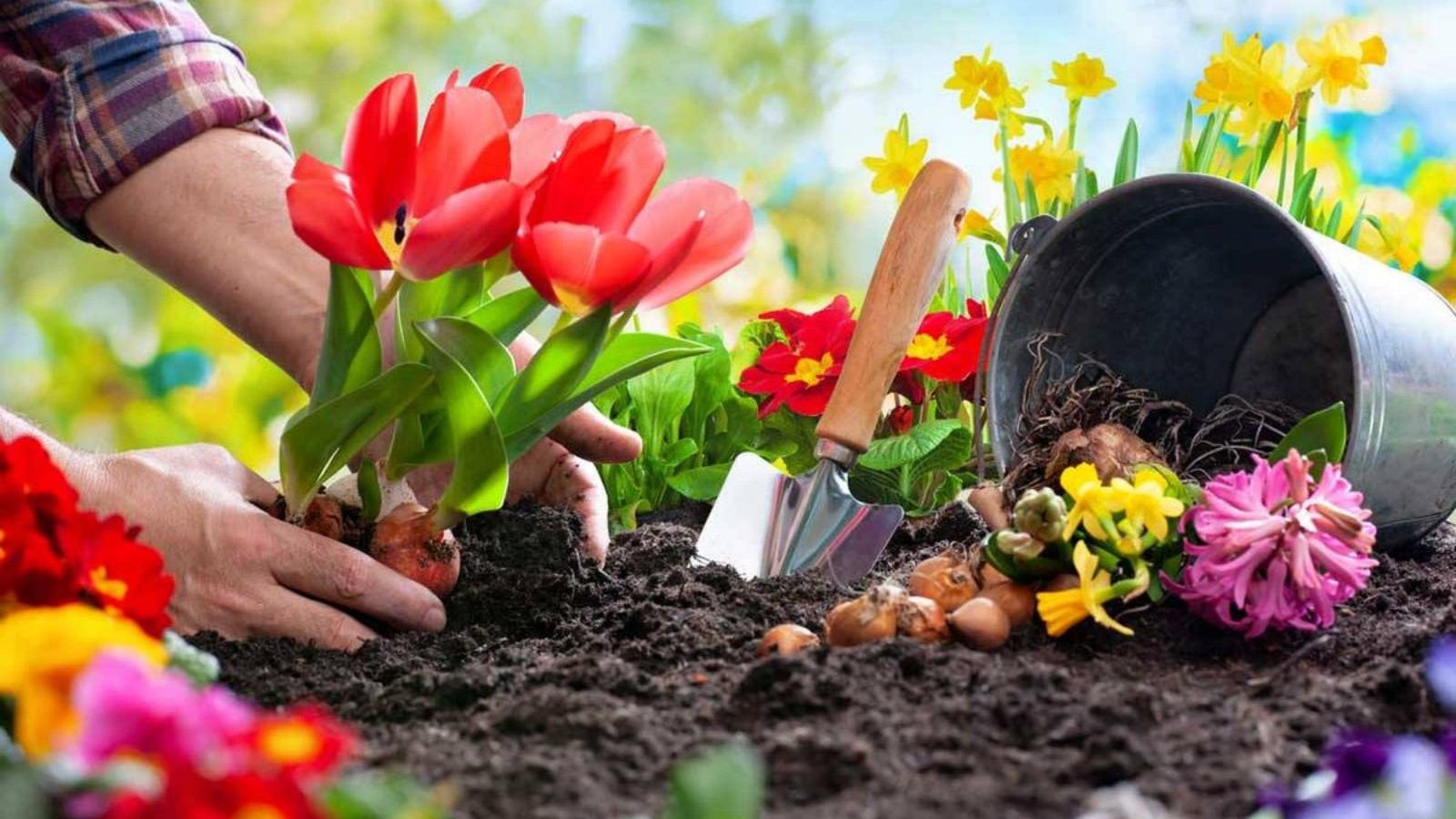
Spring is the season when plants wake up. As the temperature warms up and the sunshine grows longer, many plants wake up from their slumber and begin to sprout and grow. At this time, the climate is mild, the rainfall is moderate, and the growth conditions of plants gradually improve. It is the golden period for sowing and breeding.
Plants suitable for planting:
Flowers: marigold, pansy, daisy, snapdragon, morning glory, sunflower, azalea, these flowers are easy to cultivate, and have bright colors. They bloom in early summer after spring sowing.
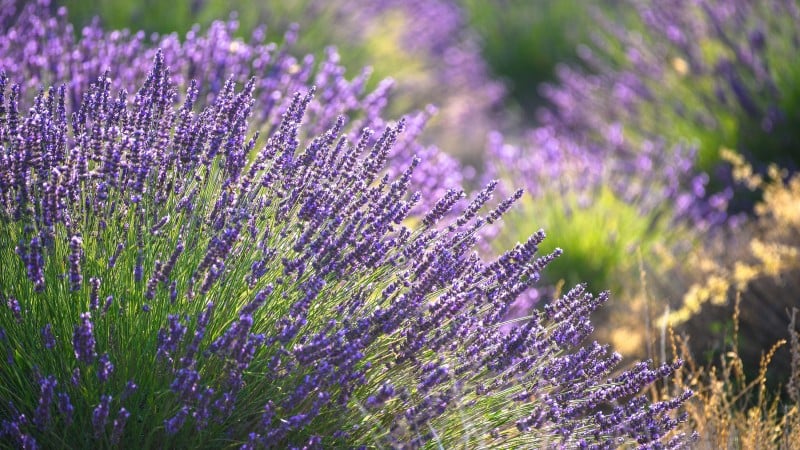
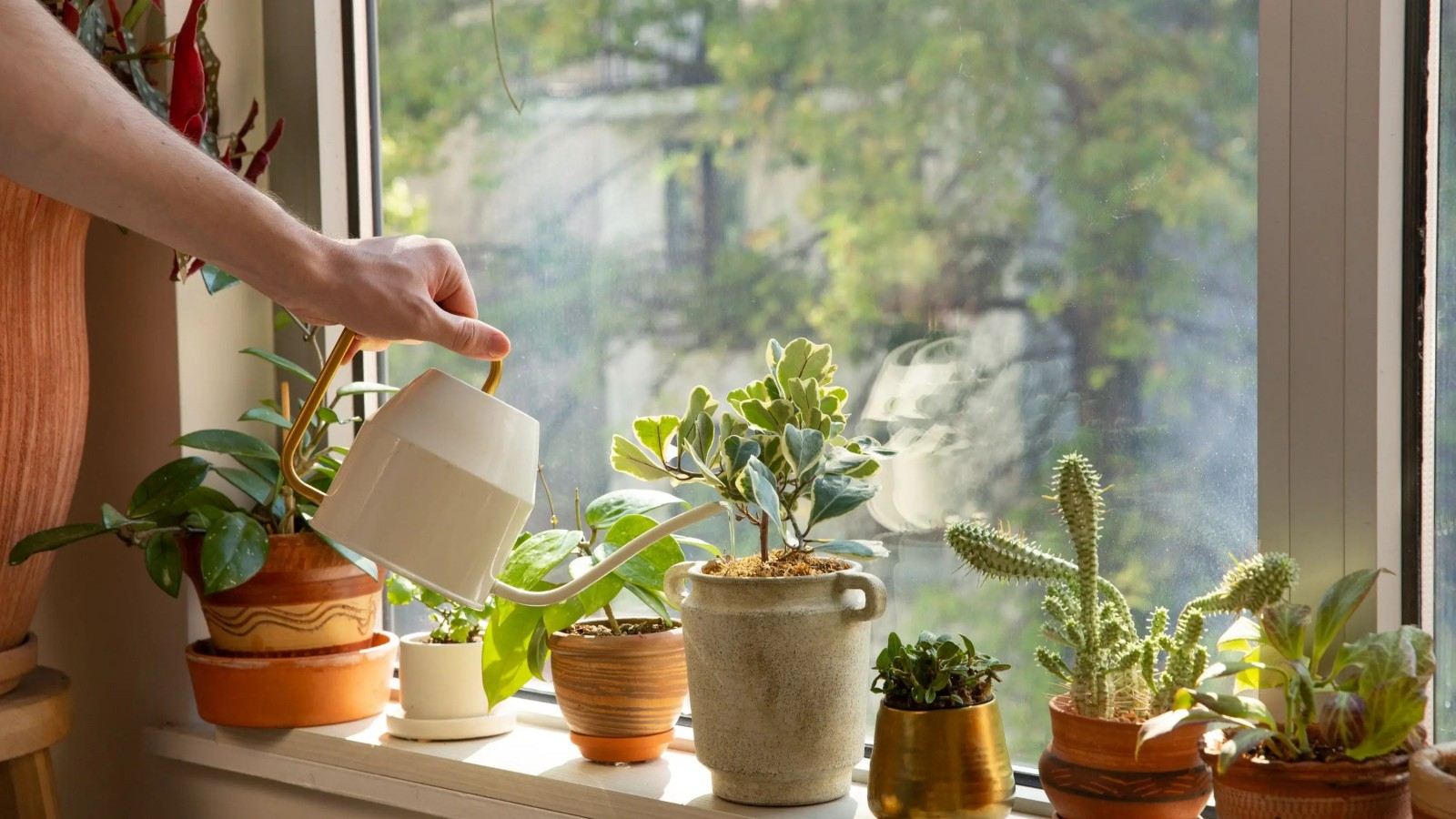
Herb plants: parsley, dill, Mentha spicata, Salvia rosmarinus, basil and other herbal plants can be planted in spring, suitable for kitchen windowsills or small potted plants on balconies.
Foliage plants: Monstera deliciosa, Epipremnum aureum, Hedera helix, etc. are also suitable for division or repotting in spring to restore growth vitality.
Spring planting suggestions:The weather changes quickly in spring, and "late spring cold" may occasionally occur. Pay special attention to late frost. If necessary, use mulch and insulation covers to protect the newly sprouted plants. Pay attention to insect prevention in the middle and late stages, especially aphids are prone to breeding in large numbers.
Summer: a period of vigorous growth, suitable for growing heat-resistant plants
Summer has strong sunlight and high temperatures, which is a period of explosive growth for many plants, but it also tests the heat resistance and water management capabilities of plants. Therefore, summer is more suitable for growing some plants with strong vitality, drought and heat resistance.
Suitable plants for planting:
Flowers: sunflowers (pine leaf peony), morning glory, cockscomb, blue snow flower, trumpet creeper, petunia, dianthus, dahlia, etc. These flowers are gorgeous, can withstand the heat, and have a long flowering period. .
Succulent plants: sedum, Cactaceae, Aloe vera and other succulent plants, Chlorophytum comosum performs best under summer sunshine, but be careful to avoid being scorched by exposure to the sun.
Ornamental herbaceous plants: Perilla, dianthus, cosmos, impatiens, etc. can grow tenaciously in the heat.
Indoor plants: Sansevieria trifasciata, Aloe vera, etc. are good choices for summer that are not afraid of heat and purify the air.
Foliage plants: Cycads, Pachira aquatica, Monstera deliciosa and other heat-resistant green plants are suitable for decorating courtyards or balconies.
Planting suggestions: When planting plants in summer, be sure to pay attention to the timing of watering. It is recommended to arrange watering in the early morning or evening every day to avoid "scalding roots" and burning leaves during high temperature periods. In addition, covering with a layer of straw or sawdust can reduce water loss and avoid frequent potting and pruning to avoid increasing plant stress.
Autumn: Harvest and sowing coexist, a key season for preparing for wintering
Although the temperature is getting cooler in autumn, the soil is still warm and the air humidity is moderate, which is a good time for plant root development. Autumn is also the harvest season and the beginning of the next round of sowing. It is suitable to plant some plants that can grow and overwinter in autumn and winter, and can also prepare for blooming in the spring of the following year.
Suitable plants for planting:
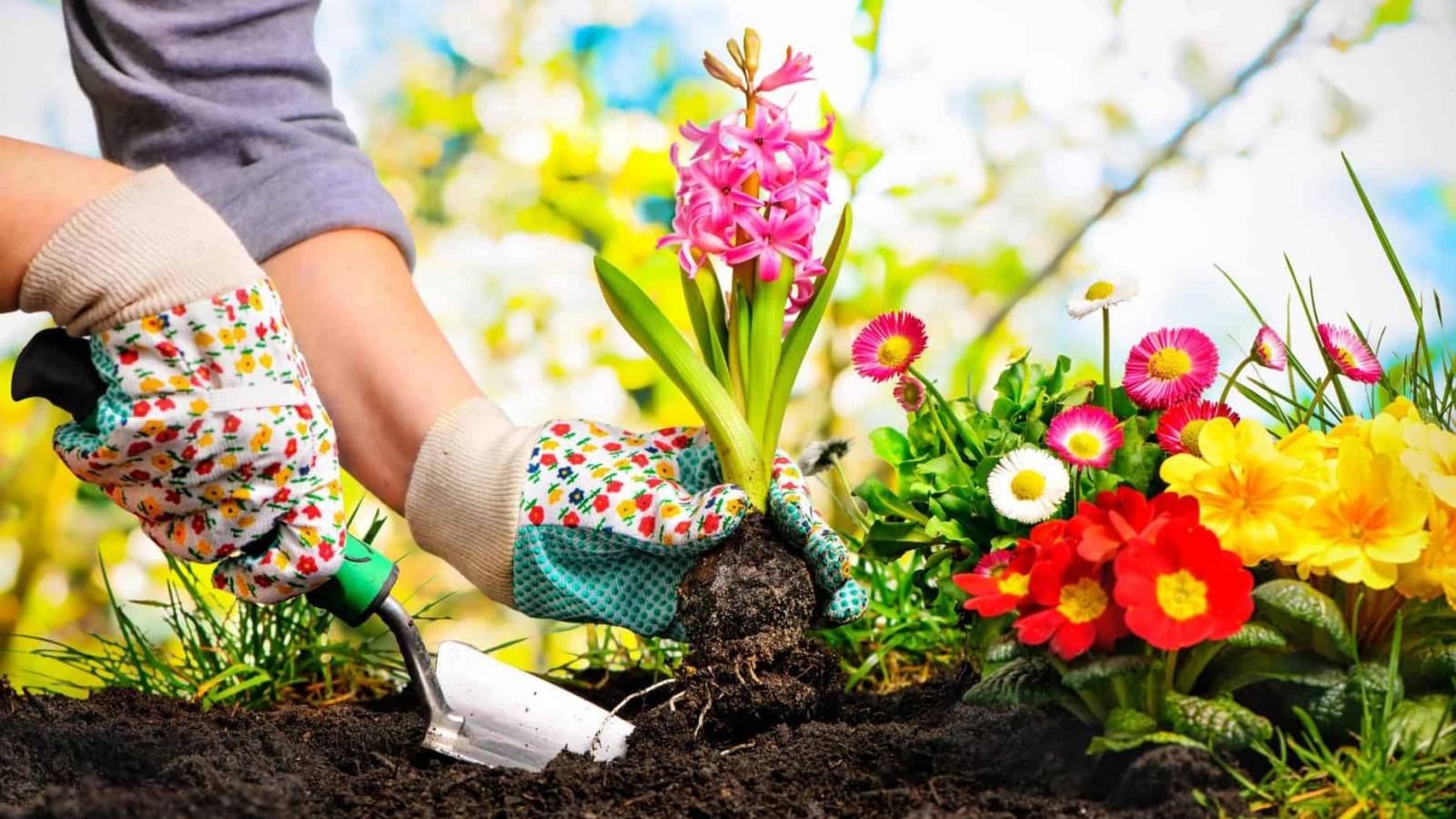
Flowers: tulips, daffodils, hyacinths, marigolds, dianthus, violets and other cool seasons can also grow. Colorful flowers should be planted in autumn and will bloom in the spring of the following year.
Climbing plants: Planting clematis, roses, etc. in autumn helps the root system develop and prepares for the explosive flowering in spring.
Lawn repair: Autumn is an ideal time to plant or repair lawns. The temperature is moderate and the root system can be established quickly.
Planting suggestions: Autumn is warm during the day and cool at night, which is very suitable for plants to take root. Don't miss this opportunity of "second spring", especially for planting hardy plants to prepare for wintering. But you must also replenish water in time, and you can also apply phosphorus and potassium fertilizers moderately to promote root development.
Winter: Plant "hibernation" period, suitable for planting hardy or indoor plants
Although winter seems to be withered, most plants will enter a dormant state. But it can still be "low-key planting", especially in temperate or warm winter areas. For cold areas, it is a good time to plan, trim, raise seedlings and try indoor gardening.
Suitable plants for planting:
Winter flowers: Cineraria, cyclamen, poinsettia, camellia, etc., they can still bloom in low temperatures, adding warmth to the cold winter.
Cold-resistant green plants: cedar, holly, pine and cypress plants are suitable for decorating winter courtyards.
Indoor green plants: Pachira aquatica, green radish, spider plant, tiger tail plant, Hedera helix and other evergreen plants, which can spend the winter indoors without pressure, purify the air and are beautiful.
Hydroponic plants: green radish, bean green, water bamboo, etc. can be placed in bottles for hydroponics, which is suitable for lazy winter mode who don't want to take care of them frequently.
Hydroponic system: If you are interested in trying technical gardening, you can build a small hydroponic system, which can still be surrounded by greenery in winter.
Planting suggestions: Pay attention to temperature control when planting or maintaining in winter to avoid "frostbite" caused by water accumulation. Use insulation film, heating pads or LED plant lights to supplement light and keep warm. Reduce the frequency of watering, but keep it moist to avoid water accumulation at the roots and cause rot. In particular, avoid placing it near the window where cold wind blows directly.
Planting tips in different regions
Although the change of seasons is a global phenomenon, the climate types of each country or region vary greatly. Are you located in the frigid zone, temperate zone, or tropical zone? In the northern or southern hemisphere? Understanding your "climate zone" is the first step before choosing plants.
Tropical countries: Most crops can be grown almost all year round, just pay attention to the impact of the dry and rainy seasons.
Cold regions: Planting should be done in spring and autumn, and winter is more suitable for indoor planting or early seedling raising.
Mediterranean climate: hot and dry in summer, mild and humid in winter, suitable for planting winter crops in autumn, and summer harvest varieties in spring.
How to judge whether plants are suitable for the current season? Practical observation method for beginners
If you are a gardening novice and are not sure whether the plant is suitable for the current season, you might as well observe the "status signal" of the plant. It is a basic rule that germination is fast in spring, leaf growth is fast in summer, root system is active in autumn, and most of them are still in winter. You can also pay attention to the plant's instruction label or consult the florist. A little more advanced, you can observe whether the light demand, leaf state, and watering frequency match the current season. Mastering these judgment methods can help you arrange maintenance and repotting plans more scientifically.
Four-season planting soil preparation guide: make plant roots more comfortable
The temperature and humidity of different seasons also have different requirements for soil structure. In spring and autumn, it is suitable to use loose, breathable, and moderately water-retaining nutrient soil, such as peat soil mixed with perlite; in summer, it is recommended to increase drainage, such as adding more coarse sand or coconut shells to avoid waterlogging and suffocating the roots; in winter, if it is planted indoors, a small amount of leaf humus can be added to keep warm and moisturize. For succulents, orchids, foliage plants, etc., special soil can also be used. Knowing "soil preparation" is the basic skill of gardening masters, allowing plants to take root healthier and grow more vigorously.
Four-season potted plants recommendation: small balcony space can also play gardening
Even if there is no large yard, balcony potted plants can create a small four-season garden. In spring, it is recommended to plant daisies and pansies, which are bright in color; in summer, cacti and impatiens can be placed on the balcony, which are sun-resistant and lively; in autumn, marigolds and marigolds are planted, which are not only beautiful but also insect-repellent; in winter, cold-resistant plants such as tiger tail orchids, poinsettias, and cyclamen are placed. Small pots are great for planting, and the key is to adjust the light and ventilation conditions according to the season to create your own "urban oasis".
Four-season gardening and children's education: parent-child activities that combine education with entertainment
If you have children at home, four-season gardening is an excellent parent-child education carrier. Sowing together in spring, observing growth in summer, harvesting fruits in autumn, and observing plants "hibernating" in winter, each process is a natural classroom. By planting by hand, children can not only learn a sense of responsibility and patience, but also establish respect for life and nature from an early age. You can try to plant bean sprouts, gourds or strawberries with a short growth cycle, which will make children feel more involved and more fulfilled.
Indoor gardening lights: Create a microclimate of "year-round sunshine"
If you live in an environment with insufficient light or limited sunlight in winter, you might as well use the "plant growth lamp", a modern gardening artifact. The common LED plant lights on the market can imitate the solar spectrum to help plants perform photosynthesis normally in winter or rainy days. Suitable for indoor cultivation, such as green radish, bean green, succulents, hydroponic herbs, etc. can be used together. Set the timer switch and supplement the light for 8-10 hours a day, so that the plants can thrive under the "sunlight simulator", and evergreen all year round is no longer a dream.
Tips for pest control in all seasons: prevention is better than cure
Each season has different high incidence periods of plant pests. Aphids, red spiders, and thrips are prevalent in spring and summer, while mold and root rot should be prevented in autumn and winter. It is recommended to adopt "green control" methods, such as using yellow boards to lure and kill flying insects, citronella spray to repel insects, and alcohol cotton to wipe the back of the leaves, and avoid frequent use of chemical agents. Regular cleaning of fallen leaves and pruning of diseased branches are also good ways to reduce pest breeding. Controlling light, moisture and ventilation is a "hard-core" operation to prevent diseases and pests.
Create a four-season gardening schedule to make planting more rhythmic
If you want to create a balcony or courtyard that is green all year round, you might as well make a "plant rotation schedule". According to the rhythm of spring sowing, summer management, autumn planting, and winter care, arrange the plant species for the four seasons of the year, and plan in advance what to plant, what to prune, and what fertilizer to apply in which month. This can not only avoid blind planting, but also make reasonable use of limited space, improve planting efficiency, and harvest the ever-changing greenery and surprises every month, truly achieving "evergreen and blooming flowers at home all year round".
It is more scientific to plant according to the seasons
If you find that the plants you planted are not growing well, it may not be a problem of your "gardening black hand", but it may be that you did not choose the right season. Nature has its own operating rules, and so do plants. Learn to adapt to the changes of the seasons and choose the most suitable time and environment for plants. You will find that planting becomes easy and fun, and you will get twice the result with half the effort.
Remember this sentence: Plant at the right time to get a harvest in all seasons! No matter where you are in the world, you can use your hands and a heart that loves nature to create your own four-season garden!
Advertisement
Learn More
-

- October 20,2026
- Lily Disease Guide: Whats Killing Your Lilium longiflorum and How to Stop It
-
- September 17,2026
- Wax-Leaf Privet Diseases: Identification, Treatment & Prevention Guide
-
- September 1,2026
- Vinca Minor Diseases: Identification, Treatment and Long‑Term Garden Management
-
- August 18,2026
- Tree Philodendron Diseases: Identification, Treatment and Long‑Term Prevention
-
- August 6,2026
- Common Ailments of Plantago major: Identifying, Treating and Preventing Diseases in Broadleaf Plantain
-
- July 30,2026
- Zodiac-themed Bouquets Combined with Floral Language: Different Color Schemes Create More Artistic Birthday Surprises
Advertisement
 Poisonous and danger
 Edible and medicinal
 Wild and common weed