
Sudden Plant Collapse? Root Rot Might Be Killing It
Advertisement
Have you ever encountered this situation: a plant you just planted a few days ago suddenly collapses, the roots and stem turn black, and the soil smells damp and foul? Even though you've been careful with watering, fertilizing, and light placement, it still silently withers and dies? If this sounds familiar, beware — your plant might be suffering from one of the most common and deadly soil-borne diseases: Root Rot.
What Is Root Rot?
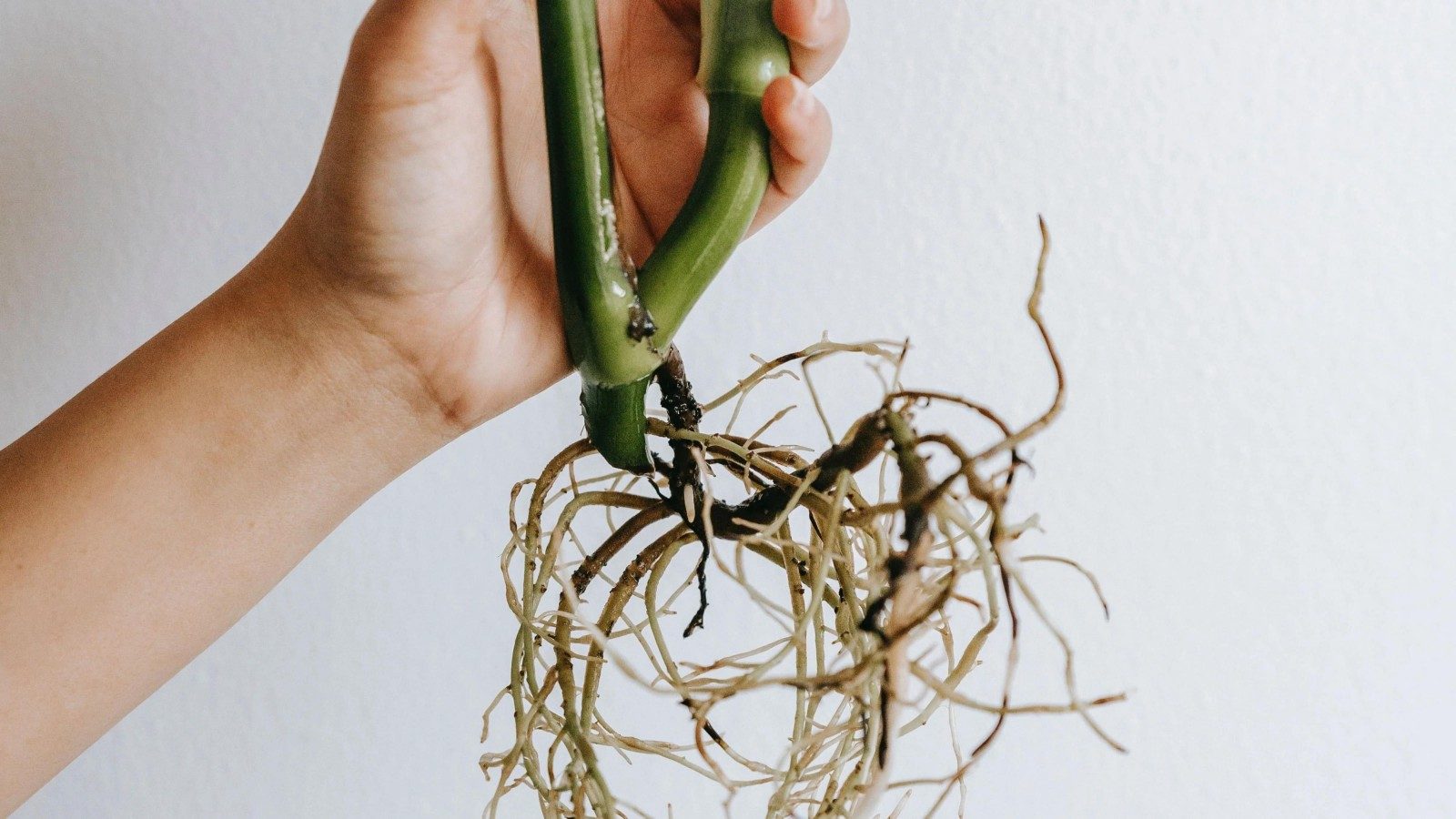
Root Rot is a destructive root disease caused by fungi or oomycetes. The most common pathogens include Pythium spp., Phytophthora spp., and Fusarium spp. These organisms are typically soil-borne and thrive in environments with excess moisture, high humidity, and poor ventilation. Once the roots are infected, the pathogens rapidly destroy the root tissues, cutting off water and nutrient absorption, ultimately leading to plant wilting, collapse, and death.Root rot is often mistaken for “underwatering,” when in fact it's caused by overwatering — the silent killer.
Where Is Root Rot Most Likely To Occur?
Root rot can strike almost anywhere if the environment allows. However, certain regions and conditions are particularly high-risk:
Tropical and subtropical regions: Warm, humid climates promote pathogen growth.
Areas with frequent rainy seasons: Soil remains moist for extended periods, leading to oxygen-deprived roots.
Low-lying or poorly drained areas, especially container gardens: Standing water encourages Pythium and other rot-causing pathogens.
Greenhouses: Enclosed, high-humidity environments create a perfect breeding ground for disease.
Which Plants Are Most Vulnerable?
Root rot targets a wide variety of plants across horticulture, agriculture, and ornamental gardening. The most commonly affected types include:
Vegetables:Tomatoes, cucumbers, eggplants, lettuce, spinach, radishes, carrots
Ornamental Flowers:Kalanchoe, geraniums, African violets, Christmas cacti, petunias, hyacinths
Succulents:Haworthia, bear paw (Cotyledon), Sedum, Graptopetalum, Aeonium (Black Rose)
Fruit Trees & Woody Plants:Citrus, grapes, strawberries, bananas, figs, peaches
Indoor Foliage Plants:Pothos, monstera, rubber plants, fiddle-leaf fig, ivy, peace lilies, coleusYoung seedlings, succulents, and densely packed potted plants are especially sensitive to root rot.
What Causes Root Rot?
Yes — root rot is often the result of overcare. The main causes and how they harm plant health include:
Excess moisture, suffocated roots:Constantly wet soil deprives roots of oxygen, weakening their structure and making them vulnerable to pathogens.Poorly draining soil or pots without drainage holes greatly increase the risk.
High temperatures:Warm and humid conditions, especially in summer, boost the activity of Pythium and Phytophthora fungi.
Poor ventilation:In stagnant air environments, surface moisture lingers, making it easier for pathogens to spread.
Nutrient imbalance:Excessive nitrogen produces soft, water-filled tissues that lower disease resistance.High salt buildup in the soil also reduces root vigor.
Soil contamination & reuse:Old soil may harbor dormant pathogens. If reused without proper sterilization, it can infect new plants easily.
Contaminated tools and water:Dirty gardening tools, shared pots, or infected water sources can all transmit disease to healthy plants.
Symptoms Of Root Rot
Early symptoms are subtle, but careful observation of the plant as a whole can reveal clues:
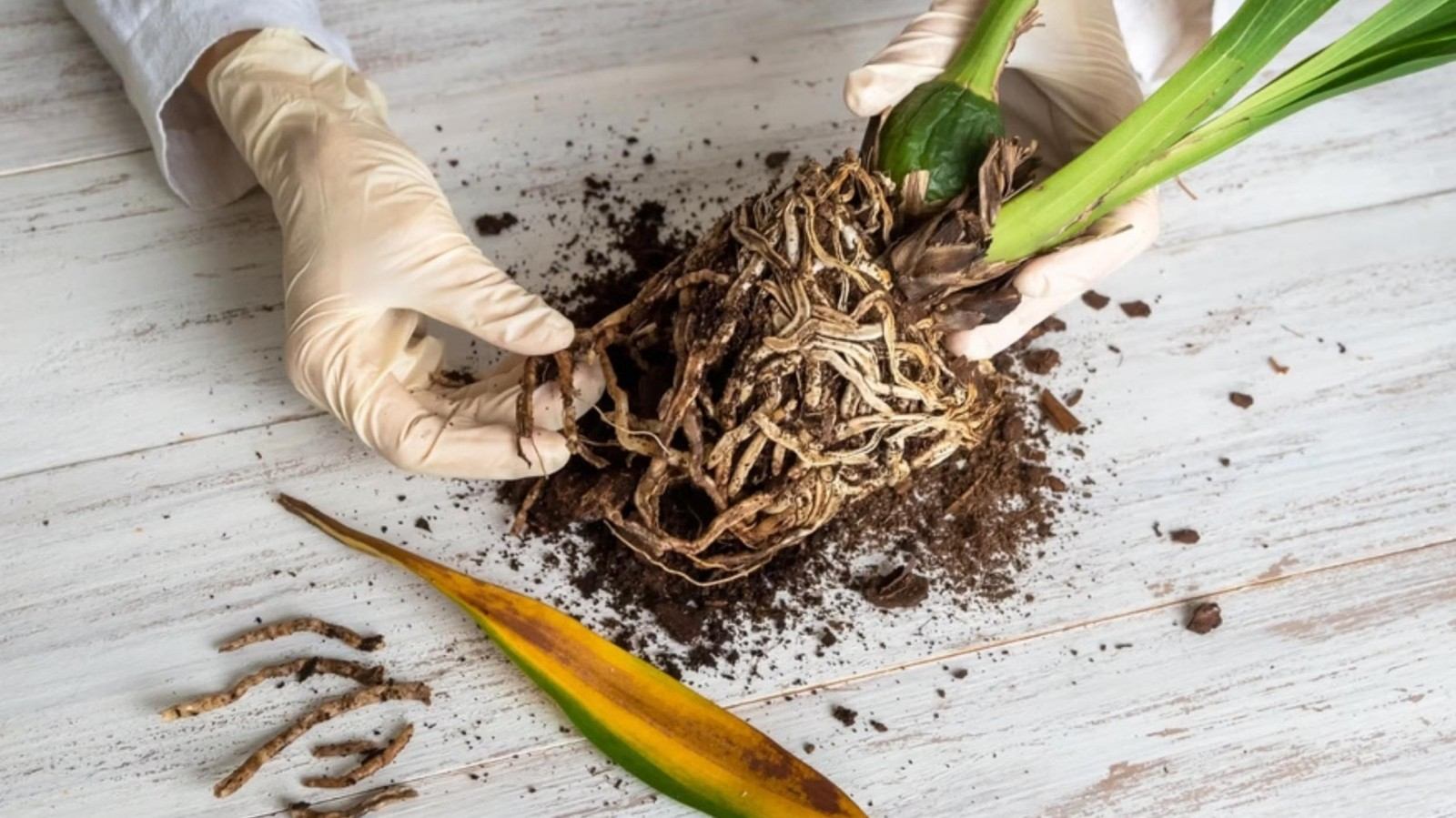
Roots:Turn black, smell foul, become slimy or mushy;Severely infected roots disintegrate easily when touched
Stems:Base of stem softens, turns brown, or appears water-soaked;In some cases, a dark ring forms near the soil line, followed by total plant collapse
Leaves:Lower leaves yellow and wilt, with symptoms spreading upward;Leaf edges may dry out or show scorch-like patches
Flowers & FruitsFewer flowers, or premature blossom drop;Deformed or underdeveloped fruit, sometimes falling off early
Whole PlantClassic “wilting that watering doesn't fix” — the plant remains limp despite moist soilWhen gently pulled, the entire plant may come out easily with severely decayed roots
How To Control And Prevent Root Rot?
Once root rot sets in, it’s very hard to cure — so prevention is key. Here are practical and effective strategies:
1.Soil and Pot Management
Use breathable substrates like perlite, coco coir, and coarse sand mixes
Ensure pots have drainage holes
Replace old soil each season or sterilize using heat (microwave or sun baking)
2.Smart Watering
Don’t water too frequently; follow a “soak and dry” approach
Water in the morning to allow excess moisture to evaporate
In winter, reduce watering to avoid “wet + cold” damage to roots
3.Ventilation and Temperature Control
Especially in greenhouses or indoor settings, ensure good air flow
Avoid hot, humid, stagnant conditions — open windows or use fans when needed
4.Sanitization and Isolation
Disinfect tools and pots before and after use (use potassium permanganate or alcohol)
Immediately remove and destroy infected plants, including surrounding soil — never reuse
Keep unknown plants separate from your collection to avoid cross-contamination
5.Chemical Treatment (as a Supplement Only)
Use fungicides like metalaxyl (mefenoxam), etridiazole, or cyazofamid for soil drenching
Apply preventatively — once roots are fully decayed, fungicides won’t help
6.Choose Resistant Varieties
In high-risk areas (e.g., monoculture beds, rainy-season greenhouses), opt for resistant cultivars or grafted seedlings with stronger root systems
Don’t think “out of sight, out of mind” applies to roots — plant health starts below the soil. Root rot might not look dramatic at first, but it's a top cause of heartbreak for plant lovers. Your best weapons are proper watering, good drainage, and airflow — don’t wait until your plant collapses to take action.
Advertisement
Learn More
-

- October 20,2026
- Lily Disease Guide: Whats Killing Your Lilium longiflorum and How to Stop It
-
- September 17,2026
- Wax-Leaf Privet Diseases: Identification, Treatment & Prevention Guide
-
- September 1,2026
- Vinca Minor Diseases: Identification, Treatment and Long‑Term Garden Management
-
- August 18,2026
- Tree Philodendron Diseases: Identification, Treatment and Long‑Term Prevention
-
- August 6,2026
- Common Ailments of Plantago major: Identifying, Treating and Preventing Diseases in Broadleaf Plantain
-
- July 30,2026
- Zodiac-themed Bouquets Combined with Floral Language: Different Color Schemes Create More Artistic Birthday Surprises


Advertisement
 Poisonous and danger
 Edible and medicinal
 Wild and common weed