
The Ultimate Guide to Growing and Caring for Lonicera tatarica
Advertisement
Lonicera tatarica, commonly known as Tatarian Honeysuckle, is a classic deciduous shrub that has been a staple in gardens for centuries. Prized for its incredible toughness, profuse spring blooming, and attractive berries, it can provide structure, fragrance, and wildlife value to your landscape.
However, it's crucial to note that in many regions, particularly in North America, it is considered an invasive species. Its vigorous growth and bird-dispersed seeds can allow it to escape cultivation and outcompete native vegetation.
A Note on Invasiveness
Before planting, please check with your local extension office or environmental agency. In many areas, it is recommended to choose native alternatives like Diervilla lonicera (Bush Honeysuckle) or Lonicera sempervirens (Coral Honeysuckle, a vine). If you do proceed, committing to responsible care (especially berry management) is essential.
Planting Your Tatarian Honeysuckle
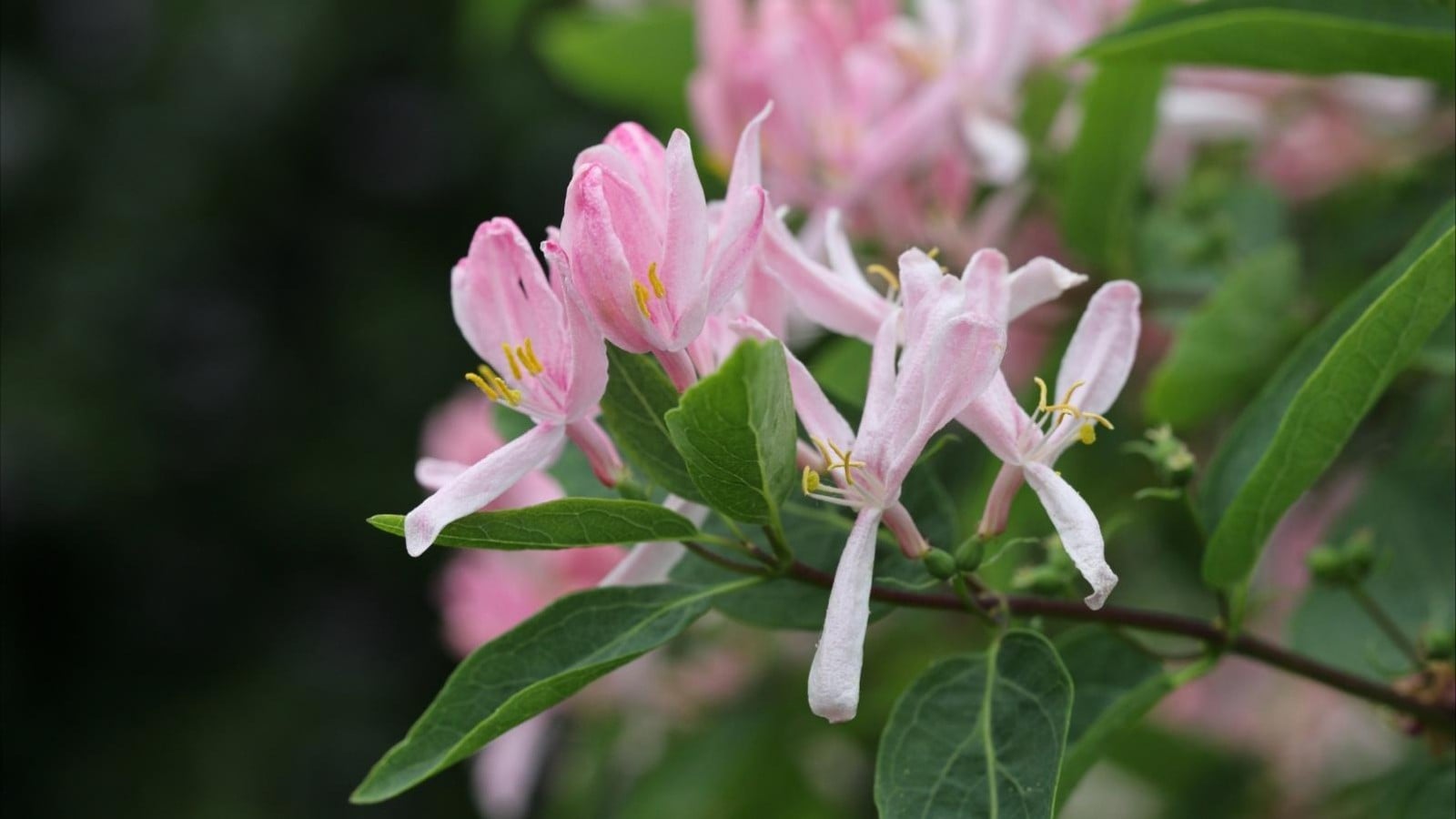
Getting your shrub off to a good start is key to its long-term health.
1. Choosing the Right Location:
Sunlight: For the most abundant flowering, plant your honeysuckle in full sun (at least 6 hours of direct sunlight per day). It will tolerate partial shade, but blooming may be reduced.
Space: Given its mature size of 10-12 feet, ensure you provide ample space for it to grow. Avoid planting too close to buildings, fences, or other shrubs unless you are committed to rigorous pruning. It can also be used effectively as a privacy screen or hedge.
2. When to Plant:
The best time to plant is during the shrub's dormant season.
Early Spring: Plant before new growth emerges. This gives the roots a full growing season to establish.
Fall: Planting after the summer heat has broken but well before the first hard freeze is also excellent. The warm soil encourages root growth without the stress of supporting top growth.
3. Preparing the Soil:
Tatarian Honeysuckle is famously adaptable to poor soils, but it will thrive with a little preparation.
Dig a hole that is 2-3 times wider than the root ball but no deeper. The plant should sit at the same level it was in its nursery container.
While it tolerates clay, if your soil is very heavy, amend the excavated soil with compost or well-rotted manure to improve drainage and provide nutrients. For sandy soil, compost helps retain moisture.
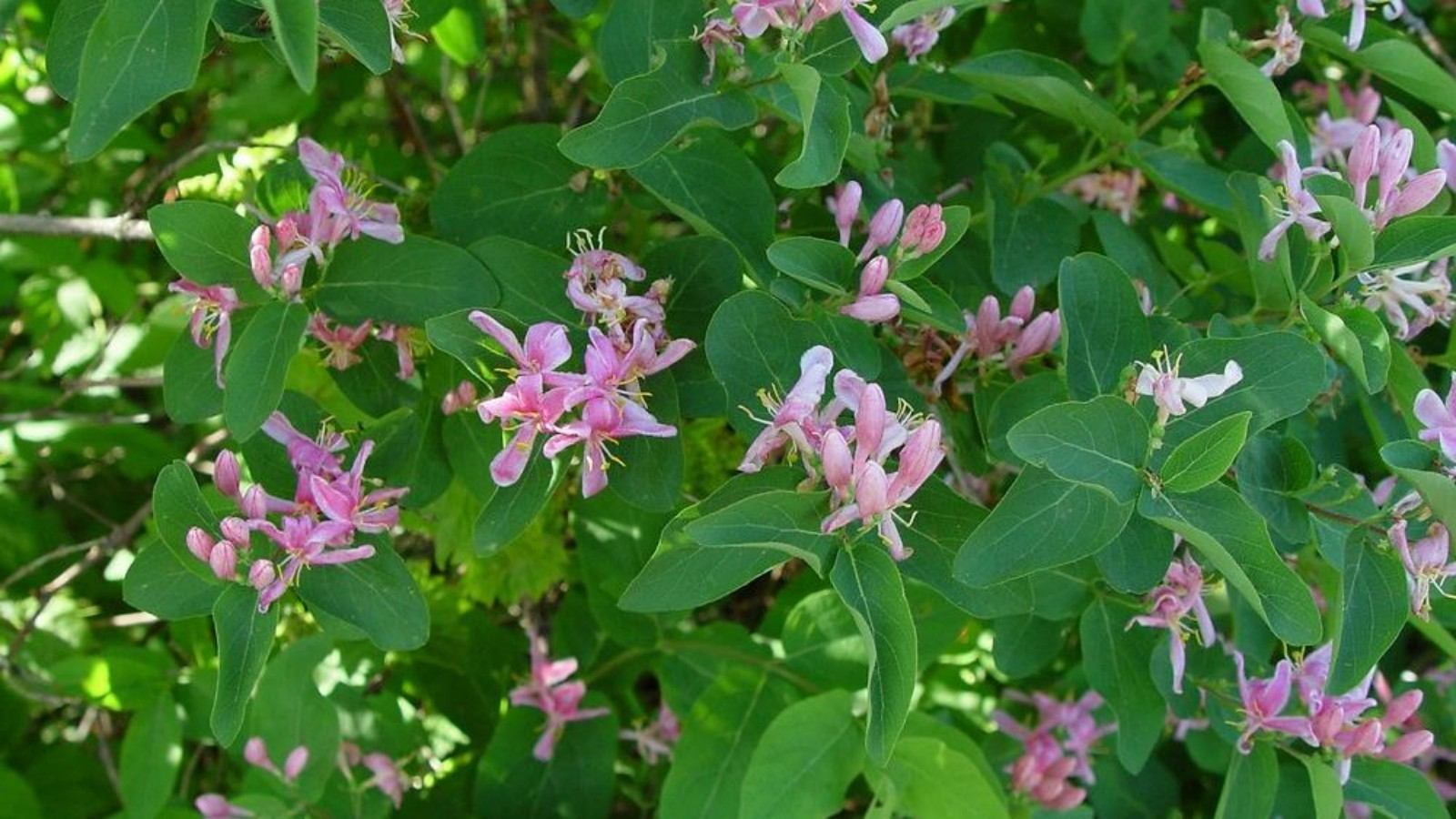
4. The Planting Process:
Container-Grown Shrubs: Gently remove the plant from its pot. If the roots are tightly circling (root-bound), tease them apart with your fingers or make a few shallow slices down the sides with a clean knife.
Balled-and-Burlapped (B&B) Shrubs: Place the root ball in the hole and carefully remove any twine and wire. Peel back the burlap from the top third of the ball, tucking it into the hole. It's not necessary to remove all the burlap, as it will decompose.
Place the plant in the center of the hole and backfill with the amended soil, firming it gently as you go to remove large air pockets.
Water Thoroughly: Once planted, create a small soil berm around the edge of the root zone to form a watering basin. Soak the area deeply to settle the soil around the roots.
Mulch: Apply a 2-3 inch (5-7 cm) layer of organic mulch, such as wood chips or bark, around the base of the plant. Keep the mulch a few inches away from the main stem to prevent moisture-related rot. Mulch conserves water, suppresses weeds, and regulates soil temperature.
Ongoing Care and Maintenance
Once established, Tatarian Honeysuckle is remarkably low-maintenance.
1. Watering:
First Year: This is the most critical period. Water deeply and regularly (about 1 inch per week) to encourage a strong, deep root system. Allow the soil to dry slightly between waterings.
Established Plants: are highly drought-tolerant. They will typically only need supplemental watering during prolonged periods of extreme heat and drought.
2. Fertilizing:
This shrub is not a heavy feeder and often thrives without any fertilizer, especially if planted in decent soil.
If growth seems slow or you want to encourage blooms, you can apply a balanced, slow-release shrub fertilizer or a layer of compost around the base in early spring, just as new growth begins. Avoid over-fertilizing, as this can promote excessive leafy growth at the expense of flowers.
3. Pruning:
Pruning is essential for maintaining shape, health, and bloom production.
When to Prune: The best time to prune is immediately after flowering in late spring or early summer. This shrub blooms on "old wood" (growth from the previous season). Pruning later in the summer or fall will remove the next year's flower buds.
Why Prune:
Shape: To maintain a desired size and form.
Rejuvenate: To encourage new, vigorous growth and improve air circulation.
Health: To remove dead, damaged, or diseased branches.
How to Prune:
Use clean, sharp pruning shears or loppers.
Start by removing any dead, broken, or crossing branches.
To encourage new growth from the base, prune up to one-third of the oldest stems all the way down to the ground.
For general shaping, make cuts just above a set of leaves or a side branch.
For a formal hedge, it can tolerate shearing, but this often removes potential flowers.
4. Managing Berries and Invasiveness:
This is a critical part of responsible ownership.
The most effective way to prevent the spread is to choose a sterile cultivar if available.
If you have a berry-producing variety, you can deadhead the spent flowers before they form berries. This requires diligent effort but is the most straightforward prevention method.
Regularly check the area around your shrub for seedlings and pull them up immediately.
Potential Problems and Solutions
Tatarian Honeysuckle is largely pest and disease-resistant but can encounter a few issues.
Aphids: These small, soft-bodied insects may cluster on new growth, sucking sap and excreting a sticky substance called honeydew. They are rarely a serious threat. Blast them off with a strong jet of water or introduce beneficial insects like ladybugs.
Powdery Mildew: This fungal disease appears as a white, powdery coating on leaves, often in late summer. It's usually cosmetic and not fatal. Improve air circulation through pruning and avoid overhead watering.
Leaf Spot: Various fungi can cause spots on leaves. Rake up and dispose of fallen leaves in the autumn to reduce overwintering spores.
Overall, the plant's vigor means most problems are minor and can be managed with good cultural practices.
Is Lonicera tatarica Right for Your Garden?
Lonicera tatarica is a testament to resilience. It offers a fantastic display of spring color, a lovely fragrance, and is virtually indestructible once established. It's an excellent choice for low-maintenance gardens, erosion control on difficult sites, or as a hardy hedge.
However, its greatest strength—its vigorous and adaptable nature—is also its greatest weakness in non-native environments. The decision to plant it should not be taken lightly. Always prioritize native alternatives where possible. If you do choose to plant Tatarian Honeysuckle, you take on the responsibility of managing its growth and preventing its spread into natural areas. With careful and conscientious care, you can enjoy its beauty without harming your local ecosystem.
Advertisement
Learn More
-

- October 20,2026
- Lily Disease Guide: Whats Killing Your Lilium longiflorum and How to Stop It
-
- September 17,2026
- Wax-Leaf Privet Diseases: Identification, Treatment & Prevention Guide
-
- September 1,2026
- Vinca Minor Diseases: Identification, Treatment and Long‑Term Garden Management
-
- August 18,2026
- Tree Philodendron Diseases: Identification, Treatment and Long‑Term Prevention
-
- August 6,2026
- Common Ailments of Plantago major: Identifying, Treating and Preventing Diseases in Broadleaf Plantain
-
- July 30,2026
- Zodiac-themed Bouquets Combined with Floral Language: Different Color Schemes Create More Artistic Birthday Surprises

Advertisement

 Poisonous and danger
 Edible and medicinal
 Wild and common weed