
Tiny Flying Bugs in Soil? Fungus Gnat Larvae Are Eating the Roots!
Advertisement
Have you ever noticed that there are always some small flies fluttering out of your flower pots? Many people think that they are just "harmless little bugs", but in fact, they are probably fungus gnats . What's worse is that the "children" of these flies - that is, their larvae , are lurking in the soil, quietly gnawing at the roots of your plants. When the plants begin to wither and grow slowly for no reason, you realize that the real harm has gone deep into the "underground".
Disease Introduction: What is fungus gnat damage?
Fungus gnats are common indoor plant pests that belong to the order Diptera and look like small mosquitoes. Although they do not eat plants directly as adults, they prefer to lay eggs in moist soil, and the hatched larvae feed on young roots and root hairs of plants, which can cause root rot or even plant death in severe cases.
This pest is not entirely a "disease" in the traditional sense, but the consequences are similar to root rot , and it is a typical "pest-induced disease" complex problem.
Which areas are more prone to fungus gnat outbreaks?
Fungus gnats thrive in warm, humid environments , so the following areas are more susceptible:
Spring and autumn in Europe and America : warm and humid indoors, flower pots are damp for a long time
Tropical and subtropical regions : such as Southeast Asia, southern United States, northern Australia
Urban balconies, window sills, indoor greenhouses : poor air circulation, high humidity, particularly prone to breeding
Due to their strong adaptability to environmental conditions, they are extremely common even in indoor cultivation .
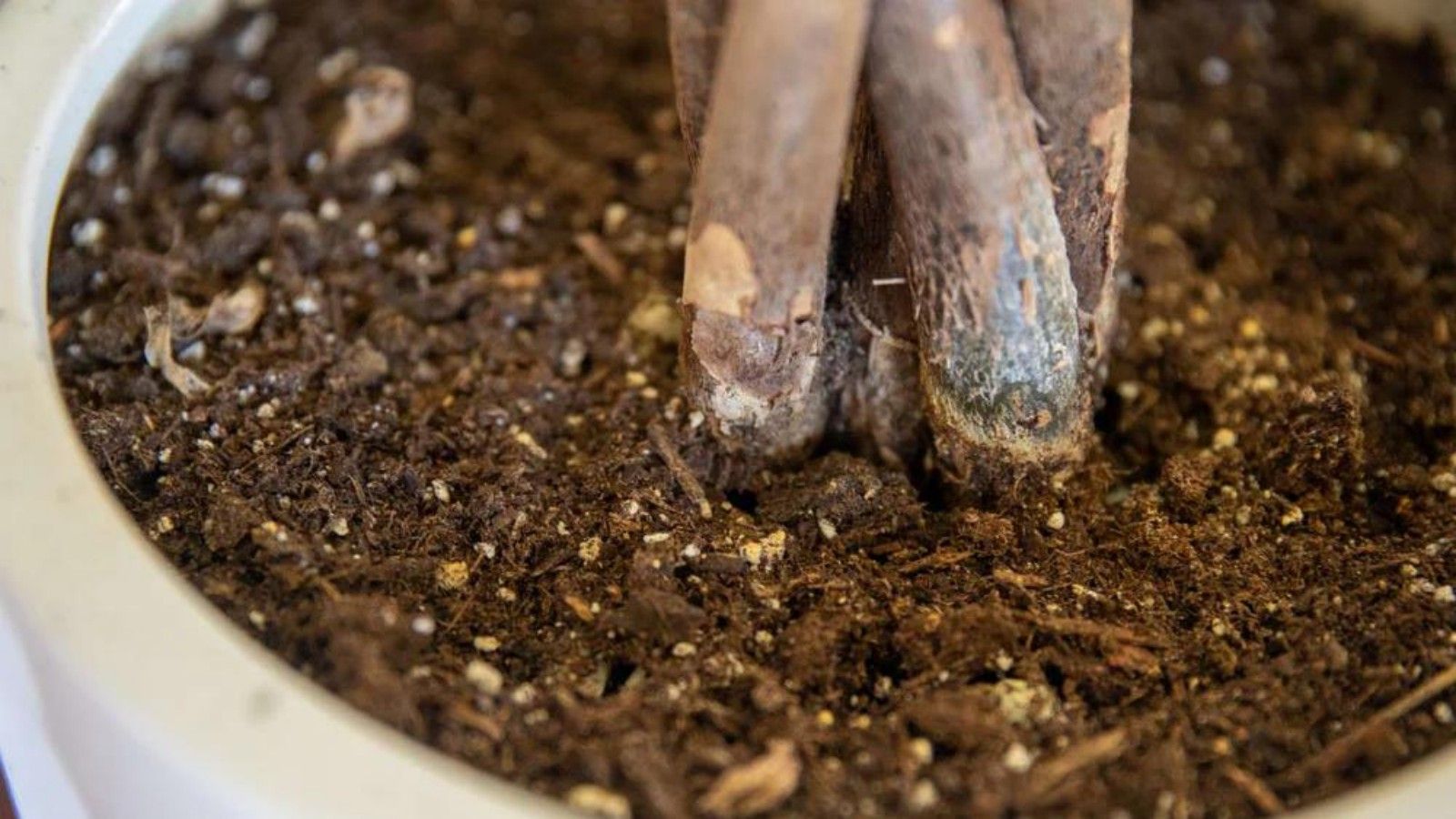
Which plants are susceptible to infection?
Fungus gnat larvae particularly favor plants with dense root systems and rich soil organic matter. Common plants that are attacked include:
Indoor foliage plants : such as green radish, monstera, spider plant, money tree, rubber tree, and evergreen
Succulents and potted herbs : such as aloe vera, jade plant, and tiger tail plant
Seedlings and cuttings : The root system is not yet developed and the resistance is poor
Potted fruits and vegetables : Tomatoes, peppers, strawberries, etc. are most vulnerable during the seedling stage
Plants in the seed germination stage, the early stage of cuttings, and the recovery stage after repotting are particularly dangerous because their roots are fragile at this time and difficult to recover once damaged.
Why does this pest occur?
Fungus gnat outbreaks are often caused by neglect of maintenance details. The following factors are the most critical:
Soil humidity is too high:Wet soil is an ideal place for adult insects to lay eggs. If the soil in the pot does not dry out for a long time, especially in a poorly ventilated environment, it is easy to breed insect eggs.For example: watering too frequently, the drainage holes in the flower pot are blocked.
Soil rich:In compost, peat, and humus is more likely to attract adult insects to lay eggs. Rotten roots or fallen leaves can also become food for larvae.
Poor ventilation + dark environment:Adult insects prefer damp places with poor air circulation. These environments are also prone to prolonging the humidity retention time, further worsening the situation.
Fungus gnats prefer a temperature:Of 20 to 28 degrees Celsius. A home or greenhouse environment provides "year-round breeding conditions" that allow pests to occur continuously.
What are the symptoms of infestation?
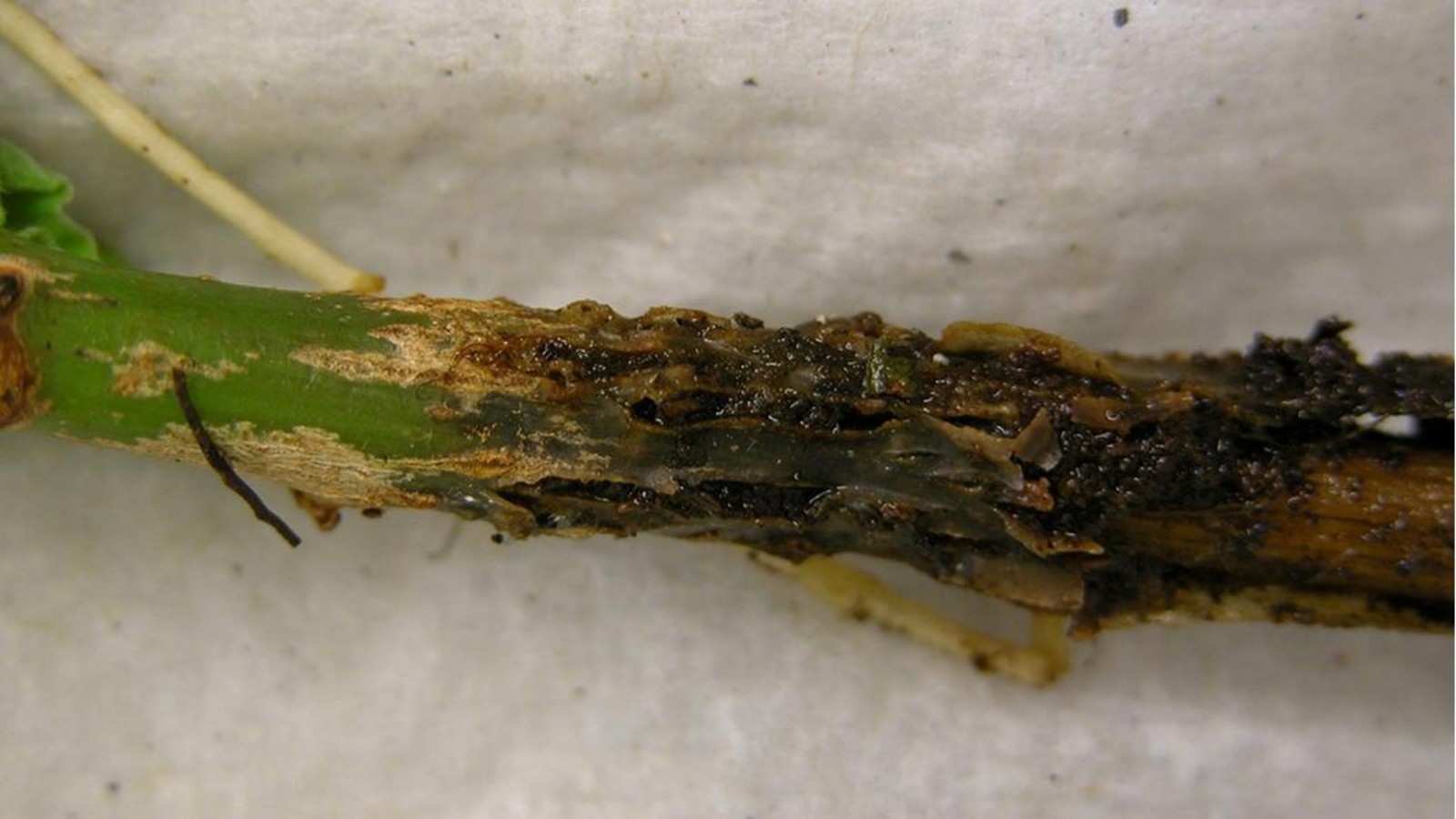
From the aboveground part, fungus gnat damage is often mistaken for overwatering or insufficient fertilizer, but a deeper analysis reveals the following manifestations:
Roots:The larvae drill holes and bite the roots, causing them to turn black, rot, and peel off, making them unable to absorb water and fertilizer normally.
Stem:The base may become soft and brown, which is the result of root rot spreading upward.
Leaves:Because the root system is damaged, the leaves will gradually turn yellow, become dull, and the edges will burn or fall off .
Flowers and fruits:Flower buds may shrink, fruits may fall off early or become deformed , especially during the seedling stage.
Soil surface:You may see some small black flies flying out slowly , especially when you water or move the flower pots.
How to control and prevent fungus gnats?
Dealing with this pest requires a two-pronged approach: controlling larvae + killing adults + improving the environment . Here is a systematic and practical approach:
1.Daily prevention advice
Control the frequency of watering:and make sure the soil in the pot is completely dry before watering . Do not form a "constantly wet" soil environment. You can use your fingers or a moisture meter to check.
Improve the soil:by using less high-organic substrate and adding some perlite, coconut coir or coarse sand to improve aeration and drainage.
Good ventilation and lighting:ensure that the plants are in a position with good air circulation and light, which inhibits the activity of adult insects.
Replace contaminated soil:Once the insect infestation is serious, the soil in the flowerpot needs to be completely replaced and the flowerpot must be disinfected.
2.Control of adults and larvae
To trap adult insects:Use yellow sticky insect boards and insert them on the surface of the potting soil. This can effectively capture adult insects and reduce reproduction.
Killing larvae (recommended combination):Hydrogen peroxide solution irrigation : 3% hydrogen peroxide and water in a ratio of 1:4, once a week, helps kill root zone larvaeCinnamon water and BT bacteria ( Bacillus thuringiensis ) irrigation : natural antibacterial, sustainable use
Release of biological natural enemies : such as predatory mites or nematodes , which can be used in greenhouse cultivation
Covering the surface with:A layer of dry fine stones or gravel on the surface of the potting soil can prevent adult insects from laying eggs and reduce the hatching rate.
During cleaning:Clean up fallen leaves, petals and rotten roots in a timely manner to prevent them from providing nutrient sources.
Fungus gnats are invisible and intangible, but they are actually eating away at the roots of plants. Rather than waiting until the leaves turn yellow and the plants wilt, it is better to start taking better care of them today. Gardening is impossible without small steps; greenery is hard to come by without insect prevention . Don't let "seemingly harmless" flying insects steal the green life you have carefully cultivated.
Advertisement
Learn More
-

- October 20,2026
- Lily Disease Guide: Whats Killing Your Lilium longiflorum and How to Stop It
-
- September 17,2026
- Wax-Leaf Privet Diseases: Identification, Treatment & Prevention Guide
-
- September 1,2026
- Vinca Minor Diseases: Identification, Treatment and Long‑Term Garden Management
-
- August 18,2026
- Tree Philodendron Diseases: Identification, Treatment and Long‑Term Prevention
-
- August 6,2026
- Common Ailments of Plantago major: Identifying, Treating and Preventing Diseases in Broadleaf Plantain
-
- July 30,2026
- Zodiac-themed Bouquets Combined with Floral Language: Different Color Schemes Create More Artistic Birthday Surprises

Advertisement
 Poisonous and danger
 Edible and medicinal
 Wild and common weed