
Tulip bulb rot, how to save it?
Advertisement
Tulip, as a world-famous bulb flower, is popular for its bright colors and beautiful flower shapes. However, in the process of tulip cultivation, bulb rot is a common and troublesome problem. Bulb rot not only affects the growth and flowering of tulips, but in severe cases it may even cause the death of the plant, causing economic losses to the grower. This article will introduce the causes of tulip bulb rot in detail and provide corresponding rescue measures to help growers solve this problem.
1. Causes of Tulip Bulb Rot
(I) Improper Planting Environment
Soil Problem
Soil is the basis for tulip growth. If the soil is not properly selected, it will bury the hidden danger of bulb rot. Tulips are suitable for growing in loose, fertile, well-drained sandy loam. If the soil is heavy, compacted, and has poor air permeability, it will cause root hypoxia, affect the normal respiration and growth of the root system, and then cause bulb rot. In addition, if there are a large number of pathogens, insect eggs or pests in the soil, it will also cause damage to the bulbs and increase the risk of rot. For example, in plots where tulips have been planted for a long time, a large number of pathogens such as Fusarium and Phytophthora may accumulate in the soil. These pathogens will multiply rapidly under suitable conditions and infect the bulbs.
Poor Water Management
Water is an important condition for tulip growth, but too much or too little water will have adverse effects on the bulbs. When watering too much, the soil will accumulate water, and the bulbs will be soaked in water for a long time, which is easy to cause root rot. Especially in the rainy season or in plots with poor drainage, the problem of water accumulation is more serious. If the watering is too little and the soil is too dry, the bulbs will lack water, growth will be hindered, resistance will be reduced, and they will be susceptible to infection by pathogens. In addition, too high air humidity is not conducive to the growth of tulips. High humidity environment is prone to mold growth, causing the surface of the bulbs to mold and rot.
Unsuitable temperature
The growth of tulip bulbs has certain temperature requirements. During the rooting and germination stages of the bulbs, the suitable temperature is 5-14℃, and the optimum temperature is around 10℃. If the temperature is too high, exceeding 20℃, the respiration of the bulbs will be enhanced, consuming a lot of nutrients. At the same time, the high temperature and high humidity environment is conducive to the reproduction and spread of pathogens, which can easily cause the bulbs to rot. If the temperature is too low, below 0℃, the bulbs may be frozen, causing cell damage and then rotting. In addition, the large temperature difference between day and night will also have an adverse effect on the growth of the bulbs, easily causing physiological disorders inside the bulbs and increasing the possibility of rotting.
(II) Problems with the bulbs themselves
Poor bulb quality
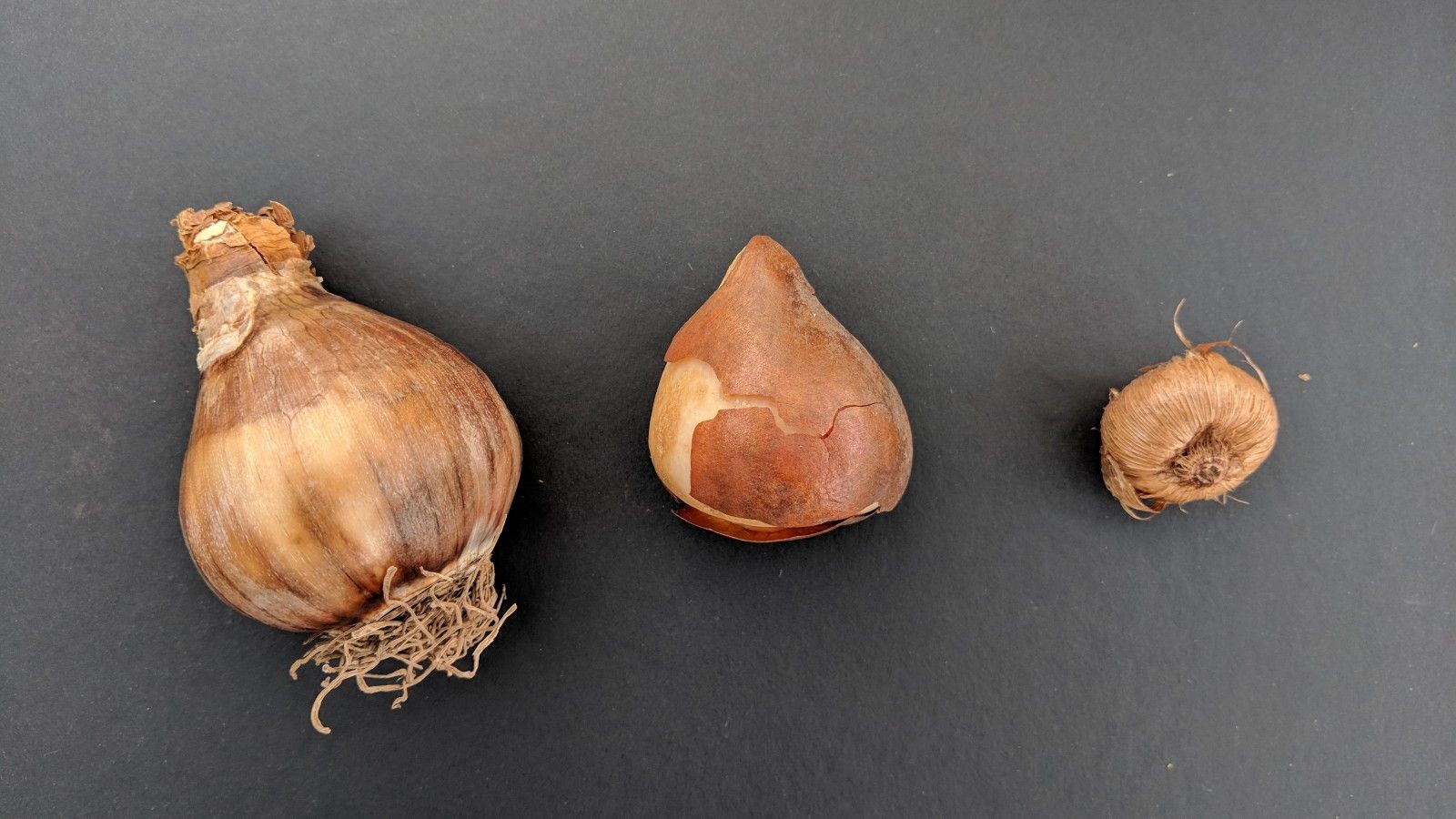
The quality of the bulbs is a key factor affecting the growth of tulips. If the purchased bulbs have problems, such as being too small, thin, damaged or diseased, they are prone to rot after planting. High-quality bulbs should be full, solid, undamaged, and free of pests and diseases. However, inferior bulbs are easily affected by the external environment during the planting process due to their weak resistance, and are easily infected by pathogens, leading to rot. For example, the bulbs are mechanically damaged during excavation, transportation and storage, and the wounds are easily infected by pathogens, which in turn causes the bulbs to rot.
Improper storage of bulbs
If the storage of bulbs is not managed properly, the bulbs will also rot. When storing bulbs, it is necessary to maintain appropriate temperature, humidity and ventilation conditions. If the storage environment temperature is too high and the humidity is too high, the bulbs are prone to germinate or mold and rot. In addition, if the bulbs are attacked by pests and diseases during storage, such as being infected by mold or being eaten by pests, the quality of the bulbs will also decline and they will easily rot after planting.
(III) Improper planting management
Improper planting time
The planting time of tulip bulbs should be determined according to local climatic conditions and variety characteristics. If the planting time is too early and the temperature is high, the bulbs are likely to germinate early, and the seedlings after unearthing are susceptible to low temperature damage; if the planting time is too late and the temperature is low, the bulbs are difficult to root, grow slowly, have weak resistance, and are easily infected by pathogens, causing the bulbs to rot. Generally speaking, tulip bulbs are suitable for planting in autumn, and the best planting time is when the soil temperature drops to about 10℃.
Improper planting depth
The planting depth also has an important impact on the growth of tulip bulbs. If the planting is too deep, the bulbs are difficult to germinate, the unearthing time is long, a lot of nutrients are consumed, and the oxygen content in the soil is low, which is easy to cause the bulbs to rot; if the planting is too shallow, the bulbs are easily affected by the external environment, such as direct sunlight, rapid evaporation of water, etc. At the same time, the root system is not strong, it is easy to fall over, and it is also easy to be attacked by pests and diseases. Generally speaking, the planting depth of tulip bulbs is 2-3 times the diameter of the bulbs, about 10-15 cm.
Improper fertilization
Fertilization is an important management measure during the growth of tulips, but improper fertilization can also cause bulb rot. If too much fertilizer is applied or the fertilizer concentration is too high, it will burn the root system and cause root rot, which will in turn affect the growth of the bulbs. In addition, the application of uncomposted organic fertilizers, which contain a large number of pathogens and insect eggs, will cause damage to the bulbs and increase the risk of rot. Tulip fertilization should follow the principle of thin fertilizer and frequent application, mainly with decomposed organic fertilizers and compound fertilizers, and avoid using chlorine-containing fertilizers.
(IV) Pest and disease invasion
Diseases
Tulip bulbs are susceptible to a variety of diseases, such as tulip blight, tulip bulb rot, tulip gray mold, etc. These diseases are mainly transmitted through soil, bulbs or wind and rain, and spread rapidly under suitable conditions, causing bulb rot. For example, tulip blight mainly harms bulbs and leaves. In the early stage of the disease, water-soaked spots appear on the surface of the bulbs, which gradually expand and rot, producing a white mold layer; tulip bulb rot mainly harms bulbs, causing the internal tissues of the bulbs to rot and emit a foul odor.
Pests
Pests are also one of the important reasons for the rot of tulip bulbs. Common pests include aphids, root-knot nematodes, and grubs. Aphids mainly suck the juice of leaves and buds to spread viral diseases, and the honeydew they secrete can easily cause mold infections; root-knot nematodes harm the root system, causing nodules to form on the root system, affecting the absorption function of the root system, causing the bulbs to grow poorly and easily rot; underground pests such as grubs gnaw on the bulbs and roots, causing wounds, which provide conditions for the invasion of pathogens, and then cause the bulbs to rot.
2. Rescue measures for tulip bulb rot
(I) Timely inspection and cleaning
When tulip bulbs show signs of rot, they should be inspected in time. Gently dig out the bulbs and observe the degree of rot. If the bulbs are only slightly rotten on the surface, use a sharp knife to cut off the rotten part. Note that the knife must be disinfected before use. It can be wiped with alcohol or potassium permanganate solution to avoid cross infection. After cutting off the rotten part, soak the bulbs with drugs such as carbendazim or methyl thiophanate for about 30 minutes, then dry the bulbs and replant them after the wound heals. If the bulbs are severely rotten, the internal tissues have completely rotted and emit a foul odor, they should be completely removed and kept away from the planting area to avoid the spread of germs.
(II) Improve the planting environment
Improve the soil
For plots with heavy soil and poor air permeability, soil improvement should be carried out. You can add an appropriate amount of leaf mold, river sand, perlite, etc. to increase the air permeability and drainage of the soil. At the same time, well-rotted organic fertilizers, such as compost and well-rotted chicken manure, can be applied to improve soil structure and soil fertility. Before planting, the soil should be disinfected by methods such as sun exposure, deep plowing and sun drying, or disinfection with chemicals. For disinfection with chemicals, formalin, carbendazim, etc. can be used. Spray according to the dosage in the instructions, then cover with a film and steam for 3-5 days to kill the pathogens and insect eggs in the soil.
Reasonable watering
Reasonable watering according to the dryness and wetness of the soil and weather conditions, keeping the soil moist but not waterlogged. Watering should follow the principle of "see dry and see wet", that is, water when the soil surface is dry, water thoroughly, but avoid excessive watering. In the rainy season, water should be removed from the field in time to prevent the bulbs from being soaked in water. At the same time, pay attention to maintaining air humidity to avoid excessive humidity. The air humidity can be adjusted by strengthening ventilation and reducing planting density.
Control temperature
When planting tulip bulbs, choose a suitable planting time to ensure that the bulbs grow in a suitable temperature environment. In summer, when the temperature is high, measures such as shading and water spraying can be taken to reduce the temperature and prevent the bulbs from being stressed by high temperature. In cold areas in winter, mulch and straw can be covered for insulation to prevent the bulbs from being damaged by frost. For tulips planted in greenhouses or sheds, the indoor temperature must be strictly controlled and kept within an appropriate range.
(III) Dealing with bulb problems
Choosing high-quality bulbs
When purchasing bulbs, choose regular channels and select high-quality bulbs that are plump, solid, undamaged, and free of pests and diseases. Before planting, strictly inspect the bulbs and remove those with diseases, injuries, or weak bulbs. For imported bulbs, pay attention to check whether they have been quarantined to avoid the introduction of foreign pests and diseases.
Proper storage of bulbs
Before storing the bulbs, they must be cleaned and disinfected to remove the soil and germs on the surface of the bulbs. When storing, place the bulbs in a ventilated, dry, cool and dark place, keep the temperature at 15-20℃, and control the humidity at 60%-70%. The bulbs can be placed in breathable mesh bags or cartons, and airtight containers such as plastic bags can be avoided to prevent the bulbs from getting moldy and rotting. During storage, the bulbs should be checked regularly and any problems found should be dealt with promptly.
(IV) Strengthen planting management
Reasonable planting
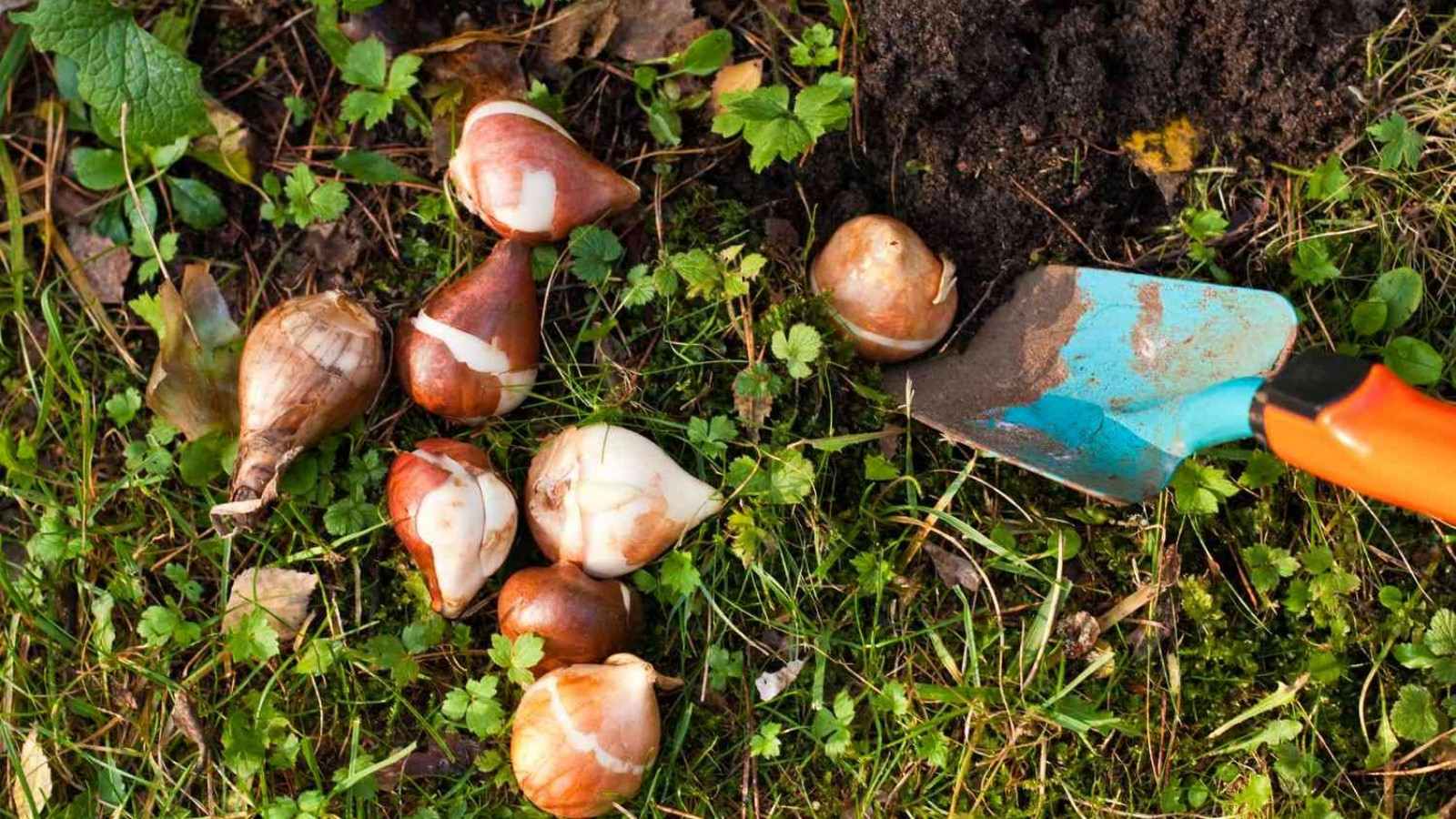
Plant at appropriate planting time and planting depth. When planting, place the bulb tip upwards, gently place it in the planting hole, cover the soil, compact it and water it thoroughly. The planting density should be reasonable to avoid too dense resulting in poor ventilation and light transmission, which will increase the risk of pests and diseases.
Scientific fertilization
Fertilization should follow the principle of "small amounts, multiple times, and balanced nutrition". Before planting, apply enough base fertilizer, mainly decomposed organic fertilizer, with an appropriate amount of compound fertilizer. During the growth period, apply topdressing in time according to the growth of the plant, mainly nitrogen fertilizer, to promote stem and leaf growth; during the budding period, increase the application of phosphorus and potassium fertilizers to promote flower development. Avoid applying undecomposed organic fertilizers and chlorine-containing fertilizers. When applying fertilizers, be careful not to touch the bulbs to avoid burning the root system.
Pest and disease control
For diseases, we must adhere to the principle of "prevention first, comprehensive prevention and control". Before planting, disinfect the bulbs and soil to reduce the source of infection of pathogens. During the growth period, spray fungicides such as carbendazim, methyl thiophanate, chlorothalonil, etc. regularly to prevent the occurrence of diseases. When disease symptoms are found, remove diseased plants, diseased leaves and diseased bulbs in time, and spray corresponding agents for treatment. For insect pests, timely detection and effective prevention and control measures should be taken. Aphids can be sprayed with imidacloprid, acetamiprid and other agents; root-knot nematodes can be controlled by soil disinfection, crop rotation and other methods; underground pests such as grubs can be controlled by poison bait, manual capture and other methods.
(V) Other rescue methods
If the bulb rot is not particularly serious, in addition to the above methods, you can also try the following rescue measures. After taking the bulb out of the soil, wash it with clean water to remove the soil and rotten tissue on the surface, and then soak the bulb in the rooting agent solution to promote the growth of new roots. The soaking time is based on the instructions of the rooting agent, which is generally about 30 minutes. After soaking, dry the bulbs and replant them in new soil that has been disinfected to maintain suitable environmental conditions and promote the recovery of bulb growth.
Tulip bulb rot is caused by the combined action of multiple factors. To solve this problem, it is necessary to take comprehensive rescue measures from the aspects of planting environment, bulb quality, planting management and pest and disease control. During the planting process, attention should be paid to selecting high-quality bulbs, reasonably controlling the planting environment, strengthening daily management, and doing a good job in pest and disease prevention to reduce the risk of bulb rot. When bulb rot is found, appropriate rescue measures should be taken in time, and treatment should be carried out according to the degree of rot to save the bulbs as much as possible and reduce losses.
Advertisement
Learn More
-

- October 20,2026
- Lily Disease Guide: Whats Killing Your Lilium longiflorum and How to Stop It
-
- September 17,2026
- Wax-Leaf Privet Diseases: Identification, Treatment & Prevention Guide
-
- September 1,2026
- Vinca Minor Diseases: Identification, Treatment and Long‑Term Garden Management
-
- August 18,2026
- Tree Philodendron Diseases: Identification, Treatment and Long‑Term Prevention
-
- August 6,2026
- Common Ailments of Plantago major: Identifying, Treating and Preventing Diseases in Broadleaf Plantain
-
- July 30,2026
- Zodiac-themed Bouquets Combined with Floral Language: Different Color Schemes Create More Artistic Birthday Surprises



Advertisement
 Poisonous and danger
 Edible and medicinal
 Wild and common weed