
White Powder on Leaves? Act Fast!Powdery Mildew Spreads Quickly!
Advertisement
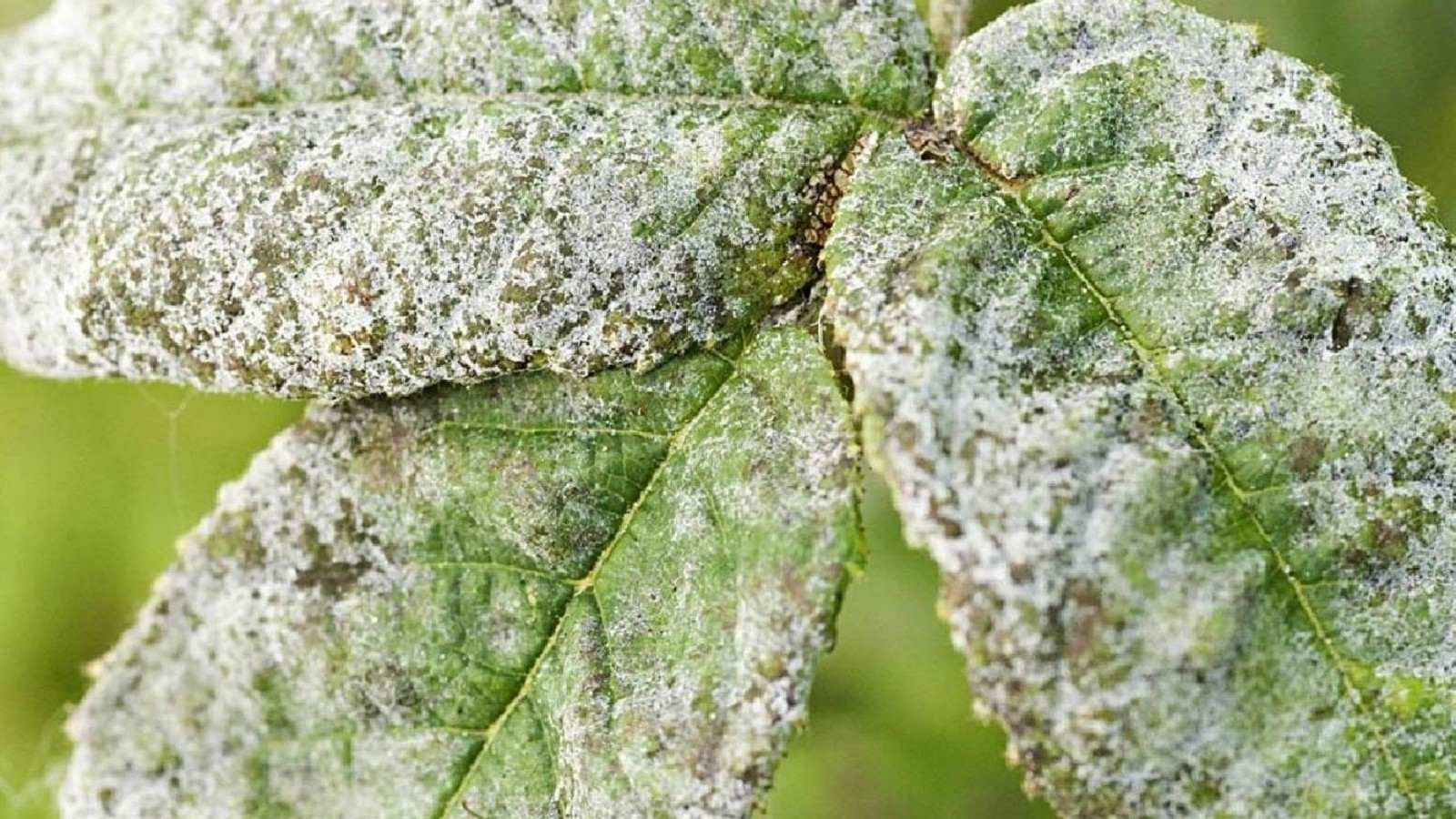
If you suddenly find a layer of white powder like "flour" on the leaves of your plants, don't hesitate, it may be powdery mildew. It is a very common fungal disease in gardening, which spreads quickly and causes great harm. If you don't pay attention, it may wipe out an entire plant.
What is powdery mildew?
Powdery Mildew is a fungal disease caused by a variety of fungi (such as Erysiphe , Podosphaera , etc.). It is characterized by white powdery hyphae covering the surface of plant leaves, stems and even flowers, which not only affects the appearance, but also weakens plant photosynthesis, thus affecting overall growth and even causing death.
Which areas are more prone to powdery mildew?
Powdery mildew particularly prefers warm, dry days and humid nights . Therefore, it is particularly prevalent in temperate and subtropical regions , especially in:
North America (such as the southeastern United States, inland California)
Europe (especially areas with hot and dry summers)
South Australia
Mediterranean countries
Urban balconies and greenhouses are also prone to similar climatic conditions, so even indoor plants are not immune.
Which plants are susceptible to powdery mildew?
Powdery mildew has a wide range of targets, with different fungi targeting different hosts, but in general, the most common plants affected include:
Vegetables : cucumber, pumpkin, beans, zucchini, tomatoes
Fruit trees : grapes, apples, peaches
Ornamental plants : roses, Chinese roses, petunias, gerberas
Herbs and succulents : thyme, sage, cacti
These plants can easily become a "breeding ground" for powdery mildew due to the hairy leaves, poor ventilation or dense planting.
Why does powdery mildew occur?
The occurrence of powdery mildew is often the result of the combined effects of multiple environmental and maintenance conditions. The following are the main causes and their principles:
Humidity imbalance:Powdery mildew prefers humid air, but not constantly wet leaves. Dry days and high humidity at night (such as night dew or fog) are most conducive to the germination and spread of fungal spores.
Poor ventilation:Dense planting or poor indoor ventilation can cause air stagnation, which promotes the accumulation and reproduction of pathogen spores.
Insufficient light:A dark environment weakens the plant's ability to resist disease and makes it easier for fungi to reproduce.
Uneven nutrition:Too much nitrogen fertilizer and insufficient phosphorus and potassium will cause the plant to grow too tall, and the tender tissue will be more susceptible to infection.
Poorly drained or waterlogged soil:Although powdery mildew is not directly dependent on soil moisture, high humidity will accelerate disease development, especially on the lower leaves.
What are the symptoms of powdery mildew?
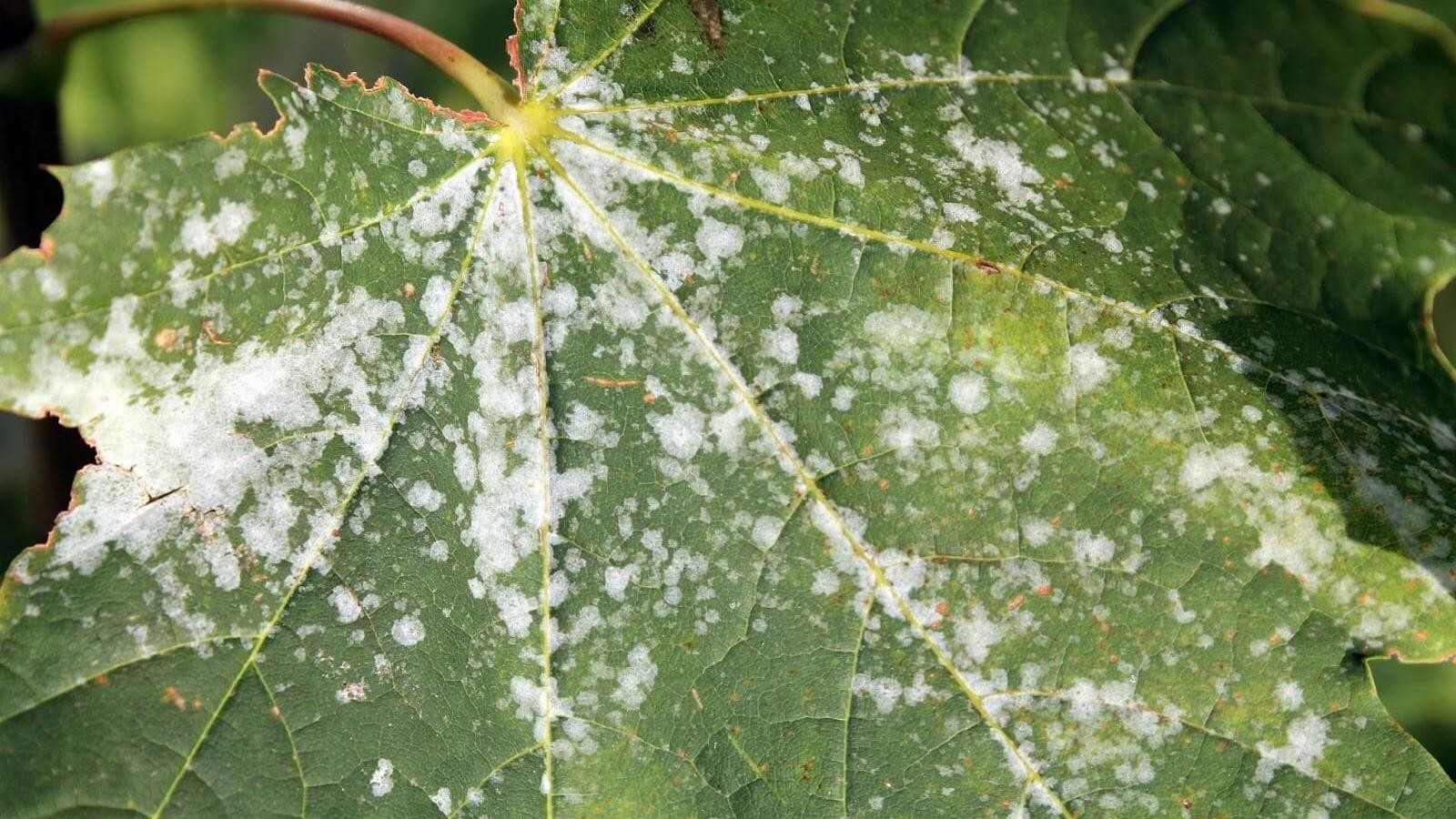
Leaves:The most typical feature is the appearance of white or off-white powder on the leaves , which starts as small spots and spreads to eventually cover the entire leaf. The leaves will gradually turn yellow, dry up, and fall off.
Stem:The stem may also be infected, with white mold-like substances appearing and the epidermis becoming soft, which affects nutrient transport.
Flowers:The flower buds may shrink prematurely or fail to open, resulting in reduced flowering quality and loss of ornamental value.
Fruit:If the fruit trees are infected, the fruit skin will be rough, spotted or deformed, or even fall off.
Root system:Powdery mildew usually does not affect the roots, but if it affects photosynthesis for a long time, it will lead to poor root development and reduced absorption capacity.
How to control and prevent powdery mildew?
When it comes to powdery mildew, prevention is better than cure, and early detection and timely treatment are key. Here are some practical suggestions:
1. Daily management
Increase plant spacing and improve ventilation:Avoid planting too densely, prune inner leaves when necessary to enhance air circulation.
Control the application of nitrogen fertilizer and increase phosphorus and potassium fertilizer
Enhance the strength of plant tissues and improve disease resistance.
Appropriate sunlight:Ensure at least 4 hours of direct light per day to reduce disease activity.
2.Post-infection treatment
Remove diseased leaves and branches in time:Cut off and destroy infected leaves (do not compost to avoid spreading)
Clean the plant surface:White powder can be gently wiped away with a damp cloth to help control early spread.
Spray with fungicide,Recommended Use:
Organic options: baking soda + water + a small amount of vegetable oil (or soap) mixed with spraying
Chemical: Sulfur formulations (e.g., lithosulfuric acid), imidacloprid, carbendazim, etc.
Spray every 7-10 days, 2-3 times in a row, rotate agents to prevent resistance.
Avoid spraying at night:Prevent the humidity from rising at night, which will promote the propagation of the disease.
3.Environmental prevention
Regular clearing of fallen leaves and weeds:Ground leaf litter is also an overwintering site for the disease.
Use of disease-resistant varieties:Especially in vegetable gardening, choose seeds or seedlings that say “powdery mildew resistant”.
Although powdery mildew is common, it is not impossible to deal with it. As long as you find it in time, deal with it decisively, and improve the environment and maintenance methods, it will not cause irreversible damage to the plants. Don't wait for the "powdery mildew" to cover the whole plant, take action and keep your plants fresh and green!
Advertisement
Learn More
-

- October 20,2026
- Lily Disease Guide: Whats Killing Your Lilium longiflorum and How to Stop It
-
- September 17,2026
- Wax-Leaf Privet Diseases: Identification, Treatment & Prevention Guide
-
- September 1,2026
- Vinca Minor Diseases: Identification, Treatment and Long‑Term Garden Management
-
- August 18,2026
- Tree Philodendron Diseases: Identification, Treatment and Long‑Term Prevention
-
- August 6,2026
- Common Ailments of Plantago major: Identifying, Treating and Preventing Diseases in Broadleaf Plantain
-
- July 30,2026
- Zodiac-themed Bouquets Combined with Floral Language: Different Color Schemes Create More Artistic Birthday Surprises



Advertisement



 Poisonous and danger
 Edible and medicinal
 Wild and common weed