
Why Are Begonia rex Leaves Curling and Turning Brown? Causes, Fixes, and Prevention
Advertisement
Begonia rex—often called Rex Begonia or painted-leaf begonia—is prized for its dramatic foliage: swirling patterns, metallic sheens, and bold color contrasts that look more like artwork than a houseplant. Yet many growers encounter the same frustrating problem: leaves that curl inward, crisp at the edges, or turn brown seemingly overnight. Because Begonia rex is sensitive to its environment, these symptoms can appear quickly and worsen fast if the underlying cause isn’t addressed.
This in-depth guide breaks down why Begonia rex leaves curl and brown, how to diagnose the exact issue, and—most importantly—what to do to restore healthy, vibrant foliage. Whether you’re a beginner or an experienced plant parent, understanding these signals will help you keep your Rex Begonia thriving.
Understanding Leaf Curling and Browning in Begonia rex
Leaf curling and browning are not diseases by themselves; they are stress responses. Begonia rex communicates discomfort through its leaves because its thin, textured foliage reacts quickly to changes in moisture, light, temperature, and humidity. A single symptom may have multiple causes, so accurate diagnosis requires observing the pattern, location, and speed of damage.
Common visual clues include:
Curling upward or inward leaves
Crispy, dry brown edges
Brown patches starting at the margins
Soft, dark brown spots near the base
Leaves drooping along with curling
Each pattern points to a different problem.
1. Low Humidity: The Most Common Culprit
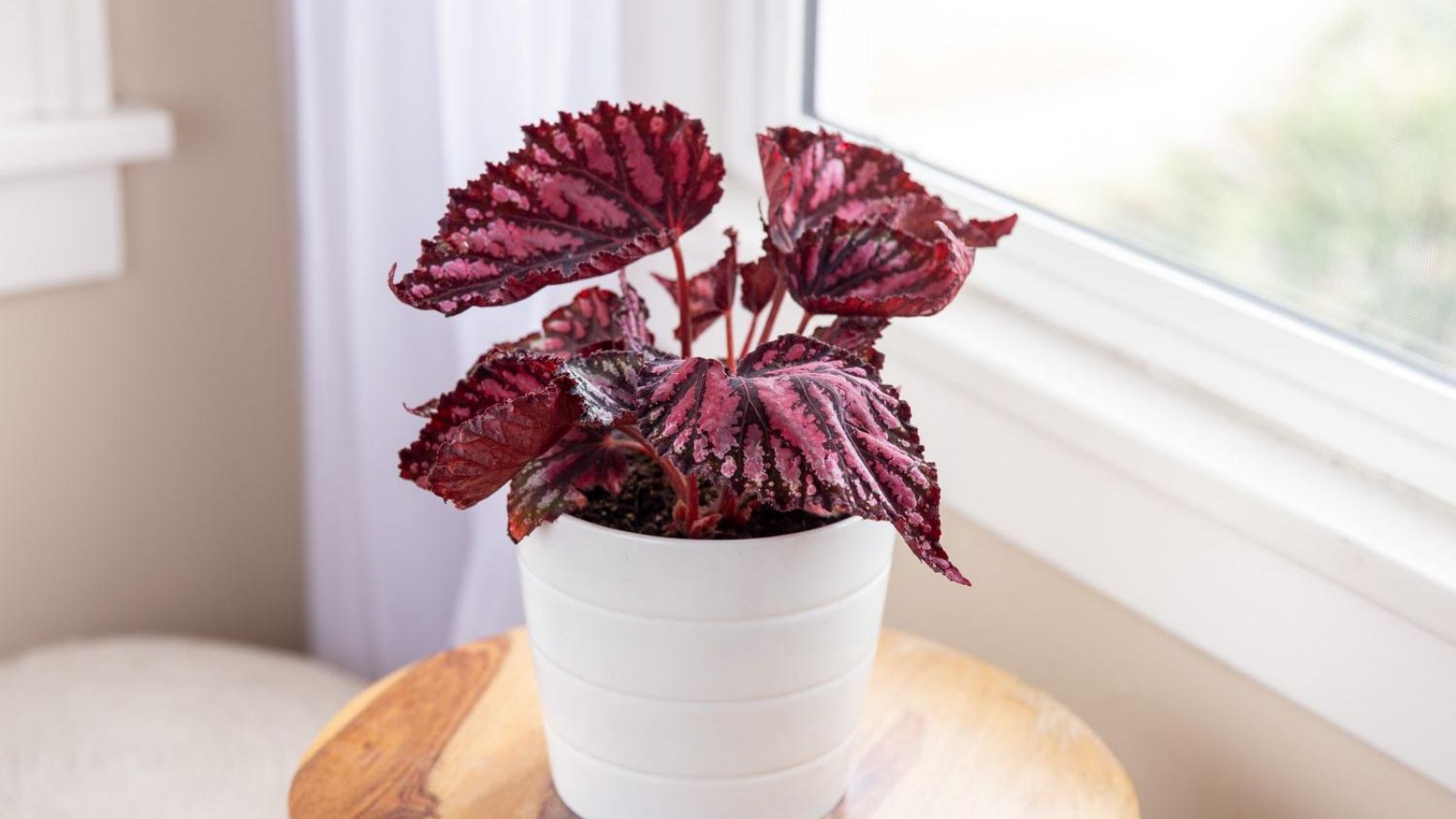
Why it happens
Begonia rex is native to humid, tropical environments. In average indoor conditions—especially during winter or in air-conditioned rooms—humidity often drops below 40%, which is far too dry for this plant. When humidity is low, moisture evaporates rapidly from the leaves, causing them to curl as a defense mechanism and brown at the edges.
Symptoms
Leaf edges turn dry and crispy
Leaves curl inward or upward
Damage starts at the tips and margins
How to fix it
Increase humidity to 50–70% using a humidifier
Group plants together to create a microclimate
Place the pot on a pebble tray with water (without letting the pot sit in water)
Avoid placing the plant near heating vents or air conditioners
Tip: Misting is not recommended for Begonia rex, as wet leaves can encourage fungal disease.
2. Improper Watering: Too Much or Too Little
Overwatering
Begonia rex has shallow, delicate roots that are prone to rot. Constantly wet soil suffocates roots, preventing them from absorbing oxygen. As roots fail, leaves curl, brown, and eventually collapse.
Signs of overwatering:
Soft, limp leaves with dark brown patches
Soil remains wet for days
Mushy stems near the base
Solution:
Allow the top 1–2 inches of soil to dry before watering
Use pots with drainage holes
Replace compacted or waterlogged soil with fresh, airy mix
Underwatering
When soil dries out completely, Begonia rex loses turgor pressure quickly.
Signs of underwatering:
Leaves curl tightly and feel papery
Edges turn light brown first
Soil pulls away from the sides of the pot
Solution:
Water thoroughly until excess drains out
Maintain consistent moisture without saturation
3. Excessive Light or Direct Sun Exposure
Why light matters
While Begonia rex needs bright light to maintain vivid leaf color, direct sunlight is harmful. The thin leaves scorch easily, leading to browning and curling.
Symptoms
Brown, dry patches on leaf surfaces
Curling on the side facing the window
Colors appear washed out
Best lighting conditions
Bright, indirect light near an east- or north-facing window
Filtered light through sheer curtains
Avoid direct afternoon sun
Artificial grow lights can also work well if placed at a safe distance.
4. Temperature Stress and Drafts
Ideal temperature range
Begonia rex prefers stable temperatures between 65–80°F (18–27°C). Sudden changes stress the plant.
Common temperature-related issues
Cold drafts from windows in winter
Heat stress from radiators or electronics
Nighttime temperature drops
Symptoms
Leaves curl downward
Browning occurs rapidly
Growth slows or stops
Prevention
Keep plants away from drafty windows and doors
Maintain consistent room temperature
Avoid placing plants near heat sources
5. Poor Soil Structure and Root Stress
Why soil quality matters
Begonia rex requires an airy, well-draining substrate. Heavy or compacted soil retains excess water and restricts oxygen flow to the roots.
Recommended soil mix
40% peat moss or coco coir
30% perlite
20% fine bark or orchid mix
10% compost or worm castings
This combination balances moisture retention with excellent drainage.
6. Fertilizer Burn and Nutrient Imbalance
Overfertilization
Excess salts from fertilizer accumulate in the soil, burning roots and leaf margins.
Symptoms:
Brown leaf edges with yellow halos
Curling despite adequate watering
Fix:
Flush soil with distilled water
Reduce feeding frequency
Use diluted fertilizer (¼ to ½ strength)
Nutrient deficiency
Lack of nutrients can also weaken leaves.
Solution:
Feed monthly during active growth (spring and summer)
Use a balanced, water-soluble fertilizer
7. Pests and Secondary Stress
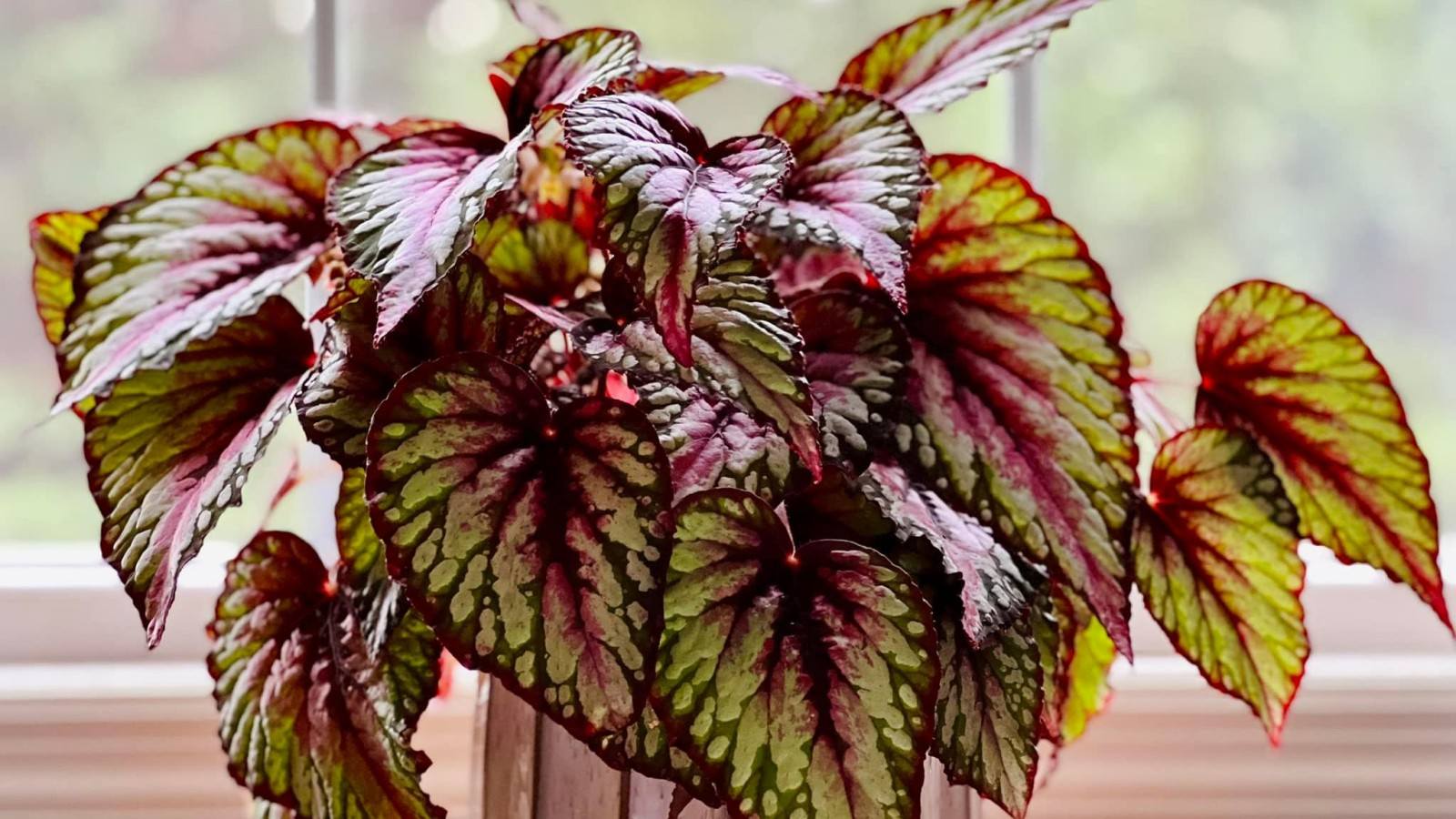
Although not the most common cause, pests can worsen leaf damage.
Watch for:
Spider mites (fine webbing, stippled leaves)
Thrips (silvery streaks)
Mealybugs (white cottony clusters)
Treat early with insecticidal soap or neem oil, ensuring good airflow afterward.
Can Damaged Leaves Recover?
Brown, crispy tissue will not turn green again. However, once the underlying issue is corrected, new leaves should emerge healthy. Trim severely damaged leaves with sterile scissors to redirect energy into new growth.
Long-Term Prevention Tips
Maintain stable humidity and temperature
Water consistently, never on a strict schedule
Use breathable soil and proper drainage
Provide bright, indirect light
Monitor leaves weekly for early signs of stress
Final Thoughts
Leaf curling and browning in Begonia rex are clear signals—not failures. This plant is expressive, and once you learn its language, caring for it becomes far more intuitive. By adjusting humidity, watering habits, light exposure, and soil quality, you can reverse most issues and enjoy the spectacular foliage that makes Begonia rex a standout in any plant collection.
With the right environment, your Rex Begonia won’t just survive—it will become the living artwork it was meant to be.
Advertisement
Learn More
-

- June 1,2026
- How to treat leaf spot disease in Wisteria?
-
- May 26,2026
- Choosing Plants for Hotel Rooms: Creating a Comfor Stay
-
- May 18,2026
- How to Deal with Plant Blight Disease in Duranta erecta?
-
- May 11,2026
- Edible Plant ion Guide: Common but Easily Misunderstood Plant Types in the Market
-
- May 6,2026
- How should I care for Common asparagus fern?
-
- April 27,2026
- Garden Maintenance Schedule: Perfect All Year Round

Advertisement
 Poisonous and danger
 Edible and medicinal
 Wild and common weed