
Why doesnt Sansevieria trifasciata grow tall? Heres the key factor!
Advertisement
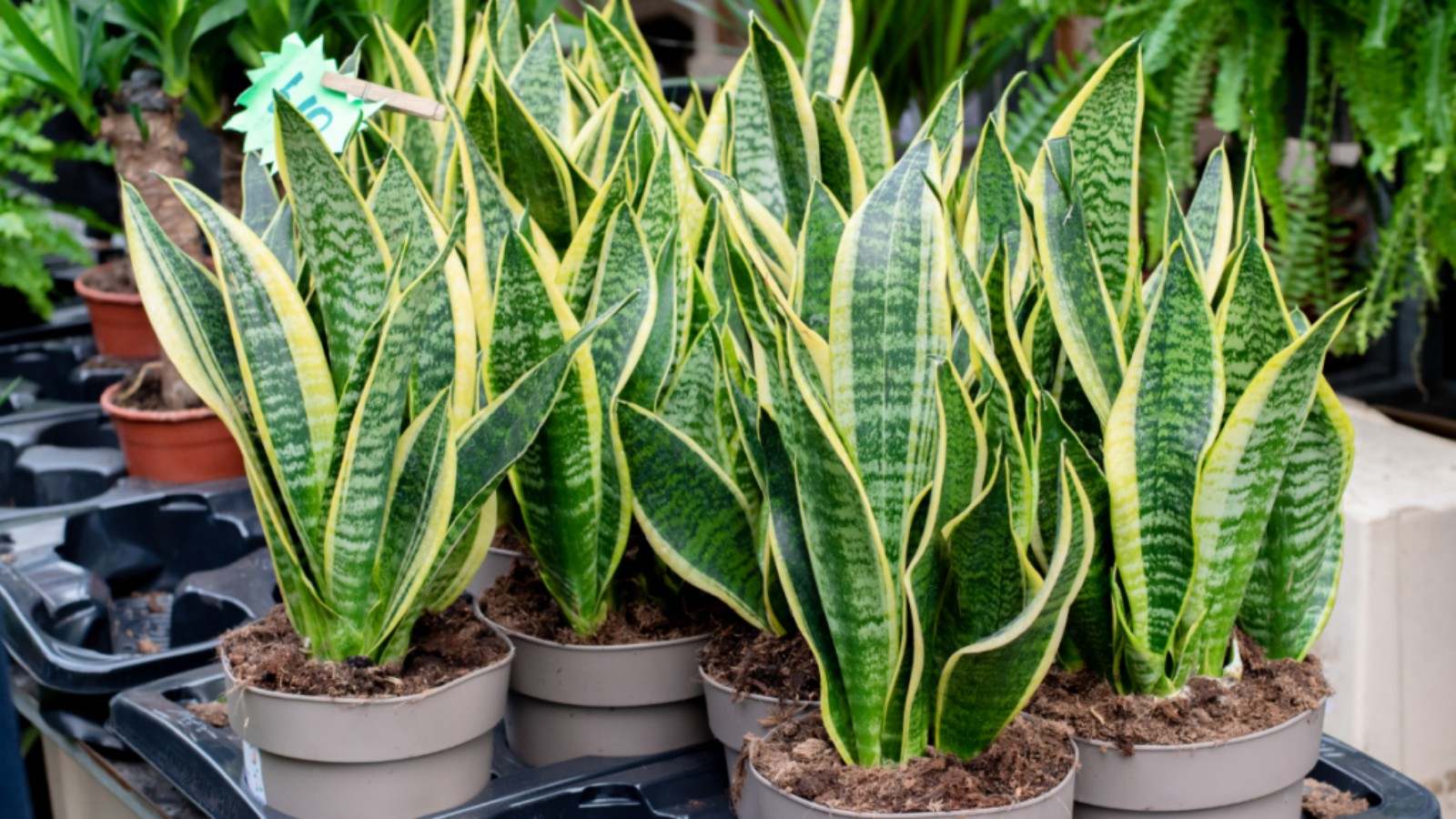
Sansevieria trifasciata is a perennial herbaceous foliage plant of the genus Sansevieria in the family Liliaceae. Its leaves are upright and straight, with gray and dark green tiger-tail-shaped horizontal stripes on the leaves. It has a strong posture and is quite distinctive. It is a common indoor potted plant. However, many flower lovers who grow Sansevieria trifasciata will find that their plants have been in a relatively low state for a long time and it is difficult to grow taller. What is going on? Next, we will analyze the key factors that cause Sansevieria trifasciata to grow short from multiple aspects.
1. Variety characteristics: innate gene limitations
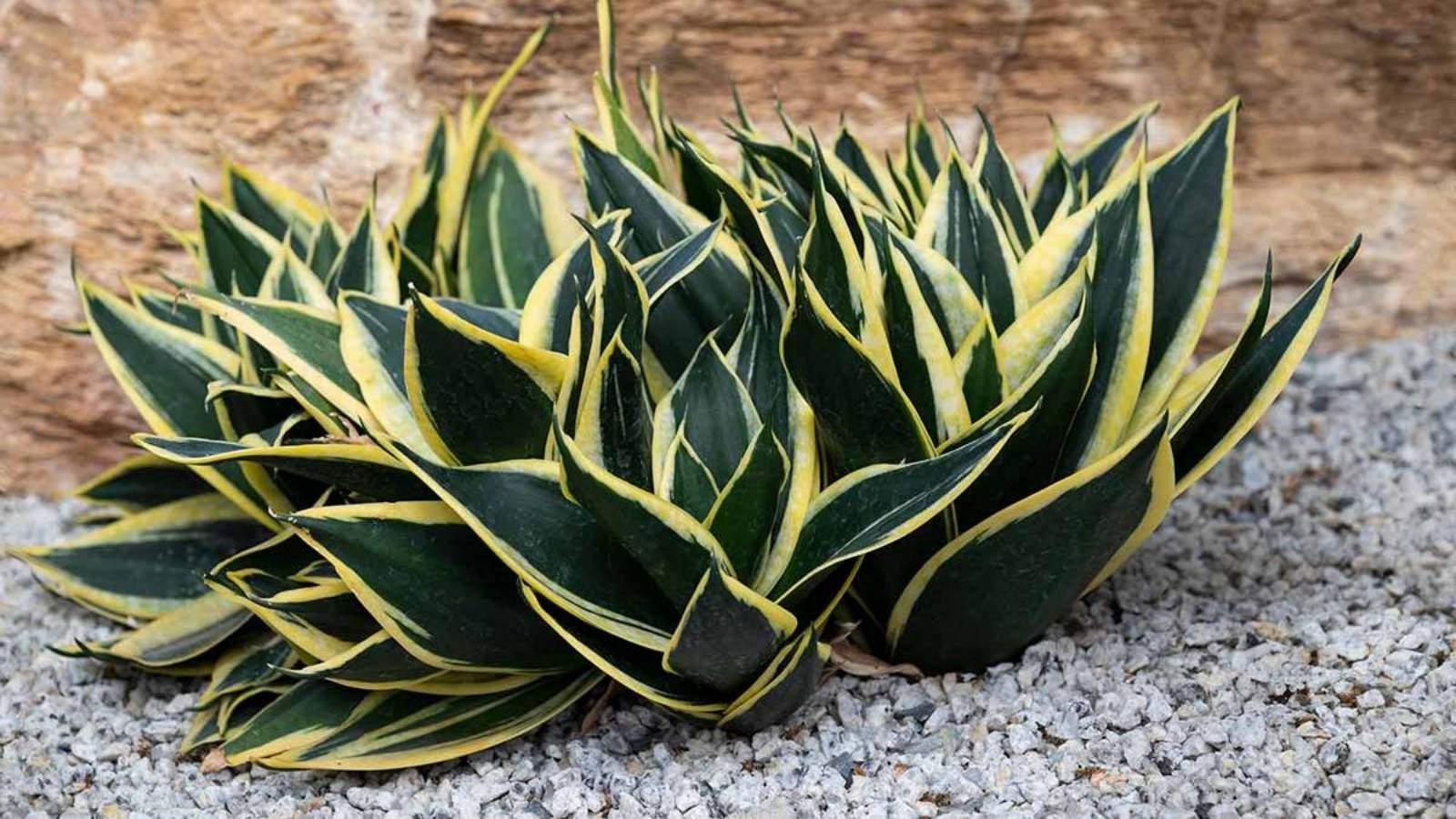
There are many varieties of Sansevieria trifasciata, and different varieties have obvious differences in growth characteristics. Some varieties are dwarf varieties themselves, and their genes determine that the upper limit of the height of the plant is relatively low. For example, compared with the common golden-edged Sansevieria trifasciata, the round-leaved Sansevieria trifasciata is usually shorter and more compact. During the growth process, the cell division and elongation of dwarf varieties of Sansevieria trifasciata are relatively limited, which makes it unable to grow as tall as some tall varieties.
If the breeder chooses a dwarf variety of Sansevieria trifasciata, then even if good growth conditions are provided, the plant will not break through the height limit inherent in its variety. Therefore, before breeding Sansevieria trifasciata, it is important to understand the characteristics of the purchased variety. If you want the plant to grow taller, you should choose a variety suitable for growing taller, such as silver vein Sansevieria trifasciata, while if you prefer a small and delicate plant shape, dwarf varieties are a better choice.
2. Soil conditions: the foundation of growth
(I) Insufficient soil fertility
Soil is the basis of plant growth and provides the necessary nutrients for the plant. Although Sansevieria trifasciata is not very demanding on soil, its growth will be significantly affected in poor soil. When the soil lacks major nutrients such as nitrogen, phosphorus, potassium, and trace elements such as calcium, magnesium, and iron, the plant's photosynthesis, respiration and other physiological activities are hindered, and the leaves grow slowly and are difficult to grow tall.
Nitrogen is an important component for synthesizing protein and chlorophyll. Lack of nitrogen will cause yellowing of leaves and stagnation of growth; phosphorus can promote root development and energy transfer. Insufficient phosphorus will cause poor root growth and reduced ability to absorb nutrients; potassium helps maintain the osmotic pressure of cells and regulate physiological functions. Potassium deficiency will cause leaves to be weak and less resistant to stress. In addition, the lack of trace elements can also cause various physiological diseases and affect the normal growth and development of plants.
(II) Poor soil structure
Sansevieria trifasciata likes loose, breathable, and well-drained soil. If the soil is too sticky and has poor air permeability, it will cause hypoxia in the roots, affecting the respiration and growth of the root system. If the roots cannot absorb water and nutrients normally, the growth of the aboveground part of the plant will be inhibited, which will manifest as slow growth and short plants. At the same time, heavy clay soil is prone to water accumulation after watering, and long-term water accumulation will cause root rot, further aggravating the growth problem of the plant.
On the contrary, if the soil is too loose, such as pure sandy soil, although it has good drainage, it has poor water and fertilizer retention capacity, nutrients are easily lost, and it is not conducive to the growth of Sansevieria trifasciata. Suitable soil should be a mixture of leaf mold, garden soil, river sand, etc. in a certain proportion, which can not only ensure good air permeability and drainage, but also provide certain nutrients and water retention capacity.
3. Light conditions: energy source
(I) Insufficient light
Sansevieria trifasciata is a light-loving plant. Although it can survive in a darker environment, if it is in an environment with insufficient light for a long time, the photosynthesis of the plant will be weakened, the synthesized organic matter will be reduced, and it will not be able to provide enough energy and material basis for growth. The leaves cannot fully carry out photosynthesis, resulting in thinner leaves, lighter colors, slow growth, and difficulty in growing taller plants.
In the case of insufficient light, the stems of Sansevieria trifasciata will grow too long, that is, the stems will be slender and weak, and the internodes will be elongated, but this kind of growth will not make the plant really grow taller, but will make the plant look thin and weak and easy to fall over. In addition, insufficient light will also affect the differentiation of flower buds of the plant, resulting in difficulty in flowering.
(II) Excessive light
Although Sansevieria trifasciata needs light, too strong direct light can also cause damage to the plant. During the high temperatures of summer, if Sansevieria trifasciata is placed in direct sunlight, the leaves are easily burned, resulting in scorched spots, which will affect the photosynthesis and appearance of the plant. The growth of the burned plants is inhibited, and it is difficult to resume normal growth in a short period of time, which will naturally affect the growth.
The appropriate light condition is to place Sansevieria trifasciata in a place with bright scattered light, such as by the window, inside the balcony, etc. In spring and autumn, it can accept appropriate direct light, while in summer, it needs to be shaded to avoid direct strong light. In winter, when the light is weak, try to let the plant receive more sunlight.
4. Temperature conditions: growth regulator
(I) Too low temperature
The suitable temperature for the growth of Sansevieria trifasciata is 20-30℃. When the temperature is lower than 10℃, the growth of the plant basically stagnates and enters a dormant state. In a low temperature environment, the absorption capacity of the root system and the metabolic activity of the cells are greatly weakened, the plant cannot absorb water and nutrients normally, the leaf growth stops, and being in a low temperature environment for a long time will cause the leaves to become soft and wilted, and even suffer from frost damage, and the leaves will rot.
If you do not pay attention to keeping warm in winter and place Sansevieria trifasciata in a low temperature indoor or outdoor, the plant will not only fail to grow taller, but may also face a survival crisis. Therefore, in winter, Sansevieria trifasciata needs to be moved to a warm room and the temperature should be kept above 10℃ to ensure that the plant can safely overwinter.
(II) Too high temperature
Although Sansevieria trifasciata has a certain tolerance to high temperatures, when the temperature exceeds 35℃, the transpiration of the plant intensifies, and the water loss is too fast, which can easily cause the leaves to lose water and dry up. At the same time, in a high temperature environment, the microbial activity in the soil is vigorous. If watering is improper, it is easy to cause root diseases and affect the growth of the plant. Excessive temperature will also inhibit the physiological functions of the plant, slow down the growth rate, and is not conducive to the growth of the plant.
During the high temperatures in summer, Sansevieria trifasciata should be placed in a ventilated and cool place, avoiding direct sunlight. At the same time, water it appropriately to keep the soil moist and lower the ambient temperature to create suitable growth conditions for the plant.
5. Water management: the lifeline of growth
(I) Insufficient watering
Sansevieria trifasciata has strong drought tolerance, but it also needs an appropriate amount of water to grow. If there is insufficient watering for a long time, the soil is too dry, the roots cannot absorb enough water, the leaves of the plant will curl and wilt, and the growth will be inhibited. Lack of water will cause the cell turgor pressure to decrease, the leaves will grow slowly, and the plant will not grow taller.
In addition, lack of water will also affect the development of the root system. The root system will become short in a drought environment, and the ability to absorb water and nutrients will be further reduced, forming a vicious cycle, which will seriously affect the growth of the plant.
(II) Excessive watering
Excessive watering is a common problem in the cultivation of Sansevieria trifasciata, and it is also one of the important reasons for the plant's failure to grow tall or even death. The root system of Sansevieria trifasciata is a fleshy root that is not tolerant to waterlogging. Excessive watering will keep the soil moist for a long time, or even waterlogging, causing the roots to lack oxygen and rot.
After the root rot, the plant cannot absorb water and nutrients normally. The leaves of the aboveground part will turn yellow, become soft, and fall over, and the growth will stop completely. Even if the root rot is treated in time, the plant will take a long time to recover, and it will grow slowly during the recovery period and it will be difficult to grow taller.
The correct watering method is to adjust according to the dryness and wetness of the soil and seasonal changes. Generally speaking, water once every 10-15 days in spring and autumn, once every 7-10 days in summer, and once every 20-30 days in winter. When watering, water thoroughly and avoid watering halfway. At the same time, ensure that the flower pot has good drainage to avoid water accumulation.
6. Nutrient management
(I) Insufficient fertilization
As mentioned above, when the soil fertility is insufficient, nutrients need to be supplemented by fertilization. If no fertilizer is applied for a long time, Sansevieria trifasciata lacks the nutrients needed for growth, the leaves grow slowly, and the plants are short. When applying fertilizer, attention should be paid to the reasonable combination of nitrogen, phosphorus and potassium. Nitrogen fertilizer can promote leaf growth, phosphorus fertilizer helps root development, and potassium fertilizer can enhance the plant's resistance to stress.
During the growing season (spring and autumn), a thin liquid fertilizer should be applied every 2-3 weeks, such as decomposed cake fertilizer water or compound fertilizer solution. When applying fertilizer, attention should be paid to the concentration not being too high to avoid burning the roots.
(II) Improper fertilization
When applying fertilizer, attention should be paid not only to the amount, but also to the type and method. If nitrogen fertilizer is applied, the leaves of the plant will grow too long, the leaves will be wide but the height of the plant will not increase significantly, and it will be easy to fall over; if potassium fertilizer is lacking, the stems of the plant will be weak and it will be difficult to support higher leaves. In addition, if the fertilizer contacts the root system during fertilization, it will cause root burn and affect plant growth.
7. Root growth space
(I) The flowerpot is too small
Although the root system of Sansevieria trifasciata is not particularly developed, it will continue to expand as the plant grows. If the pot is not changed for a long time, the flowerpot is too small, which will limit the growth of the root system. The roots will be entangled and crowded in the pot, unable to absorb enough water and nutrients, resulting in slow growth and difficulty in growing taller plants.
Generally speaking, Sansevieria trifasciata needs to be repotted every 2-3 years. When repotting, choose a pot that is slightly larger than the original pot, and replace the new soil at the same time to provide sufficient growth space and nutrients for the root system.
(II) Failure to prune the root system in time
When repotting, not only the flowerpot and soil should be replaced, but the root system should also be properly pruned. Aging roots, rotten roots, and overly long roots will affect the absorption capacity and growth vitality of the root system. Timely pruning can promote the growth of new roots, improve the absorption function of the root system, and provide better support for plant growth.
8. Impact of pests and diseases
(I) Diseases
Common diseases of Sansevieria trifasciata include leaf spot and root rot. Leaf spot can cause spots on the leaves, affecting photosynthesis. In severe cases, the leaves will wither. Root rot can damage the structure of the root system, causing the root system to be unable to absorb water and nutrients normally, and the growth of the plant will be hindered.
(II) Pests
Common pests include scale insects and aphids, which suck the juice from the leaves and stems, causing malnutrition and slow growth of the plants. They may also spread diseases and further endanger the health of the plants.
Once pests and diseases are found, prevention and control measures should be taken in time, such as spraying pesticides and manual removal, to ensure the healthy growth of the plants.
9. Maintenance time
The growth rate of Sansevieria trifasciata is relatively slow, especially in the seedling stage, when the growth is even slower. Some flower lovers have a short cultivation time and are eager to see the plants grow taller, but they ignore the fact that plant growth requires time accumulation. Even if all growth conditions are suitable, Sansevieria trifasciata needs a certain amount of time to grow taller through continuous cell division and elongation.
Therefore, it takes patience to cultivate Sansevieria trifasciata, and you can't rush for success. As long as you provide a suitable growth environment, the plant will gradually grow and become stronger over time.
Summary and solutions
In summary, there are many reasons why Sansevieria trifasciata can't grow tall, including variety characteristics, soil conditions, light, temperature, water, nutrients, root growth space, pests and diseases, and maintenance time. To solve the problem of Sansevieria trifasciata not growing tall, you need to take corresponding measures for specific reasons:
Choose a suitable variety: Choose a tall or dwarf variety of Sansevieria trifasciata according to your needs.
Improve soil conditions: Use loose, breathable, and fertile soil, and change the pot soil regularly to ensure the fertility and air permeability of the soil.
Reasonable control of light: Place the plant in a place with bright scattered light to avoid insufficient or excessive light.
Regulate temperature: Maintain a suitable growth temperature, keep warm in winter, and take cooling measures in summer.
Scientific watering and fertilization: Water reasonably according to the season and soil dryness and wetness to avoid waterlogging and drought; fertilize reasonably during the growing season, and pay attention to the combination of nitrogen, phosphorus, and potassium.
Provide sufficient root space: Change pots regularly, choose pots of appropriate size, and trim aging and rotten roots.
Prevent and control pests and diseases: Check the plants regularly to detect and prevent pests and diseases in time.
Patient maintenance: Recognize that Sansevieria trifasciata takes time to grow, and give enough patience and care.
Through the analysis of the above key factors and the implementation of corresponding measures, breeders can create a suitable growth environment for Sansevieria trifasciata, promote the healthy growth of plants, and enable them to fully display their upright posture and unique charm.
Advertisement
Learn More
-

- October 20,2026
- Lily Disease Guide: Whats Killing Your Lilium longiflorum and How to Stop It
-
- September 17,2026
- Wax-Leaf Privet Diseases: Identification, Treatment & Prevention Guide
-
- September 1,2026
- Vinca Minor Diseases: Identification, Treatment and Long‑Term Garden Management
-
- August 18,2026
- Tree Philodendron Diseases: Identification, Treatment and Long‑Term Prevention
-
- August 6,2026
- Common Ailments of Plantago major: Identifying, Treating and Preventing Diseases in Broadleaf Plantain
-
- July 30,2026
- Zodiac-themed Bouquets Combined with Floral Language: Different Color Schemes Create More Artistic Birthday Surprises
Advertisement
 Poisonous and danger
 Edible and medicinal
 Wild and common weed