
Why Your Lilium Leaves Turn Yellow & Droop: Common Mistakes & Fixes
Advertisement
Lilium, commonly known as lilies, are beloved flowering bulbs cherished for their elegant blooms, vibrant hues, and delicate fragrance. Whether planted in outdoor garden beds, patio containers, or indoor pots, these perennial flowers add a touch of timeless beauty to any space. But for countless gardeners worldwide—from beginners to seasoned plant lovers—one frustrating issue keeps popping up: yellowing, drooping leaves that ruin the plant’s appearance and often signal underlying distress.
If your lilium leaves are turning pale yellow, wilting downward, feeling soft or brittle, or dropping off prematurely, you’re not alone. Many growers assume this means their lily is dying, but more often than not, it’s simply a sign of incorrect care—small, fixable mistakes that disrupt the plant’s health.
1. First: Understand Why Lilium Leaves Yellow & Droop
Before jumping into fixes, it’s critical to know why lilies react this way. Lilium are resilient bulbs, but they’re sensitive to environmental changes and improper care. Yellowing and drooping are the plant’s way of “sounding the alarm”—it’s struggling to absorb nutrients, water, or light, or its roots/ bulb are under stress.
Healthy lily leaves are firm, upright, and rich green (some varieties have subtle variegation). When this changes, the problem falls into 5 core categories: watering errors, light stress, soil & nutrient issues, temperature & humidity shock, pest/disease damage. We’ll break down each cause with clear signs, so you can diagnose your lily’s issue in minutes.
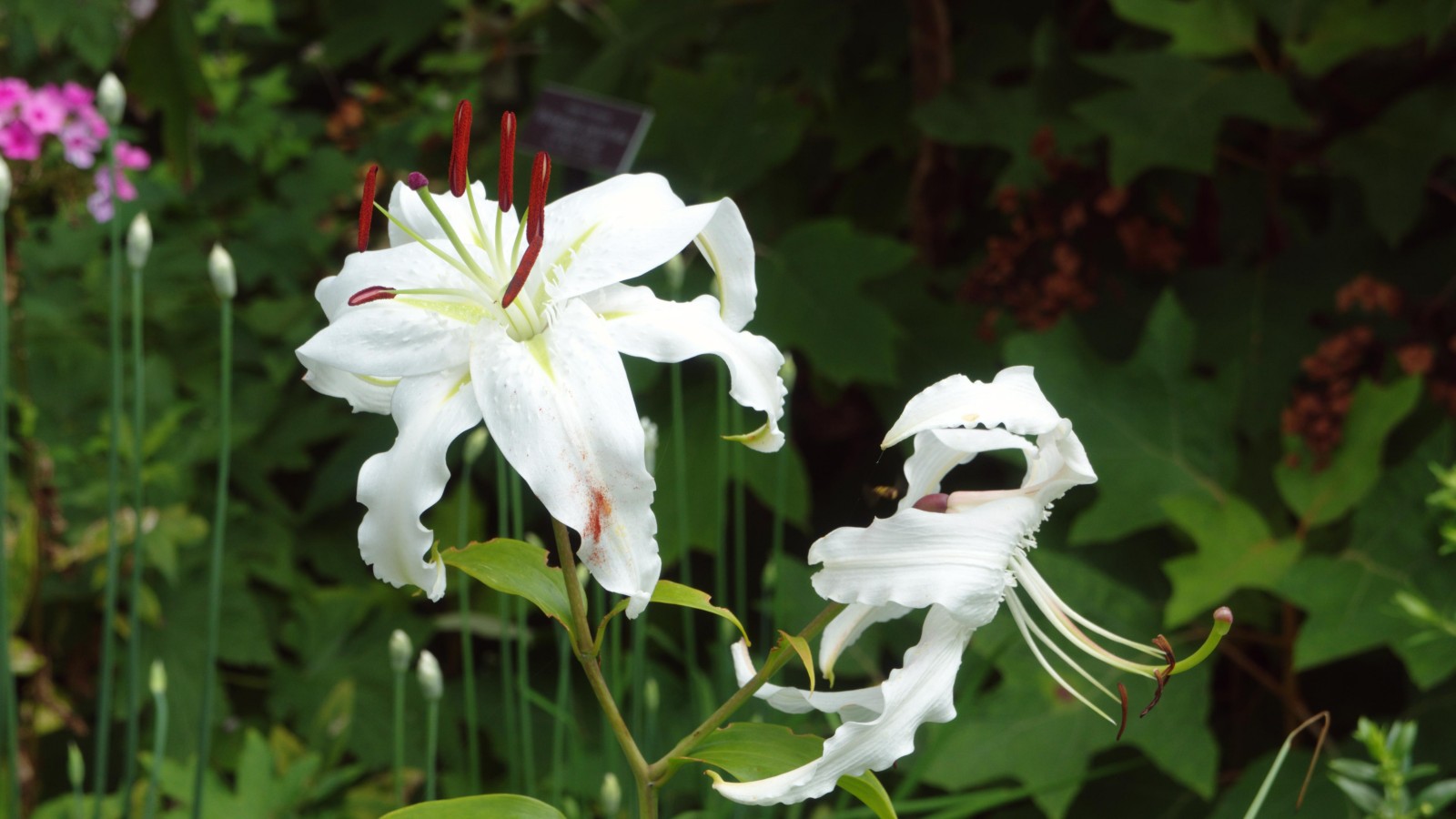
2. The #1 Culprit: Watering Mistakes (Overwatering & Underwatering)
Nearly 70% of lilium yellowing and drooping is caused by wrong watering habits. Lilies have a delicate water balance—their bulbs rot easily in soggy soil, but they wilt quickly in dry conditions. Let’s distinguish between the two and fix them fast.
2.1 Overwatering: The Silent Killer of Lilium
Signs of overwatering: Leaves turn soft yellow (starting from lower leaves), stems droop limply, soil stays wet for days, bulb/roots feel mushy or smell rotten, mold grows on the soil surface.
Lilium bulbs are storage organs, designed to hold moisture. When soil is constantly waterlogged, oxygen can’t reach the roots, causing root rot and bulb rot. The plant can’t absorb nutrients, so leaves yellow and droop as the roots die.
Emergency Fix: Stop watering immediately. Move the pot to a well-ventilated area, remove excess water from the saucer. If rot is severe, dig up the bulb, trim mushy roots/leaves with sterile scissors, dust with fungicide, and repot in fresh, dry soil.
2.2 Underwatering: Quick to Fix, Easy to Miss
Signs of underwatering: Leaves turn crispy yellow (edges first), droop stiffly, soil is bone dry and pulls away from the pot, flowers wilt quickly.
Lilies need consistent moisture during their growing and blooming season (spring to summer). Dry soil means the roots can’t take up water, so the plant sacrifices leaves to conserve energy.
Emergency Fix: Water slowly and deeply until water drains from the bottom. Mist the leaves lightly to boost humidity. For outdoor lilies, add a 2-inch layer of mulch to lock in soil moisture.
Pro Watering Rule for Lilium
Water only when the top 2-3 inches of soil are dry. Use well-draining pots with drainage holes, and never let lilies sit in standing water. Reduce watering drastically after blooming, when the plant goes dormant.
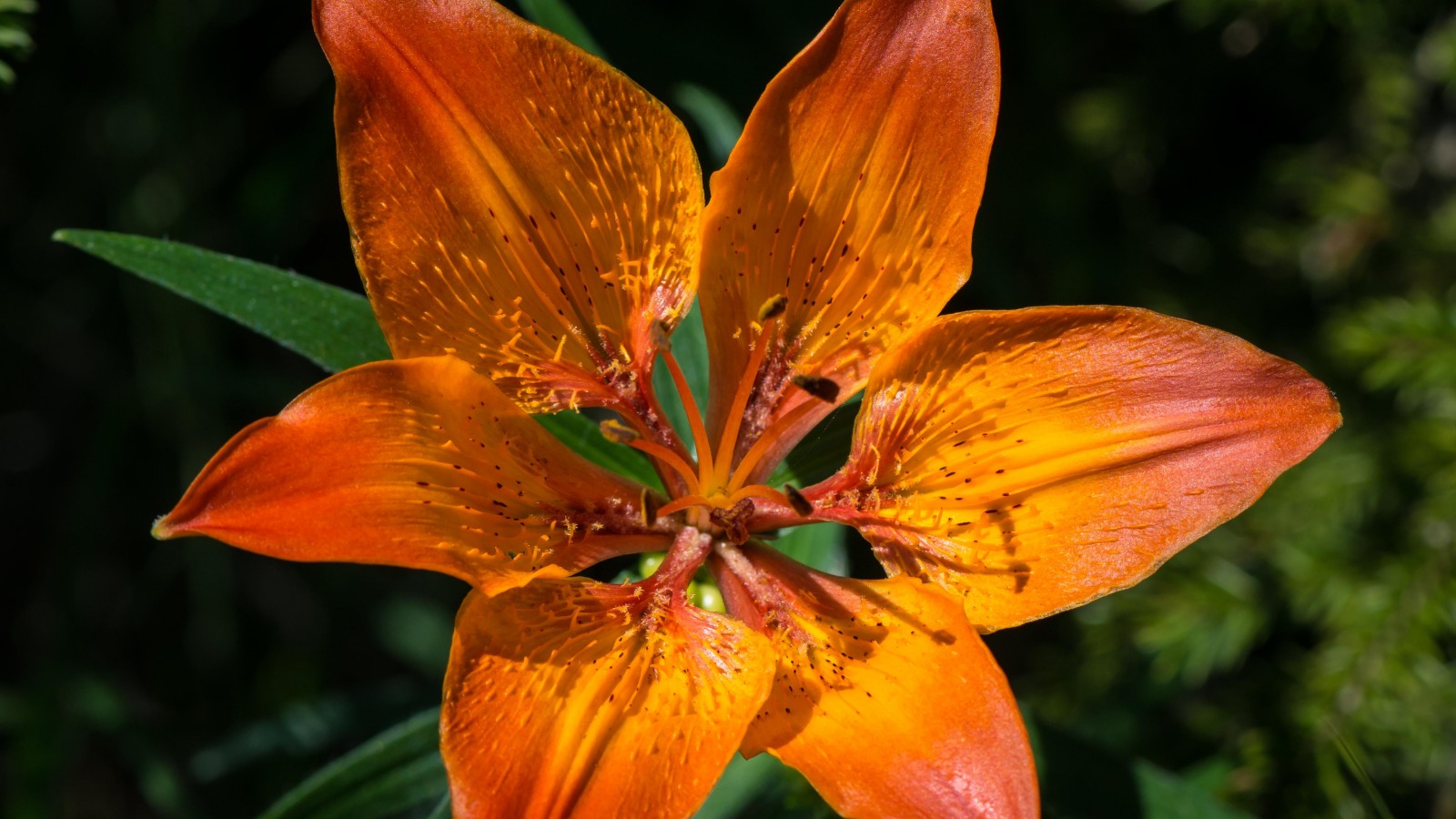
3. Light Stress: Too Much Sun or Too Little Shade
Lilium are sun-loving plants, but they’re prone to stress from extreme light conditions—another top reason for yellow, drooping leaves.
3.1 Too Much Direct Sun (Sunburn)
Signs: Leaves develop yellow/brown scorched patches, droop during the hottest part of the day, especially on the side facing the sun.
Intense midday sun (especially in summer) scorches lily leaves, damaging their cells and causing wilting. This is common for potted lilies placed on unshaded patios or outdoor lilies in open, exposed beds.
Fix: Move potted lilies to a spot with morning sun + afternoon shade. For outdoor garden lilies, plant near tall shrubs or add a shade cloth during peak sun hours.
3.2 Too Little Light (Leggy, Weak Growth)
Signs: Leaves turn pale yellow, stems stretch and droop, the plant looks “leggy,” and it fails to bloom.
Without enough light (less than 6 hours of bright, indirect light daily), lilies can’t photosynthesize properly. They produce weak, sparse foliage that can’t support itself, leading to drooping and yellowing.
Fix: Move the plant to a brighter location (south-facing windows indoors, full sun spots outdoors). Avoid dark corners or dense shade.
4. Soil & Nutrient Deficiencies: Starving or Overfeeding Your Lily
Lilies need nutrient-rich, well-draining soil to thrive. Poor soil quality or wrong fertilization will quickly lead to yellow, drooping leaves.
4.1 Poor Soil Drainage & Compaction
Signs: Water pools on the soil surface, roots suffocate, leaves yellow and droop (similar to overwatering).
Lilium bulbs hate heavy, clay soil or compacted potting mix. This traps water and starves roots of oxygen, leading to rot and stress.
Fix: Repot in a well-draining mix (equal parts potting soil, perlite, and peat moss/coconut coir). For outdoor beds, amend soil with sand or compost to improve drainage.
4.2 Nutrient Deficiencies (Nitrogen, Iron, Magnesium)
Signs: Uniform yellowing (nitrogen deficiency), yellow leaves with green veins (iron deficiency), yellow edges on mature leaves (magnesium deficiency).
Lilies need balanced nutrients during growth: nitrogen for foliage, phosphorus for blooms, potassium for roots. A lack of key minerals causes chlorosis (yellowing) and weak growth.
4.3 Overfertilization (Burned Roots)
Signs: Leaf tips turn brown/yellow, droop sharply, soil has a white crust (salt buildup).
Too much fertilizer, especially high-nitrogen mixes, burns lily roots and disrupts water absorption.
Fix: Flush soil with water to remove excess salts. Use a balanced, slow-release bulb fertilizer once in early spring, and stop fertilizing after blooming.
5. Temperature & Humidity Shock: Sudden Changes Stress Lilium
Lilies prefer stable, mild conditions. Extreme temperatures or sudden shifts will cause leaves to yellow and droop rapidly.
5.1 Extreme Heat & Cold
Signs: Leaves droop and yellow in temperatures above 30°C (86°F) or below 10°C (50°F). Cold drafts (near AC, windows, or doors) also trigger stress.
Fix: Keep lilies in 18-24°C (65-75°F) during growth. Protect outdoor lilies from frost with mulch, and move potted lilies indoors during heatwaves or cold snaps.
5.2 Low Humidity
Signs: Leaf edges yellow and crisp, droop slightly, especially in indoor heated/air-conditioned spaces.
Lilies prefer moderate humidity (40-60%). Dry air pulls moisture from leaves, causing dehydration.
Fix: Mist leaves 2-3 times a week, place a tray of water near the plant, or group with other houseplants to boost humidity.
6. Pests & Diseases: Hidden Invaders Damaging Your Lily
If care habits are correct, pests or diseases are likely causing yellowing and drooping. These tiny threats attack leaves, roots, and bulbs, weakening the plant.
6.1 Common Pests
- Aphids & Spider Mites: Suck sap from leaves, causing yellow spots and drooping. Look for tiny bugs or webbing on leaf undersides.
- Fungus Gnats: Larvae damage roots, leading to water and nutrient absorption issues.
Fix: Wipe leaves with neem oil or insecticidal soap. For gnats, let soil dry between waterings and use sticky traps.
6.2 Common Diseases
- Root Rot/Bulb Rot: Fungal disease from soggy soil, causing mushy roots and yellow drooping leaves.
- Fungal Leaf Spot: Yellow/brown spots that spread, leading to leaf drop.
Fix: Remove infected leaves, treat with fungicide, improve air circulation, and avoid wetting leaves when watering.
7. Step-by-Step Emergency Rescue: Save Your Yellow-Drooping Lilium Fast
Follow this 5-minute rescue plan to revive your stressed lily immediately:
1. Check the soil: Wet = stop watering & ventilate; Dry = water deeply.
2. Adjust light: Move to bright, indirect sun (no midday scorch).
3. Trim damage: Cut fully yellow/brown leaves with clean scissors to redirect energy.
4. Boost humidity: Mist leaves or add a humidity tray.
5. Inspect for pests: Wipe leaves and treat with neem oil if bugs are present.
Most lilies recover within 3-7 days with these fixes, growing new green leaves and regaining upright growth.
8. Long-Term Care: Prevent Yellowing & Drooping Forever
Once your lily is revived, follow these golden rules to keep it healthy:
- Plant correctly: Bury bulbs 2-3 times their height deep, in well-draining soil.
- Water smart: Dry topsoil = water deeply; no standing water.
- Light right: 6+ hours of morning sun, afternoon shade.
- Fertilize lightly: Once yearly with bulb fertilizer, no overfeeding.
- Prune properly: Remove dead leaves, but don’t cut green foliage (it feeds the bulb).
- Dormancy care: After blooming, let leaves die back naturally, reduce watering, and store bulbs in a cool, dry spot.
Don’t Give Up on Your Lilium
Yellowing and drooping leaves don’t mean your lilium is beyond saving—it’s simply a sign you’ve been caring for it wrong, not badly. By fixing watering, light, soil, or nutrient issues, you can revive your lily quickly and enjoy its stunning blooms year after year.
Lilies are rewarding plants that thrive with consistent, gentle care. Remember: stable conditions > perfect conditions. With these tips, your lilium will stay lush, green, and upright, blooming beautifully for seasons to come.
Advertisement
Learn More
-

- July 16,2026
- Common Diseases & Pest-Related Disorders of Nepeta cataria: Full Identification, Organic Treatment and Long-Term Prevention Guide
-
- July 7,2026
- Potted Plants or Cut Flowers for Holidays? A Comparison of Aromatic Plant Gift Options
-
- July 2,2026
- Detailed Planting Steps for Quercus palustris in a Home Garden!
-
- June 24,2026
- Conveying Sentiments Through Floral Fragrance: The Cultural Significance of Gifting Flowers on International Holidays
-
- June 15,2026
- Why are the leaves of Prunus laurocerasus attacked by caterpillars?
-
- June 9,2026
- Fresh Flowers Bring Vitality, Dried Flowers Offer Delight: A Guide to Choosing High-Quality, Fragrant Plants for Long-Term Enjoyment


Advertisement

 Poisonous and danger
 Edible and medicinal
 Wild and common weed