
Wild Mint Diseases: Identification, Impact, and Proven Control Strategies for 2026
Advertisement
Wild mint (Mentha arvensis), also known as field mint or corn mint, is a hardy, versatile herb celebrated worldwide for its fresh aroma, culinary uses, and medicinal properties. Native to temperate regions of Europe, Asia, and North America, this circumboreal plant thrives in moist environments—along streams, in meadows, and even in home gardens and commercial farms alike.
For centuries, it has been used to flavor foods and beverages, soothe digestive disorders, and treat skin conditions, thanks to its rich essential oils with antiseptic and anti-inflammatory benefits. Its adaptability makes it a favorite among home gardeners, while commercial growers value it for its high essential oil content, which is used in cosmetics, pharmaceuticals, and food flavorings. But despite its hardiness, wild mint is not immune to diseases—fungal infections, bacterial pathogens, and environmental stressors can quickly turn its lush green foliage yellow, wilt its stems, and ruin its yield. For gardeners, small-scale farmers, and herb enthusiasts across the globe, understanding wild mint diseases is critical to protecting this valuable plant. This guide breaks down the most common wild mint diseases, how to spot them early, their economic and ecological impacts, and actionable strategies to prevent and treat them—ensuring your wild mint stays healthy and productive.
What makes wild mint diseases particularly tricky is their ability to spread rapidly, especially in the humid, crowded conditions this herb prefers. Unlike cultivated mint varieties, which are often bred for disease resistance, wild mint often grows in unmanaged areas, making it more susceptible to pathogen exposure from nearby plants, soil, and even wildlife.
For commercial growers, these diseases can lead to devastating losses: yield reductions of up to 90% have been reported in severe cases, particularly with fungal infections like stem rot, which can decimate entire fields. For home gardeners, the loss is personal—watching a beloved herb decline due to an unrecognized disease can be frustrating, especially when it’s used for cooking, tea, or home remedies. The good news? Most wild mint diseases are preventable with proper care, and early intervention can stop even severe infections in their tracks. By learning to identify symptoms, understand disease triggers, and implement targeted control measures, you can keep your wild mint thriving year-round, whether it’s growing in a small garden bed or a large commercial plot.
1. Fungal Diseases: The Most Common Threat to Wild Mint
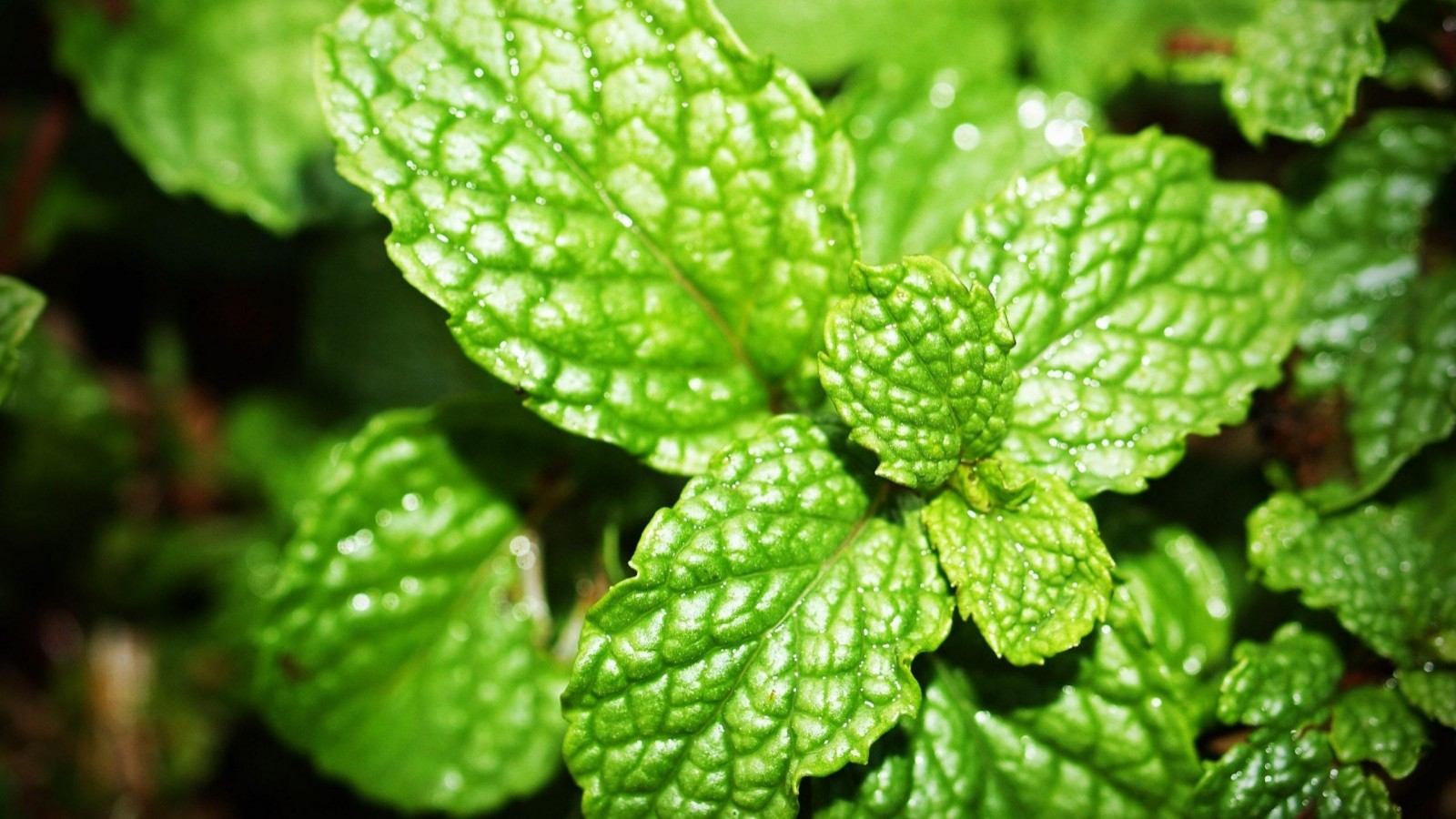
Fungal diseases are the number one enemy of wild mint, thriving in the moist, shaded environments where the plant naturally grows. These pathogens spread through spores, which can be carried by wind, water, or contaminated tools, and often take hold when plants are stressed—whether from overwatering, poor drainage, overcrowding, or nutrient deficiencies. The three most destructive fungal diseases affecting wild mint are mint rust, powdery mildew, and verticillium wilt, each with distinct symptoms and control needs. Recognizing these diseases early is key to minimizing damage, as fungal infections can quickly spread from a single plant to an entire patch, especially in warm, humid weather. Even mild infections can reduce the plant’s vigor and essential oil production, making early detection a top priority for any grower.
Mint rust, caused by the fungus Puccinia menthae, is one of the most widespread and recognizable wild mint diseases worldwide, affecting wild mint populations across Europe, North America, and Asia. It first appears in early summer as small, bright orange or brown blisters (known as pustules) on the undersides of leaves, often accompanied by light yellow spots on the upper leaf surfaces. These pustules contain thousands of tiny spores that, when mature, burst open and spread to nearby plants via wind or water splashes. As the disease progresses, infected leaves yellow, curl, and drop prematurely, weakening the plant and reducing its ability to photosynthesize. In severe cases, the entire plant can become defoliated, leading to stunted growth and even death. Mint rust thrives in humid conditions with temperatures between 60–75°F (15–24°C), making it a common problem in spring and fall when dew lingers and rainfall is frequent. Unlike some fungal diseases, mint rust can affect all parts of the plant, including stems and petioles, and can persist in plant debris over winter, ready to reinfect new growth in the spring when temperatures rise.
Powdery mildew is another common fungal threat, caused by the fungus Erysiphe cichoracearum, which affects a wide range of herbaceous plants, including wild mint. Unlike mint rust, which targets leaf undersides, powdery mildew presents as a white, powdery coating on the upper surfaces of leaves and stems—often starting as small, scattered patches before spreading to cover entire leaves, stems, and even flower buds. This coating is made up of fungal spores and mycelium, which feed on the plant’s sap and weaken it over time. As the disease advances, infected leaves turn yellow, brown, and shrivel, eventually dropping off, which reduces the plant’s photosynthetic capacity and overall health. Powdery mildew thrives in warm, dry conditions with poor air circulation, making it a problem in crowded gardens, greenhouses, or regions with hot, dry days and cool nights (common in fall and spring). Interestingly, this disease is often spread by woolly aphids, which carry its spores on their bodies, making pest control an important part of powdery mildew management. While powdery mildew is less destructive than mint rust or verticillium wilt, it can still reduce plant vigor and ruin the appearance and flavor of wild mint leaves, making them unsuitable for culinary or medicinal use.
Verticillium wilt, caused by the soil-borne fungus Verticillium dahliae, is the most devastating fungal disease affecting wild mint, as it is often fatal and difficult to control once established. This pathogen lives in the soil for years, even without a host, and enters the plant through its roots, spreading through the vascular system (xylem and phloem) and blocking the flow of water and nutrients. Symptoms of verticillium wilt include yellowing and browning of leaves (starting from the bottom of the plant and moving upward), wilting during the day (even when soil is moist), and stunted growth. In severe cases, the entire plant collapses and dies within a few weeks of symptom onset. What makes this disease particularly insidious is that symptoms often appear suddenly, and once a plant is infected, there is no cure—only prevention can stop its spread. The fungus reproduces rapidly in susceptible plants like wild mint, and can spread through contaminated soil, tools, or plant material—making crop rotation and sanitation critical for prevention. Growers in the Midwest and Oregon, major wild mint-producing regions in the U.S., have learned that certain crops, like potatoes and red clover, should be avoided in rotation with wild mint, as they can harbor the fungus, while grass hays, corn, and onions are safer choices that do not host the pathogen.
2. Bacterial and Viral Diseases: Hidden Threats to Wild Mint Health
While fungal diseases are more common, bacterial and viral infections can also pose serious risks to wild mint, often going unnoticed until significant damage has occurred. These diseases are typically spread by insects, contaminated tools, or infected plant material, and can be harder to treat than fungal infections—making prevention even more important. Unlike fungal diseases, which often have visible spores or fuzzy growth, bacterial and viral infections may present with subtle symptoms, such as yellowing or mosaic patterns, which can be mistaken for nutrient deficiencies or environmental stress. The two most common bacterial and viral diseases affecting wild mint are bacterial leaf spot and mint mosaic virus, each with unique symptoms and impacts that can disrupt plant growth and reduce yield.
Bacterial leaf spot, caused by the bacterium Xanthomonas campestris pv. menthae, is a destructive bacterial disease that targets wild mint’s leaves and stems, particularly in warm, wet climates. It first appears as small, water-soaked spots on leaves, which quickly turn brown or black and develop a distinct yellow halo around them—this halo is a key identifier that distinguishes bacterial leaf spot from fungal leaf diseases. As the disease progresses, these spots grow larger, merge together, and cause leaves to become tattered and drop, leaving the plant vulnerable to secondary infections. In severe cases, the bacteria can infect stems, causing cankers (sunken, dark lesions) that girdle the stem, cutting off the flow of water and nutrients and leading to stem dieback. Bacterial leaf spot thrives in warm, wet conditions—spread by rain splashes, overhead watering, or contaminated tools—and is particularly problematic in crowded patches where air circulation is poor. Unlike fungal diseases, bacterial leaf spot cannot be treated with fungicides; instead, prevention and early removal of infected plant material are the only ways to stop its spread. This disease is especially damaging to commercial wild mint crops, as it reduces the quality of leaves and essential oils, making them unsuitable for sale or processing.
Mint mosaic virus (MMV) is the most common viral disease affecting wild mint, spread by aphids—small, sap-sucking insects that feed on the plant’s leaves and transmit the virus as they move from plant to plant. The virus infects the plant’s cells, disrupting its growth and causing a range of symptoms, including yellow or green mosaic patterns on leaves (alternating light and dark green patches), stunted growth, curled or distorted foliage, and reduced essential oil production. Unlike fungal or bacterial diseases, viral infections are systemic—once a plant is infected, the virus spreads throughout its entire system, making it impossible to cure. Infected plants often appear weak and unthrifty, and may die prematurely if the infection is severe, especially if combined with other stressors like drought or nutrient deficiencies. The biggest challenge with mint mosaic virus is that symptoms can be mild or mistaken for nutrient deficiencies, allowing the virus to spread unnoticed through a garden or field. Aphids are the primary vector, so controlling aphid populations is key to preventing the spread of this disease, as even a small number of aphids can transmit the virus to dozens of plants.
Another lesser-known but damaging bacterial disease is mint stem and stolon canker, caused by the soil-borne fungus (though often grouped with bacterial issues due to similar symptoms) Rhizoctonia solani. This disease targets the plant’s rhizomes (underground stems) and above-ground stolons, first appearing as reddish-brown lesions that develop into sunken, dark cankers over time. As the cankers spread, they girdle stems, cutting off the flow of water and nutrients, and eventually spread to foliage, causing black spots, stunting, and distortion. Like verticillium wilt, this disease spreads through water splashes and contaminated soil, and is particularly problematic in poorly drained areas where soil remains moist for extended periods. Yield losses from stem and stolon canker can be significant, especially in commercial crops, where it can lead to widespread plant death and reduced essential oil yields. In home gardens, this disease often goes unnoticed until plants begin to wilt and die, making early monitoring critical.
3. Environmental Stress and Secondary Diseases: How to Avoid Hidden Risks
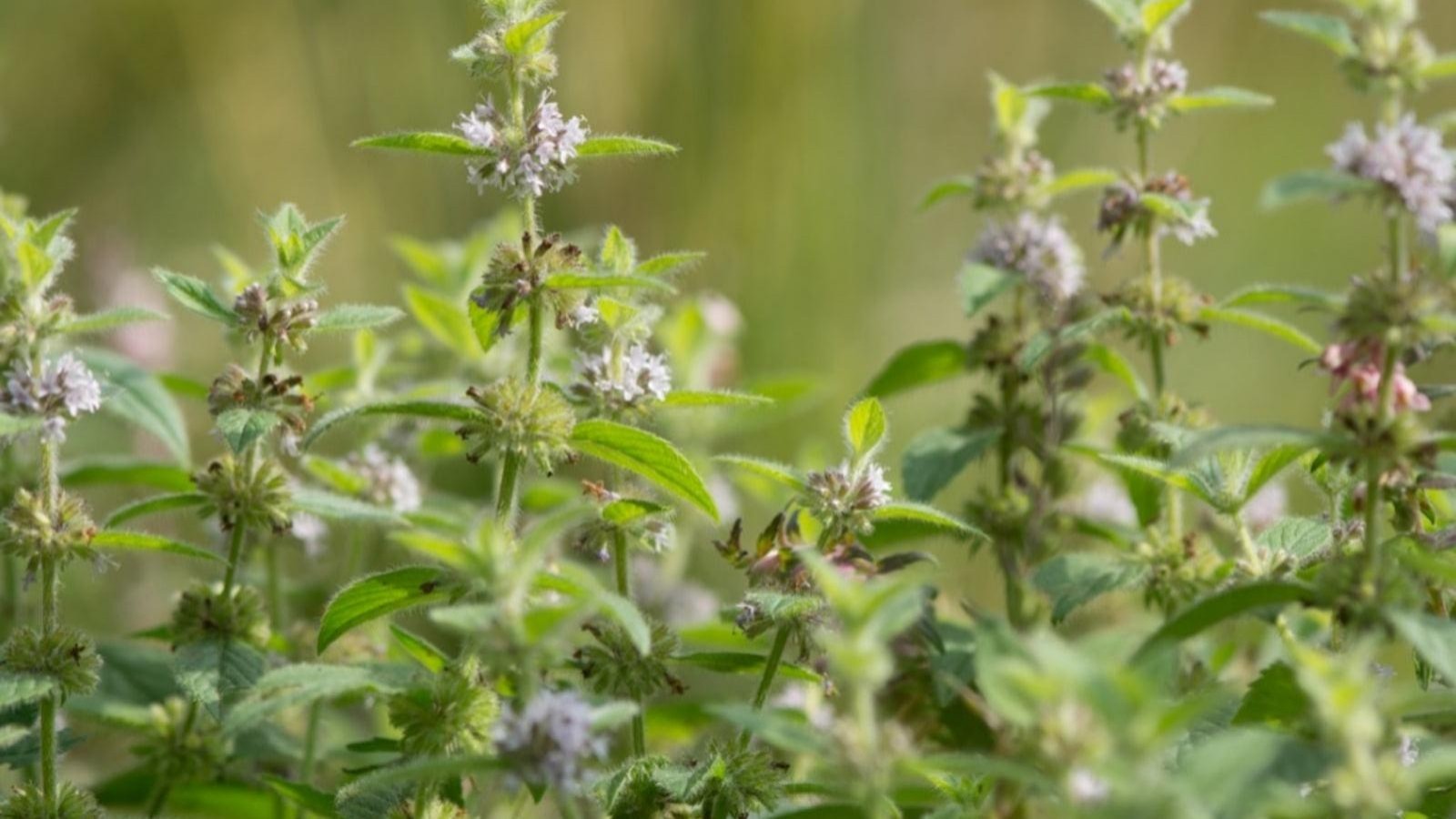
Many wild mint diseases are not caused by pathogens alone—environmental stress often weakens the plant, making it more susceptible to fungal, bacterial, and viral infections. Wild mint is a hardy plant, but it has specific growing requirements, and when those needs are not met, its natural defenses are compromised, creating the perfect conditions for diseases to take hold. Factors like overwatering, underwatering, poor soil drainage, nutrient deficiencies, extreme temperatures, and overcrowding can all stress wild mint, leaving it vulnerable to pathogens that it would otherwise resist. Understanding these stressors and how to mitigate them is a critical part of wild mint disease prevention, as healthy plants are far less likely to become infected.
Overwatering and poor soil drainage are the most common environmental stressors for wild mint, as the plant prefers moist but well-drained soil—soggy soil is its biggest enemy. When soil is waterlogged, oxygen levels in the root zone drop, weakening the plant’s roots and making them susceptible to root rot—a fungal disease caused by soil-borne pathogens like Pythium and Phytophthora. Root rot symptoms include yellowing leaves, wilting (even when soil is moist), stunted growth, and a foul odor from decaying roots. In severe cases, the roots become soft, brown, and mushy, and the plant dies. To avoid overwatering, water wild mint only when the top 1–2 inches of soil feel dry to the touch, and ensure planting areas have good drainage—adding compost, sand, or perlite to heavy clay soils can improve drainage significantly. Overhead watering should also be avoided, as it wets the foliage and promotes the spread of fungal spores; instead, water at the base of the plant to keep leaves dry.
Nutrient deficiencies can also weaken wild mint, making it more prone to disease. Wild mint requires balanced nutrients—particularly nitrogen (for foliage growth), phosphorus (for root development), and potassium (for disease resistance)—to maintain healthy growth and strong defenses. A lack of nitrogen, for example, causes leaves to turn pale green or yellow and stunts growth, while a deficiency in potassium reduces the plant’s resistance to drought and disease, making it more susceptible to infections like powdery mildew. To prevent nutrient deficiencies, amend soil with compost or a balanced, slow-release fertilizer (such as a 10-10-10 blend) in spring, and avoid over-fertilizing with nitrogen, which can lead to lush, weak growth that is more susceptible to infection. Additionally, wild mint benefits from occasional mulching with organic material, such as straw, leaves, or compost, which helps retain soil moisture, regulate soil temperature, and add nutrients as it decomposes—all of which promote healthy root growth and disease resistance.
Overcrowding and poor air circulation are also major contributors to wild mint disease. When plants are too close together, humidity levels rise, and air flow decreases—creating the perfect environment for fungal spores to germinate and spread. This is particularly problematic for mint rust and powdery mildew, which thrive in humid, stagnant conditions. To improve air circulation, space wild mint plants at least 12–18 inches apart, and prune back overgrown foliage regularly to remove dead or diseased leaves and thin out dense growth. For wild patches growing in meadows or along streams, thinning out dense clumps can help reduce humidity and prevent disease spread. Extreme temperatures—either too hot or too cold—can also stress wild mint: high temperatures (above 85°F/29°C) can cause leaf scorching, wilting, and reduced essential oil production, while frost can damage stems and leaves, creating entry points for pathogens. In regions with extreme heat, providing partial shade during the hottest part of the day can help protect wild mint, while covering plants with a light frost cloth in late spring or early fall can prevent frost damage.
4. Prevention and Treatment: Proven Strategies to Protect Wild Mint
The best way to manage wild mint diseases is to prevent them from occurring in the first place. A combination of good cultural practices, sanitation, and proactive monitoring can keep wild mint healthy and reduce the risk of infection. For most home gardeners and small-scale growers, chemical treatments should be a last resort—organic and cultural methods are often just as effective and better for the environment, beneficial insects (like bees and ladybugs that pollinate wild mint), and the quality of the mint itself. Below are proven strategies to prevent and treat the most common wild mint diseases, tailored to both home and commercial growers.
Cultural prevention is the foundation of wild mint disease management. Start by selecting healthy, disease-free plants or seeds—avoid planting wild mint in areas where mint has been grown previously, as soil may harbor pathogens like Verticillium dahliae that can survive for years. If you’re propagating wild mint from cuttings, ensure cuttings are taken from healthy, disease-free plants, and sanitize tools (pruners, scissors) with rubbing alcohol or a 10% bleach solution before and after use to prevent the spread of pathogens. Plant wild mint in well-drained soil with full to partial sun (4–6 hours of sunlight per day), and space plants appropriately to promote air circulation. Water at the base of the plant (not overhead) to keep foliage dry, and avoid overwatering—this simple step can significantly reduce the risk of fungal and bacterial diseases. Additionally, practice crop rotation if growing wild mint commercially, avoiding susceptible crops like potatoes, red clover, and tomatoes, and choosing grass hays, corn, or onions instead to reduce soil-borne pathogens. For home gardeners, rotating mint with non-herb crops (like vegetables) every 2–3 years can also help prevent disease buildup.
Sanitation is another critical prevention strategy that is often overlooked. Remove and destroy any dead, diseased, or infected plant material immediately—do not compost it, as this can spread pathogens to other plants when the compost is used. After pruning or removing infected plants, sanitize tools with rubbing alcohol to prevent cross-contamination between healthy and diseased plants. In the fall, clean up all plant debris from around wild mint plants to eliminate overwintering sites for fungal spores and pathogens, which can survive the cold and reinfect new growth in the spring. For commercial growers, cleaning harvest equipment (such as sickles, rakes, and harvesters) and vehicles between fields is essential to prevent the spread of soil-borne diseases like verticillium wilt, as soil and plant material on equipment can carry pathogens from infested to healthy fields. Regular monitoring is also key—check wild mint plants weekly for signs of disease, paying close attention to leaf undersides and stems where symptoms often first appear, and take action at the first sign of infection.
When prevention fails, targeted treatments can help control mild to moderate infections. For fungal diseases like mint rust and powdery mildew, organic fungicides like neem oil, sulfur, or copper-based sprays are effective when applied early, before the disease spreads widely. Neem oil works by disrupting the fungal life cycle and repelling pests like aphids, while sulfur and copper-based sprays create a protective barrier on the plant’s surface that prevents fungal spores from germinating. For powdery mildew, a homemade solution of baking soda, mild soap, and water (1 tablespoon baking soda, ½ tablespoon mild liquid soap, 1 gallon water) can be sprayed weekly until symptoms subside—this solution changes the pH of the leaf surface, making it inhospitable to the fungus. For bacterial leaf spot, remove and destroy infected plant material immediately, and avoid overhead watering to prevent spread—there are no effective bacterial fungicides for home use, so prevention is key. For viral diseases like mint mosaic virus, remove and destroy infected plants to prevent spread, and control aphid populations with insecticidal soap or neem oil, as aphids are the primary vector. Introducing beneficial insects like ladybugs or lacewings, which feed on aphids, can also help keep aphid populations in check naturally.
For severe infections, particularly of verticillium wilt or root rot, the only effective treatment is to remove and destroy the entire plant, along with the surrounding soil (if possible), to prevent the pathogen from spreading to nearby plants. After removing infected plants, avoid planting wild mint or other susceptible crops in that area for at least 3–5 years, as pathogens can persist in the soil. For commercial growers, fumigants are registered for use but are rarely needed, as proper sanitation and crop rotation are usually sufficient to manage soil-borne diseases. Additionally, choosing disease-tolerant varieties (where available) can help reduce the risk of infection—for example, varieties like Murray or Todds are more tolerant to verticillium wilt than the popular Black Mitcham variety, which is highly susceptible. For home gardeners, growing disease-tolerant varieties can save time and frustration, as they require less maintenance and are less likely to succumb to common diseases.
In conclusion, wild mint is a valuable, versatile herb that offers numerous benefits, but it is vulnerable to a range of diseases that can damage or destroy plants if left unchecked. By understanding the most common diseases, recognizing their symptoms early, and implementing proactive prevention and treatment strategies, you can protect your wild mint and ensure it thrives for years to come. Whether you’re a home gardener growing wild mint for personal use or a commercial grower cultivating it for its essential oils and culinary value, these strategies will help you minimize disease risk and maximize yield. Remember: prevention is always better than cure—investing time in good cultural practices, regular monitoring, and proper sanitation will save you time, effort, and frustration in the long run, allowing you to enjoy the fresh aroma, flavor, and benefits of healthy wild mint for seasons to come.
Advertisement
Learn More
-

- July 16,2026
- Common Diseases & Pest-Related Disorders of Nepeta cataria: Full Identification, Organic Treatment and Long-Term Prevention Guide
-
- July 7,2026
- Potted Plants or Cut Flowers for Holidays? A Comparison of Aromatic Plant Gift Options
-
- July 2,2026
- Detailed Planting Steps for Quercus palustris in a Home Garden!
-
- June 24,2026
- Conveying Sentiments Through Floral Fragrance: The Cultural Significance of Gifting Flowers on International Holidays
-
- June 15,2026
- Why are the leaves of Prunus laurocerasus attacked by caterpillars?
-
- June 9,2026
- Fresh Flowers Bring Vitality, Dried Flowers Offer Delight: A Guide to Choosing High-Quality, Fragrant Plants for Long-Term Enjoyment



Advertisement
 Poisonous and danger
 Edible and medicinal
 Wild and common weed