
Zamioculcas zamiifolia is ping leaves when it grows old. What went wrong with its care?
Advertisement
Zamioculcas zamiifolia is a popular choice for indoor gardening due to its lustrous, pinnate leaves and easy care. Although this plant is hardy, it can still experience premature leaf drop, especially of older leaves. If you notice your Zamioculcas zamiifolia dropping leaves frequently, there may be an underlying problem with its care.
About Zamioculcas zamiifolia
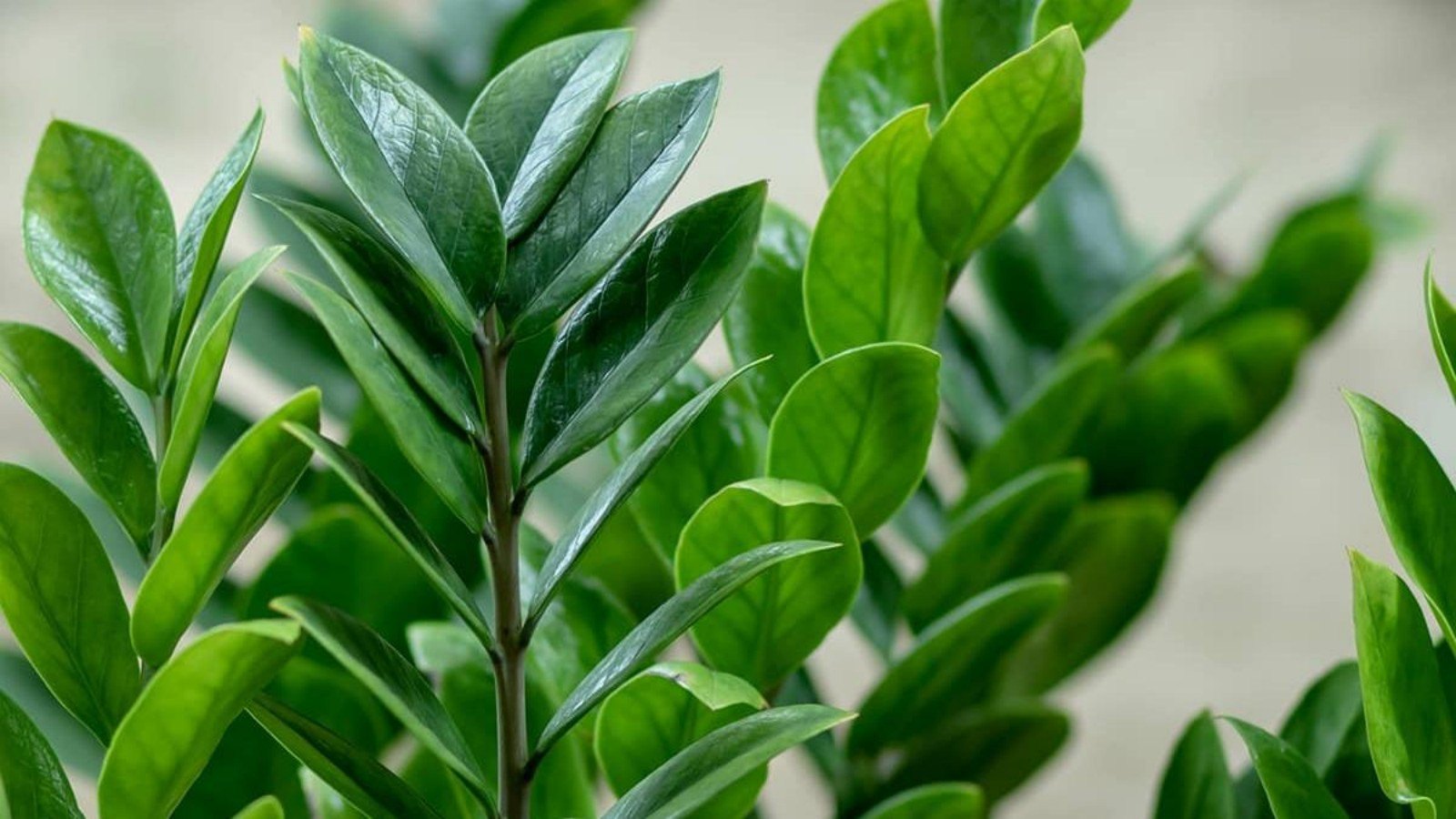
Native to the arid grasslands of eastern Africa, Zamioculcas zamiifolia is a perennial herbaceous plant in the Araceae family that is uniquely drought-tolerant. Its underground part grows a thick, potato-like tuber that stores water and nutrients, while its above-ground part has leathery, dark green leaflets arranged in symmetrical pinnates. This plant thrives in warm, low-light environments, making it a great addition to an office, living room, or any space with diffuse light.
Core growth parameters:
Light: Prefers bright diffuse light, tolerates low light environments, avoids direct sunlight
Temperature: Optimum temperature is 18–29°C (65–85°F), below 10°C (50°F) it is susceptible to frost damage
Water: Strong drought tolerance, requires well-drained soil
Growth rate: Slow to moderate growth, indoor plant height can reach 60–90 cm
Common causes and solutions for leaf drop
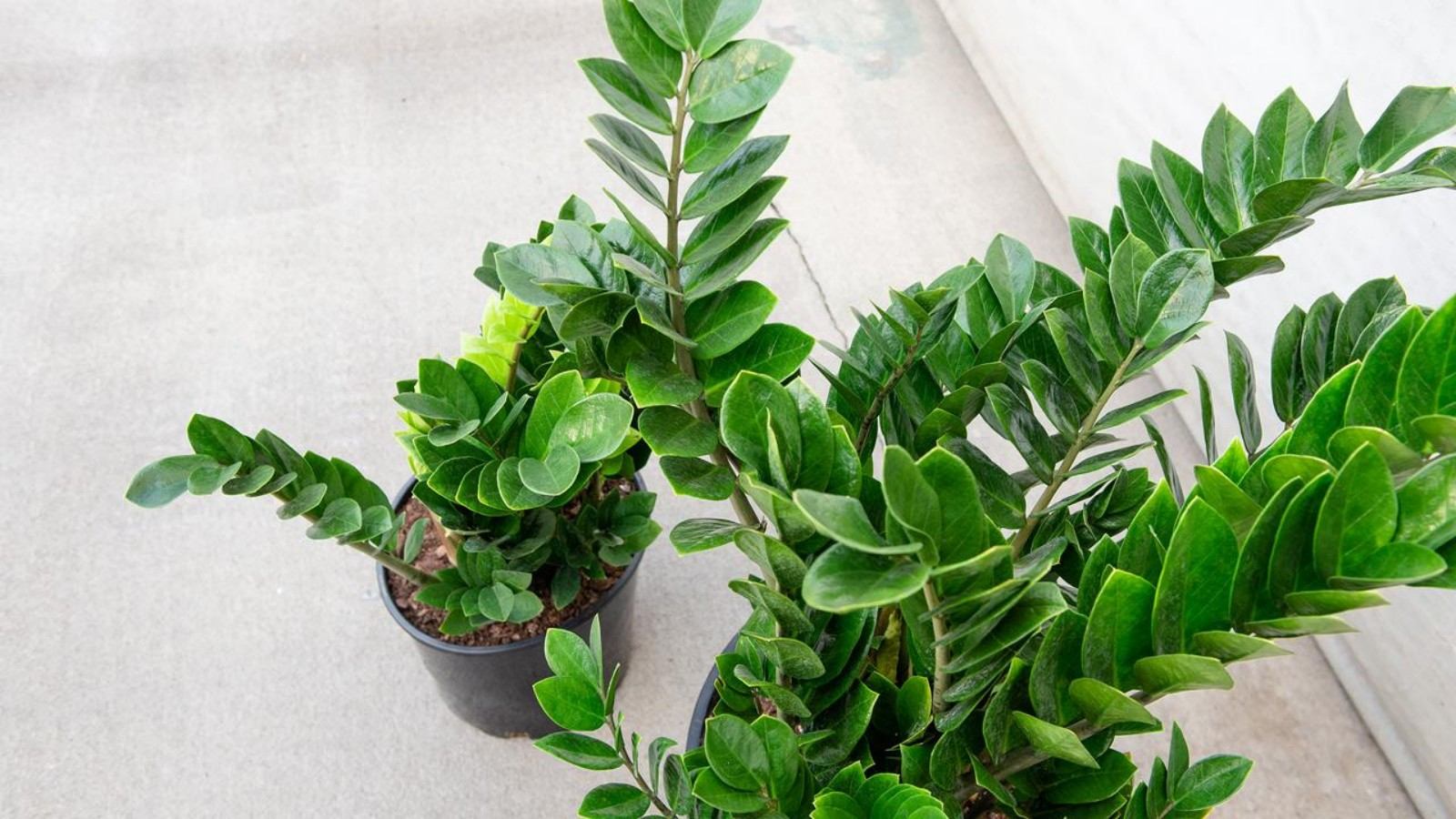
Improper light management
Problem 1: Damage from strong direct light
Although Zamioculcas zamiifolia can tolerate some light, prolonged exposure to strong direct light (especially in summer) can cause leaf burns. Sunburned leaves will show brown spots or burnt edges, and then older leaves will turn yellow and fall off. Strong light damages the chlorophyll structure in the leaves, reducing the ability to photosynthesize, while accelerating water evaporation, causing the leaves to dehydrate.
Problem 2: Insufficient light
Conversely, placing the plant in an environment that is too dark (such as deep shade or a room without natural light) will cause the leaves to gradually decline. In low light, photosynthesis is reduced, and the plant will save energy by shedding old leaves. New leaves may be smaller and lighter in color, and the stems will grow towards the light source.
Solution:
Ideal placement: Place 1–1.5 meters from an east/west-facing window with bright filtered light. Use curtains to block strong light at noon in summer.
Adjustment for low light environment: If the environment is dark, you can use a 20-30 watt growth lamp to supplement the light for 12-14 hours a day. Rotate the flower pot once a week to ensure that the plant receives even light.
Temperature stress
Problem 1: Low temperature damage
When the temperature drops below 10°C (50°F), the cellular functions of Zamioculcas zamiifolia are disturbed. Low temperature stress first manifests itself as softening and discoloration of leaves, especially on older leaves. Prolonged low temperatures can cause tuber frostbite and irreversible root rot.
Problem 2: High temperature stress
Although Zamioculcas zamiifolia prefers warmth, a sustained temperature above 32°C (90°F) will accelerate transpiration, causing the leaves to lose water faster than the roots can absorb water, resulting in dry and curled leaf tips and eventual leaf fall.
Solution:
Winter care: Avoid placing the plant near drafty doors and windows, move to a warm room with a temperature of at least 15°C (60°F), or use a low-temperature heater to keep warm.
Summer cooling: Stay away from air conditioning vents and radiators. In dry environments, spray regularly (not directly on the leaves) to increase air humidity.
Nutrient imbalance
Problem 1: Overfertilization
Excessive fertilization (especially high nitrogen fertilizers) can burn roots and cause salt accumulation in the soil. This is manifested by browning of leaf tips, stagnant growth, and sudden leaf drop. The root hairs of the root system die, which affects water absorption.
Problem 2: Underfertilization
When key nutrients such as nitrogen and potassium are lacking, the leaves will become pale and thin, and the plant will grow slowly. Old leaves will begin to yellow from the base because the plant will prioritize the storage of nutrients to the new leaves.
Solution:
Fertilization schedule: Apply a 50% diluted balanced liquid fertilizer (such as a 10-10-10 formula) every 4-6 weeks during the growing season (spring and summer), and stop fertilizing in the fall and winter.
Soil flushing: If overfertilization is applied, flush the potting soil with warm water 3-4 times continuously to dilute the salt, and then water normally after 24 hours.
Pests and diseases
Common pests:
Mealybugs: cotton-like white pests appear in the axils of leaves, sucking sap and causing yellow spots on leaves.
Red spiders: tiny red/brown mites and spider webs can be seen on the back of leaves, causing spots of chlorosis and dryness on leaves.
Scale insects: hard shell-like insects attached to the stems, hindering nutrient transport.
Solutions:
Preventive measures: isolate new plants for maintenance, wipe leaves with a damp cloth every month to remove dust and potential pests.
Treatment methods: mild infestations can be wiped with neem oil (1 teaspoon to 1 liter of water) or insecticidal soap solution; in severe cases, use systemic insecticides and strictly follow the instructions.
Soil and Root Problems
Problem 1: Crowded Roots
When roots fill the pot, they compete for space and lose water absorption. The plant may quickly wilt and the leaves may turn yellow due to nutrient depletion.
Problem 2: Poor Drainage
Using heavy soil or pots without drainage holes can cause water to stagnate, creating an oxygen-deficient environment that can cause root rot.
Solution:
When to repot: When roots wrap around the pot wall or extend through the drainage holes, replace the pot with a 2–5 cm larger diameter and gently comb the roots to promote new root growth.
Soil Improvement: Make sure the substrate is loose and add perlite or orchid bark to improve drainage.
Healthy Zamioculcas zamiifolia Care Tips
Cleaning and Pruning
Wipe the leaves regularly with a soft cloth to keep the stomata open to facilitate gas exchange; prune yellow leaves from the base in time to concentrate nutrients in healthy tissue.
Humidity Management
Although Zamioculcas zamiifolia tolerates low humidity, misting (to avoid water on the leaves) or placing a pebble tray in dry areas can increase air humidity to prevent browning of leaf tips.
Patient Care
Zamioculcas zamiifolia has a slow growth cycle, with new leaves emerging from the tubers one by one. Occasional shedding of old leaves is normal during dormancy and does not require excessive intervention.
When to Need Professional Help
Rescue measures should be taken if:
Tubers become soft and black (severe root rot)
Rapid leaf fall for more than 3 months without new leaf growth
Continuous pests after multiple treatments
At this time, remove the plant from the pot, check the root system, and propagate healthy tubers or leaves by cuttings as a last resort.
By solving these common maintenance problems, you can restore Zamioculcas zamiifolia to a lush and green state. Remember, this plant has evolved the ability to adapt to harsh environments - with just the right amount of light, water, and occasional care, it will provide you with years of elegant and worry-free gardening enjoyment.
Advertisement
Learn More
-

- October 20,2026
- Lily Disease Guide: Whats Killing Your Lilium longiflorum and How to Stop It
-
- September 17,2026
- Wax-Leaf Privet Diseases: Identification, Treatment & Prevention Guide
-
- September 1,2026
- Vinca Minor Diseases: Identification, Treatment and Long‑Term Garden Management
-
- August 18,2026
- Tree Philodendron Diseases: Identification, Treatment and Long‑Term Prevention
-
- August 6,2026
- Common Ailments of Plantago major: Identifying, Treating and Preventing Diseases in Broadleaf Plantain
-
- July 30,2026
- Zodiac-themed Bouquets Combined with Floral Language: Different Color Schemes Create More Artistic Birthday Surprises
Advertisement
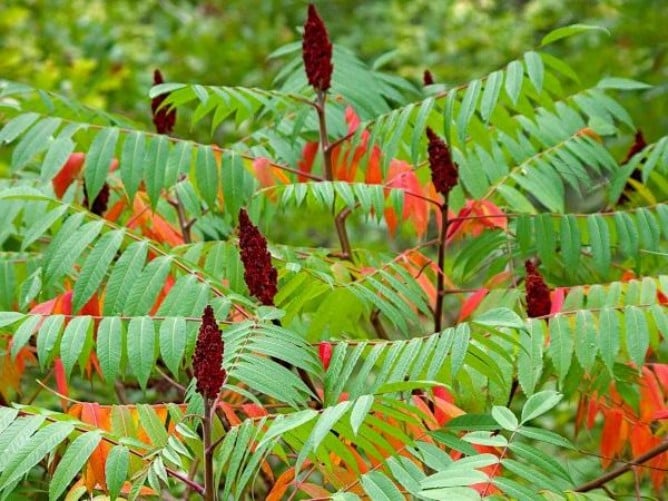
 Poisonous and danger
 Edible and medicinal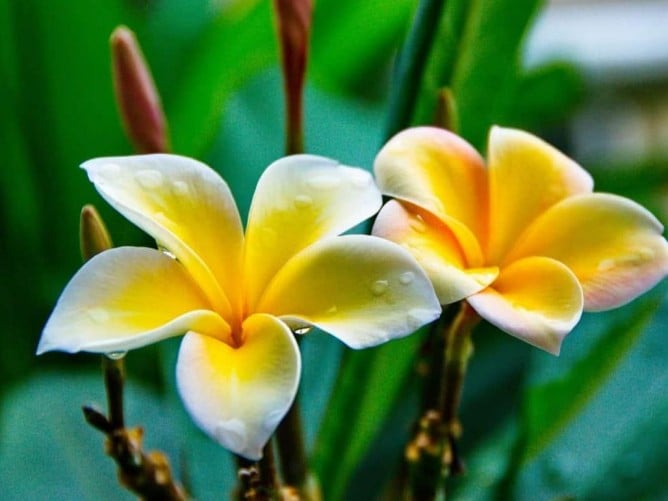
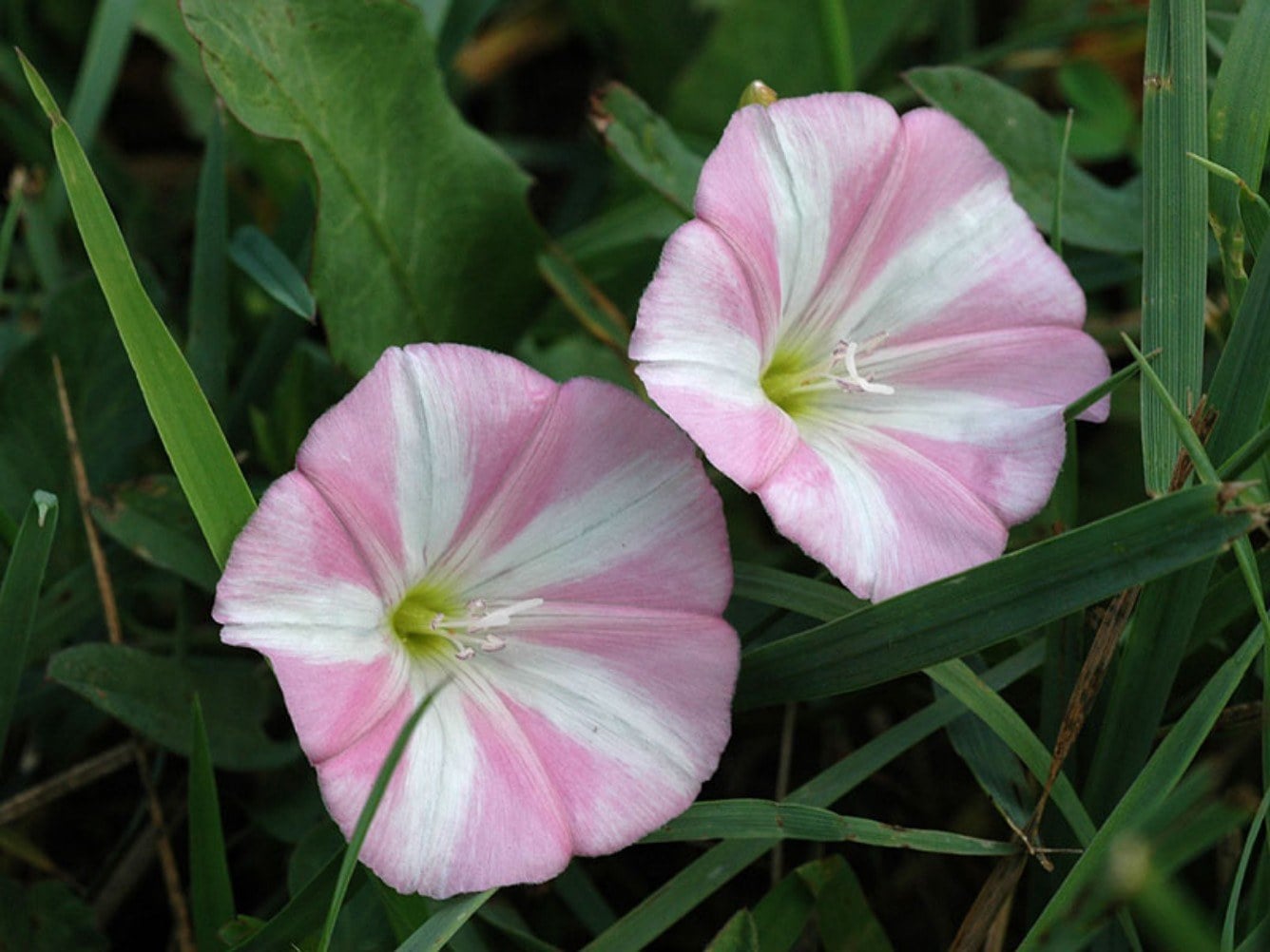
 Wild and common weed