Plant Guide
-
-
-

-
October 20,2026
-
Lily Disease Guide: Whats Killing Your Lilium longiflorum and How to Stop It
-
The Opening: Why Easter Lilies Get Sick So EasilyLet's start with a hard truth every lily grower eventually learns: *Lilium longiflorum* is beautiful, and it's also a magnet for trouble. The big trumpet-shaped white blooms that make it the star of Easter and a favorite in cottage gardens come at a price. This species is more disease-prone than a lot of other lilies, and the reasons go back to how it's grown and shipped. Most commercially sold Easter lilies are forced into bloom in greenhouses under tight schedules, grown in dense bulb fields, and handled a lot before they ever reach your garden center. Every one of those steps is an open door for pathogens. If you've ever had a healthy-looking lily collapse within a few weeks, you already know the frustration this article is about.The good news is that most lily diseases are preventable, and a surprisingly large share are manageable once you know what you're looking at. The bad news is that they don't announce themselves clearly. A yellowing leaf, a brown spot, a sudden wilt—each can mean half a dozen different things. Get the diagnosis wrong and you'll pour money and effort into the wrong treatment while the real problem spreads. So this guide walks through the diseases that actually hit *Lilium longiflorum* in real gardens, how to spot each one early, and what genuinely works to stop them. No vague advice, no guesswork—just the stuff that matters when your bulbs are on the line.The Fungal Diseases That Destroy Most LiliesBotrytis blight—the number-one killerIf there's one disease you need to know about, it's botrytis blight, sometimes called gray mold. It's the single most common and most damaging disease on *Lilium longiflorum*, and it's the reason so many lilies look terrible in cool, wet, humid springs. The fungus *Botrytis elliptica* is essentially always lurking in the environment. It waits for the perfect conditions—damp leaves, high humidity, poor air circulation—then strikes fast. Early signs are deceptively subtle: small, round, water-soaked spots on the leaves that look like pale bruises. Within days those spots turn brown or reddish, expand, and merge until entire leaves collapse. In heavy infections the buds themselves rot before they can open, which is heartbreaking when you've been waiting weeks for a bloom.The real reason botrytis is so brutal is that it spreads through the air and through splashing water. One infected leaf releases thousands of spores, and overhead watering or a steady rain sends them straight to healthy tissue. By the time you see the damage, the fungus has often already moved on to its next victim. Prevention beats cure here every single time. Space your lilies far enough apart for air to flow, always water at the soil line instead of over the leaves, and water in the morning so foliage dries quickly in the sun. If you catch spots early, remove and destroy the infected leaves immediately—don't compost them, because the spores survive and come back to haunt you. For serious outbreaks, a targeted fungicide applied according to label directions can knock it back, but it's a rescue mission, not a strategy.Bulb rot—the silent underground killerHere's the disease that confuses people the most, because by the time you notice it, it's often too late. Bulb rot is caused by several soil-borne fungi, most commonly *Fusarium oxysporum* and various *Pythium* species. They attack the bulb underground, where you can't see them. The plant above ground just starts looking tired—leaves yellow from the base, growth slows, and the stem may flop over even though nothing visibly wrong appears on the foliage. When you finally dig up the bulb, you find it soft, mushy, and smelling rotten. That's the unmistakable signature: a bulb that's turned to mush.The root causes are almost always the same three mistakes: poor drainage, overwatering, and planting in soil that already carries the fungus. *Lilium longiflorum* needs well-draining soil and absolutely cannot sit in standing water. If your garden has heavy clay, amend it with compost, sand, or peat before planting—or grow lilies in raised beds and containers where you control the drainage. Healthy bulbs resist rot far better than stressed ones, so buy from reputable suppliers who sell firm, mold-free bulbs. And practice rotation: don't keep planting lilies in the exact same spot year after year, because soil-borne fungi build up over time. Once bulb rot takes hold, there's no cure for that bulb—your only move is prevention for the next season.The leaf spot family—brown spots and a mess of confusionBeyond botrytis, a whole family of leaf-spotting fungi can mar *Lilium longiflorum* leaves. These show up as small brown, tan, or reddish lesions scattered across the foliage, often with a slightly darker border. *Cercospora* and various *Alternaria* species are frequent culprits. The pattern is usually more cosmetic than fatal—the plant rarely dies, but the leaves get ugly, and heavy spotting weakens the plant by reducing its ability to photosynthesize. In a garden, that matters because damaged leaves mean less energy stored in the bulb for next year's blooms.These fungi thrive in the same conditions botrytis loves: wet foliage and stagnant air. So the fixes overlap heavily. Water at the base, keep the area tidy, remove and destroy badly spotted leaves, and make sure plants aren't crowded together. Improving airflow through proper spacing and strategic pruning of nearby overhanging plants goes a long way. In humid climates where leaf spot is a recurring annoyance every season, a preventative fungicide program timed to start before symptoms appear can protect the foliage through the worst of the wet weather. But for most home gardeners, cultural practices—space, water, cleanliness—are genuinely enough to keep leaf spots from becoming a real problem.The Viral Diseases—The Ones You Can't CureThe lily mosaic virusesThis is where things get genuinely scary, because unlike fungi, there's no spray, no treatment, no cure for viral diseases in lilies. The main culprits are lily symptomless virus, cucumber mosaic virus, and tulip breaking virus. Some of these cause dramatic symptoms; others are sneakier. Infected *Lilium longiflorum* may show mottled, streaked, or distorted leaves, unusual light-and-dark patterns that look nothing like the uniform green you expect, and in some cases the flowers themselves come out streaked, misshapen, or smaller than they should be. But here's the trap: lily symptomless virus lives up to its name. A plant can be infected and look perfectly healthy, while silently carrying and spreading the virus.So how do viruses get into your garden? Almost always through infected bulbs or through insect vectors, with aphids being the chief culprits. An aphid feeds on an infected lily, picks up the virus, and carries it to your healthy plants. That's why pest control and virus control are the same battle. There is no treatment for an infected lily. The only responsible action is to dig up and destroy infected plants—burn them or bag them for the trash, never compost them—to prevent the virus from spreading through your whole bed. It feels harsh, but leaving one infected plant can quietly infect the entire collection over a couple of seasons. Prevention means buying certified virus-free bulbs from reputable sources and keeping aphid populations in check from the moment shoots emerge in spring.Why "clean bulbs" are the whole gameEverything about virus management in lilies comes back to the starting material. Because you can't cure a viral infection, and because infected bulbs often look fine, the only real protection is starting clean. Reputable commercial growers run virus-testing programs and sell certified clean stock. That extra dollar or two per bulb is the cheapest insurance you'll ever buy in the lily garden. It's also why you should be wary of bargain-bin bulbs or swapping bulbs with neighbors who've had unexplained die-offs. You're not just buying a flower—you're buying a clean bill of health. For anyone serious about keeping *Lilium longiflorum* thriving year after year, starting with clean, certified bulbs and staying ruthless about removing anything that looks off is the entire strategy in one sentence.Bacterial and Physiological Problems—The Confusing OnesBacterial soft rot—the fast-moving stinkerNot all rot is fungal. Bacterial soft rot, caused mainly by *Erwinia* bacteria, moves even faster than fungal rot and smells far worse. It attacks bulbs, stems, and even flowers, turning tissue into a soft, watery, foul-smelling mess almost overnight. One day your lily looks fine; two days later a stem is collapsing and the base reeks. The bacteria are everywhere in soil and water, but they need a way in—usually through a wound. Damaged bulbs, cuts from weeding, broken stems, or pest damage all give bacteria an entry point. Once inside, they multiply fast in warm, wet conditions.The irony is that many cases of bacterial soft rot are self-inflicted through careless handling. Cut, bruised, or cracked bulbs are a welcome mat for the bacteria. So handle bulbs gently, avoid damaging the stem base when cultivating or weeding, and control the pests that chew on your plants. Good drainage and not overwatering also keep the bacteria from thriving. If you catch a soft, smelly spot early, remove the affected tissue and improve air circulation and drainage around the plant. But bacterial rot moves so fast that early action is usually the difference between saving part of the plant and losing it entirely. Prevention through gentle handling and clean growing conditions is really the only reliable defense.When it's not a disease at all—physiological disordersHere's a trap that sends gardeners on wild goose chases: not every sick-looking lily is sick. A surprising share of "diseases" are actually physiological problems—stress responses, not pathogens. Leaf scorch is a classic. It looks like a disease: brown, crispy leaf tips and edges. But it's usually caused by environmental stress—too much fertilizer, drought, extreme heat, or a combination. Excessive nitrogen, in particular, can burn leaf edges and produce soft, weak growth that's then more vulnerable to real diseases. Overcrowding and root disturbance can cause wilting and yellowing that mimic disease but are just the plant struggling to cope.Distinguishing physiological problems from actual disease matters because the treatments are opposite. A fertilizer burn needs less feeding, while a nutrient deficiency needs more. A water-stressed plant needs moisture, while an overwatered one needs drainage. The best diagnostic tool you have is to know your own garden: have you fertilized heavily? Has it been unusually hot or dry? Did you recently transplant or disturb the roots? If the "symptoms" line up with a recent stress event and no spots, mold, or foul smell are present, treat it as stress first. Fix the environment and give the plant time, and many apparent diseases simply resolve on their own.A Practical Prevention Plan That Actually WorksThe foundation: start clean, plant rightEvery disease conversation with lilies has to end in the same place: prevention is the whole ballgame, and it starts before the bulb ever goes in the ground. Buy certified, virus-free bulbs from reputable suppliers, inspect them for soft spots, mold, or damage before planting, and reject anything that looks questionable. Choose a planting site with full sun to partial shade and, above all, excellent drainage. Amend heavy soil before planting, or grow in raised beds and containers where you control the conditions. Space bulbs far enough apart for air to circulate, and plant at the right depth—roughly three times the bulb height—so they establish strong, healthy roots. A healthy, well-planted lily simply resists disease far better than a stressed one.The daily habits that keep disease outPrevention isn't a one-time event; it's a set of habits that become second nature. Water at the soil line in the morning, never over the foliage in the evening. Keep the base of plants clear of fallen leaves and debris, where fungal spores and bacteria overwinter. Inspect your lilies regularly—a quick walk-through every few days catches problems when they're still fixable, not after they've spread. Control aphids and lily beetles from the moment shoots emerge, because pests are both direct damage and disease vectors. Clean your tools between working on different plants, and never work on wet foliage, which spreads spores. And remove and destroy anything that looks infected immediately. Do these things consistently, and you'll sidestep the vast majority of lily disease disasters.When to treat, when to remove, and when to accept itThe final skill is knowing the difference between "treat this" and "remove this." Fungal problems like botrytis and leaf spot, caught early, are worth treating—remove affected leaves, improve conditions, and use a fungicide if the outbreak is serious. Bacterial rot, caught very early, sometimes responds to removing affected tissue. But viral infections have no treatment, and badly rotted bulbs can't be saved; both need removal and destruction to protect the rest of your garden. And some losses are simply part of growing lilies—even the best gardeners lose the occasional bulb to the weather or bad luck. Accept it, learn from it, and don't let one setback chase you away from one of the most beautiful bulbs you can grow. *Lilium longiflorum* rewards patience, and a healthy plant, with years of those glorious white blooms.
-
-
September 17,2026
-
Wax-Leaf Privet Diseases: Identification, Treatment & Prevention Guide
-
Wax-leaf privet, remains one of the most popular evergreen landscape shrubs across warm temperate and subtropical gardening zones. Gardeners prize it for its glossy, leathery foliage, dense growth habit, tolerance to urban pollution, salt resistance, and versatility as hedges, topiaries, foundation plantings, and standalone specimen shrubs. It grows reliably in USDA hardiness zones 8 through 10, coping well with drought once established and adapting to most soil types. Even with its tough reputation, wax-leaf privet is far from immune to disease pressure. Many gardeners mistakenly assume this robust shrub will thrive indefinitely with minimal care, only to discover discolored leaves, dieback, or gradual decline months after planting.Most wax-leaf privet diseases are triggered by environmental stress: overwatering, poor air circulation, overcrowded hedges, overhead irrigation, and nutrient imbalance. Fungal pathogens dominate the list of common infections, while soil-borne vascular diseases and pest-associated secondary infections can cause permanent damage if left unchecked. Early symptom recognition is the single most powerful tool for protecting your privet hedge. Waiting until large branches start dying back often means the pathogen has spread deep into the plant’s vascular system, limiting recovery options. This guide breaks down all major wax-leaf privet diseases, explains how to tell them apart, walks through organic and chemical control strategies, and outlines long-term cultural practices to keep shrubs healthy year-round. Whether you manage a residential garden hedge or a commercial landscape planting, understanding these disease cycles will save you time, money, and prevent the loss of mature privet plantings.Leaf Spot Diseases: Cercospora, Anthracnose & Phoma BlotchLeaf spot is the most frequently reported disease on wax-leaf privet, and several fungal pathogens are responsible, including *Cercospora*, *Colletotrichum* (anthracnose), and *Phoma destructiva*. Each creates slightly different lesions, but all thrive in warm, humid weather when leaf surfaces stay wet for extended periods. Overhead watering, dense hedge pruning that traps moisture inside the canopy, and piles of fallen infected leaves at the base of shrubs create perfect conditions for spores to splash onto new foliage and germinate. Home gardeners often first notice small, isolated brown, purple, or black specks scattered across the upper leaf surface. As the infection progresses, spots expand and merge into large irregular blotches. Infected leaves turn yellow around lesion edges, curl slightly, and drop prematurely. Heavy infections can defoliate large sections of the shrub, weakening the plant and reducing its ornamental appeal. Anthracnose tends to attack young tender growth and twig tips, while Phoma dark blotch creates near-black lesions that can spread onto small stems and fruit clusters.Correct diagnosis matters for treatment, but cultural control works similarly for all leaf spot pathogens. Start by removing all fallen infected leaf debris from under the shrub; these fallen leaves hold dormant fungal spores ready to re-infect the plant during rain or irrigation. Thin overcrowded hedges to open up airflow through the interior canopy. Many gardeners shear privets into tight solid walls, which locks in humidity and blocks sunlight deep inside the bush. Instead, selectively prune inner branches to create gaps for air movement. Always water at the base of shrubs using drip lines or soaker hoses, never spraying water directly onto leaves. For active infections, copper-based fungicides work well as a protective spray, applied every 7 to 14 days during wet humid periods. Mancozeb and propiconazole are also effective options, following all label instructions carefully. Fungicides will not repair spots already present on leaves; they only protect new healthy foliage from infection. Severe, repeated leaf spot infections signal a fundamental moisture or spacing problem that fungicides alone cannot solve.Powdery Mildew and Sooty MoldPowdery mildew is instantly recognizable by the white, talcum-powder-like fungal coating covering leaf surfaces, young stems, and flower buds. Unlike many fungi, powdery mildew does not require standing water on leaves to germinate. It flourishes in high humidity combined with dry leaf surfaces, a common scenario in shaded gardens, tightly spaced hedges, and areas with poor morning sun. Early infection shows scattered white patches; over time the coating spreads across the leaf, causing leaf distortion, yellowing, and premature leaf drop. Wax-leaf privet planted in partial shade is far more vulnerable than shrubs growing in full sun. While powdery mildew rarely kills mature privet outright, persistent infection weakens the shrub, slows growth, and opens it up to other diseases and pests.Sooty mold is often confused with powdery mildew, but it is a secondary fungal issue with a very different root cause. Sooty mold appears as a thick black crust covering leaves and stems. The fungus itself does not infect plant tissue; it feeds on sticky honeydew excreted by sap-sucking insects such as whiteflies, scale insects, and aphids. The black coating blocks sunlight, reducing photosynthesis and causing leaves to yellow and drop. Controlling sooty mold requires targeting the insect pest producing honeydew, not just spraying fungicide on the black coating. Once pests are eliminated, rain and gentle washing will gradually remove sooty mold over time. For powdery mildew control, improve sunlight exposure and air circulation. Prune heavily shaded branches. Organic treatments include potassium bicarbonate and sulfur sprays applied at the first sign of white growth. Avoid heavy nitrogen fertilization, which produces soft, succulent new growth highly susceptible to mildew infection.Root Rot and Stem Canker DiseasesRoot rot is a devastating soil-borne disease caused by oomycete pathogens from the *Phytophthora* and *Pythium* genera. It almost always develops due to waterlogged soil and poor drainage. Wax-leaf privet tolerates drought well once established, but its roots cannot survive sitting in saturated soil for long periods. Gardeners often misdiagnose root rot symptoms, because above-ground signs look like drought stress: leaves turn dull green or yellow, new growth wilts, branches die back, and the whole shrub gradually declines, even when soil remains wet. If you dig carefully around the root zone, infected roots turn mushy, dark brown or black, and slough off their outer bark easily. Healthy privet roots are firm and pale tan. Root rot spreads rapidly in heavy clay soil, low-lying planting spots that collect rainwater, and overwatered landscape beds. Once extensive root rot sets in, recovery is difficult, making prevention the top priority.Stem canker and twig blight are fungal diseases caused by *Botryosphaeria* and related pathogens. These fungi enter the shrub through pruning wounds, broken branches, or damaged bark, especially when the plant is stressed by drought, heat, or nutrient deficiency. Cankers appear as sunken, dark lesions on stems and branches. The bark around the canker dies, cutting off water and nutrient flow to foliage beyond the infection point. Individual branches wilt, turn brown, and die back. Many gardeners see random dead twigs scattered across the privet hedge and dismiss it as normal seasonal damage, missing the early canker infection. For canker and twig blight, prune infected branches back to healthy green tissue well below the canker margin. Disinfect pruning shears between every cut with rubbing alcohol or bleach solution to avoid spreading fungal spores. Never prune privets during wet rainy weather. Improve soil drainage to reduce plant stress, and avoid wounding bark during lawn maintenance. If root rot is suspected, stop irrigation immediately. Aerate compacted soil around the root zone. Severely infected plants should be removed, and avoid replanting wax-leaf privet in the same poorly drained location.Verticillium WiltVerticillium wilt is a serious vascular fungal disease caused by *Verticillium dahliae*, a long-lived soil pathogen that can survive in soil for many years without a host plant. This fungus invades the plant’s water-conducting xylem tissue, blocking water movement. Symptoms typically emerge in mid-summer during hot weather. Often only one side or a few branches of the shrub show symptoms first, which is a key identifying trait. Leaves turn pale yellow, develop scorched brown edges, wilt, and drop. If you slice open an infected branch, you can often see dark brown streaks inside the vascular tissue. Verticillium wilt does not always kill wax-leaf privet, but repeated infections weaken the shrub permanently and make it prone to other diseases and pest outbreaks.Verticillium wilt is extremely challenging to treat once established in the plant, because fungicides cannot fully eradicate the fungus living inside the vascular system. Management focuses on reducing plant stress to help the shrub survive. Water deeply during prolonged heat and drought to minimize wilting stress. Use balanced, low-nitrogen fertilizer; excess nitrogen stimulates tender growth that increases susceptibility. Remove and destroy completely dead branches. Avoid injuring roots or stems around infected shrubs. If the shrub suffers severe dieback and cannot recover, remove the entire plant and its root ball. Do not plant other susceptible shrubs such as maples, roses, or lilacs in the contaminated soil. Resistant plant alternatives are the most reliable long-term solution for gardens with confirmed Verticillium wilt.Pest-Associated Problems & Nutrient DisordersWhile this article focuses on diseases, many privet health issues arise from insect pests that create entry points for fungal infection. White peach scale, whiteflies, privet rust mites, Japanese weevils, and aphids all commonly infest wax-leaf privet. Scale insects attach to stems and leaf undersides, sucking sap and secreting honeydew that fuels sooty mold. Whitefly populations explode in dense hedges, and their feeding causes leaf yellowing and premature drop. Weevils chew distinctive notches along leaf margins. Regular visual inspection every few weeks helps catch pest outbreaks early before they weaken the shrub and trigger secondary disease. Horticultural oil and insecticidal soap work well for light infestations, while systemic insecticides may be needed for heavy scale populations. Always apply sprays according to label directions and avoid spraying during extreme heat.Nutrient deficiencies are another non-infectious issue frequently mistaken for disease. Wax-leaf privet is susceptible to copper deficiency, especially in alkaline soils. Copper deficiency symptoms include stunted new growth, small distorted leaves, leaf tip dieback, and pale discoloration. Soil testing is the only reliable way to confirm nutrient imbalance. Avoid over-fertilizing privets; excessive nitrogen causes soft growth vulnerable to mildew, leaf spot, and insect feeding. Apply a slow-release balanced shrub fertilizer in early spring only when soil tests indicate a need. Mulch with organic material to stabilize soil moisture, moderate soil temperature, and reduce soil splash that carries fungal spores up onto lower leaves. Keep mulch pulled back slightly from the shrub trunk to prevent stem rot.Integrated Disease Prevention Strategy for Wax-Leaf PrivetThe best defense against wax-leaf privet disease is building plant resilience through smart cultural practices, rather than relying on fungicides after symptoms appear. Start at planting time. Choose a full-sun location with well-drained soil. Space individual shrubs generously, accounting for mature width, so air can circulate between plants. Many hedges fail because gardeners place young privets too close together, creating a crowded disease-prone wall within just two or three years. Select healthy nursery stock with green, firm foliage and no leaf spots, stem cankers, or insect signs. Inspect every shrub before bringing it into your landscape to avoid introducing pathogens or pests into an established garden.Adjust irrigation practices to keep foliage dry and root zones moderately moist but never soggy. Use drip irrigation for hedges whenever possible. Schedule watering early in the morning so any water that touches leaves dries quickly in sunlight. Clean up leaf litter, pruned branches, and debris around privets routinely. Disinfect pruning tools between shrubs, especially when working with plants showing disease signs. Prune hedges selectively instead of constant tight shearing. Open the interior canopy to sunlight and airflow. Monitor shrubs weekly throughout spring, summer, and early fall, checking leaf undersides, twigs, and base for early warning signs of disease or pests. When infections appear, act fast: remove infected tissue, improve airflow, adjust watering, and use fungicides only as a supplementary tool. Integrated pest and disease management keeps wax-leaf privet vigorous, beautiful, and resistant to pathogens for decades.Wax-leaf privet’s reputation as a tough, low-maintenance landscape shrub is well earned, but it is not invincible. Nearly all of its most destructive diseases are directly tied to poor growing conditions and plant stress. Leaf spot, powdery mildew, root rot, canker, and Verticillium wilt all have clear environmental triggers that gardeners can manage. The key distinction between a thriving privet hedge and a declining one lies in consistent observation, proper spacing, thoughtful irrigation, and good garden sanitation. Learning to separate fungal disease symptoms from insect damage or nutrient deficiency prevents wasted effort on incorrect treatments.Keep in mind that wax-leaf privet is classified as invasive in many regions of the United States. Birds spread its abundant seeds into natural woodland areas, displacing native plant species. Its berries and foliage contain toxic compounds dangerous to dogs, horses, and humans if ingested. Before planting new privet shrubs, check local invasive species regulations and consider native alternative shrubs that support local pollinators without escaping cultivation. If you already maintain established wax-leaf privet plantings, proactive disease management will preserve your hedge while minimizing pesticide use. By combining careful monitoring, cultural controls, and targeted treatments only when necessary, you can successfully protect your wax-leaf privet from disease and enjoy its glossy green foliage year after year.
-
-
September 01,2026
-
Vinca Minor Diseases: Identification, Treatment and Long‑Term Garden Management
-
Vinca minor, widely known as common periwinkle or creeping myrtle, is one of the most popular evergreen ground‑covers across temperate home landscapes. Valued for glossy dark‑green foliage and soft violet‑blue spring blooms, this trailing perennial spreads steadily to suppress weeds and fill shaded garden beds. Gardeners frequently select Vinca minor for low‑maintenance plantings under trees, along borders and on slopes, assuming it will thrive with minimal attention. While it is genuinely tough under ideal circumstances, prolonged wet spring weather, heavy clay soil, overcrowded growth and poor airflow can trigger a range of destructive fungal and oomycete diseases that wipe out large sections of established beds.Many home gardeners misinterpret early warning signs. Random brown patches, wilting runners and premature leaf drop are often written off as winter damage or temporary drought stress. By the time large bare dead areas appear in the ground‑cover mat, pathogens have already spread through soil and plant debris, making recovery far harder. Successful disease management for Vinca minor starts with learning to tell infectious disease apart from simple environmental stress, recognizing early symptoms, and adjusting cultural habits before small problems turn into landscape‑wide failures. Destructive Stem Blight: Phoma / Boeremia exiguaPhoma stem blight ranks as the most devastating and widespread disease of Vinca minor plantings in North America and Europe, capable of destroying well‑established ground‑cover beds over just a few growing seasons. The causal fungus Phoma exigua survives for multiple years inside old infected plant debris and soil, waiting for cool wet spring conditions to activate. New symptoms usually emerge in late April or early May, as fresh spring shoots begin to unfurl. Dark brown to black sunken lesions form close to the soil line on overwintered trailing runners. These lesions quickly girdle stems, cutting off water and nutrient flow, which causes shoots to wilt and collapse even when soil holds plenty of moisture.As stem blight advances, lesions travel along runners at leaf nodes wherever stems rest against damp soil. Entire clumps turn brown and die back, while dark lesions may spread into leaf stalks and produce irregular brown leaf spots. It is easy to misdiagnose stem blight for drought damage because infected foliage wilts rapidly. To confirm, examine stem bases near ground level; healthy Vinca minor stems stay firm and green, while diseased stems show black, rotted girdling tissue. Once stems are fully girdled, no chemical product can reverse the damage. Management starts with aggressive sanitation: dig out all dead and dying runners, remove them completely from the garden and discard in household waste, never compost infected material. Thin thick crowded mats to open airflow through the planting. Avoid overhead sprinkler irrigation, because splashing water spreads fungal spores across the bed. Fungicides can protect healthy new growth, but they cannot rescue stems already invaded by the fungus, so timing sprays for early spring before symptom breakout is criticalUniversity.... In sites with repeated severe outbreaks, replanting Vinca minor may not be practical, and gardeners should consider switching to alternative shade‑tolerant ground‑cover species.Root and Crown Rot Caused by Phytophthora and RhizoctoniaRoot and crown rot diseases create quiet, progressive decline in Vinca minor, almost always triggered by poorly drained soil, heavy clay, over‑mulching or excessive irrigation. Phytophthora species are oomycete pathogens that thrive in saturated soil conditions, attacking fine feeder roots before moving upward to rot the plant’s crown right at soil level. Rhizoctonia solani creates very similar crown rot symptoms, most active during warm humid summer spells. Above‑ground early signs are subtle: foliage turns pale yellow, growth slows, and sections of the ground‑cover wilt even in moist soil. When you lift affected runners, root systems appear dark brown or black, soft and mushy, with a faint rotten odour, compared to firm pale tan healthy roots.Gardeners often mistakenly add more water to wilting Vinca minor, which accelerates rot and speeds plant death. Once crown tissue turns soft and water‑soaked, there is little chance to save individual plants. Infected specimens must be dug out, including surrounding contaminated topsoil. Do not replant new periwinkle directly into the same spot without improving drainage. Heavy clay ground should be amended with coarse compost and grit to open soil structure. Raised bed planting offers excellent protection against Phytophthora pressure. Keep mulch thin around Vinca minor, never pile thick organic mulch directly against stem crowns, because trapped moisture creates perfect infection points. Drip irrigation is strongly preferred over sprinklers. While phosphite‑based soil drenches can offer some protective benefit for still‑healthy surrounding plants, they cannot cure heavily rotted specimens. Long‑term success depends on fixing drainage rather than relying on chemical treatments.Foliar Diseases: Leaf Spot, Botrytis Gray Mold and Powdery MildewMultiple fungal pathogens create leaf‑spot symptoms on Vinca minor, most commonly Alternaria and Phoma species. Circular brown or black lesions develop across leaf surfaces, frequently ringed with distinct yellow halos. As spots expand, they merge into large necrotic patches, and badly affected leaves drop prematurely. These foliar infections spread fastest when water sits on leaf surfaces for extended hours, caused by overhead watering, persistent spring rain, and dense un‑thickened ground‑cover mats with minimal air movement. While leaf spot rarely kills Vinca minor outright, it weakens the plant, opens entry points for stem‑rotting organisms, and ruins the attractive evergreen foliage gardeners value.Botrytis cinerea, known as gray mold, targets old spent periwinkle flowers first, then spreads onto adjacent leaves and young shoots in cool humid weather. Infected tissue develops soft water‑soaked decay covered with fuzzy grey‑brown spore growth. Powdery mildew forms a pale dusty‑white coating across upper leaf surfaces under conditions of high humidity paired with dry leaf surface periods, another common issue in partly shaded gardens. For all these foliar diseases, core cultural adjustments deliver the greatest results. Remove fallen dead leaves and spent flower debris regularly. Water only at soil level, avoid wetting foliage. Thin over‑thick ground‑cover once per year to improve air circulation through the mat. Pick off and dispose of heavily spotted leaves. Copper‑based fungicides or chlorothalonil can slow further spread during wet disease‑prone seasons, though they will not repair leaf tissue already damaged. Always apply fungicides as a protective measure on healthy foliage, not as a rescue for already heavily infected plants.Pest‑Associated Secondary Infections and Viral ConcernsVinca minor is relatively resistant to major insect pests, but occasional pest activity creates small wounds on leaves and stems that give fungi and bacteria easy access to plant tissue. Aphids gather on tender new spring shoots, sucking sap and excreting sticky honeydew. Spider mites appear during hot dry conditions, creating fine stippled pale leaf markings and thin webbing on leaf undersides. Slugs and snails chew holes through young foliage, leaving ragged wounds. Honeydew deposits from sap‑feeding pests also feed sooty‑mold fungi, forming an unattractive black dusty coating across leaves, blocking sunlight and lowering overall plant vigour.Managing pest‑linked disease means addressing the insect or mollusc problem first. Blast aphids off shoots with sharp jets of water early in the morning. For mite outbreaks, apply horticultural oil, fully covering leaf undersides. Iron‑phosphate baits safely reduce slug and snail pressure without harsh poisons. Avoid broad‑spectrum insecticides that wipe out beneficial predatory insects that naturally keep aphid and mite numbers under control. Viral infections occur less frequently on Vinca minor but do appear in garden settings. Virus‑infected plants show mottled yellow‑green leaf patterns, distorted foliage and stunted weak growth. There is no treatment for viral disease; infected plants must be dug out and destroyed to stop potential spread by sap‑feeding insects to nearby healthy periwinkle.Holistic Prevention and Practical Diagnostic Workflow For Home GardenersNearly all Vinca minor disease outbreaks trace back to environmental stress rather than random bad luck. This ground‑cover thrives in partial shade, well‑drained loamy soil, and moderate moisture. It hates waterlogged clay ground, constant overhead wetting, deep mulch piled on crowns, and overcrowded growth with zero airflow. Many gardeners treat Vinca minor as “plant‑and‑forget”, yet established beds still need basic maintenance. Every spring, walk through your periwinkle planting and trim back overly dense sections, clear accumulated leaf litter trapped inside the mat, and remove any obviously dying runners before pathogens multiply on dead tissue.When buying new Vinca minor stock, inspect every plant carefully before purchase. Reject any nursery material showing blackened stem bases, brown spotting foliage or dieback. Quarantine new plants for two‑three weeks before setting them into existing mature beds, to avoid introducing hidden pathogens. Water management makes or breaks disease resistance: water early in the morning, use soaker hoses or drip lines to keep foliage dry, and avoid frequent light irrigation that keeps soil surface perpetually damp. Learn to distinguish normal stress symptoms from real infectious disease. Scattered brown leaf tips can stem from winter wind burn or dry soil; infectious disease usually spreads outwards, creating expanding dead patches across the ground‑cover mat.When disease strikes, resist the urge to immediately spray multiple fungicides. First diagnose what you are observing: check stem bases, root condition, look for fungal growth or spotting patterns, and assess soil drainage. Sanitation, thinning and improved watering often deliver better results than chemical sprays. In locations with repeated catastrophic Vinca minor disease pressure, accept that periwinkle may not be well‑suited to that micro‑site. Replacing it with alternative shade‑loving ground‑covers saves ongoing frustration. With attentive basic care and smart moisture management, gardeners can maintain lush, disease‑resistant Vinca minor beds for many years.
-
-
August 18,2026
-
Tree Philodendron Diseases: Identification, Treatment and Long‑Term Prevention
-
Tree philodendron, also known as Philodendron bipinnatifidum, is a striking tropical houseplant admired for its large, deeply lobed foliage and sturdy upright trunk‑like stem. Native to South American rainforests, this robust aroid can grow into an impressive floor‑standing specimen indoors, bringing bold jungle aesthetics to living rooms, offices and conservatories. Many new plant owners assume tree philodendrons are nearly indestructible because of their hardy reputation, but they face a clear set of infectious diseases triggered by indoor growing mistakes. Most sickness does not arrive randomly; pathogens take hold when humidity, airflow, watering or soil conditions slip out of balance.Unlike small vining philodendrons, tree philodendrons develop thick stems, heavy leaf canopies and abundant aerial roots, which create unique micro‑climates around stems and leaf axils where moisture can become trapped for hours or days. These damp sheltered spots become perfect entry points for bacteria, fungi and secondary pest‑related infections. Home growers often misread early warning signs: yellow foliage, small brown spots or mild wilting are frequently written off as normal aging, until irreversible damage spreads through roots and main stem. Learning to spot disease onset early drastically improves your chance of saving your mature tree philodendron, and avoids spreading pathogens to your other houseplant collection.Common Fungal Diseases in Tree PhilodendronRoot rot is the most destructive fungal disease threatening tree philodendrons, caused by soil‑borne pathogens including Phytophthora, Pythium and Rhizoctonia that thrive in water‑logged, oxygen‑depleted potting medium. It almost always originates from chronic overwatering, insufficient drainage holes, oversized pots or compacted heavy soil. Early above‑ground symptoms are deceptive: leaves turn pale yellow, the whole plant wilts even while soil stays wet, and older lower foliage begins dropping without obvious leaf damage. If you tip the plant out of its container, infected roots turn dark brown or black, feel mushy and give off a distinct sour, decaying odour; healthy roots are firm and pale cream‑tan colour. Advanced root rot moves upward into the main stem, turning trunk tissue soft and water‑soaked, at which point recovery becomes very unlikely.Treating root rot demands fast, decisive action. First isolate your tree philodendron away from other plants to stop contaminated soil or water splashes spreading spores. Rinse away all old potting mix from the root ball under luke‑warm running water. Using sharp, disinfected pruning shears, cut away every soft, discoloured root section, making clean cuts back to firm, healthy tissue; disinfect blades between every cut with 70% isopropyl alcohol to avoid cross‑contamination. Many large tree philodendrons will survive losing a large portion of their root system, as long as the central stem remains solid and hard. After trimming, you can dip remaining healthy roots in a diluted 3% hydrogen peroxide water solution for roughly 90 seconds to suppress surface fungi. Repot into a brand‑new fast‑draining aroid mix with plenty of perlite and orchid bark, inside a clean pot with multiple drainage openings. Hold off watering for around one week after repotting, then resume watering only once the top two inches of soil have fully dried out. Even with perfect treatment, recovery for a large mature specimen can take several months.Anthracnose is another widespread fungal disease for tree philodendron, triggered by Colletotrichum gloeosporioides spores that germinate when leaf surfaces stay wet for six or more hours in warm, humid indoor air. Symptoms start as irregular tan‑grey necrotic leaf patches framed by sharp dark‑brown borders, most often appearing on older outer leaves first. Tiny black pin‑prick spore bodies develop inside damaged lesions under high humidity. Home gardeners frequently mix anthracnose up with sun scorch or chemical fertiliser burn, but sun damage does not produce these tiny black reproductive specks. On tree philodendron, water gets trapped in deep leaf folds and stem‑leaf junctions, so upper canopy leaves are just as vulnerable as lower shaded foliage.Management for anthracnose combines physical removal of infected tissue and environmental adjustment. All leaves showing any lesion must be pruned off and discarded, never composted, because spores can remain viable in plant debris. Stop misting the foliage entirely, water directly at soil level, and improve air circulation around your plant with a small gentle fan. Increased airflow cuts down the length of time water droplets sit on leaf surfaces, breaking the fungal reproduction cycle. For moderate active infections, potassium bicarbonate or copper‑based fungicide sprays can be applied on dry days, following manufacturer label instructions, repeating every seven days for three total rounds of treatment. Remember fungicides do not repair already dead leaf tissue; they only stop new infection from forming. Long‑term prevention requires thinning crowded inner foliage once per year to open up the canopy and reduce trapped moisture within the dense tree‑like structure.Bacterial Infections and How They DevelopBacterial leaf spot, driven by Xanthomonas and Erwinia species, creates frustrating cosmetic damage that can progress into systemic plant failure on tree philodendron. The first visible signs are small translucent water‑soaked dots across leaf blades, which expand into reddish‑brown lesions surrounded by bright yellow halos. As bacteria spread, large sections of leaves turn mushy, dark and collapse, occasionally releasing a foul rotting smell. Bacteria spread through water splashes, contaminated pruning equipment, or entering through tiny leaf tears and insect feeding wounds. Tree philodendron’s huge easily‑damaged leaves get scraped and nicked during house movement, repotting or regular home activity, creating natural entry wounds for bacterial pathogens. Conditions of warm temperatures paired with high stagnant humidity dramatically speed up infection rates.Once bacterial leaf spot takes hold, there is no chemical cure that fully eradicates bacteria inside leaf tissue, so early intervention is everything. Immediately remove every infected leaf, even those with only one small spot, and place in household waste. Isolate the specimen away from your plant collection, as splashing water can carry bacteria onto nearby healthy foliage. Switch strictly to bottom watering, so no moisture hits the top sides of leaves. Boost indoor air movement, and avoid raising humidity above 70% while fighting an active bacterial outbreak. Many hobbyists mistakenly crank up humidity for tropical plants during disease, yet excess moisture makes bacterial issues far worse. Copper‑based bactericidal products can slow new lesion development, yet will not heal existing damaged leaves. Monitor new growth closely over four to six weeks; if fresh emerging leaves keep developing spots, bacteria have moved into the plant’s vascular system, and full recovery is improbable.Erwinia stem rot is a dangerous bacterial disease targeting the thick central trunk of mature tree philodendron specimens. It usually starts at the base of the main stem, where soil moisture sits against stem tissue for long periods. The trunk loses its firm rigidity, turning soft, watery and dark, and unpleasant rotten odour emanates from stem tissue. Lower leaves suddenly wilt and collapse, even when roots look relatively healthy. This disease commonly occurs after overwatering combined with cool indoor temperatures in winter months. When soil stays cold and wet around the stem base, bacterial populations explode and invade stem tissue. Many growers confuse stem rot with root rot, yet stem rot can advance even when roots remain partially intact.Saving a tree philodendron with bacterial stem rot depends on how far rot has travelled upward along the trunk. If decay is confined only to the very bottom base, you can cut away all soft infected stem material with sterile sharp tools until only solid, clean white‑green stem tissue remains. Allow the fresh cut surface to dry and callus over for several days in warm, dry, well‑ventilated space before repotting into sterile loose growing medium. Do not bury the stem deeper than it originally sat; keep the healed callus positioned just above soil level to prevent re‑infection. If soft rotting tissue extends high up the main trunk, rescue via stem cuttings is your only realistic option. Take healthy upper stem cuttings from non‑infected sections, root them, and discard the diseased original trunk and root ball. Never reuse old contaminated potting soil.Pest‑Associated Secondary DiseasesHouseplant pests rarely kill tree philodendrons directly, yet they create extensive hidden damage that opens pathways for fungal and bacterial disease. Sap‑sucking insects pierce leaf and stem cells, leaving micro‑wounds where pathogens enter plant tissue. Mealybugs, scale insects, spider mites and aphids are the most frequent pests on tree philodendron, and heavy infestations produce sticky honeydew waste coating leaf surfaces. Honeydew feeds sooty mould fungi, forming unattractive black dusty layers across large philodendron leaves. Sooty mould does not feed on plant tissue itself, but it blocks sunlight, interferes with photosynthesis and weakens overall plant vigour. Many gardeners treat the black mould without addressing the underlying pest population, so the mould quickly comes back again and again.Regular thorough inspection is your best defence against pest‑linked disease. Every two weeks, examine leaf undersides, deep leaf axils, aerial root crevices and stem joints, places pests prefer to hide. Early‑stage mealybug infestations show up as small white cotton‑like clusters; scale appears as hard brown stationary bumps; spider mites leave fine silk webbing plus tiny stippled yellow speckling across leaf surfaces. At the first sign of pests, isolate the plant. For light infestations, wipe leaves down using isopropyl alcohol‑dampened cloth. For more widespread outbreaks, apply neem oil or insecticidal soap, making certain you fully coat leaf undersides and stem gaps, repeating treatments following product cycles to kill newly hatched pest generations. Once pests are suppressed, gently wipe sooty mould residue off foliage with soft damp cloth. If pests persist, secondary leaf spot infections often keep appearing no matter how many fungicide sprays you apply.Fungus gnats represent another pest‑related hazard for tree philodendron. Adult gnats are mostly harmless, but their larvae live inside damp potting soil, feeding on fine young feeder roots. Damaged root systems become far more susceptible to root rot fungi. You will spot small dark flies rising up whenever you water your plant. Larvae thrive in perpetually wet soil mixes. To control them, allow soil to dry deeper between watering cycles. A 3% hydrogen peroxide diluted with water can be watered through potting medium to kill larvae. Sticky yellow traps catch flying adults. Beneficial nematodes offer effective biological control for persistent gnat problems, safe for indoor home environments. The core fix remains adjusting watering habits; fungus gnats will disappear when soil stops staying continuously soggy.Holistic Disease Prevention & Diagnostic Best PracticesMost tree philodendron disease struggles stem from mismatched environmental care rather than bad luck with contagious pathogens. Even genetically healthy vigorous plants fall victim when growing conditions push the plant into chronic stress. Tree philodendron favours bright indirect light, consistent 18‑27°C temperatures, moderate humidity around 55‑65 percent, and porous, fast‑draining aroid potting mix. Heavy moisture‑retentive potting soil, cold drafts beside windows or air‑conditioning units, over‑potting into excessively large containers, and frequent overhead leaf misting all raise disease risk significantly. Many plant owners mist philodendron leaves thinking it replicates rainforest conditions; short‑lived surface moisture encourages spore germination, while stable ambient humidity from humidifiers delivers far safer long‑term moisture without wetting foliage.Build a simple regular plant‑check routine to catch issues before crisis hits. Every 10‑14 days, look over all foliage for odd spots, discolouration or wilting. Stick your finger two inches deep into potting substrate to assess real soil moisture, instead of watering on rigid fixed calendar schedules. Observe how water drains out from pot base. Empty standing water out of saucers promptly after watering. When pruning, always disinfect cutting tools between different houseplants. When bringing brand‑new plants home, keep them quarantined separate from your collection for two‑three weeks, to avoid introducing soil‑borne pathogens or hidden pests. Repot mature tree philodendron every two to three years, refreshing old compacted soil that builds up fertiliser salt accumulation and dormant pathogen spores.Knowing how to tell apart environmental stress symptoms versus actual infectious disease saves you from unnecessary chemical treatments. Brown leaf tips on tree philodendron frequently come from low humidity or tap‑water mineral salt build‑up, not fungus. Uniform yellowing of one‑two old bottom leaves can be normal natural ageing. True infectious disease usually creates spreading spots, rotting tissue, fuzzy mould growth, or symptoms that jump from leaf‑to‑leaf across the plant. If your plant shows distress, run through quick diagnostics: check soil moisture and drainage, inspect roots if possible, look for pests, evaluate light and temperature conditions, before reaching for fungicide or bactericide products. Chemical treatments only work against infections; they cannot repair harm caused purely by poor care conditions.When disease strikes, accept realistic expectations. Severe root rot, advanced bacterial stem rot, or widespread vascular infection cannot always be reversed. Pouring multiple chemical products on a gravely sick plant wastes time and money. In hopeless cases, salvage healthy stem cuttings to start new plants, and discard the heavily infected original specimen. Through attentive observation, sensible watering, good air circulation and clean gardening hygiene, you can keep your tree philodendron large, lush and largely free of serious disease for many years.
-
-
August 06,2026
-
Common Ailments of Plantago major: Identifying, Treating and Preventing Diseases in Broadleaf Plantain
-
Many gardeners know Plantago major, or broadleaf plantain, as a stubborn lawn weed. What fewer people realise is this hardy perennial is also a valuable medicinal herb, widely grown in home herb gardens and small‑scale specialty plant production across temperate regions. Its thick‑rosette foliage has long been harvested for topical wound care, anti‑inflammatory remedies, and edible greens. For most of the growing season, broadleaf plantain is remarkably tough. It tolerates compacted soil, foot traffic, partial shade, and inconsistent watering, shrugging off stress that would kill many delicate garden herbs. Even so, it is not immune to disease. When growing conditions shift, especially with prolonged humidity, poor airflow, or water‑logged ground, fungal, bacterial, and oomycete pathogens can move in, damaging leaves, weakening crowns, ruining harvests, and even killing established plants.Growing plantain intentionally changes how we view its health. In the wild, diseased specimens can survive alongside healthy ones, but in garden beds, container set‑ups, or herb‑growing plots, infections spread quickly between closely spaced rosettes. Once leaf spots, mildew coatings, or wilting symptoms show up, they rarely disappear on their own. Left unchecked, pathogens spread by rain splash, garden tools, insect vectors, and wind‑blown spores. Growers who harvest leaves for medicine or food face an extra concern: diseased foliage should never be collected for consumption or herbal preparations, as infected tissue may carry harmful pathogens or metabolic by‑products. Learning to spot early warning signs, understand environmental triggers, and apply practical management keeps your plantain crop productive and safe to use. Fungal Foliar Diseases: The Most Common Threats to Plantago majorPowdery mildew is the most frequently reported disease on broadleaf plantain, caused primarily by Golovinomyces sordidus, a host‑specific fungus that thrives under a very particular set of garden conditions. Unlike many fungal infections that need constant wet leaf surfaces, powdery mildew develops when days are warm and dry, while nights bring high relative humidity. You will first notice faint, whitish‑grey powdery blotches on upper leaf surfaces, which slowly expand and merge across the rosette. As the infection progresses, leaves become dull, slightly distorted, yellow‑streaked, and lose their firm texture. In late summer and autumn, tiny dark speckles, the pathogen’s over‑wintering fruiting bodies, appear within the white powder. Older lower leaves are usually attacked first before spreading upwards to younger growth and even flower spikes.Many gardeners mistakenly believe rainy weather alone brings powdery mildew. In reality, dense planting, partial shade, poor air circulation, and excess nitrogen fertiliser are bigger risk factors. Crowded herb beds where foliage stays trapped in stagnant air create perfect micro‑climates for spore germination. When you spot the first white patches, immediately remove all heavily infected leaves and dispose of them — do not add them to home compost piles, as fungal structures can survive there. Water only at soil level, avoiding overhead sprinklers that raise leaf‑zone humidity. For mild outbreaks, potassium bicarbonate or sulphur‑based organic sprays applied early in the morning slow colony expansion. Severe cases require repeated applications every seven‑to‑ten‑day intervals. Long‑term prevention relies on spacing rosettes apart, trimming surrounding competing vegetation, and balancing fertilisers with phosphorus and potassium rather than heavy nitrogen inputs.Leaf spot diseases, driven by Alternaria and related fungal genera, represent another widespread foliage issue for Plantago major. Early‑stage symptoms include small, scattered tan‑brown or purplish‑brown circular lesions across leaf blades. As the disease advances, individual spots grow larger, merge together, and create big necrotic dead patches across the leaf surface. Lower‑position mature leaves suffer first, turning yellow and dropping prematurely. Prolonged wet weather, frequent overhead watering, and splashing rain spread fungal spores from old leaf debris onto fresh tissue. If your plantain is growing in poorly‑drained heavy soil, leaf spot infections tend to become far more aggressive.It is easy to confuse fungal leaf spot with bacterial leaf spot. Bacterial lesions often show water‑soaked, translucent borders around dark brown‑black spots, whereas fungal spots usually have defined dry edges with visible concentric ring patterns at their centres. Once leaves are heavily spotted, no spray will reverse existing tissue damage. Your priority is stopping further spread. Remove and destroy all symptomatic foliage. Clear away fallen dead plant debris around the base of each rosette, because spores over‑winter in old leaf litter. Copper‑based fungicides work as protective sprays for new growth, but they cannot cure already‑damaged leaves. Avoid working among wet plants, because touching damp foliage transfers bacteria and fungal spores from sick to healthy rosettes. If leaf spot returns year after year in the same bed, consider rotating growing locations, as pathogen populations build up in soil and leftover plant material.Downy mildew infections on Plantago major are caused by several Peronospora species, obligate oomycete pathogens specialised to attack this host plant. Gardeners often misdiagnose downy mildew as powdery mildew, yet the two diseases behave differently. Downy mildew creates pale yellow angular blotches on upper leaf surfaces; underneath, you will see faint grey‑purple fuzzy spore growth, mostly visible when dew or morning moisture is present. It spreads fastest during cool, damp spring and early‑autumn weather. Leaves gradually turn brown and die from the edges inward. Unlike powdery mildew, downy mildew absolutely requires leaf wetness for spores to infect tissue.Improving airflow is your most powerful defence against downy mildew. Thin over‑crowded plantings so wind can move through rosettes. Water early in the day so any accidental leaf wetness dries quickly before evening. Remove infected leaves right away. Once plants are heavily infected, rescue is difficult. Preventative copper sprays can offer partial protection, but infected plants are best removed entirely to stop spore loads building up in your garden space.Soil‑Borne Diseases: Root Rot, Crown Rot and Vascular WiltAbove‑ground leaf diseases are visible and easy to spot, yet soil‑borne pathogens often cause silent, devastating losses for Plantago major. Root rot complex describes infections from Pythium and Phytophthora organisms, which attack fibrous root systems when soil stays persistently saturated. Even though broadleaf plantain tolerates compacted ground, it cannot stand sitting in stagnant water. Early warning signs are easy to misread: plants look wilted, even when soil is damp. Leaves turn pale yellow, lose turgor, and the whole rosette slowly collapses. Dig up an affected specimen, and you will see dark, mushy, foul‑smelling decaying roots instead of firm pale‑tan healthy root tissue. The central crown may turn soft and discoloured as rot moves upward.Container‑grown plantain suffers root rot far more often than field‑grown specimens, because pots trap standing water at the bottom. Drainage holes clogged with old potting mix amplify risk. Once root rot takes hold, recovery chances are limited. For mildly‑affected plants, cut back all rotted root material, replant into fast‑draining, looser growing medium, and suspend watering until soil dries substantially. Severely rotted plants should be discarded. Preventative steps are far more reliable: avoid over‑watering, improve bed drainage, amend heavy clay soil with coarse organic material, and never let containers sit in pooled water trays. Do not reuse potting soil from diseased plantings, as oomycete spores persist for multiple seasons.Vascular wilt diseases caused by Fusarium and Verticillium fungi, plus bacterial wilt from Ralstonia solanacearum, produce dramatic, sudden wilting in Plantago major. Pathogens invade internal water‑conducting tissues inside roots and crowns, blocking water movement even when soil moisture is adequate. Individual leaves or the entire rosette droops sharply, turns yellow, and dies back rapidly. There is no practical cure once a plant is fully infected. You must pull and destroy every affected rosette immediately. These pathogens survive for years within soil, so replanting plantain into the exact same spot will result in repeated infection. Practise crop rotation, sanitise trowels and shears between working on different plant beds, and always start with disease‑free seed or young transplants.Rust disease occasionally appears on Plantago major, especially in shaded, humid garden corners. Small, bright‑orange or rust‑brown powdery pustules dot leaf undersides. As infection worsens, leaves develop yellow spotting and premature die‑off. Isolate affected plants, prune away all infected foliage, and boost ventilation. Organic copper fungicides can suppress further spore development.Secondary Drivers: Insect Pests That Fuel Disease OutbreaksPest activity rarely kills plantain outright, yet insects create entry wounds for bacteria and fungi, while also acting as vectors that carry viral pathogens between plants. Understanding pest‑disease connections helps you manage problems before they escalate. Aphids cluster on young leaf bases and flower spikes, sucking sap and producing sticky honeydew. Honeydew coats leaf surfaces and creates ideal conditions for sooty‑mould fungal growth. Heavy aphid feeding distorts new leaf growth and weakens overall plant vigour. A strong jet of plain water knocks down light aphid populations. For larger infestations, use insecticidal soap sprays. Encourage natural predators such as ladybugs and lacewings in your herb garden to keep aphid numbers balanced long‑term.Plantain flea beetles leave countless tiny round shot‑holes across leaf tissue, mostly harming young seedlings and fresh rosette growth. Each feeding hole is an opening where spores and bacteria can penetrate leaf tissue. Slugs and snails chew large ragged notches along leaf margins, most actively on damp nights. All these physical injuries make Plantago major far more vulnerable to leaf‑spot and bacterial infections. Good garden sanitation, removing plant debris where pests shelter, and hand‑picking slugs in the evening reduce pressure without heavy chemical intervention.Integrated Disease Management for Home Growers and Small‑Scale Herb ProducersSuccessful Plantago major disease management does not rely only on spraying once symptoms appear. Integrated plant health starts with cultural choices that lower disease risk before infections ever take hold. First, match your growing environment to what the plant actually needs. Broadleaf plantain handles many soil types, but well‑drained ground remains non‑negotiable. If you grow it in heavy clay, add compost and grit to improve drainage. Space rosettes so air flows freely between plants; do not cram specimens tightly together in herb‑garden beds. Water smartly: irrigate soil, not foliage, and water early in the day so any accidental leaf moisture dries quickly. Avoid over‑applying nitrogen fertilisers, which produce soft leafy growth highly susceptible to mildew and leaf‑spot pathogens.Sanitation is under‑rated yet extremely powerful. Every growing season, clear away fallen dead leaves and old plant debris surrounding plantain rosettes. These piles hold over‑wintering spores of powdery mildew, leaf‑spot fungi, and downy mildew. When you find diseased leaves or whole sick plants, remove them and discard them — do not compost them. Clean your trowels, pruners and harvesting scissors between beds. A quick wipe with diluted household disinfectant stops you carrying pathogens from sick plants to healthy ones. Use clean seed sources; seed can carry surface‑borne fungal spores that trigger early‑season infections.When disease does show up, start with non‑chemical interventions first: remove infected tissue, adjust watering patterns, improve airflow. Reserve sprays for when cultural steps are not enough. Organic options include sulphur, potassium bicarbonate, and copper‑based products. Always follow label instructions carefully, especially if you plan to harvest leaves for herbal use. Respect pre‑harvest waiting periods. Synthetic fungicides are available for larger‑scale production, yet they rarely make sense for small home gardens, where sanitation and plant‑spacing deliver most of the protection you need.Final ThoughtsPlantago major deserves its reputation as a tough, resilient herb, but resilience does not equal invulnerability. Powdery mildew, leaf spot, downy mildew, root rot, and vascular wilts all appear when environmental conditions tip in favour of pathogens. Many growers overlook these risks because they mostly encounter plantain as a wild weed, where sick specimens blend into the landscape. When you cultivate it intentionally for medicine or food, disease problems become impossible to ignore.The good news is most Plantago major diseases are strongly driven by environment. Simple adjustments: better spacing, careful watering, thorough garden‑bed sanitation, and balanced fertiliser will drastically cut infection rates. Learn to scan your rosettes regularly for early warning signs: powdery coatings, odd‑coloured spots, unexpected yellowing, or unexplained wilting. Catching issues early gives you far more treatment options and prevents whole‑bed outbreaks. By understanding the diseases that affect broadleaf plantain, you can maintain healthy, vigorous plants you can safely harvest year after year.
-
-
July 16,2026
-
Common Diseases & Pest-Related Disorders of Nepeta cataria: Full Identification, Organic Treatment and Long-Term Prevention Guide
-
Many new gardeners assume Nepeta cataria, commonly known as catnip, is virtually disease-proof. This hardy mint-family herb tolerates drought, poor soil and temperature swings, yet it regularly falls victim to fungal, bacterial and secondary pest-triggered illnesses when growing conditions shift out of its preferred range. Catnip’s soft, fuzzy foliage traps moisture easily, and its dense bushy growth creates stagnant humid microclimates that pathogens thrive within. Even seasoned gardeners often misdiagnose leaf discoloration, wilting and spotted foliage, writing off symptoms as simple heat stress or nutrient deficiency instead of addressing infectious disease at its root.What makes catnip disease management uniquely important is its dual purpose: gardeners harvest its leaves for calming herbal tea for humans and cat enrichment toys for domestic felines. Synthetic fungicides and harsh chemical insecticides leave toxic residue on edible and pet-safe foliage, making organic, low-toxicity control methods non-negotiable for anyone growing catnip for consumption or animal use. This comprehensive guide breaks down every widespread disease of Nepeta cataria, covering clear symptom identification, environmental triggers, step-by-step organic treatment protocols, and long-term cultural prevention strategies to keep your catnip patch vigorous, aromatic, and free of persistent infections all growing season long.Part 1: Powdery Mildew – The Most Prevalent Fungal Disease of CatnipPowdery mildew is the number one disease affecting catnip across all USDA hardiness zones 3 through 9, appearing in late spring through early fall as overnight humidity rises while daytime temperatures stay mild between 15°C and 27°C. Unlike most fungi that require standing water to germinate, powdery mildew spores spread rapidly through dry, stagnant air, making it deceptive for gardeners who think limited watering will prevent fungal outbreaks. Early signs start as tiny scattered white dust-like flecks on the undersides of lower mature leaves, expanding into thick chalky coatings that wipe off easily between your fingertips without leaving wet residue behind.As infection advances, affected leaves turn pale yellow, curl inward along their edges, and drop prematurely from stems. New growth emerges stunted, twisted, and coated in mildew, drastically reducing the plant’s production of nepetalactone—the aromatic oil that gives catnip its appeal to cats and its medicinal value for human teas. Crowded plant spacing, overhead sprinkler watering, partial shade and overgrown inner foliage create the perfect breeding ground for this pathogen. Container-grown catnip suffers even worse from mildew, as enclosed pot walls restrict cross-airflow around the leaf canopy.Organic treatment begins with immediate sanitation to stop spore spread. Prune all fully infected leaves and thin dense inner branches to open airflow through the bush; bag and discard all diseased trimmings rather than composting them, as mildew spores survive decomposition. Three highly effective home sprays work for mild to moderate outbreaks: a baking soda blend (1 tbsp baking soda, half tsp mild castile soap, one gallon of water), whole milk diluted at a 1:9 ratio with water, or cold-pressed neem oil mixed with emulsifying soap. Coat both leaf surfaces thoroughly every seven days, applying in early morning so foliage dries fully before midday heat. For severe mildew pressure, potassium bicarbonate sprays deliver stronger antifungal activity without toxic chemical residues on harvestable leaves.Long-term prevention eliminates the conditions mildew favors entirely. Space catnip transplants a minimum of 12 to 18 inches apart during planting to allow free air circulation between individual bushes. Always water directly at the base of stems using drip irrigation or hand watering cans, avoiding any spray that dampens leaf surfaces. Trim catnip back by half after its first bloom flush to remove dense lower foliage, and position plants in full unobstructed sunlight for six to eight hours daily. Avoid over-applying high-nitrogen fertilizer, which creates soft, tender new growth far more susceptible to mildew colonization. If mildew returns yearly in your garden, rotate catnip to a new bed every two seasons and clear all fallen leaf debris from the soil surface each autumn to eliminate overwintering spores.Part 2: Root Rot & Stem Base Rot – Deadly Soil-Borne Fungal DisordersRoot rot, triggered by Pythium, Phytophthora and Rhizoctonia soil fungi, is the second most destructive catnip disease and the leading cause of sudden plant collapse in home gardens. Unlike above-ground mildew, root rot develops hidden beneath the soil surface, meaning gardeners often miss early warning signs until irreversible damage has already taken hold. The core trigger is consistent soil saturation paired with compacted, poorly draining growing medium—catnip evolved in well-aerated loam and sandy ground and cannot survive prolonged standing water around its shallow, fibrous root system.Early above-ground symptoms are easy to misinterpret as drought stress: lower leaves turn uniform pale yellow, stems wilt drastically even when soil feels damp to the touch, and new growth slows to a complete halt. When you gently tug the base of an infected plant, it pulls loose from the soil with minimal resistance, as feeder roots have turned mushy, brown and slimy. Healthy catnip roots are firm, pale white or light tan; rotted roots release a sharp, unpleasant moldy odor when exposed to air. In advanced cases, rot creeps upward into the stem base, creating dark sunken lesions that girdle the stalk and cut off all water and nutrient transport to the canopy.Treatment for root rot depends on infection severity. For mild cases where only a small portion of roots show decay, carefully dig up the entire plant and shake away all contaminated soil. Use sterile sharp pruning shears to cut away every mushy, discolored root segment, leaving only firm, healthy white root tissue. Rinse remaining roots with clean room-temperature water, then set the plant in a shaded, dry area for 24 hours to let cut root surfaces callus over. Replant into fresh, amended soil mixed with coarse sand and aged pine compost to boost drainage, and pause all irrigation for one full week to let the new root zone dry completely. Severe infections with widespread root decay cannot be reversed; remove and destroy the entire plant to stop fungal spores from spreading through garden soil to adjacent herbs.Preventative practices eliminate root rot risk from the moment of planting. Before placing catnip seedlings, test your garden soil texture and amend heavy clay with grit, perlite and organic compost to break up compaction. If growing catnip in pots, exclusively use containers with multiple large drainage holes and lightweight herb potting mix blended with sand. Stick to a strict watering schedule: only irrigate when the top one to two inches of soil dry out fully, and never allow rainwater to pool in low-lying depressions around the root zone. Avoid piling thick mulch directly against the catnip stem base, which traps moisture and invites stem rot pathogens. Each spring, loosen the top layer of soil around mature catnip clumps to improve underground airflow, and implement a three-year crop rotation cycle to reduce buildup of rot fungi within garden beds.Part 3: Fungal & Bacterial Leaf Spot ComplexLeaf spot diseases cover a broad group of fungal and bacterial pathogens that create disfiguring, perforated foliage on Nepeta cataria, reducing photosynthesis and ruining leaves intended for harvest. Fungal leaf spot (Alternaria and Septoria species) and bacterial leaf spot present slightly different visual markers, though both spread rapidly during extended rainy weather, overhead watering, and crowded plant growth. Many gardeners confuse leaf spot damage with pest feeding marks, delaying treatment until most foliage becomes spotted and drops prematurely.Fungal leaf spot first emerges as small tan or light brown circular blemishes on mature lower leaves, each surrounded by a distinct pale yellow halo. As spots expand, they develop dark concentric ring patterns at their center, and in humid weather, tiny fuzzy gray fungal growth appears on the spot surface. Bacterial leaf spot creates dark, water-soaked angular lesions that ooze thin clear sap when squeezed; infected leaf tissue quickly turns black and brittle, forming small holes as dead tissue falls away. Both pathogens overwinter on fallen leaf litter and splatter upward onto new growth during rain or irrigation splashback.Organic intervention requires immediate removal of all spotted foliage, as infected leaves act as constant spore sources. Collect every damaged leaf from the plant and the surrounding soil surface, disposing of all debris off-site rather than composting. For fungal spot outbreaks, weekly neem oil sprays suppress spore germination and slow lesion expansion; bacterial spot responds best to diluted copper soap sprays applied every five days during damp weather. Always spray both leaf tops and undersides, and stop all overhead irrigation entirely to prevent water from transferring bacteria and fungi between leaves.Consistent garden sanitation is the most reliable long-term defense against leaf spot complex. Rake up all fallen catnip leaves at the end of each growing season to eliminate pathogen overwintering sites. Maintain wide spacing between catnip and other mint-family herbs (mint, lemon balm, oregano), as these plants share identical leaf spot pathogens and cross-contaminate one another. When pruning catnip, disinfect cutting tools with rubbing alcohol between each bush to avoid manually transferring bacterial spores to healthy plants. Avoid overcrowding catnip with taller ornamental plants that block sunlight and trap humid air around the herb canopy. If leaf spot returns annually, apply a thin layer of straw mulch around the root zone in early spring to prevent rain splash from carrying soil-borne pathogens onto low leaves.Part 4: Secondary Mold Disorders Triggered by Sap-Sucking PestsWhile powdery mildew and root rot are primary diseases, catnip frequently develops secondary black sooty mold and cottony white mold as a side effect of aphid, spider mite, and mealybug infestations—often overlooked by gardeners who treat only the mold without addressing the underlying pest issue. Sap-feeding insects pierce leaf tissue to extract nutrients, excreting sticky sugar-rich honeydew that coats stems and foliage. This honeydew creates the perfect nutrient film for mold spores to attach and multiply, creating dark soot-like black coatings or fluffy white mold mats that block sunlight and inhibit leaf function.Sooty black mold appears as flat, hard black smudges across leaves and stems; it does not penetrate plant tissue directly but blocks chlorophyll production, leading to gradual yellowing and leaf drop. Cottony white mold develops in cool, damp shaded areas of the bush, forming thick soft white fungal masses that produce tiny black resting sclerotia that survive for multiple years in garden soil. Pest activity is always visible alongside mold: aphids cluster on tender new growth, spider mites spin fine silk webbing between leaf nodes, and mealybugs leave cottony white wax masses tucked into stem crevices.Treatment requires a two-step process: eliminate the sap-sucking pest population first, then target the residual mold growth. For light pest infestations, blast leaves with a strong jet of cold water to dislodge aphids and mites, then wipe mealybug clusters with cotton swabs dipped in 70% rubbing alcohol. For widespread infestations, spray the entire bush with diluted neem oil soap solution every three days until all insect activity ceases. Once honeydew production stops, remove heavily mold-coated leaves and spray remaining foliage with mild baking soda spray to dissolve and break down mold residue. Severe cottony white mold infections require complete removal of heavily damaged stems to stop sclerotia from dropping into the soil.Prevent secondary mold by establishing balanced garden biodiversity to attract beneficial predatory insects that control pest populations naturally. Plant pollinator flowers like marigolds, cosmos and dill near catnip patches to draw ladybugs, lacewings and predatory mites that feed on aphids and spider mites without damaging catnip foliage. Inspect catnip weekly starting in early spring to catch tiny pest colonies before they multiply and produce honeydew. Avoid over-fertilizing catnip with high-nitrogen feeds, which produce soft new growth that attracts sap-sucking insects in droves. Prune dense inner growth to boost airflow and reduce surface humidity where mold spores can colonize honeydew deposits.Part 5: Universal Integrated Disease Prevention Plan for CatnipAfter identifying and treating active infections, adopting year-round integrated cultural practices drastically reduces future disease outbreaks and strengthens Nepeta cataria’s natural disease resistance. The foundation of disease-free catnip is growing conditions aligned with its native wild habitat: full sunlight, sharply draining neutral to slightly alkaline soil, moderate infrequent watering, and consistent air circulation through the leaf canopy.Start with proper site selection before planting. Choose an open, unshaded lawn or herb bed with no overhead tree cover, positioned away from low-lying puddle zones and foundation runoff from concrete structures that raise soil pH to harmful alkaline levels. Test soil pH annually and amend overly acidic ground with small amounts of garden lime to maintain the ideal 6.6–7.5 pH range catnip requires to absorb nutrients and build robust immune function. Improve drainage in clay-heavy soil by mixing coarse sand and aged oak leaf compost into the planting hole at transplant time.Adopt careful watering hygiene as a non-negotiable routine. Install drip irrigation lines routed directly to the root zone to eliminate all leaf wetness from irrigation water. Water only in early morning hours, giving foliage the entire day to dry completely before cool dusk humidity sets in. During extended rainy periods, temporarily prop up dense catnip branches with small stakes to lift leaves away from damp soil and boost cross-airflow through the bush interior.Implement regular pruning and seasonal sanitation cycles. Perform light tip pinching in late spring to encourage bushy, open growth, and complete a hard cutback to half the plant height after the first major bloom flush to remove dense lower foliage prone to mildew and leaf spot. At the first hard autumn frost, trim all above-ground stems down to two to three inches above soil level, then clear all fallen leaves and debris from the planting area to eliminate overwintering pathogen spores and insect eggs. Add a thin layer of straw mulch around the root zone for winter insulation, keeping mulch two inches away from stem bases to avoid moisture buildup.Rotate catnip planting locations every two to three years to break soil pathogen cycles, especially if your garden has a history of root rot or white mold. Avoid grouping catnip with other mint-family herbs that share identical disease vulnerabilities; separate Nepeta cataria beds from mint, catmint, lemon balm and basil by a minimum of five feet. Introduce organic soil amendments annually, such as well-aged compost, to feed beneficial soil microbes that outcompete harmful root rot fungi naturally without relying on synthetic fungicides.For gardeners harvesting catnip for tea and cat toys, disease prevention carries extra importance. Mold, mildew and bacterial lesions leave bitter, off-tasting compounds in leaf tissue and can trigger mild digestive upset in cats and humans who consume contaminated foliage. Consistent proactive care avoids wasted harvests and ensures every cutting you dry remains clean, aromatic and safe for both pets and personal herbal use.Nepeta cataria’s reputation as a low-maintenance herb holds true only when gardeners avoid the environmental missteps that trigger fungal, bacterial and secondary pest-related diseases. Powdery mildew, soil-borne root rot, leaf spot complex and pest-fueled mold disorders all stem from four core mistakes: insufficient sunlight, poor drainage, trapped leaf moisture, and overcrowded growth. Every disease covered in this guide has clear, identifiable visual markers to enable early diagnosis, paired with fully organic treatment methods safe for edible and pet-safe catnip harvests.Rather than waiting for infections to appear and scrambling to treat established damage, the most successful catnip growers prioritize preventative cultural care aligned with the plant’s natural growth preferences. Full daily sunlight, well-drained alkaline soil, base-only watering, wide plant spacing, seasonal pruning and annual garden sanitation create a growing environment where pathogens cannot gain a foothold. Even beginner gardeners can implement these straightforward routines to maintain thick, vibrant catnip bushes loaded with aromatic nepetalactone-rich foliage, free from disfiguring disease year after year. With consistent monitoring and simple organic intervention when minor symptoms emerge, your Nepeta cataria patch will remain resilient, productive, and visually healthy across every growing season.
-
-
June 15,2026
-
Why are the leaves of Prunus laurocerasus attacked by caterpillars?
-
Prunus laurocerasus, commonly known as cherry laurel or English laurel, is one of the most beloved evergreen shrubs across Europe, North America and many temperate regions worldwide. Valued for its dense, glossy deep-green foliage, fragrant white spring blossoms and strong adaptability, it is widely planted as formal hedges, landscape backdrops, privacy screens and standalone ornamental shrubs in residential gardens, public parks, commercial landscapes and roadside green belts. This hardy plant can thrive in full sun or partial shade, tolerates various soil conditions and cold climates, and requires only basic routine maintenance, making it a top choice for both beginner gardeners and professional landscape designers.Despite its overall resilience, cherry laurel frequently faces a common pest threat: caterpillar infestations. Many gardeners have noticed irregular holes, ragged edges, skeletonized leaf surfaces and even partially defoliated branches on their Prunus laurocerasus. In severe cases, large areas of foliage are devoured, ruining the shrub’s neat ornamental appearance. Repeated caterpillar damage also weakens the plant gradually, slowing down its growth rate, reducing flowering in the next season and making it more vulnerable to fungal diseases and other pests. This article will comprehensively explore why cherry laurel leaves are so attractive to caterpillars, identify the main caterpillar species involved, analyze the underlying environmental and biological causes, and share practical prevention and control methods to help gardeners protect their Prunus laurocerasus effectively.1. Biological traits of Prunus laurocerasus: The core reasons for caterpillar preferenceThe fundamental reason why caterpillars actively feed on cherry laurel leaves lies in the unique physical and nutritional characteristics of the foliage, which perfectly match the survival and growth needs of multiple caterpillar species. Unlike some plants with strong natural insect repellent compounds, Prunus laurocerasus produces leaves that serve as an ideal food source for many lepidopteran larvae. First of all, cherry laurel leaves are thick, succulent and rich in organic nutrients such as carbohydrates, proteins and trace minerals. For caterpillars, which spend almost their entire larval stage eating to store energy for pupation and metamorphosis, nutrient-dense foliage means faster growth, higher survival rates and stronger vitality. Compared with thin, dry or bitter leaves of other shrubs, the tender and plump leaves of cherry laurel can provide sufficient energy for caterpillars to complete their life cycle.Secondly, the dense growth habit of Prunus laurocerasus creates an excellent living environment for caterpillars. As an evergreen shrub that grows vigorously and forms thick canopies, it layers countless leaves closely together. This dense foliage shields caterpillars from direct sunlight, strong winds, heavy rain and natural predators such as birds, ladybugs and predatory wasps. Many small caterpillars hide on the back of leaves or between overlapping foliage during the day, only coming out to feed at dawn, dusk or night. The humid, stable microclimate inside the cherry laurel hedge also avoids extreme temperature changes, greatly improving the survival probability of eggs and young larvae. In addition, cherry laurel keeps its leaves all year round. While most deciduous plants lose leaves in autumn and winter, this evergreen shrub provides a continuous food supply for overwintering or early spring caterpillars, so it becomes a permanent feeding habitat for pest populations.2. Main caterpillar species that infest Prunus laurocerasus and their living habitsA variety of caterpillar species target cherry laurel, and different regions have dominant pest types. The most widespread and destructive one is the laurel moth caterpillar, a species specifically adapted to feed on plants of the Prunus genus. The adult moths lay clusters of tiny pale yellow eggs on the undersides of cherry laurel leaves from late spring to early summer. After hatching, the young larvae start to gnaw small holes on leaf surfaces. As they grow, their appetite surges, and they will devour large areas of leaves, leaving only leaf veins in serious infestations. These caterpillars are gregarious in the early stage; dozens of larvae gather on the same branch to feed, which leads to rapid spread of damage across the whole shrub in a short time.Another common pest is the winter moth caterpillar, which is prevalent in cold temperate zones. Adult winter moths are active in late autumn and winter. They crawl onto cherry laurel branches to lay eggs, and the eggs remain dormant on twigs through the cold season. When the temperature rises in early spring and new leaves sprout, the larvae hatch immediately and start feeding on young tender leaves. Since new foliage is the most nutritious part of the shrub, winter moth caterpillars can cause devastating damage to new growth. Besides, garden webworm caterpillars are also frequent invaders. They spin thin silk webs to wrap groups of leaves together, hide inside the webs and feed on leaves. The silk webs not only affect the beauty of cherry laurel, but also create a closed environment that makes traditional spraying methods less effective. Some generalist caterpillars, such as cabbage moth larvae and tortricid moth caterpillars, will also turn to cherry laurel when their preferred host plants are insufficient, expanding the scope of infestation.3. Environmental and gardening management factors that trigger severe caterpillar infestationNatural biological properties make Prunus laurocerasus a potential host for caterpillars, while unreasonable environmental conditions and daily gardening practices will further exacerbate pest problems. The first major factor is poor ventilation and excessive humidity. Cherry laurel is often planted as continuous hedges. If gardeners trim the hedge into an overly thick and tight shape, air cannot circulate inside the canopy. After rainfall or watering, water droplets stay on leaves for a long time, forming a humid microclimate. This kind of environment is not only conducive to the hatching of moth eggs, but also accelerates the reproduction of caterpillars. What is more, humid conditions will induce leaf spot fungus and powdery mildew on cherry laurel. Weakened diseased leaves have reduced natural resistance, and are more likely to be selected by caterpillars for feeding, forming a vicious cycle of pests and diseases.Improper watering and fertilization are also important inducements. Many gardeners water cherry laurel from above, spraying water directly onto the foliage instead of irrigating the root zone. Wet leaves all day long create favorable conditions for moth activities and egg attachment. In terms of fertilization, excessive application of nitrogen fertilizer will make cherry laurel grow too rapidly, producing soft, tender new leaves. Such leaves have weaker cell walls and lower content of natural defensive substances, which are far more attractive to caterpillars than normally grown foliage. In addition, inadequate garden cleaning is a common oversight. Fallen leaves, broken branches and weeds around the base of Prunus laurocerasus can shelter moth pupae and overwinter eggs. If these debris are not cleaned up regularly, pest populations will survive through the winter and break out in large numbers in the next growing season. Moreover, the excessive use of broad-spectrum pesticides in the surrounding garden will kill a large number of natural enemies of caterpillars, such as parasitic wasps and insectivorous birds. Without natural ecological restraint, caterpillar populations will multiply wildly.4. Seasonal rules and life cycle of caterpillars on Prunus laurocerasusTo fully understand caterpillar damage, it is necessary to master their seasonal activity rules combined with the growth cycle of cherry laurel. In most temperate regions, the first round of infestation occurs in early spring. At this time, cherry laurel sprouts new bright green leaves, and overwintered moth eggs begin to hatch. Young caterpillars concentrate on eating tender new leaves, which is the first peak of damage throughout the year. As the temperature rises steadily in late spring and early summer, adult moths complete mating and lay the second batch of eggs. This period sees the largest number of caterpillars, and the damage spreads to mature leaves. For dense cherry laurel hedges, obvious leaf holes and defoliation can be observed within one to two weeks.In mid-summer, high temperatures and occasional heavy rains will inhibit the activity of some caterpillar species, and the pest pressure will temporarily ease. However, heat-resistant caterpillar types will continue to reproduce, and hidden larvae inside the canopy keep feeding. When autumn comes, the temperature turns mild again, which is suitable for the growth of the third generation of caterpillars. At this stage, caterpillars mainly feed on mature old leaves. Although the damage is not as obvious as in spring and summer, long-term feeding will consume a lot of nutrients stored by the shrub, affecting its cold resistance in winter. In late autumn, most caterpillars stop feeding, crawl down to the soil layer or hide in leaf litter at the base of the shrub to pupate and overwinter. This complete annual life cycle allows caterpillar populations to stably reproduce year after year. If no intervention is carried out, the infestation will become more and more serious over time, and the health of Prunus laurocerasus will be continuously damaged.5. Practical integrated solutions: Prevention and control of caterpillars on Prunus laurocerasusCombined with the above analysis of causes and habits, an integrated management strategy combining prevention, physical control, biological control and chemical control is the most scientific way to protect cherry laurel. Prevention is always the first priority. When planting cherry laurel hedges, reserve proper gaps between shrubs to ensure internal air circulation. When pruning, avoid over-trimming to form an airtight canopy; properly thin out inner branches regularly to reduce humidity inside the foliage. Change the watering method: always water the soil around the roots, and never spray water on leaves for a long time. Use balanced compound fertilizer instead of excessive nitrogen fertilizer to maintain robust but not overly luxuriant growth of the shrub, and enhance its natural pest resistance. Every autumn and early spring, thoroughly clean up fallen leaves, weeds and dead branches around the plants to eliminate overwintering pupae and eggs.For existing caterpillar infestations, physical removal is the safest method for small-area damage. Check the back of leaves and branch gaps regularly every week. Manually pick off caterpillars, egg clusters and silk webs, and destroy them in a sealed container. For garden webworms with wrapped leaves, cut off the damaged branches and dispose of them centrally. Install bird feeders and birdbaths near the cherry laurel to attract insectivorous birds, which are natural predators to control caterpillar quantities. Biological pesticides are recommended for moderate infestation. Bacillus thuringiensis (Bt) is a highly effective biological agent specifically targeting lepidopteran larvae. It is non-toxic to humans, pets, birds and beneficial insects, and will not pollute the environment. Spray Bt solution on the front and back of leaves in the early morning or evening, and the caterpillars will stop feeding and die after eating the sprayed foliage.When facing large-scale severe infestation, low-toxicity chemical insecticides can be used reasonably. Select targeted insecticides for caterpillars, and strictly follow the dosage and usage instructions on the product label. Conduct spraying on a windless and sunny day, and make sure the liquid penetrates into the dense inner canopy to reach hidden larvae. Avoid using high-toxic broad-spectrum pesticides, and do not spray repeatedly for a long time to prevent pests from developing drug resistance. It is also necessary to rotate different types of pesticides regularly. After the pest situation is under control, return to daily maintenance and preventive work. By combining multiple methods, we can effectively curb caterpillar damage, keep Prunus laurocerasus with dense and glossy foliage, and maintain its excellent ornamental and landscape value for a long time.In summary, caterpillars attack the leaves of Prunus laurocerasus for a combination of biological, environmental and human management reasons. The nutrient-rich, thick foliage and dense evergreen canopy of cherry laurel provide caterpillars with ideal food and shelter. Various moth species have evolved to regard this shrub as a major host plant, forming stable reproductive populations. Meanwhile, poor ventilation, excessive humidity, improper watering and fertilization, incomplete garden cleaning and the reduction of natural enemies will all aggravate pest outbreaks. The seasonal life cycle of caterpillars also makes the infestation present regular periodic changes throughout the year.As one of the most popular evergreen landscape shrubs, Prunus laurocerasus does not need complicated maintenance, but targeted pest management is indispensable. Understanding the root causes of caterpillar damage helps gardeners move from passive pest elimination to active scientific prevention.By optimizing planting and trimming methods, standardizing water and fertilizer management, insisting on regular garden cleaning, and flexibly using physical, biological and chemical control means according to the severity of infestation, we can perfectly resolve the caterpillar problem. Let your cherry laurel stay lush and healthy all year round, and continue to add beautiful green scenery to gardens and landscapes.
-
-
June 01,2026
-
How to treat leaf spot disease in Wisteria?
-
Wisteria is one of the most beloved climbing vines across temperate regions worldwide, celebrated for its cascading clusters of fragrant purple, blue and white blossoms, vigorous growth and elegant ornamental value. It decorates garden pergolas, courtyard walls, archways and outdoor pavilions, bringing romantic scenery to residential gardens, public parks and landscape projects. As a long-lived perennial vine, wisteria is generally tough and resistant to most plant ailments. However, when growing in improper environments or receiving inadequate daily care, it will be vulnerable to various fungal and bacterial diseases, among which leaf spot disease is the most common and troublesome issue for home gardeners.Leaf spot disease does not usually kill mature wisteria vines directly in a short time, but it causes continuous damage to foliage year after year. In mild cases, scattered dark spots appear on leaves, affecting the plant’s ornamental look. In severe infections, large areas of leaves turn yellow, wither and drop prematurely. Since leaves are the core organ for photosynthesis, massive leaf loss will greatly reduce the vine’s ability to produce nutrients. Over time, weakened wisteria will grow slowly, produce fewer flower buds, bloom sparsely, and become more susceptible to other pests and diseases. For young saplings and newly transplanted wisteria, severe leaf spot disease can even hinder root development and lead to stunted growth or seedling death.For every wisteria grower, learning to identify, prevent and treat leaf spot disease correctly is an essential part of daily maintenance. This comprehensive guide will walk you through every detail about wisteria leaf spot disease: including its causes, typical symptoms, major inducing factors, step-by-step treatment solutions, long-term prevention strategies, and targeted care skills for infected vines. Whether you are a beginner gardener with limited experience or an experienced landscape enthusiast, you can follow these scientific methods to control leaf spot disease effectively and keep your wisteria lush, healthy and full of blooms all year round.Part 1: Basic Knowledge of Wisteria Leaf Spot Disease1.1 Pathogens and Common Types of Leaf Spot Disease on WisteriaWisteria leaf spot disease is mainly caused by fungal pathogens, and a small number of cases are triggered by bacterial infections. The most prevalent fungi include Cercospora, Alternaria and Phyllosticta, which are widespread in soil, fallen leaves and garden debris. These fungal spores can survive through cold winters and remain active for a long time in humid environments. Bacterial leaf spot, though less frequent, often occurs in hot and rainy summer seasons, and spreads faster than fungal variants.Different pathogens lead to slightly different spot shapes and colors, which helps gardeners make a preliminary judgment. Fungal leaf spots usually start as tiny water-soaked dots on leaf surfaces, then gradually expand into round or irregular lesions. The center of mature spots turns dark brown, black or gray, with a distinct yellow halo around the edge. Alternaria-caused spots tend to have concentric ring patterns, while Cercospora lesions are smaller and more densely distributed. Bacterial leaf spots appear as angular dark brown patches. When the air humidity is high, a thin translucent bacterial exudate will form on the surface of infected leaves, which is a key feature to distinguish it from fungal disease.It is worth noting that leaf spot disease is highly contagious. Fungal and bacterial spores spread easily via wind, rain splashes, watering water, gardening tools, insects and even human contact. Once one leaf is infected, the disease can quickly spread to the whole vine, nearby plants and other vegetation in the garden within one to two weeks, especially in crowded planting areas. Therefore, early detection and isolation are extremely critical.1.2 Typical Symptoms at Different Infection StagesRecognizing symptoms at different stages allows you to take action at the earliest moment, which can greatly improve the cure rate. We divide the development of wisteria leaf spot disease into three clear stages for easy identification.The early stage of infection is the easiest to ignore. Tiny pale yellow or light brown pinpoint spots emerge on the upper surface of young and mature leaves. At this time, the spots are small, flat and have no obvious depressions or rot. The plant’s overall growth state looks normal, with no yellowing or leaf drop. Many gardeners mistake these tiny spots for dust, insect bites or natural leaf blemishes and miss the best treatment window. If you check the leaves on the inner side of dense branches or the lower foliage that lacks sunlight, you will find more early lesions, because poor ventilation is where the disease first breaks out.In the middle stage, the lesions expand rapidly. The small spots merge into larger irregular patches, and the color deepens to dark brown or charcoal black. The tissue inside the spots becomes dry and brittle, and the surrounding leaf area gradually turns yellow. Individual infected leaves start to curl slightly at the edges. At this stage, the disease spreads to adjacent leaves and new shoots. The whole vine still maintains basic vitality, but the ornamental effect is obviously damaged. If treated promptly here, the vine can fully recover without lasting impact.In the severe late stage, large areas of leaves are covered with lesions. Most foliage turns yellow from the edge to the center, then withers and falls off in large quantities. The bare branches cannot carry out normal photosynthesis. Newly sprouted young leaves are infected soon after growing out, resulting in sparse and weak new growth. The whole wisteria vine looks withered, flower bud differentiation is severely suppressed, and the number of blooms in the coming spring will decrease sharply. In the worst cases, the disease spreads to petioles and tender stems, causing stem rot and endangering the survival of the whole plant.Part 2: Main Causes and Inducing Environmental Factors2.1 Primary Causes of Disease OutbreakThe fundamental cause of leaf spot disease is the invasion of pathogenic fungi and bacteria, but pathogens cannot infect healthy wisteria easily. They only take advantage when the plant’s resistance declines or the growing environment becomes suitable for their reproduction.First of all, excessive humidity and poor air circulation are the top inducing factors. Wisteria is a climbing vine with dense foliage. If it is planted too close to walls, fences or other plants, or the branches are never pruned, the inner canopy will form a closed, humid microclimate. When it rains heavily or you use overhead watering, water droplets stay on the leaf surface for hours. Fungal and bacterial spores germinate and penetrate leaf tissues quickly in such moist conditions. This is why leaf spot disease always breaks out frequently in rainy spring and summer.Secondly, unscientific watering habits greatly increase infection risks. Many gardeners like to spray water directly onto leaves and branches when watering, which is a wrong practice for wisteria. Splashing water not only carries soil-borne pathogens up to foliage, but also keeps leaves wet for a long time. Watering in the evening is another common mistake. The temperature drops rapidly after sunset, and water on leaves cannot evaporate overnight, creating a perfect breeding ground for pathogens.Thirdly, unreasonable fertilization weakens the plant’s disease resistance. Applying too much nitrogen fertilizer will promote excessive growth of tender leaves and branches. Such soft tissues are far more vulnerable to pathogen invasion. On the contrary, long-term nutrient deficiency will make the whole vine grow weak, and its immune system cannot resist fungal and bacterial attacks. In addition, accumulated fallen leaves and garden debris around the root zone are major pathogen carriers. Infected leaves left on the ground will release a large number of spores continuously, triggering repeated infections year after year.2.2 High-risk Growing Conditions and Seasonal RulesWisteria leaf spot disease has obvious seasonal and regional rules, which gardeners need to master for targeted prevention. The high-incidence period starts in late spring, when the temperature rises steadily above 18°C, and lasts throughout summer until early autumn. Warm temperatures between 20°C and 28°C plus frequent rainfall create the most favorable environment for pathogen reproduction. In tropical and subtropical regions with high annual humidity, the disease may even occur in winter.Planting locations also determine the risk level. Wisteria planted in low-lying areas where water accumulates after rain has a much higher infection rate. Places blocked by tall buildings or big trees that lack full sunlight are also high-risk zones. Wisteria requires at least 6 to 8 hours of direct sunlight every day. Shaded growth not only reduces flowering, but also slows down the evaporation of water on leaves, accelerating the spread of leaf spot disease.Potted wisteria faces unique risks. Containers with no drainage holes or poor drainage lead to waterlogged soil, damaging the root system. A weak root system cannot absorb nutrients normally, and the plant’s overall resistance drops sharply. Meanwhile, potted vines are usually placed on balconies or small terraces with limited space, resulting in poor ventilation among leaves. Therefore, potted wisteria is more likely to suffer from leaf spot disease than ground-planted ones, and needs more careful daily management.Part 3: Step-by-Step Treatment for Infected Wisteria3.1 Emergency On-site Treatment (For Mild and Moderate Infection)Once you find leaf spot lesions on wisteria, carry out manual cleaning immediately, which is the foundation of all treatment measures. This step applies to both mild scattered spots and moderate large-area infections, and must be completed before using any pesticides.First, prune and remove all infected leaves. Use a pair of sharp, disinfected pruning shears to cut off every leaf with spots, including slightly yellowed foliage around infected areas. Do not pull leaves off by hand, because this will cause leaf tissue wounds and let pathogens invade more easily. For severely infected small branches and tender shoots, prune them off completely. After pruning, collect all fallen infected leaves, branches and debris at once. Do not leave them on the soil surface, and never put diseased plant waste into compost piles, as pathogens will survive in compost. Seal all waste in garbage bags and dispose of them away from the garden.Next, improve ventilation and light transmission. Thin out overly dense inner branches, crossed branches and weak spindly shoots to open up the canopy. This allows sunlight and wind to reach the inner leaves, accelerating water evaporation and inhibiting pathogen reproduction. Adjust the vine’s climbing direction properly to avoid close contact with walls or other plants. For potted wisteria, move the pot to an open, well-ventilated spot with full sunlight right away.Finally, adjust the watering method temporarily. Stop all overhead spraying and only water the soil at the base of the vine. Control the watering volume to keep the soil slightly moist but never waterlogged. In the infection period, water only in the early morning, so that accidental water splashes on leaves can evaporate completely before noon. After finishing all manual cleaning and environment adjustment, observe the vine for 2 to 3 days. If no new spots appear, it means the mild infection has been controlled; if new lesions keep emerging, proceed to chemical treatment.3.2 Chemical Control Solutions (For Moderate to Severe Infection)When manual pruning cannot stop the spread of leaf spot disease, use targeted fungicides and bactericides. We divide the medicines into organic options suitable for home gardens and conventional chemical agents for severe infections, to meet different gardeners’ needs.For organic gardening users who avoid strong chemicals, choose plant-based and low-toxicity fungicides. Copper-based fungicides such as copper sulfate and Bordeaux mixture are classic choices for fungal and bacterial leaf spot diseases. They have broad-spectrum sterilization effects and work well on wisteria. Prepare the solution according to the product instructions, and spray it evenly on the front and back of all leaves, as well as branch surfaces. Another excellent organic option is neem oil. Dilute pure neem oil with water and a small amount of emulsifier, then spray the whole vine. Neem oil can kill existing pathogens and form a protective film on leaves to prevent re-infection. It is safe for plants, pets and beneficial insects when used correctly. Spray organic preparations once every 7 days, and continue for 3 to 4 consecutive rounds until the disease is fully controlled.For severe infection with rapid spread, use professional conventional fungicides. For fungal leaf spots, select products containing mancozeb, chlorothalonil or propiconazole. These high-efficiency fungicides can quickly inhibit spore germination and kill active pathogens. For confirmed bacterial leaf spot, use agents containing streptomycin sulfate. Pay attention to rotating different types of medicines during use, to prevent pathogens from developing drug resistance.No matter which pesticide you use, follow universal safety rules. Spray on calm, cloudy mornings or evenings, avoid spraying under strong sunlight to prevent liquid evaporation and leaf burn. Wear gloves, masks and long-sleeve clothes during operation. Do not spray medicines before expected rain, otherwise the liquid will be washed away and lose efficacy. Strictly follow the dilution ratio on the product label; excessive concentration will burn wisteria leaves and cause secondary damage.3.3 Post-treatment Care for Recovering WisteriaAfter the disease is completely eliminated, targeted care is needed to help the wisteria restore vitality and strengthen its disease resistance. This stage lasts about one month, and detailed maintenance determines whether the disease will recur.First, adjust the fertilization plan. Stop applying nitrogen fertilizer temporarily. Instead, apply phosphorus and potassium compound fertilizer. Phosphorus promotes the recovery of damaged tissues, while potassium enhances the toughness of leaves and the plant’s overall immunity. You can also spray diluted foliar fertilizer on leaves to supplement trace elements, helping yellowed foliage turn green quickly. Do not over-fertilize in the recovery period; moderate nutrition is the key.Second, continue to optimize the growing environment. Keep the canopy well-pruned all the time, and regularly clean up fallen leaves and weeds around the root area to cut off pathogen sources. Maintain the correct base watering method, and always prevent water from staying on leaf surfaces. For potted wisteria, check the drainage holes frequently to ensure smooth water flow and avoid root rot.Third, carry out regular health checks. Inspect the leaves and branches of the vine every 3 to 5 days, focusing on the inner canopy and lower leaves. Once a tiny new spot is found, remove it immediately. During the recovery period, the plant’s resistance is still weak, and a small amount of residual pathogens may cause a second outbreak. With careful observation and timely intervention, the wisteria will gradually return to a healthy state and grow new lush foliage.Part 4: Long-term Prevention Strategies to Avoid Recurrence4.1 Daily Pruning and Canopy ManagementScientific pruning is the most effective long-term prevention method for wisteria leaf spot disease. Form a fixed pruning routine every year. Conduct major pruning in late winter during dormancy: cut off overlong vines, aged branches and dense inner shoots to shape a reasonable framework. Do light trimming every two weeks in the growing season, removing newly grown messy tendrils, overlapping branches and weak shoots.A well-pruned wisteria canopy has reasonable gaps between branches, ensuring full sunlight and smooth air circulation for every leaf. This fundamentally destroys the humid environment that pathogens rely on for survival. When pruning, always use disinfected tools. You can wipe shears with alcohol or diluted bleach before and after use, to avoid cross-transmission of pathogens between plants. In addition, control the growth range of wisteria vines, and do not let them climb too densely on walls or trellises.4.2 Standardized Watering, Soil and Fertilizer ManagementStandardize daily watering habits as a permanent rule. Stick to base watering only in early morning, keep the soil moderately moist, and never overwater. Improve soil drainage for ground-planted wisteria: mix coarse sand and organic compost into heavy clay soil to avoid water accumulation. For potted vines, choose large containers with multiple drainage holes, and use loose, breathable potting soil. Replace the potting soil every 2 to 3 years to prevent soil compaction and pathogen accumulation.Build a balanced fertilization system. Use a small amount of balanced compound fertilizer in early spring to support basic growth. Increase phosphorus and potassium fertilizer before and after the blooming period to strengthen the vine and promote flower bud formation. Reduce nitrogen fertilizer use throughout the growing season to prevent overly soft foliage. Adding a small amount of organic humus every year can improve soil activity and root health, so that wisteria can maintain strong natural disease resistance all the year round.4.3 Garden Sanitation and Regular Precautionary SprayingKeep the garden environment clean all year round. Clean up all fallen leaves, withered flowers, weeds and plant debris around the wisteria root zone every week, especially after rain and in autumn. In late autumn, thoroughly clean all fallen leaves before winter comes, because these wastes are the main overwintering place of leaf spot pathogens.For wisteria that suffered from leaf spot disease in previous years, do regular preventive spraying before the high-incidence season. Spray diluted low-toxicity copper fungicide or neem oil once in late spring, and repeat every 10 days in early summer. Preventive spraying can form a protective layer on leaves, which can effectively block pathogen invasion and greatly reduce the probability of disease outbreak. Meanwhile, isolate wisteria from other susceptible plants in the garden to avoid cross infection.Wisteria leaf spot disease is a common but controllable plant problem. Its occurrence is closely linked to humid environments, poor ventilation, unscientific daily care and accumulated pathogens. From early identification of symptoms, timely manual removal of infected parts, targeted chemical treatment, to post-disease recovery care and long-term prevention, every link is indispensable.For gardeners, the best way to deal with leaf spot disease is not passive treatment after infection, but active daily prevention. A well-pruned canopy, reasonable watering and fertilization habits, clean growing environment and regular health checks can keep wisteria away from leaf spot disease for most of the time. Even if individual leaves are infected occasionally, early intervention can stop the disease from spreading without causing large-scale damage.A healthy wisteria vine can accompany your garden for decades, presenting stunning floral scenery every spring. By mastering the knowledge and skills in this guide, you can effectively fight against leaf spot disease, protect the vitality of your wisteria, and let this beautiful climbing vine thrive vigorously, grow lush green leaves and bloom brilliant flower clusters year after year.
Show More


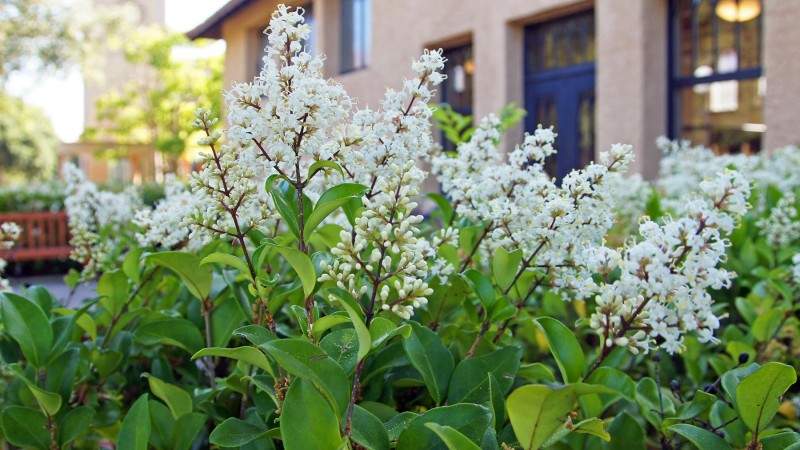
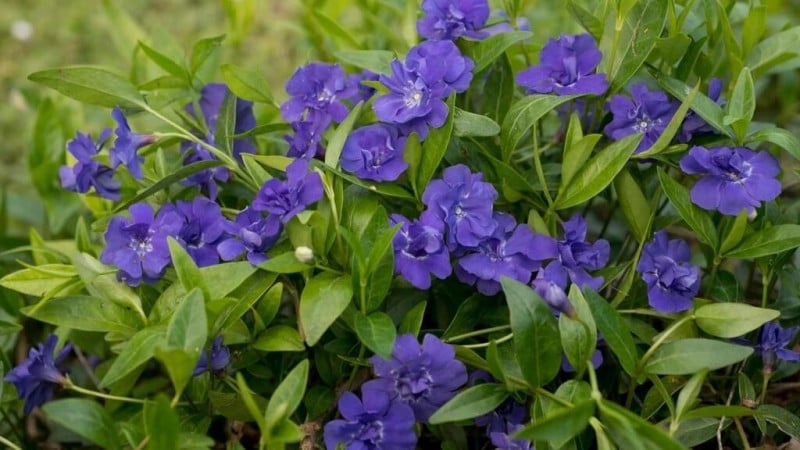
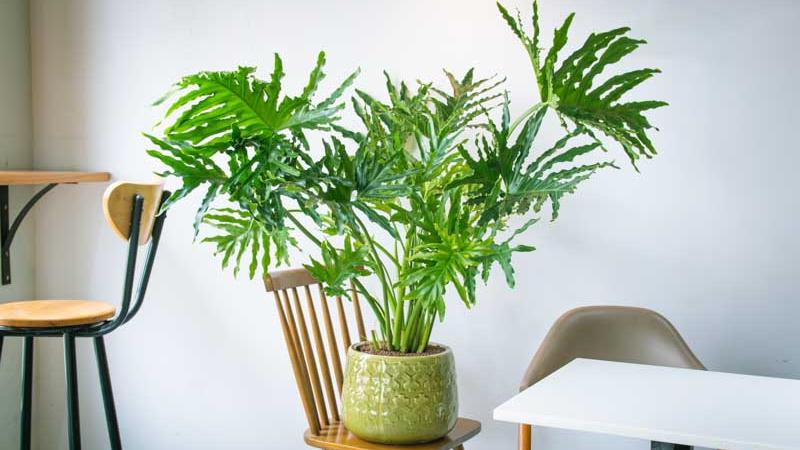
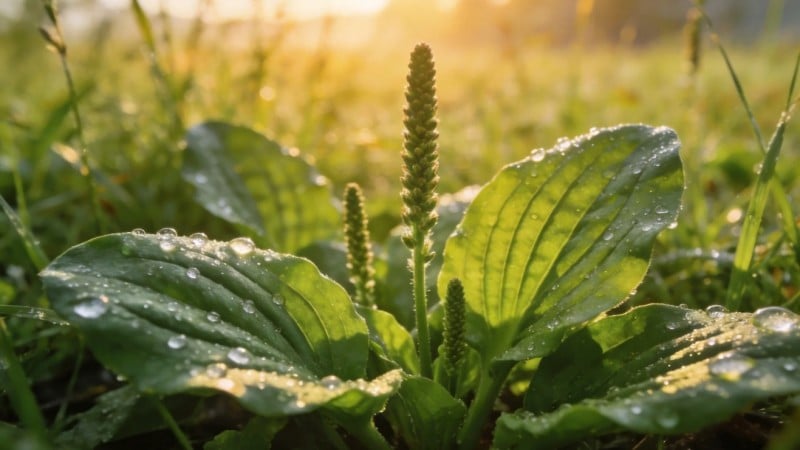
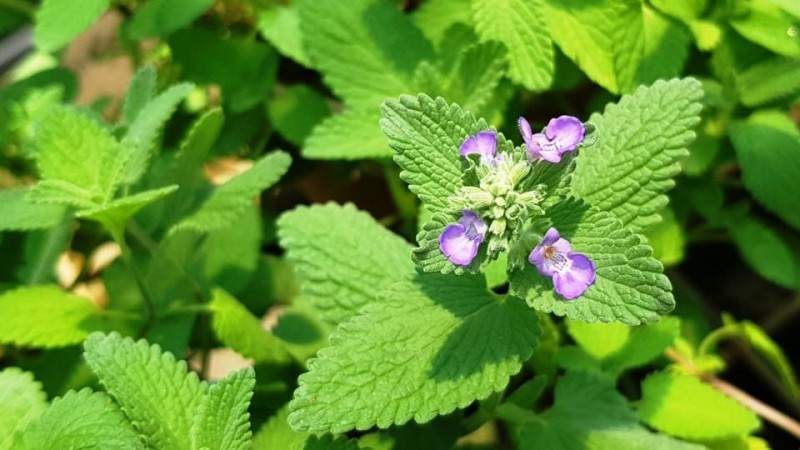
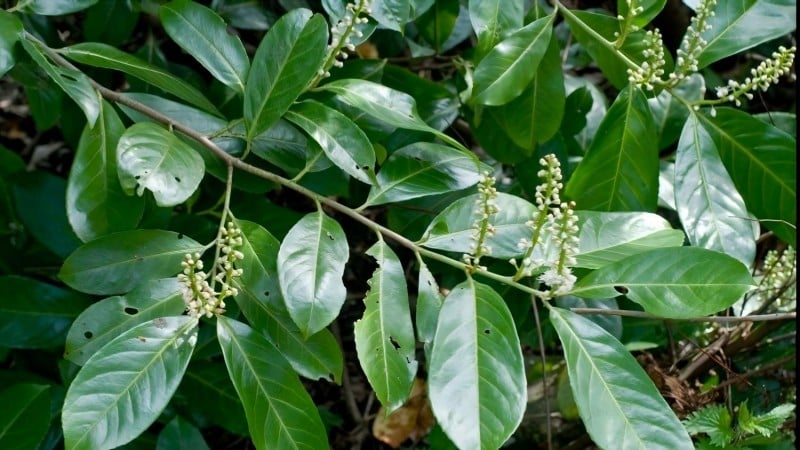

 Poisonous and danger
 Wild and common weed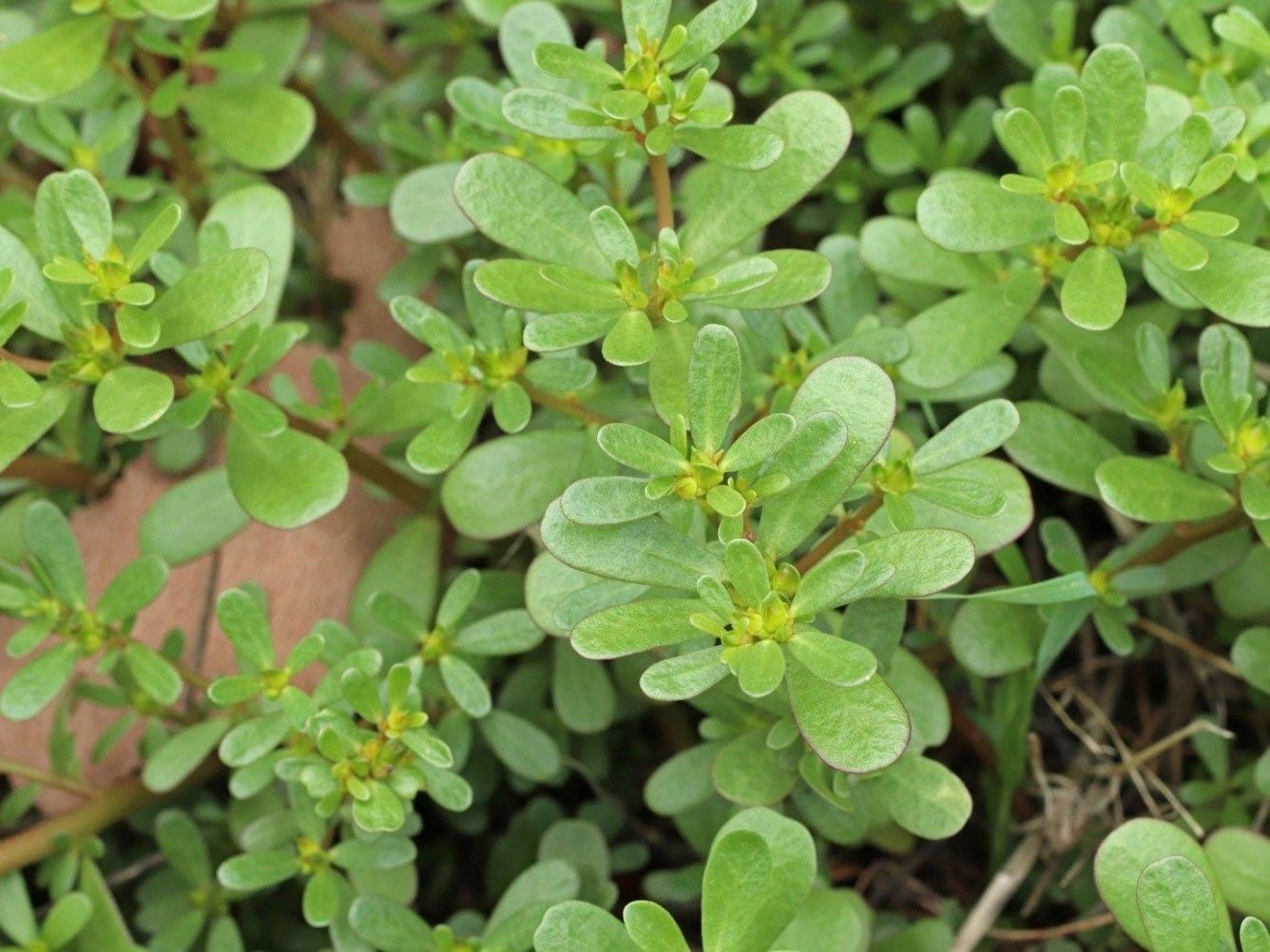
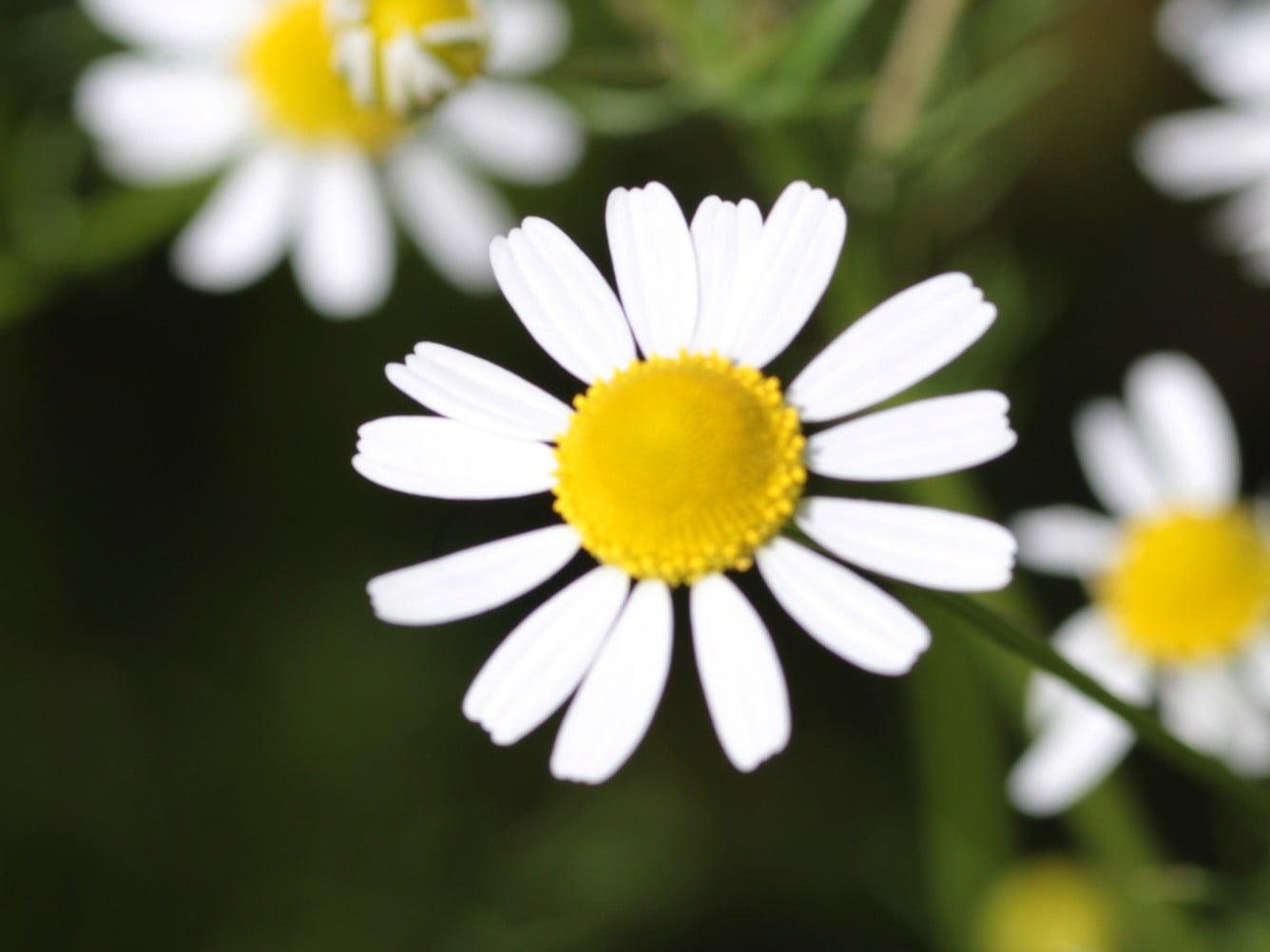
 Edible and medicinal